







Question: Please do it very very carefully, this is very important for me. Thanks. Selling Luxury at Louis Vuitton Moet Hennessey Luxury leather goods maker Louis
Please do it very very carefully, this is very important for me. Thanks.
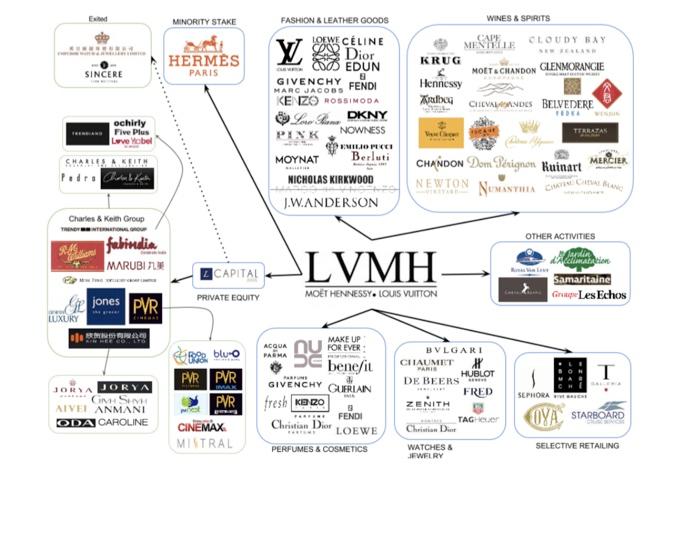
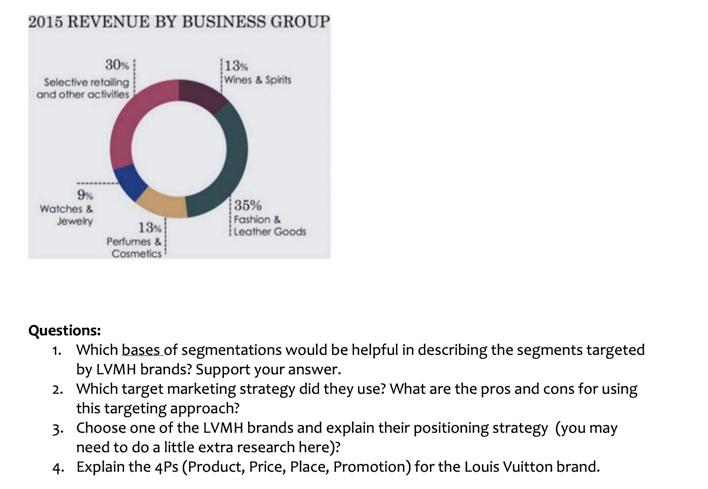
Selling Luxury at Louis Vuitton Moet Hennessey Luxury leather goods maker Louis Vuitton was established in Paris in 1855. For more than a century and a half, the company made quality, handcrafted luggage and other leather goods. It remained a small, family-controlled company until the 1970s, when French businessman Henry Racamier married a Vuitton heiress, and rapidly expanded and diversified the business. When Racamier took over in 1977, the company had only two shops in France and had combined sales of less than $50 million. By the mid-1980s, the company had 95 stores across the globe and revenues topping $500 million. In 1987, the merger of Louis Vuitton with famed French spirits, champagne, and perfume group Moet-Hennessey marked a new era of consolidation in the luxury goods industry. The newly formed Louis Vuitton Moet Hennessey (LVMH) instantly became the world's largest luxury good company, ranking $4 billion in revenues in 1991. The company continued to grow in the 1990s by acquiring several other luxury good companies. LVMH currently owns a portfolio of luxury brands and its business activities are divided into five business groups: Wines and Spirits, Fashion and Leather Goods, Perfumes and Cosmetics, Watches and Jewelry, and Selective Retailing. The wines and spirits sector include the Champagne and Wines branch, and the Cognac and Spirits branch. The Fashion and Leather Goods group includes Louis Vuitton, Fendi, Loewe, Celine, Les Tanneries Roux, Kenzo, Marc Jacobs, Thomas Pink, Pucci, Berluti and Rossimoda. LVMH is present in the perfume and cosmetics sector through the French Houses Christian Dior, Guerlain, Givenchy, Kenzo and other brands. Watches and Jewelry sells such products as TAG Heuer, Zenith, Dior Watches, Chaumet and Fred, among others. The company's revenues topped $35 billion in 2015. LVMH describes itself as "the world leader in luxury" and is the only company present across all of the five major luxury sectors. The group has targeted the upper end of the market and aimed at people with a love towards fine design, and taste for tradition and luxury. The group's portfolio includes over 60 prestigious brands and a 3,680 strong store network. This means that LVMH is not a bet on particular luxury brand unlike its UK listed peers Burberry, Jimmy Choo and Mulberry. Many of LVMH's brands appear to be timeless such as the cognac Hennessy and the champagne Krug. LVMH has consistently pursued a luxury pricing strategy, which means high mark-ups, limited availability, and few if any mark-downs. Louis Vuitton only sells through a global network of company owned stores. This keeps margins high and allows the company to maintain control over its products through every step of the channel. Bernard Arnault explained, "if you control your factory, you control your quality; if you control your distribution, you control your image." Louis Vuitton has built several flagship stores located in high-fashion avenues around the world including Rodeo Drive, Champs-Elyses, and Fifth Avenue. Currently, Vuitton lays claim to one of the industry's highest averages of sales per store, generating about $17.4 million per location, beating out Gucci's average by over 50 percent. Because maintaining an upscale image is vital to the luxury brand, LVMH devotes over 10 percent of annual sales to promotion and advertising. The company advertises its brands primarily in fashion and lifestyle publications. Some of the brands also use sponsorships for events with a luxury cachet, such as America's Cup. The company also engages in societal issues that serve the public interest. They have several programs supporting the arts and culture, as well as some environmental matters, and other social responsibility projects (visit https://www.lvmh.com/group/lvmh-commitments for details). LVMH is careful in evaluating every marketing opportunity for consistency with the image of its brands. For example, LVMH sold the Donna Karan brand in 2015, because of the dilution of its luxury image. LVMH, manages a portfolio of luxury brands unparalleled in both size and sales. MINORITY STAKE FASHION & LEATHER GOODS LOEWE CLINE Dior 5 EDUN 8 GIVENCHY MARC JACOBS FENDI KE IZO ROSSIMODA V HERMES WINES & SPIRITS CAPE MENTRIE CLOUDY BAY KRUG MOET.CHANDON GLENMORANGLE Hennessy Mulben CHEVALUNDE BELVEDERE SINCERE PARIS Lars DKNY ochirly Five Plus Love Yobel TERRATAK MERCIER PINK NOWNESS EMILIO PUCCI MOYNAT Berluti NICHOLAS KIRKWOOD J.W.ANDERSON CHANDON Dom Perignion Ruinart NEWTON , OTHER ACTIVITIES Charles & Keith Group fabindia MARUBI 1. LVMH CAPITAL PRIVATE EQUITY cerahkan Samaritaine Grup Les Echos jones PVR MOET HENNESSY. LOUIS VUITTON LUXURY T blu- PVR PVR PVR CINEMAX MISTRAL JORMA JORYA CMS AIVE ANMANI ODA CAROLINE MAKE acqua NU FOREVER PARMA bene/it GIVENCHY GUERLAIN fresk KB 20 FENDI Christian Dior LOEWE PERFUMES & COSMETICS BVLGARI CHAUMET HUBLOT DE BEERS FRED ZENITH TAG Chi D SEPHORARIS COYA STARBOARD SELECTIVE RETAILING WATCHES & JEWELRY 2015 REVENUE BY BUSINESS GROUP 30% Selective retailing and other activities 113% Wines & Spirits o 9% Watches & Jewelry 135% Fashion & Leather Goods 13% Perfumes & Cosmetics Questions: 1. Which bases of segmentations would be helpful in describing the segments targeted by LVMH brands? Support your answer. 2. Which target marketing strategy did they use? What are the pros and cons for using this targeting approach? 3. Choose one of the LVMH brands and explain their positioning strategy (you may need to do a little extra research here)? 4. Explain the 4Ps (Product, Price, Place, Promotion) for the Louis Vuitton brand
Step by Step Solution
There are 3 Steps involved in it
1 Expert Approved Answer
Step: 1 Unlock

Question Has Been Solved by an Expert!
Get step-by-step solutions from verified subject matter experts
Step: 2 Unlock
Step: 3 Unlock
 Study Help