







Question: please help 9. Perform the following conversions using the information provided. 1inch(in)=2.54centimeters(cm)1foot(f)=12in1gallon(gal)=3.785liters(L)1meter(m)=1.094yards(yd)1ounce(oz)=28.35grams(g)1liter(L)=1.057quarts(qt)1kilometer(km)=0.6214mile(mi)1kilogram(kg)=2.205pounds(lbs) a. 50.9mLL b. 5.8gal to cm3 c. 20,547dm3 to in3 10. Glycerol is
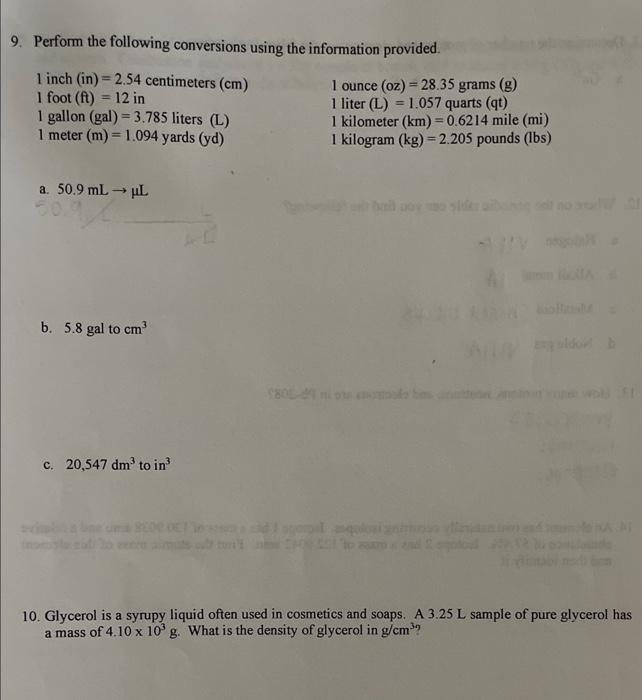
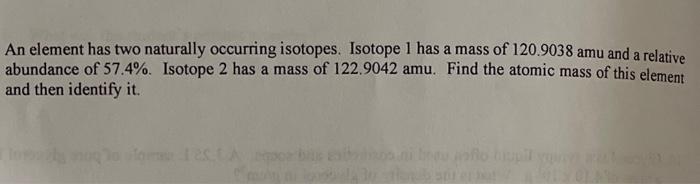
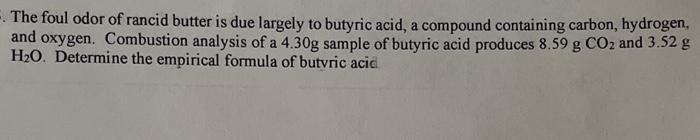

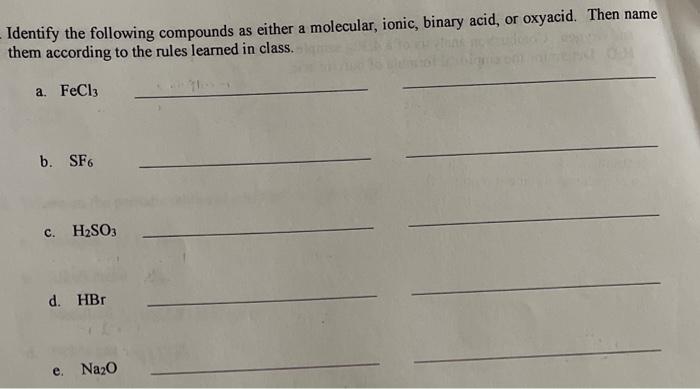
9. Perform the following conversions using the information provided. 1inch(in)=2.54centimeters(cm)1foot(f)=12in1gallon(gal)=3.785liters(L)1meter(m)=1.094yards(yd)1ounce(oz)=28.35grams(g)1liter(L)=1.057quarts(qt)1kilometer(km)=0.6214mile(mi)1kilogram(kg)=2.205pounds(lbs) a. 50.9mLL b. 5.8gal to cm3 c. 20,547dm3 to in3 10. Glycerol is a syrupy liquid often used in cosmetics and soaps. A 3.25L sample of pure glycerol has a mass of 4.10103g. What is the density of glycerol in g/cm3 ? An element has two naturally occurring isotopes. Isotope 1 has a mass of 120.9038amu and a relative abundance of 57.4%. Isotope 2 has a mass of 122.9042amu. Find the atomic mass of this element and then identify it. The foul odor of rancid butter is due largely to butyric acid, a compound containing carbon, hydrogen, and oxygen. Combustion analysis of a 4.30g sample of butyric acid produces 8.59gCO2 and 3.52g H2O. Determine the empirical formula of butvric acic A chemist decomposed a compound and found it contained 1.443gSe and 5.841gBr. Determine th empirical formula of the compound. Identify the following compounds as either a molecular, ionic, binary acid, or oxyacid. Then name them according to the rules learned in class. a. FeCl3 b. SF6 c. H2SO3 d. HBr e. Na2O
Step by Step Solution
There are 3 Steps involved in it

Get step-by-step solutions from verified subject matter experts
 Study Help