Question: Please help me to find ProActive action in this Case study as a project manager. Singapore TradeNet: A Tale of One City As the sun
Please help me to find ProActive action in this Case study as a project manager.
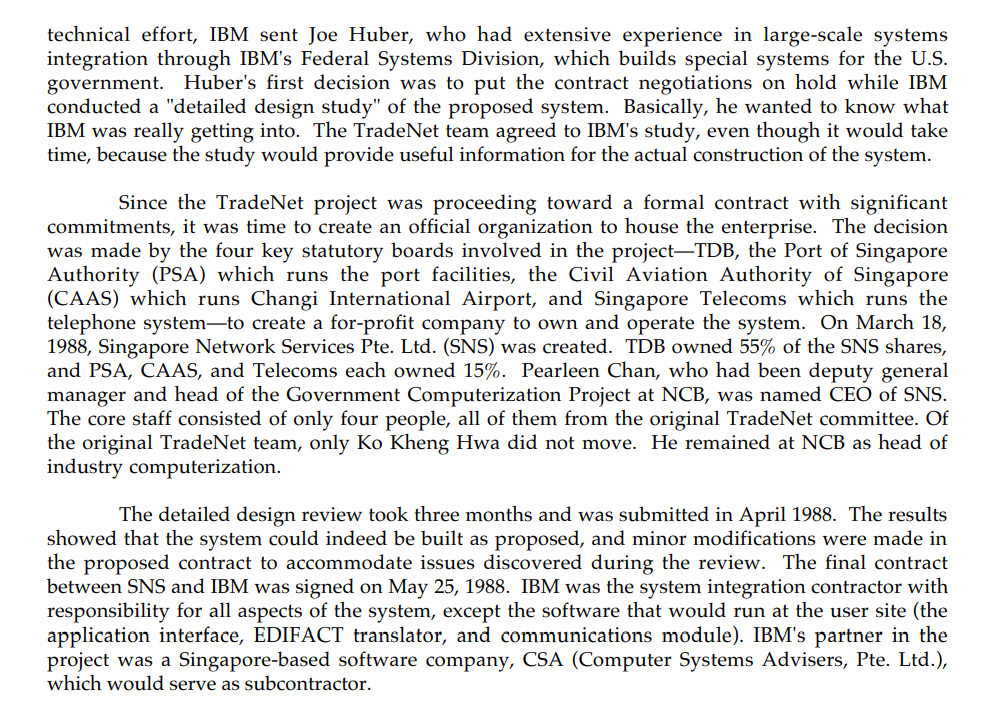
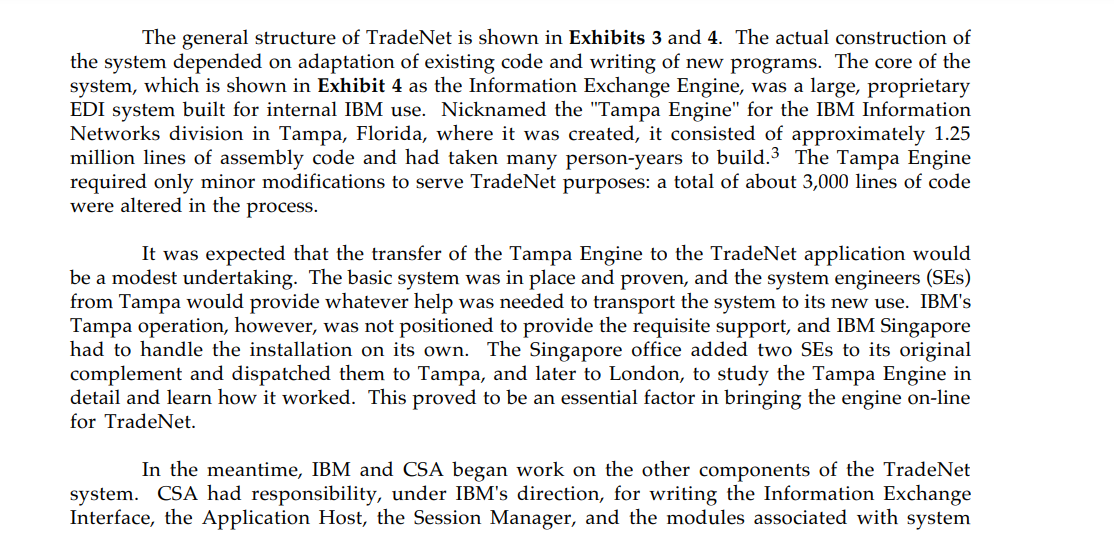
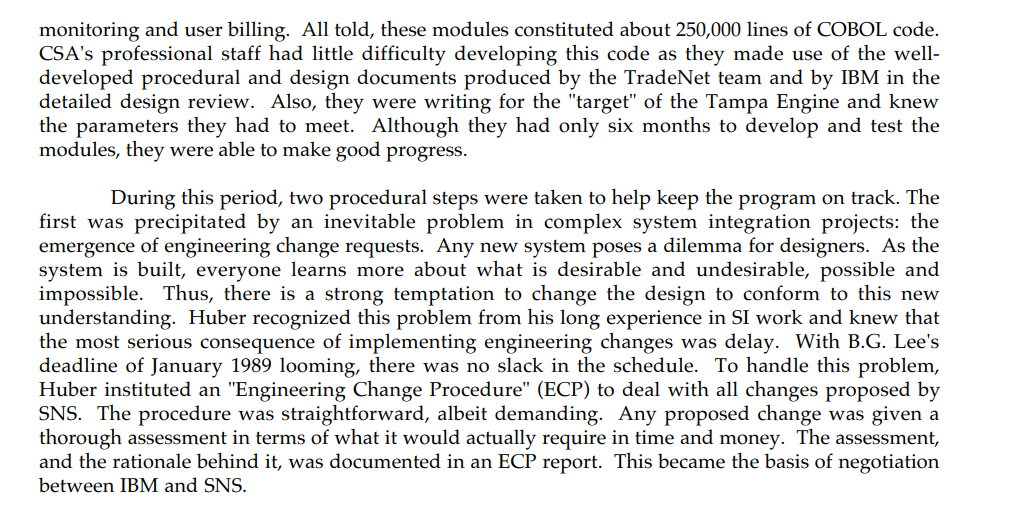
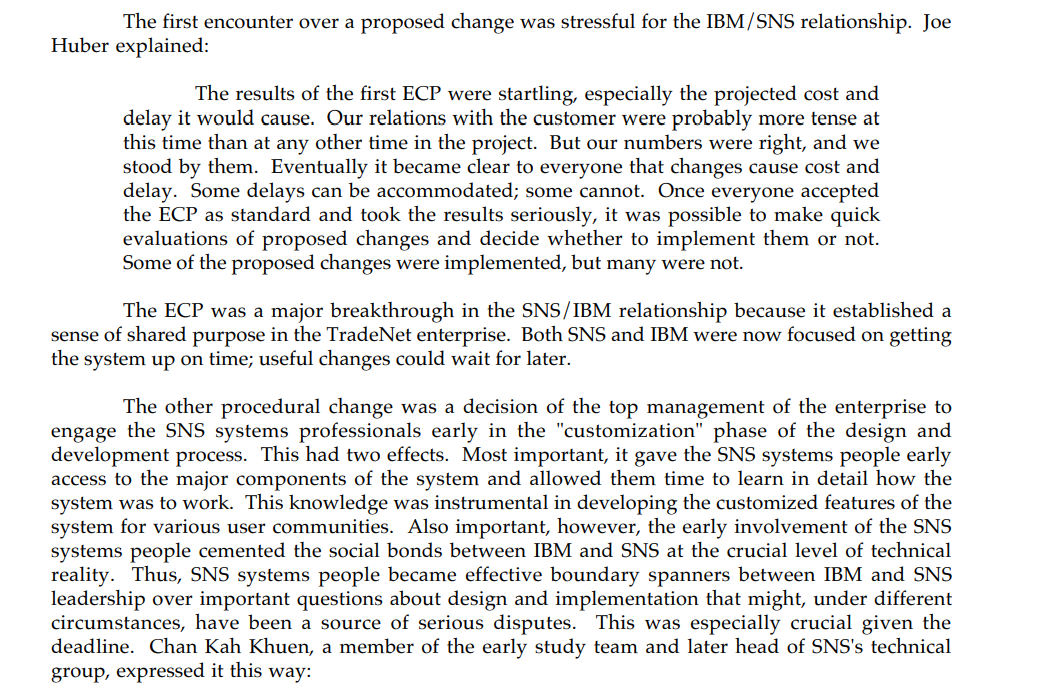
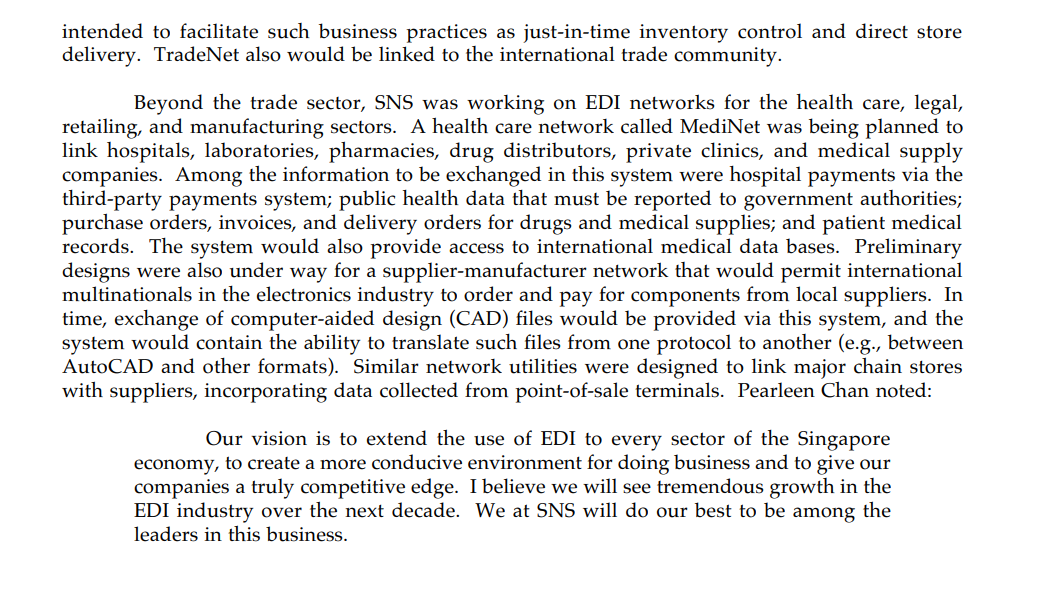
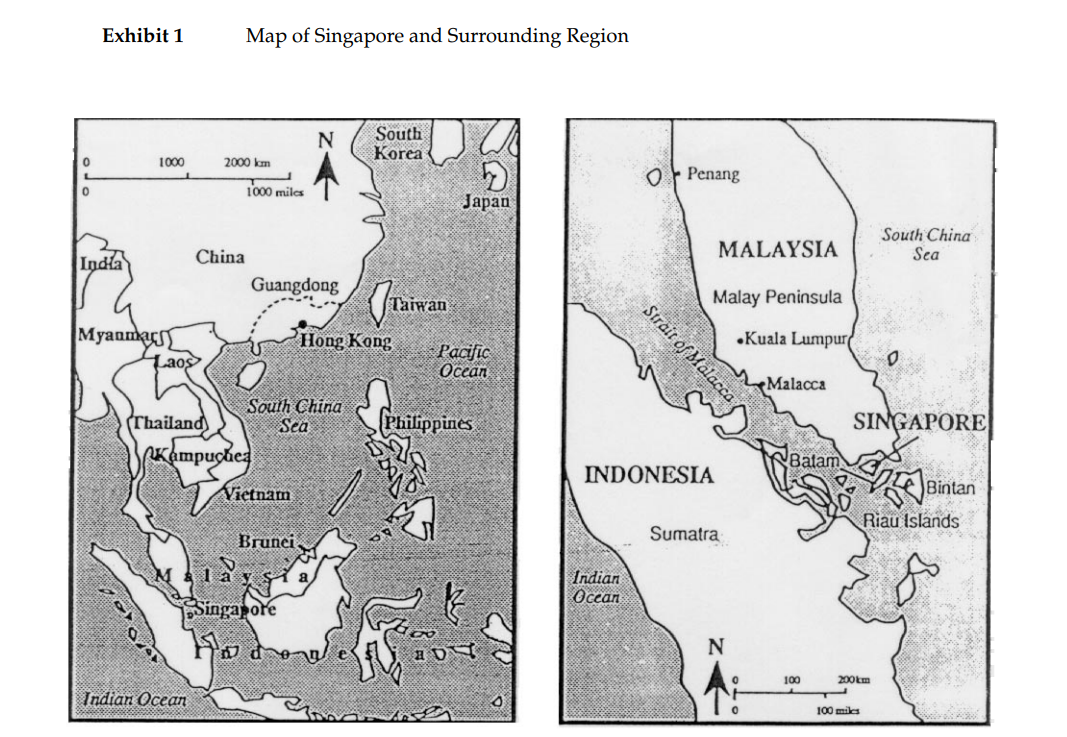
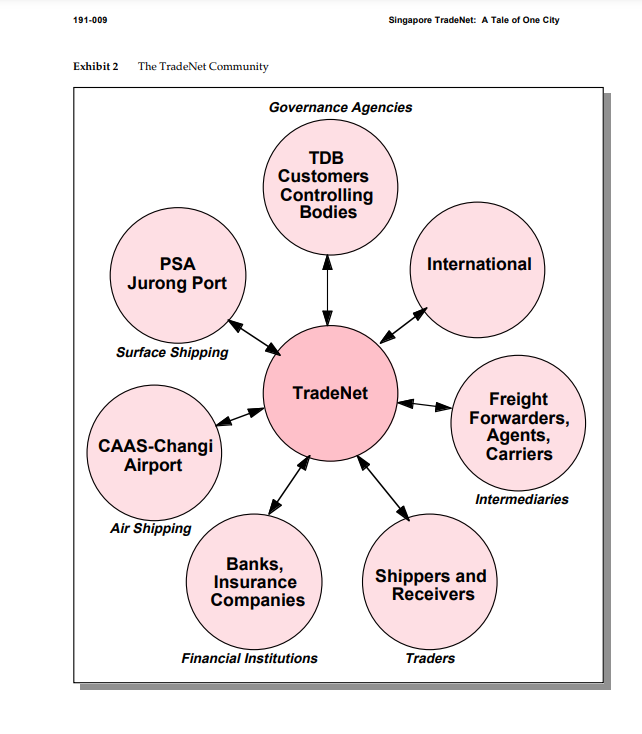
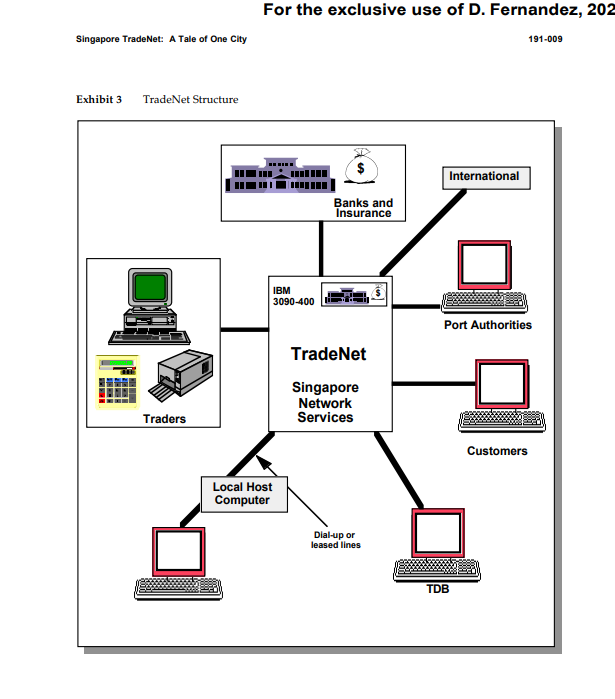
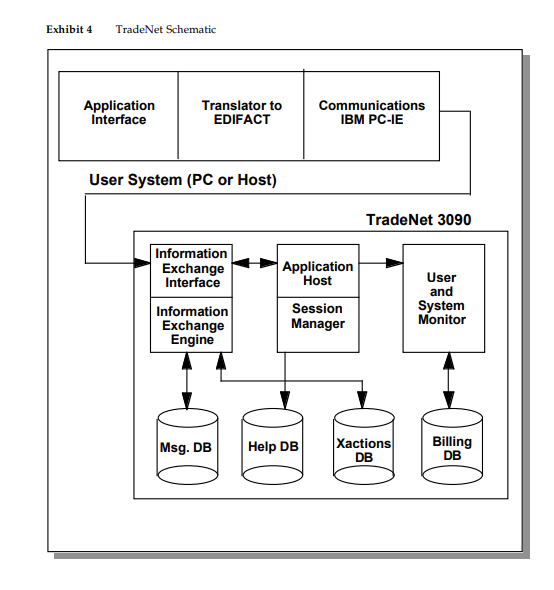
Singapore TradeNet: A Tale of One City As the sun rose over the island of Borneo, the container ship Kobayashi Maru, bound for the Port of Singapore near the heart of the city, rounded the southern tip of Singapore Island from the South China Sea. The captain knew the crew would be disappointed by the short stay that would prevent many from taking shore leave. In spite of the extensive off-loading and on- loading planned at the container terminal, the Kobayashi Maru would put to sea by nightfall. Singapore's state-of-the-art shipping facilities could turn around an average-sized container ship in under 10 hours, as opposed to 20 hours or more for most ports. A major factor in this was the new TradeNet system. Early that morning he had sent his ship's cargo manifests, in electronic form, to the freight forwarders in Singapore. Within two hours, using TradeNet, the freight forwarders had already obtained import permits, cleared customs and paid duties for all cargo going ashore, and received export permits for the ship's outbound cargo. Because of TradeNet, together with the other systems in the Singapore port, the days of the long layover in Singapore City were over. Now, shipping there was strictly business. A city-state of 2.6 million people occupying a 625-square-kilometer island at the southern tip of the Malaysian Peninsula, Singapore was prosperous and had sustained remarkable economic growth during the 1970s and 1980s. GNP in 1989 was US$ 23.84 billion, and per capita GNP was US$ 9,000. With a literacy rate of over 87% and a life expectancy of 74 years, Singapore was on the verge of moving into the club of developed nations. The government had adopted a public position that the country would be recognized as a developed nation by the year 2000. Its position at the tip of the Malaysian peninsula, at the bend in the long sea trade route between the Indian Ocean and South China Sea, had made Singapore a key strategic port for those interested in trade in and around Asia (see Exhibit 1). Its location had been the crucial factor in Singapore's development since its founding in 1819 and was a major source of the country's remarkable economic growth since becoming an independent republic in 1966.Trade Documentation Modern trade revolved around transactions involving information on facts, parties at interest, and exchanges. Facts included the cargoes that were being shipped, the values of the cargoes, the vessels that carried them, their points of origin and destination, and the dates of departure and arrival. Parties at interest included the owners who shipped the cargoes and the recipients, as well as all the intermediaries-agents, freight forwarders, shipping companies, banks, insurance companies, port authorities, and government customs and control agencies. Exchange transactions, the actual interchange of goods and information at the intersections of facts and parties at interest, included transfer of cargo custody, payments of various fees and duties, and payments among the parties buying and selling the cargoes. Trade documentation linked these crucial information components through manifests, bills of lading, letters of credit, customs declarations, and all manner of receipts and reports. Trade documentation in a busy port like Singapore was a complex and expensive activity. Yeo Seng Teck, chief executive officer of the Trade Development Board (TDB), a statutory board? responsible for managing all incoming and outgoing trade activities, explained the situation his agency faced in 1987: Our agency (TDB) was loaded with paperwork. In 1987 we were handling about 10,000 declarations each day, and the number was rising. And TDB was only part of the system. The trade process involves agencies such as the port authorities, customs, and so on, each with its own rules. At least four documents had to be completed for each incoming or outgoing shipment. In complicated cases as many as 20 forms might be required. Shipping agents and freight forwarders prepared these reports and physically carried them to service centers where they would be handled manually by government officials and clerks. Two-day turnaround was common. The cost of these transactions was high for all concerned. Swedish and U.S. studies of the costs of trade documentation in those countries estimated the cost at 4% to 7% of the value of goods shipped. And such transactions are error prone. A British study estimated that half of all letter of credit applications were turnedBritish study estimated that half of all letter of credit applications were turned down on first application due to errors in completion. This seemed like a lot of work with little payoff. It also provided an opportunity for us. Singapore is a small country. We have no natural resources. Our population has stabilized. We know we cannot compete by just bringing in new labor. If we are to be successful, we must improve our competitiveness in every way and especially in external trade, which utory boards are an important feature of Singapore's economic structure, responsible for operating vital ies (e.g., telephone and subway systems), major installations (e.g., the airport and the port), major construction prises (e.g., the Urban Redevelopment Authority), and analytical functions (e.g., the Economic Development d). Each entity with the term "board" or "authority" in its title mentioned in this case is a statutory board. e boards are created by the government through enabling legislation, but they are not government rtments. Although, they are typically tied through their enabling legislation to particular ministries of rnment, they are not-for-profit corporations whose directorships consist of a mix of leaders from government, rivate sector, and labor organizations. They generally must operate without government subsidy and can surplus earnings to expand their programs. or use only by Daniel Fernandez in IT 343 Team Case Presentation Summer 2023 taught by Donna Buckner, George Mason University from M 2023. For the exclusive use of D. Fernandez, pore TradeNet: A Tale of One City 191-009 is our largest business sector. This means cutting costs. That 4% to 7% was the best place to start.The TradeNet System TradeNet, an electronic data interchange (EDI) system that allowed computer-to-computer exchange of inter-company business documents in a format conforming to established public standards, connected members of the Singapore trading community (see Exhibit 2). Eventually, it would link with the EDI systems of the international community. The TradeNet system (see Exhibit 3) utilized software running on a large IBM mainframe computer owned and operated by Singapore Network Services Pte. Ltd. This system was linked via telephone dial-up or leased lines to all the members of the trading community, each of whom used terminals or their own computer systems to interact with the system. A user, such as a freight forwarder, utilized the Application Interface (see Exhibit 4) on his or her local computer system to complete the required TradeNet application forms. The local system translated the data from the form into EDIFACT (an international electronic document standard). A communications program then transmitted the EDIFACT document to the TradeNet mainframe. At the mainframe, the Information Exchange Interface received the information and determined the nature of the transaction, who had sent it, and what was being requested. A typical request might be for an approval from TDB and Customs and Excise to release an incoming shipment for delivery to a destination within Singapore, or to release a shipment that was being exported from Singapore. Relevant data were forwarded to appropriate destinations such as the TDB, Customs, and any other agency with jurisdiction over particular trade associated requests. The Applications Manager module and the Session Manager module kept track of the transaction, stored data for future use, and forwarded system use information to the User and System Monitor module, which would eventually bill the user's organization for utilizing TradeNet. TDB and the Customs and Excise agency were the principal governmental agencies with whom traders interacted via TradeNet, but the system could also provide data on the status of a shipment to other interested parties, such as the port or airport authorities. TradeNet had the ability to support certain financial transactions. A freight forwarder, for example, might send a message to its bank ordering a payment to be made to another freight forwarder for services rendered on a given shipment. TradeNet also supported direct GIRO interbank funds transfer.Planning TradeNet TradeNet resulted from discussions on environmental factors and government policies and programs in the 1980s. As part of its program of general economic development during the 1970s, a number of opportunities for Singapore's economic growth were explored. These explorations suggested that the broad field of information technology (IT) provided special opportunities for the country. Accordingly, a blue-ribbon Committee on National Computerization (CNC) was established by the government to develop specific recommendations on ways Singapore could pursue a future in the growing information technology field. In 1980, the CNC issued a report stating that Singapore could become one of the world's leaders in the creation and use of information technologies. To do so, however, the country would have to mobilize its efforts and create a coherent plan of development. In particular, it was necessary to build Singapore's IT human infrastructure. Only 850 IT professionals were available in the country in 1980. The CNC estimated that 10,000 would be needed by 1990 to accomplish its goals. Computer education at all levels of school became a priority. Also, the country needed to gain practical experience with the technology. A special statutory board, the National Computer Board (NCB), was created underthe Ministry of Finance and charged with creating development programs that would build Singapore into an IT society. NCB's first major effort, the Government Computerization Project, focused on bringing computerization to government agencies and greatly expanded the skill base. The education programs worked well and by 1986 there were nearly 4,000 IT professionals available in the country. These initiatives provided the base for more ambitious undertakings. In 1985, a recession hit Singapore, causing concern about the country's economic future and, in particular, the immediate goals of national economic development. A high-level committee convened to consider options and named improvement in external trade as a major goal. This report resulted in a concentrated effort to implement IT in both the port and the airport and was an important mobilizing factor leading to TradeNet. Also in 1986, Singapore's main shipping competitor, Hong Kong, revealed that it was working toward creation of a trade-oriented EDI system to be called Hotline (later re-named TradeLink). Trade is clearly a multi-lateral phenomenon, involving many groups with differing interests. No single organization could create a workable computer system for trade. Whatever was done, it would have to be built on agreements among a large number of interest groups. Philip Yeo, chairman of the Economic Development Board (EDB) and National Computer Board (NCB) and a graduate of a well-known U.S. East Coast MBA program, met with Yeo Seng Teck, chairman of the TDB, to discuss ways to proceed. Yeo Seng Teck recalled: Philip and I knew each other well. The small size of our country makes it possible for key people to get to know one another. In fact, people often hold a number of key positions in different agencies through their careers. Philip was chairman of EDB, and I had been CEO of EDB before I moved over to TDB. We both understood the problems. We also knew nothing would happen unless we agreed to push it. So the two Yeos got together and agreed to make it happen.They brought together a disparate group of influential interests and obtained agreement on "streamlining trade." This meant building technological support but, perhaps more important, it meant streamlining the procedures and protocols of many different agencies and organizations into a set of coherent and simplified procedures that could be automated. This challenge was often more political than technical. TDB was given the task of mobilizing the trade community and became the coordinating entity among the government agencies and statutory boards involved with trade, such as Customs and Excise, the Port of Singapore Authority, and Civil Aviation Authority of Singapore. Yeo Seng Teck called a meeting of the relevant interest groups that would have to come together in agreement if TradeNet were to succeed (see Exhibit 5). Participants included a large, heterogeneous mix of government agencies, companies, hierarchical organizations, and voluntary associations. Through several meetings and much discussion all the participants came to agree that significant savings would accrue from reducing the burdens of trade documentation handling and that streamlining trade would make the entire Singapore trading community more competitive internationally. Eventually, an "agreement to agree" was reached, and the process of streamlining began. The most important first step in the process was to develop a detailed understanding of exactly what trade procedures were already being followed. (Exhibit 6 depicts the process review organization.) The TradeNet Steering Committee, which was created to oversee the process, was subdivided into three working subcommittees, one each for the maritime community (sea shipping), the air community (air shipping), and the government agencies and statutory boards. Individual NCB staffers were appointed to support each subcommittee. The subcommittees met regularly over several months, investigating trade procedures and developing a profile of essential trade documentation activities that must be incorporated in any new set of procedures. Each subcommittee produced a report, and these reports were integrated by NCB staffers and members of the wholecommittee into an "Integrated Procedures Report" that served as the focal point of procedural reform discussions. Automating the existing procedures would produce nothing more than an automated mess. It would be necessary to reduce the 20+ forms involved in trade to a few or, ideally, one. There was much negotiation, during which organizations with long-standing procedures based on particular forms had to compromise. The result was a single form-actually, a large, formatted computer screen-to serve nearly all trade documentation needs in Singapore. This form would be the substantive core of the new computerized system. Once this agreement was made, the committee prepared a proposal for the creation of TradeNet. At about the same time, TDB began experimenting with a prototype on-line system called Trade-Dial-Up, which allowed traders to dial into the TDB computer system and complete trade forms from their local PCs or systems in terminal emulation mode. Completion of the single form made Trade-Dial-Up effective, and the system was used successfully to prove the concept that trade documentation could be completed on- line. The TradeNet project was reviewed at the highest levels of government and received the go-ahead. In December 1986, B. G. Lee, son of the prime minister and head of the Ministry of Trade and Industry, publicly announced the TradeNet project. In his announcement he said the new system would be operational within two years. This gave the development team little time, but, by its decision, the government gave the team the full authority and resources to proceed. Building TradeNet By February 1987, the TradeNet team had refined the reports produced in the analysis phase into a set of broad specifications for an EDI system for trade documentation, which they issued to a long list of possible vendors, and they developed a pre-qualification solicitation, essentially a Request for Information (RFI) that would provide background on which companies could undertake such a project. They also commissioned Price Waterhouse to do a separate study of TradeNet's likely market. The report suggested a potential customer base of about 2.200 firmsTradeNet's likely market. The report suggested a potential customer base of about 2,200 firms engaged in trade-related activities in Singapore, plus the various government agencies and statutory boards that would be users of the system. Price Waterhouse was also asked to conduct a study of the basic information processing requirements of firms within the trading community. The objective of this study was to evaluate the potential applications of computers to these firms. This information would help firms develop applications to make them more productive. But the real objective was to enhance TradeNet's effects. TradeNet would be most useful if it tied directly into the automated systems of the trading firms, and the Price Waterhouse study provided examples of the applications that were needed to enhance TradeNet's value throughout the trading community. The RFI produced 23 responses, mainly from U.S. and Japanese firms. Most were judged too small or inexperienced to take on the project and were eliminated. To assess the remaining vendors, members of the TradeNet team made visits to EDI installations in the U.S. and Europe to see the various systems in action. By the summer of 1987, three finalists were chosen: IBM Corporation, Mcdonnell Douglas Information Systems Company, and General Electric Information Services Company (GEISCO). Each received a formal request for proposal (RFP) in June 1987. The proposals, received in September, were reviewed with special emphasis on each company's "staying power" in completing a project of TradeNet's complexity. In December 1987, a year after TradeNet was announced, IBM was notified that it was the winning bidder. The specialists in IBM's Singapore office knew that TradeNet was not a trivial system. It would link together a number of existing and new procedural and computerized systems. The project was more of a systems integration effort than a system building effort. To head up the TradeNettechnical effort, IBM sent Joe Huber, who had extensive experience in large-scale systems integration through IBM's Federal Systems Division, which builds special systems for the U.S. government. Huber's first decision was to put the contract negotiations on hold while IBM conducted a "detailed design study" of the proposed system. Basically, he wanted to know what IBM was really getting into. The TradeNet team agreed to IBM's study, even though it would take time, because the study would provide useful information for the actual construction of the system. Since the TradeNet project was proceeding toward a formal contract with significant commitments, it was time to create an official organization to house the enterprise. The decision was made by the four key statutory boards involved in the project-TDB, the Port of Singapore Authority (PSA) which runs the port facilities, the Civil Aviation Authority of Singapore (CAAS) which runs Changi International Airport, and Singapore Telecoms which runs the telephone system-to create a for-profit company to own and operate the system. On March 18, 1988, Singapore Network Services Pte. Ltd. (SNS) was created. TDB owned 55% of the SNS shares, and PSA, CAAS, and Telecoms each owned 15%. Pearleen Chan, who had been deputy general manager and head of the Government Computerization Project at NCB, was named CEO of SNS. The core staff consisted of only four people, all of them from the original TradeNet committee. Of the original TradeNet team, only Ko Kheng Hwa did not move. He remained at NCB as head of industry computerization. The detailed design review took three months and was submitted in April 1988. The results showed that the system could indeed be built as proposed, and minor modifications were made in the proposed contract to accommodate issues discovered during the review. The final contract between SNS and IBM was signed on May 25, 1988. IBM was the system integration contractor with responsibility for all aspects of the system, except the software that would run at the user site (the application interface, EDIFACT translator, and communications module). IBM's partner in the project was a Singapore-based software company, CSA (Computer Systems Advisers, Pte. Ltd.), which would serve as subcontractor.The general structure of TradeNet is shown in Exhibits 3 and 4. The actual construction of the system depended on adaptation of existing code and writing of new programs. The core of the system, which is shown in Exhibit 4 as the Information Exchange Engine, was a large, proprietary EDI system built for internal IBM use. Nicknamed the "Tampa Engine" for the IBM Information Networks division in Tampa, Florida, where it was created, it consisted of approximately 1.25 million lines of assembly code and had taken many person-years to build. The Tampa Engine required only minor modifications to serve TradeNet purposes: a total of about 3,000 lines of code were altered in the process. It was expected that the transfer of the Tampa Engine to the TradeNet application would be a modest undertaking. The basic system was in place and proven, and the system engineers (SEs) from Tampa would provide whatever help was needed to transport the system to its new use. IBM's Tampa operation, however, was not positioned to provide the requisite support, and IBM Singapore had to handle the installation on its own. The Singapore office added two SEs to its original complement and dispatched them to Tampa, and later to London, to study the Tampa Engine in detail and learn how it worked. This proved to be an essential factor in bringing the engine on-line for TradeNet. In the meantime, IBM and CSA began work on the other components of the TradeNet system. CSA had responsibility, under IBM's direction, for writing the Information Exchange Interface, the Application Host, the Session Manager, and the modules associated with systemmonitoring and user billing. All told, these modules constituted about 250,000 lines of COBOL code. CSA's professional staff had little difficulty developing this code as they made use of the well- developed procedural and design documents produced by the TradeNet team and by IBM in the detailed design review. Also, they were writing for the "target" of the Tampa Engine and knew the parameters they had to meet. Although they had only six months to develop and test the modules, they were able to make good progress. During this period, two procedural steps were taken to help keep the program on track. The first was precipitated by an inevitable problem in complex system integration projects: the emergence of engineering change requests. Any new system poses a dilemma for designers. As the system is built, everyone learns more about what is desirable and undesirable, possible and impossible. Thus, there is a strong temptation to change the design to conform to this new understanding. Huber recognized this problem from his long experience in SI work and knew that the most serious consequence of implementing engineering changes was delay. With B.G. Lee's deadline of January 1989 looming, there was no slack in the schedule. To handle this problem, Huber instituted an "Engineering Change Procedure" (ECP) to deal with all changes proposed by SNS. The procedure was straightforward, albeit demanding. Any proposed change was given a thorough assessment in terms of what it would actually require in time and money. The assessment, and the rationale behind it, was documented in an ECP report. This became the basis of negotiation between IBM and SNS.The first encounter over a proposed change was stressful for the IBM/SNS relationship. Joe Huber explained: The results of the first ECP were startling, especially the projected cost and delay it would cause. Our relations with the customer were probably more tense at this time than at any other time in the project. But our numbers were right, and we stood by them. Eventually it became clear to everyone that changes cause cost and delay. Some delays can be accommodated; some cannot. Once everyone accepted the ECP as standard and took the results seriously, it was possible to make quick evaluations of proposed changes and decide whether to implement them or not. Some of the proposed changes were implemented, but many were not. The ECP was a major breakthrough in the SNS/IBM relationship because it established a sense of shared purpose in the TradeNet enterprise. Both SNS and IBM were now focused on getting the system up on time; useful changes could wait for later. The other procedural change was a decision of the top management of the enterprise to engage the SNS systems professionals early in the "customization" phase of the design and development process. This had two effects. Most important, it gave the SNS systems people early access to the major components of the system and allowed them time to learn in detail how the system was to work. This knowledge was instrumental in developing the customized features of the system for various user communities. Also important, however, the early involvement of the SNS systems people cemented the social bonds between IBM and SNS at the crucial level of technical reality. Thus, SNS systems people became effective boundary spanners between IBM and SNS leadership over important questions about design and implementation that might, under different circumstances, have been a source of serious disputes. This was especially crucial given the deadline. Chan Kah Khuen, a member of the early study team and later head of SNS's technical group, expressed it this way:There was real management commitment to this project and clear agreement on project objectives, so decisions were made fast. This helped build esprit des corps. The teams were also very skilled, with real expertise coming from IBM, it is authorized for use only by Daniel Fernandez in IT 343 Team Case Presentation Summer 2023 taught by Donna Buckner, George Mason University from May 2023 to 2023. For the exclusive use of D. Fernandez, 2023 191-009 Singapore TradeNet: A Tale of One City CSA, and SNS. At times there were 100-200 people working together very closely, and everyone got on well. There were occasionally disagreements over the "gray areas," but these were resolved quickly because management paid attention to the effort and we were a real team. In the meantime, SNS had let contracts to four local firms to develop the user interface software essential for the trading community that would use TradeNet. The initial implementations were kept relatively simple by standardizing on MS-DOS machines (e.g., the IBM PC) as the target-user computer. This was sensible because the availability of low-priced, powerful MS-DOS systems made them the most common system among Singapore's business community. Also, to help keep implementation simple, SNS mandated use of the IBM PC-IE communications software that would link the user host to the TradeNet mainframe over leased or dial-up lines. In spite of the relative simplicity of the task, there were delays and problems in getting the user software ready for January. SNS spent considerable energy making the softwareDelay-producing changes proposed for TradeNet were usually deferred through use of the ECP, but some essential changes were adopted and implemented. Some delays were unavoidable. SNS and IBM decided to concentrate on the basic information exchange and transaction processing components of the system for the January 1989 introduction of TradeNet. They delayed implementation of some data base capabilities as well as the user billing modules until after the system was introduced. This allowed the team to concentrate on finishing, testing, and debugging the crucial components of the Information Exchange Interface, the Application Host, the Session Manager, and the Information Exchange Engine. In addition, the progress on TradeNet was rapid because so much of the essential infrastructure was already in place. Pearleen Chan commented: TradeNet is the largest single project undertaken to date in the national effort to build IT capability, but it would have been impossible without the Government Computerization Project that preceded it. Also, without the sophisticated computer systems installed in the various boards and agencies, TradeNet would have had nothing to hook up to. It wouldn't have mattered if we could deliver documents quickly to TDB or Customs, for example, if they simply went into big stacks to be processed manually. The fact that documents flow through TradeNet into the automated systems at TDB and Customs is essential to the main objective of speeding up trade document transactions. The first transaction on TradeNet was a shipping application sent over a dial-up line by Merchants Air Cargo, an air cargo company owned by Joseph Low, who had served as the representative of the Singapore Air Cargo Agents Association on the TradeNet committee. The application was submitted on January 1, 1989. Ten minutes later, approval of the shipment was returned to the Merchants Air Cargo offices. TradeNet was operational.Results The original expectations for TradeNet were ambitious. SNS hoped to capture about 25% of the total trade document transactions in the first year of operation, with a subscriber base of about 500. In retrospect, these ambitious expectations looked conservative. By December 1989, TradeNet had 850 out of about 2,200 possible subscribers, and about 45% of all trade documentation for sea and air shipments was being handled by the network. The success was so striking that TDB changed the date when use of TradeNet for all trade transactions would be made mandatory from early 1993 to early 1991. Most of the larger firms had already joined the system by the end of 1989. The balance of the 2,200 potential subscribers comprised medium and small firms. In anticipation of eventually making use of TradeNet mandatory, SNS began exploring means for facilitating the movement of the medium- and smaller-sized firms onto the system. As SNS had grown significantly, Pearleen Chan, who had still been working on projects at NCB, moved over to SNS full time in October 1989. By March 1990, SNS had grown to a full-time staff of 5 managers, 40 programmers and sales people, and 10 support staff, and was expanding. It had outgrown its offices and was looking forward to moving into larger quarters in a new building under construction nearby. Soon, SNS was meeting its operational costs through revenues from TradeNet subscriptions and user fees. Joining TradeNet cost a company US$375 for a one-time connect charge, with monthly costs of US$15 for a dial-up port and transaction costs of US$.25 per 1 kilobyte of transmitted information (the average declaration requires .7 kilobytes). In addition, the company needed to have the hardware necessary for local processing of the application and transmission of the coded EDIFACT data. The minimum required PC configuration cost about US$2,000, and the software an additional US$2,000. This posed no problem for large companies, most of whom had significant in- house computer capability. Smaller companies were generally willing to buy the hardware since Singapore offered enticing tax write-offs for computer hardware purchased by small enterprises. Nevertheless, SNS and TDB recognized that not all small companies would wish to spend the capital necessary to join TradeNet right away. Therefore, three plans were developed to provide use of the system to those who didn't join. Small companies might, if they did not wish to make the necessary investments, use the facilities of service centers. Also, they might go to the TDB officesuse of the system to those who didn't join. Small companies might, if they did not wish to make the necessary investments, use the facilities of service centers. Also, they might go to the TDB offices where data would be captured by TDB. Finally, TDB was considering opening convenient offices where public terminals and assistance could be obtained for a modest fee. It was anticipated that no more than 5% of total TradeNet volume would be conducted in these ways. The cost of a company's overall changes in procedures and protocols required for moving to TradeNet were less clear than the direct costs. For some companies, the conversion was trivial because their own systems were already in place and ready to accommodate the new ways of doing business. For companies not yet used to doing business with computers, the change would be more difficult. Nevertheless, many small companies with no prior computing experience had purchased computers and begun to use them, due strictly to the availability of TradeNet. TradeNet's performance effects were beginning to be noticed. Turnaround time for processing of typical trade documents had been reduced from a minimum of one day and as many as four days to as little as 15 minutes. Most transactions were actually completed in 10 minutes. This had had a remarkable effect on the subscribers to the system. An example of this was the experience of MSAS Cargo International, a worldwide multi-modal freight forwarder with a major office in Singapore. Georgiana Yuen, Regional Systems manager at MSAS, Pte. Ltd. Singapore, explained: The productivity improvements from TradeNet have been significant. The turnaround is much faster, and we can speed up the movements of shipments to our customers. There are also major logistics improvements. For example, we used to have to send clerks as couriers with documents to various offices here, at ChangiInternational Airport, or downtown. Now there is no need to. The clerks do not have to wait in line and are always here in the office. This saves a lot of time and means better deployment of our staff. Also, we've been able to make better use of our trucks. Fast turnaround makes it possible for us to organize shipments onto outgoing trucks. Mainly, we benefit from improved service to our customers, more effective control of trucks and equipment, and of manpower resources. As a result, we experience higher productivity in our operations. TradeNet has become a key part of our operations. Great Expectations While formal analysis of the cost impacts of TradeNet for subscribers had yet to be performed, several freight forwarders reported savings of 25% to 35% in handling trade documentation. Expectations of benefits by TradeNet subscribers were significant and were indicated by the experiences of Merchants Air Cargo, Pte. Ltd., a freight forwarder based at Changi International Airport. MAC had been an innovator in use of computers for its operations for several years. By 1984, it had computerized most of its back office functions (accounting, statistics, etc.) using a NEC ASTRA minicomputer. Although its software was custom-built by an outside contractor, over time it took all system support activities in-house. In 1985, the company embarked on computerizing significant aspects of its operations, but since most transactions involving shipments were tied to outside entities that were not computerized, the full potential of computerized operations was difficult to realize. MAC was a participant in TDB's Trade Dial-Up experiments in 1986-87, which confirmed the potential of computerization of trade documentation functions. And MAC served as one of the exemplary sites for development of the requirements described in the Air Community Subcommittee report. MAC continued to develop its in-house computer capabilities during the period when TradeNet was being constructed. It expanded its minicomputer system and installed new terminals that gave the company a terminal-to-employee ratio of one to two. When TradeNet went on-line, MAC sent the first transaction over the system.Joseph Low, president of MAC, characterized the potential of TradeNet for his company and for his industry: TradeNet really makes our business work more efficiently. It is a 24-hour per day system, which is a big improvement over having to work through offices that are open only 8 hours a day. We can integrate our operations now. For example, we can get information on an incoming shipment prior to the arrival of the aircraft it is on, submit the documents, get the shipment cleared, and meet the plane with all the finished documents in hand. We can get shipments to customers very quickly this way. Also, we can clear whole collections of shipments in a single transaction, which speeds things up. And we can consolidate shipments on our trucks, which saves time and money. We also save money by not having to send people out to stand in line in queues, waiting to have documents cleared. Since we are computerized in our own operations, we save money and time by automatically completing most of the TradeNet documentation using information already entered in our own system. Between 60% to 70% of the information required for each TradeNet submission is automatically transferred from our own system each time we prepare documentation forms. When the additional capabilities for banking and insurance interactions are installed, the benefits will be greater. Even now, we are completely dependent on our systems. A couple of months ago we had a major power failure here, and the systems were all down. Everyone sat around, unable to work. But I don't mind that. The payoffs are worth it.The expectation of benefits for the subscribers was matched by the benefits to the various government agencies and statutory boards that used the system. For example, Customs and Excise had found TradeNet to be a major adjunct to its operations. Customs and Excise Director General Lee Yew Kim summarized: TradeNet is part of our larger scheme to improve performance through use of computers. Our earlier computerization efforts made our important procedural reforms work to our advantage. We were able to turn Customs and Excise into an agency that helps speed up trade, not slow it down. For example, we went from a procedure of post-approval of applications to pre-approval. Duties are now prepaid, and post approval checks on an audit basis are then made. Violators are subject to penalties such as fines, and their subsequent shipments are inspected. This makes them uncompetitive, so the responsible companies never even try to avoid customs checks. This procedure change improved throughput dramatically, but most important, it made it possible for our computers to interface directly with TradeNet. We are also using TradeNet as the vehicle for payment of customs duties, which means we get paid much faster. Only a fraction of the traders are paying via TradeNet now, but this will grow rapidly.Beyond TradeNet TradeNet launched Singapore's full entry into the development and deployment of EDI services. SNS was created not only as the owner and custodian of TradeNet, but as a company that would develop and deploy value-added networks throughout the Singapore economy. Already TradeNet offered inter-bank GIRO service for electronic payments. This facility was used by Customs and Excise and would be expanded substantially for all users. In addition, TradeNet would offer inter-organizational interchange of many kinds of business documents among subscribers, including invoice, purchase orders, delivery orders, debit and credit notes, and so on. These were is authorized for use only by Daniel Fernandez in IT 343 Team Case Presentation Summer 2023 taught by Donna Buckner, George Mason University from May 2023 to Nov 2023. For the exclusive use of D. Fernandez, 2023. 191-009 Singapore TradeNet: A Tale of One City intended to facilitate such business practices as just-in-time inventory control and direct store delivery. TradeNet also would be linked to the international trade community. Beyond the trade sector, SNS was working on EDI networks for the health care, legal, retailing, and manufacturing sectors. A health care network called MediNet was being planned to link hospitals, laboratories, pharmacies, drug distributors, private clinics, and medical supply companies. Among the information to be exchanged in this system were hospital payments via theintended to facilitate such business practices as just-in-time inventory control and direct store delivery. TradeNet also would be linked to the international trade community. Beyond the trade sector, SNS was working on EDI networks for the health care, legal, retailing, and manufacturing sectors. A health care network called MediNet was being planned to link hospitals, laboratories, pharmacies, drug distributors, private clinics, and medical supply companies. Among the information to be exchanged in this system were hospital payments via the third-party payments system; public health data that must be reported to government authorities; purchase orders, invoices, and delivery orders for drugs and medical supplies; and patient medical records. The system would also provide access to international medical data bases. Preliminary designs were also under way for a supplier-manufacturer network that would permit international multinationals in the electronics industry to order and pay for components from local suppliers. In time, exchange of computer-aided design (CAD) files would be provided via this system, and the system would contain the ability to translate such files from one protocol to another (e.g., between AutoCAD and other formats). Similar network utilities were designed to link major chain stores with suppliers, incorporating data collected from point-of-sale terminals. Pearleen Chan noted: Our vision is to extend the use of EDI to every sector of the Singapore economy, to create a more conducive environment for doing business and to give our companies a truly competitive edge. I believe we will see tremendous growth in the EDI industry over the next decade. We at SNS will do our best to be among the leaders in this business.Exhibit 1 Map of Singapore and Surrounding Region N South Korea D 1000 2000 km Q - Penang 0 1000 miles Japan South China MALAYSIA Sea India China Guangdong Taiwan Malay Peninsula Myanmar Hong Kong .Kuala Lumpur Pacific Strait of Malacca Laos Ocean Malacca South China SINGAPORE (Thailand) Sea Philippines Kampuchea Batam INDONESIA Vi Bintan Vietnam Riau Islands Sumatra Brunei Indian Ocean Singapore N 100 200km Indian Ocean 100 mikes191-009 Singapore TradeNet: A Tale of One City Exhibit 2 The TradeNet Community Governance Agencies TDB Customers Controlling Bodies PSA International Jurong Port Surface Shipping TradeNet Freight Forwarders, Agents, CAAS-Changi Carriers Airport Intermediaries Air Shipping Banks, Insurance Shippers and Companies Receivers Financial Institutions TradersFor the exclusive use of D. Fernandez, 202 Singapore TradeNet: A Tale of One City 191-009 Exhibit 3 TradeNet Structure International Banks and Insurance IBM 3090-400 Port Authorities TradeNet Singapore Network Traders Services Customers Local Host Computer Dial-up or leased lines TDBExhibit 4 TradeNet Schematic Application Translator to Communications Interface EDIFACT IBM PC-IE User System (PC or Host) TradeNet 3090 Information Exchange Application Interface Host User and Information Session System Exchange Manager Monitor Engine Msg. DB Help DB Xactions Billing DB DB
Step by Step Solution
There are 3 Steps involved in it
1 Expert Approved Answer
Step: 1 Unlock
Question Has Been Solved by an Expert!
Get step-by-step solutions from verified subject matter experts
Step: 2 Unlock
Step: 3 Unlock
Students Have Also Explored These Related General Management Questions!










 Study Help