







Question: Please help me with this assignment. It is a bit long but if you put it in the program it's not actually long. import java.util.Comparator;
Please help me with this assignment. It is a bit long but if you put it in the program it's not actually long.
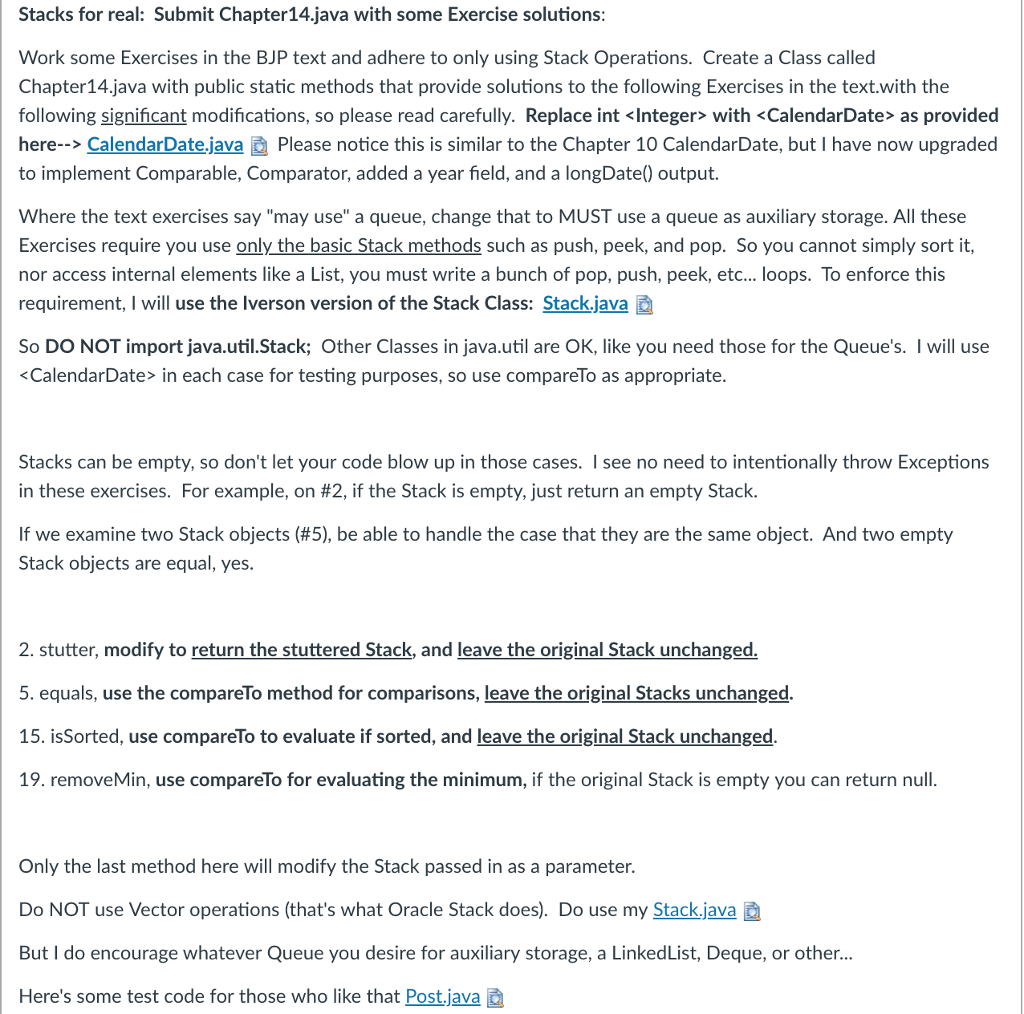
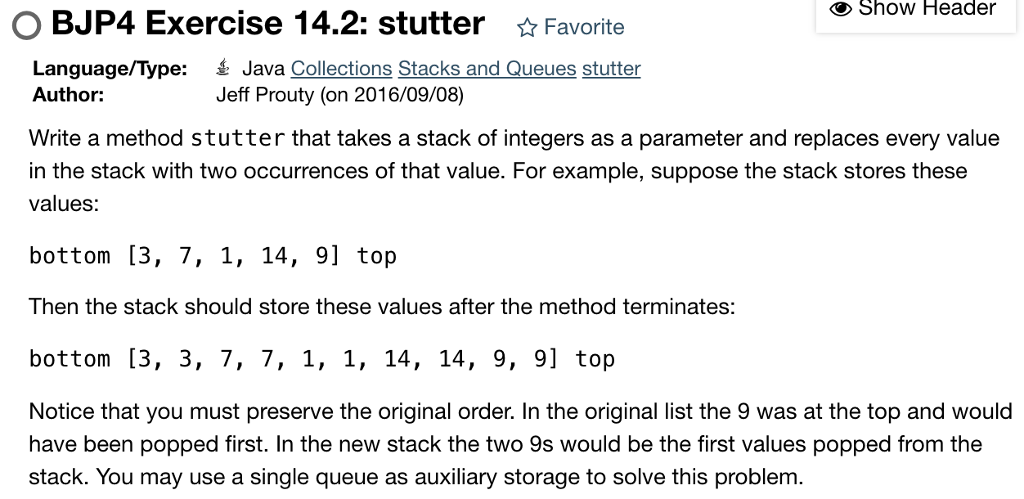
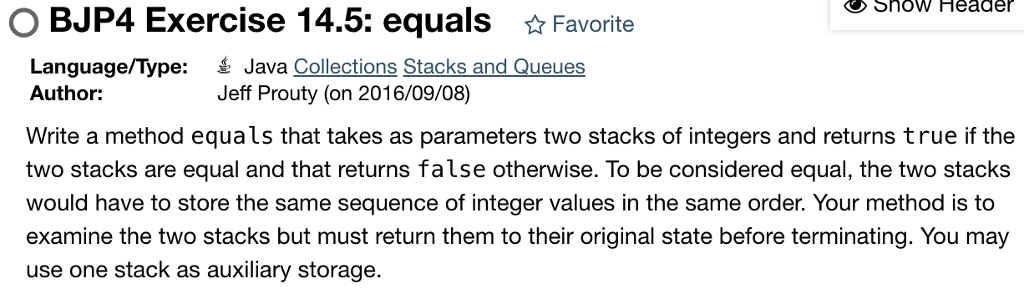
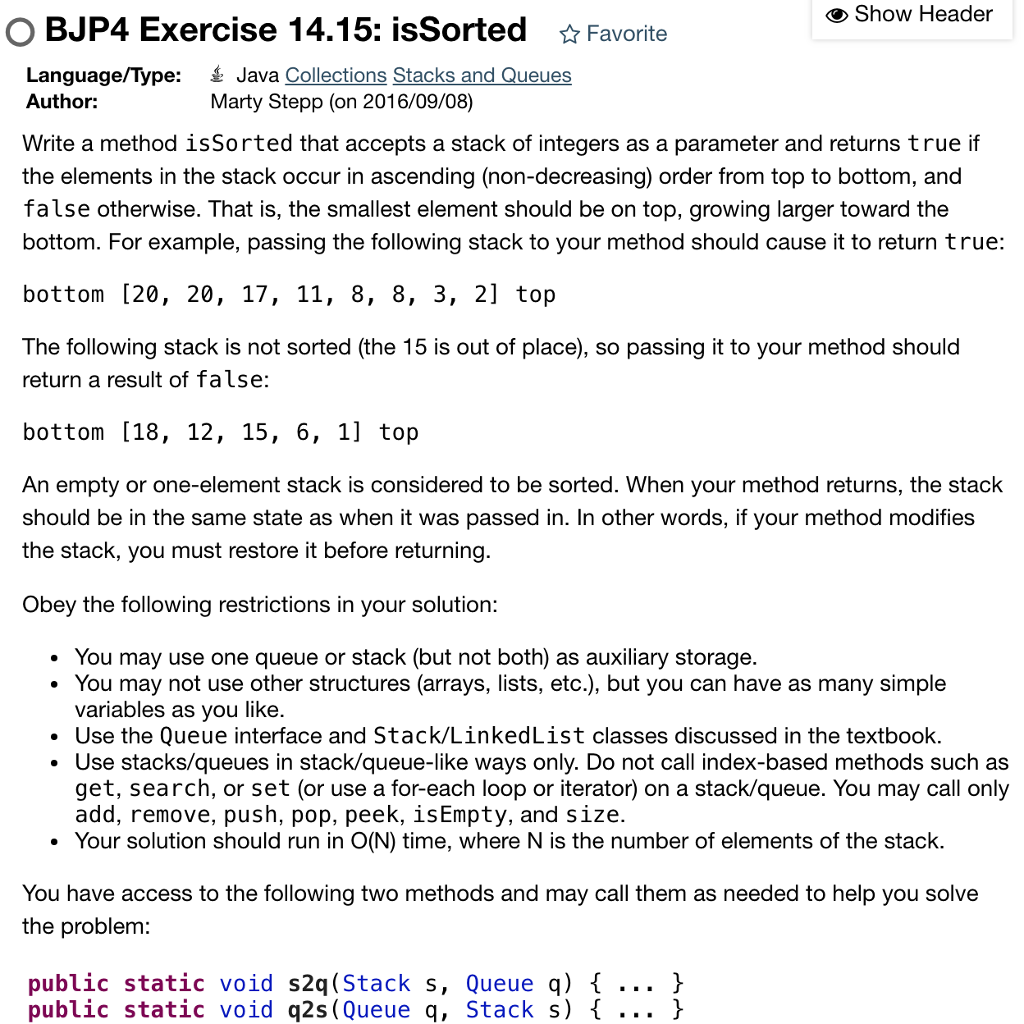
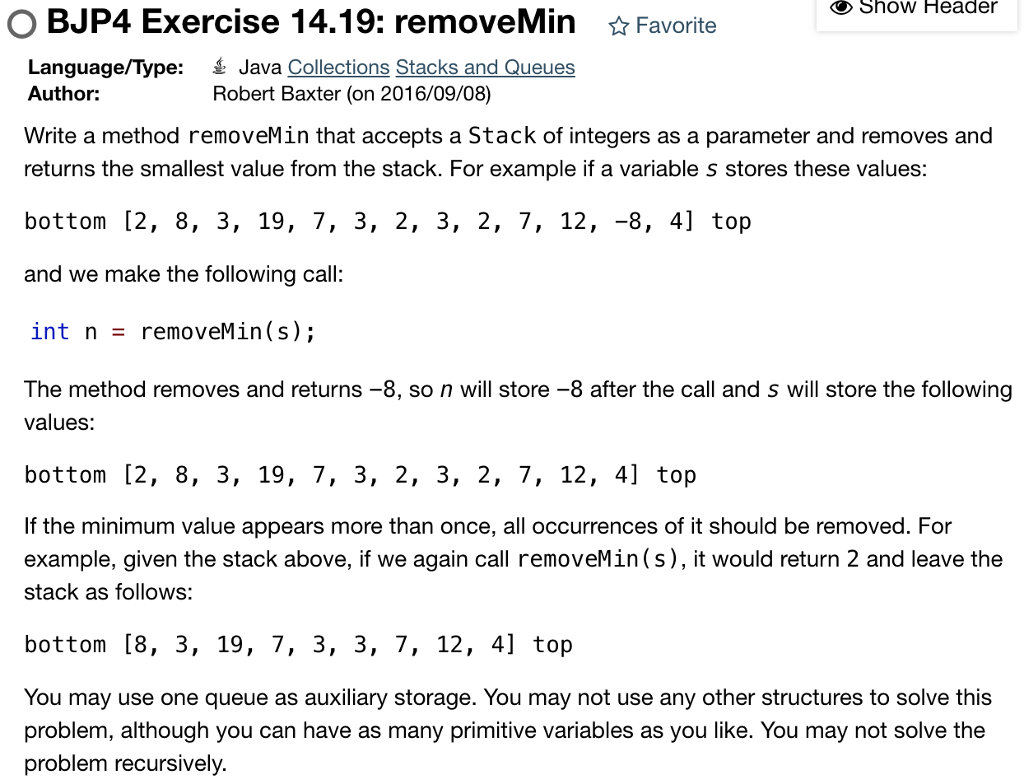
import java.util.Comparator;
// The CalendarDate class stores information about a single calendar date
// (upgraded from BJP text Chapter 10)
//
public class CalendarDate implements Comparable, Comparator {
// FIELDS
private int month;
private int day;
private int year;
// Constructors
public CalendarDate() {
// default 0,0 makes no sense, so using 1,1
this(1,1,1970); // zero epoch UNIX
}
public CalendarDate(int month, int day, int year) {
if (month12 || day31 || year9999 || year
throw new IllegalArgumentException("Invalid month/day/year");
this.month = month;
this.day = day;
this.year = year;
}
// ACCESSORS (getters)
public int getMonth() {
return month;
}
public int getDay() {
return day;
}
public int getYear() {
return year;
}
// simple quick output
public String toString() {
return month + "/" + day + "/" + year;
}
// I thought a long date was dinner with a preson you don't like?
// But we'll also use the January 1, 1970 format instead
public String longDate() {
String[] names = {"January","February","March","April","May","June","July","August","September","October","November","December"};
return names[month-1] + " " + day + ", " + year;
}
// Compares this calendar date to another date.
// Dates are compared by month and then by day.
public int compareTo(CalendarDate other) {
if (this.year != other.year) {
return this.year - other.year;
} else if (this.month != other.month) {
return this.month - other.month;
} else {
return this.day - other.day;
}
}
// for Comparator interface
public int compare(CalendarDate first, CalendarDate second) {
// Should be the same as compareTo() result
return first.compareTo(second);
}
@Override
public boolean equals(Object other) {
// Note: must override equals(Object)
if (other instanceof CalendarDate) {
CalendarDate test = (CalendarDate)other;
return (this.compareTo(test)==0);
} else
return false;
}
@Override
public int hashCode() {
// days since 0/0/0 assuming 31 in each month
// number is strange, but works to achieve unique hash code
return (day+31*month+366*year);
}
}
public class Stack {
// avoid blanked import of java.util
private java.util.Stack secret;
// default constructor
public Stack() {
secret = new java.util.Stack();
}
// empty that collection
public void clear() {
secret.clear();
}
// should be order constant
public int size() {
return secret.size();
}
// simply have push call push from API
public E push(E a) {
secret.push(a);
return a;
}
// And, empty calls empty from API
public boolean empty() {
return secret.empty();
}
// And my pop() uses pop() form JAVA API
public E pop() {
return secret.pop();
}
// My peek uses their peek
public E peek() {
return secret.peek();
}
// Following are not basic Stack operations
// but needed to do some simple testing
// toString is probably not O(constant)
public String toString() {
return secret.toString();
}
}
public class Post {
public static void main(String[] args) {
// store some dates so they can be reused
CalendarDate[] store = {new CalendarDate(1,2,10), new CalendarDate(1,1,10), new CalendarDate(12,30,10)};
Stack testAll = new Stack();
for (CalendarDate i: store) testAll.push(i); // build a Stack
System.out.println(Chapter14.stutter(testAll)); // 6 dates
System.out.println(Chapter14.equals(testAll,testAll)); // true
System.out.println(Chapter14.isSorted(testAll)); // false
for (int i=1;i
Chapter14.removeMin(testAll);
while (!testAll.empty())
System.out.println(testAll.pop().longDate()); // only 2 remain
}
}
Step by Step Solution
There are 3 Steps involved in it

Get step-by-step solutions from verified subject matter experts
 Study Help