







Question: Please only pick it up if you are gonna answer fully. Thanks I posted before someone answered randomly, so It was an immediate thumb down.
Please only pick it up if you are gonna answer fully. Thanks
I posted before someone answered randomly, so It was an immediate thumb down.
You might need the following:
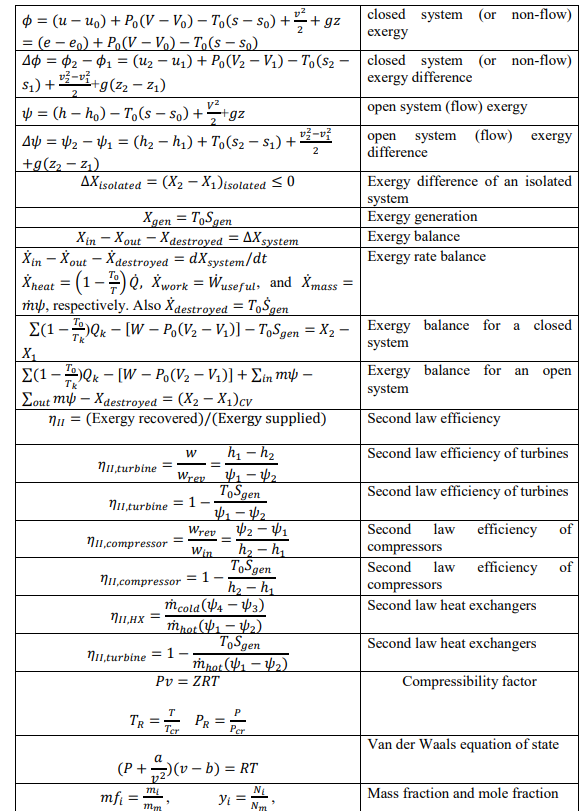
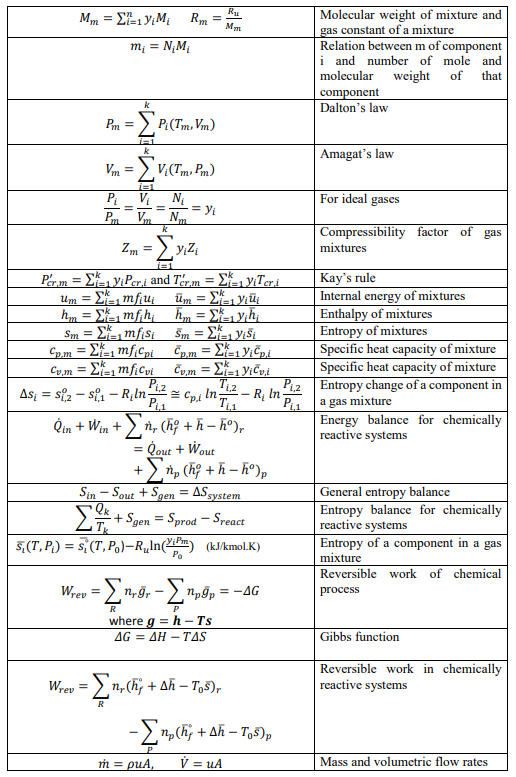
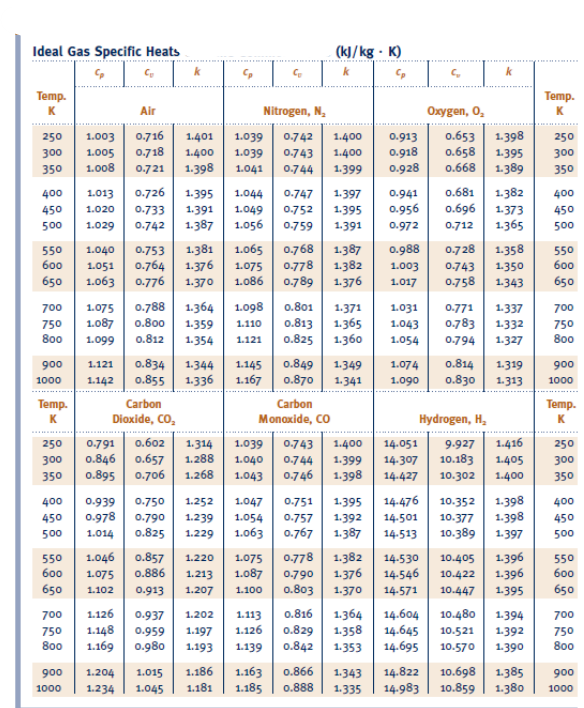
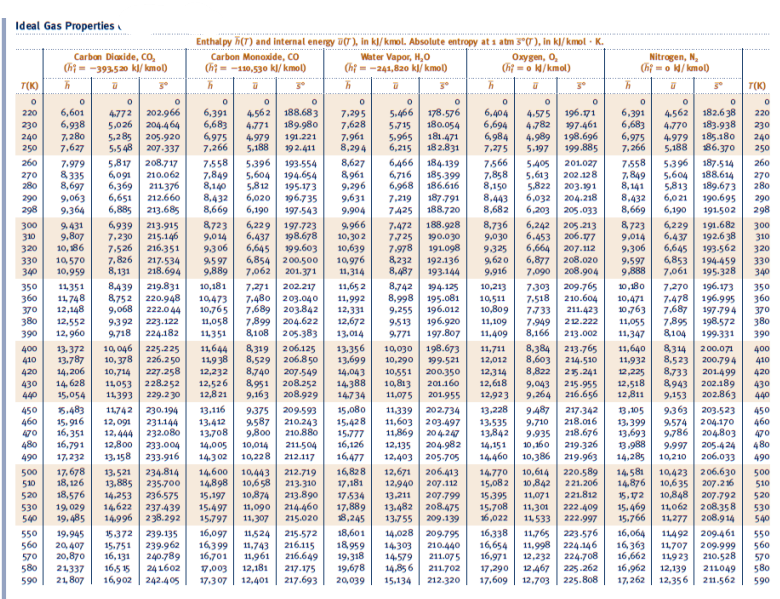
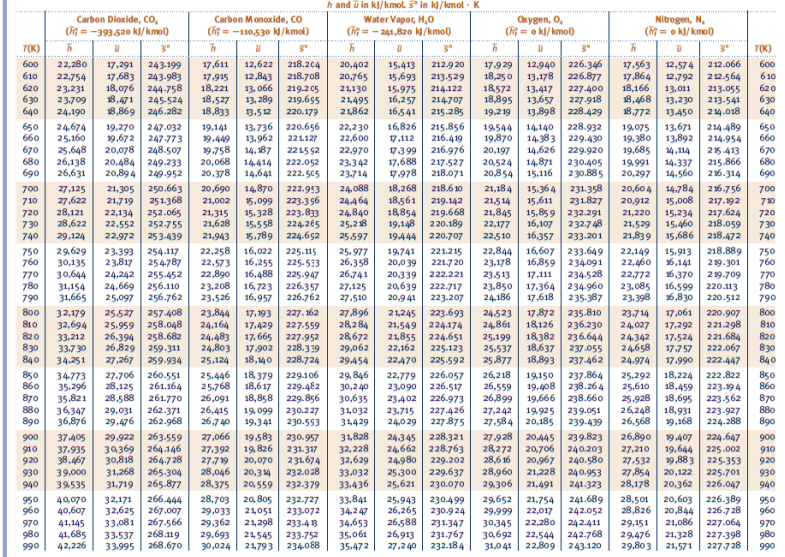
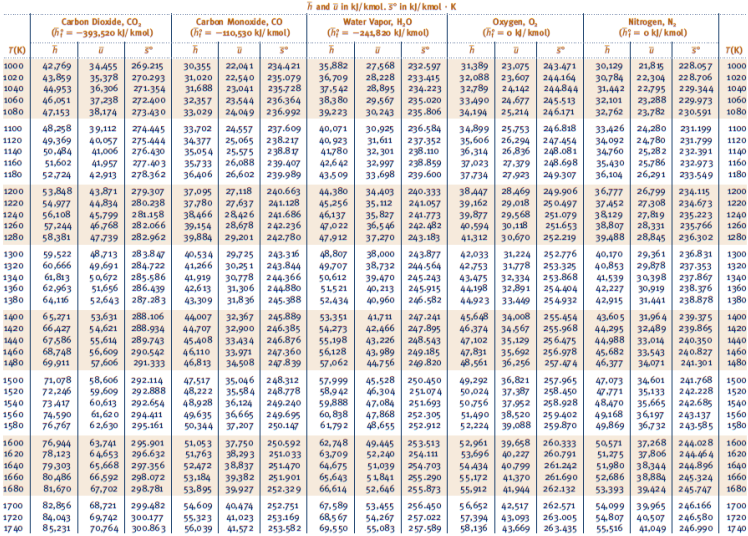
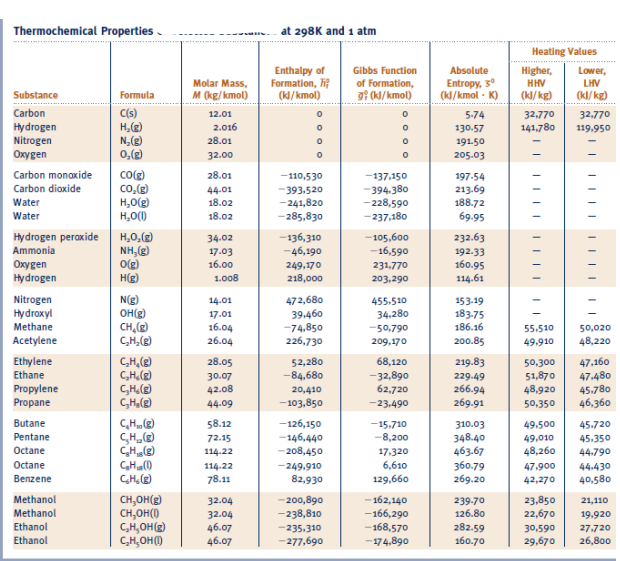
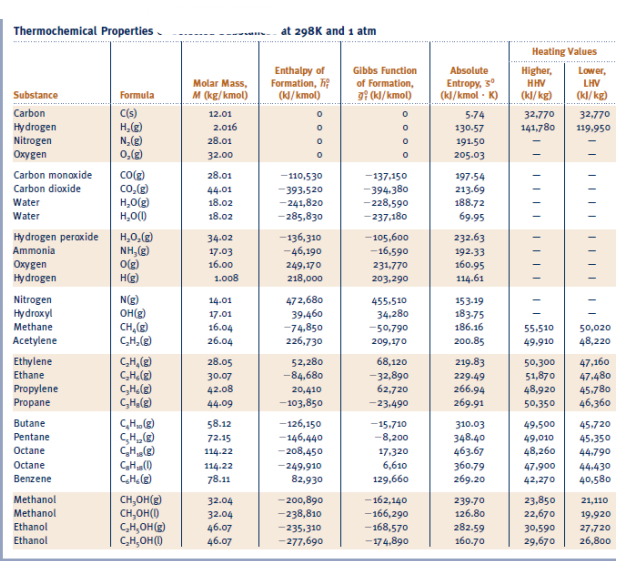
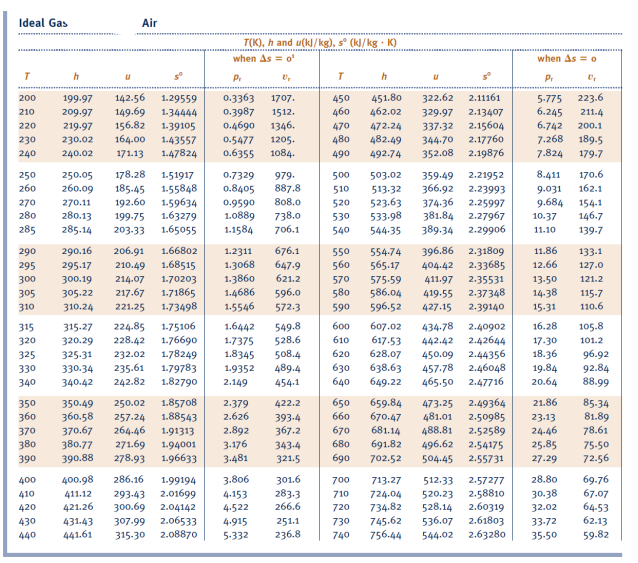
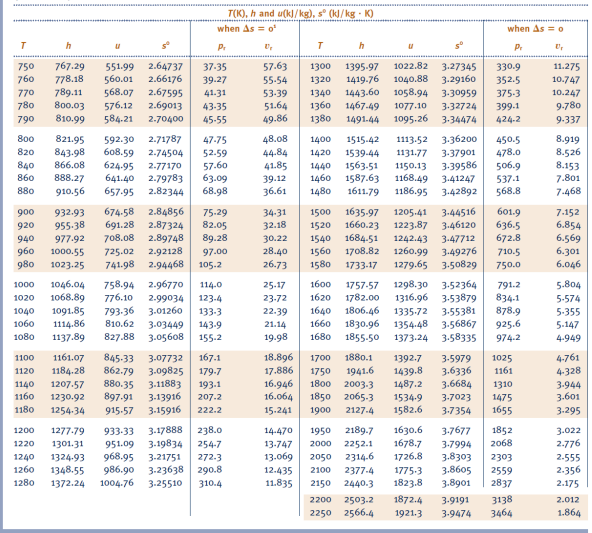
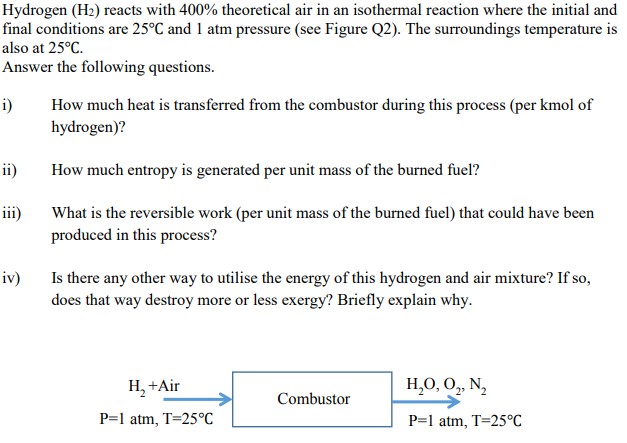
Hydrogen (H2) reacts with 400% theoretical air in an isothermal reaction where the initial and final conditions are 25C and 1 atm pressure (see Figure Q2). The surroundings temperature is also at 25C. Answer the following questions. i) How much heat is transferred from the combustor during this process (per kmol of hydrogen)? ii) How much entropy is generated per unit mass of the burned fuel? iii) What is the reversible work (per unit mass of the burned fuel) that could have been produced in this process? iv) Is there any other way to utilise the energy of this hydrogen and air mixture? If so, does that way destroy more or less exergy? Briefly explain why. H, +Air H,0,0,,N, Combustor P=1 atm, T=25C P=1 atm, T=25C Hint: R=8.3143 kJ/kgmol.K. 2 v2 2 2 = (u - u) + P. (V - V)-To(s - So) + + gz closed system (or non-flow) exergy = (e-eo) + P. (V - V)-T,(s - so) 40 = 02-01 = (uz - u) + P. (V2 - V)-T.(S2 - closed system (or non-flow) sa) + vi+g(22 21) exergy difference W = (h-ho) - T.(s - So) ++gz open system (flow) exergy A4 = 42 - 42 = (h2 - h) +T,($2 S) + u-vi open system (flow) exergy difference +g(22 - 2) AX isolated = (X2 - X1 isolated
Step by Step Solution
There are 3 Steps involved in it

Get step-by-step solutions from verified subject matter experts
 Study Help