Question: Please read the case study & answer 1-5 thanks One hot afternoon, Kenneth W sat on the narrow steps of his apartment complex in Hong
Please read the case study & answer 1-5 thanks
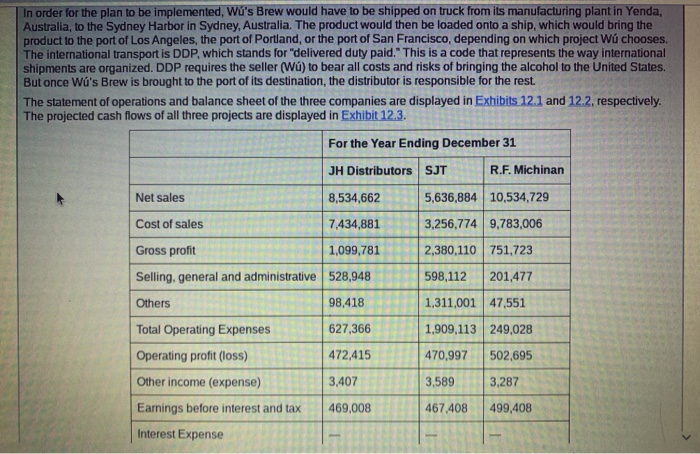
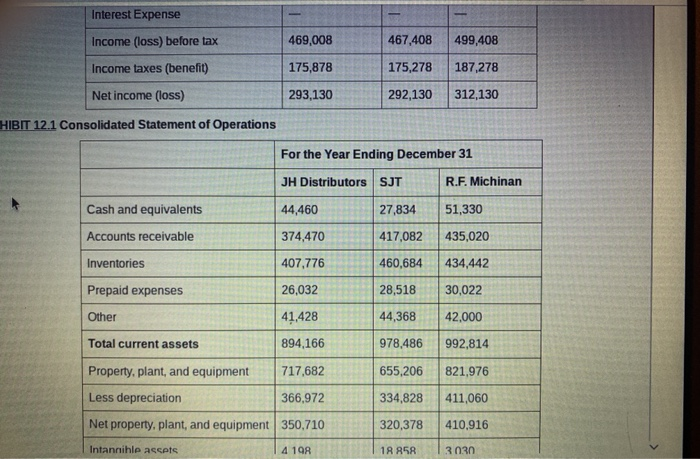
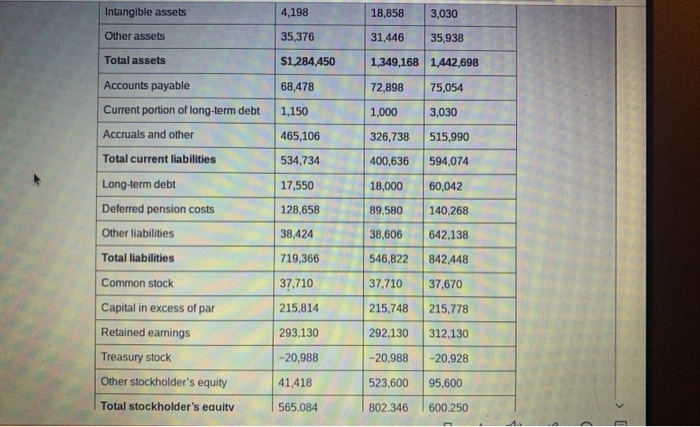
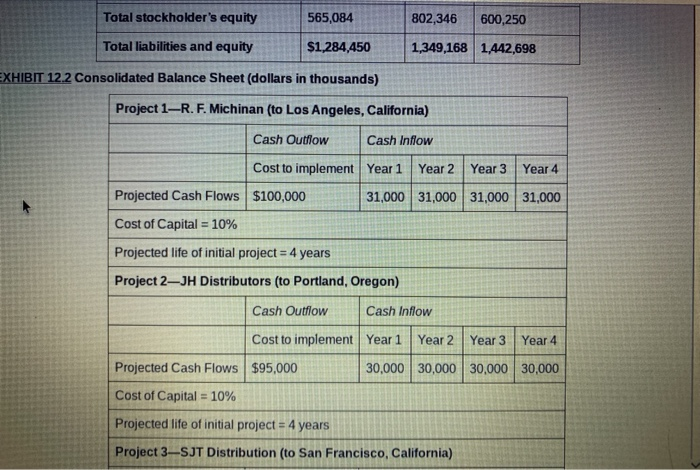
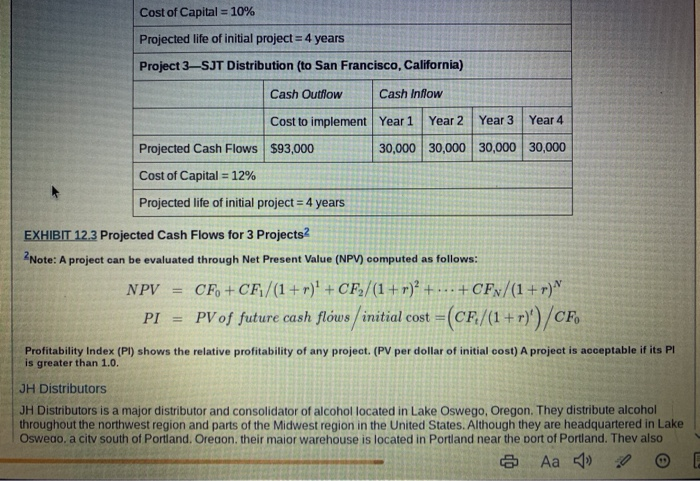
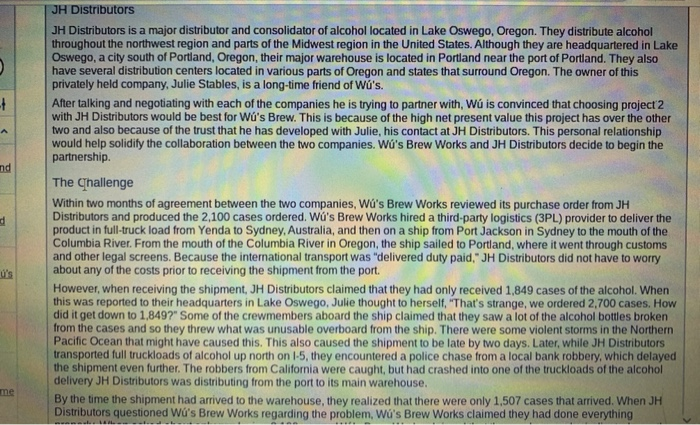
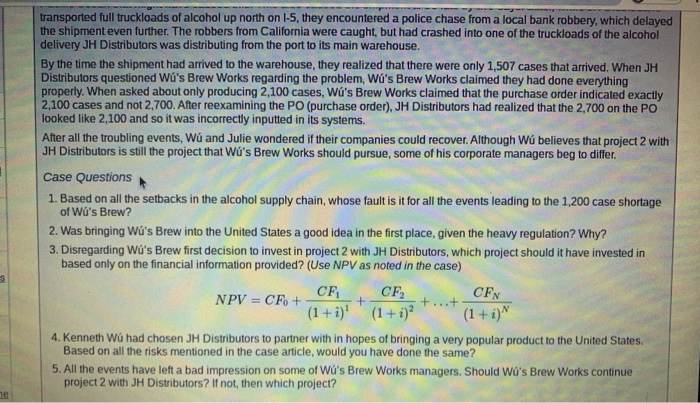
One hot afternoon, Kenneth W sat on the narrow steps of his apartment complex in Hong Kong, enjoying his latest creation: an alcoholic beverage he made from his own kitchen. The drink tasted so good that he preferred to drink it instead of store- bought beer. When W paid a visit to friends in Tai-Koo Sing, they ridiculed him for making his own alcohol, but eventually they tried it out of sheer curiosity. To Wu's surprise, his friends unanimously agreed that his beverage would be worth paying money for. That evening, they developed an entrepreneurial spirit, and by the end of the night, W was convinced that his concoction could generate a substantial amount of revenue. Later that week, despite Wu's aversion to taking the risks required of an entrepreneur, he decided to manufacture and sell his beverage. Wu and his friends began by going to different liquor stores in the Hong Kong region to offer samples. The liquor store owners fell in love with his beverage, and soon W had his own drink on shelves around the region. He named the drink "Wu's Brew." After a year of steady sales and considerable profit, W decided to expand his sales to other countries in East Asia. Based on the advice and esteem he had received from many of these small liquor store owners, he decided to start a partnership with a few of his close friends to sell the product and market what they believed to be the "next big thing" to hit the bars and shelves around the world. His company was named Wu's Brew Works. Wu wisely acknowledges that he and his friends will never be able to meet global demand if they continue to manufacture the product from their homes. By relying on the relationships he developed with store owners and their networks, W expands his manufacturing operations. Sure enough, Wu's drink becomes the most popular item to hit the market in Hong Kong and countries such as Taiwan and the Philippines. Within a year, the beverage begins receiving global attention throughout East Asia. People and tourists from China, Japan, Vietnam, Malaysia, and other East Asian countries start requesting his beverage when visiting Hong Kong. Eventually, people throughout the worldincluding Australia, Europe, and even the United States- become interested W begins to envision his product being sold globally. After securing financial commitments from various Hong Kong investors, W and his partners rent out the 65th floor of Central Plaza in Wanchai North of the Hong Kong Island region of Hong Kong to locate company operations and the official Wu's Brew Works headquarters. However, he chooses to locate the manufacturing plant in Yenda, Australia, as it provides more convenient distribution access. w's Brew Works Manufacturing Plant Yenda, Australia, is a little town located about 560 km west of Sydney in the New South Wales region of Australia. It is the location where Yellow Tail wine is manufactured and produced. Yenda is a multicultural place where vineyards and rice paddies thrive. It is located at the edge of Cocoparra National Park-a place of spectacular gorges, waterfalls, walking w's Brew Works Manufacturing Plant Yenda, Australia, is a little town located about 560 km west of Sydney in the New South Wales region of Australia. It is the location where Yellow Tail wine is manufactured and produced. Yenda is a multicultural place where vineyards and rice paddies thrive. It is located at the edge of Cocoparra National Park-a place of spectacular gorges, waterfalls, walking locations in lookouts, and home to more than one hundred species of birds. W and Co. decide to have the manufacturing plant in Yenda because of its open land and large capacity for a plant W decides to target the United States in its business plan to begin global growth; the United States will be the first area outside East Asia to sell Wu's Brew. W sought the U.S. market to fulfill his ambition of spreading his product globally because of the large growth potential for alcohol in the United States. However, alcohol is a highly regulated product in the United States, and all alcoholic imports coming into the United States have to follow a three-tier system of alcohol distribution. The Three-Tier System The three-tier system is the system for distributing alcoholic beverages in the United States that was federally mandated after the repeal of the Prohibition in 1933. The three tiers in this system are the producers, distributors, and the retailers. In this system, the delivery of an alcoholic beverage involves the producer to sell to a distributor, who then must sell the product to a retailer, whether it is a liquor store, restaurant, or bar. This system is designed to help ensure the responsible and safe distribution of alcoholic beverages and is a key factor in preventing the distribution of alcohol to minors. It provides a process that guarantees the integrity of products to end consumers. Different states have various rules and exceptions. In some states, under the brewpub system, a producer (brewers, distillers, wineries, and imports of alcohol) can sell its alcohol directly to retailers and has no obligation to include a distributor in its supply chain. Other states allow a two-tier system, which allows breweries to act as their own distributor so that they can distribute alcohol directly to retailers. In some states such as Oregon, intrastate shipments of alcohol directly from the producers to retailers or customers are permitted. Most of the states, however, including Texas and California, adhere to the three-tier system of alcohol distribution Project Proposal Plan After becoming fully educated about the risks and regulations of alcohol distribution in the United States, Wu and his company decide that expanding into the United States would be a good growth opportunity. Wu's Brew Works' corporate managers come up with three different project proposals to distribute alcohol to the United States. Each of the three project proposals are Project Proposal Plan After becoming fully educated about the risks and regulations of alcohol distribution in the United States, Wu and his company decide that expanding into the United States would be a good growth opportunity. Wu's Brew Works' corporate managers come up with three different project proposals to distribute alcohol to the United States. Each of the three project proposals are plans to market the product to one particular region of the United States and partner with one distributor because Wu's Brew Works and other international importers of alcohol are not allowed to distribute the product while remaining in the country. They are only allowed to sell the product to the distributor (usually located on the West Coast). Their plan is to select only one of the project proposals because of capital constraints. Ultimately, they can afford only to work with one distributor that brings the product to just one region of the United States. The distributor that Wu's Brew Works chooses would not only sell within their respective area, but would also consolidate Wu's product with other international alcohol products to sell to retailers from inland states. This arrangement allows inland retailers to get around their legal inability to buy alcohol directly from the alcohol producer. Wu's West Coast distributors are therefore also known as distribution consolidators. These consolidators would be able to bring Wu's Brew to distributors in Texas or Kansas. The first project proposal was a plan to partner with R. F. Michinan, located in the port of Los Angeles, California. The project would require bringing the product to the port of Los Angeles and ultimately marketing it to the southern United States, such as Texas and Louisiana. The second project proposal was with JH Distributors and would allow Wu's Brew to be brought to the northwest region and most of the Midwest regions of the United States. JH Distributors is located in Lake Oswego, Oregon, so the product would have to be brought to the port of Portland, Oregon. The final project proposal was to market the product in the east and northeast regions of the United States by partnering with SJT Distributors, located in San Francisco, California, and accessed through the ports of San Francisco. No project is considerably more profitable than the other. Each project has its own risks. For the first project proposal, R. F. Michinan said that the risks of distributing alcohol are minimal and that W had nothing to worry about. However, based on reports from the city of Los Angeles, there have been many cases of theft of alcohol imports from R. F. Michinan. For the second project proposal, JH Distributors stated the risk of longer lead times and exposure to lost or damaged products due to long transport from Australia to the port of Portland. Delivering from overseas to the port required going through the Columbia River and navigating in Oregon. The last project proposal with SJT Distributors had risk of longer lead times to get the product from California across the United States to the eastern side of the country. This could also make emergency production processes even more complicated. In order for the plan to be implemented, Wu's Brew would have to be shipped on truck from its manufacturing plant in Yenda, In order for the plan to be implemented, Wu's Brew would have to be shipped on truck from its manufacturing plant in Yenda, Australia, to the Sydney Harbor in Sydney, Australia. The product would then be loaded onto a ship, which would bring the product to the port of Los Angeles, the port of Portland, or the port of San Francisco, depending on which project W chooses. The international transport is DDP, which stands for "delivered duty paid." This is a code that represents the way international shipments are organized. DDP requires the seller (Wu) to bear all costs and risks of bringing the alcohol to the United States. But once Wu's Brew is brought to the port of its destination, the distributor is responsible for the rest. The statement of operations and balance sheet of the three companies are displayed in Exhibits 12.1 and 12.2, respectively. The projected cash flows of all three projects are displayed in Exhibit 12.3. For the Year Ending December 31 JH Distributors SJT R.F. Michinan 5,636,884 10,534,729 3,256,774 9,783,006 2,380,110 751,723 598,112 201,477 Net sales 8,534,662 Cost of sales 7,434,881 Gross profit 1,099,781 Selling, general and administrative 528,948 Others 98,418 Total Operating Expenses 627,366 Operating profit (loss) 472,415 Other income (expense) 3,407 Earnings before interest and tax 469,008 1,311,001 47,551 1,909,113 249,028 470,997 502,695 3,589 3,287 467,408 499,408 Interest Expense Interest Expense Income (loss) before tax 469,008 467,408 499,408 Income taxes (benefit) 175,878 175,278 187,278 Net income (loss) 293,130 292,130 312,130 HIBIT 12.1 Consolidated Statement of Operations For the Year Ending December 31 JH Distributors SJT R.F. Michinan Cash and equivalents 44,460 27,834 51,330 Accounts receivable 374,470 417,082 435,020 Inventories 407,776 460,684 434,442 Prepaid expenses 26,032 28,518 30,022 Other 41,428 44,368 42,000 Total current assets 894,166 978,486 992,814 655,206 821,976 334,828 411,060 Property, plant, and equipment 717,682 Less depreciation 366,972 Net property, plant, and equipment 350.710 Intangible assets 4 198 320,378 410,916 18 858 3030 4,198 18,858 3,030 35,376 31,446 35,938 Intangible assets Other assets Total assets Accounts payable Current portion of long-term debt $1,284,450 1,349,168 1,442,698 68,478 72,898 75,054 1,150 1,000 3,030 Accruals and other 465,106 326,738 515,990 Total current liabilities 534,734 400,636 594,074 Long-term debt 17,550 18,000 60,042 128,658 89,580 140,268 Deferred pension costs Other liabilities 38,424 38,606 642,138 Total liabilities 719,366 546,822 842,448 37,670 Common stock 37.710 37,710 Capital in excess of par 215,814 215,748 215,778 Retained earnings 293,130 292,130 312,130 -20,988 -20,988 -20,928 Treasury stock Other stockholder's equity 41,418 523,600 95,600 Total stockholder's equity 565.084 802.346 600.250 Total stockholder's equity 565,084 802,346 600,250 Total liabilities and equity $1,284,450 1,349,168 1,442,698 EXHIBIT 12.2 Consolidated Balance Sheet (dollars in thousands) Project 1-R. F. Michinan (to Los Angeles, California) Cash Outflow Cash Inflow Cost to implement Year 1 Year 2 Year 3 Year 4 Projected Cash Flows $100,000 31,000 31,000 31,000 31,000 Cost of Capital = 10% Projected life of initial project = 4 years Project 2JH Distributors (to Portland, Oregon) Cash Outflow Cash Inflow Cost to implement Year 1 Year 2 Year 3 Year 4 Projected Cash Flows $95,000 30,000 30,000 30,000 30,000 Cost of Capital = 10% Projected life of initial project = 4 years Project 3-SJT Distribution (to San Francisco, California) Cost of Capital = 10% Projected life of initial project = 4 years Project 3SJT Distribution to San Francisco, California) Cash Outflow Cash Inflow Cost to implement Year 1 Year 2 Year 3 Year 4 Projected Cash Flows $93,000 30,000 30,000 30,000 30,000 Cost of Capital = 12% Projected life of initial project = 4 years EXHIBIT 12.3 Projected Cash Flows for 3 Projects2 2Note: A project can be evaluated through Net Present Value (NPV) computed as follows: NPV CF. +CF/(1+r)' + CF2/(1 + r) + ... +CFx/(1+r)^ PI PV of future cash flows initial cost = = (cf./(1+r)')/CF. Profitability Index (Pl) shows the relative profitability of any project. (PV per dollar of initial cost) A project is acceptable if its PI is greater than 1.0. JH Distributors JH Distributors is a major distributor and consolidator of alcohol located in Lake Oswego, Oregon. They distribute alcohol throughout the northwest region and parts of the Midwest region in the United States. Although they are headquartered in Lake Oswego, a city south of Portland, Oregon, their maior warehouse is located in Portland near the port of Portland. Thev also Aa E + nd JH Distributors JH Distributors is a major distributor and consolidator of alcohol located in Lake Oswego, Oregon. They distribute alcohol throughout the northwest region and parts of the Midwest region in the United States. Although they are headquartered in Lake Oswego, a city south of Portland, Oregon, their major warehouse is located in Portland near the port of Portland. They also have several distribution centers located in various parts of Oregon and states that surround Oregon. The owner of this privately held company, Julie Stables, is a long-time friend of Wu's. After talking and negotiating with each of the companies he is trying to partner with, W is convinced that choosing project 2 with JH Distributors would be best for Wu's Brew. This is because of the high net present value this project has over the other two and also because of the trust that he has developed with Julie, his contact at JH Distributors. This personal relationship would help solidify the collaboration between the two companies. Wu's Brew Works and JH Distributors decide to begin the partnership The Challenge Within two months of agreement between the two companies, Wu's Brew Works reviewed its purchase order from JH Distributors and produced the 2,100 cases ordered. Wu's Brew Works hired a third-party logistics (3PL) provider to deliver the product in full-truck load from Yenda to Sydney, Australia, and then on a ship from Port Jackson in Sydney to the mouth of the Columbia River. From the mouth of the Columbia River in Oregon, the ship sailed to Portland, where it went through customs and other legal screens. Because the international transport was "delivered duty paid," JH Distributors did not have to worry about any of the costs prior to receiving the shipment from the port However, when receiving the shipment, JH Distributors claimed that they had only received 1,849 cases of the alcohol. When this was reported to their headquarters in Lake Oswego, Julie thought to herself, "That's strange, we ordered 2,700 cases. How did it get down to 1,849?" Some of the crewmembers aboard the ship claimed that they saw a lot of the alcohol bottles broken from the cases and so they threw what was unusable overboard from the ship. There were some violent storms in the Northern Pacific Ocean that might have caused this. This also caused the shipment to be late by two days. Later, while JH Distributors transported full truckloads of alcohol up north on 1-5, they encountered a police chase from a local bank robbery, which delayed the shipment even further. The robbers from California were caught, but had crashed into one of the truckloads of the alcohol delivery JH Distributors was distributing from the port to its main warehouse. By the time the shipment had arrived to the warehouse, they realized that there were only 1,507 cases that arrived. When JH Distributors questioned Wu's Brew Works regarding the problem, Wu's Brew Works claimed they had done everything me transported full truckloads of alcohol up north on 1-5, they encountered a police chase from a local bank robbery, which delayed the shipment even further. The robbers from California were caught, but had crashed into one of the truckloads of the alcohol delivery JH Distributors was distributing from the port to its main warehouse. By the time the shipment had arrived to the warehouse, they realized that there were only 1,507 cases that arrived. When JH Distributors questioned Wu's Brew Works regarding the problem, Wu's Brew Works claimed they had done everything properly. When asked about only producing 2,100 cases, Wu's Brew Works claimed that the purchase order indicated exactly 2,100 cases and not 2,700. After reexamining the PO (purchase order), JH Distributors had realized that the 2,700 on the PO looked like 2,100 and so it was incorrectly inputted in its systems. After all the troubling events, Wu and Julie wondered if their companies could recover. Although W believes that project 2 with JH Distributors is still the project that Wu's Brew Works should pursue, some of his corporate managers beg to differ. Case Questions 1. Based on all the setbacks in the alcohol supply chain, whose fault is it for all the events leading to the 1,200 case shortage of Wu's Brew? 2. Was bringing Wu's Brew into the United States a good idea in the first place, given the heavy regulation? Why? 3. Disregarding Wu's Brew first decision to invest in project 2 with JH Distributors, which project should it have invested in based only on the financial information provided? (Use NPV as noted in the case) CF CF2 CFN NPV = CF + + (1 + i)(1+i)? 4. Kenneth W had chosen JH Distributors to partner with in hopes of bringing a very popular product to the United States. Based on all the risks mentioned in the case article, would you have done the same? 5. All the events have left a bad impression on some of Wu's Brew Works managers. Should Wu's Brew Works continue project 2 with JH Distributors? If not, then which project









 Study Help