



Question: Please submit an answer for each prompt in blue based on the luxury clothing/retail company. Business Unit Operating Revenues: Please fill out this section based
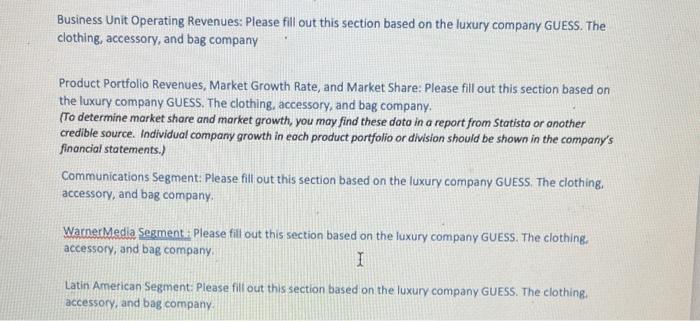
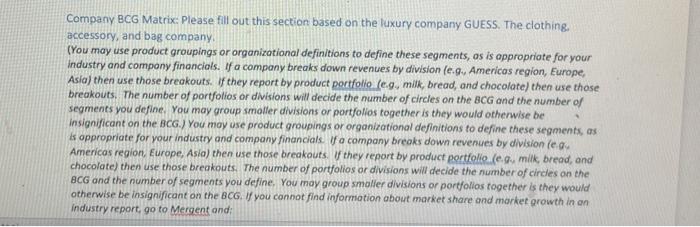
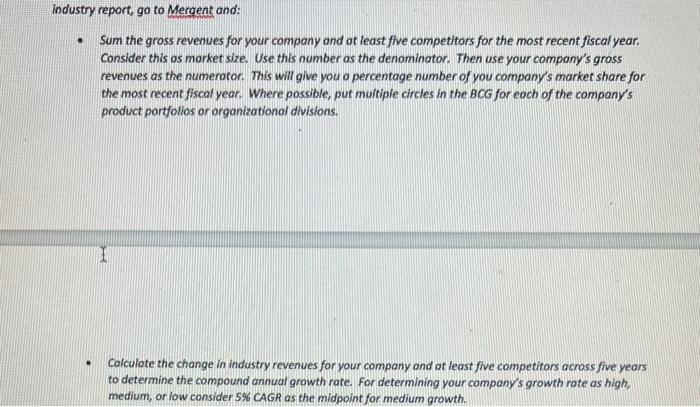
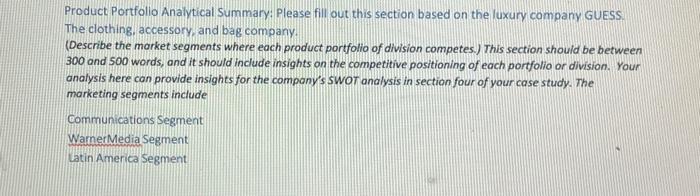
Business Unit Operating Revenues: Please fill out this section based on the luxury company GUESS. The clothing, accessory, and bag company Product Portfolio Revenues, Market Growth Rate, and Market Share: Please fill out this section based on the luxury company GUESS. The clothing, accessory, and bag company. (To determine market share and market growth, you may find these data in a report from Statisto or another credible source. Individual company growth in each product portfolio or division should be shown in the company's financial statements.) Communications Segment: Please fill out this section based on the luxury company GUESS. The clothing. accessory, and bag company. WarnerMedia Segment. Please fill out this section based on the luxury company GUESS. The clothing. accessory, and bag company. Latin American Segment: Please fill out this section based on the luxury company GUESS. The clothing. accessory, and bag company. Company BCG Matrix: Please fill out this section based on the luxury company GUESS. The clothing. accessory, and bag company. (You may use product groupings or organizational definitions to define these segments, as is appropriate for your industry and compony financiols. If a company breaks down revenues by division (e.g. Americas region, Europe, Asia) then use those breokouts. If they report by product portfolio (e.g. milk, bread, and chocolote) then use those breakouts. The number of portfolios or divisions will decide the number of circles on the BCG and the number of segments you define. You may group smoller divisions or portfollos together is they would otherwise be insignificant on the BCG.) You may use product groupings or organizational definitions to define these segments as is oppropriate for your industry and company financials. If a company breaks down revenues by division (e a. Americas region, Europe, Asia) then use those breakouts. If they report by product portfolio (eg. milk, bread, and chocolate) then use those breakouts. The number of portfolios or divisions will decide the number of circles on the BCG and the number of segments you define. You may group smaller divisions or portfolios together is they would otherwise be insignificant on the BCG. If you connot find information about market share and market growth in an Industry report, go to Mergent ond: - Sum the gross revenues for your company and ot least five competitors for the most recent fiscal year. Consider this os morket size. Use this number as the denominator. Then use your company's gross revenues as the numerotor. This will give you o percentage number of you company's market share for the most recent fiscal year. Where possible, put multiple circles in the BCG for each of the company's product portfolios or organizational divisions. - Colculote the change in industry revenues for your company and ot least five competitors across five years to determine the compound annual growth rote. For determining your company's growth rote as high, medium, or low consider S\% CAGR as the midpoint for medium growth. Product Portfolio Analytical Summary: Please fill out this section based on the luxury company GUESS. The clothing, accessory, and bag company. (Describe the market segments where each product portfolio of division competes.) This section should be between 300 and 500 words, and it should include insights on the competitive positioning of each portfolio or division. Your analysis here can provide insights for the company's swot analysis in section four of your case study. The marketing segments include Communications Segment WarnerMedia Segment Uatin America Segment
Step by Step Solution
There are 3 Steps involved in it

Get step-by-step solutions from verified subject matter experts