







Question: Probability matrix 1. The basic difference between macroeconomics and microeconomics is: A. microeconomics explores the causes of inflation while macroeconomics focuses on the causes of
Probability matrix

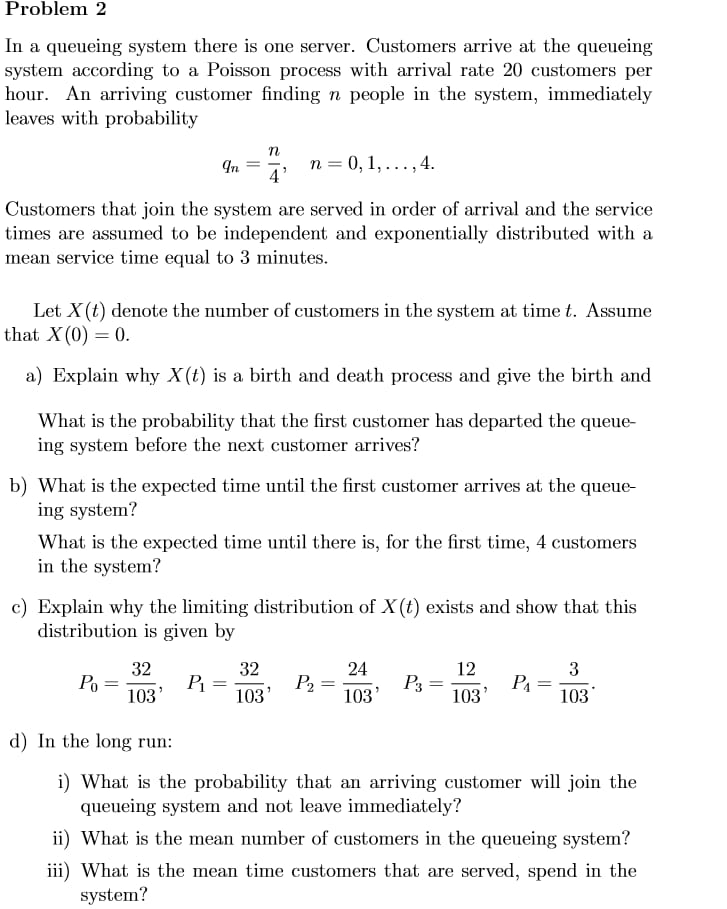
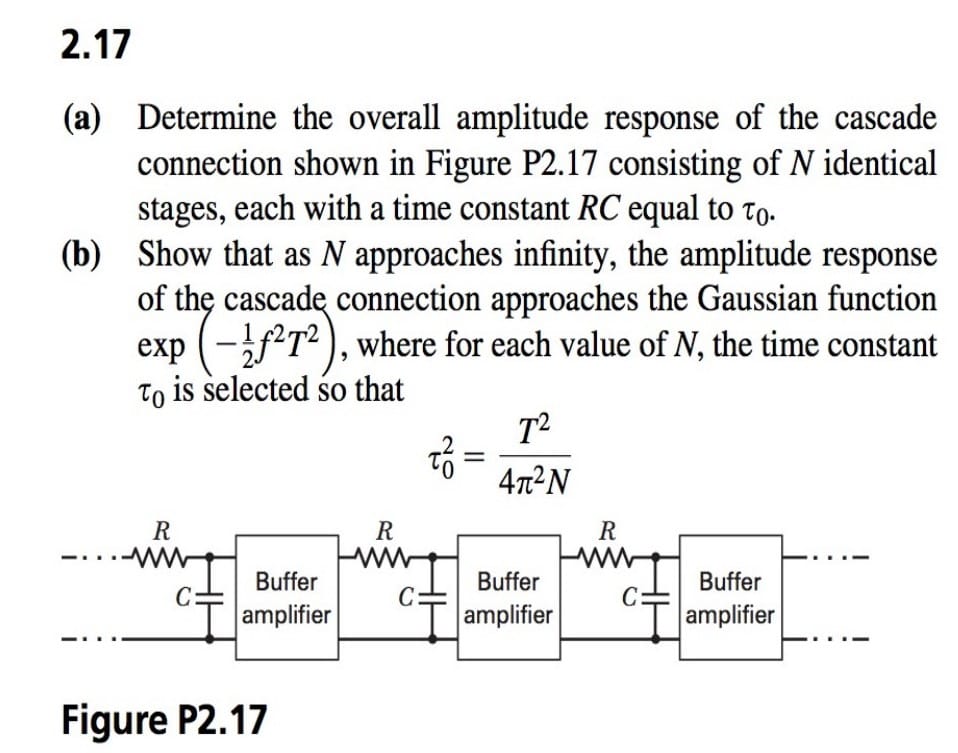
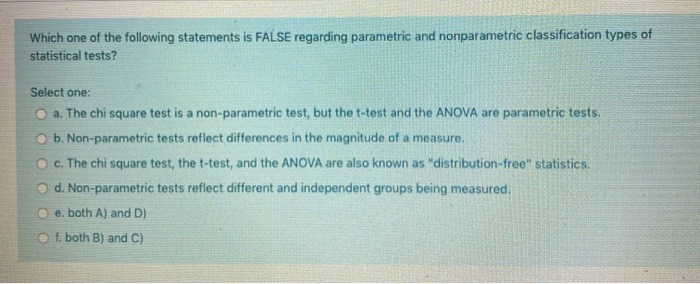
1. The basic difference between macroeconomics and microeconomics is: A. microeconomics explores the causes of inflation while macroeconomics focuses on the causes of unemployment. B. microeconomics concentrates on the behaviour of individual consumers and firms while macroeconomics focuses on the performance of the entire economy. C. microeconomics concentrates on individual markets while macroeconomics focuses primarily on international trade. D. microeconomics concentrates on the behaviour of individual consumers while macroeconomics focuses on the behaviour of firms. 2. Scarcity exists because of: A. unlimited wants and limited resources. B. the allocation of goods by prices C. specialization and division of labor. D. the market mechanism. 3. Production in a society is allocation efficient so long as it uses its resources to produce as much as it can. True FalseProblem 2 In a queueing system there is one server. Customers arrive at the queueing system according to a Poisson process with arrival rate 20 customers per hour. An arriving customer nding a people in the system, immediately leaves with probability a =_'.I =1lr"'r4' g". 4 Customers that join the system are served in order of arrival and the service times are assumed to be independent and exponentially distributed with a mean service time equal to 3 minutes. Let X (t) denote the number of customers in the system at time t. Assume that X{) = l}. a] Explain why Xft) is a birth and death process and give the birth and What is the probability that the rst customer has departed the queue- ing system before the next customer arrives? b] What is the expected time until the rst customer arrives at the queue ing system? What is the expected time until there is, for the first time, 4 customers in the system? c] Explain why the limiting distribution of X (it) exists and show that this distribution is given by 32 32 24 12 s P= P= P= P= P=. \" 103' 1 103' 3 103' 3 103' \"1 103 d] In the long run: i) What is the probability that an arriving customer will join the queueing system and not leave immediately? ii) What is the mean number of customers in the queueing system? iii) What is the mean time customers that are served, Spend in the system? 2.17 (a) Determine the overall amplitude response of the cascade connection shown in Figure P2.17 consisting of N identical stages, each with a time constant RC equal to to. (b) Show that as N approaches infinity, the amplitude response of the cascade connection approaches the Gaussian function exp (-f T' ), where for each value of N, the time constant To is selected so that 72 4T2 N R R R Buffer Buffer Buffer C C C amplifier amplifier amplifier Figure P2.17Which one of the following statements is FALSE regarding parametric and nonparametric classification types of statistical tests? Select one: O a. The chi square test is a non-parametric test, but the t-test and the ANOVA are parametric tests. O b. Non-parametric tests reflect differences in the magnitude of a measure. c. The chi square test, the t-test, and the ANOVA are also known as "distribution-free" statistics. O d. Non-parametric tests reflect different and independent groups being measured O e. both A) and D) ( f. both B) and C)
Step by Step Solution
There are 3 Steps involved in it

Get step-by-step solutions from verified subject matter experts
 Study Help