



Question: Problem #1: For what value of the constant c is the following function continuous at x = -8? + f ( x ) if x#-8
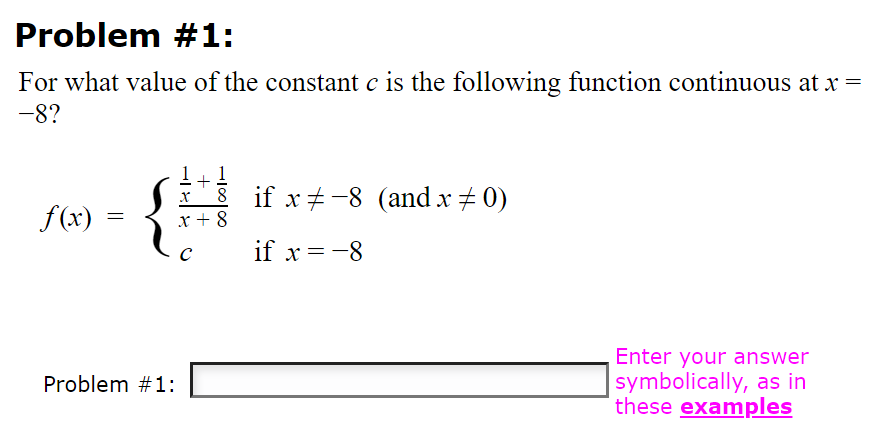
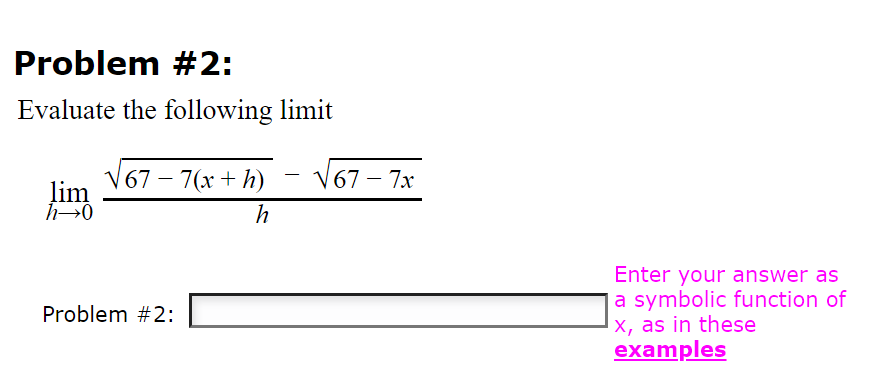
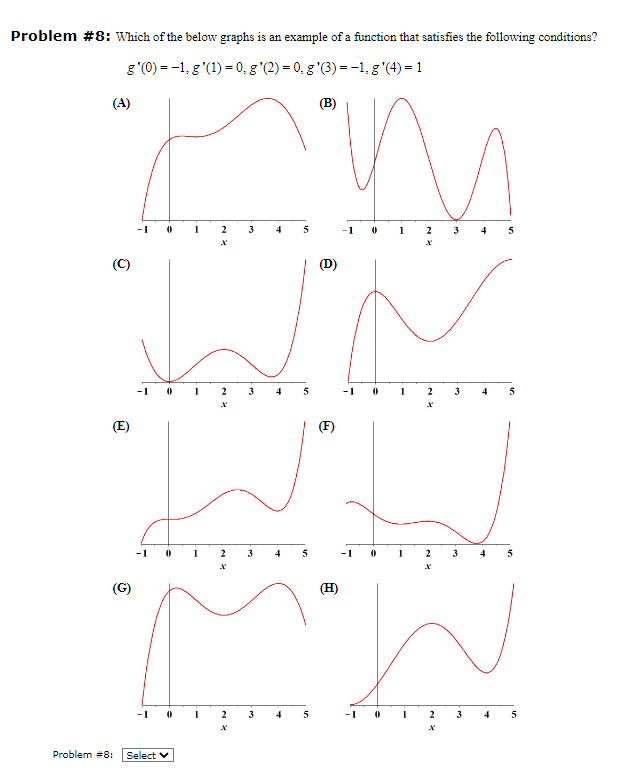
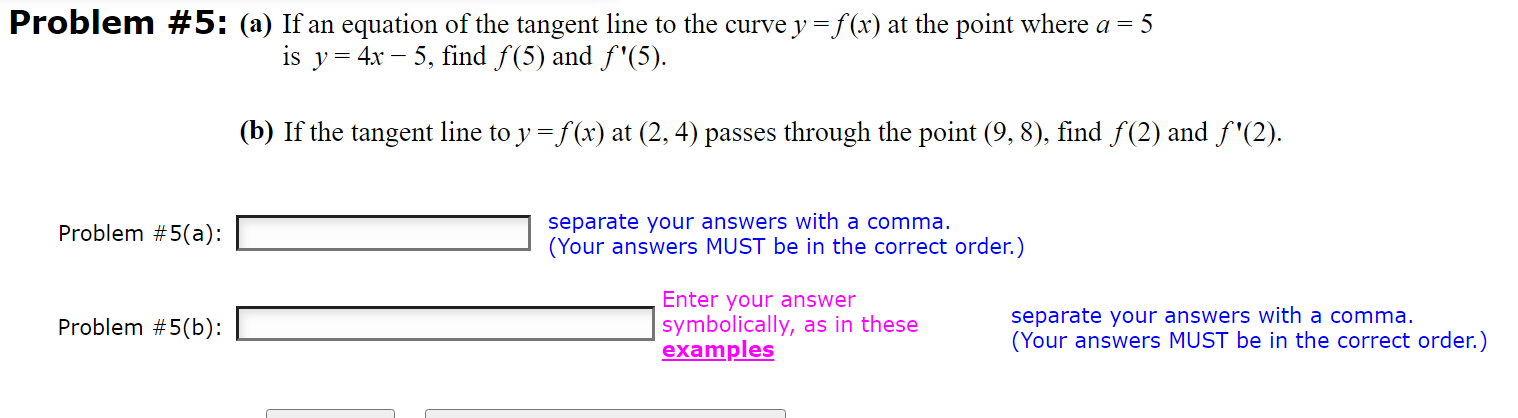
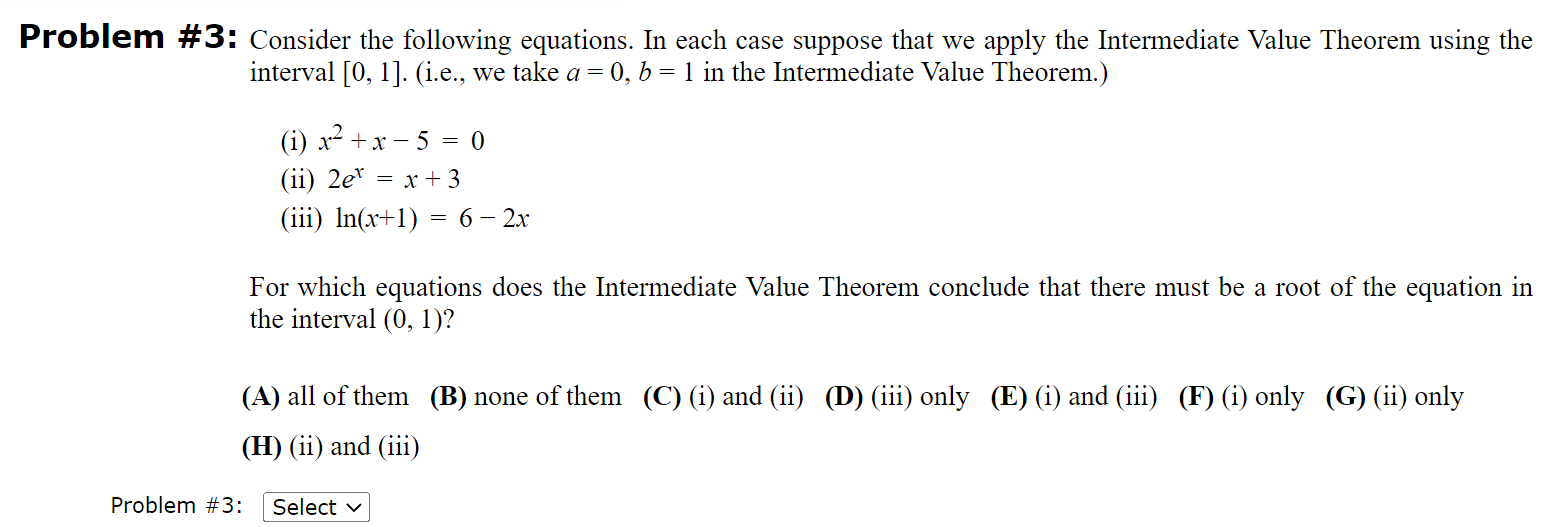
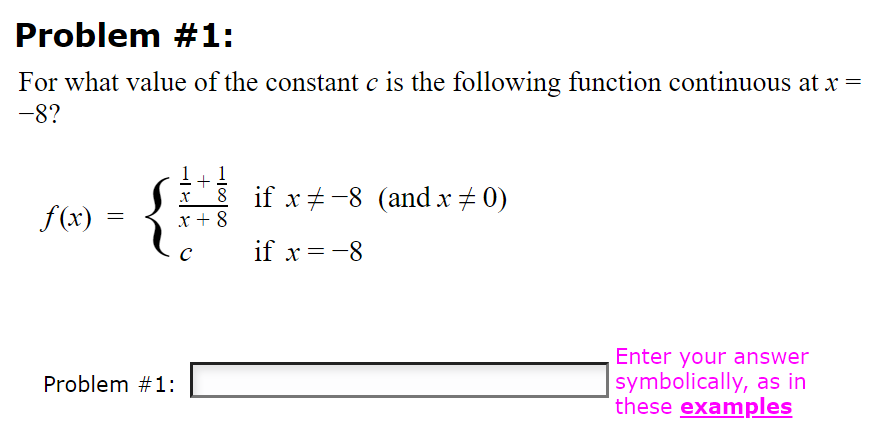
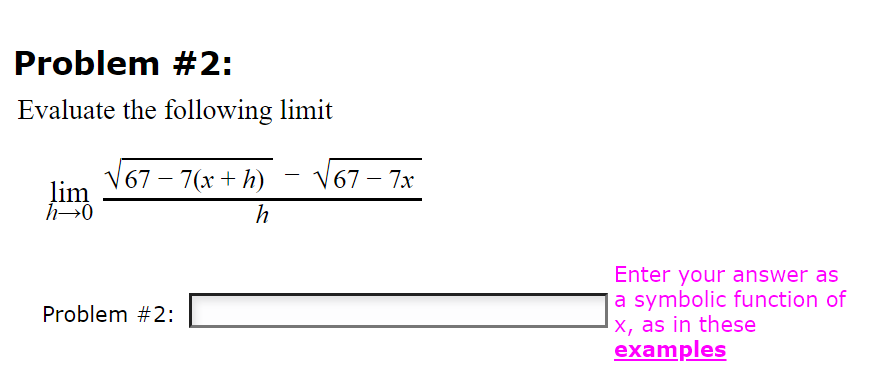
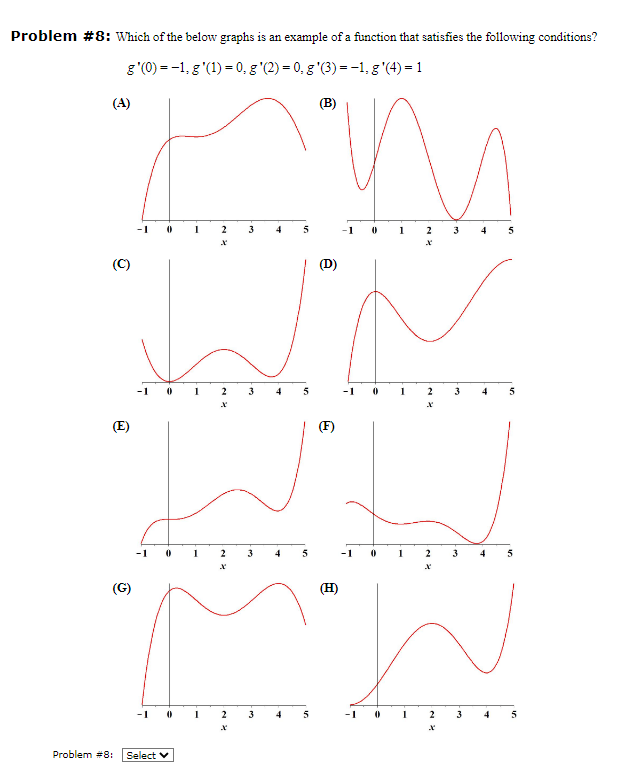
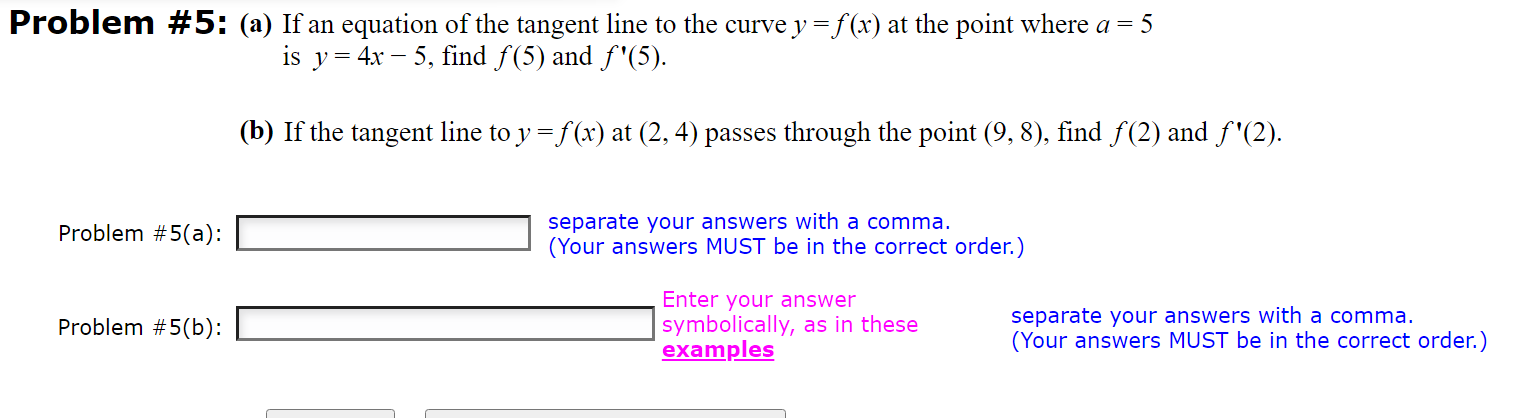
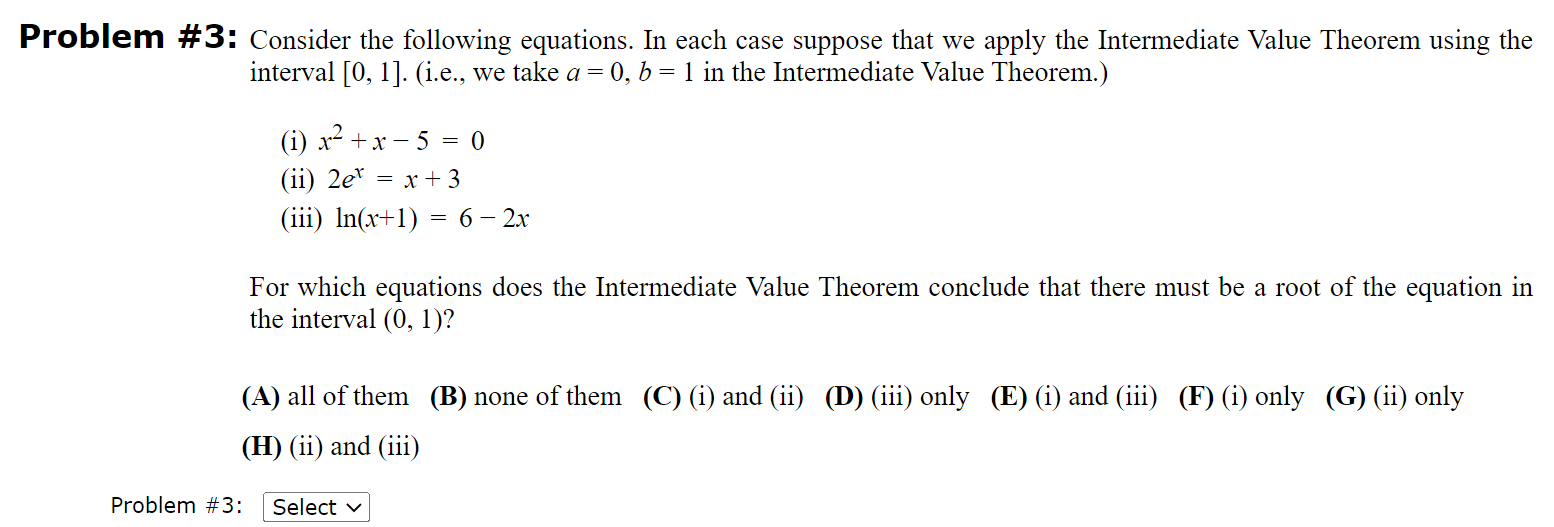
Problem #1: For what value of the constant c is the following function continuous at x = -8? + f ( x ) if x#-8 (and x * 0) C if x = -8 Enter your answer Problem #1: symbolically, as in these examplesProblem #2: Evaluate the following limit lim V677(x+h) _ V677x 1.1}0 h Enter your answer as . a symbolic function of Problem #2. |:|x, as m these examples Problem #8: Which of the below graphs is an example of a function that satisfies the following conditions? {'(0) = -1. 8'(1) =0, g'(2) =0. g'(3) = -1, g'(4) =1 (A) 3 S 3 5 (C) (D) -1 0 1 3 4 5 - 1 3 4 5 (E) (F) -1 0 3 (G) (H) -1 3 4 5 3 4 5 Problem #8: Select vProblem #5: (a) If an equation of the tangent line to the curve y = f(x) at the point where a = 5 is y = 4x - 5, find f(5) and f'(5). (b) If the tangent line to y = f(x) at (2, 4) passes through the point (9, 8), find f(2) and f'(2). Problem #5(a): separate your answers with a comma. (Your answers MUST be in the correct order.) Enter your answer Problem #5(b): symbolically, as in these separate your answers with a comma. examples (Your answers MUST be in the correct order. )Problem #3: Consider the following equations. In each case suppose that we apply the Intermediate Value Theorem using the interval [0, 1]. (i.e., we take a = 0, b = 1 in the Intermediate Value Theorem.) (1) x2+ x - 5= 0 (ii) 2et = x + 3 (iii) In(x+1) = 6 -2x For which equations does the Intermediate Value Theorem conclude that there must be a root of the equation in the interval (0, 1)? (A) all of them (B) none of them (C) (i) and (ii) (D) (iii) only (E) (i) and (iii) (F) (i) only (G) (ii) only (H) (ii) and (iii) Problem #3: Select v
Step by Step Solution
There are 3 Steps involved in it

Get step-by-step solutions from verified subject matter experts