



Question: Problem 17.04 Part A How much kinetic energy will an electron gain (in joules) if it accelerates through a potential difference of 1.99x10⁴ V ?
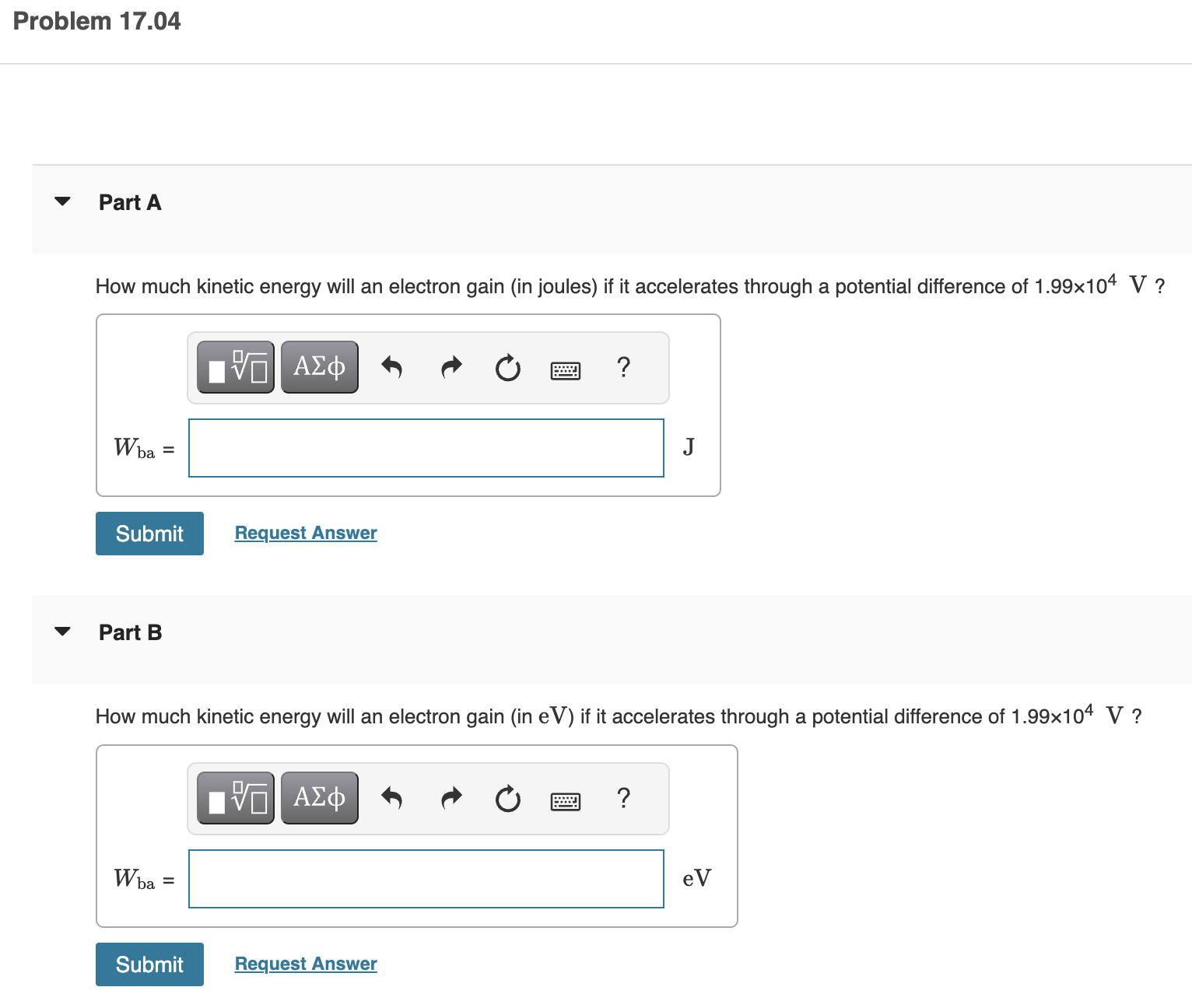
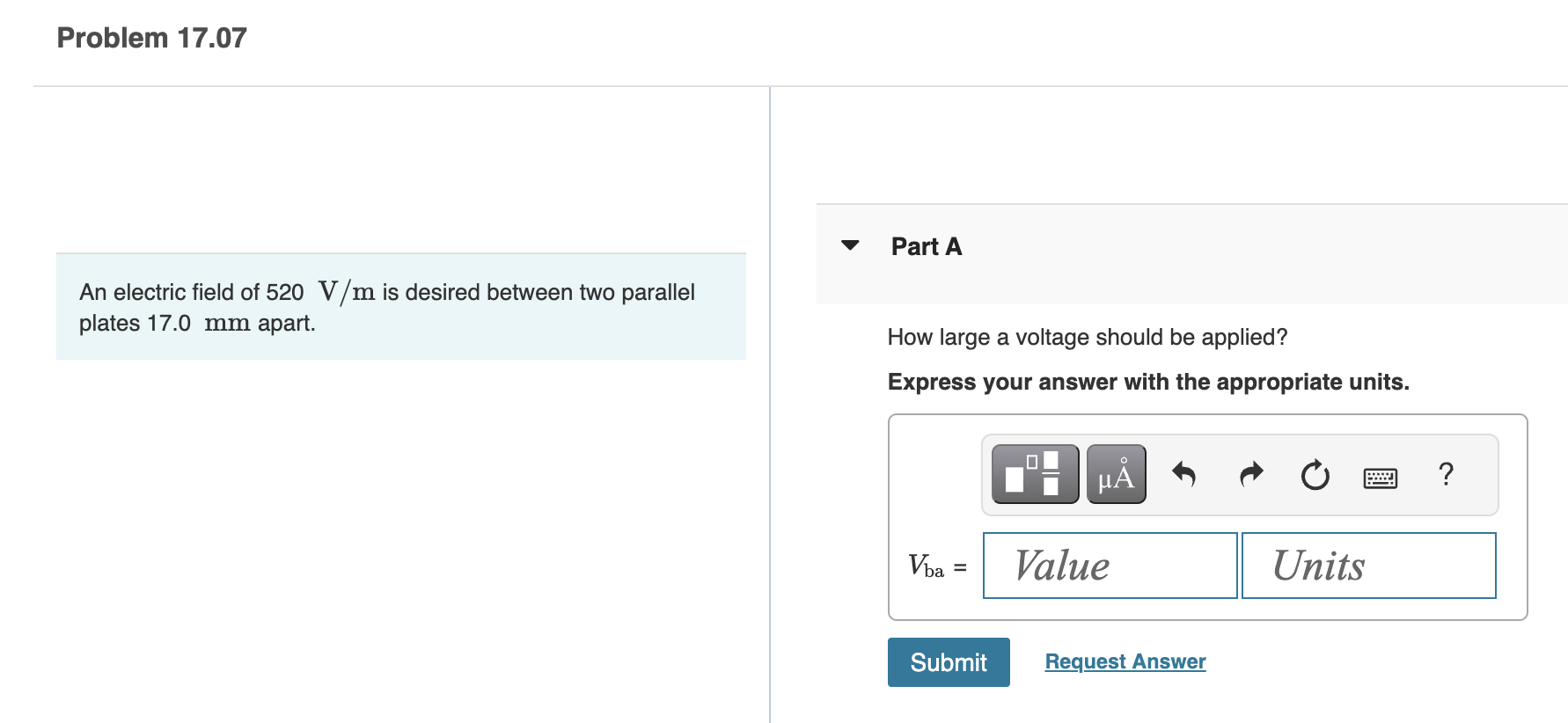
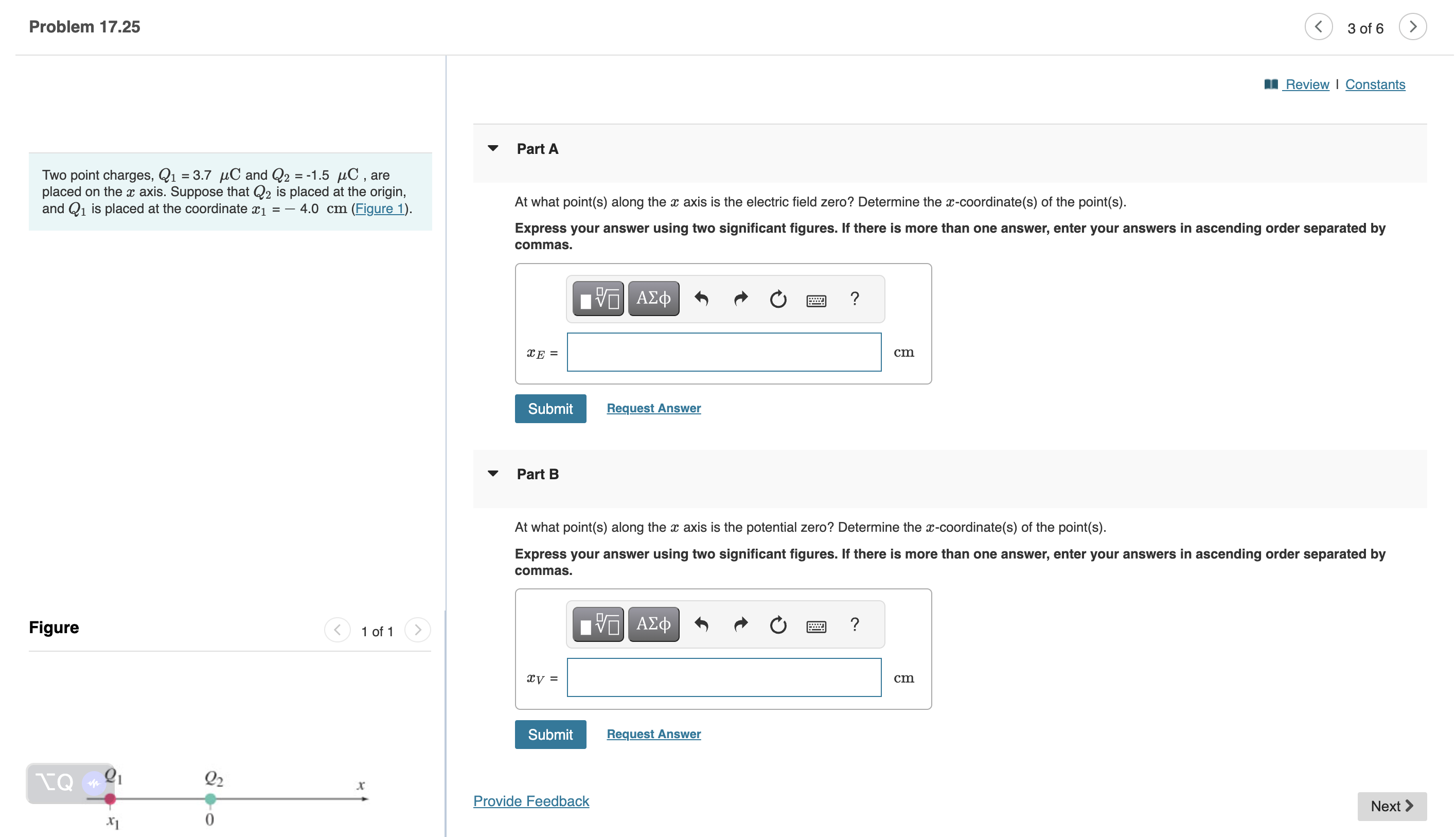
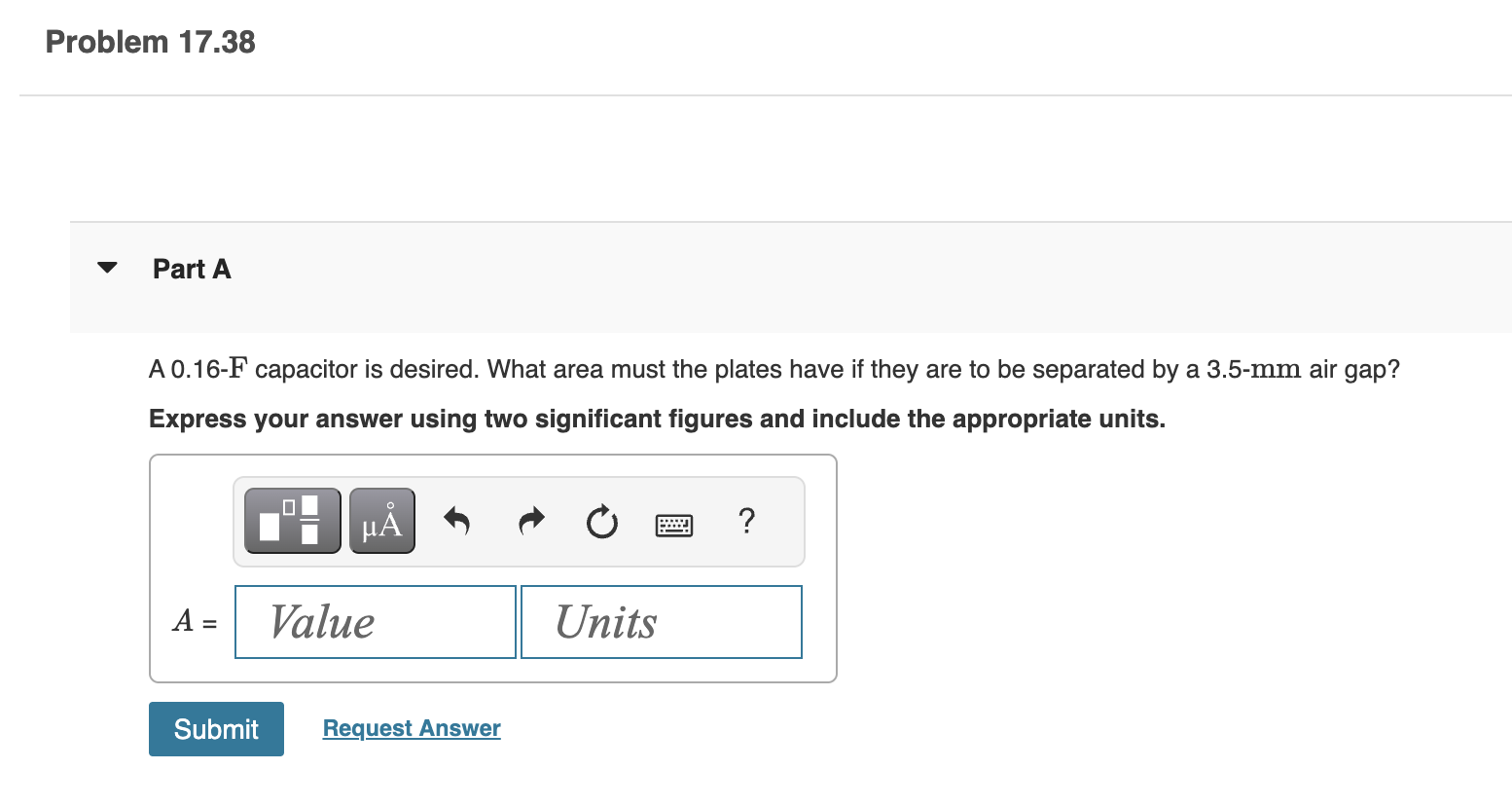
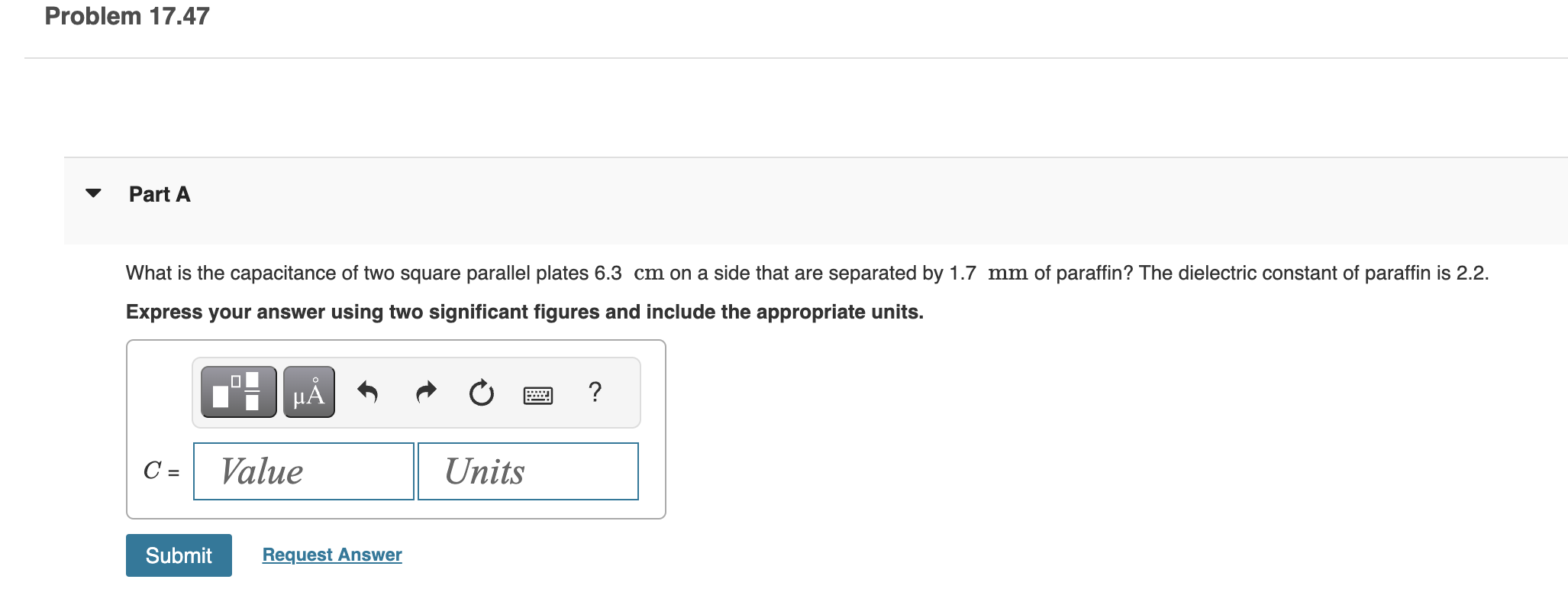
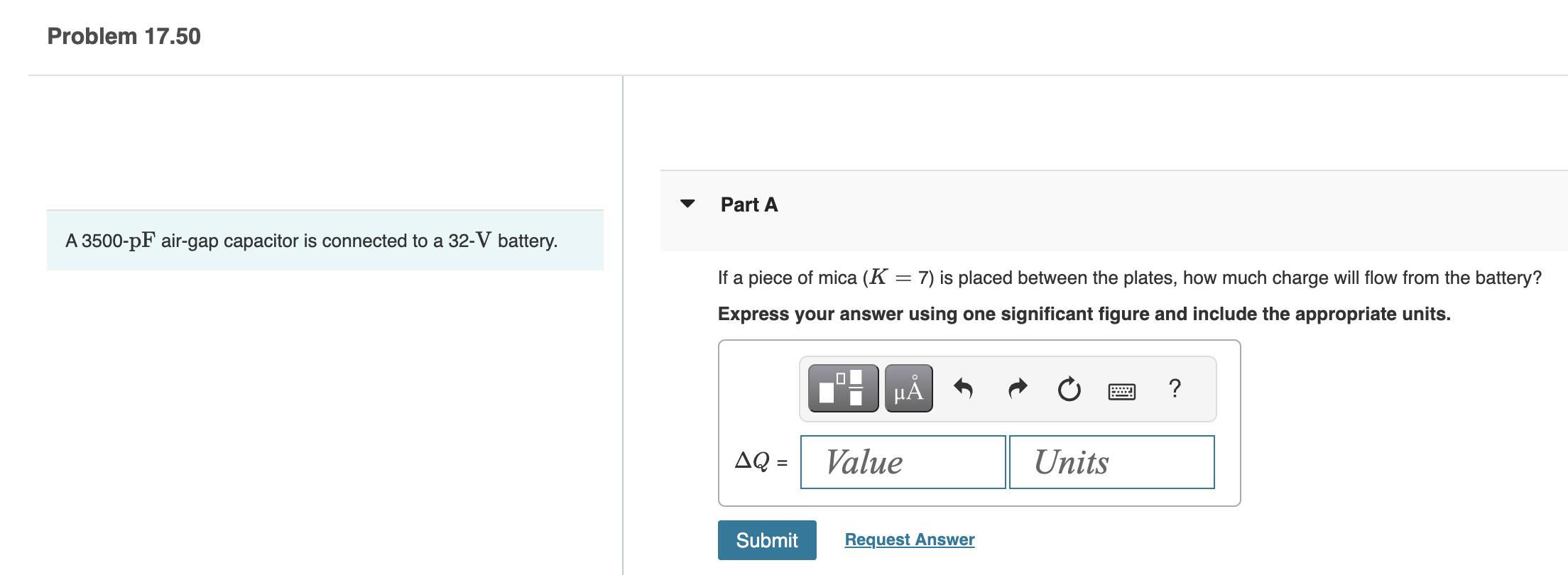
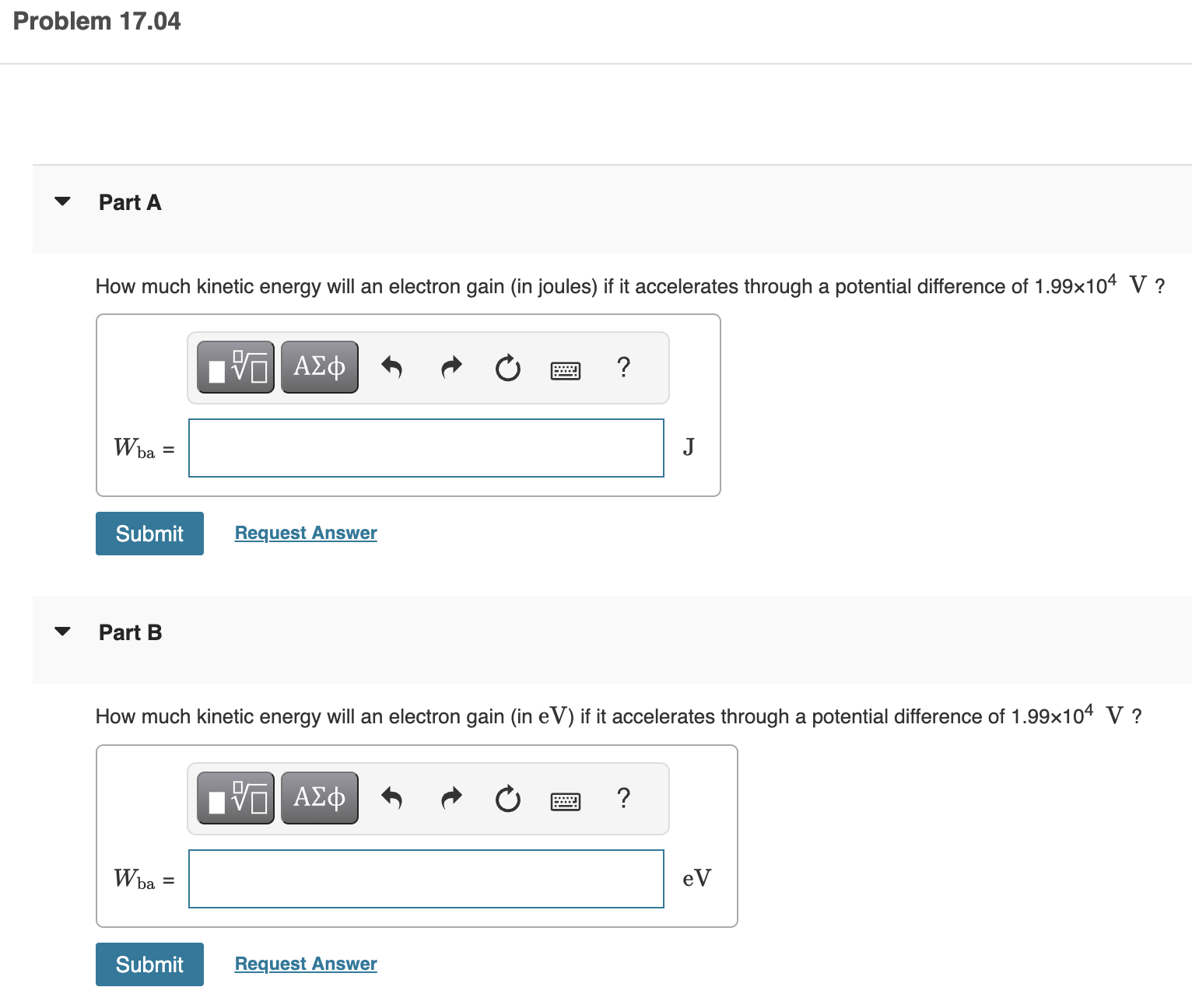
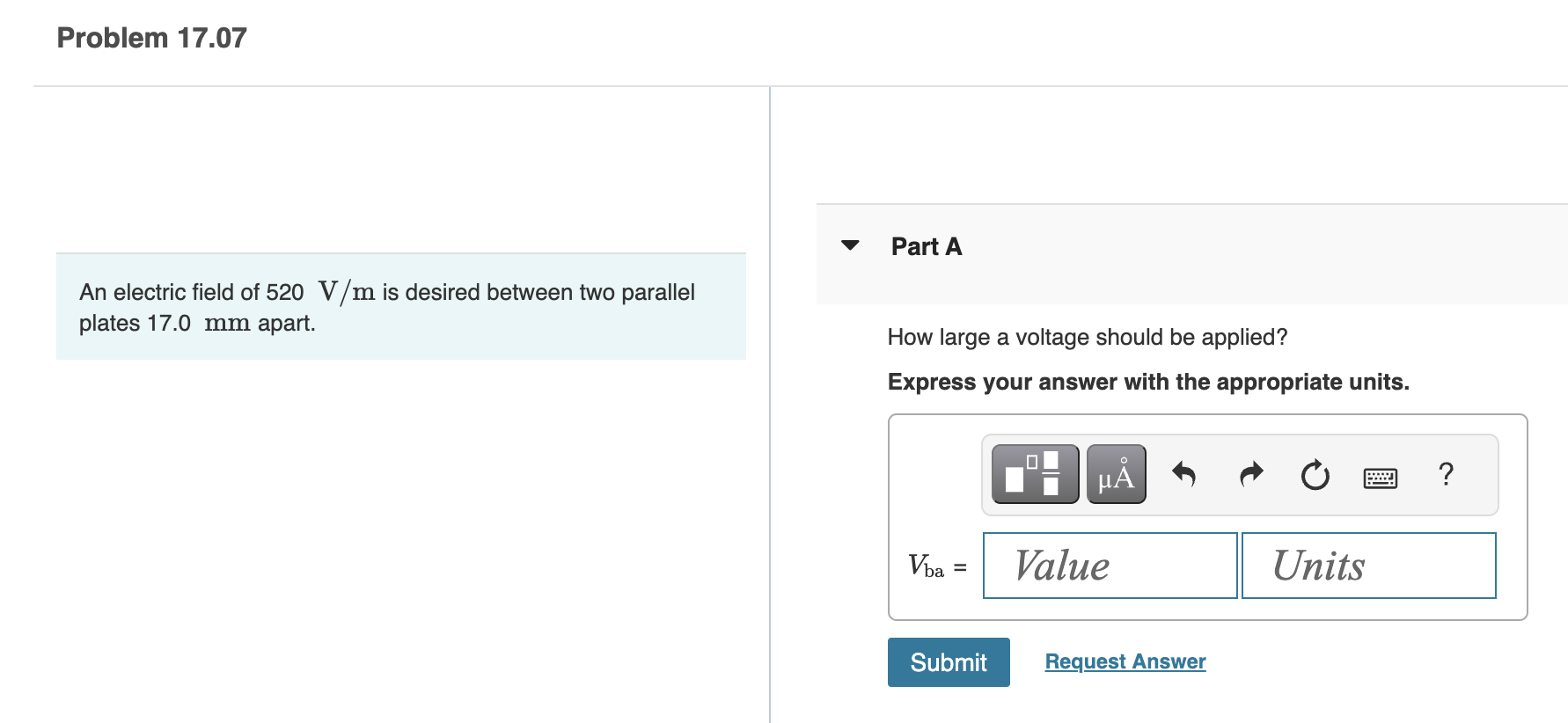
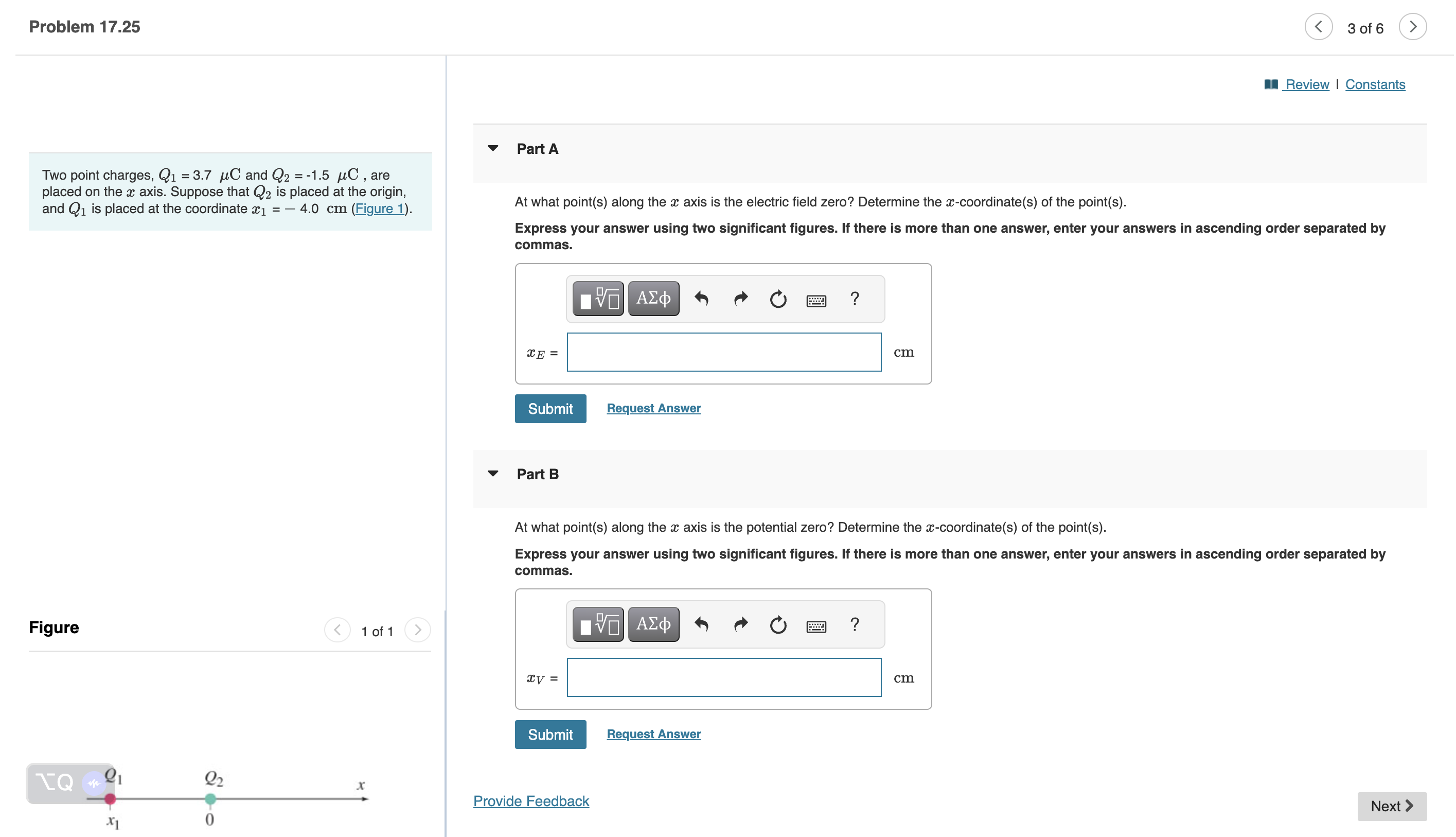
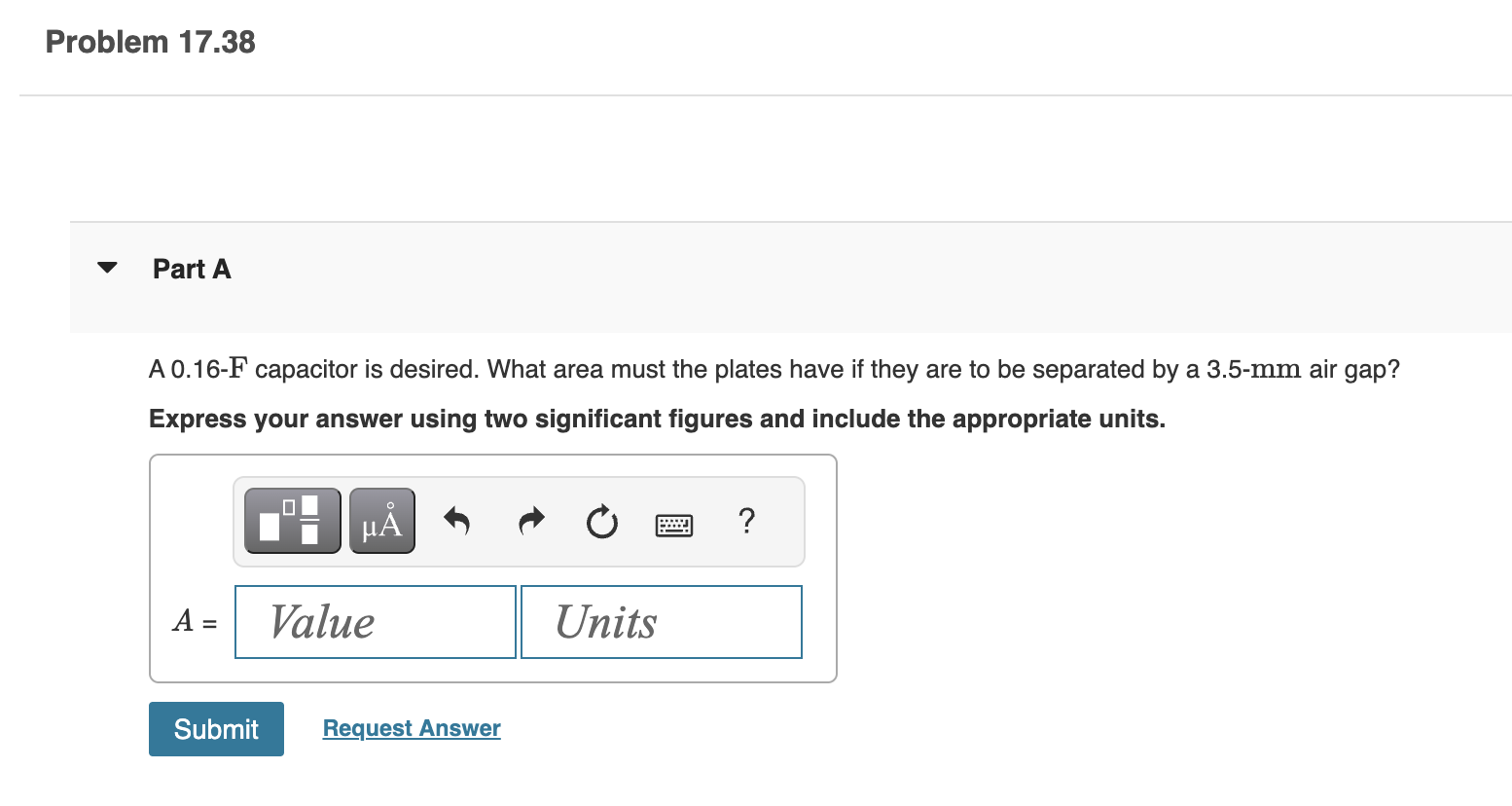
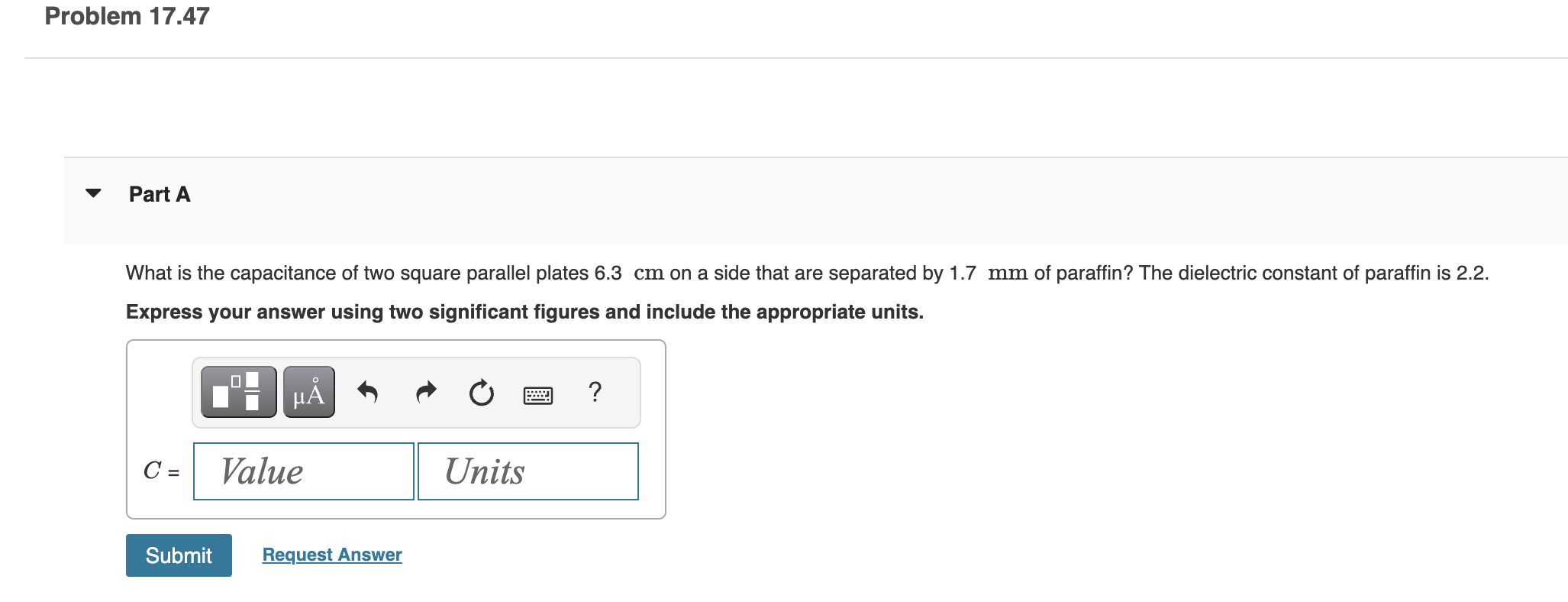
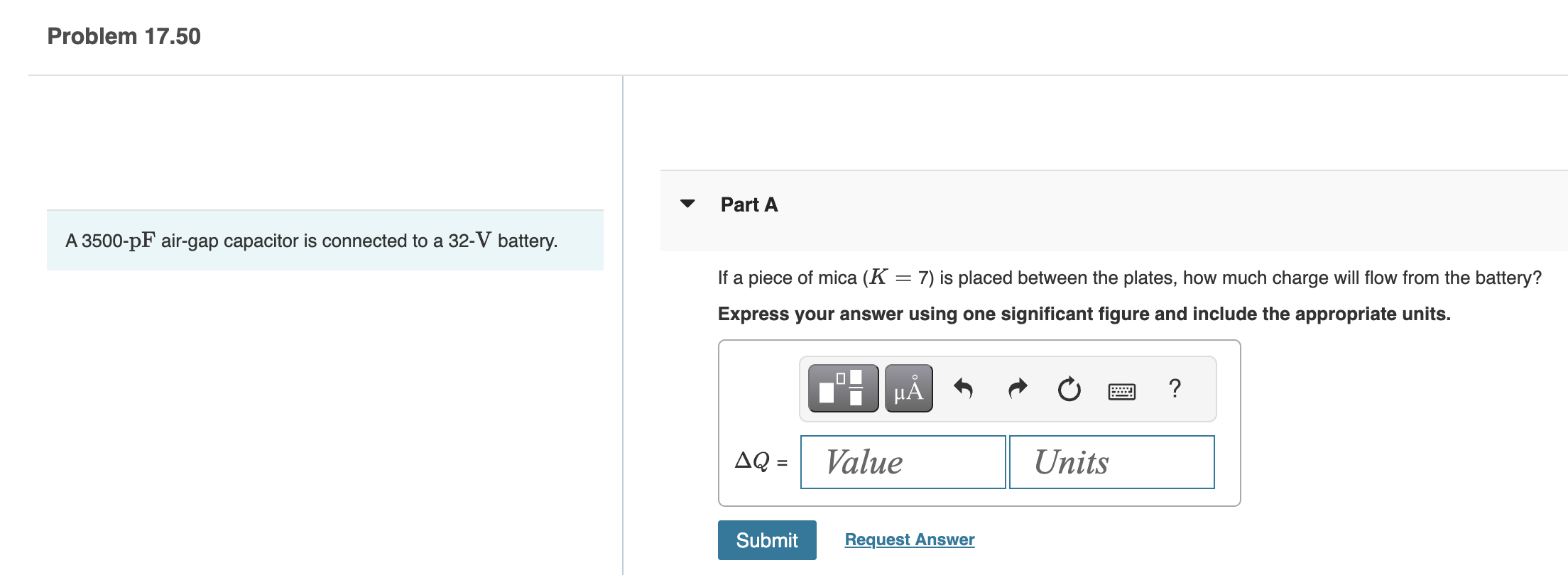
Problem 17.04 Part A How much kinetic energy will an electron gain (in joules) if it accelerates through a potential difference of 1.99x10⁴ V ? AEQ ? Wba = Submit Request Answer Part B How much kinetic energy will an electron gain (in e V) if it accelerates through a potential difference of 1.99x10⁴ V ? ? Wba = e V Submit Request AnswerProblem 17.07 V Part A An electric field of 520 V / m is desired between two parallel plates 17'0 apart. How large a voltage should be applied? Express your answer with the appropriate units. Muest Answer Problem 17.25 I Review I Constants V Part A Two point charges, Q1 = 3.7 #0 and Q2 = -1.5 #0 , are placed on the z axis. Suppose that Q2 is placed at the origin, , , , , , . . , and Q1 is placed at the coordinate m1 = _ 4.0 cm (gure 1)_ At what potnt(s) along the z axrs Is the electric field zero? Determine the z-coordrnate(s) of the potnt(s). Express your answer using two significant figures. If there is more than one answer, enter your answers in ascending order separated by commas. $3 = cm W guest Answer V PartB At what puint(s) along the 1: axis is the potential zero? Determine the z-coordinate(s) of the point(s). Express your answer using two significant figures. If there is more than one answer, enter your answers in ascending order separated by commas. Figure 1 0H '7 my = cm W mm 9| Q: I Q~- Provide Feedback Next ) Problem 17.38 V Part A A 0.16-F capacitor is desired. What area must the plates have if they are to be separated by a 3.5-mm air gap? Express your answer using two significant figures and include the appropriate units. HA A = Value Units Submit Request AnswerProblem 17.47 Part A What is the capacitance of two square parallel plates 6.3 cm on a side that are separated by 1.7 mm of paraffin? The dielectric constant of paraffin is 2.2. Express your answer using two significant figures and include the appropriate units. HA ? C = Value Units Submit Request AnswerProblem 17.50 V Part A A 3500-pF air-gap capacitor is connected to a 32-V battery. It a piece of mice. (K = 7) is placed between the plates, how much charge will flow from the battery? Express your answer using one significant figure and include the appropriate units. m Muest Answer
Step by Step Solution
There are 3 Steps involved in it

Get step-by-step solutions from verified subject matter experts