Question: Professional Styles Analysis Assignment This assignment requires you to look at how a text both makes use of and is influenced by a professional style.
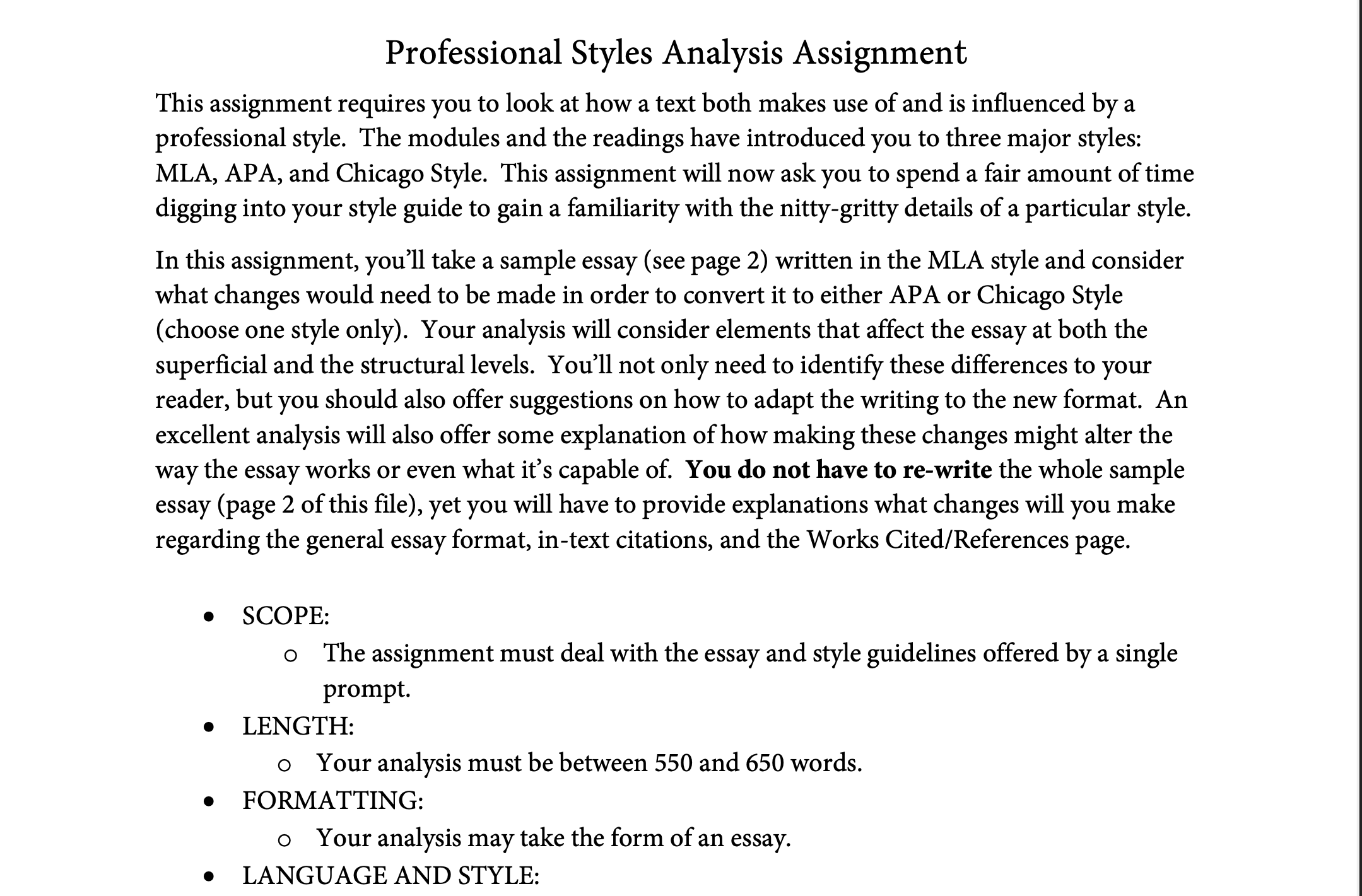
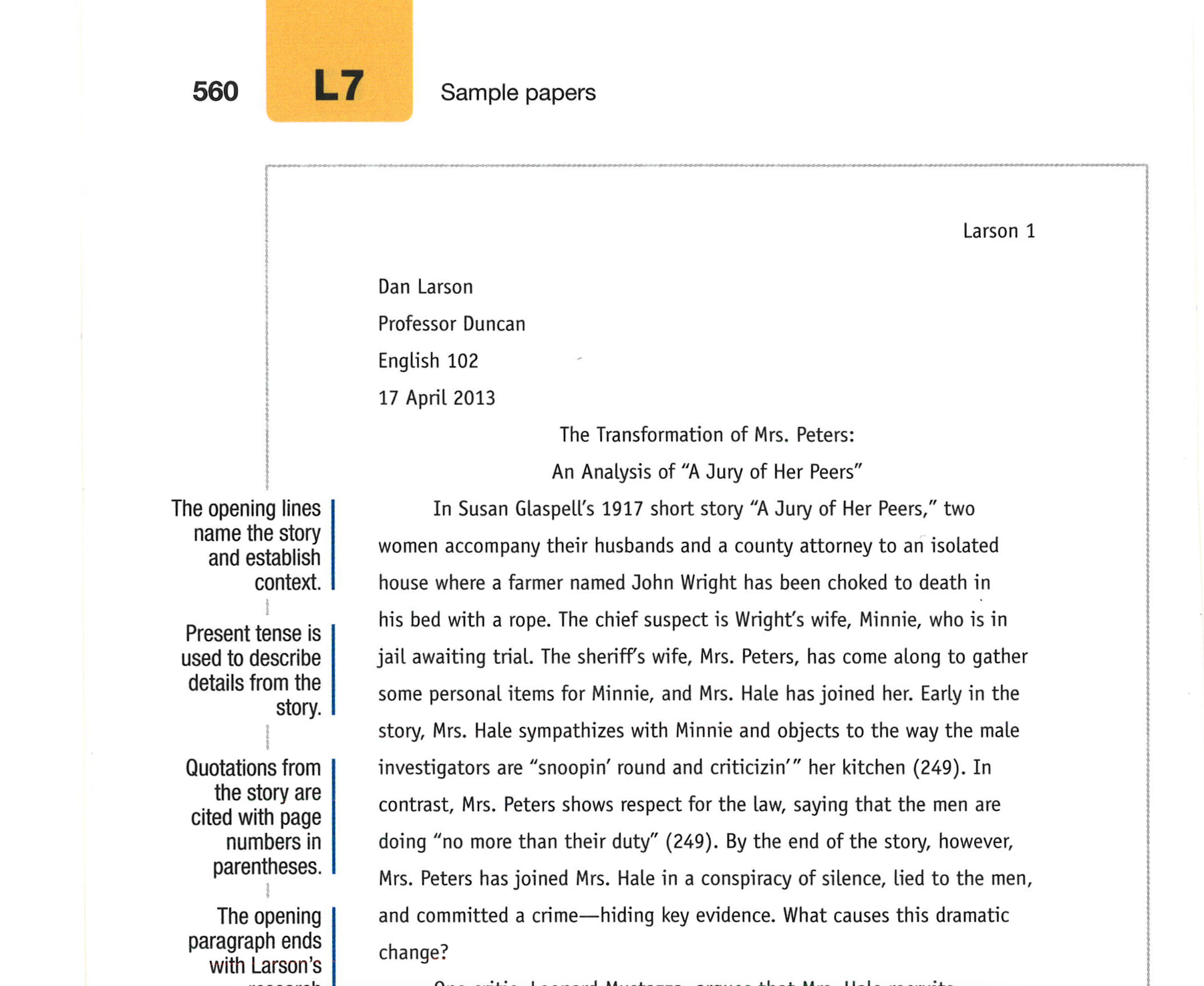
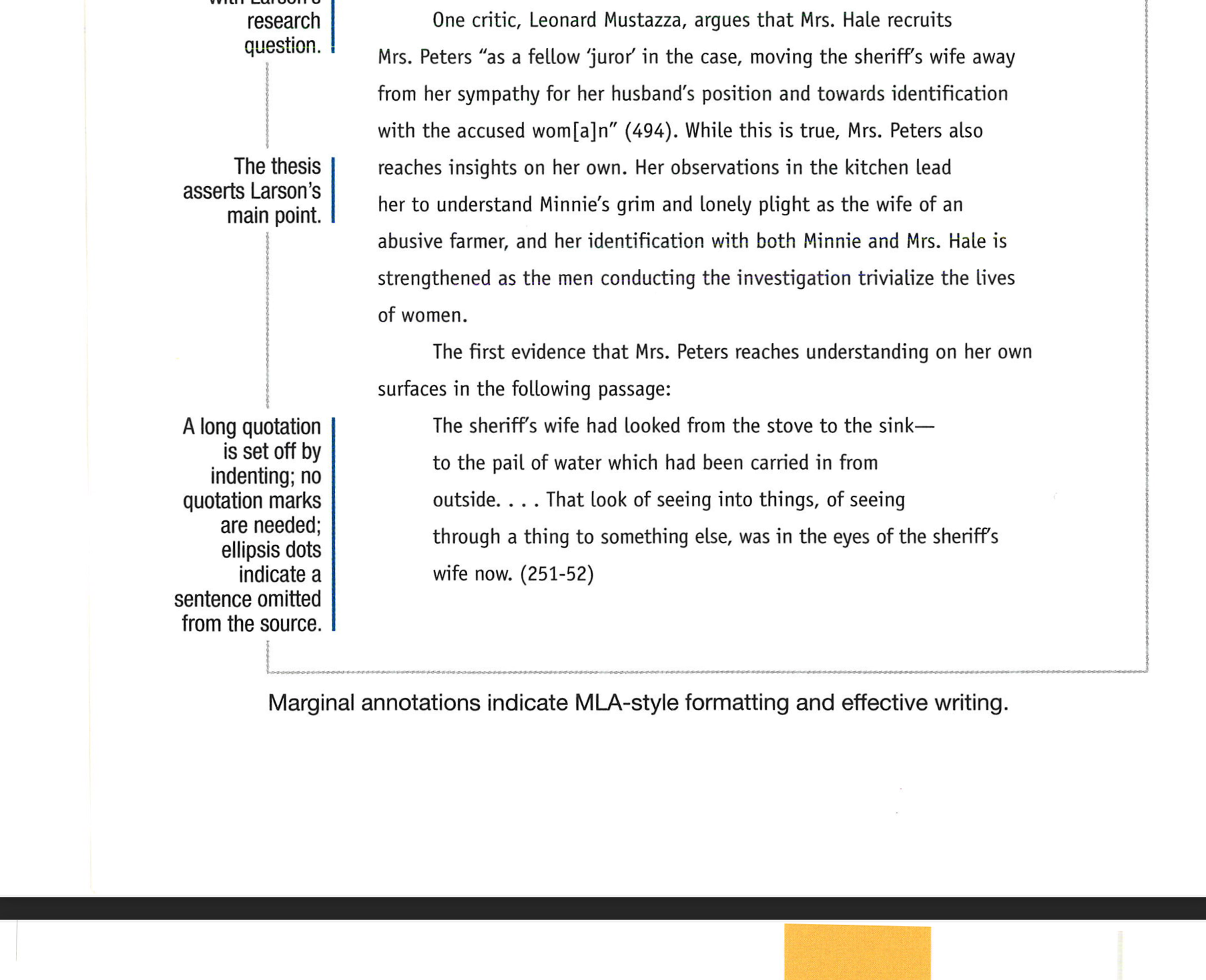
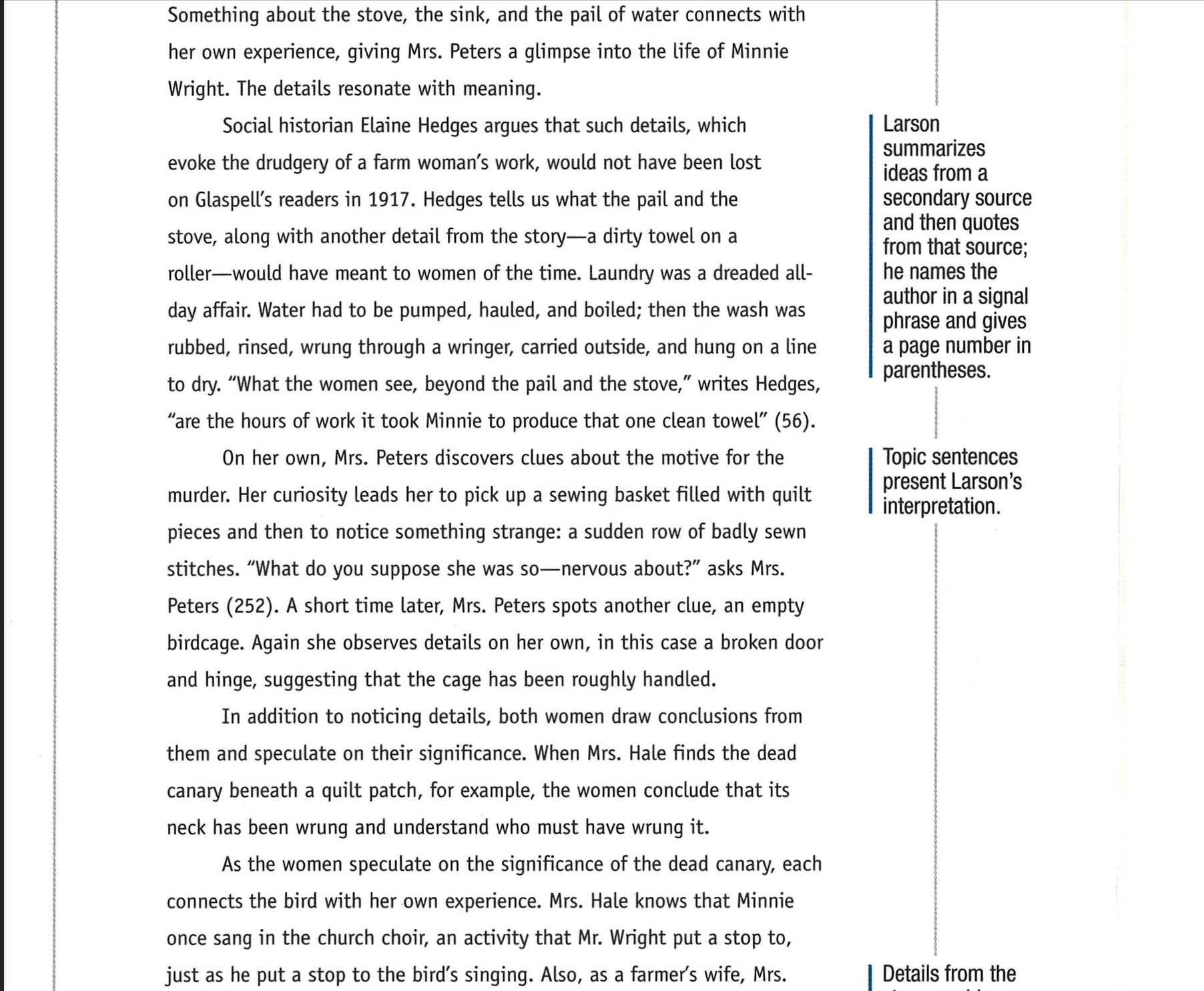
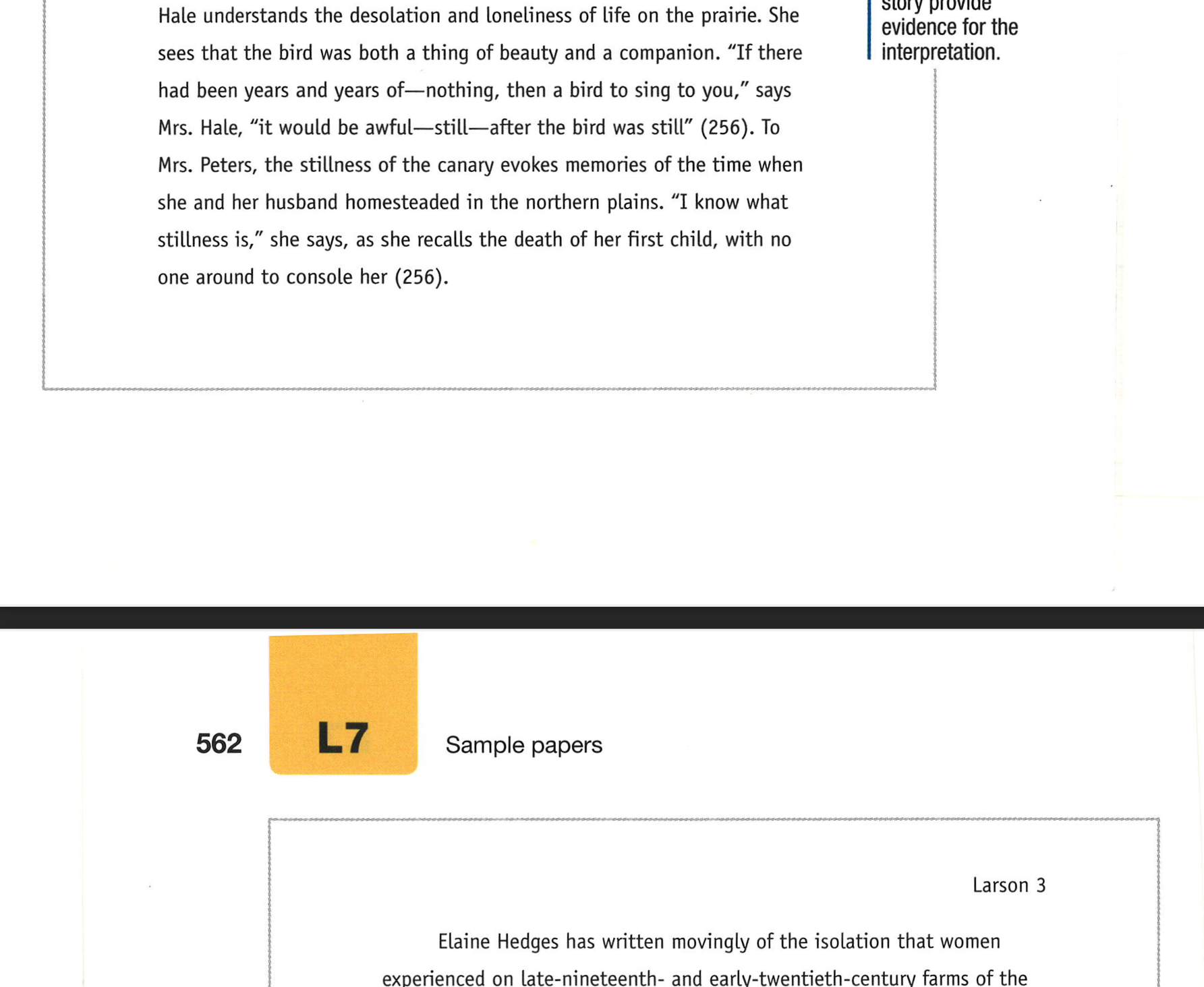
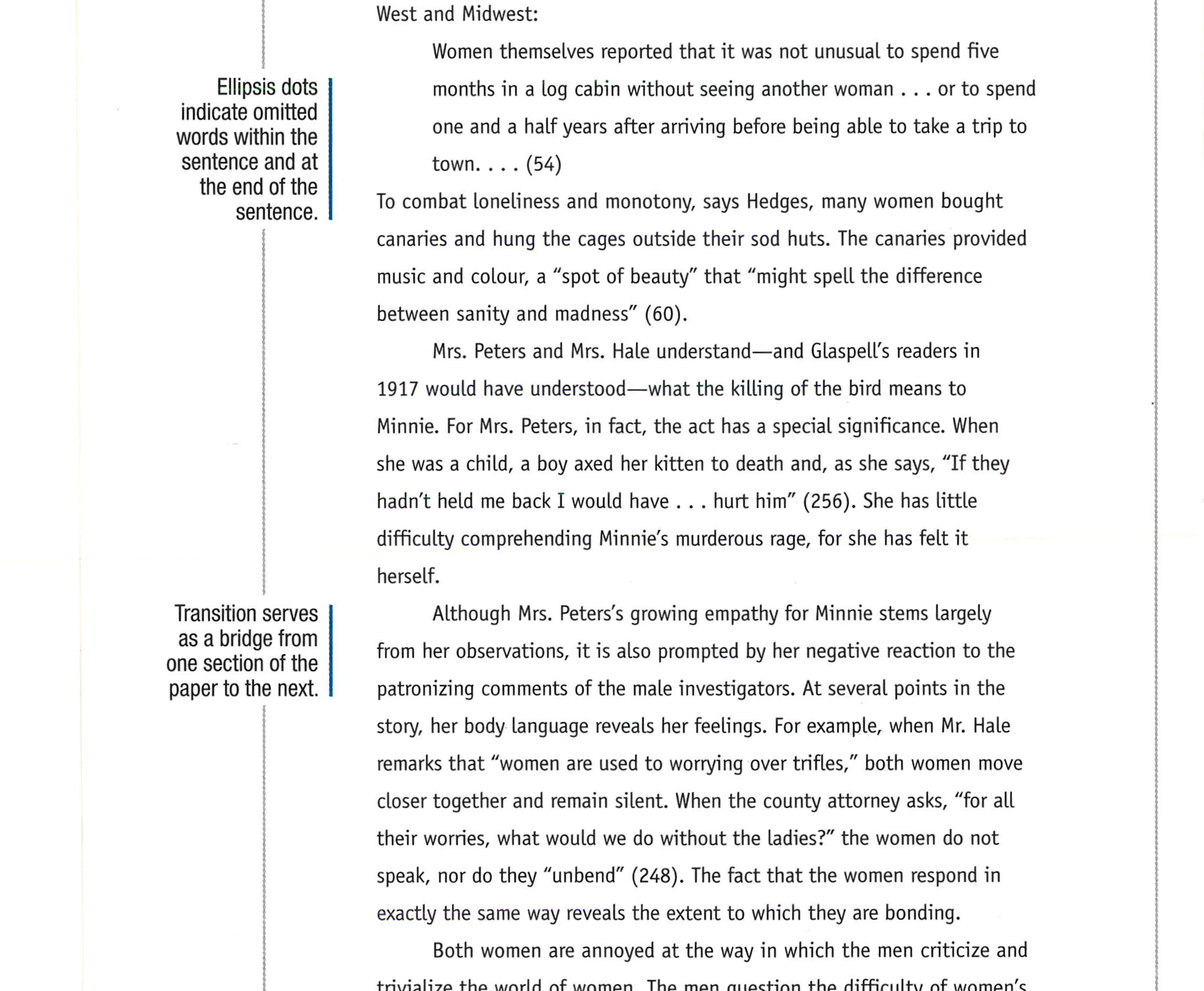
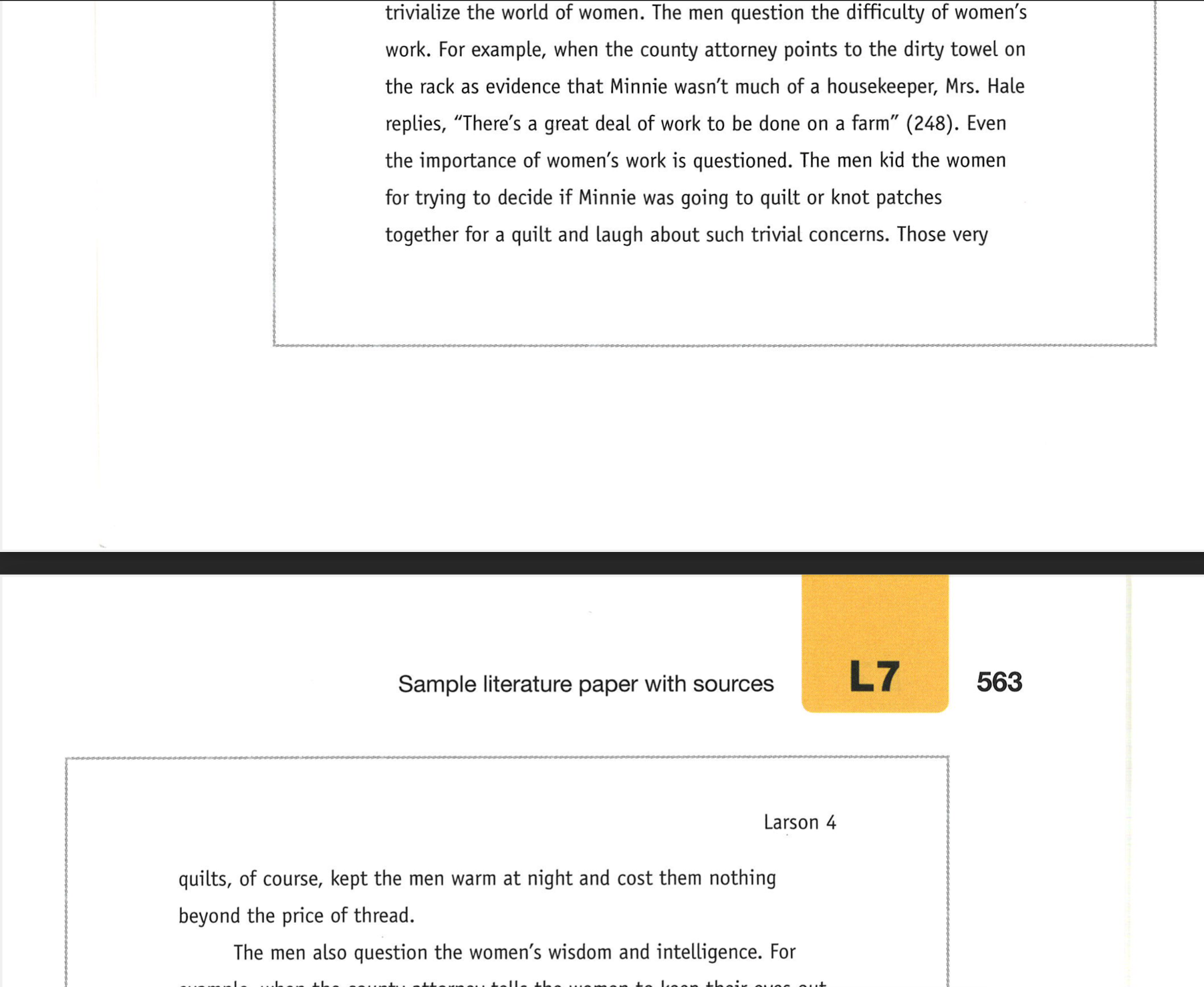
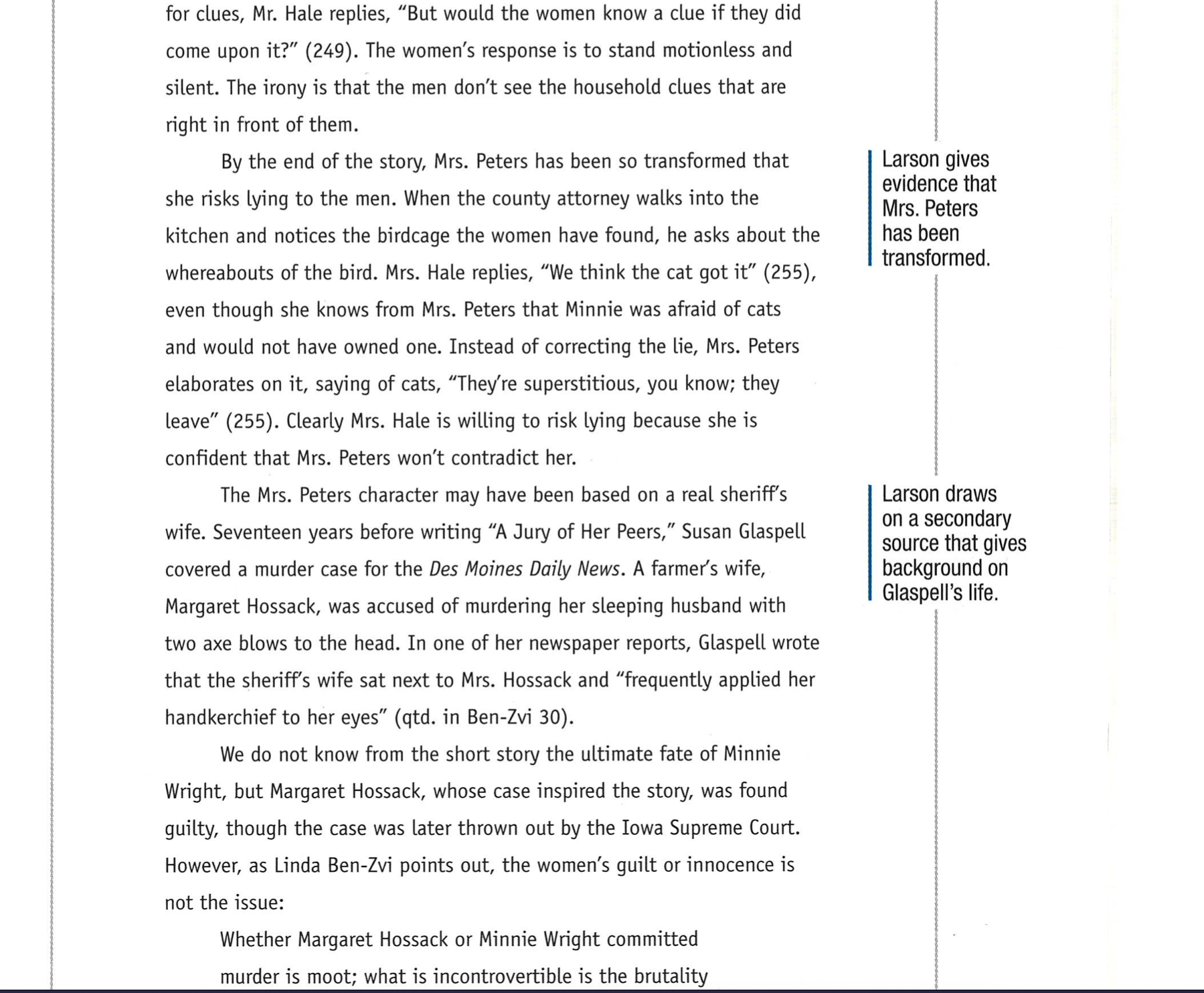
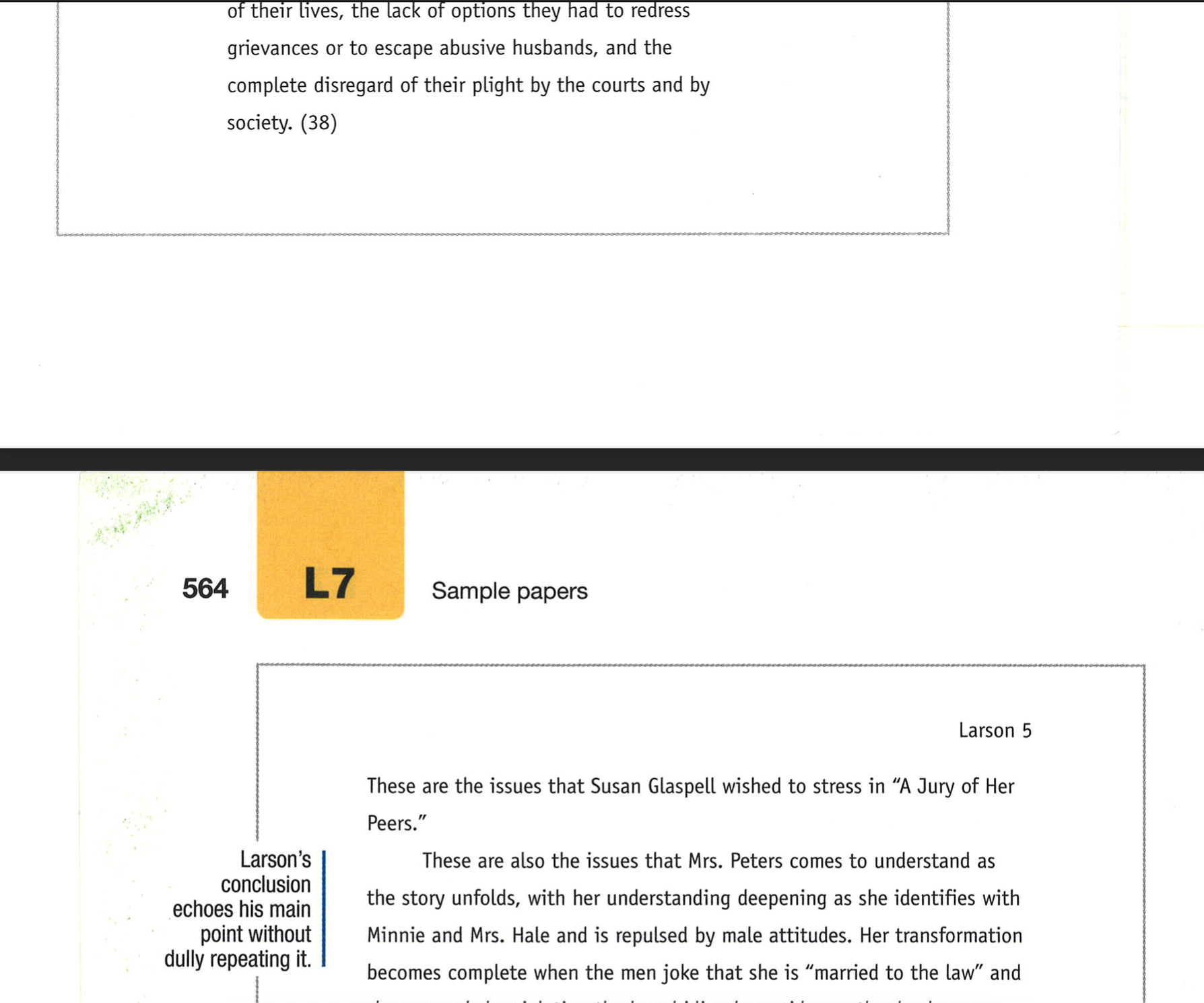
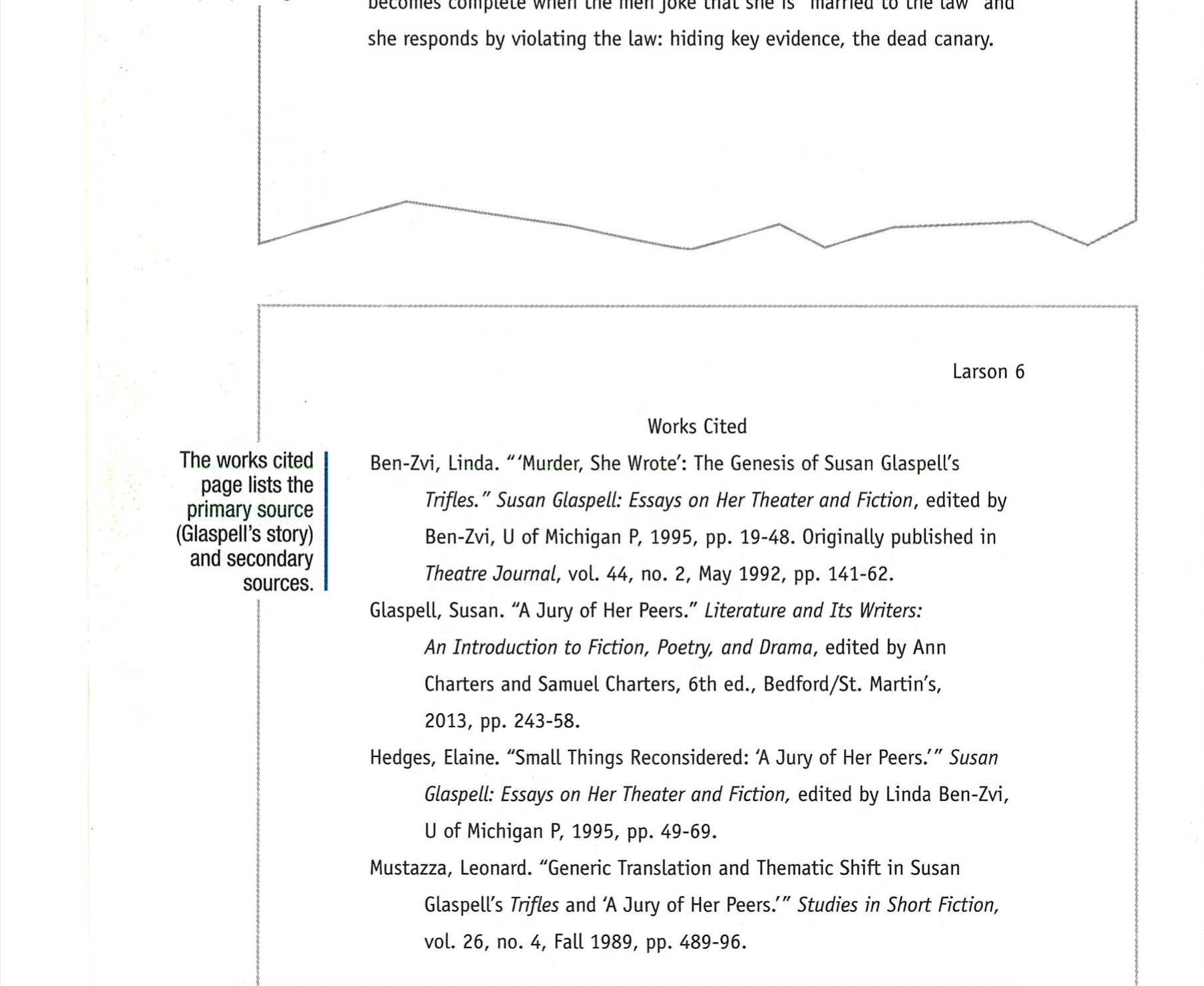
Professional Styles Analysis Assignment This assignment requires you to look at how a text both makes use of and is influenced by a professional style. The modules and the readings have introduced you to three major styles: MLA, APA, and Chicago Style. This assignment will now ask you to spend a fair amount of time digging into your style guide to gain a familiarity with the nitty-gritty details of a particular style. In this assignment, you'll take a sample essay (see page 2) written in the MLA style and consider what changes would need to be made in order to convert it to either APA or Chicago Style (choose one style only). Your analysis will consider elements that affect the essay at both the superficial and the structural levels. You'll not only need to identify these differences to your reader, but you should also offer suggestions on how to adapt the writing to the new format. An excellent analysis will also offer some explanation of how making these changes might alter the way the essay works or even what it's capable of. You do not have to re-write the whole sample essay (page 2 of this file), yet you will have to provide explanations what changes will you make regarding the general essay format, in-text citations, and the Works Cited/References page. e SCOPE: o The assignment must deal with the essay and style guidelines offered by a single prompt. e LENGTH: o Your analysis must be between 550 and 650 words. e FORMATTING: o Your analysis may take the form of an essay. e LANGUAGE AND STYLE: 560 The opening lines name the story and establish context. Present tense is used to describe details from the story. Quotations from the story are cited with page numbers in parentheses. The opening paragraph ends with Larson's L7 | .|| . Sample papers Larson 1 Dan Larson Professor Duncan English 102 17 April 2013 The Transformation of Mrs. Peters: An Analysis of \"A Jury of Her Peers\" In Susan Glaspell''s 1917 short story \"A Jury of Her Peers,\" two women accompany their husbands and a county attorney to an isolated house where a farmer named John Wright has been choked to death in his bed with a rope. The chief suspect is Wright's wife, Minnie, who is; in jail awaiting trial. The sheriff's wife, Mrs. Peters, has come along to gather some personal items for Minnie, and Mrs. Hale has joined her. Early in the story, Mrs. Hale sympathizes with Minnie and objects to the way the male investigators are \"snoopin' round and criticizin'\" her kitchen (249). In contrast, Mrs. Peters shows respect for the law, saying that the men are doing \"no more than their duty\" (249). By the end of the story, however, Mrs. Peters has joined Mrs. Hale in a conspiracy of silence, lied to the men, and committed a crimehiding key evidence. What causes this dramatic change? oo BB W mm VEILI A W v research question. The thesis asserts Larson's main point. A long quotation is set off by indenting; no quotation marks are needed; ellipsis dots indicate a sentence omitted from the source. One critic, Leonard Mustazza, argues that Mrs. Hale recruits Mrs. Peters \"as a fellow 'juror' in the case, moving the sheriff's wife away from her sympathy for her husband's position and towards identification with the accused wom[a]n\" (494). While this is true, Mrs. Peters also ! reaches insights on her own. Her observations in the kitchen lead her to understand Minnie's grim and lonely plight as the wife of an abusive farmer, and her identification with both Minnie and Mrs. Hale is strengthened as the men conducting the investigation trivialize the lives of women. The first evidence that Mrs. Peters reaches understanding on her own surfaces in the following passage: The sheriff's wife had looked from the stove to the sink to the pail of water which had been carried in from outside. . . . That look of seeing into things, of seeing through a thing to something else, was in the eyes of the sheriff's wife now. (251-52) Marginal annotations indicate MLA-style formatting and effective writing. Something about the stove, the sink, and the pail of water connects with her own experience, giving Mrs. Peters a glimpse into the life of Minnie Wright. The details resonate with meaning. Social historian Elaine Hedges argues that such details, which evoke the drudgery of a farm woman's work, would not have been lost on Glaspell's readers in 1917. Hedges tells us what the pail and the stove, along with another detail from the storya dirty towel on a rollerwould have meant to women of the time. Laundry was a dreaded all- day affair. Water had to be pumped, hauled, and boiled; then the wash was rubbed, rinsed, wrung through a wringer, carried outside, and hung on a line to dry. \"What the women see, beyond the pail and the stove,\" writes Hedges, \"are the hours of work it took Minnie to produce that one clean towel\" (56). On her own, Mrs. Peters discovers clues about the motive for the murder. Her curiosity leads her to pick up a sewing basket filled with quilt pieces and then to notice something strange: a sudden row of badly sewn stitches. \"What do you suppose she was sonervous about?\" asks Mrs. Peters (252). A short time later, Mrs. Peters spots another clue, an empty birdcage. Again she observes details on her own, in this case a broken door and hinge, suggesting that the cage has been roughly handled. In addition to noticing details, both women draw conclusions from them and speculate on their significance. When Mrs. Hale finds the dead canary beneath a quilt patch, for example, the women conclude that its neck has been wrung and understand who must have wrung it. As the women speculate on the significance of the dead canary, each connects the bird with her own experience. Mrs. Hale knows that Minnie once sang in the church choir, an activity that Mr. Wright put a stop to, just as he put a stop to the bird's singing. Also, as a farmer's wife, Mrs. Larson summarizes ideas from a secondary source and then quotes from that source; he names the author in a signal phrase and gives a page number in parentheses. { Topic entences present Larson's interpretation. i | D_etail fro'n_l the SWiy pruviug evidence for the sees that the bird was both a thing of beauty and a companion. \"If there interpretation. Hale understands the desolation and loneliness of life on the prairie. She had been years and years ofnothing, then a bird to sing to you,\" says Mrs. Hale, \"it would be awfulstillafter the bird was still\" (256). To Mrs. Peters, the stillness of the canary evokes memories of the time when she and her hushand homesteaded in the northern plains. \"I know what stillness is,\" she says, as she recalls the death of her first child, with no one around to console her (256). 562 L7 Sample papers Larson 3 Elaine Hedges has written movingly of the isolation that women experienced on late-nineteenth- and early-twentieth-century farms of the i Ellipsis dots indicate omitted words within the sentence and at the end of the sentence. i | | { Transition serves as a bridge from one section of the paper to the next. i West and Midwest: Women themselves reported that it was not unusual to spend five months in a log cabin without seeing another woman . . . or to spend one and a half years after arriving before being able to take a trip to town. . .. (54) To combat loneliness and monotony, says Hedges, many women bought canaries and hung the cages outside their sod huts. The canaries provided music and colour, a \"spot of beauty\" that \"might spell the difference between sanity and madness\" (60). Mrs. Peters and Mrs. Hale understandand Glaspell's readers in 1917 would have understoodwhat the killing of the bird means to Minnie. For Mrs. Peters, in fact, the act has a special significance. When she was a child, a boy axed her kitten to death and, as she says, \"If they hadn't held me back I would have . . . hurt him\" (256). She has little difficulty comprehending Minnie's murderous rage, for she has felt it herself. Although Mrs. Peters's growing empathy for Minnie stems largely from her observations, it is also prompted by her negative reaction to the patronizing comments of the male investigators. At several points in the story, her body language reveals her feelings. For example, when Mr. Hale remarks that \"women are used to worrying over trifles,\" both women move closer together and remain silent. When the county attorney asks, \"for all their worries, what would we do without the ladies?\" the women do not speak, nor do they \"unbend\" (248). The fact that the women respond in exactly the same way reveals the extent to which they are bonding. Both women are annoyed at the way in which the men criticize and triAaalize the warld af wamen Thae man auactinn tha difficiltv of wamen'c trivialize the world of women. The men question the difficulty of women's work. For example, when the county attorney points to the dirty towel on the rack as evidence that Minnie wasn't much of a housekeeper, Mrs. Hale replies, "There's a great deal of work to be done on a farm" (248). Even the importance of women's work is questioned. The men kid the women for trying to decide if Minnie was going to quilt or knot patches together for a quilt and laugh about such trivial concerns. Those very Sample literature paper with sources L7 563 Larson 4 quilts, of course, kept the men warm at night and cost them nothing beyond the price of thread. The men also question the women's wisdom and intelligence. Forfor clues, Mr. Hale replies, \"But would the women know a clue if they did come upon it?\" (249). The women's response is to stand motionless and silent. The irony is that the men don't see the household clues that are right in front of them. By the end of the story, Mrs. Peters has been so transformed that she risks lying to the men. When the county attorney walks into the kitchen and notices the birdcage the women have found, he asks about the whereabouts of the bird. Mrs. Hale replies, \"We think the cat got it\" (255), even though she knows from Mrs. Peters that Minnie was afraid of cats and would not have owned one. Instead of correcting the lie, Mrs. Peters elaborates on it, saying of cats, \"They're superstitious, you know; they leave\" (255). Clearly Mrs. Hale is willing to risk lying because she is confident that Mrs. Peters won't contradict her. The Mrs. Peters character may have been based on a real sheriff's wife. Seventeen years before writing \"A Jury of Her Peers,\" Susan Glaspell covered a murder case for the Des Moines Daily News. A farmer's wife, Margaret Hossack, was accused of murdering her sleeping husband with two axe blows to the head. In one of her newspaper reports, Glaspell wrote that the sheriff's wife sat next to Mrs. Hossack and \"frequently applied her handkerchief to her eyes\" (gtd. in Ben-Zvi 30). We do not know from the short story the ultimate fate of Minnie Wright, but Margaret Hossack, whose case inspired the story, was found guilty, though the case was later thrown out by the Iowa Supreme Court. However, as Linda Ben-Zvi points out, the women's guilt or innocence is not the issue: Whether Margaret Hossack or Minnie Wright committed murder is moot; what is incontrovertible is the brutality Larson gives evidence that Mrs. Peters has been transformed. i 1 i Larson draws on a secondary source that gives background on Glaspell's life. i 1 i | i ! | ! | { 1 of their lives, the lack of options they had to redress grievances or to escape abusive husbands, and the complete disregard of their plight by the courts and by society. (38) 564 L7 Sample papers Larson's conclusion echoes his main point without dully repeating it. | Larson 5 These are the issues that Susan Glaspell wished to stress in \"A Jury of Her Peers.\" These are also the issues that Mrs. Peters comes to understand as the story unfolds, with her understanding deepening as she identifies with Minnie and Mrs. Hale and is repulsed by male attitudes. Her transformation becomes complete when the men joke that she is \"married to the law\" and she responds by violating the law: hiding key evidence, the dead canary. Larson 6 Works Cited The works cited | Ben-Zvi, Linda. "Murder, She Wrote': The Genesis of Susan Glaspell's page lists the primary source Trifles." Susan Glaspell: Essays on Her Theater and Fiction, edited by (Glaspell's story) Ben-Zvi, U of Michigan P, 1995, pp. 19-48. Originally published in and secondary sources. Theatre Journal, vol. 44, no. 2, May 1992, pp. 141-62. Glaspell, Susan. "A Jury of Her Peers." Literature and Its Writers: An Introduction to Fiction, Poetry, and Drama, edited by Ann Charters and Samuel Charters, 6th ed., Bedford/St. Martin's, 2013, pp. 243-58. Hedges, Elaine. "Small Things Reconsidered: 'A Jury of Her Peers.'" Susan Glaspell: Essays on Her Theater and Fiction, edited by Linda Ben-Zvi, U of Michigan P, 1995, pp. 49-69. Mustazza, Leonard. "Generic Translation and Thematic Shift in Susan Glaspell's Trifles and 'A Jury of Her Peers.'" Studies in Short Fiction, vol. 26, no. 4, Fall 1989, pp. 489-96
Step by Step Solution
There are 3 Steps involved in it
1 Expert Approved Answer
Step: 1 Unlock
Question Has Been Solved by an Expert!
Get step-by-step solutions from verified subject matter experts
Step: 2 Unlock
Step: 3 Unlock
Students Have Also Explored These Related Business Writing Questions!









 Study Help