



Question: Prompt: Can we predict short-term mating orientation from an individual's weekend interests? We would like to examine whether there are mean differences in short-term mating
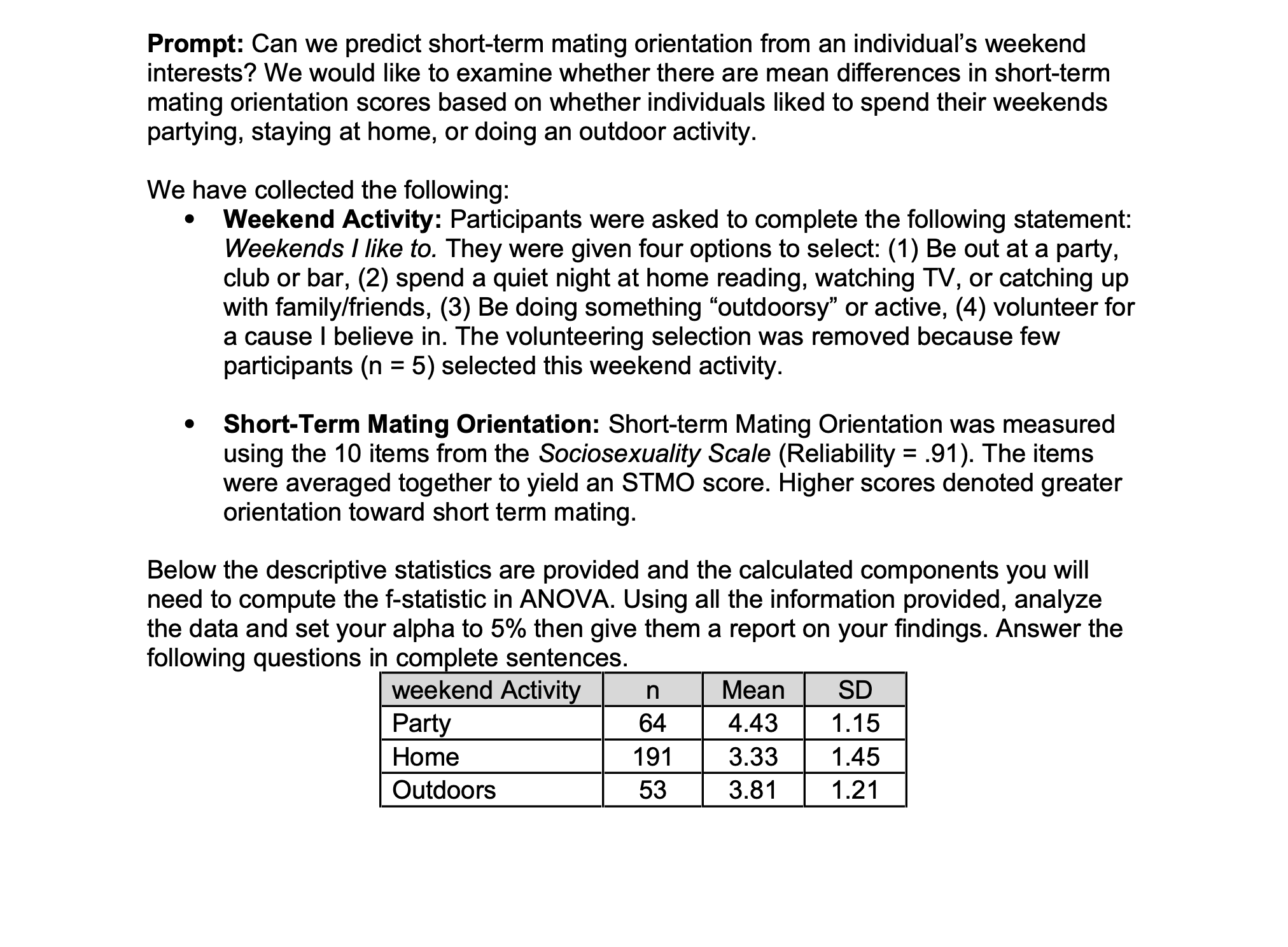
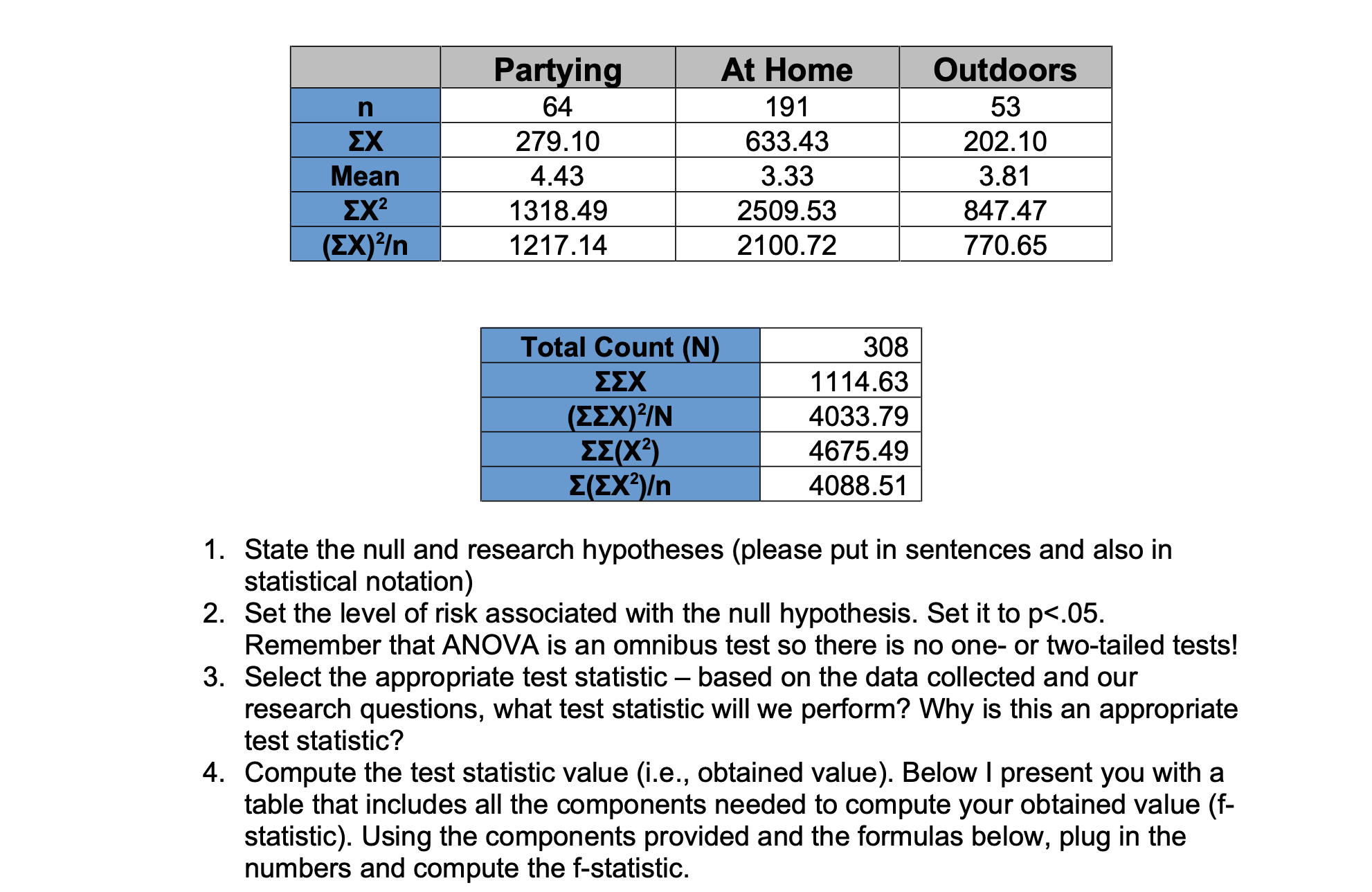
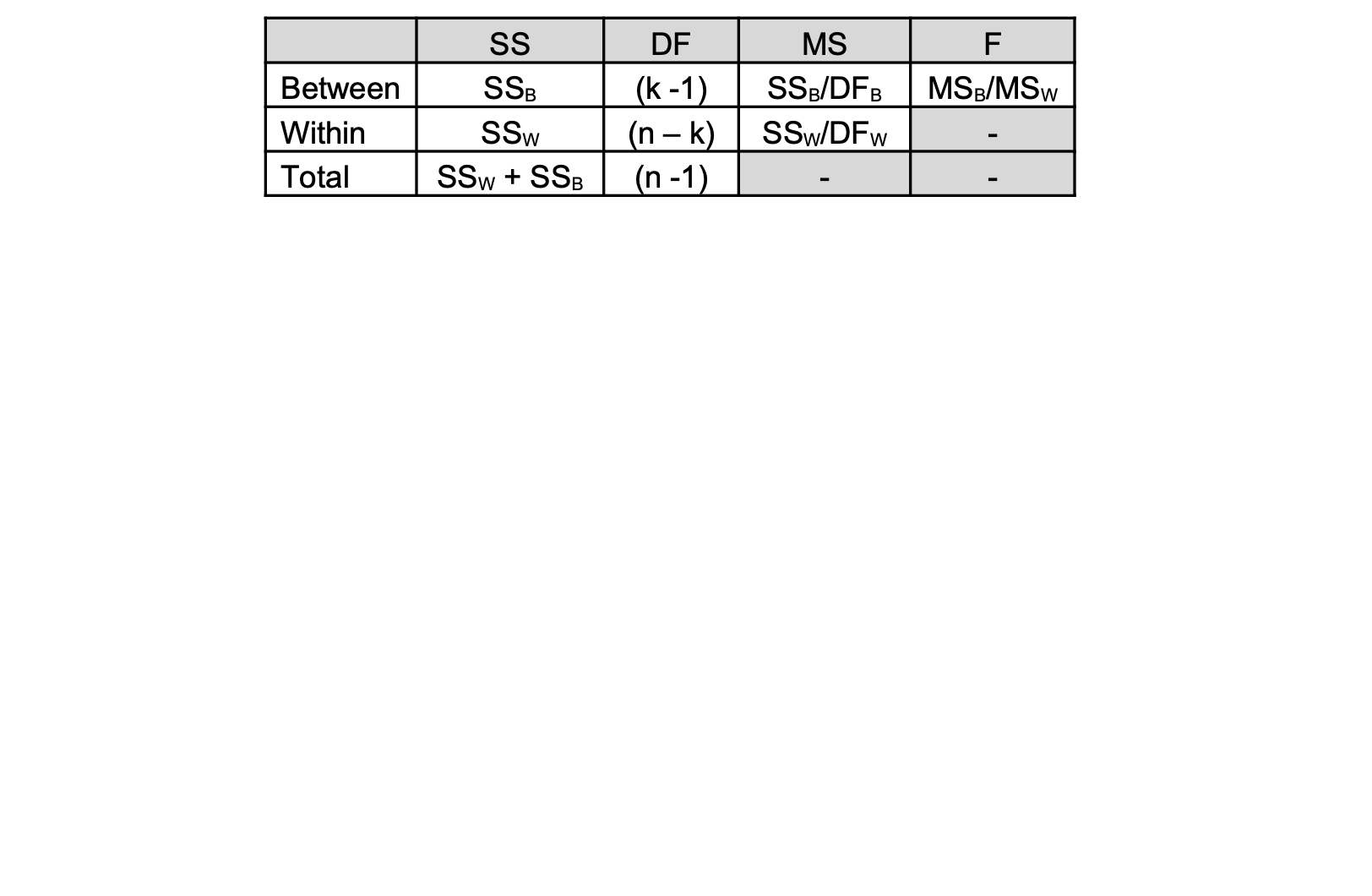
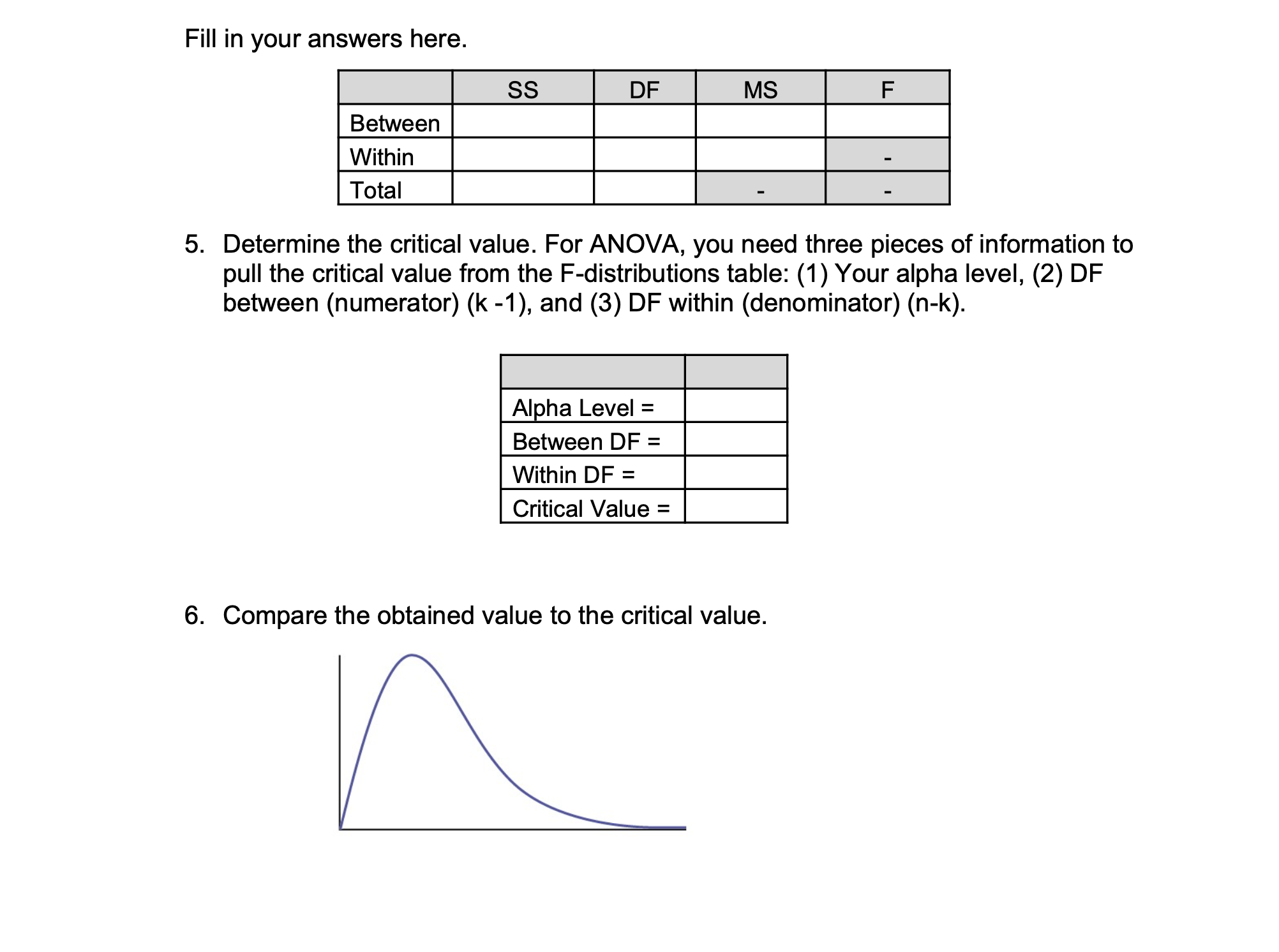
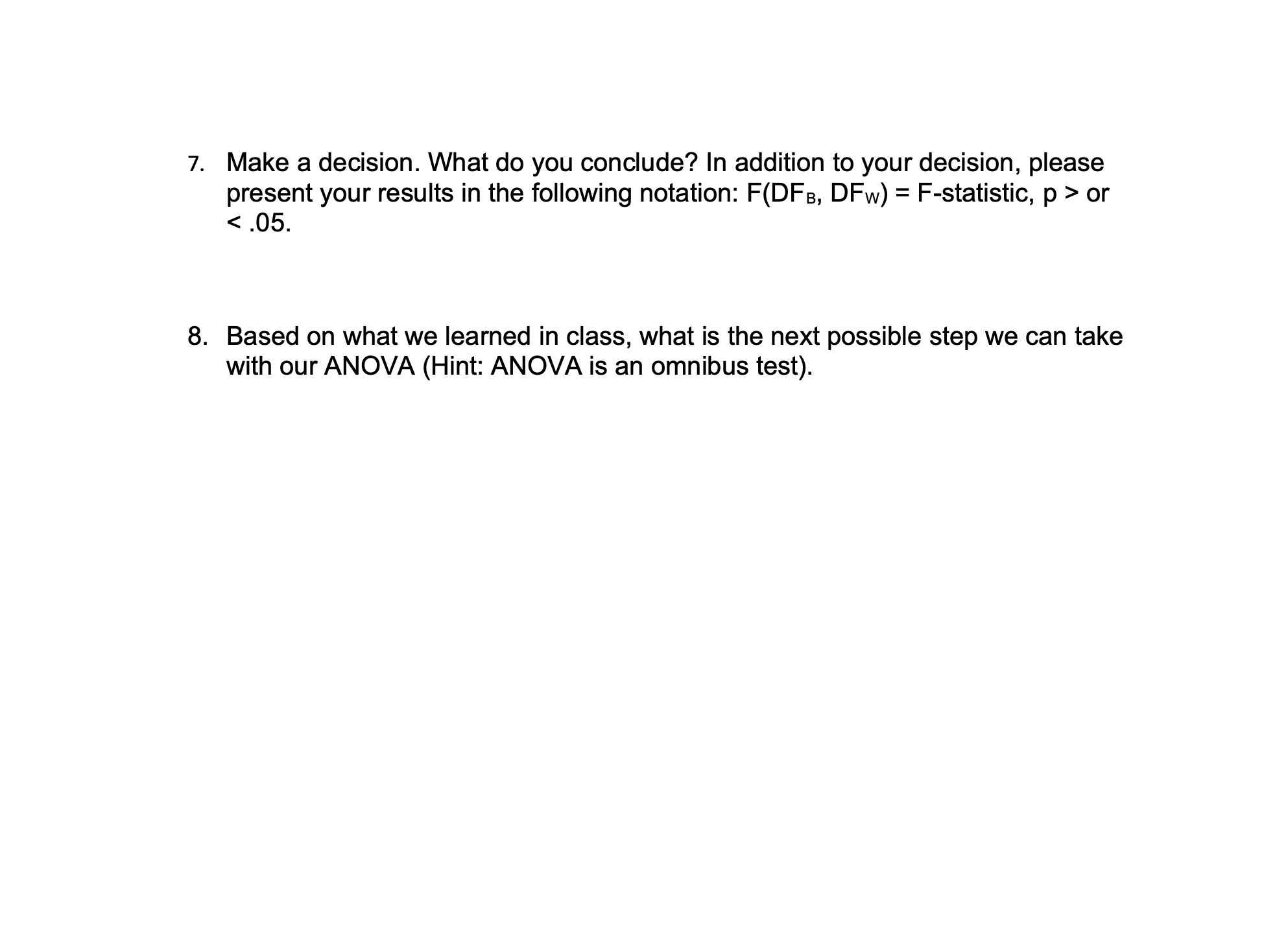
Prompt: Can we predict short-term mating orientation from an individual's weekend interests? We would like to examine whether there are mean differences in short-term mating orientation scores based on whether individuals liked to spend their weekends partying, staying at home, or doing an outdoor activity. We have collected the following: 0 Weekend Activity: Participants were asked to complete the following statement: Weekends I like to. They were given four options to select: (1) Be out at a party, club or bar, (2) spend a quiet night at home reading, watching TV, or catching up with family/friends, (3) Be doing something \"outdoorsy\" or active, (4) volunteer for a cause I believe in. The volunteering selection was removed because few participants (n = 5) selected this weekend activity. - Short-Term Mating Orientation: Short-term Mating Orientation was measured using the 10 items from the Sociosexuality Scale (Reliability = .91 ). The items were averaged together to yield an STMO score. Higher scores denoted greater orientation toward short term mating. Below the descriptive statistics are provided and the calculated components you will need to compute the f-statistic in ANOVA. Using all the information provided, analyze the data and set your alpha to 5% then give them a report on your ndings. Answer the following questions in com lete sentences. weekend Activi \"mm:- Outdoors 1. State the null and research hypotheses (please put in sentences and also in 2. 3. 64 191 279.10 633.43 202.10 4.43 3.33 3.81 1318.49 2509.53 847.47 1217.14 2100.72 770.65 308 1114.63 4033.79 4675.49 4088.51 statistical notation) Set the level of risk associated with the null hypothesis. Set it to p<.05. remember that anova is an omnibus test so there no one- or two-tailed tests select the appropriate statistic based on data collected and our research questions what will we perform why this compute value obtained below i present you with a table includes all components needed to your using provided formulas plug in numbers f-statistic. answers here. determine critical value. for need three pieces of information pull from f-distributions table: alpha level bf between df within aloha compare l make decision. do conclude addition decision please results following notation: f dfw f-statistic p> or
Step by Step Solution
There are 3 Steps involved in it

Get step-by-step solutions from verified subject matter experts