



Question: Providing evidence based on valid and referenced academic sources is a fundamental educational principle and the cornerstone of high- quality academic work. Hence, The
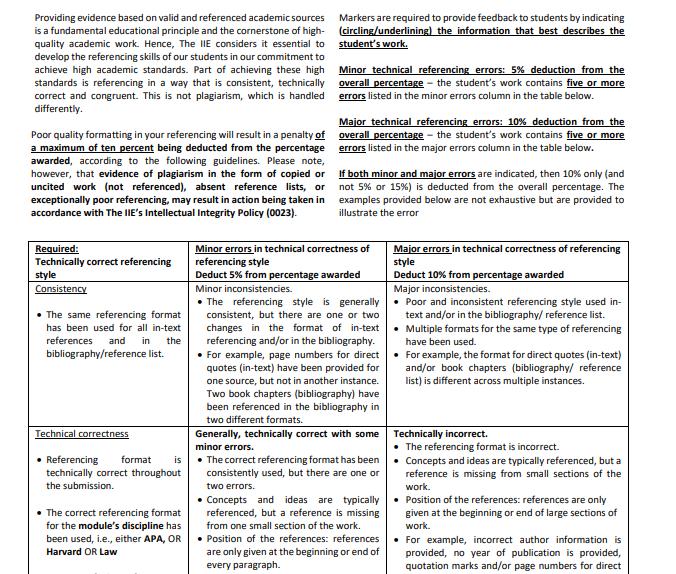
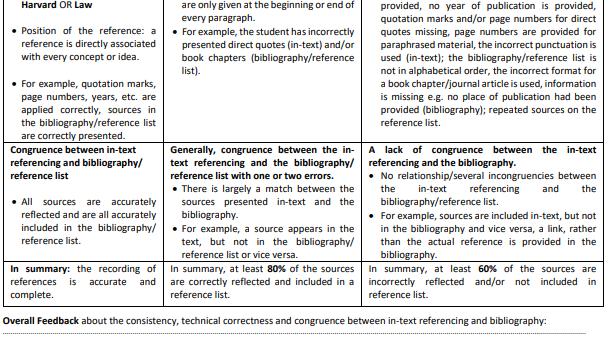

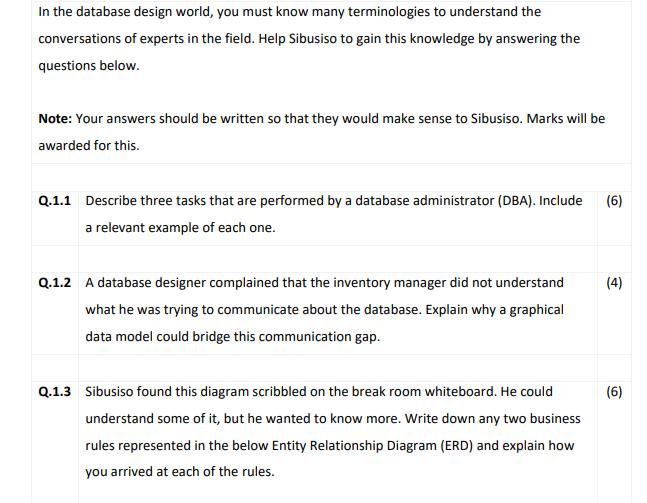
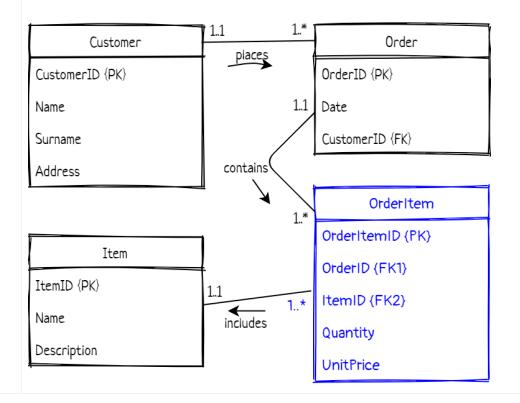
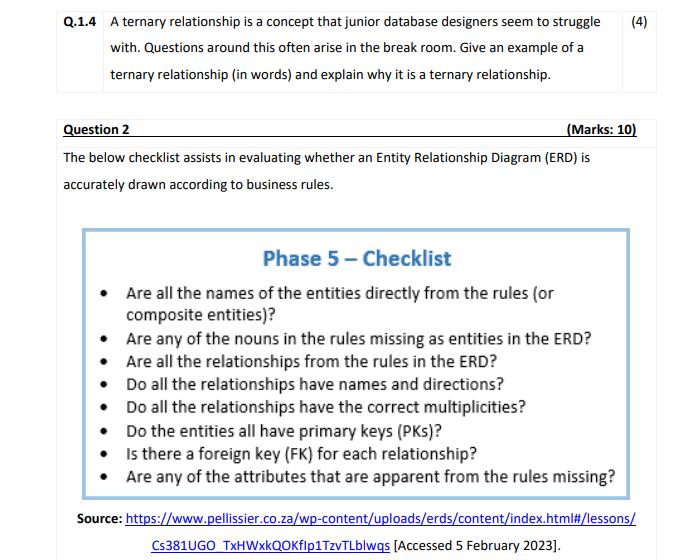
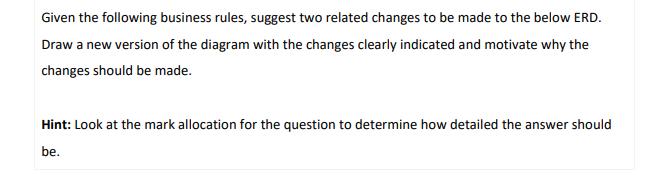
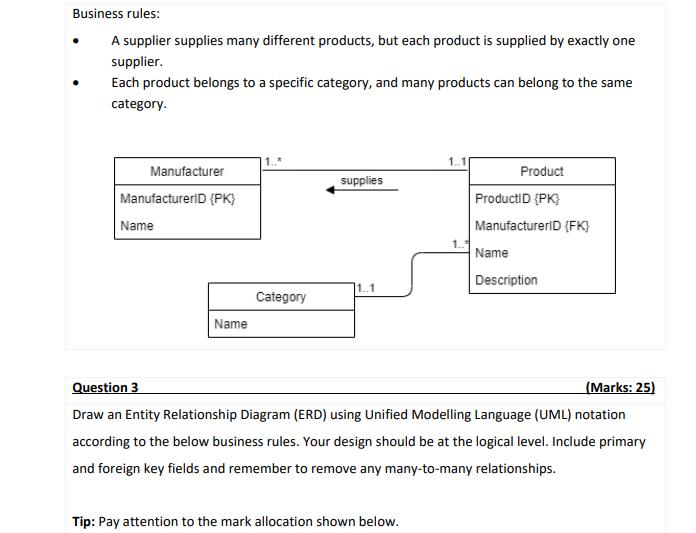
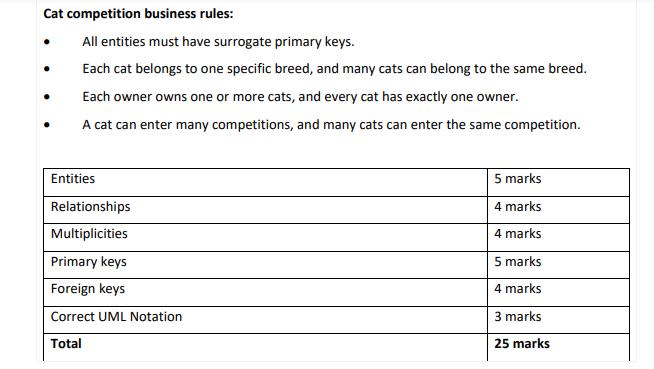
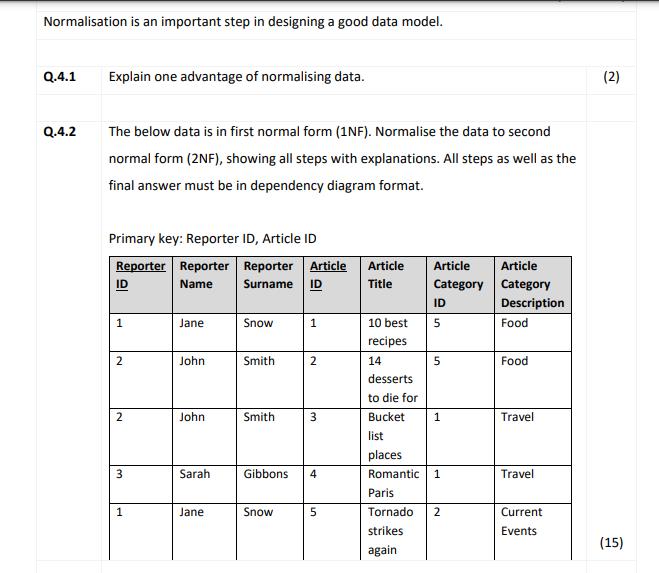
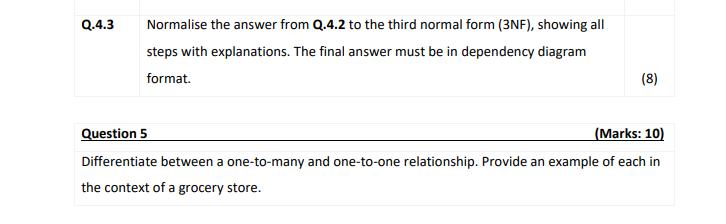
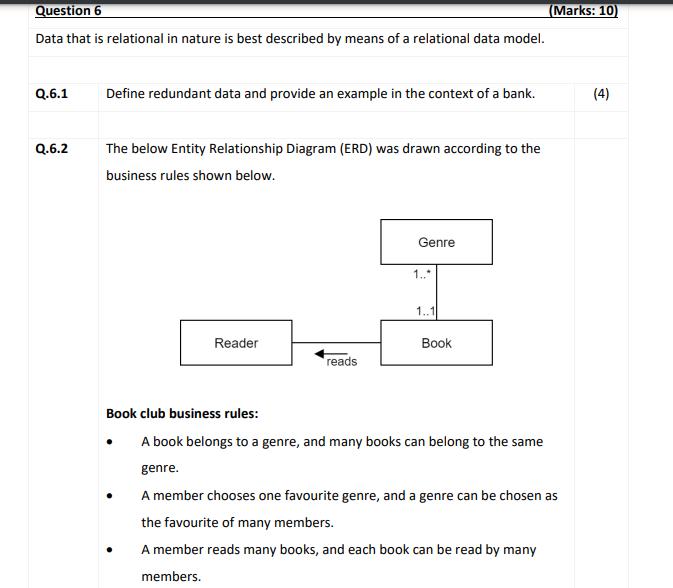
Providing evidence based on valid and referenced academic sources is a fundamental educational principle and the cornerstone of high- quality academic work. Hence, The IIE considers it essential to develop the referencing skills of our students in our commitment to achieve high academic standards. Part of achieving these high standards is referencing in a way that is consistent, technically correct and congruent. This is not plagiarism, which is handled differently. Poor quality formatting in your referencing will result in a penalty of a maximum of ten percent being deducted from the percentage awarded, according to the following guidelines. Please note, however, that evidence of plagiarism in the form of copied or uncited work (not referenced), absent reference lists, or exceptionally poor referencing, may result in action being taken in accordance with The IIE's Intellectual Integrity Policy (0023). Required: Technically correct referencing style Consistency The same referencing format has been used for all in-text references and in the bibliography/reference list. Technical correctness Referencing format is technically correct throughout the submission. The correct referencing format for the module's discipline has been used, i.e., either APA, OR Harvard OR Law Markers are required to provide feedback to students by indicating (circling/underlining) the information that best describes the student's work. Minor technical referencing errors: 5% deduction from the overall percentage - the student's work contains five or more errors listed in the minor errors column in the table below. Major technical referencing errors: 10% deduction from the overall percentage - the student's work contains five or more errors listed in the major errors column in the table below. If both minor and major errors are indicated, then 10% only (and not 5% or 15%) is deducted from the overall percentage. The examples provided below are not exhaustive but are provided to illustrate the error Minor errors in technical correctness of referencing style Deduct 5% from percentage awarded Minor inconsistencies. The referencing style is generally consistent, but there are one or two changes in the format of in-text referencing and/or in the bibliography. For example, page numbers for direct quotes (in-text) have been provided for one source, but not in another instance. Two book chapters (bibliography) have been referenced in the bibliography in two different formats. Generally, technically correct with some minor errors. The correct referencing format has been consistently used, but there are one or two errors. Concepts and ideas are typically referenced, but a reference is missing from one small section of the work. Position of the references: references are only given at the beginning or end of every paragraph. Major errors in technical correctness of referencing style Deduct 10% from percentage awarded Major inconsistencies. Poor and inconsistent referencing style used in- text and/or in the bibliography/ reference list. Multiple formats for the same type of referencing have been used. For example, the format for direct quotes (in-text) and/or book chapters (bibliography/ reference list) is different across multiple instances. Technically incorrect. The referencing format is incorrect. Concepts and ideas are typically referenced, but a reference is missing from small sections of the work. Position of the references: references are only given at the beginning or end of large sections of work. For example, incorrect author information is provided, no year of publication is provided, quotation marks and/or page numbers for direct Harvard OR Law Position of the reference: a reference is directly associated with every concept or idea. For example, quotation marks, page numbers, years, etc. are applied correctly, sources in the bibliography/reference list are correctly presented. Congruence between in-text referencing and bibliography/ reference list All sources are accurately reflected and are all accurately included in the bibliography/ reference list. are only given at the beginning or end of every paragraph. For example, the student has incorrectly presented direct quotes (in-text) and/or book chapters (bibliography/reference list). Generally, congruence between the in- text referencing and the bibliography/ reference list with one or two errors. .There is largely a match between the sources presented in-text and the bibliography. provided, no year of publication is provided, quotation marks and/or page numbers for direct quotes missing, page numbers are provided for paraphrased material, the incorrect punctuation is used (in-text); the bibliography/reference list is not in alphabetical order, the incorrect format for a book chapter/journal article is used, information is missing e.g. no place of publication had been provided (bibliography); repeated sources on the reference list. A lack of congruence between the in-text referencing and the bibliography. No relationship/several incongruencies between the in-text referencing and the bibliography/reference list. For example, sources are included in-text, but not in the bibliography and vice versa, a link, rather than the actual reference is provided in the bibliography. For example, a source appears in the text, but not in the bibliography/ reference list or vice versa. In summary: the recording of references is accurate and complete. In summary, at least 80% of the sources are correctly reflected and included in a reference list. In summary, at least 60% of the sources are incorrectly reflected and/or not included in reference list. Overall Feedback about the consistency, technical correctness and congruence between in-text referencing and bibliography: Background Sibusiso has been working at the warehouse of a large online retailer for a while now. He started working there while he was still making up his mind about what to study. Furthermore, he still had to save up to pay for his studies. He was determined to learn everything that there was to learn. He was working in fulfilment, carefully packing items into boxes before they were shipped all over the country. It was fun because he was always imagining what the look on the face of the recipient would be when they opened the box. Especially when the order was marked as a gift, and he got to gift wrap it. His favourite order ever was a giant pink teddy bear. It took some time to find a way to gift wrap it, but the end-product did not look like a bear. So, mystery preserved for a minute more before the gift wrap would be torn off by eager little hands. Best. Day. Ever! As much fun as that was, though, Sibusiso knew his future was in IT. The team upstairs that were building and maintaining the e-commerce website was the most important group of people in the whole company in his mind. Sure, you need fulfilment and procurement as well as human resources, finance, and marketing. However, without the website, the customers will not be able to place orders as a result nobody else would have anything to do. Whenever Sibusiso took a break, he was on the lookout for any group of IT people he could join to listen to what they were discussing. He soon realised that the database designers are the most interesting to him. They were always discussing ways to improve how data was stored and retrieved. That appealed to Sibusiso because he loved to create order out of chaos. Will you help him to learn more about database design? In the database design world, you must know many terminologies to understand the conversations of experts in the field. Help Sibusiso to gain this knowledge by answering the questions below. Note: Your answers should be written so that they would make sense to Sibusiso. Marks will be awarded for this. Q.1.1 Describe three tasks that are performed by a database administrator (DBA). Include (6) a relevant example of each one. Q.1.2 A database designer complained that the inventory manager did not understand (4) what he was trying to communicate about the database. Explain why a graphical data model could bridge this communication gap. Q.1.3 Sibusiso found this diagram scribbled on the break room whiteboard. He could understand some of it, but he wanted to know more. Write down any two business rules represented in the below Entity Relationship Diagram (ERD) and explain how you arrived at each of the rules. (6) CustomerID (PK) Name Customer Surname Address ItemID (PK) Name Description Item 1.1 places contains 1.1 includes 1.* 1.1 Date 1.* 1. Order OrderID (PK) CustomerID (FK) Orderitem OrderItemID (PK) OrderID (FK1) ItemID (FK2) Quantity UnitPrice Q.1.4 A ternary relationship is a concept that junior database designers seem to struggle with. Questions around this often arise in the break room. Give an example of a ternary relationship (in words) and explain why it is a ternary relationship. Question 2 (Marks: 10) The below checklist assists in evaluating whether an Entity Relationship Diagram (ERD) is accurately drawn according to business rules. Phase 5- Checklist Are all the names of the entities directly from the rules (or composite entities)? Are any of the nouns in the rules missing as entities in the ERD? Are all the relationships from the rules in the ERD? Do all the relationships have names and directions? Do all the relationships have the correct multiplicities? Do the entities all have primary keys (PKS)? Is there a foreign key (FK) for each relationship? Are any of the attributes that are apparent from the rules missing? (4) Source: https://www.pellissier.co.za/wp-content/uploads/erds/content/index.html#/lessons/ Cs381UGO TXHWxkQOKflp1TzvTLblwqs [Accessed 5 February 2023]. Given the following business rules, suggest two related changes to be made to the below ERD. Draw a new version of the diagram with the changes clearly indicated and motivate why the changes should be made. Hint: Look at the mark allocation for the question to determine how detailed the answer should be. Business rules: A supplier supplies many different products, but each product is supplied by exactly one supplier. Each product belongs to a specific category, and many products can belong to the same category. Manufacturer ManufacturerID (PK) Name Name 1.. Category supplies 1..1 1..1 Tip: Pay attention to the mark allocation shown below. 1. Product ProductID (PK) ManufacturerID {FK} Name Description Question 3 (Marks: 25) Draw an Entity Relationship Diagram (ERD) using Unified Modelling Language (UML) notation according to the below business rules. Your design should be at the logical level. Include primary and foreign key fields and remember to remove any many-to-many relationships. Cat competition business rules: All entities must have surrogate primary keys. Each cat belongs to one specific breed, and many cats can belong to the same breed. Each owner owns one or more cats, and every cat has exactly one owner. A cat can enter many competitions, and many cats can enter the same competition. Entities Relationships Multiplicities Primary keys Foreign keys Correct UML Notation Total 5 marks 4 marks 4 marks 5 marks 4 marks 3 marks 25 marks Normalisation is an important step in designing a good data model. Q.4.1 Q.4.2 Explain one advantage of normalising data. The below data is in first normal form (1NF). Normalise the data to second normal form (2NF), showing all steps with explanations. All steps as well as the final answer must be in dependency diagram format. Primary key: Reporter ID, Article ID Reporter Reporter Reporter Article Name Surname ID ID 1 2 2 3 1 Jane John John Sarah Jane Snow Smith Smith Gibbons Snow 1 2 3 4 5 Article Title 10 best recipes 14 desserts to die for Bucket Article Article Category ID 5 5 1 list places Romantic Paris Tornado 2 strikes again Category Description Food Food Travel Travel Current Events (2) (15) Q.4.3 Normalise the answer from Q.4.2 to the third normal form (3NF), showing all steps with explanations. The final answer must be in dependency diagram format. (8) Question 5 (Marks: 10) Differentiate between a one-to-many and one-to-one relationship. Provide an example of each in the context of a grocery store. Question 6 Data that is relational in nature is best described by means of a relational data model. Q.6.1 Q.6.2 Define redundant data and provide an example in the context of a bank. The below Entity Relationship Diagram (ERD) was drawn according to the business rules shown below. Reader reads Genre 1..* 1..1 Book club business rules: A book belongs to a genre, and many books can belong to the same genre. Book (Marks: 10 A member chooses one favourite genre, and a genre can be chosen as the favourite of many members. A member reads many books, and each book can be read by many members. (4) Explain any three changes that should be made to the ERD to accurately reflect the business rules. Provide a full description of the change and the reason for the change. (6)
Step by Step Solution
There are 3 Steps involved in it

Get step-by-step solutions from verified subject matter experts