







Question: Question 1 (1 point) Scarcity can best be defined as a situation in which: Question 1 options: consumers look for bargains. some producers are selfish
Question 1(1 point)
Scarcity can best be defined as a situation in which:
Question 1 options:
| consumers look for bargains. | |
| some producers are selfish with resources. | |
| people respond to incentives. | |
| all wants cannot be satisfied due to resource constraints. |
Question 2(1 point)
Trade-offs are:
Question 2 options:
| associated with every decision. | |
| do not exist if we receive something for free. | |
| always result in market-failure. | |
| can be avoided through economic planning. |
Question 3(1 point)
Opportunity Cost:
Question 3 options:
| only includes explicit, out of pocket expenses. | |
| is the value of your next best alternative. | |
| is never provided in dollar values. | |
| would not include lost wages from working when deciding to take a vacation. |
Question 4(1 point)
The production possibilities frontier is a model that shows the various combinations of output that an economy
Question 4 options:
| wants to consume. | |
| wants to produce. | |
| can produce. | |
| can consume. |
Question 5(1 point)
If an economy is producing efficiently, then
Question 5 options:
| there is no way to produce more of one good without producing less of another good. | |
| it is possible to produce more of both goods without increasing the quantities of inputs that are being used. | |
| it is possible to produce more of one good without producing less of another good. | |
| it is not possible to produce more of any good at any cost. |
Question 6(1 point)


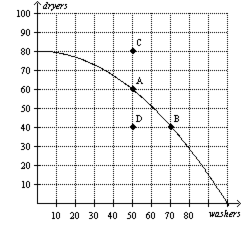
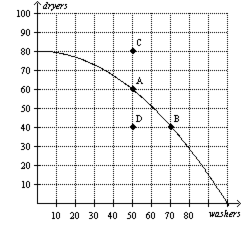
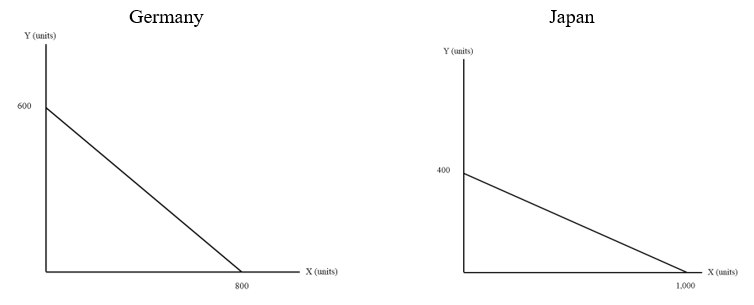
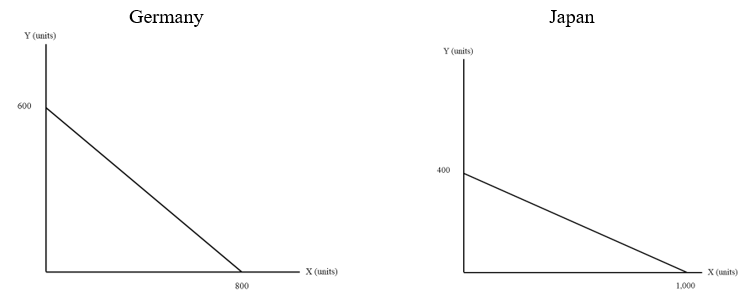
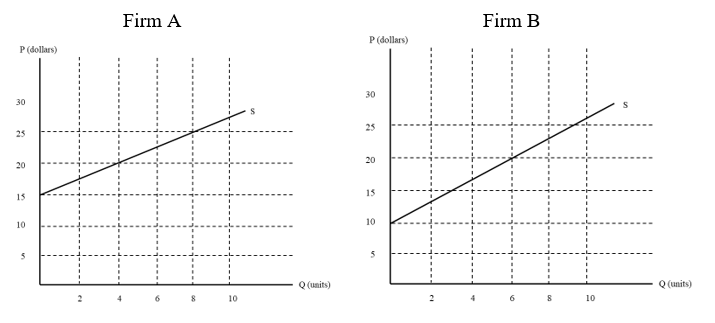
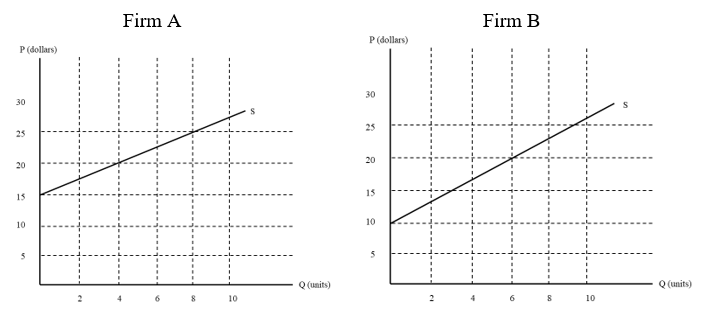
Step by Step Solution
There are 3 Steps involved in it
1 Expert Approved Answer
Step: 1 Unlock

Question Has Been Solved by an Expert!
Get step-by-step solutions from verified subject matter experts
Step: 2 Unlock
Step: 3 Unlock
 Study Help