







Question: Question 1: (4 points max.) Page 13, the Total Cost of May PURCHASES using the FIFO method is $_________ Page 15, the Total Cost of
Question 1: (4 points max.) Page 13, the Total Cost of May PURCHASES using the FIFO method is $_________ Page 15, the Total Cost of May PURCHASES using the LIFO method is $_________
Question 2: (3 points max.) Outline page 28, the journal entry for the collection for Note Receivable #3 would credit Interest Revenue for $_______
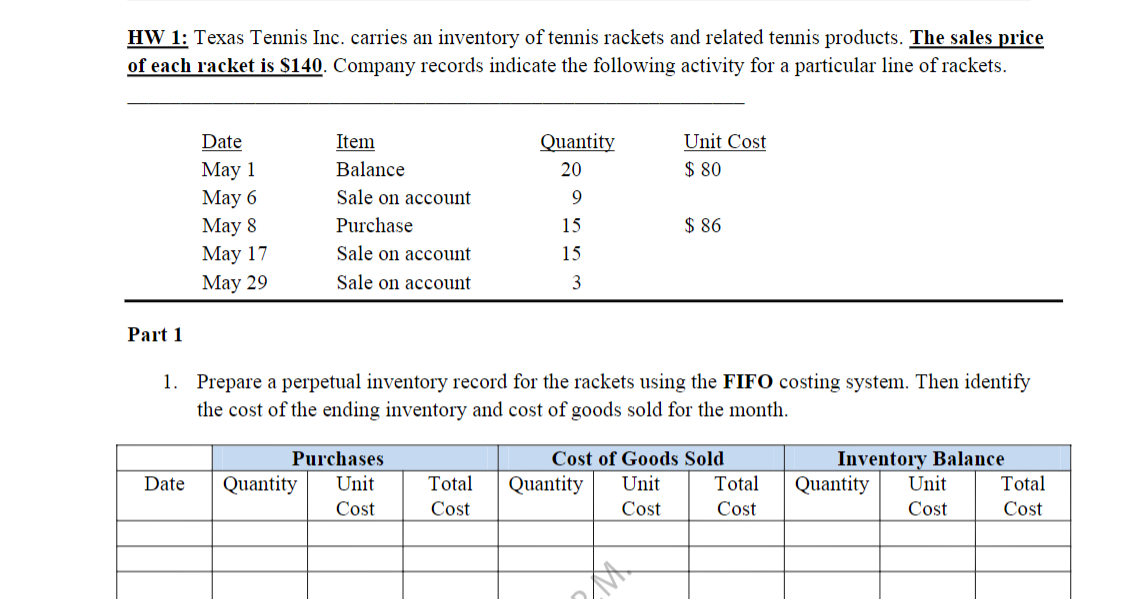
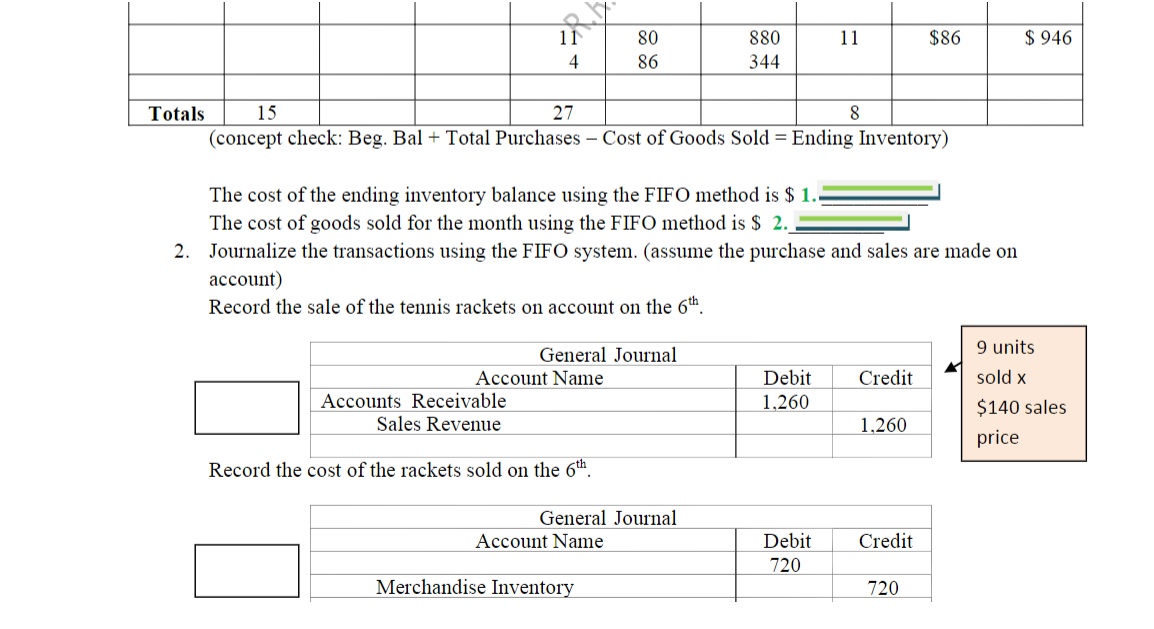
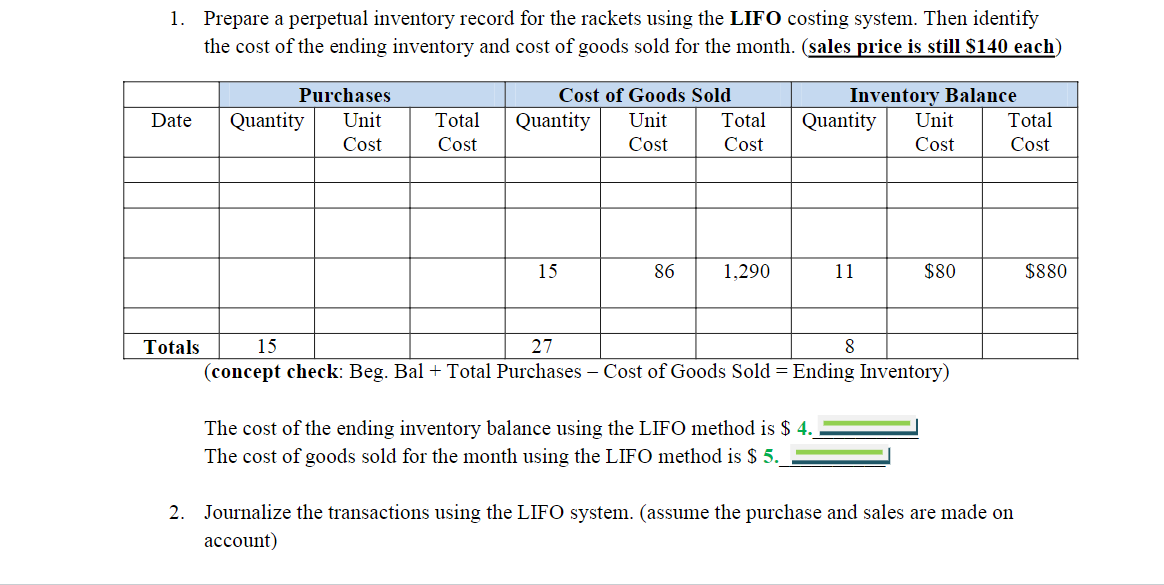
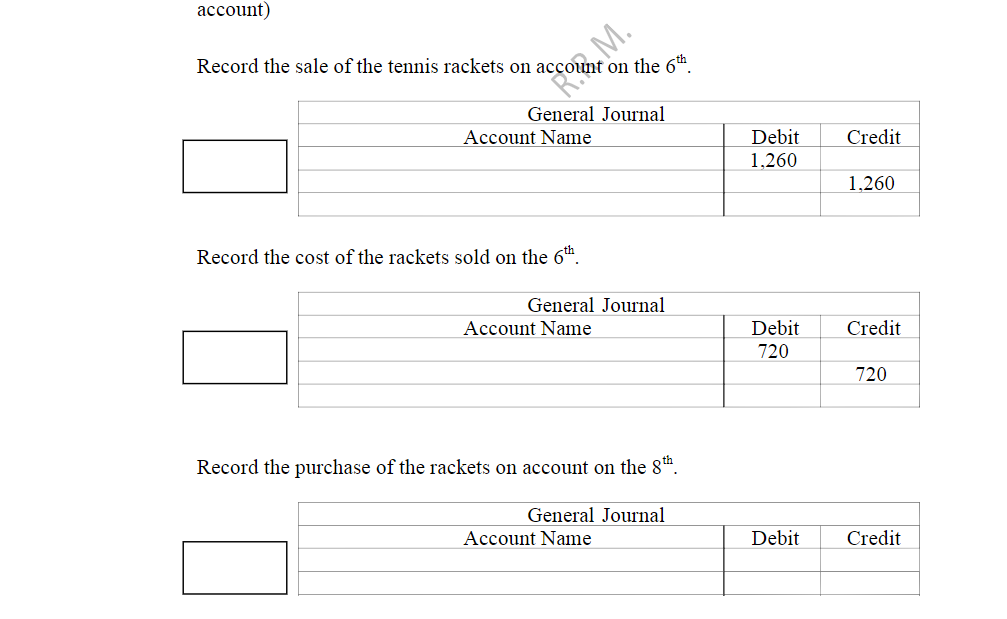
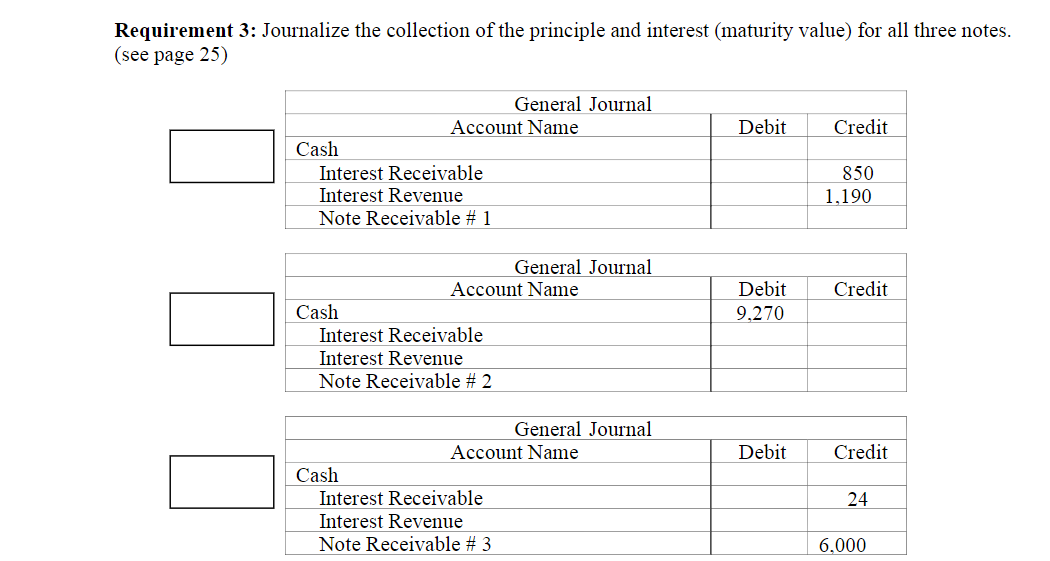
HW 1: Texas Tennis Inc. carries an inventory of tennis rackets and related tennis products. The sales price of each racket is $140. Company records indicate the following activity for a particular line of rackets. Quantity Unit Cost $ 80 Date May 1 May 6 May 8 May 17 May 29 Item Balance Sale on account Purchase Sale on account Sale on account $ 86 wanao Part 1 1. Prepare a perpetual inventory record for the rackets using the FIFO costing system. Then identify the cost of the ending inventory and cost of goods sold for the month. Date Purchases Quantity Unit Cost Total Cost Cost of Goods Sold Quantity Unit Total Cost Cost Inventory Balance Quantity Unit Total Cost Cost 11 1180 4 86 $86 $ 946 880 344 Totals 15 27 (concept check: Beg. Bal + Total Purchases - Cost of Goods Sold = Ending Inventory) The cost of the ending inventory balance using the FIFO method is $ 1. The cost of goods sold for the month using the FIFO method is $ 2. 2. Journalize the transactions using the FIFO system. (assume the purchase and sales are made on account) Record the sale of the tennis rackets on account on the 6th. Credit General Journal Account Name Accounts Receivable Sales Revenue Debit 1,260 9 units sold x $140 sales price 1,260 Record the cost of the rackets sold on the 6th. General Journal Account Name Debit 720 Credit Merchandise Inventory 720 1. Prepare a perpetual inventory record for the rackets using the LIFO costing system. Then identify the cost of the ending inventory and cost of goods sold for the month. (sales price is still $140 each Date Purchases Quantity Unit Cost Total Cost Cost of Goods Sold Quantity Unit Total Cost Cost Inventory Balance Quantity Unit Total Cost Cost $880 15 861,290 11 $80 Totals 15 27 (concept check: Beg. Bal + Total Purchases - Cost of Goods Sold = Ending Inventory) The cost of the ending inventory balance using the LIFO method is $ 4., The cost of goods sold for the month using the LIFO method is $ 5. 2. Journalize the transactions using the LIFO system. (assume the purchase and sales are made on account) account) Record the sale of the tennis rackets on account on the 6th. General Journal Account Name Credit Debit 1.260 1.260 Record the cost of the rackets sold on the 6th. General Journal Account Name Credit Debit 720 720 Record the purchase of the rackets on account on the 8th. General Journal Account Name Debit Credit Requirement 3: Journalize the collection of the principle and interest (maturity value) for all three notes. (see page 25) Debit Credit General Journal Account Name Cash Interest Receivable Interest Revenue Note Receivable # 1 850 1,190 Credit Debit 9,270 General Journal Account Name Cash Interest Receivable Interest Revenue Note Receivable # 2 Debit Credit General Journal Account Name Cash Interest Receivable Interest Revenue Note Receivable # 3 24 6,000 HW 1: Texas Tennis Inc. carries an inventory of tennis rackets and related tennis products. The sales price of each racket is $140. Company records indicate the following activity for a particular line of rackets. Quantity Unit Cost $ 80 Date May 1 May 6 May 8 May 17 May 29 Item Balance Sale on account Purchase Sale on account Sale on account $ 86 wanao Part 1 1. Prepare a perpetual inventory record for the rackets using the FIFO costing system. Then identify the cost of the ending inventory and cost of goods sold for the month. Date Purchases Quantity Unit Cost Total Cost Cost of Goods Sold Quantity Unit Total Cost Cost Inventory Balance Quantity Unit Total Cost Cost 11 1180 4 86 $86 $ 946 880 344 Totals 15 27 (concept check: Beg. Bal + Total Purchases - Cost of Goods Sold = Ending Inventory) The cost of the ending inventory balance using the FIFO method is $ 1. The cost of goods sold for the month using the FIFO method is $ 2. 2. Journalize the transactions using the FIFO system. (assume the purchase and sales are made on account) Record the sale of the tennis rackets on account on the 6th. Credit General Journal Account Name Accounts Receivable Sales Revenue Debit 1,260 9 units sold x $140 sales price 1,260 Record the cost of the rackets sold on the 6th. General Journal Account Name Debit 720 Credit Merchandise Inventory 720 1. Prepare a perpetual inventory record for the rackets using the LIFO costing system. Then identify the cost of the ending inventory and cost of goods sold for the month. (sales price is still $140 each Date Purchases Quantity Unit Cost Total Cost Cost of Goods Sold Quantity Unit Total Cost Cost Inventory Balance Quantity Unit Total Cost Cost $880 15 861,290 11 $80 Totals 15 27 (concept check: Beg. Bal + Total Purchases - Cost of Goods Sold = Ending Inventory) The cost of the ending inventory balance using the LIFO method is $ 4., The cost of goods sold for the month using the LIFO method is $ 5. 2. Journalize the transactions using the LIFO system. (assume the purchase and sales are made on account) account) Record the sale of the tennis rackets on account on the 6th. General Journal Account Name Credit Debit 1.260 1.260 Record the cost of the rackets sold on the 6th. General Journal Account Name Credit Debit 720 720 Record the purchase of the rackets on account on the 8th. General Journal Account Name Debit Credit Requirement 3: Journalize the collection of the principle and interest (maturity value) for all three notes. (see page 25) Debit Credit General Journal Account Name Cash Interest Receivable Interest Revenue Note Receivable # 1 850 1,190 Credit Debit 9,270 General Journal Account Name Cash Interest Receivable Interest Revenue Note Receivable # 2 Debit Credit General Journal Account Name Cash Interest Receivable Interest Revenue Note Receivable # 3 24 6,000
Step by Step Solution
There are 3 Steps involved in it

Get step-by-step solutions from verified subject matter experts
 Study Help