







Question: Question 2 Question 3 Question 4 The end. Question 1 [17 marks] a) If the temperature of the air on the ground is 12 C
Question 2
![marks] a) If the temperature of the air on the ground is](https://dsd5zvtm8ll6.cloudfront.net/si.experts.images/questions/2024/09/66f8f3e23e704_39366f8f3e1d5911.jpg)
Question 3
Question 4
The end.
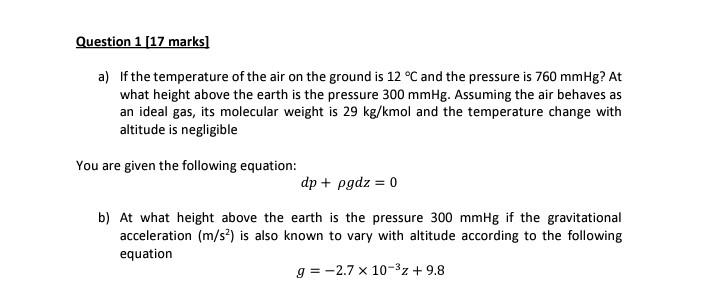
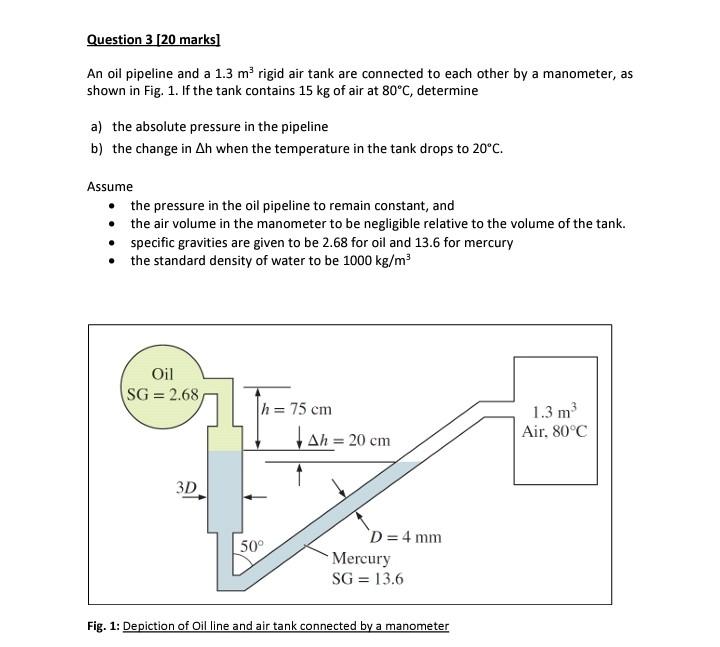
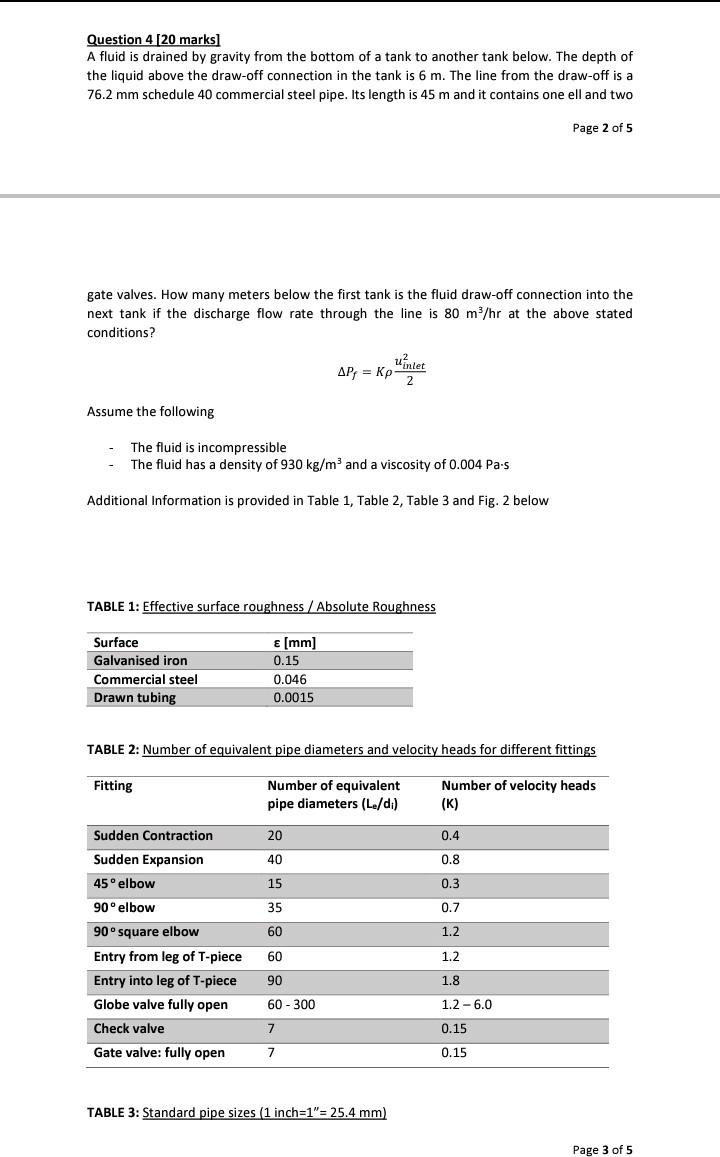
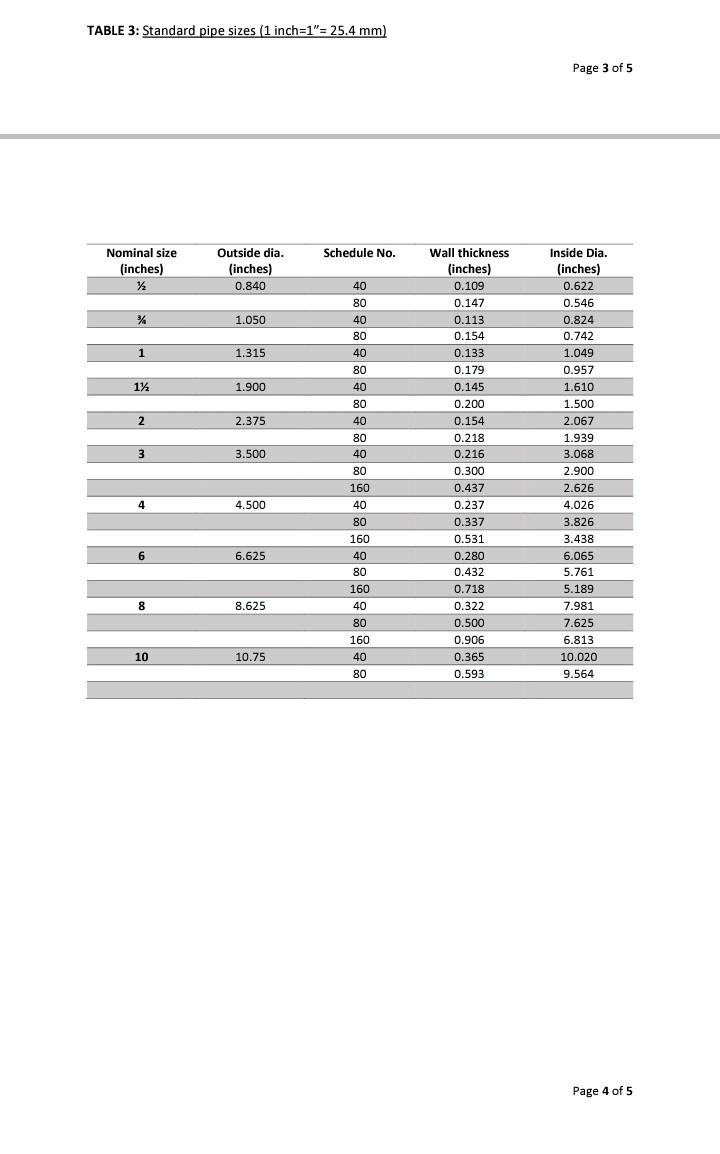
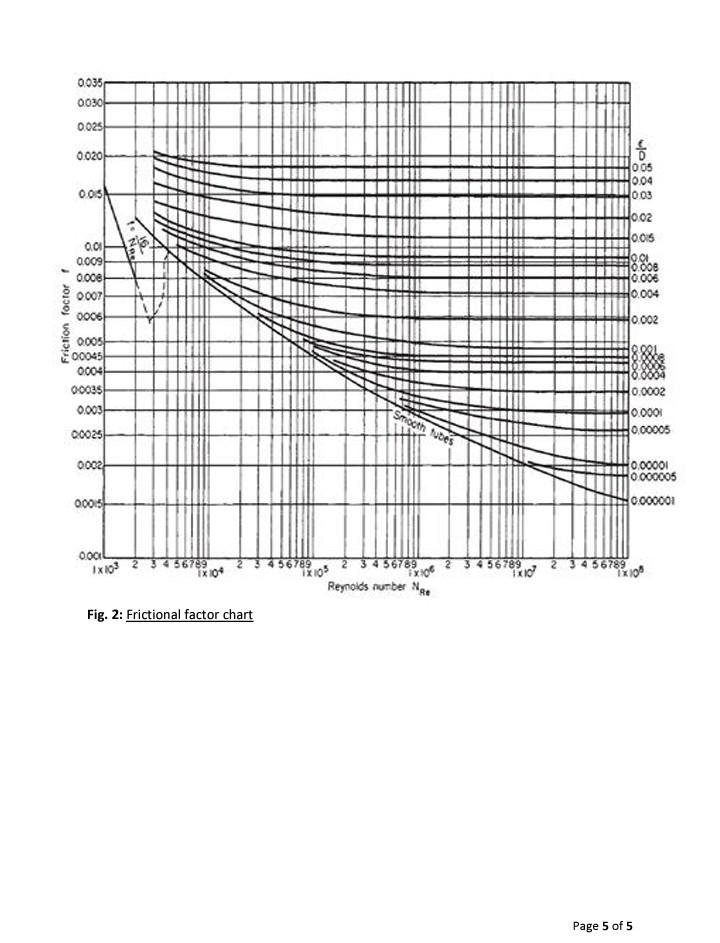
Question 1 [17 marks] a) If the temperature of the air on the ground is 12 C and the pressure is 760 mmHg? At what height above the earth is the pressure 300 mmHg. Assuming the air behaves as an ideal gas, its molecular weight is 29 kg/kmol and the temperature change with altitude is negligible You are given the following equation: dp + pgdz = 0 = b) At what height above the earth is the pressure 300 mmHg if the gravitational acceleration (m/s) is also known to vary with altitude according to the following equation g= -2.7 x 10⁻³z + 9.8 Question 2 [13 marks] Liquid is being agitated in tank and power required for the agitation is known to be a function of the liquid properties (density and viscosity) and the equipment functional properties (diameter of the impeller and the number of rotations of the impeller per unit time). If the Page 1 of 5 impeller diameter were doubled, use the Buckingham Pi method to determine the factor by which the power would increase; experimental results have shown that the power requirement is proportional to the square of the speed of rotation Question 3 [20 marks] An oil pipeline and a 1.3 m rigid air tank are connected to each other by a manometer, as shown in Fig. 1. If the tank contains 15 kg of air at 80C, determine a) the absolute pressure in the pipeline b) the change in Ah when the temperature in the tank drops to 20C. Assume the pressure in the oil pipeline to remain constant, and the air volume in the manometer to be negligible relative to the volume of the tank. specific gravities are given to be 2.68 for oil and 13.6 for mercury the standard density of water to be 1000 kg/m3 Oil SG = 2.68 h = 75 cm 1 Ah = 20 cm 1.3 m Air. 80C = 3D 50 D=4 mm Mercury SG = 13.6 Fig. 1: Depiction of Oil line and air tank connected by a manometer Question 4 [20 marks] A fluid is drained by gravity from the bottom of a tank to another tank below. The depth of the liquid above the draw-off connection in the tank is 6 m. The line from the draw-off is a 76.2 mm schedule 40 commercial steel pipe. Its length is 45 m and it contains one ell and two Page 2 of 5 gate valves. How many meters below the first tank is the fluid draw-off connection into the next tank if the discharge flow rate through the line is 80 m/hr at the above stated conditions? uintet = - 2 Assume the following The fluid is incompressible The fluid has a density of 930 kg/m3 and a viscosity of 0.004 Pas Additional Information is provided in Table 1, Table 2, Table 3 and Fig. 2 below TABLE 1: Effective surface roughness / Absolute Roughness E [mm] 0.15 Surface Galvanised iron Commercial steel Drawn tubing 0.046 0.0015 TABLE 2: Number of equivalent pipe diameters and velocity heads for different fittings Fitting Number of equivalent pipe diameters (L./di) Number of velocity heads (K) 20 0.4 40 0.8 15 0.3 0.7 35 Sudden Contraction Sudden Expansion 45 elbow 90 elbow 90 square elbow Entry from leg of T-piece Entry into leg of T-piece Globe valve fully open Check valve 60 1.2 60 1.2 90 1.8 60 - 300 1.2 - 6.0 7 0.15 Gate valve: fully open 7 7 0.15 TABLE 3: Standard pipe sizes (1 inch=1"= 25.4 mm Page 3 of 5 TABLE 3: Standard pipe sizes (1 inch=1"= 25.4 mm) Page 3 of 5 Schedule No. Nominal size (inches) 12 Outside dia. (inches) 0.840 % 1.050 40 80 40 80 40 80 1 1.315 1% 1.900 2 2.375 40 80 40 80 40 80 160 3 3.500 Wall thickness (inches) 0.109 0.147 0.113 0.154 0.133 0.179 0.145 0.200 0.154 0.218 0.216 0.300 0.437 0.237 0.337 0.531 0.280 0.432 0.718 0.322 0.500 0.906 0.365 0.593 Inside Dia. (inches) 0.622 0.546 0.824 0.742 1.049 0.957 1.610 1.500 2.067 1.939 3.068 2.900 2.626 4.026 3.826 3.438 6.065 5.761 5.189 7.981 7.625 6.813 10.020 9.564 4 4.500 40 6 6.625 80 160 40 80 160 40 8 8.625 80 160 40 80 10 10.75 Page 4 of 5 0.035 00304 0.025 0.020 00:5) Noe 0.00 0.009 0.008 0007! 005 0.04 0.03 H0.02 0.015 looi 0.008 0.006 0.004 0.002 0006 Friction foctor 0005 00045 0004 00035 0.003 OOO Smooth Nudes 0.0002 0.0001 0.00005 00025 0002 00015 000! Ix 103 56789 56789 x 10 456789 12105 2 3 4 56789 23.456789 Txion Reynolds number NRC 1x100 Fig. 2: Frictional factor chart Page 5 of 5
Step by Step Solution
There are 3 Steps involved in it

Get step-by-step solutions from verified subject matter experts
 Study Help