







Question: QUESTION 4 [20 Marks] Read the case study below and answer ALL the questions that follow. As organisations look for ways to cope with more
![QUESTION 4 [20 Marks] Read the case study below and answer](https://s3.amazonaws.com/si.experts.images/answers/2024/06/6674c32ada208_1706674c32ab58fc.jpg)
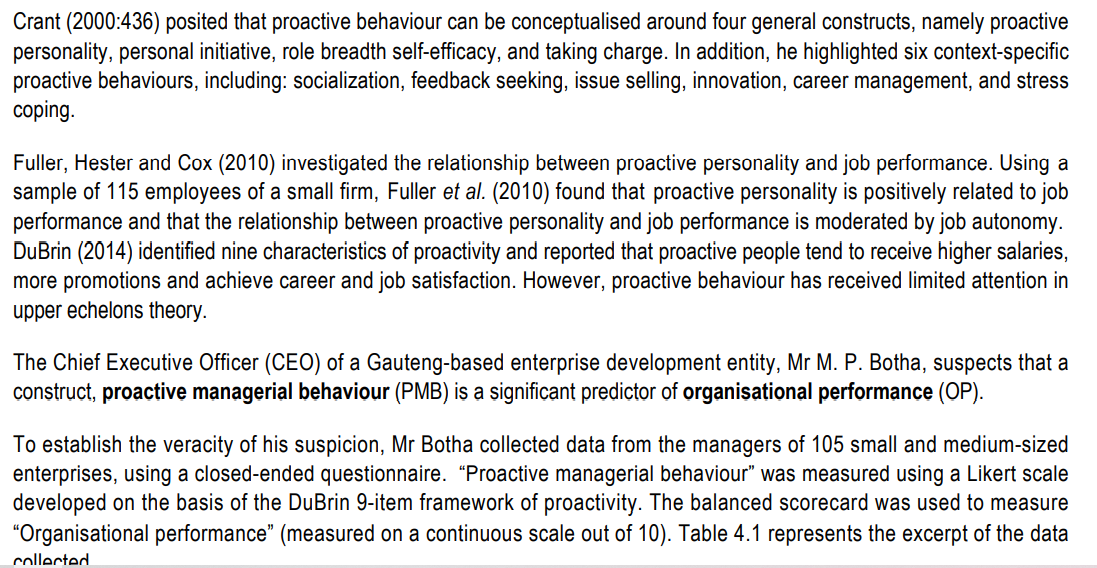
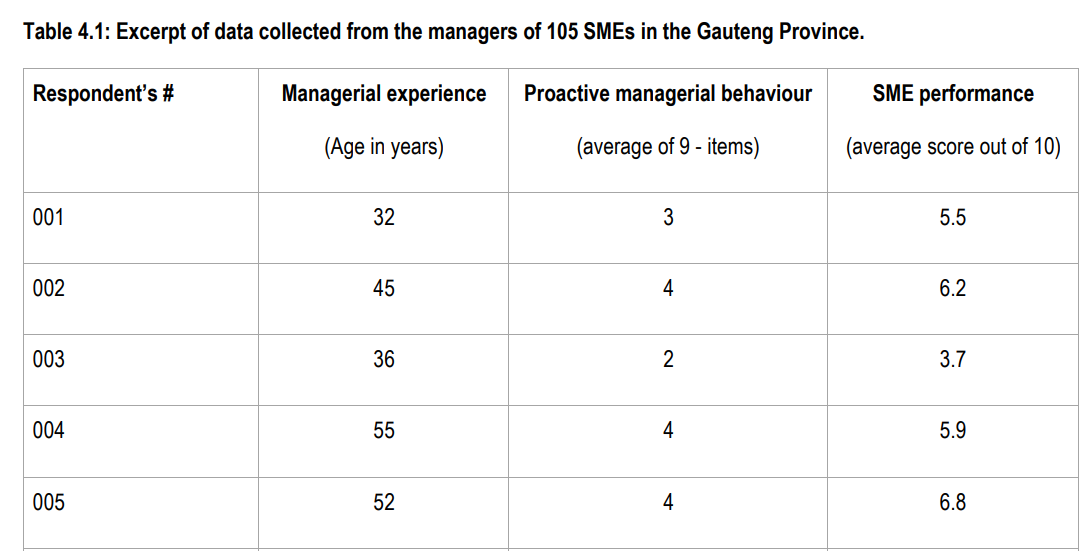
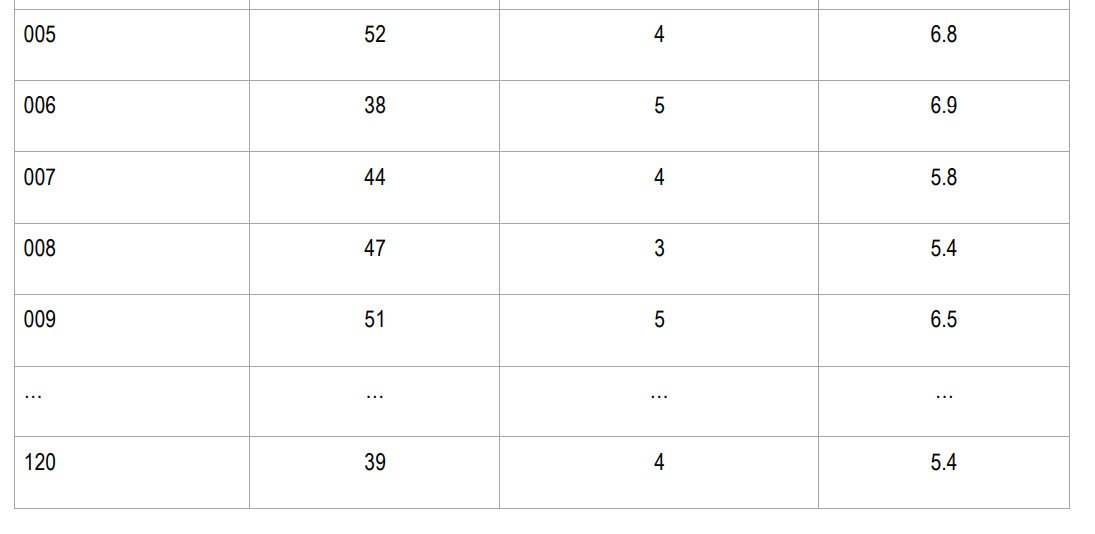





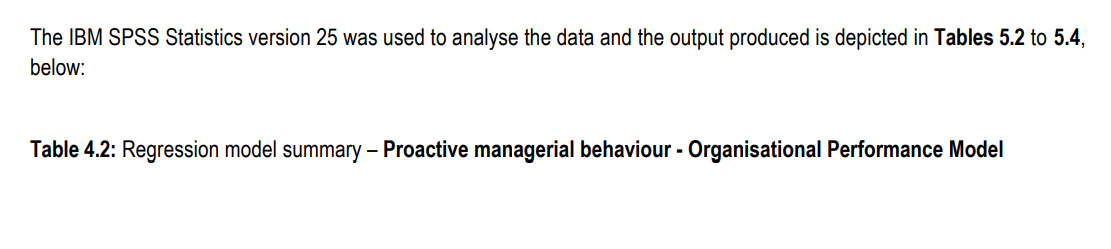
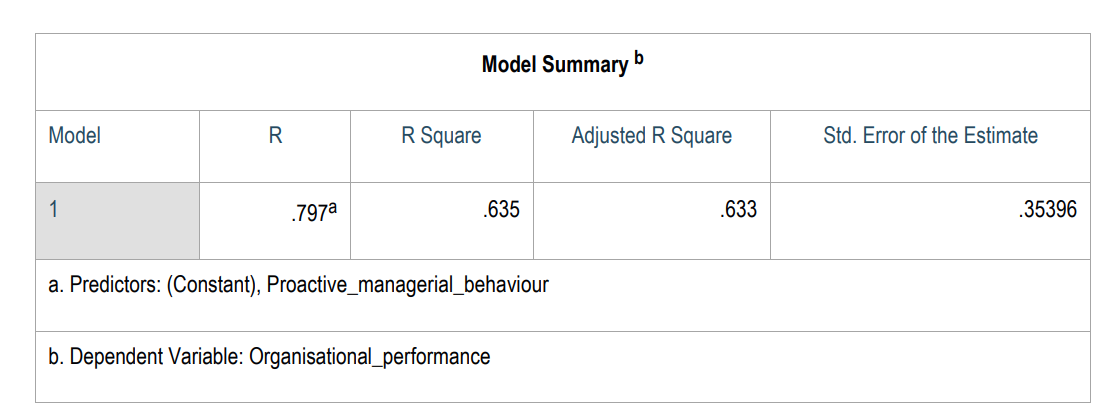
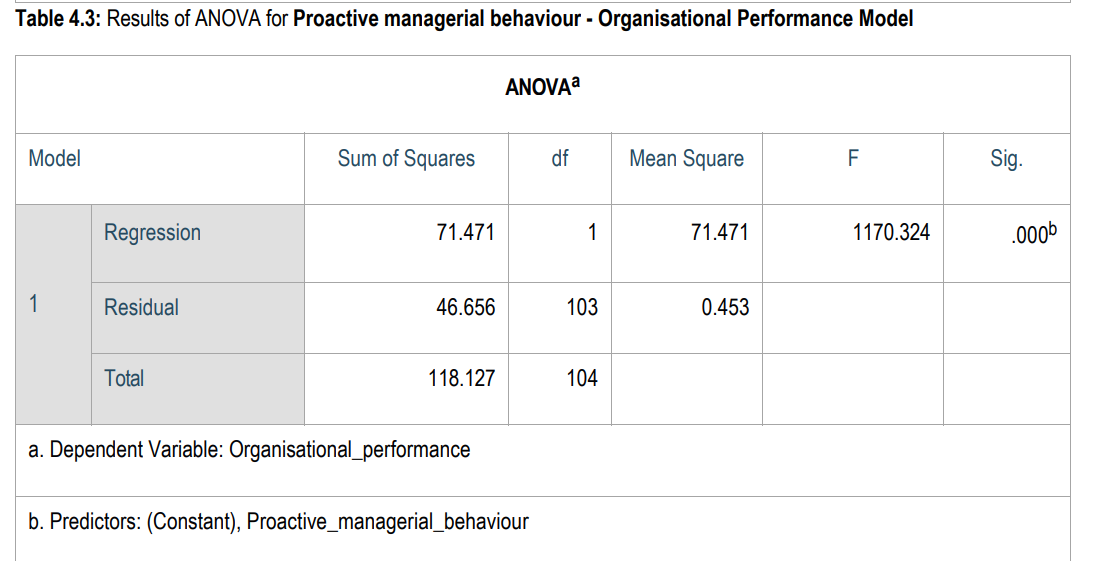

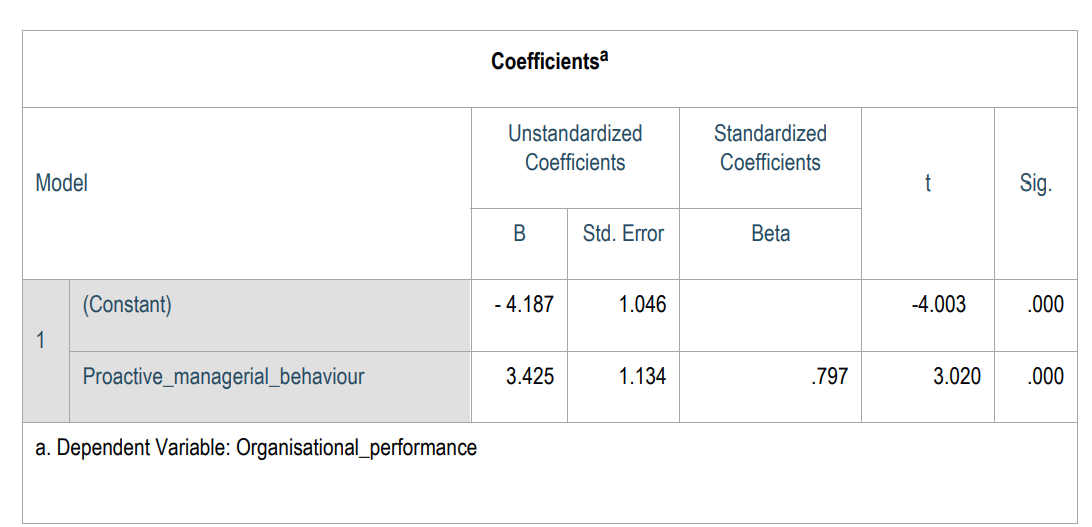
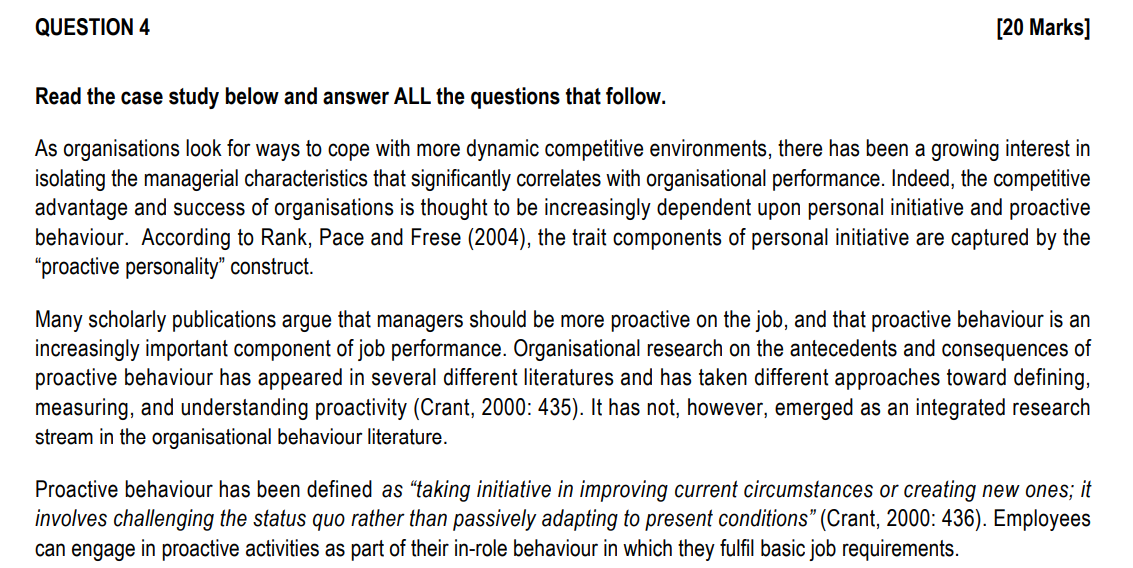
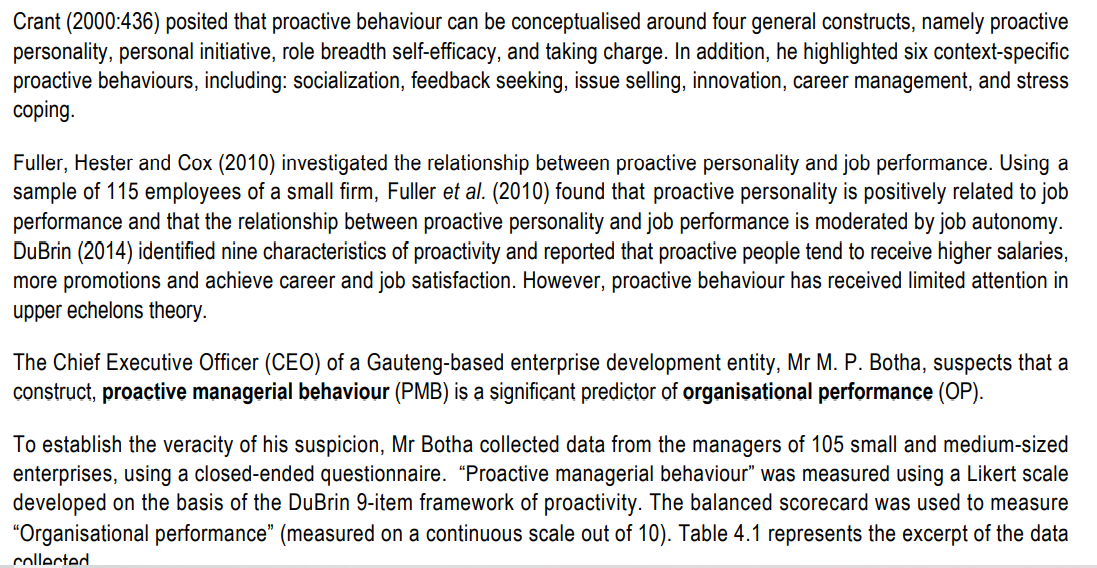
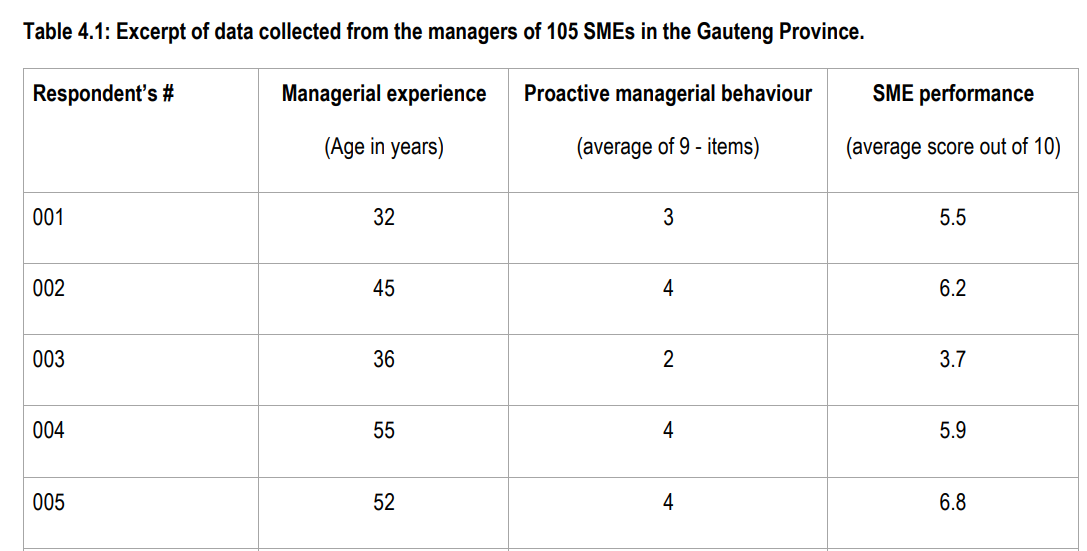
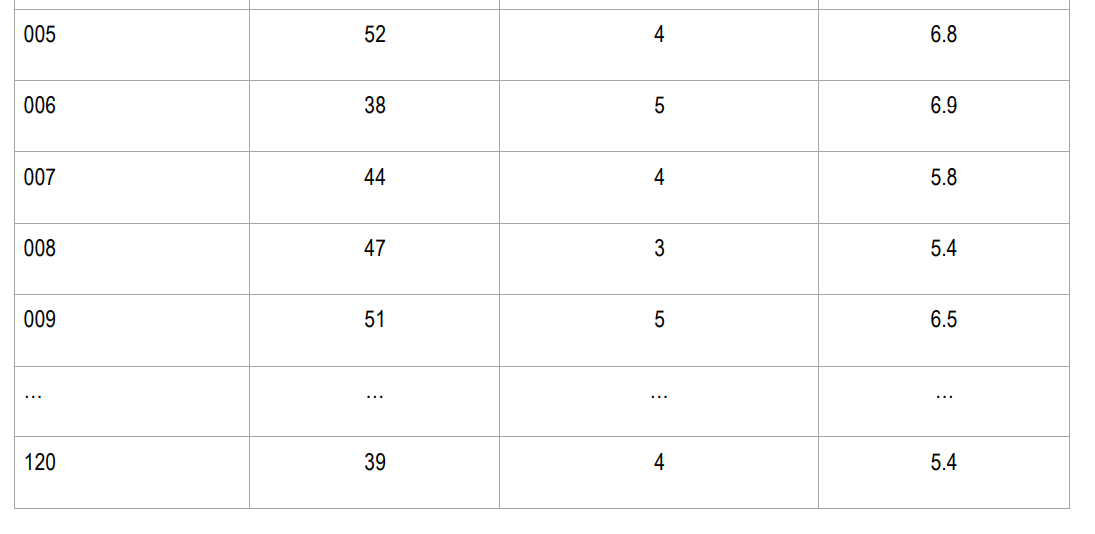





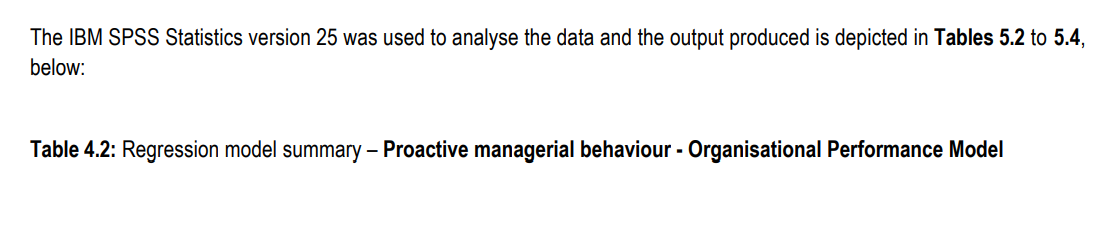
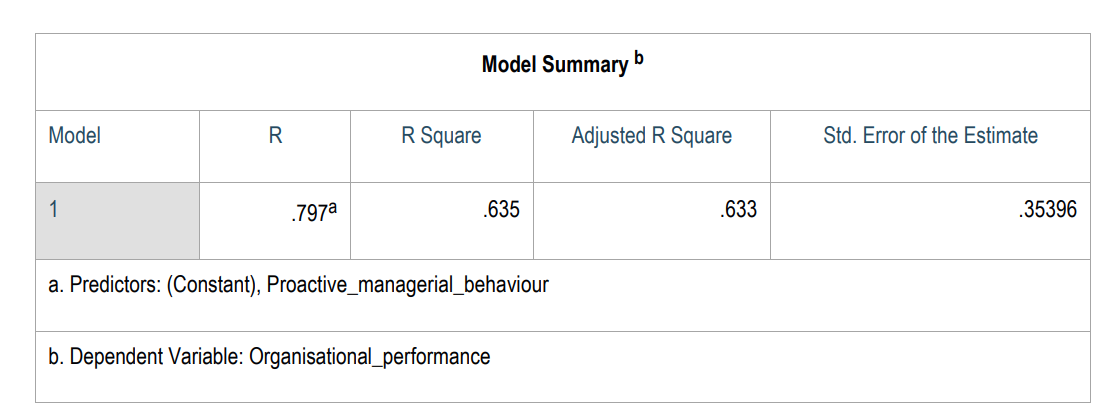
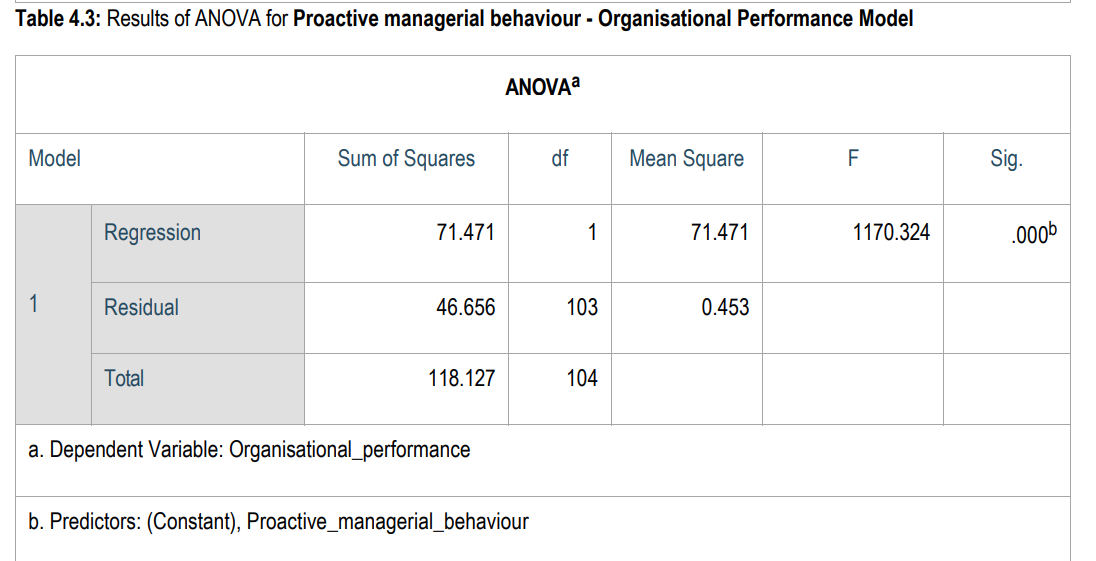

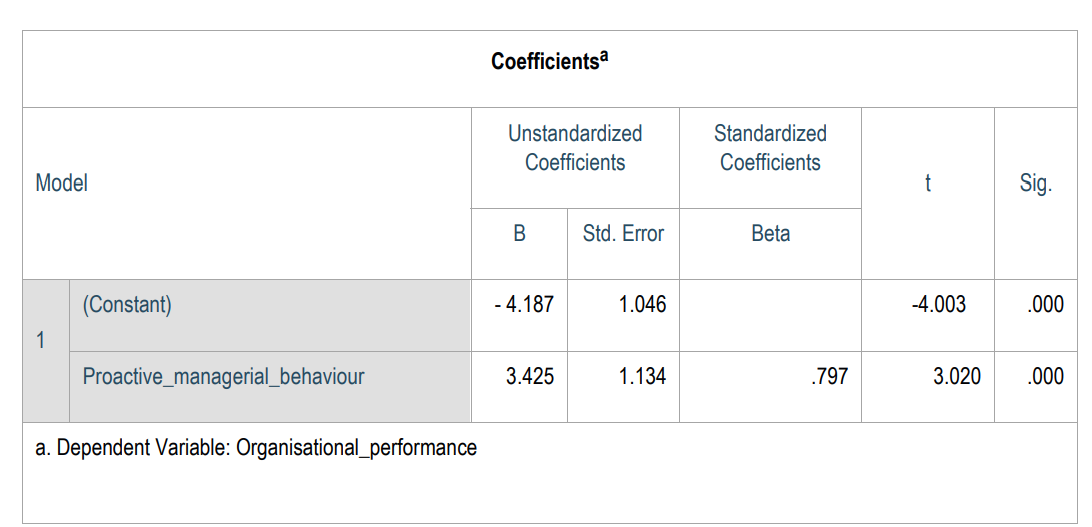
QUESTION 4 [20 Marks] Read the case study below and answer ALL the questions that follow. As organisations look for ways to cope with more dynamic competitive environments, there has been a growing interest in isolating the managerial characteristics that signicantly correlates with organisational performance. Indeed. the competitive advantage and success of organisations is thought to be increasingly dependent upon personal initiative and proactive behaviour. According to Rank, Pace and Frese (2004), the trait components of personal initiative are captured by the \"proactive personality\" construct. Many scholarly publications argue that managers should be more proactive on the job, and that proactive behaviour is an increasingly important component of job performance. Organisational research on the antecedents and consequences of proactive behaviour has appeared in several different literatures and has taken different approaches toward defining, measuring, and understanding proactivity (Grant. 2000: 435}. It has not. however, emerged as an integrated research stream in the organisational behaviour literature. Proactive behaviour has been defined as \"taking initiative in improving current circumstances or creating new ones; it involves chaiienging the status quo rather than passiveiy adapting to present conditions\" (Grant, 2000: 436}. Employees can engage in proactive activities as part of their in-role behaviour in which they full basic job requirements. |Orant (2000:436) posited that proactive behaviour can be conceptualised around four general constructs, namely proactive personality, personal initiative, role breadth self-efficacy, and taking charge. In addition, he highlighted six context-specific proactive behaviours, including: socialization, feedback seeking, issue selling, innovation, career management, and stress coping. Fuller, Hester and Cox (2010) investigated the relationship between proactive personality and job performance. Using a sample of 115 employees of a small firm, Fuller et at. (2010) found that proactive personality is positively related to job performance and that the relationship between proactive personality and job performance is moderated by job autonomy. DuBrin {2014) identied nine characteristics of proactivity and reported that proactive people tend to receive higher salaries, more promotions and achieve career and job satisfaction. However, proactive behaviour has received limited attention in upper echelons theory. The Chief Executive Ofcer (CEO) of a Gauteng-based enterprise development entity, Mr M. P. Botha, suspects that a construct. proactive managerial behaviour (PMB) is a signicant predictor of organisational performance (OP). To establish the veracity of his suspicion, Mr Botha collected data from the managers of 105 small and medium-sized enterprises, using a closed-ended questionnaire. \"Proactive managerial behaviour" was measured using a Likert scale developed on the basis of the DuBrin 9item framework of proactivity. The balanced scorecard was used to measure \"Organisational performance\" (measured on a continuous scale out of 10). Table 4.1 represents the excerpt of the data r-nllnr-l-nrl Table 4.1: Excerpt of data collected from the managers of 105 SMEs in the Gauteng Province. Respondent's ll Managerial experience Proactive managerial behaviour SME performance (Age in years) (average of 9 - items) (average score out of 10) 001 32 3 5.5 002 45 4 5.2 003 36 2 3.? 004 55 4 5.9 005 52 4 6.8 005 52 6.8 006 38 6.9 007 44 4 5.8 008 47 CO 5.4 009 51 6.5 . . . . . . . . . . 120 39 4 5.44.1 Specify the aim and significance of Mr Botha's study. (4 marks)4.2 Identify the independent (IV) and dependent (DV) variable. and state whether each variable is (4 marks) qualitative or quantitative. 4.3 Interpret the output in Table 4.2 and Table 4.3. (4 marks)4.4 Provide a write-up of the outcome of the main data analysis conducted by Mr Botha (inclusive of (4 marks) the standard reporting format).4.5 State the regression equation of the relationship between proactive managerial behaviour and (4 marks) organisational performance. and provide a detail interpretation of the relationship. The IBM SPSS Statistics version 25 was used to analyse the data and the output produced is depicted in Tables 5.2 to 5.4, below: Table 4.2: Regression model summary - Proactive managerial behaviour - Organisational Performance ModelModel Summary b Model R R Square Adjusted R Square Std. Error of the Estimate .797a 635 633 35396 a. Predictors: (Constant), Proactive_managerial_behaviour b. Dependent Variable: Organisational_performanceTable 4.3: Results of ANOVA for Proactive managerial behaviour - Organisational Performance Model ANOVAa Model Sum of Squares df Mean Square F Sig. Regression 71.471 71.471 1170.324 00ob Residual 46.656 103 0.453 Total 118.127 104 a. Dependent Variable: Organisational_performance b. Predictors: (Constant), Proactive_managerial_behaviourTable 4.4: Regression coefficients for Proactive managerial behaviour - Organisational Performance ModelCoefficientsa Unstandardized Standardized Coefficients Coefficients Model Sig. B Std. Error Beta (Constant) - 4.187 1.046 -4.003 000 Proactive_managerial_behaviour 3.425 1.134 797 3.020 000 a. Dependent Variable: Organisational_performance
Step by Step Solution
There are 3 Steps involved in it

Get step-by-step solutions from verified subject matter experts
 Study Help