







Question: Question 4 Read the following case extract and answer ALL questions that follow. The survival of businesses in the 21st century depends largely on organisational
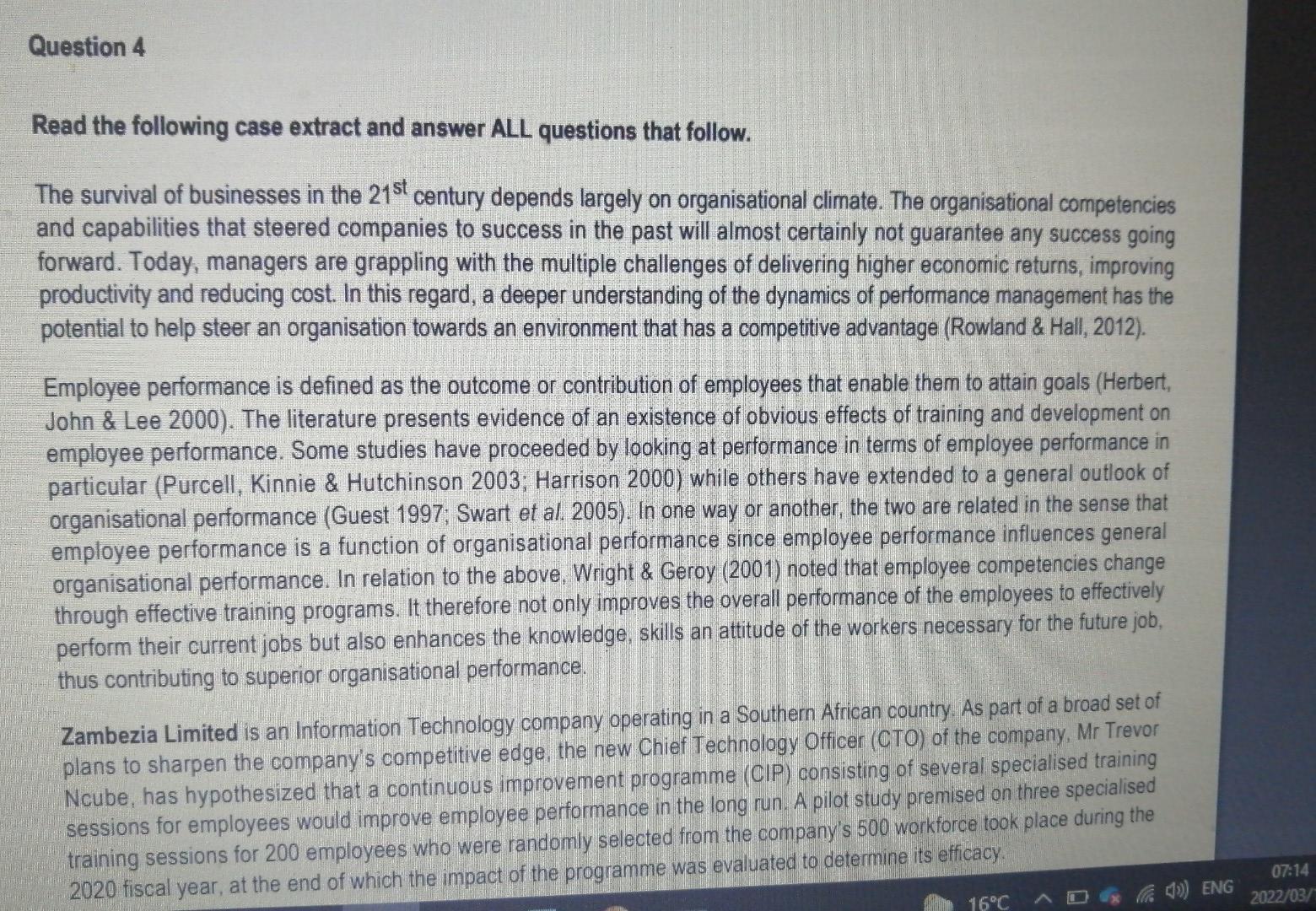
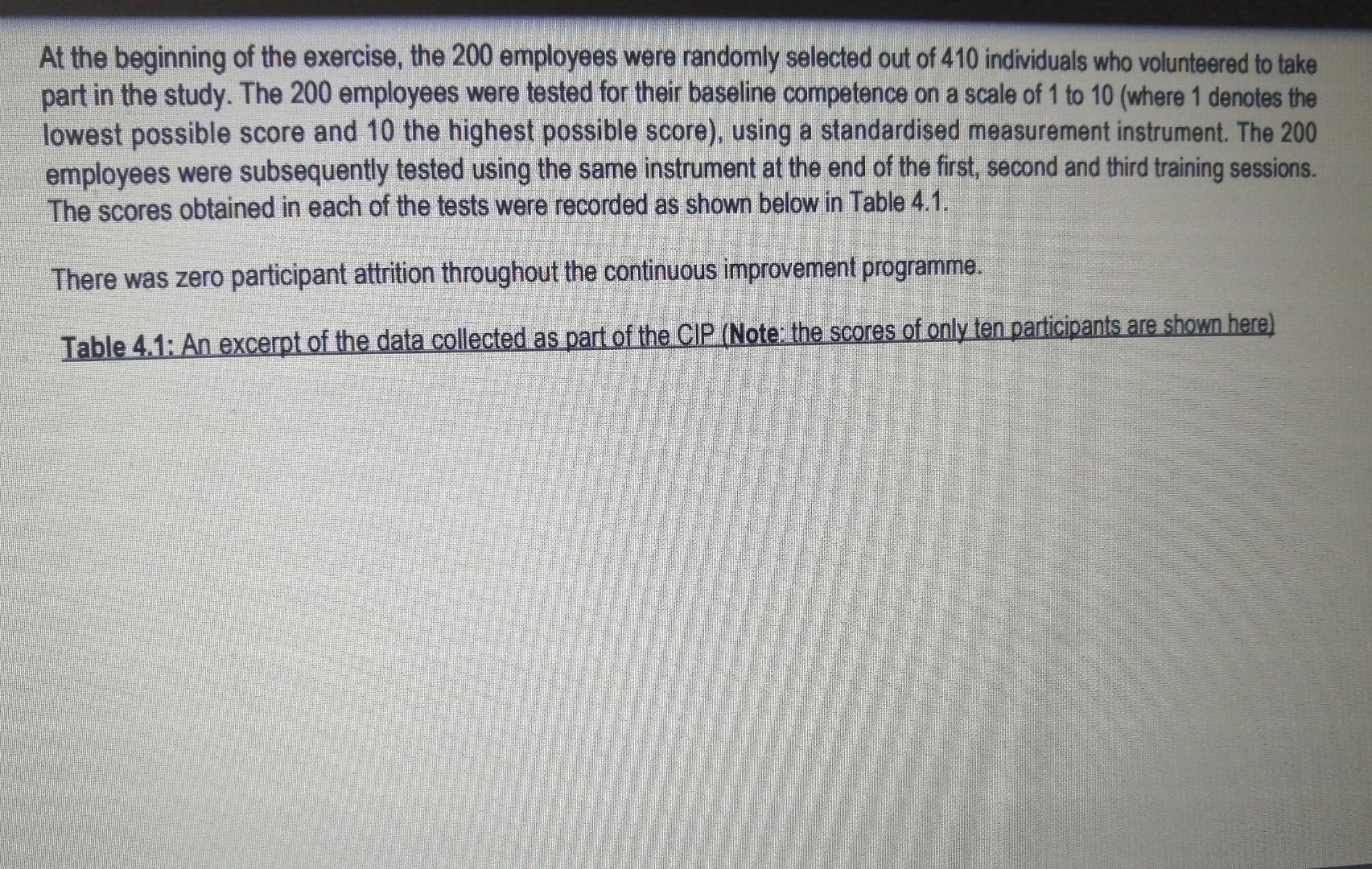

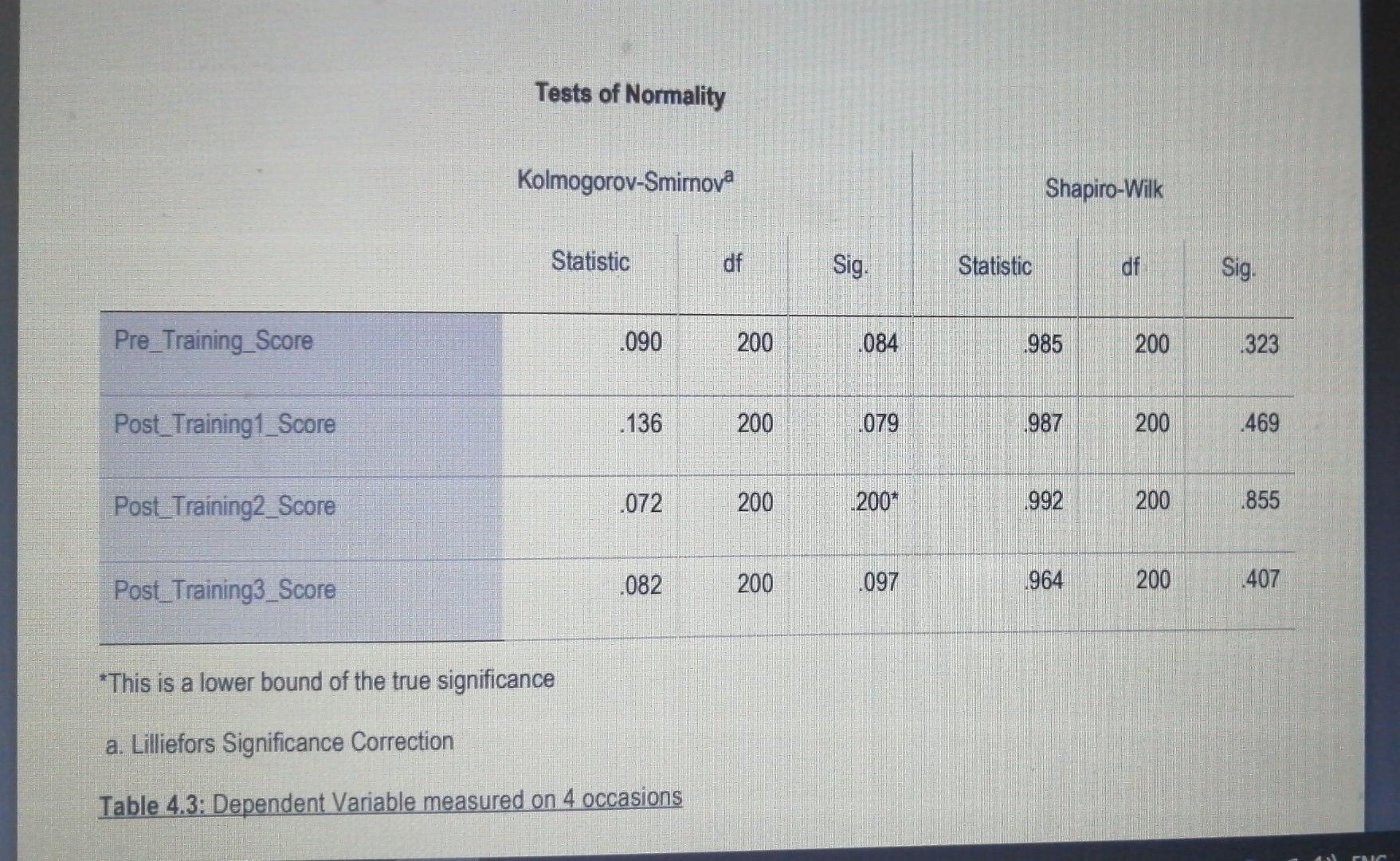
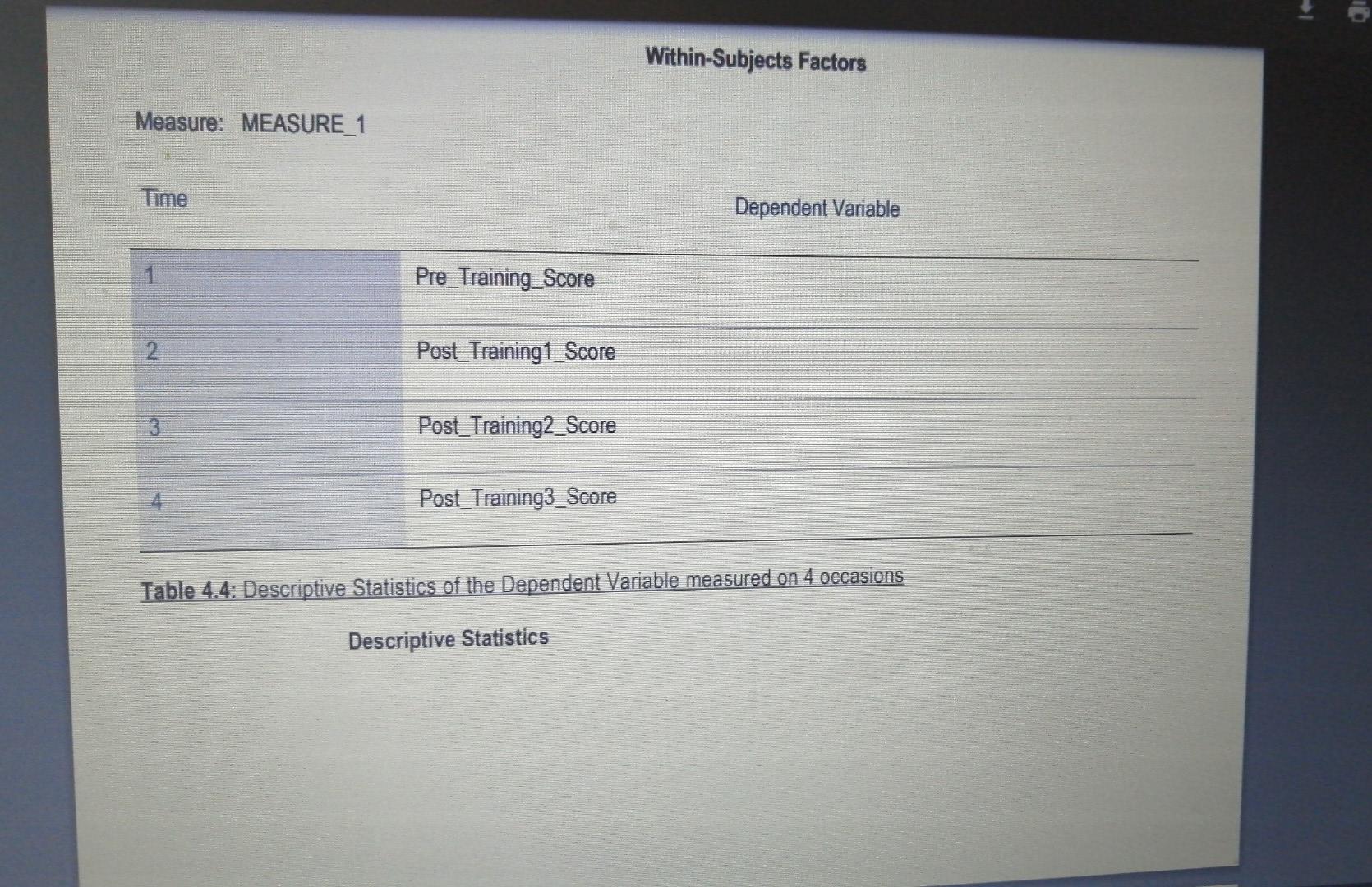
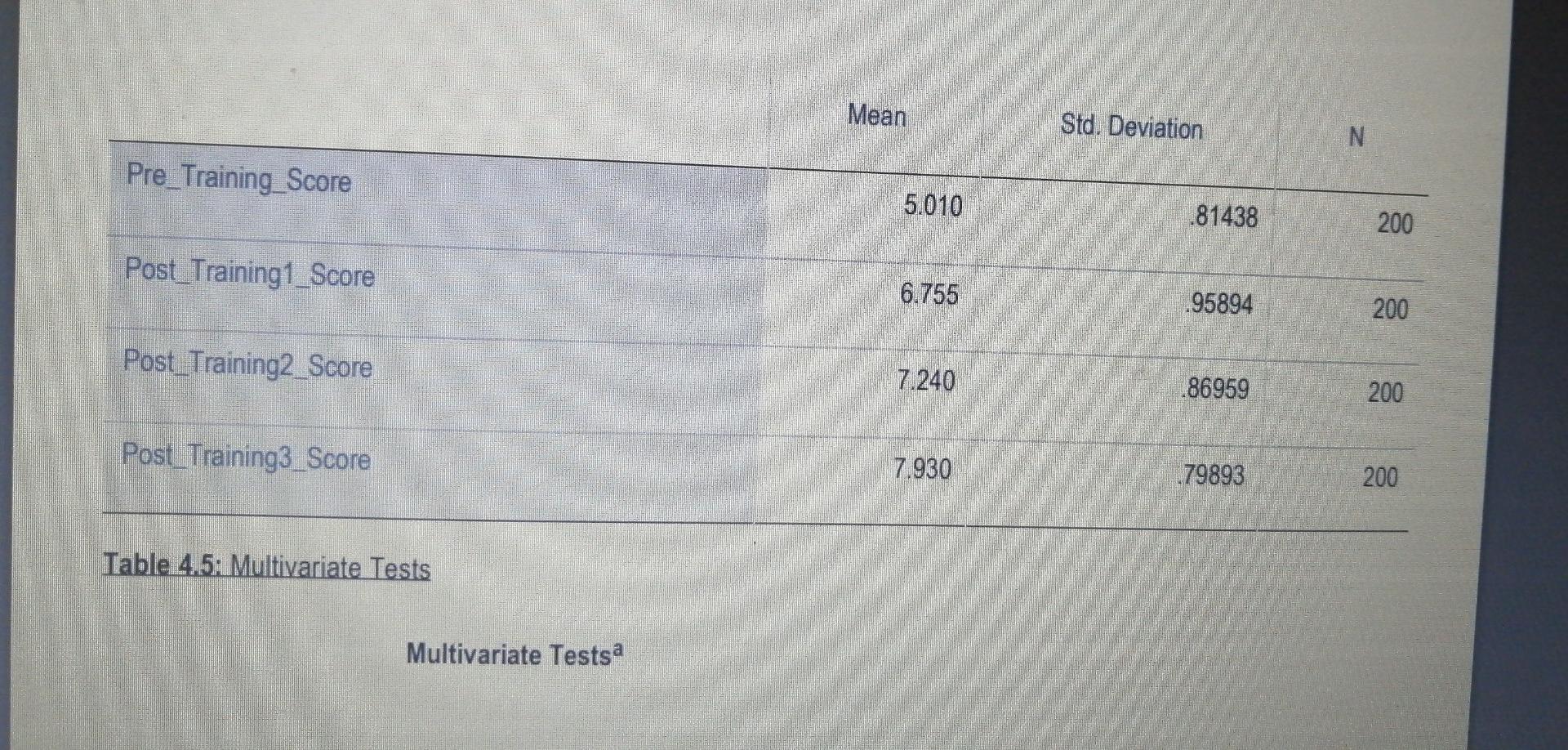
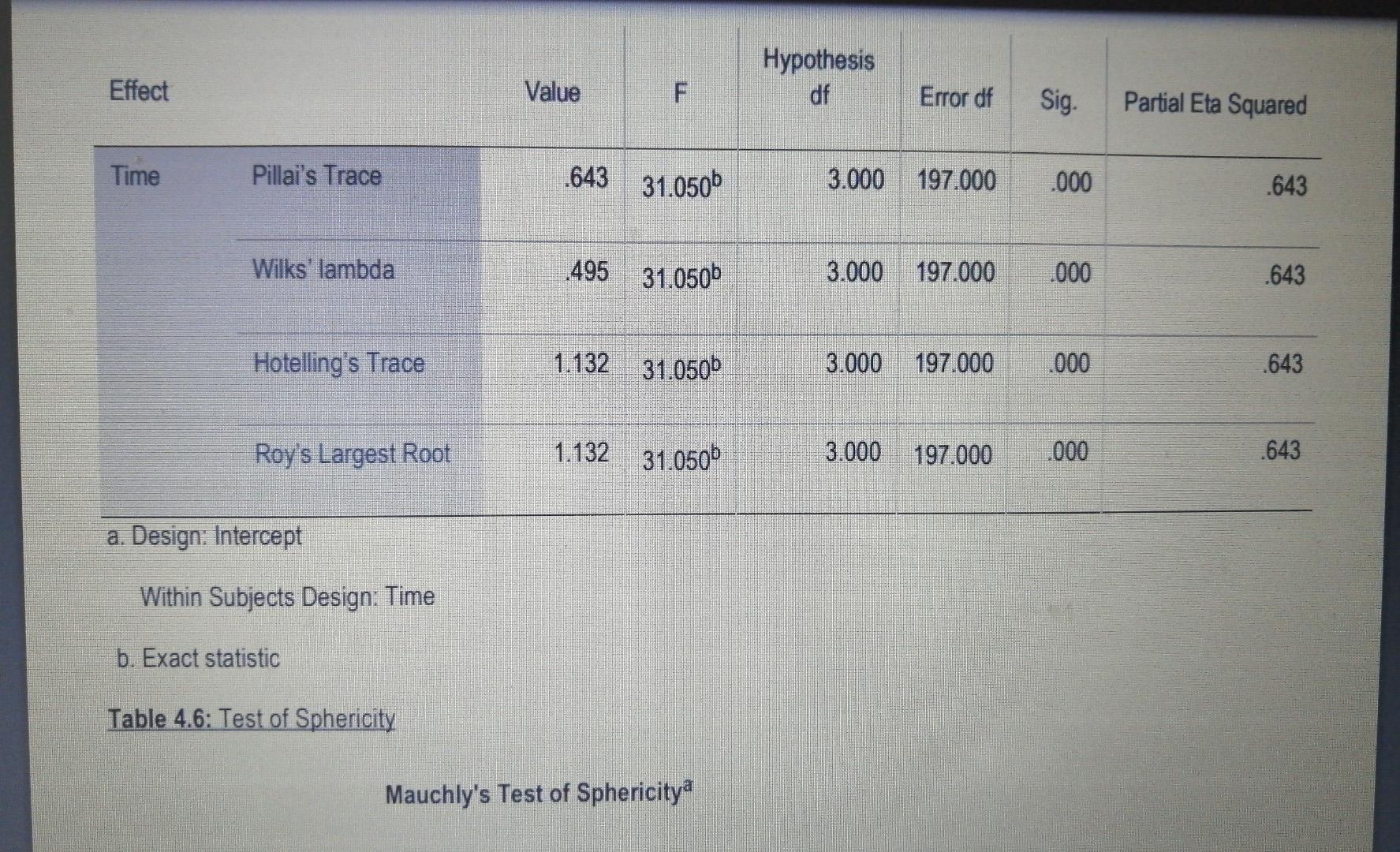
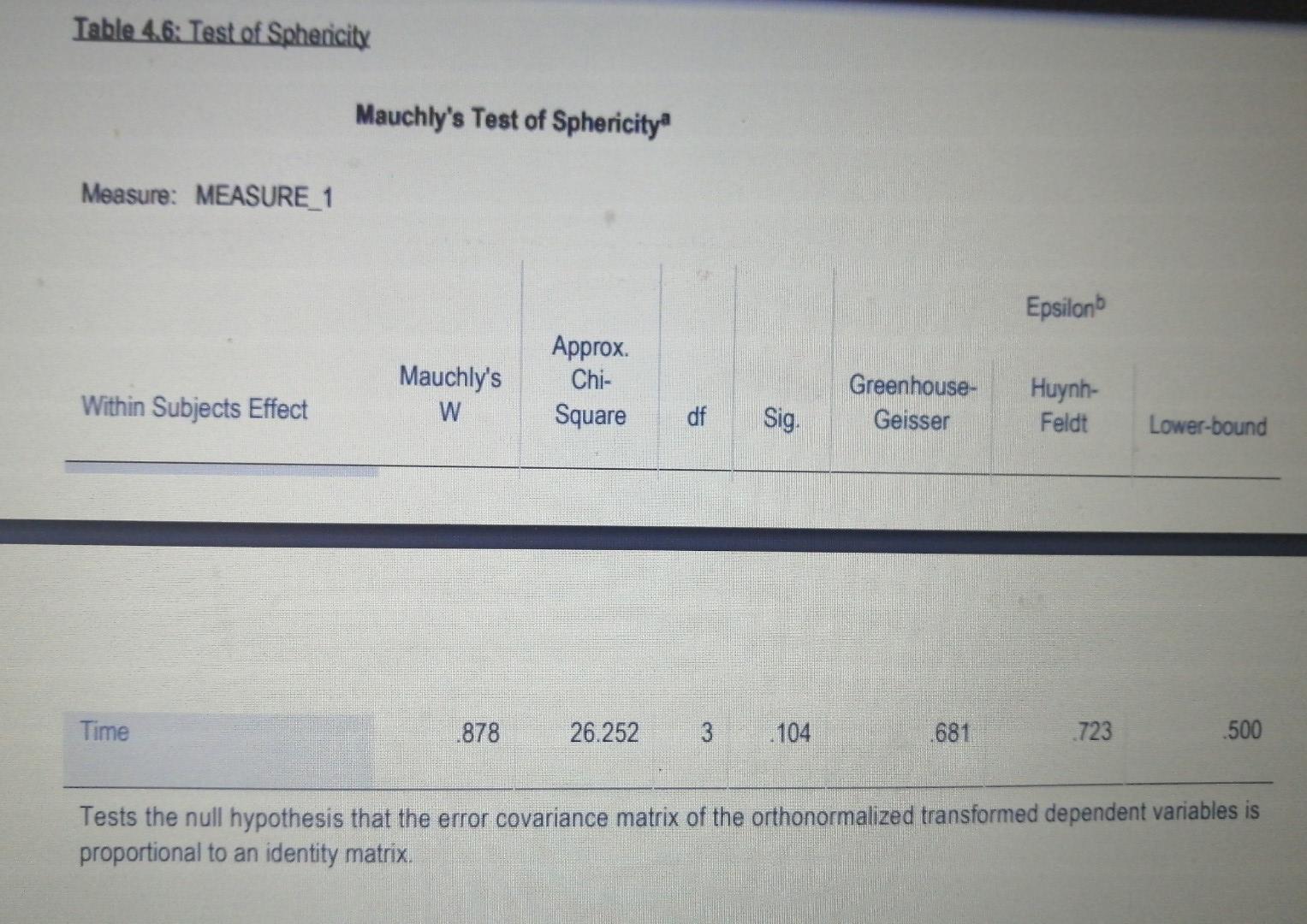
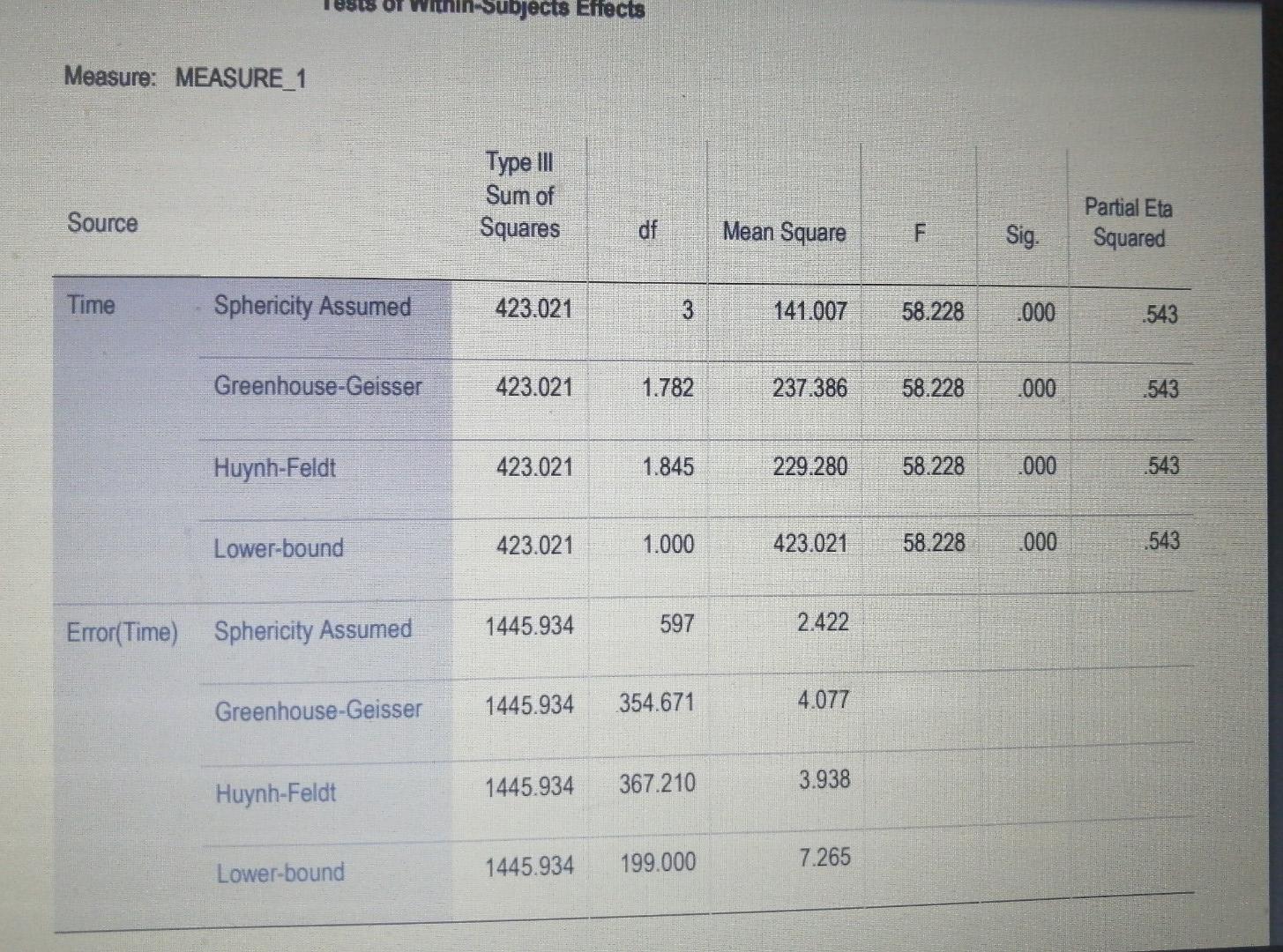
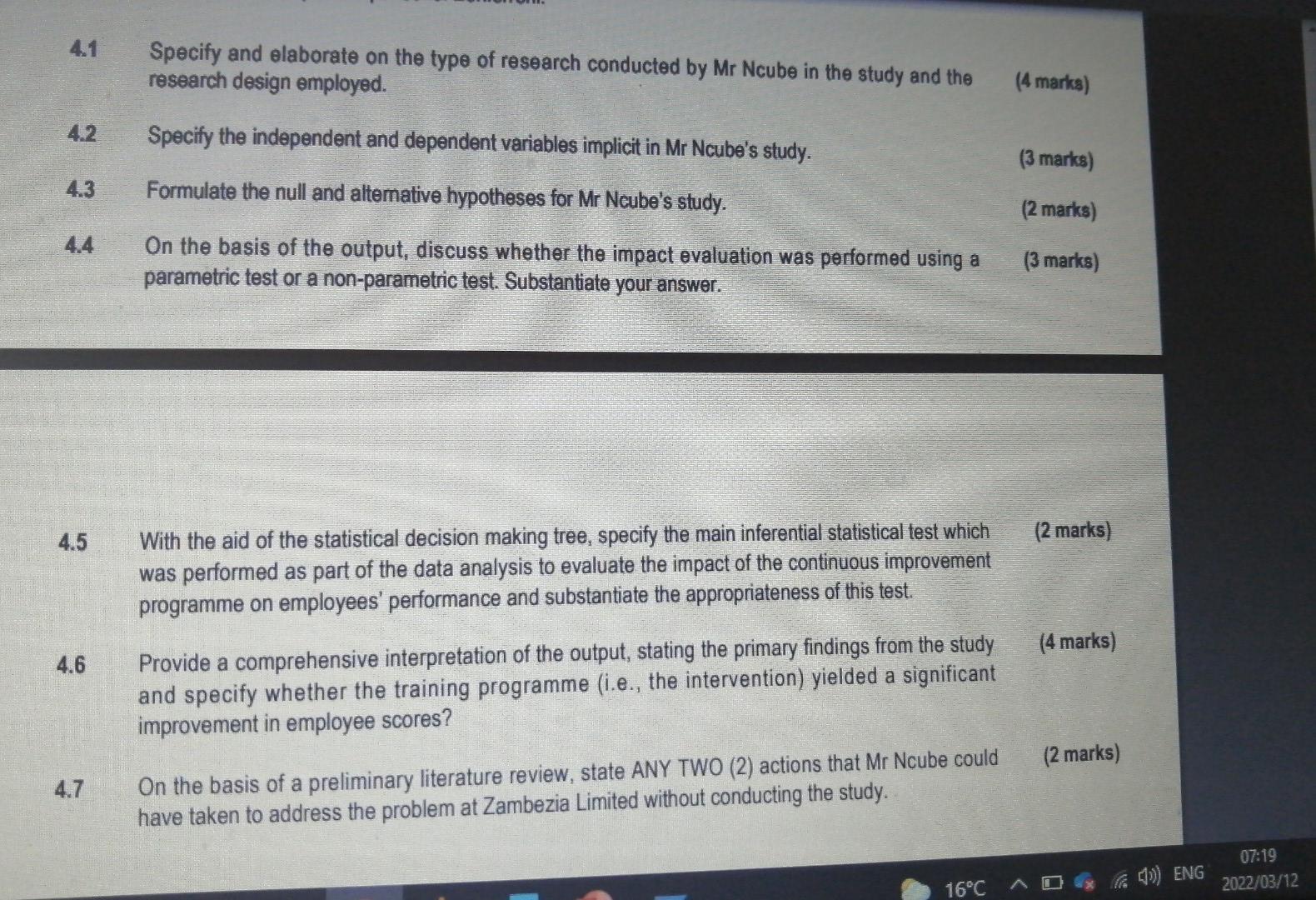
Question 4 Read the following case extract and answer ALL questions that follow. The survival of businesses in the 21st century depends largely on organisational climate. The organisational competencies and capabilities that steered companies to success in the past will almost certainly not guarantee any success going forward. Today, managers are grappling with the multiple challenges of delivering higher economic returns, improving productivity and reducing cost. In this regard, a deeper understanding of the dynamics of performance management has the potential to help steer an organisation towards an environment that has a competitive advantage (Rowland & Hall , 2012). Employee performance is defined as the outcome or contribution of employees that enable them to attain goals (Herbert, John & Lee 2000). The literature presents evidence of an existence of obvious effects of training and development on employee performance. Some studies have proceeded by looking at performance in terms of employee performance in particular (Purcell, Kinnie & Hutchinson 2003; Harrison 2000) while others have extended to a general outlook of organisational performance (Guest 1997; Swart et al. 2005). In one way or another, the two are related in the sense that employee performance is a function of organisational performance since employee performance influences general organisational performance. In relation to the above, Wright & Geroy (2001) noted that employee competencies change through effective training programs. It therefore not only improves the overall performance of the employees to effectively perform their current jobs but also enhances the knowledge, skills an attitude of the workers necessary for the future job, thus contributing to superior organisational performance. Zambezia Limited is an Information Technology company operating in a Southern African country. As part of a broad set of plans to sharpen the company's competitive edge, the new Chief Technology Officer (CTO) of the company, Mr Trevor Ncube, has hypothesized that a continuous improvement programme (CIP) consisting of several specialised training sessions for employees would improve employee performance in the long run. A pilot study premised on three specialised training sessions for 200 employees who were randomly selected from the company's 500 workforce took place during the 2020 fiscal year, at the end of which the impact of the programme was evaluated to determine its efficacy. 07:14 2022/03/ 16C la ) ENG At the beginning of the exercise, the 200 employees were randomly selected out of 410 individuals who volunteered to take part in the study. The 200 employees were tested for their baseline competence on a scale of 1 to 10 (where 1 denotes the lowest possible score and 10 the highest possible score), using a standardised measurement instrument. The 200 employees were subsequently tested using the same instrument at the end of the first, second and third training sessions. The scores obtained in each of the tests were recorded as shown below in Table 4.1. There was zero participant attrition throughout the continuous improvement programme. Table 4.1: An excerpt of the data collected as part of the CIP (Note: the scores of only ten participants are shown here) Respondent # Pre-training score Post-training1 score Post-training 2 score Post-training 3 score on 5 5 6 2 6 7 9 3 6 6 7 7 4 7 7 8 5 on 5 6 8 8 6 5 6 6 17 4 6 5 6 8 6 9 6 16 8 8 8 8 5 200 Than IDAM 07:15 Tests of Normality Kolmogorov-Smirnova Shapiro-Wilk Statistic df Sig. Statistic df Sig Pre_Training_Score 090 200 084 1985 200 323 Post_Training1_Score .136 200 L079 .987 200 .469 Post_Training2_Score ,072 200 -200* 1992 200 .855 082 200 097 964 200 Post_Training3_Score .407 *This is a lower bound of the true significance a a. Lilliefors Significance Correction Table 4.3: Dependent Variable measured on 4 occasions Within-Subjects Factors Measure: MEASURE_1 Time Dependent Variable Pre_Training_Score 2. Post_Training 1_Score 3 Post_Training2_Score Post_Training3_Score Table 4.4: Descriptive Statistics of the Dependent Variable measured on 4 occasions Descriptive Statistics Mean Std. Deviation N Pre_Training Score 5.010 .81438 200 Post_Training1_Score 6.755 .95894 200 Post_Training2_Score 7.240 86959 200 Post_Training3_Score 7.930 -79893 200 Table 4.5: Multivariate Tests Multivariate Testsa Effect Hypothesis df Value F Error df Sig. Partial Eta Squared Time Pillai's Trace .643 31.0506 3.000 197.000 .000 .643 Wilks' lambda .495 31.0500 3.000 197.000 .000 .643 Hotelling's Trace 1.132 31.0500 3.000 197.000 1.000 .643 Roy's Largest Root 1.132 31.0506 3.000 197.000 000 .643 a. Design: Intercept Within Subjects Design: Time b. Exact statistic Table 4.6: Test of Sphericity Mauchly's Test of Sphericitya Table 4.6: Test of Sphericity Mauchly's Test of Sphericity Measure: MEASURE_1 Epsilon Approx. Chi- Square Mauchly's W Within Subjects Effect Greenhouse- Geisser Huynh- Feldt df Sig. Lower-bound Time .878 26.252 3 104 681 .723 .500 Tests the null hypothesis that the error covariance matrix of the orthonormalized transformed dependent variables is proportional to an identity matrix. 1-Subjects Effects Measure: MEASURE_1 Type III Sum of Squares Source df Mean Square F Sig. Partial Eta Squared Time Sphericity Assumed 423.021 3 3 141.007 58.228 .000 543 Greenhouse-Geisser 423.021 1.782 237.386 58.228 ,000 -543 Huynh-Feldt 423.021 1.845 229.280 58.228 .000 543 Lower-bound 423.021 1.000 423.021 58.228 .000 543 1445.934 597 2.422 Error(Time) Sphericity Assumed Greenhouse-Geisser 1445.934 354.671 4,077 1445.934 Huynh-Feldt 367.210 3.938 Lower-bound 1445.934 199.000 7.265 4.1 Specify and elaborate on the type of research conducted by Mr Ncube in the study and the research design employed. (4 marks) 4.2 Specify the independent and dependent variables implicit in Mr Ncube's study. (3 marks) 4.3 Formulate the null and alternative hypotheses for Mr Neube's study. (2 marks) 4.4 On the basis of the output, discuss whether the impact evaluation was performed using a parametric test or a non-parametric test. Substantiate your answer. (3 marks) 4.5 (2 marks) With the aid of the statistical decision making tree, specify the main inferential statistical test which was performed as part of the data analysis to evaluate the impact of the continuous improvement programme on employees' performance and substantiate the appropriateness of this test. (4 marks) 4.6 Provide a comprehensive interpretation of the output, stating the primary findings from the study and specify whether the training programme (i.e., the intervention) yielded a significant improvement in employee scores? (2 marks) 4.7 On the basis of a preliminary literature review, state ANY TWO (2) actions that Mr Ncube could have taken to address the problem at Zambezia Limited without conducting the study. 07:19 2022/03/12 16C Ta ) ENG Question 4 Read the following case extract and answer ALL questions that follow. The survival of businesses in the 21st century depends largely on organisational climate. The organisational competencies and capabilities that steered companies to success in the past will almost certainly not guarantee any success going forward. Today, managers are grappling with the multiple challenges of delivering higher economic returns, improving productivity and reducing cost. In this regard, a deeper understanding of the dynamics of performance management has the potential to help steer an organisation towards an environment that has a competitive advantage (Rowland & Hall , 2012). Employee performance is defined as the outcome or contribution of employees that enable them to attain goals (Herbert, John & Lee 2000). The literature presents evidence of an existence of obvious effects of training and development on employee performance. Some studies have proceeded by looking at performance in terms of employee performance in particular (Purcell, Kinnie & Hutchinson 2003; Harrison 2000) while others have extended to a general outlook of organisational performance (Guest 1997; Swart et al. 2005). In one way or another, the two are related in the sense that employee performance is a function of organisational performance since employee performance influences general organisational performance. In relation to the above, Wright & Geroy (2001) noted that employee competencies change through effective training programs. It therefore not only improves the overall performance of the employees to effectively perform their current jobs but also enhances the knowledge, skills an attitude of the workers necessary for the future job, thus contributing to superior organisational performance. Zambezia Limited is an Information Technology company operating in a Southern African country. As part of a broad set of plans to sharpen the company's competitive edge, the new Chief Technology Officer (CTO) of the company, Mr Trevor Ncube, has hypothesized that a continuous improvement programme (CIP) consisting of several specialised training sessions for employees would improve employee performance in the long run. A pilot study premised on three specialised training sessions for 200 employees who were randomly selected from the company's 500 workforce took place during the 2020 fiscal year, at the end of which the impact of the programme was evaluated to determine its efficacy. 07:14 2022/03/ 16C la ) ENG At the beginning of the exercise, the 200 employees were randomly selected out of 410 individuals who volunteered to take part in the study. The 200 employees were tested for their baseline competence on a scale of 1 to 10 (where 1 denotes the lowest possible score and 10 the highest possible score), using a standardised measurement instrument. The 200 employees were subsequently tested using the same instrument at the end of the first, second and third training sessions. The scores obtained in each of the tests were recorded as shown below in Table 4.1. There was zero participant attrition throughout the continuous improvement programme. Table 4.1: An excerpt of the data collected as part of the CIP (Note: the scores of only ten participants are shown here) Respondent # Pre-training score Post-training1 score Post-training 2 score Post-training 3 score on 5 5 6 2 6 7 9 3 6 6 7 7 4 7 7 8 5 on 5 6 8 8 6 5 6 6 17 4 6 5 6 8 6 9 6 16 8 8 8 8 5 200 Than IDAM 07:15 Tests of Normality Kolmogorov-Smirnova Shapiro-Wilk Statistic df Sig. Statistic df Sig Pre_Training_Score 090 200 084 1985 200 323 Post_Training1_Score .136 200 L079 .987 200 .469 Post_Training2_Score ,072 200 -200* 1992 200 .855 082 200 097 964 200 Post_Training3_Score .407 *This is a lower bound of the true significance a a. Lilliefors Significance Correction Table 4.3: Dependent Variable measured on 4 occasions Within-Subjects Factors Measure: MEASURE_1 Time Dependent Variable Pre_Training_Score 2. Post_Training 1_Score 3 Post_Training2_Score Post_Training3_Score Table 4.4: Descriptive Statistics of the Dependent Variable measured on 4 occasions Descriptive Statistics Mean Std. Deviation N Pre_Training Score 5.010 .81438 200 Post_Training1_Score 6.755 .95894 200 Post_Training2_Score 7.240 86959 200 Post_Training3_Score 7.930 -79893 200 Table 4.5: Multivariate Tests Multivariate Testsa Effect Hypothesis df Value F Error df Sig. Partial Eta Squared Time Pillai's Trace .643 31.0506 3.000 197.000 .000 .643 Wilks' lambda .495 31.0500 3.000 197.000 .000 .643 Hotelling's Trace 1.132 31.0500 3.000 197.000 1.000 .643 Roy's Largest Root 1.132 31.0506 3.000 197.000 000 .643 a. Design: Intercept Within Subjects Design: Time b. Exact statistic Table 4.6: Test of Sphericity Mauchly's Test of Sphericitya Table 4.6: Test of Sphericity Mauchly's Test of Sphericity Measure: MEASURE_1 Epsilon Approx. Chi- Square Mauchly's W Within Subjects Effect Greenhouse- Geisser Huynh- Feldt df Sig. Lower-bound Time .878 26.252 3 104 681 .723 .500 Tests the null hypothesis that the error covariance matrix of the orthonormalized transformed dependent variables is proportional to an identity matrix. 1-Subjects Effects Measure: MEASURE_1 Type III Sum of Squares Source df Mean Square F Sig. Partial Eta Squared Time Sphericity Assumed 423.021 3 3 141.007 58.228 .000 543 Greenhouse-Geisser 423.021 1.782 237.386 58.228 ,000 -543 Huynh-Feldt 423.021 1.845 229.280 58.228 .000 543 Lower-bound 423.021 1.000 423.021 58.228 .000 543 1445.934 597 2.422 Error(Time) Sphericity Assumed Greenhouse-Geisser 1445.934 354.671 4,077 1445.934 Huynh-Feldt 367.210 3.938 Lower-bound 1445.934 199.000 7.265 4.1 Specify and elaborate on the type of research conducted by Mr Ncube in the study and the research design employed. (4 marks) 4.2 Specify the independent and dependent variables implicit in Mr Ncube's study. (3 marks) 4.3 Formulate the null and alternative hypotheses for Mr Neube's study. (2 marks) 4.4 On the basis of the output, discuss whether the impact evaluation was performed using a parametric test or a non-parametric test. Substantiate your answer. (3 marks) 4.5 (2 marks) With the aid of the statistical decision making tree, specify the main inferential statistical test which was performed as part of the data analysis to evaluate the impact of the continuous improvement programme on employees' performance and substantiate the appropriateness of this test. (4 marks) 4.6 Provide a comprehensive interpretation of the output, stating the primary findings from the study and specify whether the training programme (i.e., the intervention) yielded a significant improvement in employee scores? (2 marks) 4.7 On the basis of a preliminary literature review, state ANY TWO (2) actions that Mr Ncube could have taken to address the problem at Zambezia Limited without conducting the study. 07:19 2022/03/12 16C Ta ) ENG
Step by Step Solution
There are 3 Steps involved in it
1 Expert Approved Answer
Step: 1 Unlock

Question Has Been Solved by an Expert!
Get step-by-step solutions from verified subject matter experts
Step: 2 Unlock
Step: 3 Unlock
 Study Help