







Question: Question: Explain why drugs are not price-sensitive. the answer should be related to the case study below Pricing, patents and profits in the pharmaceutical industry
Question: Explain why drugs are not price-sensitive.
the answer should be related to the case study below
Pricing, patents and profits in the pharmaceutical industry
This case study explains how the pharmaceutical industry uses the patent system to ensure it reaps rewards from the drugs that it develops. Increasingly, however, there is alarm at the high costs of these drugs to the underdeveloped world, especially against a backcloth of the AIDS epidemic in South Africa. While the pharmaceutical industry has responded with several concessions, the case against the industry is that it is enjoys a privileged position partly due to the patent system.
Introduction
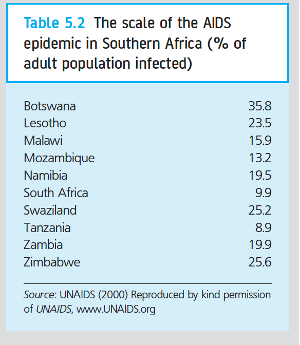
There is a story about a pharmaceutical executive on a tour of the US National Mint who inquired how much it cost to produce each dollar bill. On hearing the answer, the man smiled. Making pills, it seemed, was even more profitable than printing money. Whether true or not, the three most profitable businesses in the world are reputed to be narcotics, prostitution and ethical pharmaceuticals. A recent Oxfam report showing the scale of the AIDS problem in Southern Africa has brought the pharma-companies into the spotlight. The allegation is that these companies exploit the poor in the developing world. With a median 35 per cent return on equity, pharmaceuticals is far and away the world's most profitable major industry. With profits of more than $6 billion, pharma-companies such as Pfizer and GlaxoSmithKline dwarf the likes of Unilever, BT or Coca-Cola. Yet every year in the developing world millions of people die from diseases, such as malaria and tuberculosis, which the rich developed world has eradicated. Table 5.2 shows the scale of the problem.
Step by Step Solution
There are 3 Steps involved in it

Get step-by-step solutions from verified subject matter experts
 Study Help