







Question: question- Here is the Chapter 2 Play for Meaning. Provide your assessment and review analysis about the top 5 benefits given in the end of
question- Here is the Chapter 2 "Play for Meaning". Provide your assessment and review analysis about the top 5 benefits given in the end of the Chapter 2.
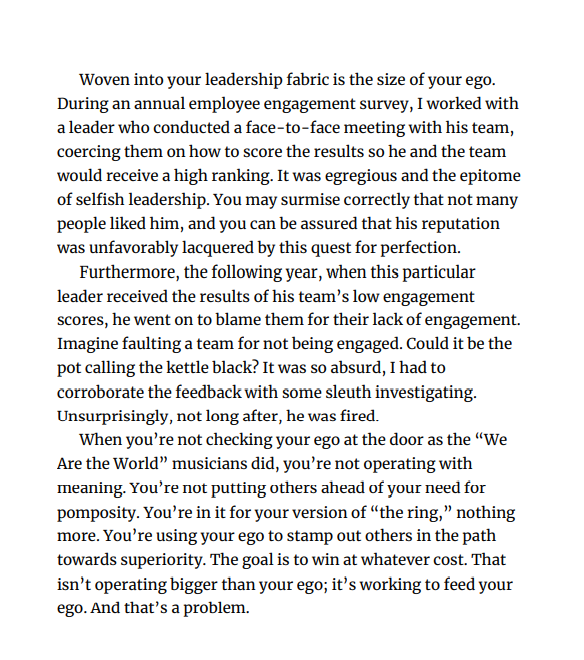
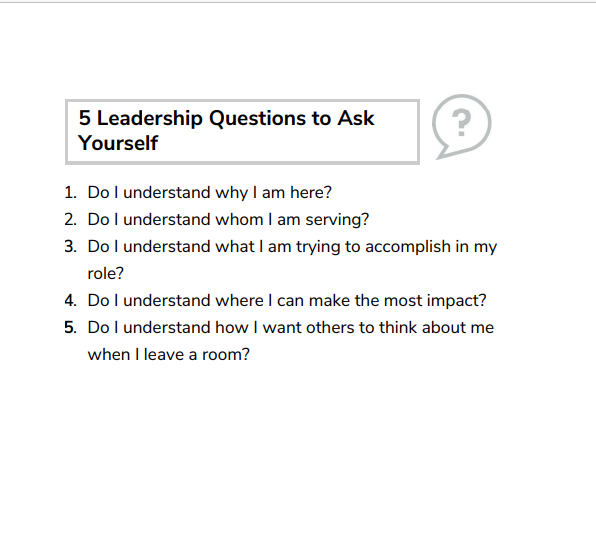
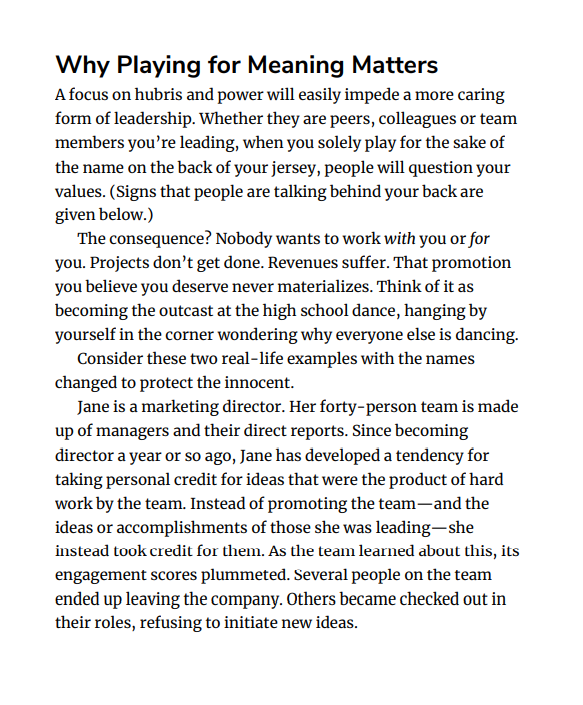
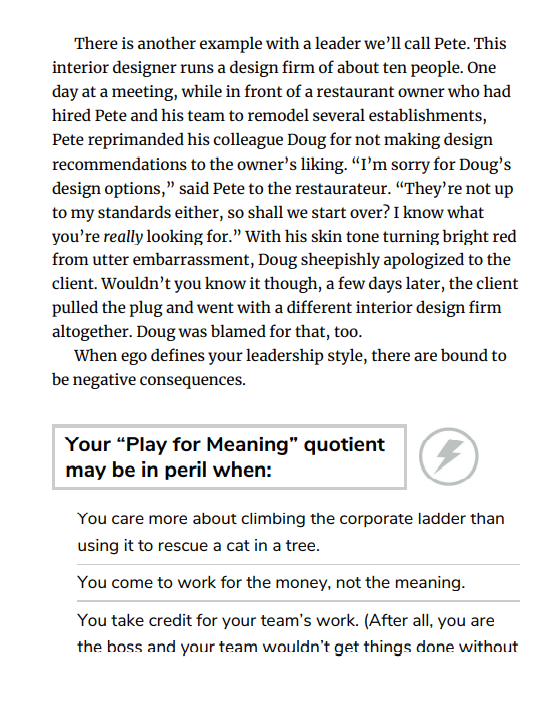
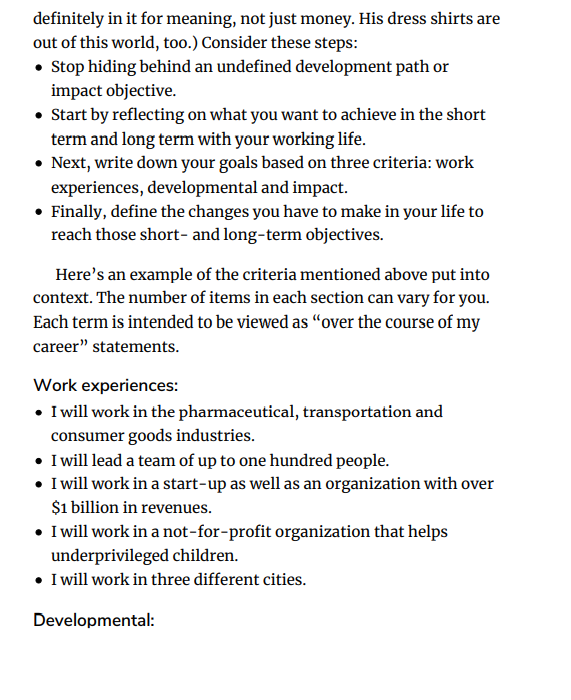
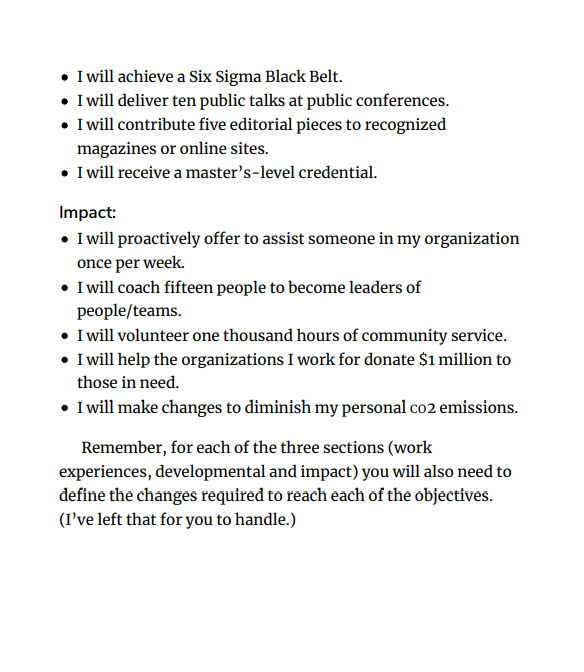
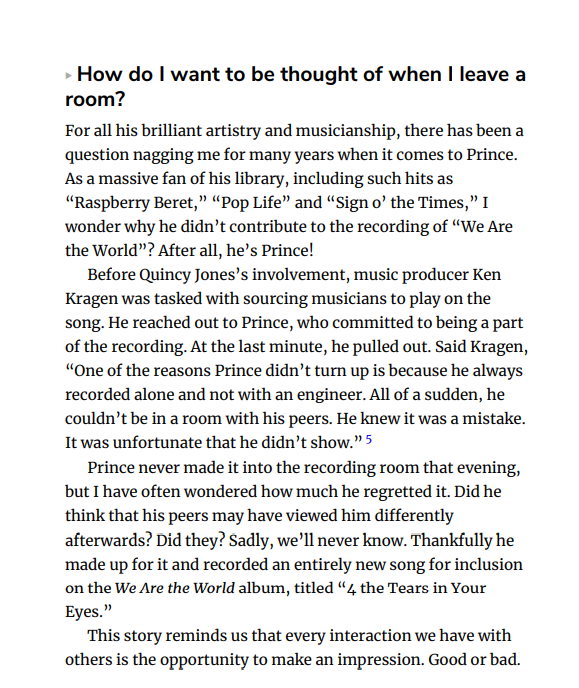
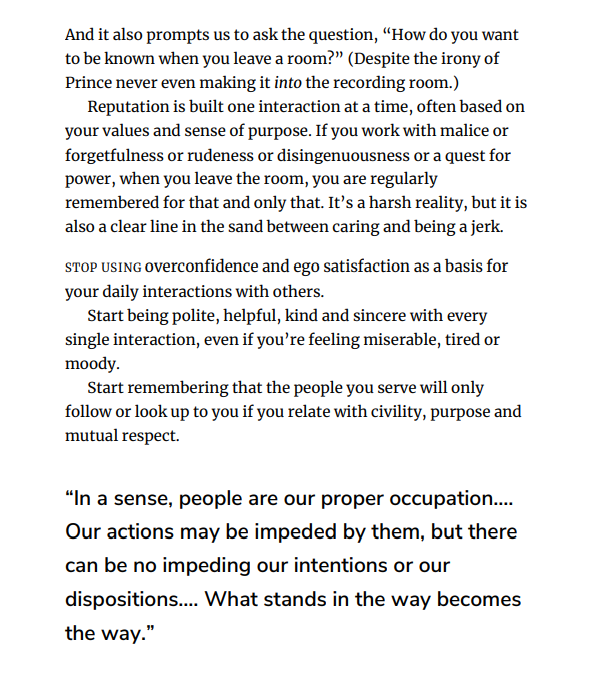
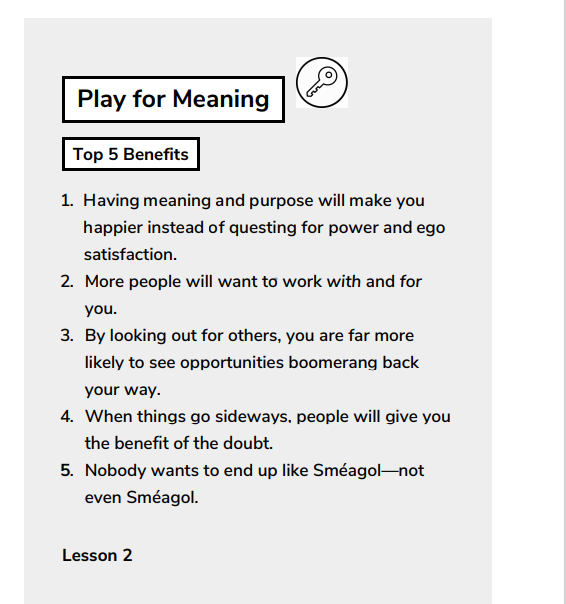
Play for Meaning THE YEAR IS 1985, right around the time New Coke arrives in grocery stores, confusing millions of teenagers, including me. Mikhail Gorbachev is the leader of the Soviet Union. He's desperately trying not to be friends with Ronald Reagan. Live Aid rocks London and Philadelphia. Phil Collins plays in both locations, aided by the Concorde supersonic jet. Nintendo arrives into our living rooms along with its sensational hit Super Mario Bros. Back to the Future is crushing the box office. My hair is big. Very big. It's peak eighties. In early 1985, fifty of America's most famous music artists are invited to meet in a secret location. It's a studio somewhere in Hollywood. There they will record an instant classic. It eventually goes on to become the fastest-selling American pop single in history. That year it also skyrockets to number one around the world. The song is We Are the World. It sells over twenty million copies. Activist and actor Harry Belafonte first came up with the idea. He was looking to respond to Bob Geldof's smash charity hit Do They Know It's Christmas?" released in 1984 by acts based in the United Kingdom. Belafonte aimed to support both African famine relief and America's own hunger crisis. Quincy Jonesthe famous producer who happened to be involved with a little album called Thriller-gets involved. Several musicians are tasked with writing the song. The process eventually settles on two global megastars: Michael Jackson and Lionel Richie. After a few writing sessions, the song's lyrics and melodies are finalized. Demo vocals are made and cassettes-yes, cassette tapes-are shipped to artists who have committed to the recording session. The date is set. It's now January 28, showtime. The likes of Bob Dylan, Stevie Wonder, Cyndi Lauper, Dionne Warwick, Diana Ross, Billy Joel, Tina Turner and Bruce Springsteen arrive. It's late. Many were coming from the American Music Award ceremony, held that same night in Los Angeles. After their limousines drop them off at the studio- before they enter the hallowed halls of the A&M Recording Studiosthe artists are met with a sign: Please check your egos at the door. The sign was the genius of Jones, the man producing the track. Why the sign? Jones knew there might be trouble. It was a not-so-subtle reminder to the musicians that the song they were about to record wasn't about them. Heck, it wasn't for the artists either. They weren't singing to stroke their ego. It was about something more significant. "We Are the World was about singing for a higher purpose. It was an act of leadership not to fuel their own self-esteem or image but to help others, those in need. Metaphorically, the musicians played not for the name on the back of their jersey but instead for the crest on the front. The crest might well have been a picture of humanity. The dilemma of whether to play for the front or the back is the ultimate character issue; it can be framed in the question Why are we here? It may be society's most existential question. (Sartre, anyone?) It's one of humanity's chief leadership problems. Ask yourself, "Why am I here? Many of us want the same things and have similar needs. A loving partner. Respect at work. The ability to feel valued, to contribute worth. Companionship, friendship and acceptance. Money to pay rent or the mortgage and take a vacation. A nice bottle of wine would be nice. Maybe a peppery Australian Shiraz. Good hair days. How can we meet these needs and wants and aspire to great things yet be true to ourselves? How do you play? For your own gain or to see others through? The Problem The definition of hubris is as follows: "exaggerated pride or dangerous overconfidence. The definition of power-the non-electrical sort-is: possession of control, authority or influence over others. Some people suffer from a self- indulgent, narcissistic arrogance. They then mix that with a toxic desperation to dominate. In the end, you have yourself a classic ego-driven leadership style. Is that you? Think Donald Trump. It's low-hanging fruit, but bear with me and the plums we can easily pluck. He is the epitome of hubris and power. He plays solely for the name Trump-and his coterie-not for the whole that is America. If you've ever read (or watched) The Lord of the Rings, you will be reminded of both hubris and power and how it can alter our behavior. Smagol was once a joyful hobbit, but he eventually morphed into Gollum. Whereas previously he conducted himself with a sense of purpose, the ring" corrupted his thinking. The quest for the ring became the singular goal akin to ruling over others. Gollum became what far too many people today mimic: he suffered from an addiction to self-centeredness assisted by an ego full of hubris aided by the quest for power. Too many people believe leadership is about reigning. Spoiler alert! Smagol failed. (Actually, he died.) Woven into your leadership fabric is the size of your ego. During an annual employee engagement survey, I worked with a leader who conducted a face-to-face meeting with his team, coercing them on how to score the results so he and the team would receive a high ranking. It was egregious and the epitome of selfish leadership. You may surmise correctly that not many people liked him, and you can be assured that his reputation was unfavorably lacquered by this quest for perfection. Furthermore, the following year, when this particular leader received the results of his team's low engagement scores, he went on to blame them for their lack of engagement. Imagine faulting a team for not being engaged. Could it be the pot calling the kettle black? It was so absurd, I had to corroborate the feedback with some sleuth investigating. Unsurprisingly, not long after, he was fired. When you're not checking your ego at the door as the "We Are the World musicians did, you're not operating with meaning. You're not putting others ahead of your need for pomposity. You're in it for your version of the ring, nothing more. You're using your ego to stamp out others in the path towards superiority. The goal is to win at whatever cost. That isn't operating bigger than your ego; it's working to feed your ego. And that's a problem. 5 Leadership Questions to Ask Yourself ? 1. Do I understand why I am here? 2. Do I understand whom I am serving? 3. Do I understand what I am trying to accomplish in my role? 4. Do I understand where I can make the most impact? 5. Do I understand how I want others to think about me when I leave a room? Why Playing for Meaning Matters A focus on hubris and power will easily impede a more caring form of leadership. Whether they are peers, colleagues or team members you're leading, when you solely play for the sake of the name on the back of your jersey, people will question your values. (Signs that people are talking behind your back are given below.) The consequence? Nobody wants to work with you or for you. Projects don't get done. Revenues suffer. That promotion you believe you deserve never materializes. Think of it as becoming the outcast at the high school dance, hanging by yourself in the corner wondering why everyone else is dancing. Consider these two real-life examples with the names changed to protect the innocent. Jane is a marketing director. Her forty-person team is made up of managers and their direct reports. Since becoming director a year or so ago, Jane has developed a tendency for taking personal credit for ideas that were the product of hard work by the team. Instead of promoting the team-and the ideas or accomplishments of those she was leading-she instead took credit for them. As the team learned about this, its engagement scores plummeted. Several people on the team ended up leaving the company. Others became checked out in their roles, refusing to initiate new ideas. There is another example with a leader we'll call Pete. This interior designer runs a design firm of about ten people. One day at a meeting, while in front of a restaurant owner who had hired Pete and his team to remodel several establishments, Pete reprimanded his colleague Doug for not making design recommendations to the owner's liking. "I'm sorry for Doug's design options," said Pete to the restaurateur. "They're not up to my standards either, so shall we start over? I know what you're really looking for. With his skin tone turning bright red from utter embarrassment, Doug sheepishly apologized to the client. Wouldn't you know it though, a few days later, the client pulled the plug and went with a different interior design firm altogether. Doug was blamed for that, too. When ego defines your leadership style, there are bound to be negative consequences. Your Play for Meaning" quotient may be in peril when: You care more about climbing the corporate ladder than using it to rescue a cat in a tree. You come to work for the money, not the meaning. You take credit for your team's work. (After all, you are the boss and your team wouldn't get things done without Ideas for Operating with Meaning Everyone needs a paycheck. Everyone has bills to pay. Everyone needs to eat. Narcissists aside, everyone wants (and needs) to be liked and loved. Holidays are a good thing. I love riding my bicycle across Tuscany. Each of us needs to ensure we are doing what we can to make enough money that satisfies our needs and at least a few of our wants. How do you achieve it? If you want to improve how you lead self and others, you can begin by reflecting on the five questions posed above. Yes, they are existential in nature, but these questions center on purpose, a topic I covered in great detail in my second book, The Purpose Effect. I felt the need to revisit that book to determine if the over-arching concept of purpose fit as a lesson of leadership. My analysis led to a resounding yes. When we lead ourselves and others with a sense of purpose, we do so fully recognizing that there is more to this earth than just ego, money and power. The answers to the questions I posed may vary for you, but the following insights might help with your own journey as it relates to purpose. Why am I here? If your goal is to make as much money or profit as possible, you really have to ask yourself, What is the point?" Marc Benioff is the founder, ceo and chairman of high-tech company Salesforce. He echoes the sentiment. Yes, profits are important, but so is society. And if our quest for greater profits leaves our world worse off than before, all we will have taught our children is the power of greed. It turns out greed is not good. Brian Scudamore, the founder of 1-800-GOT-JUNK, once said to me that his life's purpose is to make meaning, not money.2 Brian's words have stuck with me ever since. Meaning is akin to purpose. When you recognize that you've only got one chance at life, the lens becomes crystal clear. Think Kobe Bryant. Before his tragic death he was just coming into his own, leading a reimagined life of higher purpose. Money, albeit important, does not create purpose. Meaning and purpose are established when you treat every situation as an opportunity to learn, to give, to understand, to create. When you remove hubris and power from your definition of leadership, you can begin to lead yourself and others with meaning: Stop thinking that more money or profit (through increased power and hubris) are the only paths towards purpose. Start your journey to meaning by creating a purpose statement that is expressive, relevant, and acts as a North Star Whom am I serving? This not a trick question. You possess a circle of influence. The problem is whether you are solely serving yourself or including those whom you have the fortune of influencing. It's not about forgoing personal development or advancing your career. It's whether or not your overall aims are selfish versus selfless. If a lifeguard only looks out for those they're interested in dating, that's a pretty selfish move. (It's somewhat unethical, too.) If a cyclist in the Tour de France never takes a turn at the front of a peloton to help create wind draft for others, that's another example of selfishness. If you symbolically kick people off the career ladder that you're trying to climb, it's another example of being egocentric If we pick favorites, we lose credibility. If we forget to involve key people in our decision-making or communication, we tarnish our name. When you serve others, you do so by simultaneously thinking of people's feelings, needs and wishes. As a leader, you must always remind yourself whom you are serving, taking steps to be inclusive and abundantly collaborative. In the end, nobody wants a leader who fails to be empathetic to the desires of others. Your aim is to serve all relevant stakeholders (team members, customers, society and the environment), not your ego. Let me be blunt: Stop blatantly ignoring the needs and feelings of those in your circle of influence; Start opening up your heart and mind to all stakeholders, treating them with your newly defined purpose. Remind yourself that the more you are relatable and empathetic (as we learned from Lesson 1), the more likely it is that others become supportive of your own growth and development. What am I trying to accomplish, and where can I make the most impact? Famed monk and theologian Thomas Merton (a.k.a. Father Louis) once wrote: "If you want to identify me, ask me not where I live, or what I like to eat, or how I comb my hair, but ask me what I am living for, in detail, ask me what I think is keeping me from living fully for the thing I want to live for."3 You have a responsibility to think about and define what you are working towards and the impact you might make. A rudderless boat goes nowhere. A kite without wind remains grounded. A garden without water never grows. So, what are you trying to accomplish in your life, and what type of impact are you seeking to achieve? If those remain undefined-and ultimately not acted upon-you wind up living a life of ineffectiveness, let alone wasted opportunity. If you are leading people, why not share your enthusiasm for leading, your aspirations for yourself and your wishes for the team? Michael Bungay Stanier, the founder of Box of Crayons and author of fantastic books such as The Coaching Habit and The Advice Trap, says to almost anyone that he meets that he's trying to infect one billion people with the possibility virus." 4 I find that rather impressive. He's open, transparent, lofty and unafraid to wear his higher purpose ambitions on his sleeves for others to witness. (And he's I will achieve a Six Sigma Black Belt. I will deliver ten public talks at public conferences. I will contribute five editorial pieces to recognized magazines or online sites. I will receive a master's-level credential. Impact: I will proactively offer to assist someone in my organization once per week. I will coach fifteen people to become leaders of people/teams. I will volunteer one thousand hours of community service. . I will help the organizations I work for donate $1 million to those in need. I will make changes to diminish my personal co2 emissions. Remember, for each of the three sections (work experiences, developmental and impact) you will also need to define the changes required to reach each of the objectives. (I've left that for you to handle.) How do I want to be thought of when I leave a room? For all his brilliant artistry and musicianship, there has been a question nagging me for many years when it comes to Prince. As a massive fan of his library, including such hits as Raspberry Beret, Pop Life and Sign o' the Times, I wonder why he didn't contribute to the recording of "We Are the World? After all, he's Prince! Before Quincy Jones's involvement, music producer Ken Kragen was tasked with sourcing musicians to play on the song. He reached out to Prince, who committed to being a part of the recording. At the last minute, he pulled out. Said Kragen, "One of the reasons Prince didn't turn up is because he always recorded alone and not with an engineer. All of a sudden, he couldn't be in a room with his peers. He knew it was a mistake. It was unfortunate that he didn't show." 5 Prince never made it into the recording room that evening, but I have often wondered how much he regretted it. Did he think that his peers may have viewed him differently afterwards? Did they? Sadly, we'll never know. Thankfully he made up for it and recorded an entirely new song for inclusion on the We Are the World album, titled "4 the Tears in Your Eyes." This story reminds us that every interaction we have with others is the opportunity to make an impression. Good or bad. And it also prompts us to ask the question, How do you want to be known when you leave a room? (Despite the irony of Prince never even making it into the recording room.) Reputation is built one interaction at a time, often based on your values and sense of purpose. If you work with malice or forgetfulness or rudeness or disingenuousness or a quest for power, when you leave the room, you are regularly remembered for that and only that. It's a harsh reality, but it is also a clear line in the sand between caring and being a jerk. STOP USING overconfidence and ego satisfaction as a basis for your daily interactions with others. Start being polite, helpful, kind and sincere with every single interaction, even if you're feeling miserable, tired or moody. Start remembering that the people you serve will only follow or look up to you if you relate with civility, purpose and mutual respect In a sense, people are our proper occupation.... Our actions may be impeded by them, but there can be no impeding our intentions or our dispositions.... What stands in the way becomes the way." Play for Meaning Top 5 Benefits 1. Having meaning and purpose will make you happier instead of questing for power and ego satisfaction. 2. More people will want to work with and for you. 3. By looking out for others, you are far more likely to see opportunities boomerang back your way. 4. When things go sideways, people will give you the benefit of the doubt. 5. Nobody wants to end up like Smagolnot even Smagol. Lesson 2Step by Step Solution
There are 3 Steps involved in it
1 Expert Approved Answer
Step: 1 Unlock

Question Has Been Solved by an Expert!
Get step-by-step solutions from verified subject matter experts
Step: 2 Unlock
Step: 3 Unlock
 Study Help