Question: Read and answer the following questions. notes There are many harmful germs found in the home, in public places, and in hotels while traveling. The
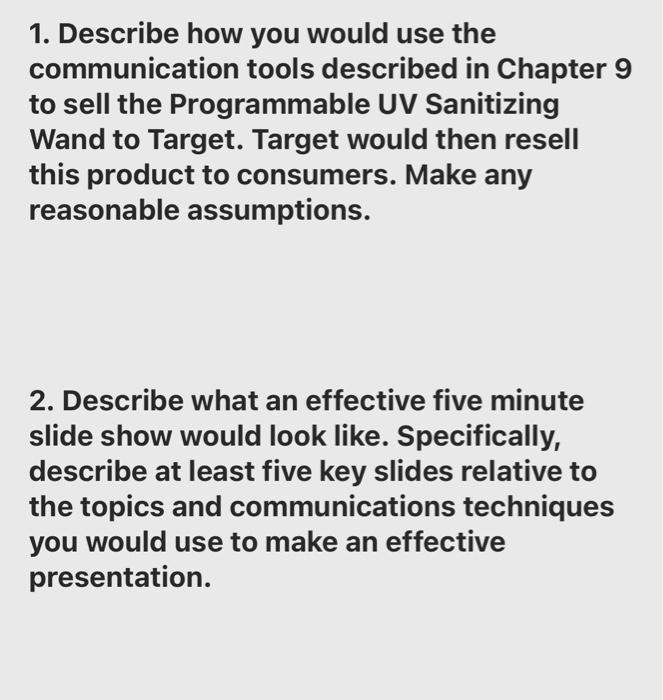
Read and answer the following questions.

notes
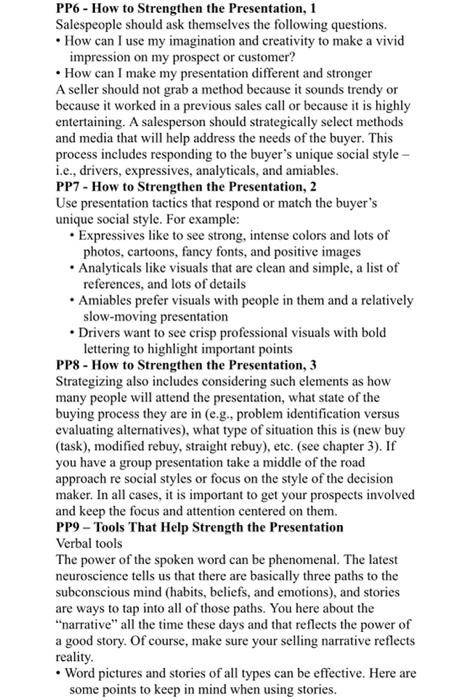
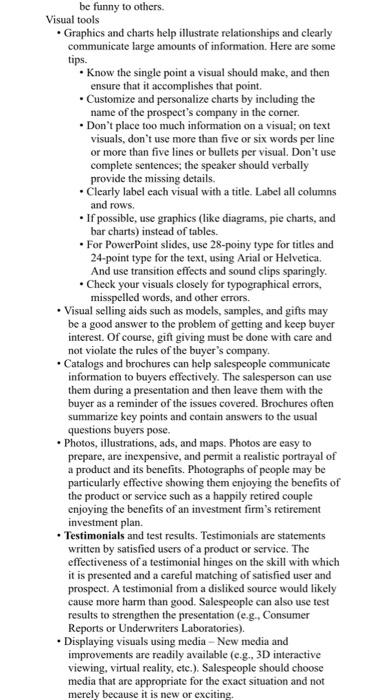
There are many harmful germs found in the home, in public places, and in hotels while traveling. The Programmable UV Sanitizing Wand, made by Zadro, can effectively kill up to 99.99 percent of germs and viruses in just 10 seconds. It can also kill dust mites in mattresses, pillows, and carpets. Since the wand is portable, it can travel with you wherever you travel, removing harmful substances regardless of where you are. The user simply waves the scanner within a quarter inch of the surface for 10 seconds to kill the substances. The scanner is 12 inches high x 20 inches wide x 144 inches deep and runs on three C batteries. An optional AC adapter is sold separately. The scanner includes an electronic child lock to prevent misuse. A stand is provided and is used to go over keyboards, butcher blocks, and so on for hands-free operation. The programmable unit can be set for 10, 20, 40-, and 60-second times as well as two to five minutes, depend- ing on the surface area that needs to be scanned. The unit is not designed to be used on humans or animals. The scanner, which is laboratory certified and tested, retails for $99, and all units come with a 90-day limited warranty. Resellers are offered the units for $60, with a quantity discount price of $50 for all units over 100 in a single order. 1. Describe how you would use the communication tools described in Chapter 9 to sell the Programmable UV Sanitizing Wand to Target. Target would then resell this product to consumers. Make any reasonable assumptions. 2. Describe what an effective five minute slide show would look like. Specifically, describe at least five key slides relative to the topics and communications techniques you would use to make an effective presentation. PP6 - How to Strengthen the Presentation, 1 Salespeople should ask themselves the following questions. How can I use my imagination and creativity to make a vivid impression on my prospect or customer? How can I make my presentation different and stronger A seller should not grab a method because it sounds trendy or because it worked in a previous sales call or because it is highly entertaining. A salesperson should strategically select methods and media that will help address the needs of the buyer. This process includes responding to the buyer's unique social style - i.e., drivers, expressives, analyticals, and amiables. PP7 - How to Strengthen the Presentation, 2 Use presentation tactics that respond or match the buyer's unique social style. For example: Expressives like to see strong, intense colors and lots of photos, cartoons, fancy fonts, and positive images Analyticals like visuals that are clean and simple, a list of references, and lots of details Amiables prefer visuals with people in them and a relatively slow-moving presentation Drivers want to see crisp professional visuals with bold lettering to highlight important points PP8 - How to Strengthen the Presentation, 3 Strategizing also includes considering such elements as how many people will attend the presentation, what state of the buying process they are in (e.g., problem identification versus evaluating alternatives), what type of situation this is (new buy (task), modified rebuy, straight rebuy), etc. (see chapter 3). If you have a group presentation take a middle of the road approach re social styles or focus on the style of the decision maker. In all cases, it is important to get your prospects involved and keep the focus and attention centered on them. PP9 - Tools That Help Strength the Presentation Verbal tools The power of the spoken word can be phenomenal. The latest neuroscience tells us that there are basically three paths to the subconscious mind (habits, beliefs, and emotions), and stories are ways to tap into all of those paths. You here about the "narrative" all the time these days and that reflects the power of a good story. Of course, make sure your selling narrative reflects reality Word pictures and stories of all types can be effective. Here are some points to keep in mind when using stories. tips. be funny to others. Visual tools Graphics and charts help illustrate relationships and clearly communicate large amounts of information. Here are some Know the single point a visual should make and then ensure that it accomplishes that point. Customize and personalize charts by including the name of the prospect's company in the corner. Don't place too much information on a visual; on text visuals, don't use more than five or six words per line or more than five lines or bullets per visual. Don't use complete sentences; the speaker should verbally provide the missing details. . Clearly label each visual with a title. Label all columns and rows. If possible, use graphics (like diagrams, pie charts, and bar charts) instead of tables. For PowerPoint slides, use 28-poiny type for titles and 24-point type for the text, using Arial or Helvetica. And use transition effects and sound clips sparingly. . Check your visuals closely for typographical errors, misspelled words, and other errors. Visual selling aids such as models, samples, and gifts may be a good answer to the problem of getting and keep buyer interest. Of course, gift giving must be done with care and not violate the rules of the buyer's company. Catalogs and brochures can help salespeople communicate information to buyers effectively. The salesperson can use them during a presentation and then leave them with the buyer as a reminder of the issues covered. Brochures often summarize key points and contain answers to the usual questions buyers pose. Photos, illustrations, ads, and maps. Photos are easy to prepare, are inexpensive, and permit a realistic portrayal of a product and its benefits. Photographs of people may be particularly effective showing them enjoying the benefits of the product or service such as a happily retired couple enjoying the benefits of an investment firm's retirement investment plan. Testimonials and test results. Testimonials are statements written by satisfied users of a product or service. The effectiveness of a testimonial hinges on the skill with which it is presented and a careful matching of satisfied user and prospect. A testimonial from a disliked source would likely cause more harm than good. Salespeople can also use test results to strengthen the presentation (e.g., Consumer Reports or Underwriters Laboratories). Displaying visuals using media - New media and improvements are readily available (e.g. 3D interactive viewing, virtual reality, etc.). Salespeople should choose media that are appropriate for the exact situation and not merely because it is new or exciting