







Question: READ THE CASE STUDY BELOW AND ANSWER THESE QUESTIONS. TASK Alternatives: pick 3 alternatives from the 4 growth strategies (Market Penetration, Product Develop, Market/Retail Expansion
READ THE CASE STUDY BELOW AND ANSWER THESE QUESTIONS.
TASK
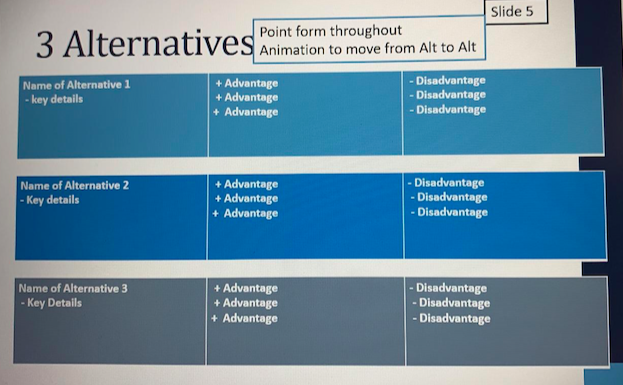
Alternatives: pick 3 alternatives from the 4 growth strategies (Market Penetration, Product Develop, Market/Retail Expansion and explain each briefly.
this is an example on how to do the alternative
MARKETING 10625 CASE: WILLIAMS FRESH CAF
Williams Coffee Pub had enjoyed tremendous growth since its founding in 1993 in Stratford, Ontario, and boasts close to 40 locations in different parts of Ontario. Its unique serving concept, combined with good value and relatively healthy foods had combined to get it to its present position. However, future growth means some major decisions need to be made regarding where that growth should occur.
Williams Coffee Pub
Most of the stores were found near shopping malls in Ontario cities and towns, where their drive-through operations could function well. The firm also had a major presence at many Ontario colleges and universities, where it was part of the food court scene. The coffee pub name came from the idea that food and a gathering place could be associated. Although they did serve alcohol, Williams was not a pub in the usual sense, and alcohol was a very small part of sales. The concept is designed for quick service, with customers approaching a designated counter where they would order their food and get a number associated with their order. They would pay, take their beverages, and a number sign to their table and the meal would be delivered based on the order number.
This worked very efficiently, as customers did not need to wait for a server to find them, did not have to worry about tips and could get their meals quickly. Many customers like to visit Williams and stay for an extended period of time. This doesn't necessarily mean that they are ordering more items from the menu.
The menu featured sandwiches, soups and salads, with interesting combinations such as half a sandwich coupled with soup or a salad. Most items were priced in the $5 to $8 range, with only a few over $10. Breakfasts were priced between $4 and $7 and ranged from the classic bacon and eggs through to wraps, Belgian waffles and fresh fruit. Coffee and tea, including hot or chilled cappuccinos were also featured, along with a range of dessert pies and cakes. It made a great place to meet friends for lunch, with a demographic skewed to women.
Historically, the time period before lunch and the mid-afternoon period have been slower than the busier lunch period.
Rebranding to Williams Fresh Caf
In 2009/2010, the original Williams Coffee Pub name and concept was rebranded to Williams Fresh Caf. This change was made to reflect the fresh food that was served in an inviting atmosphere. Initially, the original name remained on the stores and web site, while store items and newer locations featured the name Williams Fresh Caf. This created some confusion among customers and employees. Store sizes ranged from 100 ft2 to over 4,000 ft2, so the experience could be very different across the outlets. Their mission "is to deliver a unique dining experience to each guest by serving quality food products in a welcoming and comfortable environment." Williams offered free wireless internet, charging stations and printers in many outlets.
Don't Skip Breakfast
According to the NPD Research Group, breakfasts accounted for nearly 60% of the growth in all restaurant traffic over the past five years. NPD also reports that "consumers who visit a chain for more than one daypart, tend to be more loyal, more likely to recommend the chain, more frequent visitors, and contribute more volume." (A daypart refers to a time of day when a meal is typically served, such as breakfast versus lunch.) Many chains were adding breakfast selections to take this into account. Related to the growth in breakfasts, specialty coffee also had enjoyed major growth in recent years.
Broad trends in the restaurant field pointed to a decline in supper meals at full-service restaurants and more breakfast business at quick-service restaurants. (Full service means a server visits your table, takes and delivers the order; quick-service means orders are placed at a counter and either taken from there or delivered to a table.)
While Starbucks is famous for being a place to chill and surf the web on wireless connections, a similar trend is now occurring in other restaurants. Business people like to have a place where they can meet and have a coffee while they access data on their laptops, and Williams was among those who picked up on this trend.
Next Steps for Williams
Convinced that it had an efficient business model and product offerings in tune with today's consumers, Williams needed to determine where it could grow. At present, the firm had between one and four outlets in many towns and cities all over the province, with locations as far west as Windsor, east to Whitby and north to Barrie. However, Toronto, a huge market, was relatively untapped with only two locations. One was near the harbour, a popular tourist spot, and was thus affected greatly by the weather.
Williams also had locations at several universities and colleges, including two at the University of Guelph and McMaster and one each at Humber College, Western, Wilfrid Laurier, Waterloo, and Windsor universities.
There was much debate among management about where it would make most sense to expand:
Toronto was a huge market, but locations with drive-through possibilities were hard to get and all kinds of competition existed there. Still, Williams had been successful as a new entrant in many markets. Some argued the chain could launch a new brand in Toronto, with more upscale offerings.
The university/college market was tempting, although competitors there included Tim Hortons, Harveys and other operations, often run by the large catering firms that served these institutions. Nonetheless, many students liked the idea of a relatively healthy lunch at a good price.
Further expansion in towns with existing outlets would make the brand more available to more people. With single outlets in places like Barrie, Brampton, Cambridge, Niagara Falls and Whitby, there seemed to be plenty of opportunities to strengthen market presence and gain some economies of scale.
So far, eastern Ontario remained untouched, with places like Peterborough, Kingston and Ottawa offering major potential markets.
Management decided to call in some marketing consultants to advise them on the best course of action about how and where to expand. They also wondered if some creative course of action had not even been considered.
TASK
Alternatives: pick 3 alternatives from the 4 growth strategies (Market Penetration, Product Develop, Market/Retail Expansion and explain each briefly.
this is an example on how to do the alternative
Step by Step Solution
There are 3 Steps involved in it

Get step-by-step solutions from verified subject matter experts
 Study Help