







Question: Read the case study provided and answer the following questions. PLAYING THE CHAMPIONS LEAGUE: SUPPLY CHAIN LESSONS FROM CONSUMER GOODS COMPANIES Pharma executives need to
Read the case study provided and answer the following questions.
PLAYING THE CHAMPIONS LEAGUE: SUPPLY CHAIN LESSONS FROM CONSUMER GOODS COMPANIES
Pharma executives need to place more value on supply chain excellence and reconsider the way their supply chains are managed. The best way for pharmacos to get up to date on global best practices is to understand how supply chain champions in other industries simultaneously deliver superior performance in cost service levels, and capital effectiveness. The value at stake is significantin consumer goods, for example, supply chain champions achieve on average percent higher EBIT than their peers.
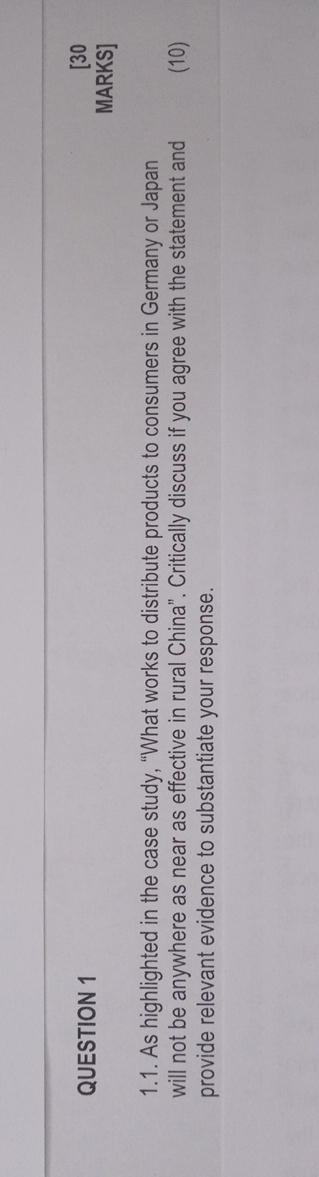
For decades now, executives in the pharmaceutical industry have not viewed supply chain management as especially important. Their indifference appeared to be warranted: high gross margins justified building enormous inventories and did little to encourage management to think about holistic approaches to the supply chain. But that was then. Today, the pressures on the pharmaceutical sector mean that traditional industry mindsets about the value of modern supply chain management practices have to changeand quickly. For a start, pharmas that intend to grow in emerging markets will have to apply different supply chain models to be successful. What works to distribute products to consumers in Germany or Japan will not be anywhere as near as effective in rural China. At the same time, demand is becoming more diverse; tender markets, for example, increasingly require enormous flexibility in capacity and supply. Quality issues are also driving the need for managers to be accountable for their supply chain practices. As concerns about drug quality become big newsrattling consumer confidence and raising regulators' hacklesthere are more and more calls for, among other things, better traceability of batches across the full chain. Furthermore, efficiency programs have yielded results on cost and inventory across key parts of the value chain, but not necessarily to the bottom line.
There is a greater need to see how the supply chain operates from end to end. A typical question might be: What is the value of delivering in a more agile way to the regional warehouse if this just leads to one day's worth of additional inventory in that warehouse? Furthermore, research shows that supply chain practices also directly drive differences in performance. In consumer goods, supply chain champions had on average percent higher EBIT than median performersa difference that is directly attributable to superior supply chain performance. Why would this differ in pharma? Initial research shows this could be as high as percent for the pharmaceutical industry. These are just a few examples to illustrate the increased demands on pharmaceutical supply chains. Now comes the issue of how to respond to those challenges. Although there are real opportunities for improving supply chain management in pharma, there are no easy ways to do so Managing the supply chain is a complex and constant endeavor. It is markedly different from working to establish operational excellence at a single supply point, such as packing and shipping from one distribution center. All participantsfrom raw materials suppliers and production teams to warehousing staff and transportation providersneed to work together across the chain in a coordinated way to derive the full impact of best practice in supply chain management. This has two direct implications. First, there has to be a clear and easily interpreted supply chain vision. How do we want to organize our supply chain in the future, and why? How does this differ from today? What results do we expect from that new setup? What skills do we need to manage the endtoend supply chain, and which of those skills do we lack? Without the alignment of all stakeholders around such a vision, there are perpetual risks of suboptimizing the process and causing friction and mistrust between the business functions involved. The second implication is that there is no room to delegate a supply chain transformation to a staff function or to one of the line functions. Leading and taking a onedirectional commitment is a topic for the senior management agenda. In general, it must be a senior managerthe chief executive officer, the chief operating officer, or a businessunit headwho directly oversees and steers the improvement program and holds the appropriate managers accountable.
As pharma executives think about how to reinvent their supply chains, they may be daunted by the enormity of the task. But they can take comfort from the fact that other industries have blazed most of the necessary trails. Manufacturers such as Procter & Gamble P&G Unilever, and Nestl are some of the exemplarscompanies that can boast longproven and highly effective practices and continual reinvestment in new thinking about supply chain efficiencies.
Product portfolios in pharma are far more complex than i
Step by Step Solution
There are 3 Steps involved in it
1 Expert Approved Answer
Step: 1 Unlock

Question Has Been Solved by an Expert!
Get step-by-step solutions from verified subject matter experts
Step: 2 Unlock
Step: 3 Unlock
 Study Help