



Question: Refer to the Aerotech example used in class. 12. Under the traditional volume-based product-costing system, what would be the per unit cost for Model I
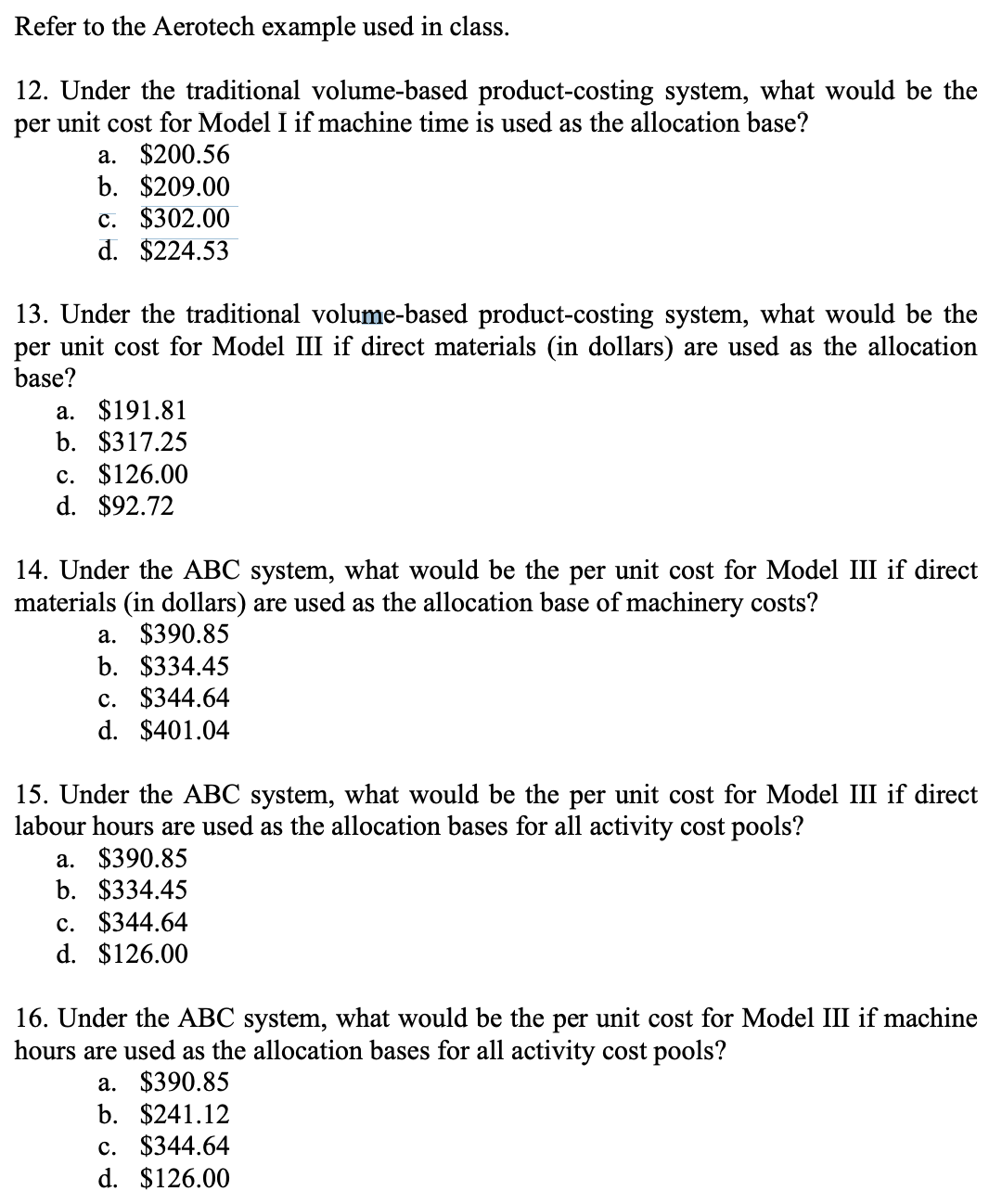
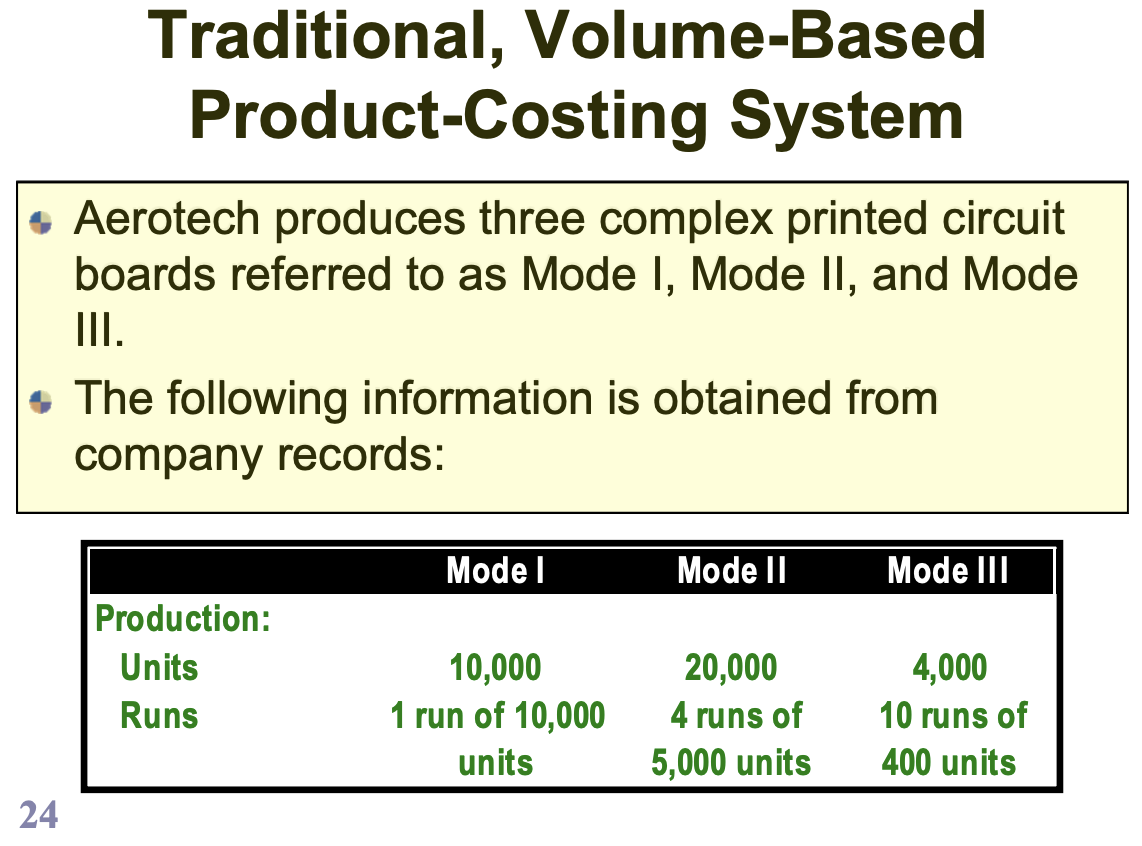
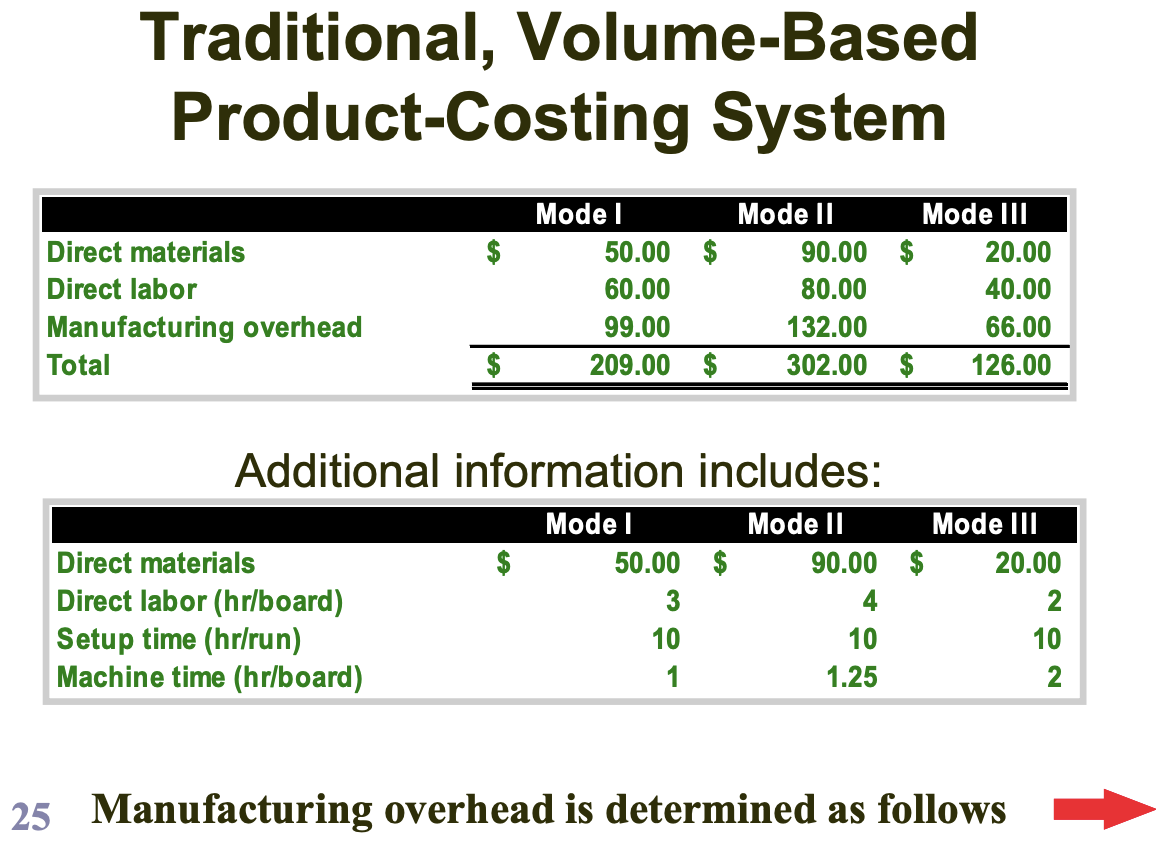
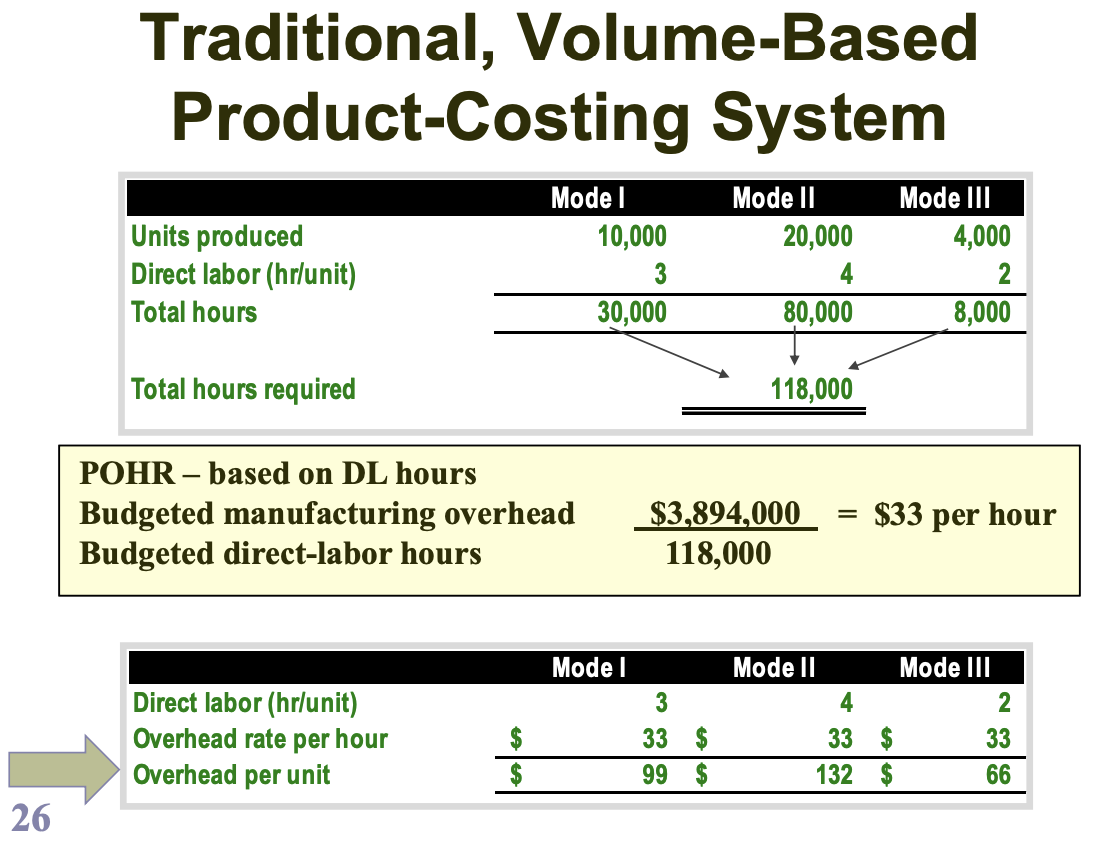
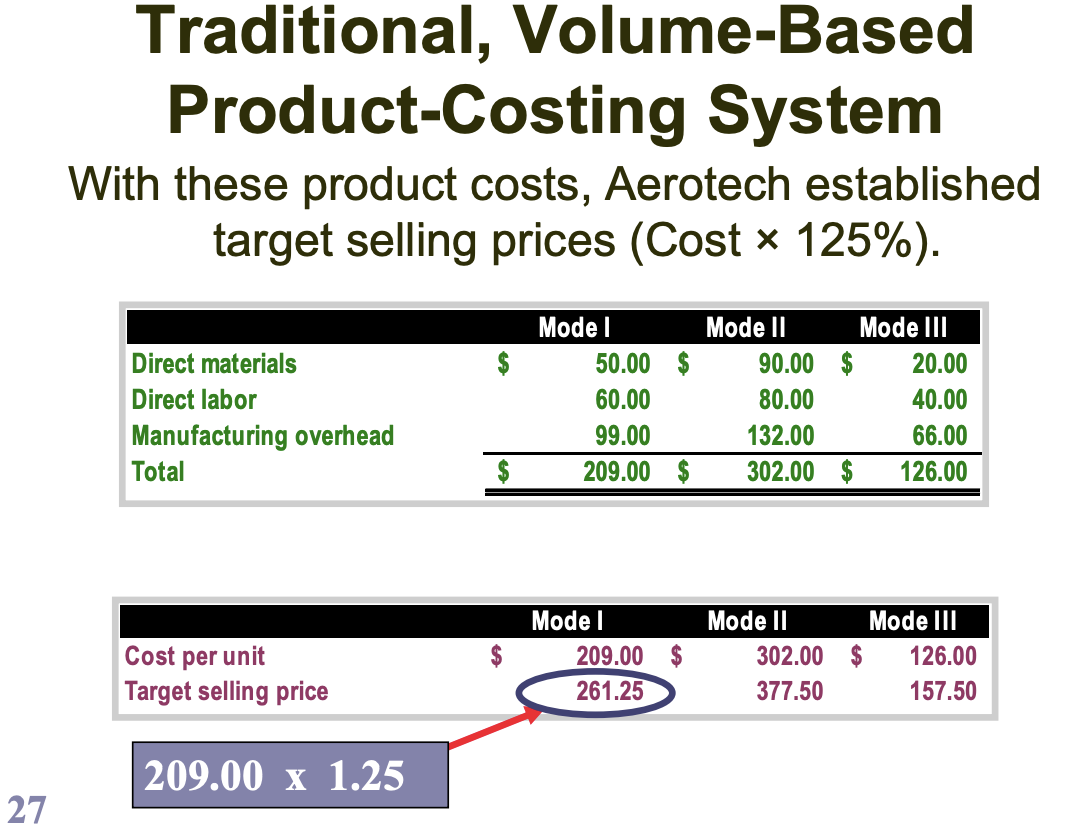
Refer to the Aerotech example used in class. 12. Under the traditional volume-based product-costing system, what would be the per unit cost for Model I if machine time is used as the allocation base? a. $200.56 b. $209.00 c. $302.00 d. $224.53 13. Under the traditional volume-based product-costing system, what would be the per unit cost for Model III if direct materials (in dollars) are used as the allocation base? a. $191.81 b. $317.25 c. $126.00 d. $92.72 14. Under the ABC system, what would be the per unit cost for Model III if direct materials (in dollars) are used as the allocation base of machinery costs? a. $390.85 b. $334.45 c. $344.64 d. $401.04 15. Under the ABC system, what would be the per unit cost for Model III if direct labour hours are used as the allocation bases for all activity cost pools? a. $390.85 b. $334.45 c. $344.64 d. $126.00 16. Under the ABC system, what would be the per unit cost for Model III if machine hours are used as the allocation bases for all activity cost pools? a. $390.85 b. $241.12 c. $344.64 d. $126.00 Traditional, Volume-Based Product-Costing System Aerotech produces three complex printed circuit boards referred to as Mode I, Mode II, and Mode III. The following information is obtained from company records: Traditional, Volume-Based Product-Costing System I Additional information includes: Manufacturing overhead is determined as follows Traditional, Volume-Based Product-Costing System Traditional, Volume-Based Product-Costing System With these product costs, Aerotech established target selling prices (Cost 125% )
Step by Step Solution
There are 3 Steps involved in it

Get step-by-step solutions from verified subject matter experts