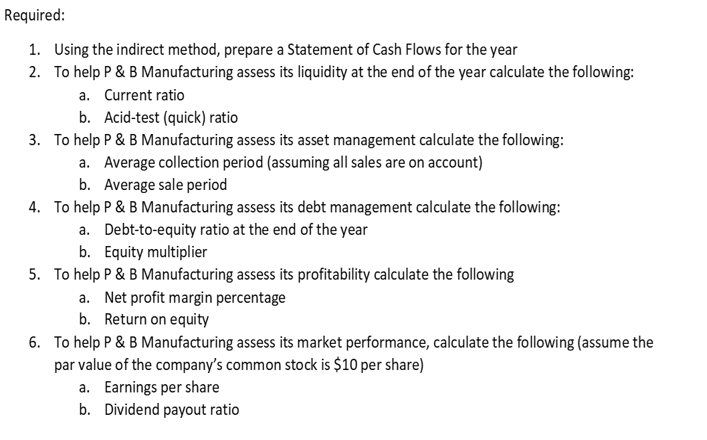
Question: Required: 1. Using the indirect method, prepare a Statement of Cash Flows for the year 2. To help P & B Manufacturing assess its liquidity
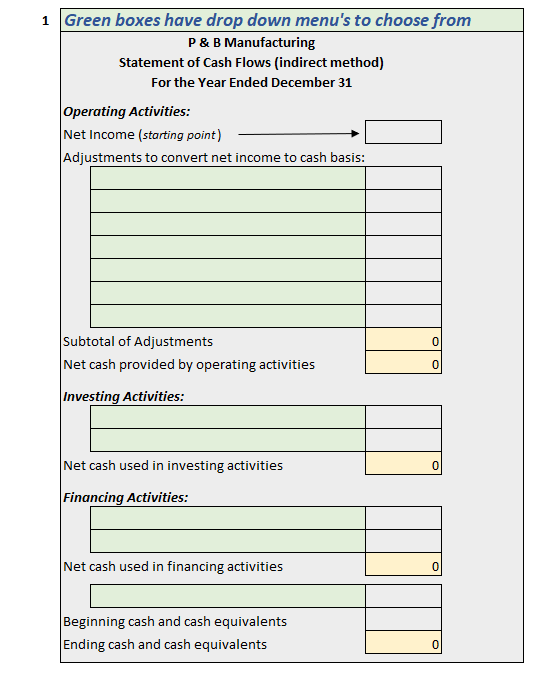
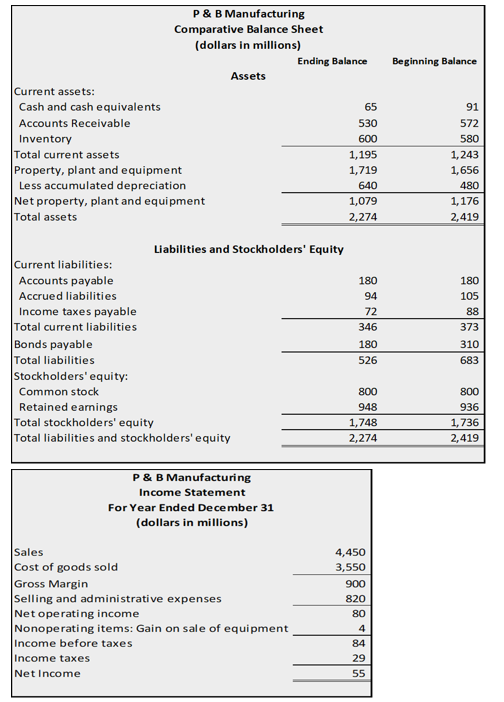
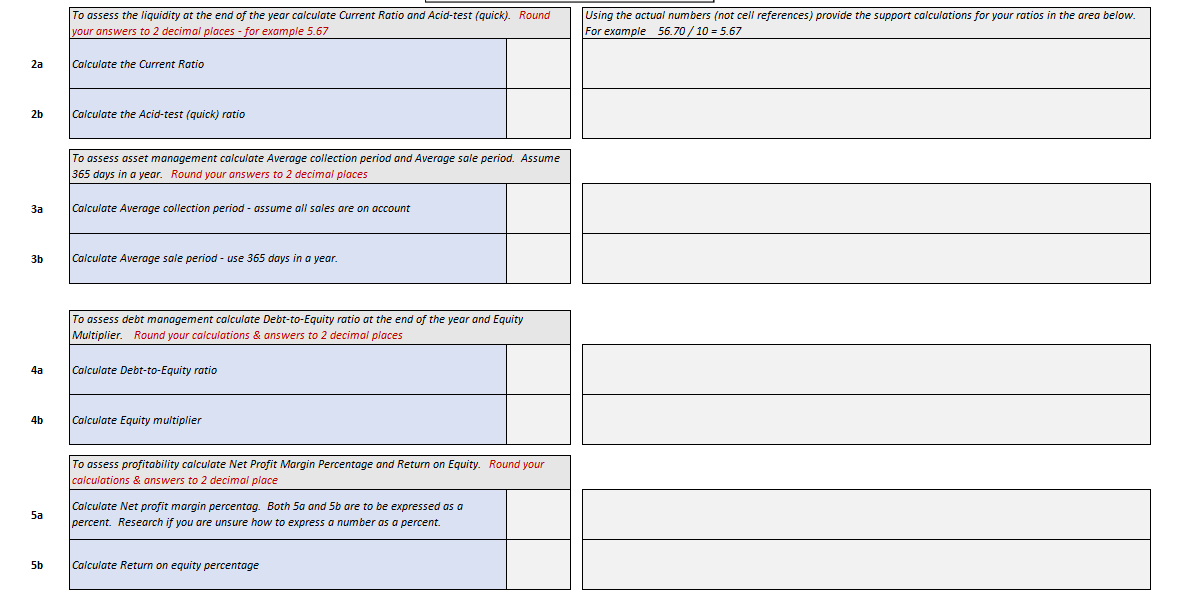
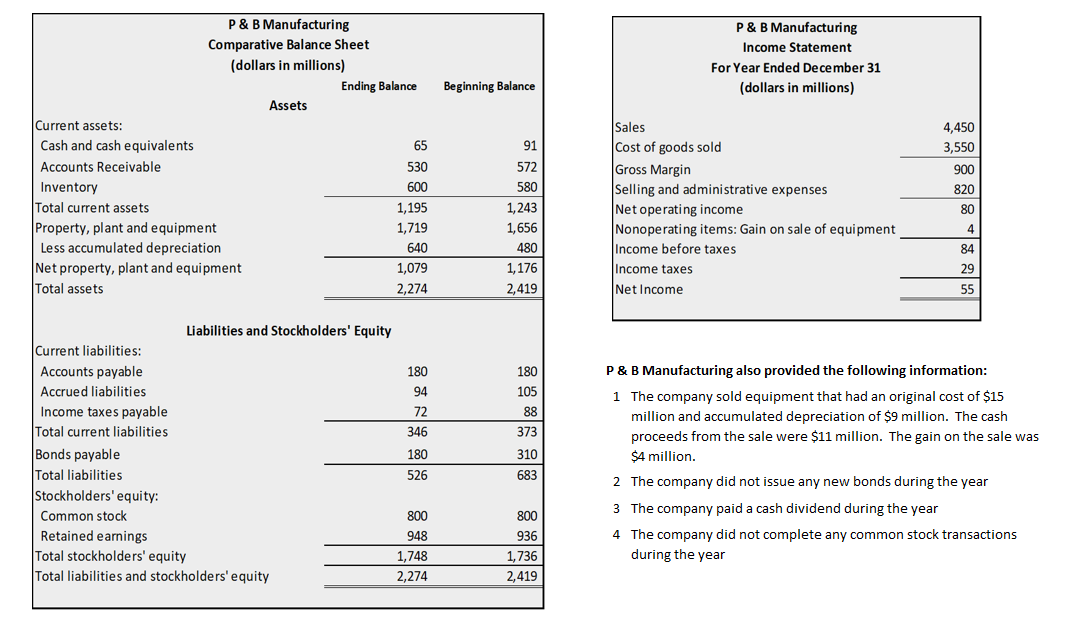
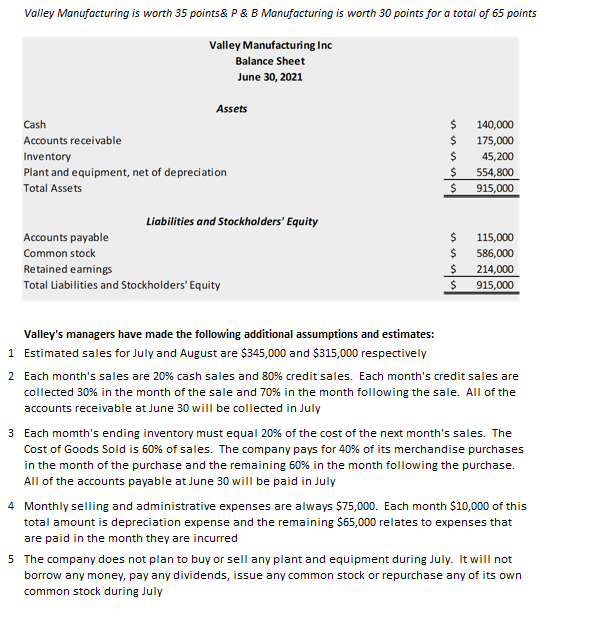
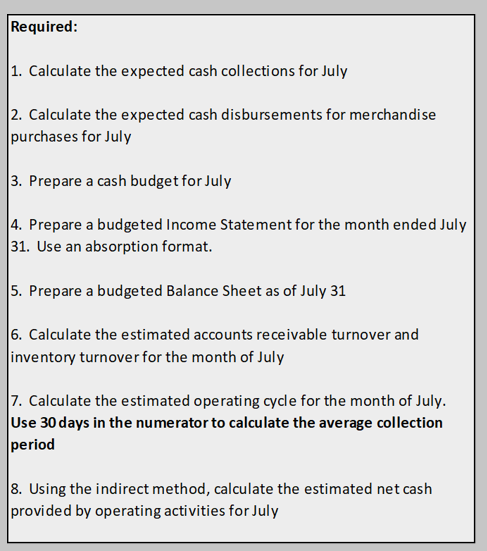
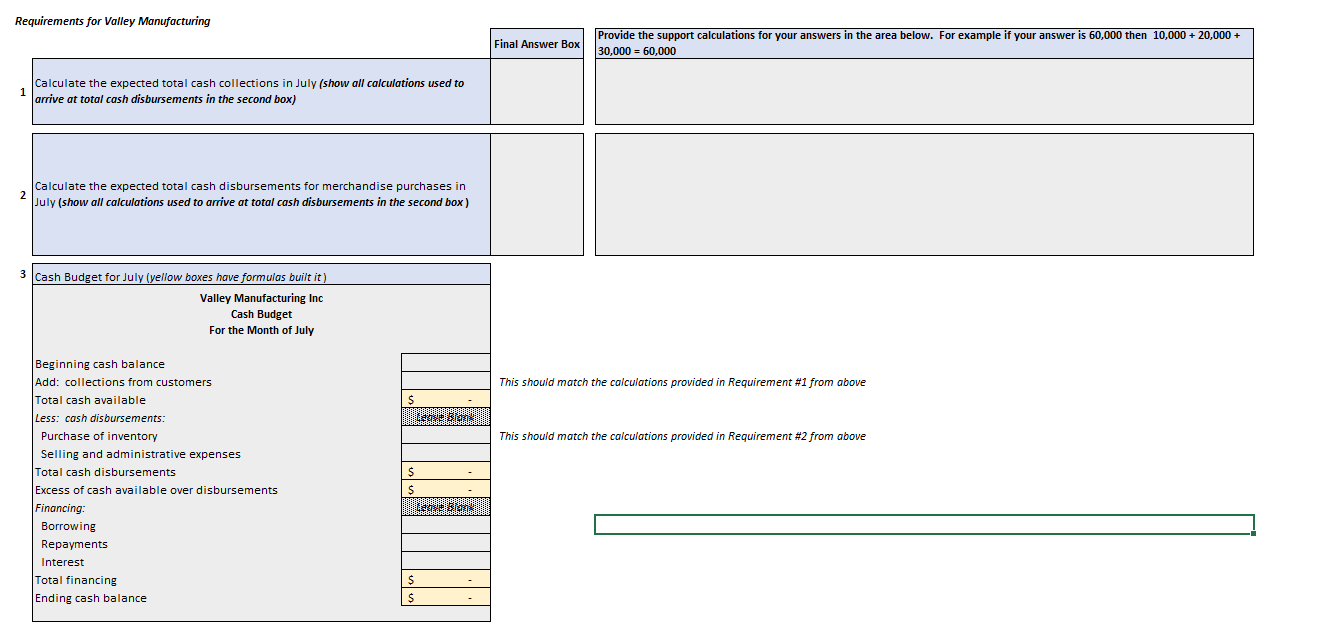
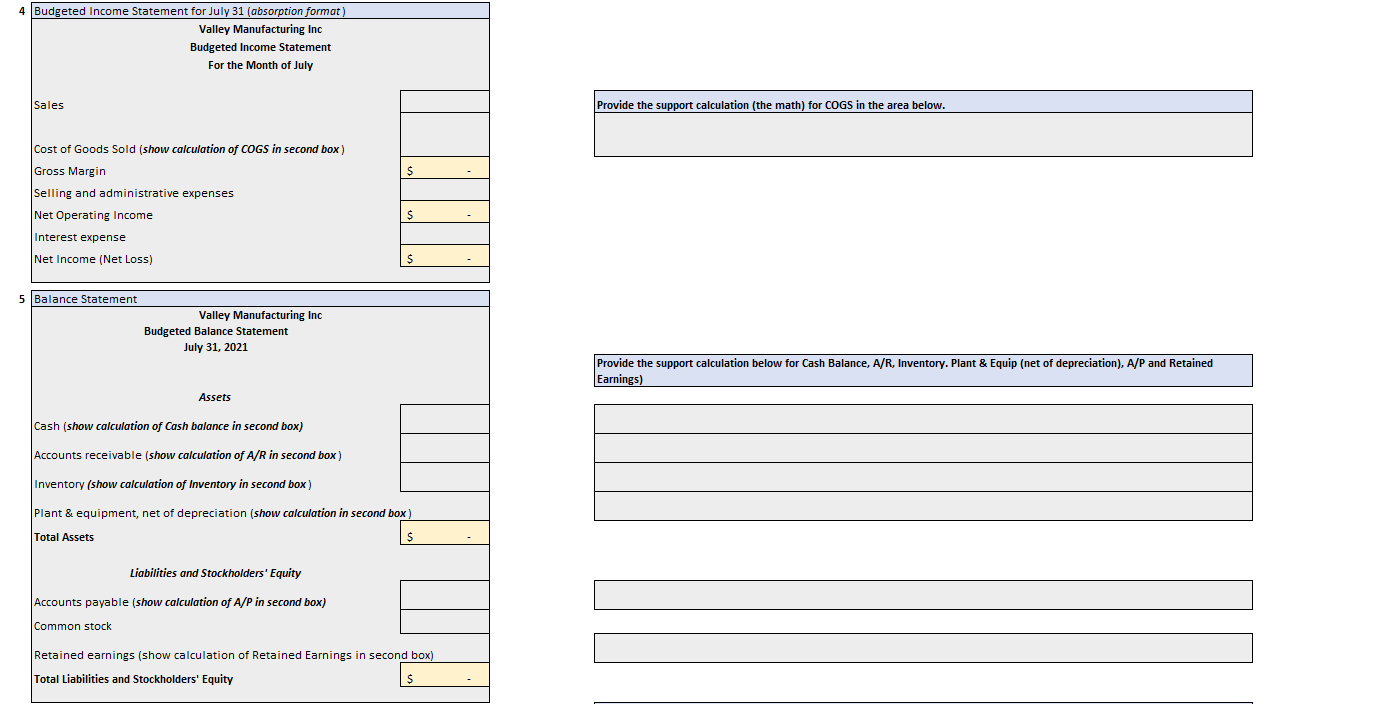
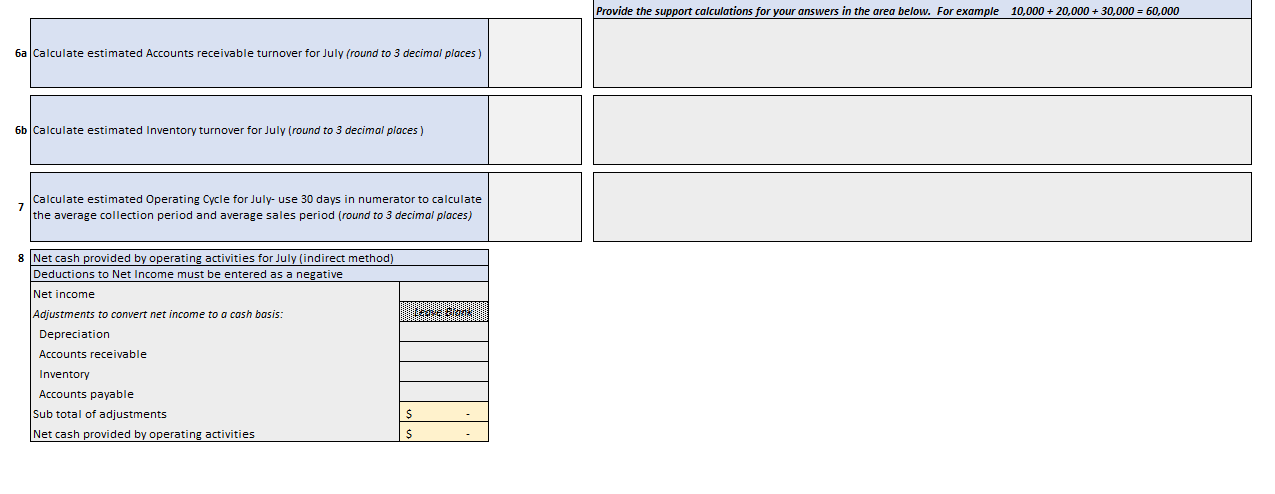
Required: 1. Using the indirect method, prepare a Statement of Cash Flows for the year 2. To help P & B Manufacturing assess its liquidity at the end of the year calculate the following: a. Current ratio b. Acid-test (quick) ratio 3. To help P & B Manufacturing assess its asset management calculate the following: a. Average collection period (assuming all sales are on account) b. Average sale period 4. To help P & B Manufacturing assess its debt management calculate the following: a. Debt-to-equity ratio at the end of the year b. Equity multiplier 5. To help P & B Manufacturing assess its profitability calculate the following a. Net profit margin percentage b. Return on equity 6. To help P & B Manufacturing assess its market performance, calculate the following (assume the par value of the company's common stock is $10 per share) a. Earnings per share b. Dividend payout ratio1 Green boxes have drop down menu's to choose from P & B Manufacturing Statement of Cash Flows (indirect method) For the Year Ended December 31 Operating Activities: Net Income (starting point ) Adjustments to convert net income to cash basis: Subtotal of Adjustments 0 Net cash provided by operating activities 0 Investing Activities: Net cash used in investing activities 0 Financing Activities: Net cash used in financing activities 0 Beginning cash and cash equivalents Ending cash and cash equivalentsP & B Manufacturing Comparative Balance Sheet (dollars in millions) Ending Balance Beginning Balance Assets Current assets: Cash and cash equivalents 65 91 Accounts Receivable 530 572 Inventory 600 580 Total current assets 1,195 1,243 Property, plant and equipment 1,719 1,656 Less accumulated depreciation 640 480 Net property, plant and equipment 1,079 1, 176 Total assets 2,274 2,419 Liabilities and Stockholders' Equity Current liabilities: Accounts payable 180 180 Accrued liabilities 94 105 Income taxes payable 72 88 Total current liabilities 346 373 Bonds payable 180 310 Total liabilities 526 683 Stockholders' equity: Common stock 800 800 Retained earnings 948 936 Total stockholders' equity 1,748 1,736 Total liabilities and stockholders' equity 2,274 2,419 P & B Manufacturing Income Statement For Year Ended December 31 (dollars in millions) Sales 4,450 Cost of goods sold 3,550 Gross Margin 900 Selling and administrative expenses 820 Net operating income 80 Nonoperating items: Gain on sale of equipment 4 Income before taxes 84 Income taxes 29 Net Income 55To assess the liquidity at the end of the year calculate Current Ratio and Acid-test (quick). Round Using the actual numbers (not cell references) provide the support calculations for your ratios in the area below. your answers to 2 decimal places - for example 5.67 For example 56.70 / 10 = 5.67 2a Calculate the Current Ratio 2b Calculate the Acid-test (quick) ratio To assess asset management calculate Average collection period and Average sale period. Assume 365 days in a year. Round your answers to 2 decimal places 3a Calculate Average collection period - assume all sales are on account 3b Calculate Average sale period - use 365 days in a year. To assess debt management calculate Debt-to-Equity ratio at the end of the year and Equity Multiplier. Round your calculations & answers to 2 decimal places 4a Calculate Debt-to-Equity ratio 4b Calculate Equity multiplier To assess profitability calculate Net Profit Margin Percentage and Return on Equity. Round your calculations & answers to 2 decimal place 5a Calculate Net profit margin percentage Both 5a and 50 are to be expressed as a percent. Research if you are unsure how to express a number as a percent. 5b Calculate Return on equity percentageTo assess market performance, calculate Earnings Per Share and Dividend Payout Ratio. Assume the par value of the company's common stock is $10 per share Round your calculations & answers to 2 decimal places 6a Calculate Earnings per share. Express in dollars and cents 6b Calculate Dividend payout ratio - express in a percent. Assume the par value of the company's common stock is $10 per shareP & B Manufacturing P & B Manufacturing Comparative Balance Sheet Income Statement (dollars in millions) For Year Ended December 31 Ending Balance Beginning Balance (dollars in millions) Assets Current assets: Sales 4,450 Cash and cash equivalents 65 91 Cost of goods sold 3,550 Accounts Receivable 530 572 Gross Margin 900 Inventory 500 580 Selling and administrative expenses 820 Total current assets 1,195 1,243 Net operating income 80 Property, plant and equipment 1,719 1,656 Nonoperating items: Gain on sale of equipment 4 Less accumulated depreciation 640 480 Income before taxes 84 Net property, plant and equipment 1,079 1,176 Income taxes 29 Total assets 2,274 2,419 Net Income 55 Liabilities and Stockholders' Equity Current liabilities: Accounts payable 180 180 P & B Manufacturing also provided the following information: Accrued liabilities 94 105 1 The company sold equipment that had an original cost of $15 Income taxes payable 72 88 million and accumulated depreciation of $9 million. The cash Total current liabilities 346 373 proceeds from the sale were $11 million. The gain on the sale was Bonds payable 180 310 $4 million. Total liabilities 526 583 2 The company did not issue any new bonds during the year Stockholders' equity: Common stock BOO 800 3 The company paid a cash dividend during the year Retained earnings 948 936 4 The company did not complete any common stock transactions Total stockholders' equity 1,748 1,736 during the year Total liabilities and stockholders' equity 2,274 2,419Valley Manufacturing is worth 35 points& P & B Manufacturing is worth 30 points for a total of 65 points Valley Manufacturing Inc Balance Sheet June 30, 2021 Assets Cash 140,000 Accounts receivable 175,000 Inventory 45,200 Plant and equipment, net of depreciation 554,800 Total Assets 915,000 Liabilities and Stockholders' Equity Accounts payable 115,000 Common stock 586,000 Retained earnings 214,000 Total Liabilities and Stockholders' Equity 915,000 Valley's managers have made the following additional assumptions and estimates: 1 Estimated sales for July and August are $345,000 and $315,000 respectively 2 Each month's sales are 20% cash sales and 80% credit sales. Each month's credit sales are collected 30%% in the month of the sale and 70%% in the month following the sale. All of the accounts receivable at June 30 will be collected in July 3 Each momth's ending inventory must equal 20%% of the cost of the next month's sales. The Cost of Goods Sold is 60% of sales. The company pays for 40%% of its merchandise purchases in the month of the purchase and the remaining 60% in the month following the purchase. All of the accounts payable at June 30 will be paid in July 4 Monthly selling and administrative expenses are always $75,000. Each month $10,000 of this total amount is depreciation expense and the remaining $65,000 relates to expenses that are paid in the month they are incurred 5 The company does not plan to buy or sell any plant and equipment during July. It will not borrow any money, pay any dividends, issue any common stock or repurchase any of its own common stock during JulyRequired: 1. Calculate the expected cash collections for July 2. Calculate the expected cash disbursements for merchandise purchases for July 3. Prepare a cash budget for July 4. Prepare a budgeted Income Statement for the month ended July 31. Use an absorption format. 5. Prepare a budgeted Balance Sheet as of July 31 6. Calculate the estimated accounts receivable turnover and inventory turnover for the month of July 7. Calculate the estimated operating cycle for the month of July. Use 30 days in the numerator to calculate the average collection period 8. Using the indirect method, calculate the estimated net cash provided by operating activities for JulyRequirements for Valley Manufacturing Provide the support calculations for your answers in the area below. For example if your answer is 60,000 then 10,000 + 20,000 + Final Answer Box 30,000 = 60,000 Calculate the expected total cash collections in July (show all calculations used to [arrive at total cash disbursements in the second box) Calculate the expected total cash disbursements for merchandise purchases in July (show all calculations used to arrive at total cash disbursements in the second box ) 3 Cash Budget for July (yellow boxes have formulas built it ) Valley Manufacturing Inc Cash Budget For the Month of July Beginning cash balance Add: collections from customers This should match the calculations provided in Requirement #1 from above Total cash available 1888088888888888888 Less: cash disbursements: Purchase of inventory This should match the calculations provided in Requirement #2 from above Selling and administrative expenses Total cash disbursements Excess of cash available over disbursements Financing: Borrowing Repayments Interest Total financing S Ending cash balance4 Budgeted Income Statement for July 31 (absorption format ) Valley Manufacturing Inc Budgeted Income Statement For the Month of July Sales Provide the support calculation (the math) for COGS in the area below. Cost of Goods Sold (show calculation of COGS in second box ) Gross Mar S Selling and administrative expenses Net Operating Income S Interest expense Net Income (Net Loss) Balance Statement Valley Manufacturing Inc Budgeted Balance Statement July 31, 2021 Provide the support calculation below for Cash Balance, A/R, Inventory. Plant & Equip (net of depreciation), A/P and Retained Earnings) Assets Cash (show calculation of Cash balance in second box) Accounts receivable (show calculation of A/R in second box ) Inventory (show calculation of Inventory in second box ) Plant & equipment, net of depreciation (show calculation in second box ) Total Assets Liabilities and Stockholders' Equity Accounts payable (show calculation of A/P in second box) Common stock Retained earnings (show calculation of Retained Earnings in second box) Total Liabilities and Stockholders' EquityProvide the support calculations for your answers in the area below. For example 10,000 + 20,000 + 30,000 = 60,000 6a Calculate estimated Accounts receivable turnover for July (round to 3 decimal places ) 6b Calculate estimated Inventory turnover for July (round to 3 decimal places ) Calculate estimated Operating Cycle for July- use 30 days in numerator to calculate the average collection period and average sales period (round to 3 decimal places) 8 Net cash provided by operating activities for July (indirect method) Deductions to Net Income must be entered as a negative Net income Adjustments to convert net income to a cash basis: Depreciation Accounts receivable Inventory Accounts payable Sub total of adjustments $ Net cash provided by operating activities in
Step by Step Solution
There are 3 Steps involved in it
1 Expert Approved Answer
Step: 1 Unlock
Question Has Been Solved by an Expert!
Get step-by-step solutions from verified subject matter experts
Step: 2 Unlock
Step: 3 Unlock
Students Have Also Explored These Related Finance Questions!










 Study Help