Question: Rewrite the attached for me please as a human this to avoid AI detection ( from the one attached) , do in the same outline
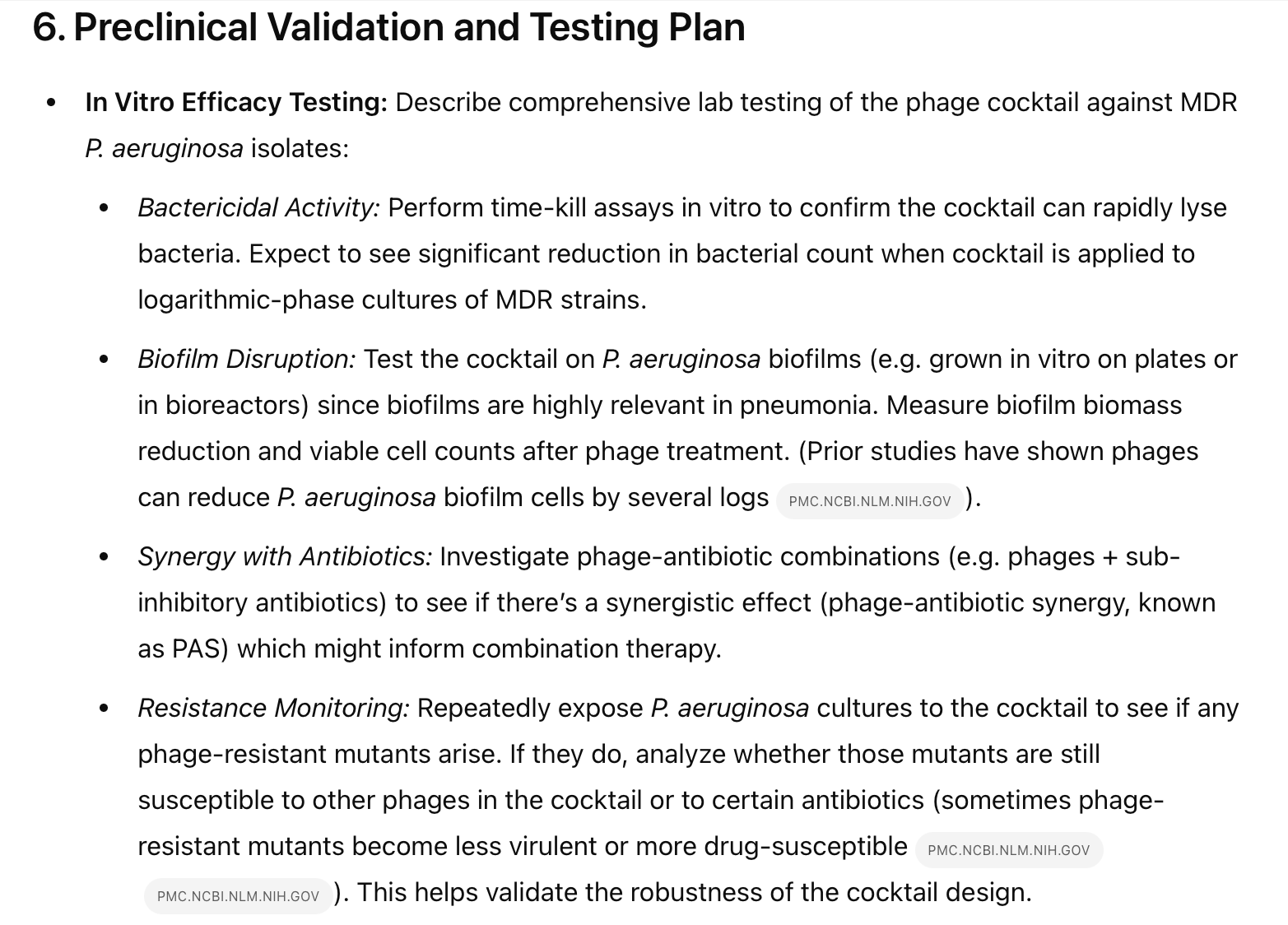
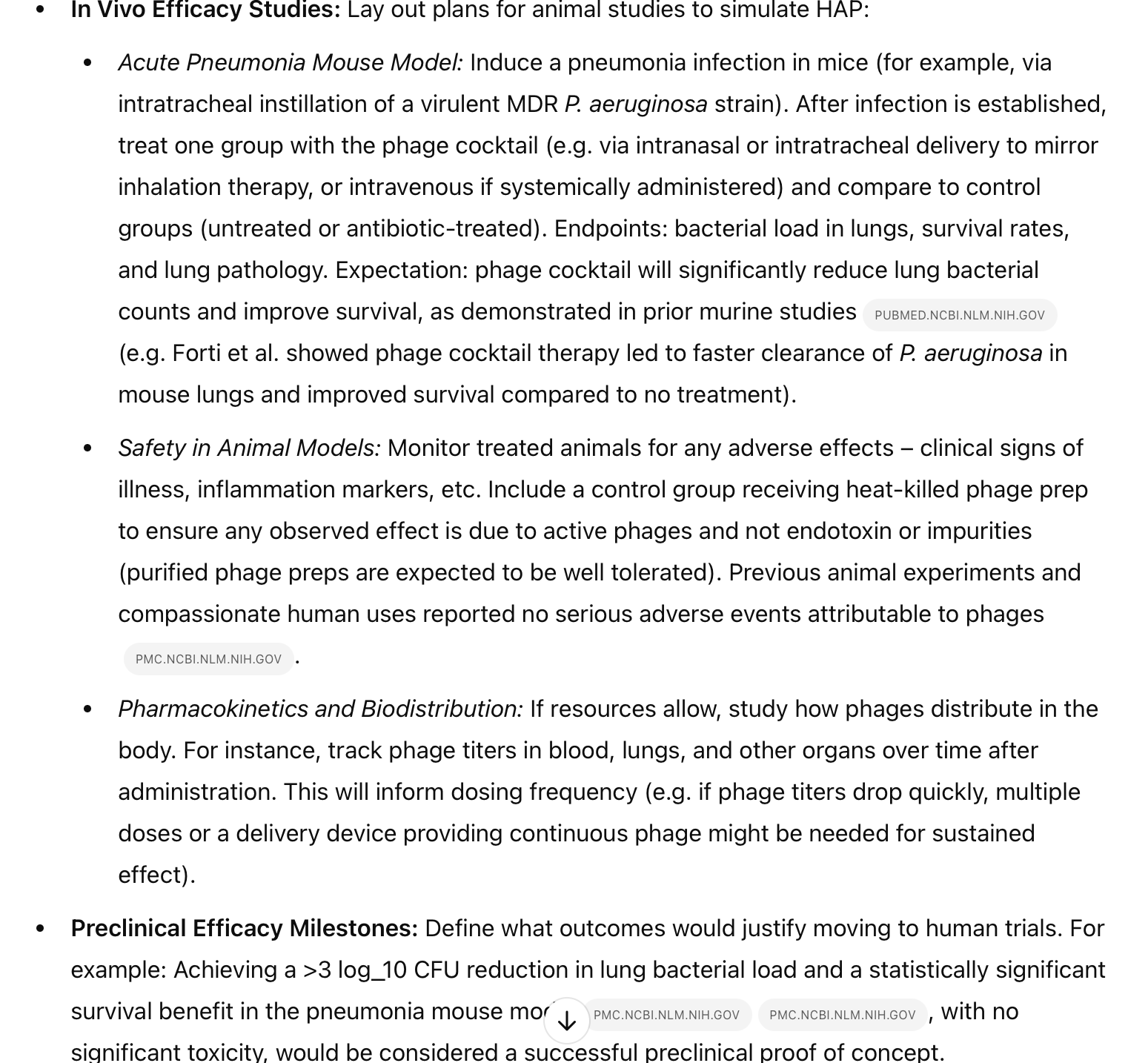
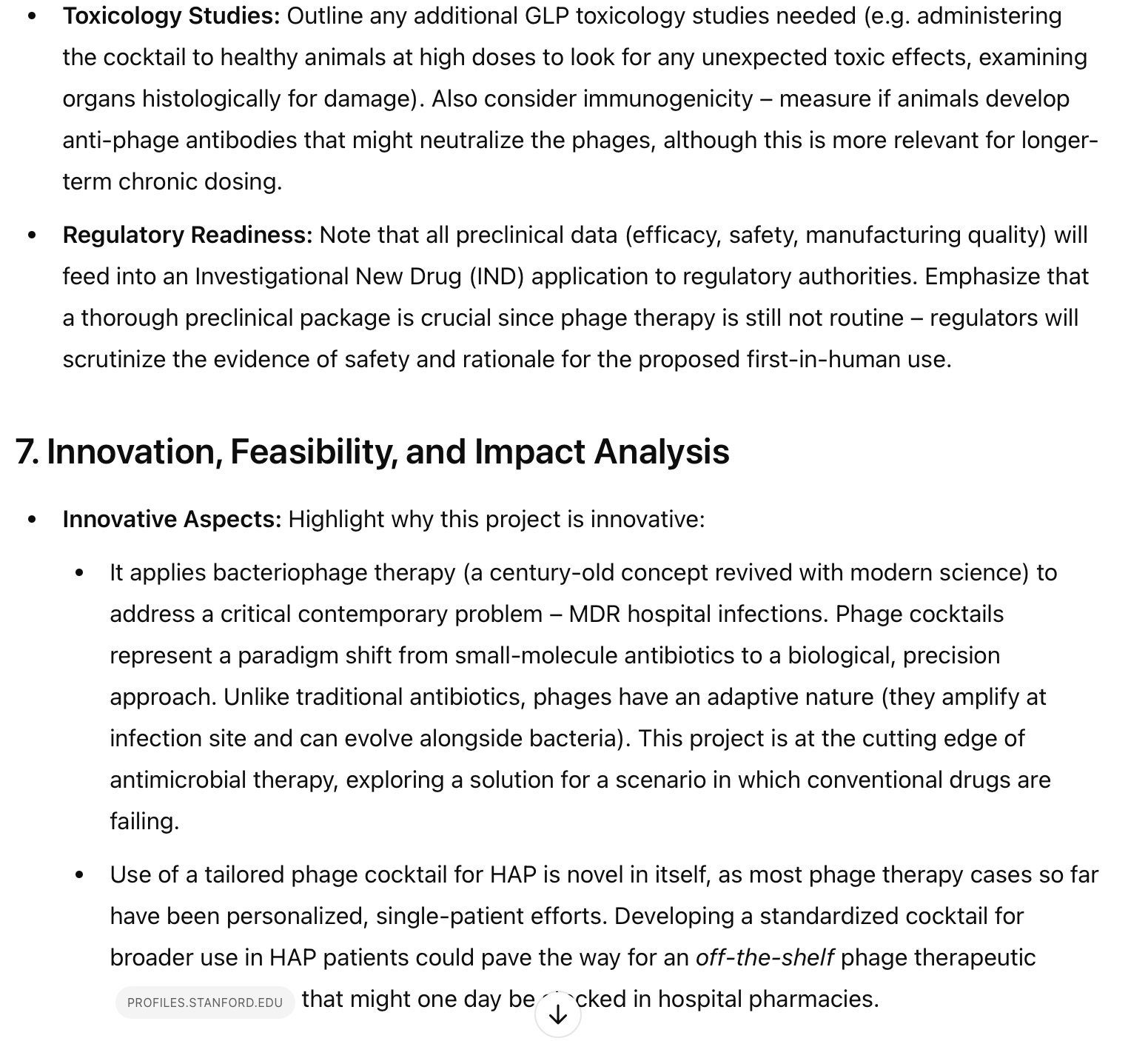
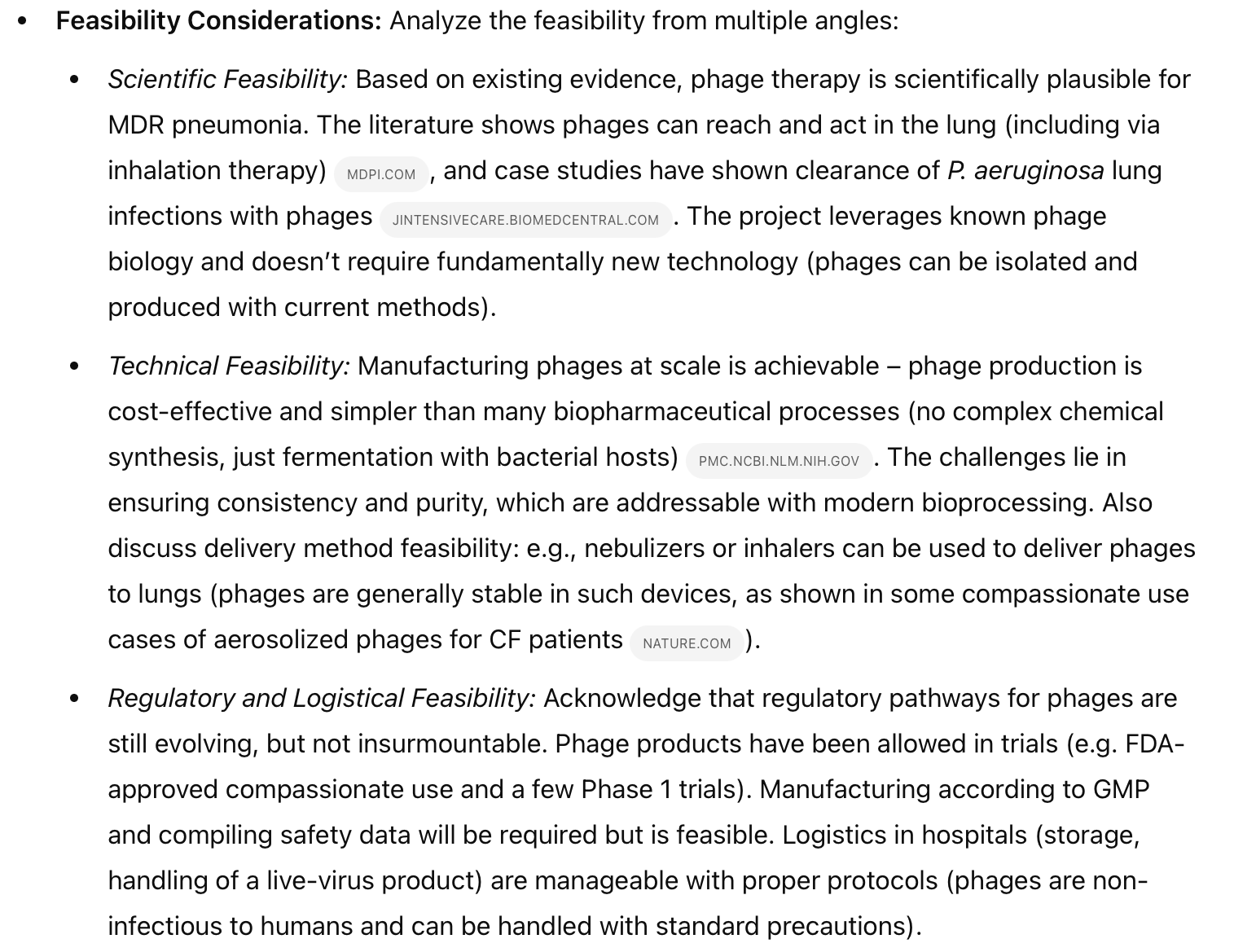
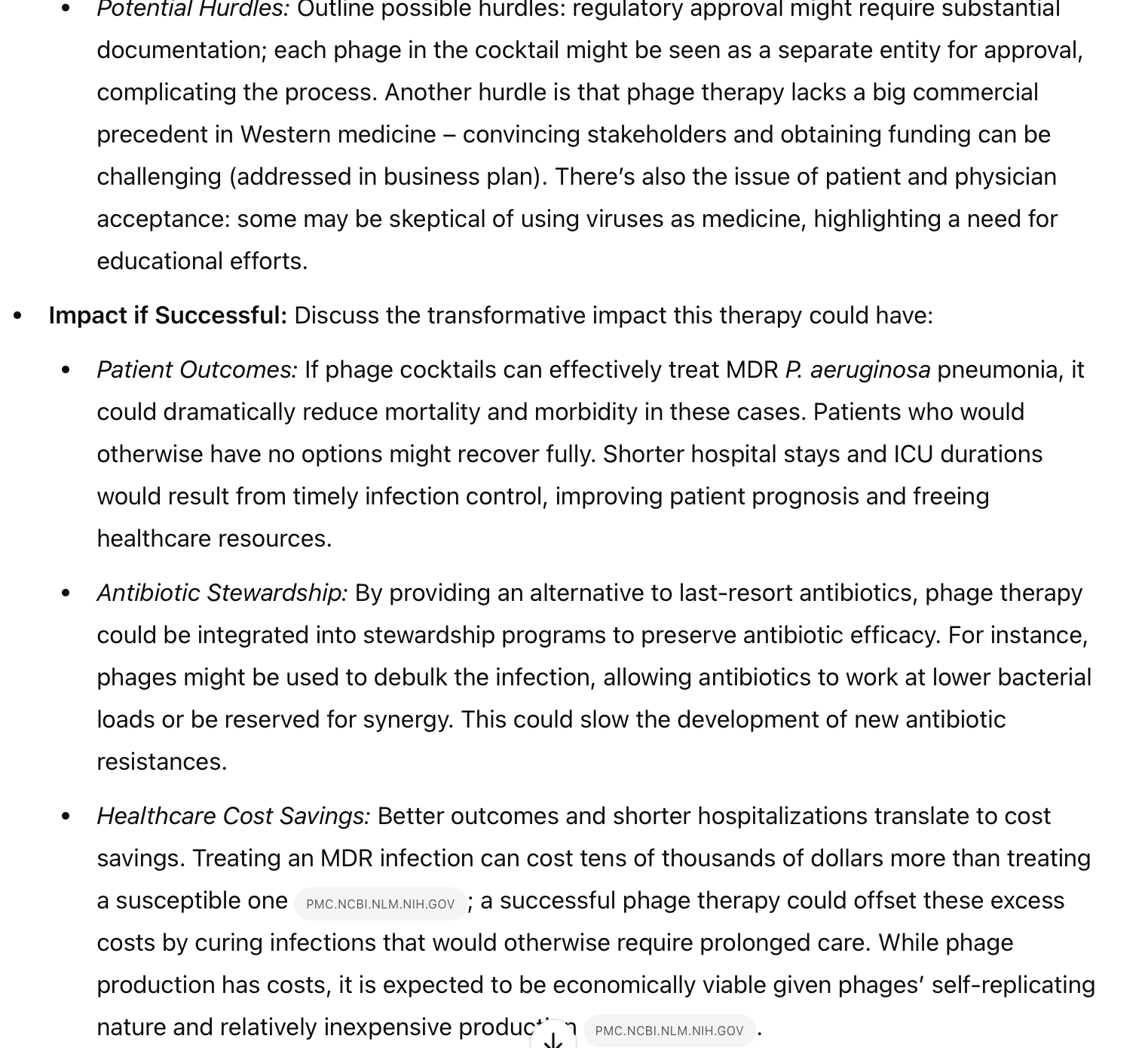
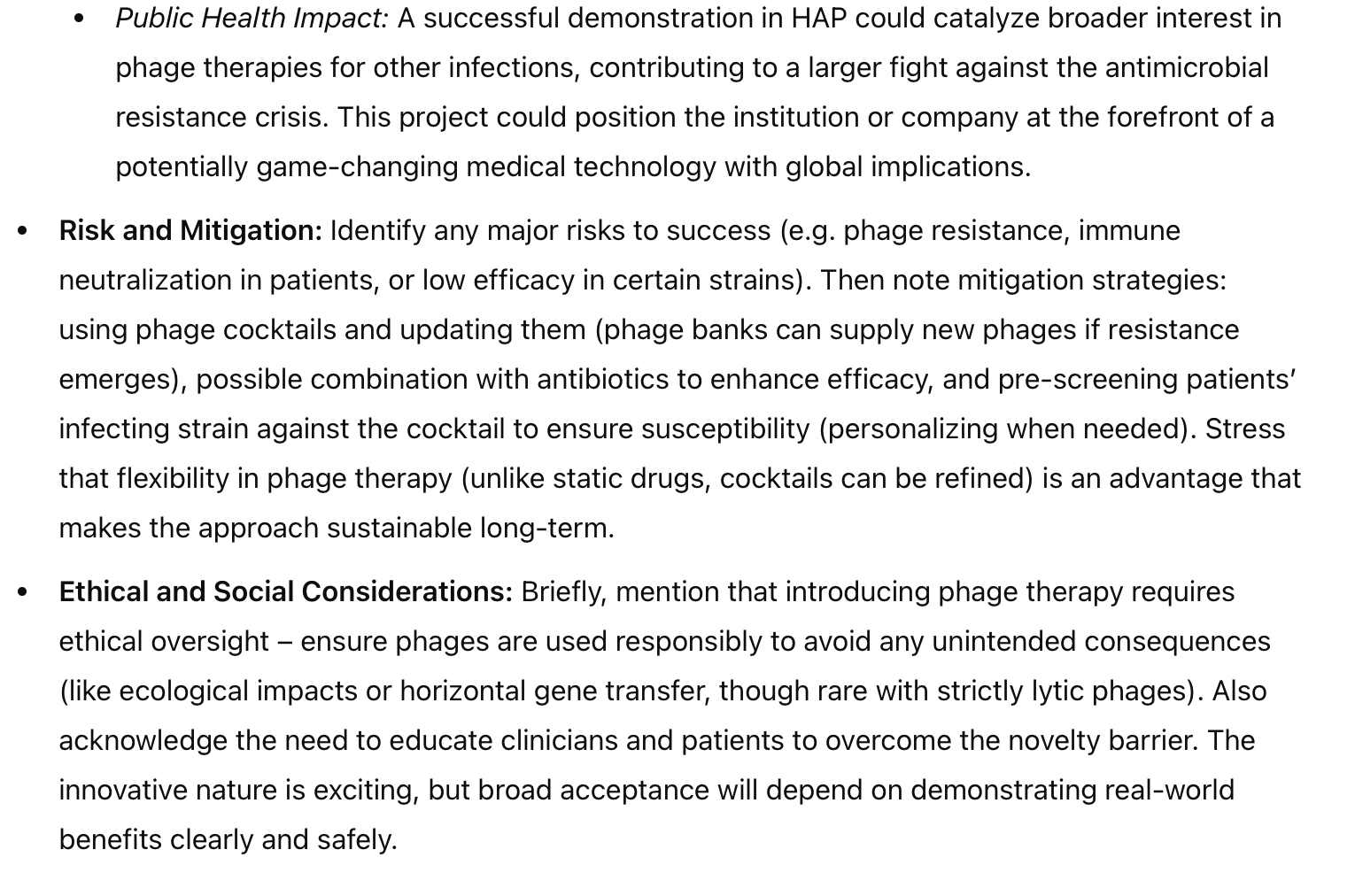
Rewrite the attached for me please as a human this to avoid AI detection ( from the one attached) , do in the same outline format given ( BUT MAKE IT more concise if you can ) do not worry about the other part of the outline ONLY WORK ON this part exactly give , please do not add any extra information, it is a small part of OUTLINE for my final project
6. Preclinical Validation and Testing Plan . In Vitro Efficacy Testing: Describe comprehensive lab testing of the phage cocktail against MDR P. aeruginosa isolates: . Bactericidal Activity: Perform time-kill assays in vitro to confirm the cocktail can rapidly lyse bacteria. Expect to see significant reduction in bacterial count when cocktail is applied to logarithmic-phase cultures of MDR strains. . Biofilm Disruption: Test the cocktail on P. aeruginosa biofilms (e.g. grown in vitro on plates or in bioreactors) since biofilms are highly relevant in pneumonia. Measure biofilm biomass reduction and viable cell counts after phage treatment. (Prior studies have shown phages can reduce P. aeruginosa biofilm cells by several logs PMC.NCBI.NLM.NIH.GOV ). . Synergy with Antibiotics: Investigate phage-antibiotic combinations (e.g. phages + sub- inhibitory antibiotics) to see if there's a synergistic effect (phage-antibiotic synergy, known as PAS) which might inform combination therapy. . Resistance Monitoring: Repeatedly expose P. aeruginosa cultures to the cocktail to see if any phage-resistant mutants arise. If they do, analyze whether those mutants are still susceptible to other phages in the cocktail or to certain antibiotics (sometimes phage- resistant mutants become less virulent or more drug-susceptible PMC.NCBI.NLM.NIH.GOV PMC.NCBI.NLM.NIH.GOV ). This helps validate the robustness of the cocktail design.In Vivo Efficacy Studies: Lay out plans for animal studies to simulate HAP: . Acute Pneumonia Mouse Model: Induce a pneumonia infection in mice (for example, via intratracheal instillation of a virulent MDR P. aeruginosa strain). After infection is established, treat one group with the phage cocktail (e.g. via intranasal or intratracheal delivery to mirror inhalation therapy, or intravenous if systemically administered) and compare to control groups (untreated or antibiotic-treated). Endpoints: bacterial load in lungs, survival rates, and lung pathology. Expectation: phage cocktail will significantly reduce lung bacterial counts and improve survival, as demonstrated in prior murine studies PUBMED.NCBI.NLM.NIH.GOV (e.g. Forti et al. showed phage cocktail therapy led to faster clearance of P. aeruginosa in mouse lungs and improved survival compared to no treatment). . Safety in Animal Models: Monitor treated animals for any adverse effects - clinical signs of illness, inflammation markers, etc. Include a control group receiving heat-killed phage prep to ensure any observed effect is due to active phages and not endotoxin or impurities (purified phage preps are expected to be well tolerated). Previous animal experiments and compassionate human uses reported no serious adverse events attributable to phages PMC.NCBI.NLM.NIH.GOV . Pharmacokinetics and Biodistribution: If resources allow, study how phages distribute in the body. For instance, track phage titers in blood, lungs, and other organs over time after administration. This will inform dosing frequency (e.g. if phage titers drop quickly, multiple doses or a delivery device providing continuous phage might be needed for sustained effect). Preclinical Efficacy Milestones: Define what outcomes would justify moving to human trials. For example: Achieving a >3 log_10 CFU reduction in lung bacterial load and a statistically significant survival benefit in the pneumonia mouse mor , PMC.NCBI.NLM.NIH.GOV PMC.NCBI.NLM.NIH.GOV , with no significant toxicity, would be considered a successful preclinical proof of concept.* Toxicology Studies: Outline any additional GLP toxicology studies needed (e.g. administering the cocktail to healthy animals at high doses to look for any unexpected toxic effects, examining organs histologically for damage). Also consider immunogenicity measure if animals develop anti-phage antibodies that might neutralize the phages, although this is more relevant for longer- term chronic dosing. Regulatory Readiness: Note that all preclinical data (efficacy, safety, manufacturing quality) will feed into an Investigational New Drug (IND) application to regulatory authorities. Emphasize that a thorough preclinical package is crucial since phage therapy is still not routine regulators will scrutinize the evidence of safety and rationale for the proposed first-in-human use. 7. Innovation, Feasibility, and Impact Analysis Innovative Aspects: Highlight why this project is innovative: e |t applies bacteriophage therapy (a century-old concept revived with modern science) to address a critical contemporary problem MDR hospital infections. Phage cocktails represent a paradigm shift from small-molecule antibiotics to a biological, precision approach. Unlike traditional antibiotics, phages have an adaptive nature (they amplify at infection site and can evolve alongside bacteria). This project is at the cutting edge of antimicrobial therapy, exploring a solution for a scenario in which conventional drugs are failing. Use of a tailored phage cocktail for HAP is novel in itself, as most phage therapy cases so far have been personalized, single-patient efforts. Developing a standardized cocktail for broader use in HAP patients could pave the way for an off-the-shelf phage therapeutic prorites.stanrorp.enu that might one day be - , ~cked in hospital pharmacies. v * Feasibility Considerations: Analyze the feasibility from multiple angles: Scientific Feasibility: Based on existing evidence, phage therapy is scientifically plausible for MDR pneumonia. The literature shows phages can reach and act in the lung (including via inhalation therapy) wor.cow , and case studies have shown clearance of P. aeruginosa lung infections with phages uintensivecare.siomeocentraL.com . The project leverages known phage biology and doesn't require fundamentally new technology (phages can be isolated and produced with current methods). Technical Feasibility: Manufacturing phages at scale is achievable phage production is cost-effective and simpler than many biopharmaceutical processes (no complex chemical synthesis, just fermentation with bacterial hosts) euc.vceinu.nincov . The challenges lie in ensuring consistency and purity, which are addressable with modern bioprocessing. Also discuss delivery method feasibility: e.g., nebulizers or inhalers can be used to deliver phages to lungs (phages are generally stable in such devices, as shown in some compassionate use cases of aerosolized phages for CF patients nature.com ). Regulatory and Logistical Feasibility: Acknowledge that regulatory pathways for phages are still evolving, but not insurmountable. Phage products have been allowed in trials (e.g. FDA- approved compassionate use and a few Phase 1 trials). Manufacturing according to GMP and compiling safety data will be required but is feasible. Logistics in hospitals (storage, handling of a live-virus product) are manageable with proper protocols (phages are non- infectious to humans and can be handled with standard precautions). Potential Hurdles: Outline possible hurdles: regulatory approval might require substantial documentation; each phage in the cocktail might be seen as a separate entity for approval, complicating the process. Another hurdle is that phage therapy lacks a big commercial precedent in Western medicine convincing stakeholders and obtaining funding can be challenging (addressed in business plan). There's also the issue of patient and physician acceptance: some may be skeptical of using viruses as medicine, highlighting a need for educational efforts. Impact if Successful: Discuss the transformative impact this therapy could have: Patient Outcomes: If phage cocktails can effectively treat MDR P. aeruginosa pneumonia, it could dramatically reduce mortality and morbidity in these cases. Patients who would otherwise have no options might recover fully. Shorter hospital stays and ICU durations would result from timely infection control, improving patient prognosis and freeing healthcare resources. Antibiotic Stewardship: By providing an alternative to last-resort antibiotics, phage therapy could be integrated into stewardship programs to preserve antibiotic efficacy. For instance, phages might be used to debulk the infection, allowing antibiotics to work at lower bacterial loads or be reserved for synergy. This could slow the development of new antibiotic resistances. Healthcare Cost Savings: Better outcomes and shorter hospitalizations translate to cost savings. Treating an MDR infection can cost tens of thousands of dollars more than treating a susceptible one pwcncei.nmnincov ; a SUCCessful phage therapy could offset these excess costs by curing infections that would otherwise require prolonged care. While phage production has costs, it is expected to be economically viable given phages' self-replicating nature and relatively inexpensive produc' \"| PMC.NCBILNLM.NIH.GOV . e Public Health Impact: A successful demonstration in HAP could catalyze broader interest in phage therapies for other infections, contributing to a larger fight against the antimicrobial resistance crisis. This project could position the institution or company at the forefront of a potentially game-changing medical technology with global implications. Risk and Mitigation: Identify any major risks to success (e.g. phage resistance, immune neutralization in patients, or low efficacy in certain strains). Then note mitigation strategies: using phage cocktails and updating them (phage banks can supply new phages if resistance emerges), possible combination with antibiotics to enhance efficacy, and pre-screening patients' infecting strain against the cocktail to ensure susceptibility (personalizing when needed). Stress that flexibility in phage therapy (unlike static drugs, cocktails can be refined) is an advantage that makes the approach sustainable long-term. Ethical and Social Considerations: Briefly, mention that introducing phage therapy requires ethical oversight ensure phages are used responsibly to avoid any unintended consequences (like ecological impacts or horizontal gene transfer, though rare with strictly lytic phages). Also acknowledge the need to educate clinicians and patients to overcome the novelty barrier. The innovative nature is exciting, but broad acceptance will depend on demonstrating real-world benefits clearly and safely
Step by Step Solution
There are 3 Steps involved in it
1 Expert Approved Answer
Step: 1 Unlock
Question Has Been Solved by an Expert!
Get step-by-step solutions from verified subject matter experts
Step: 2 Unlock
Step: 3 Unlock
Students Have Also Explored These Related Accounting Questions!









 Study Help