







Question: Select from the drop-down menus to identify the secant line and the tangent line at x = 2 for the graph of the function shown.
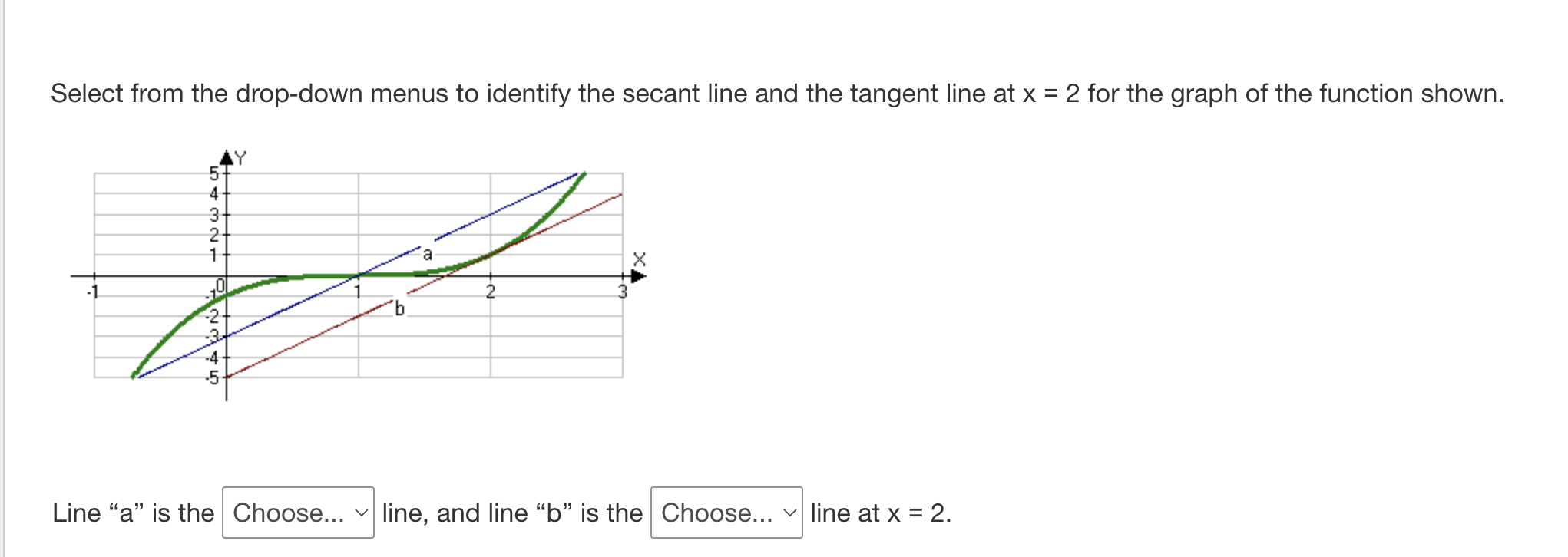
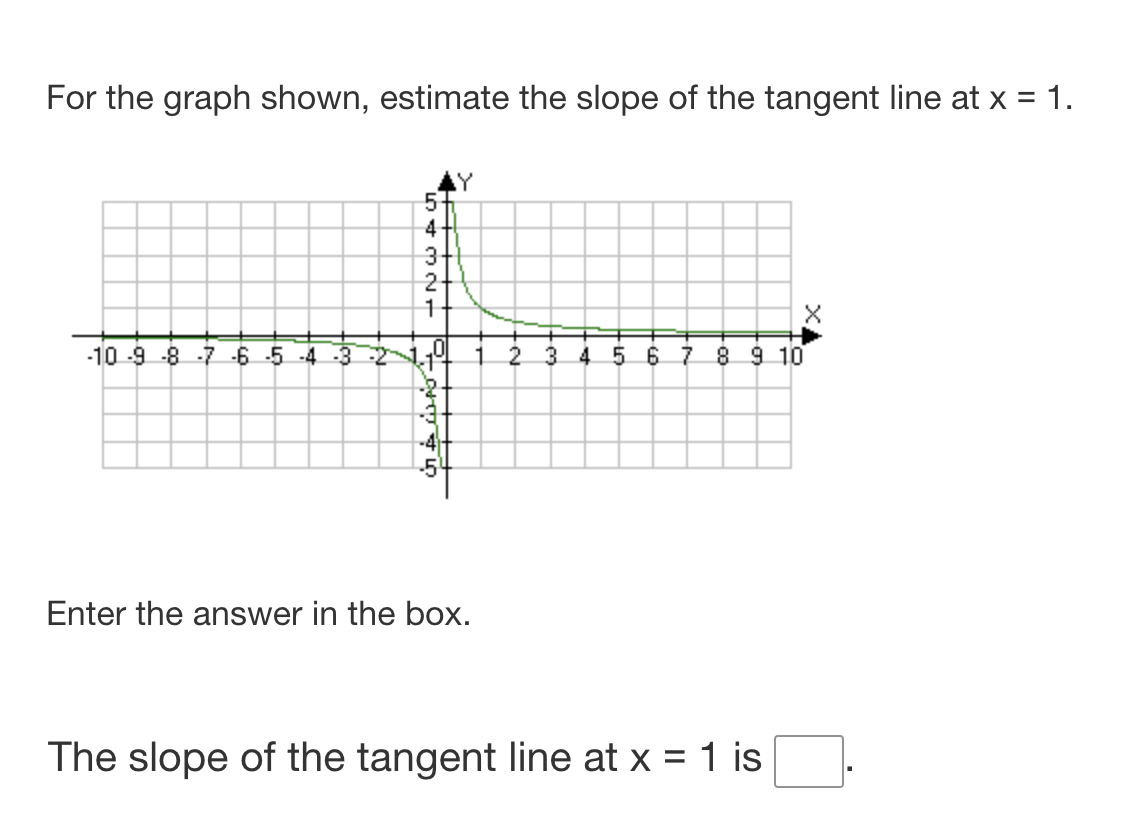
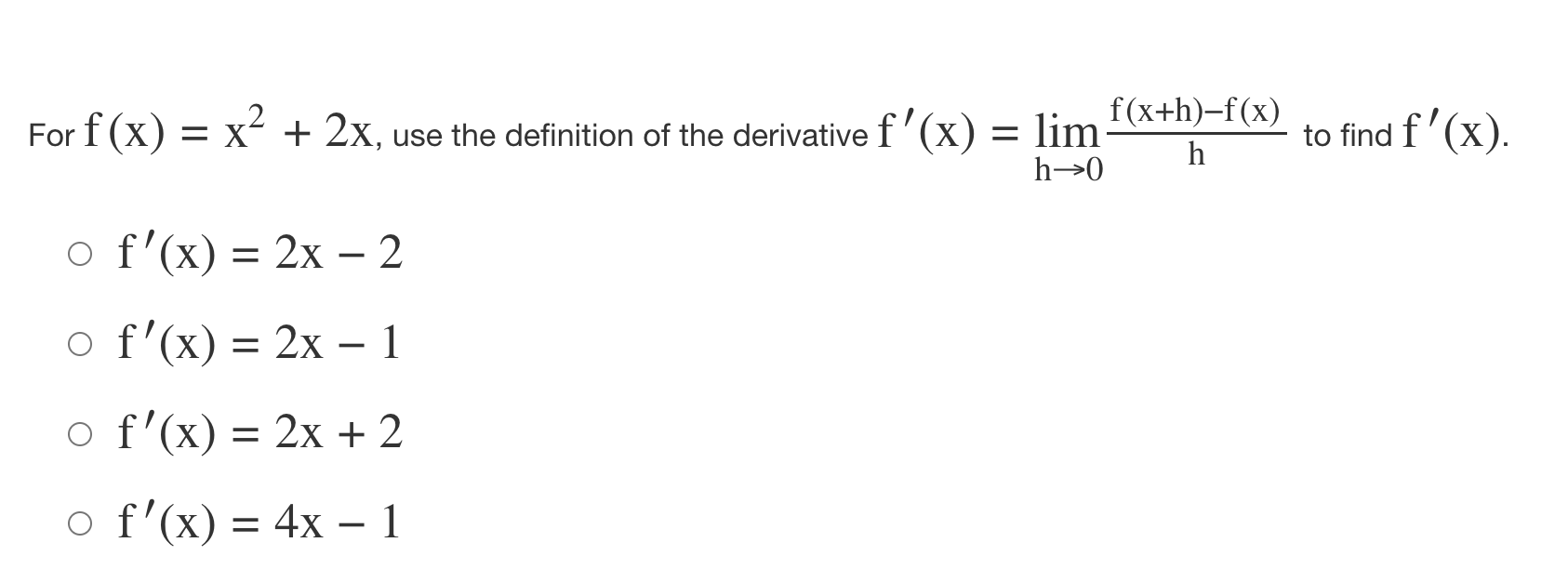
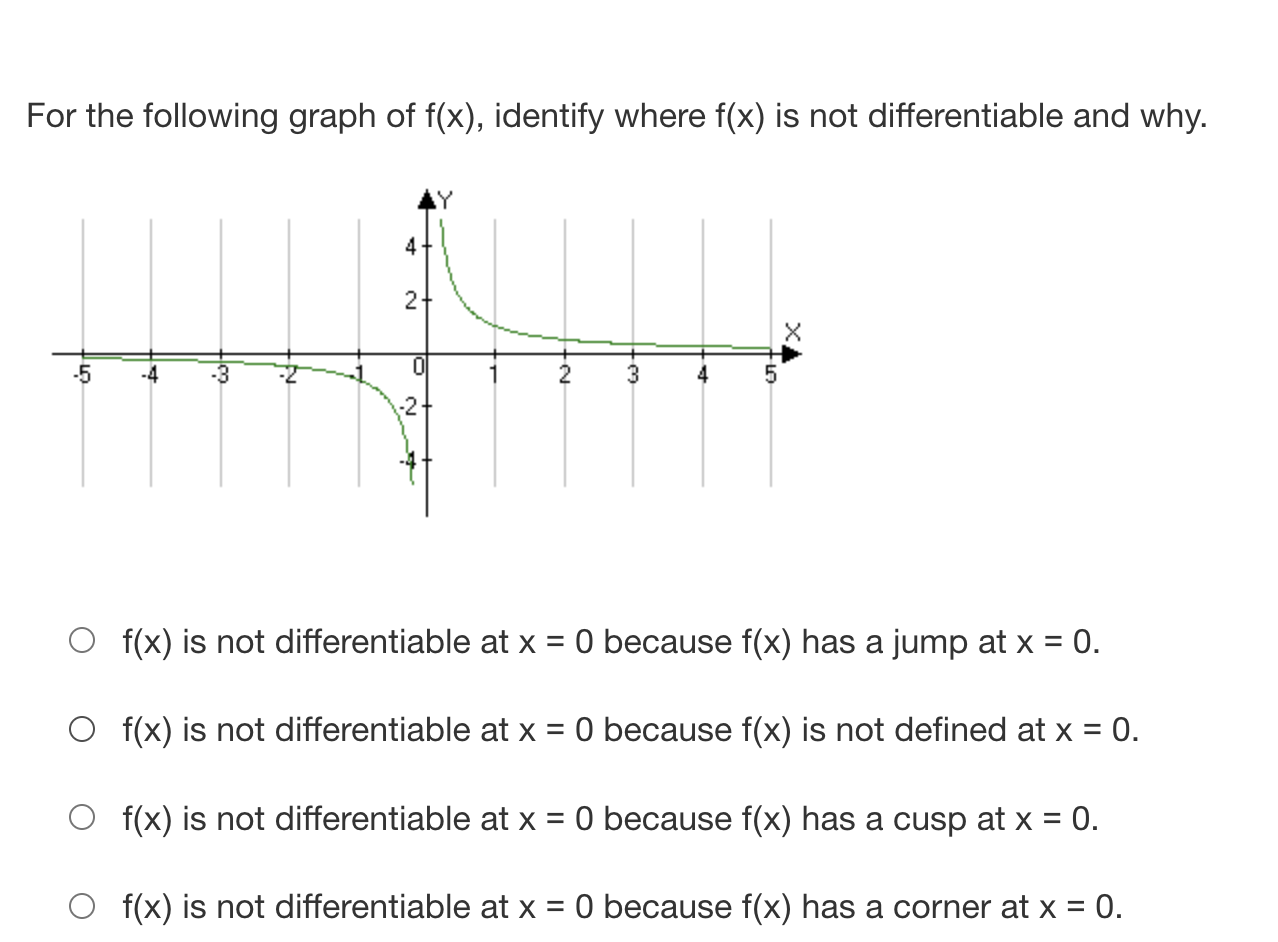
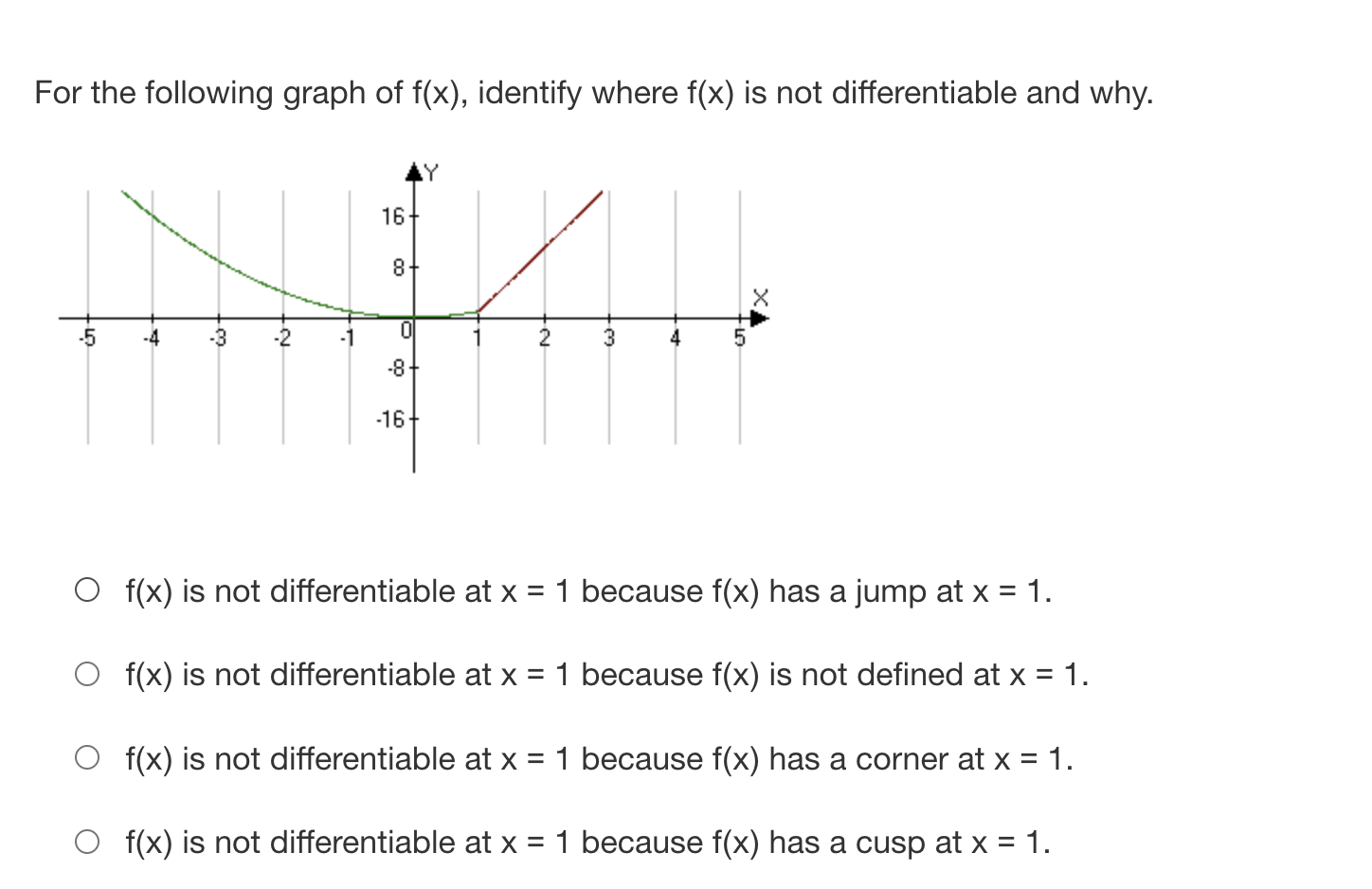
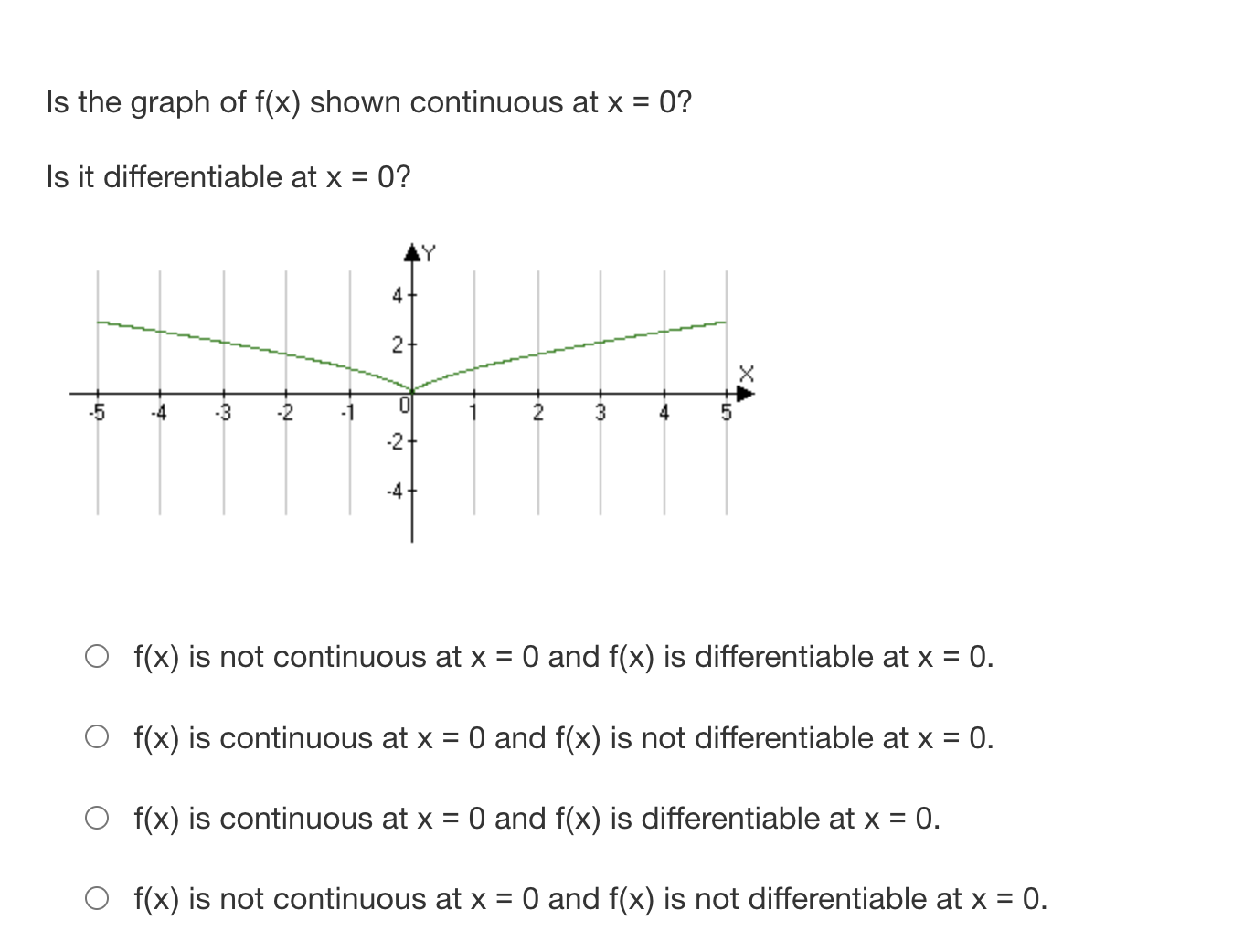
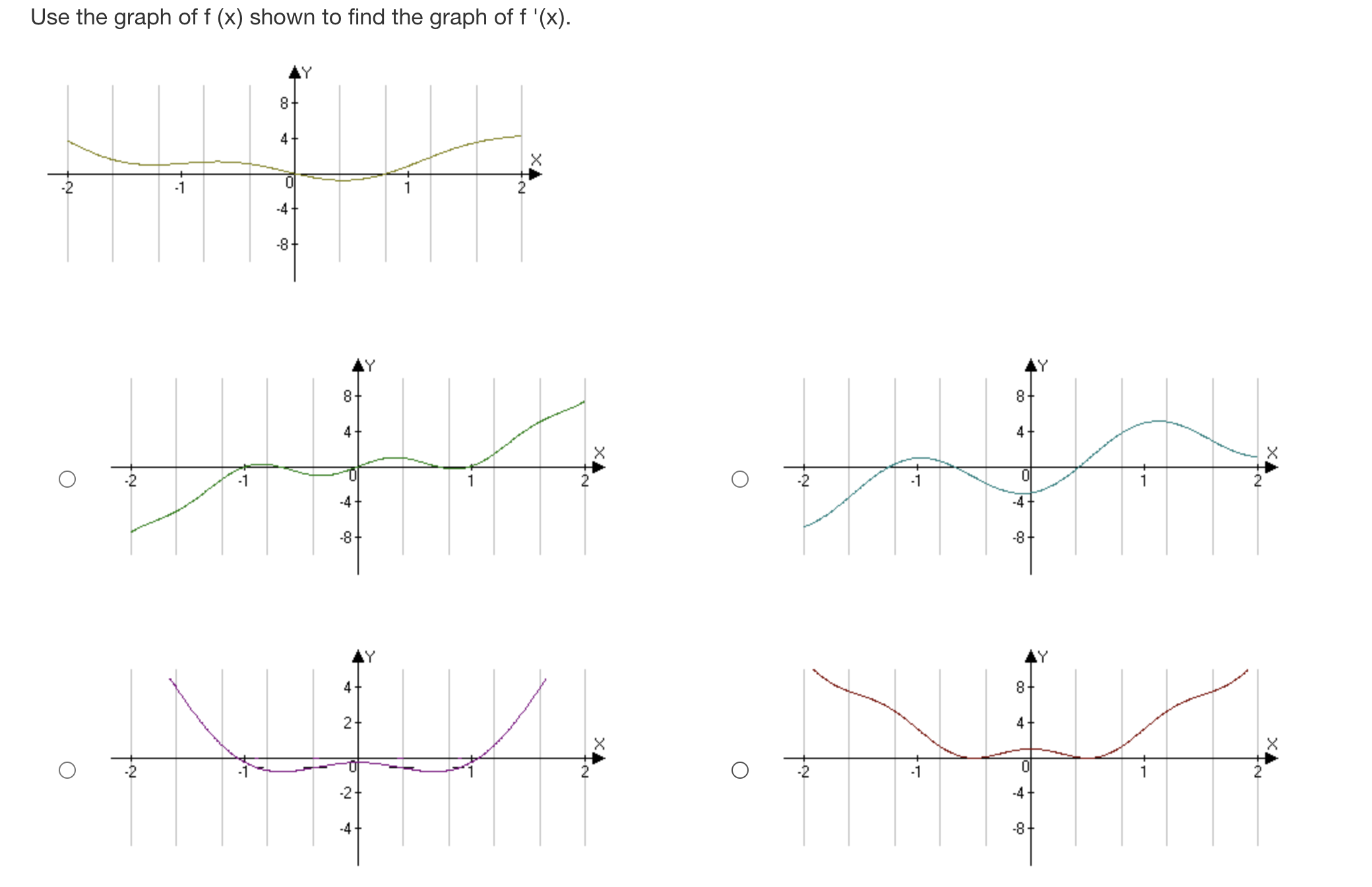
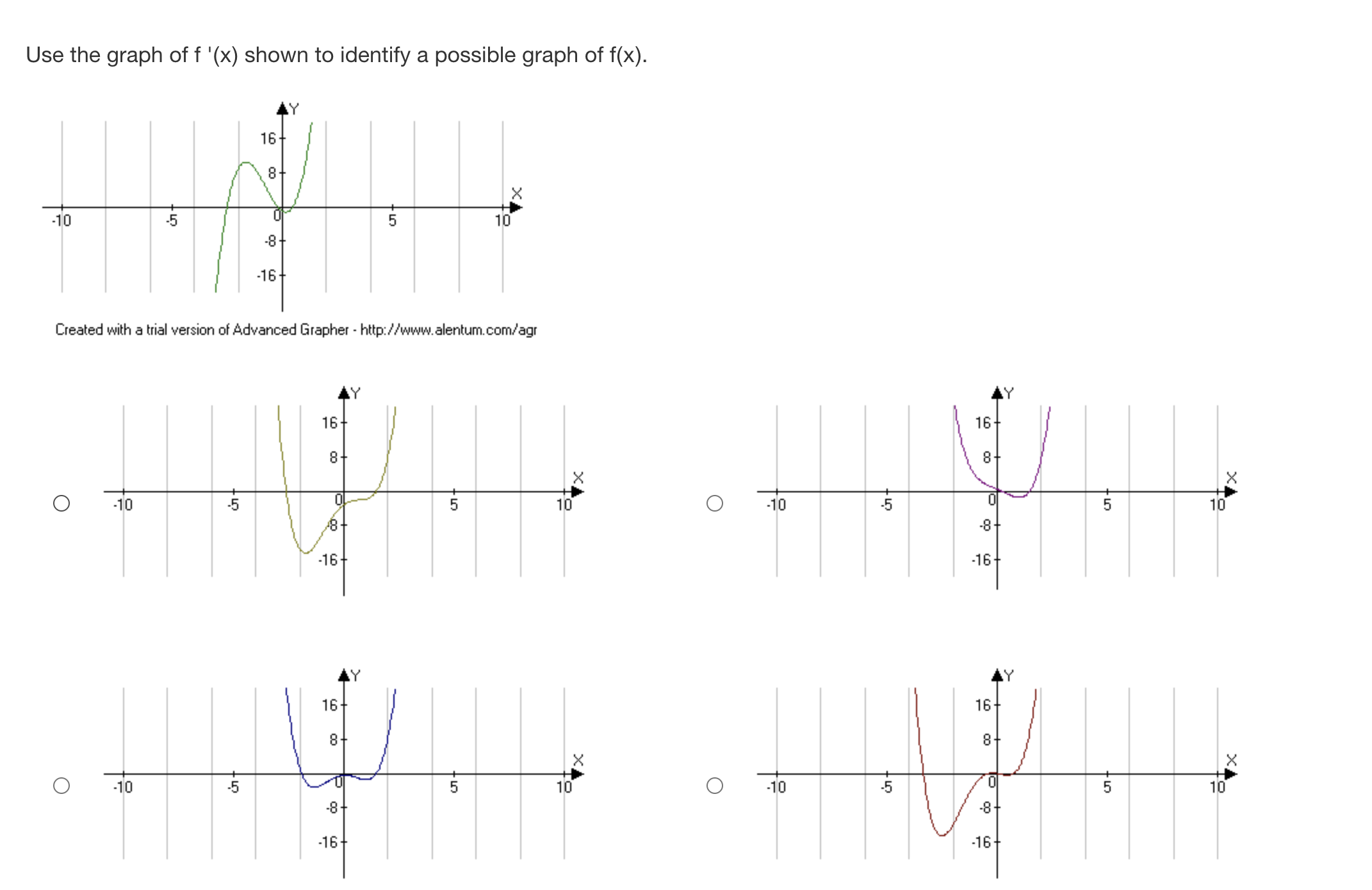
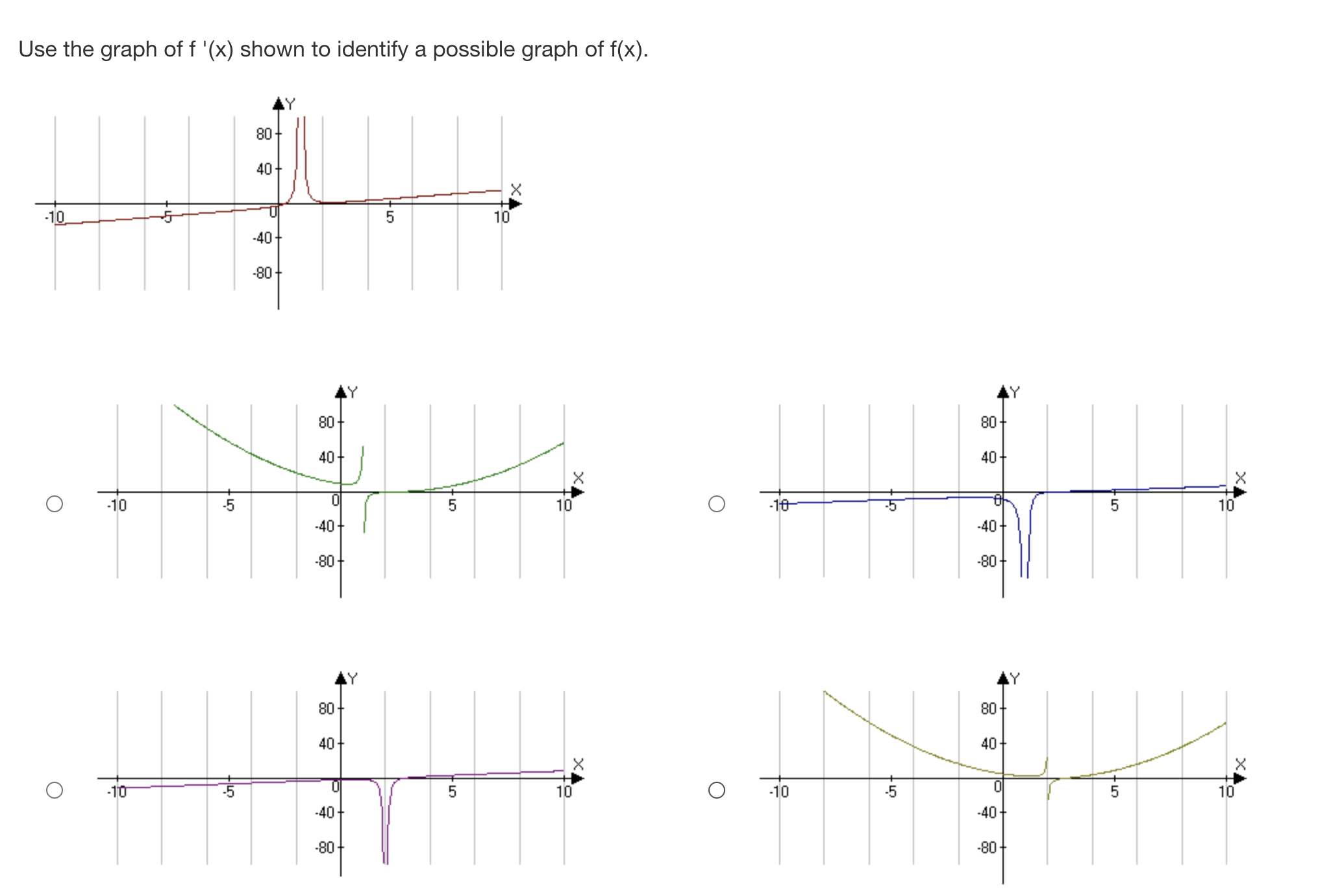
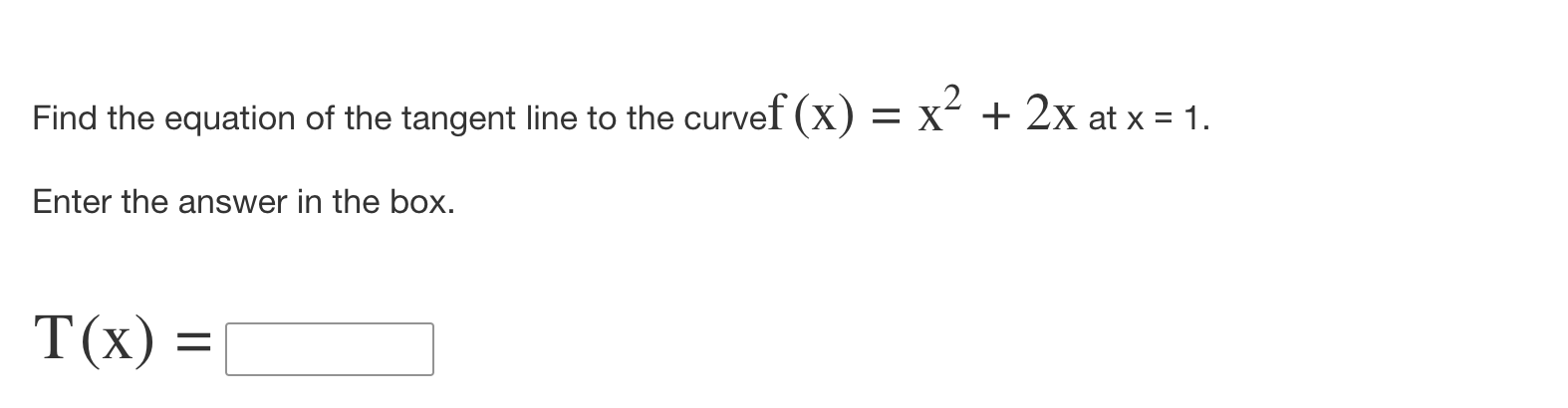
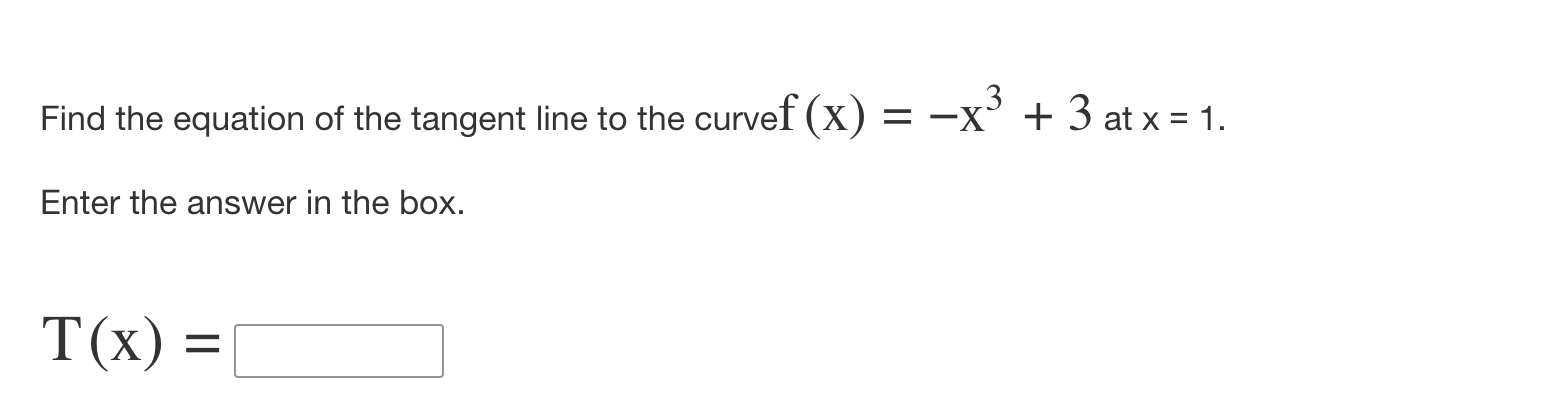
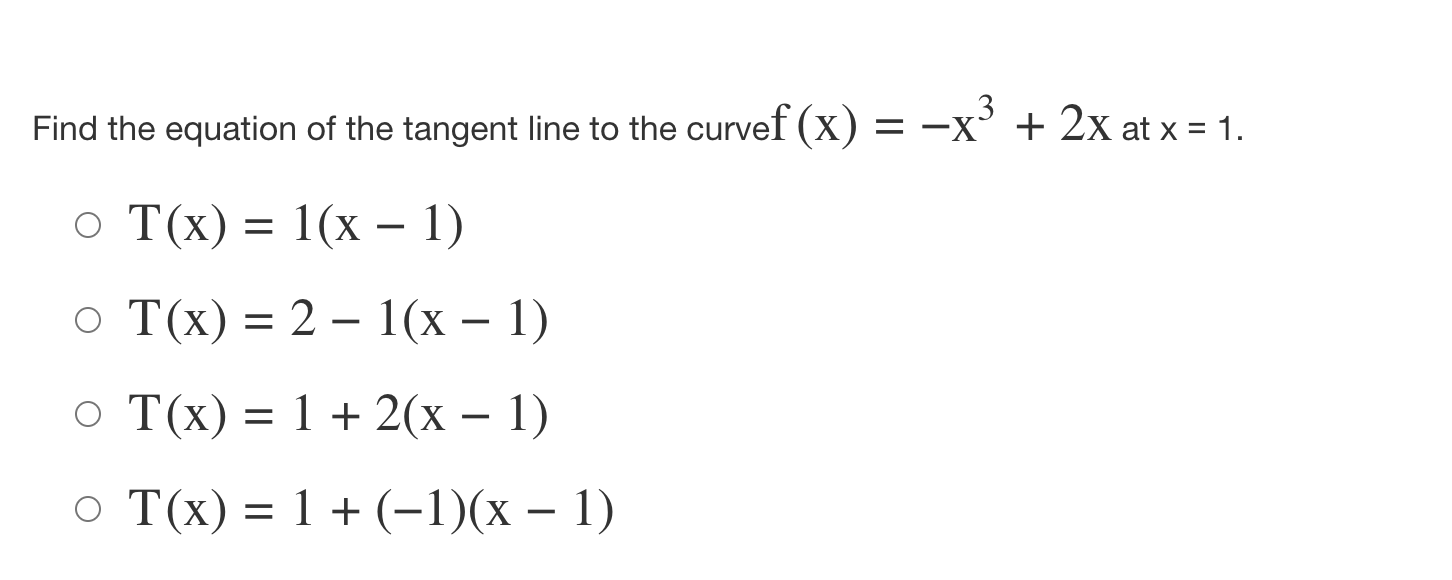
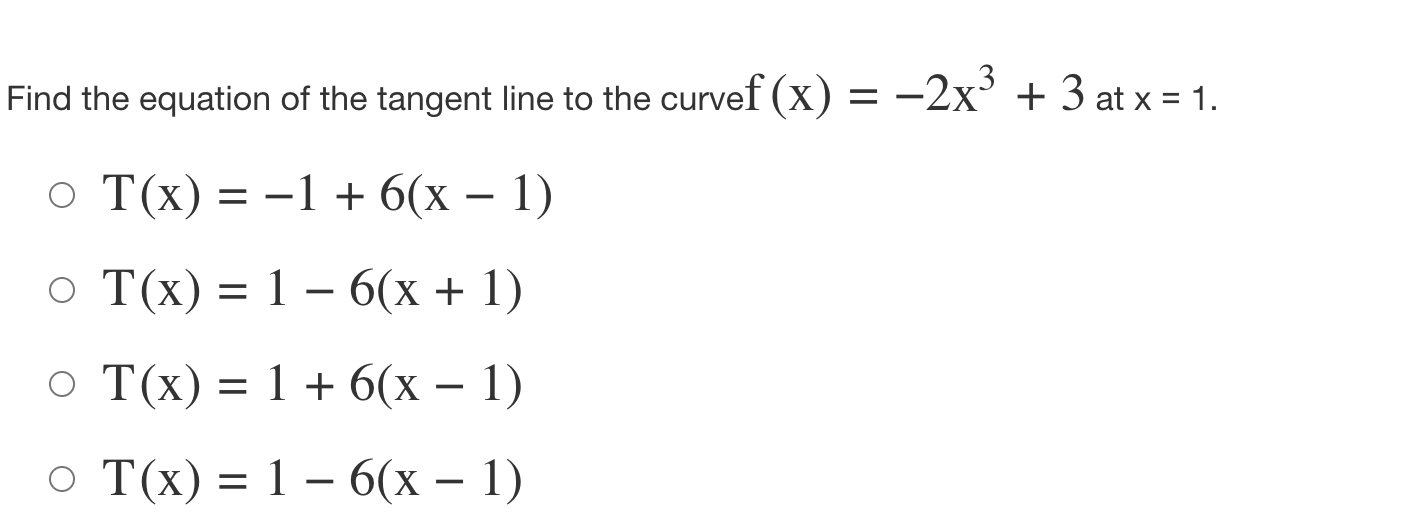
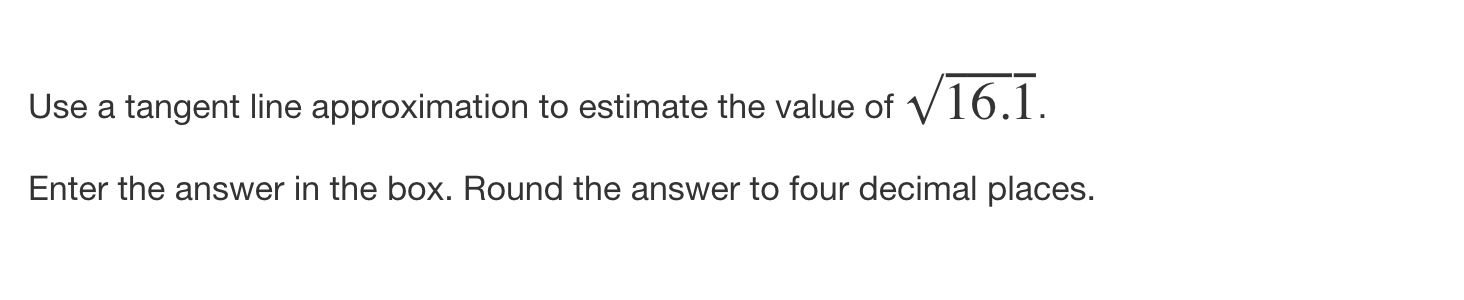
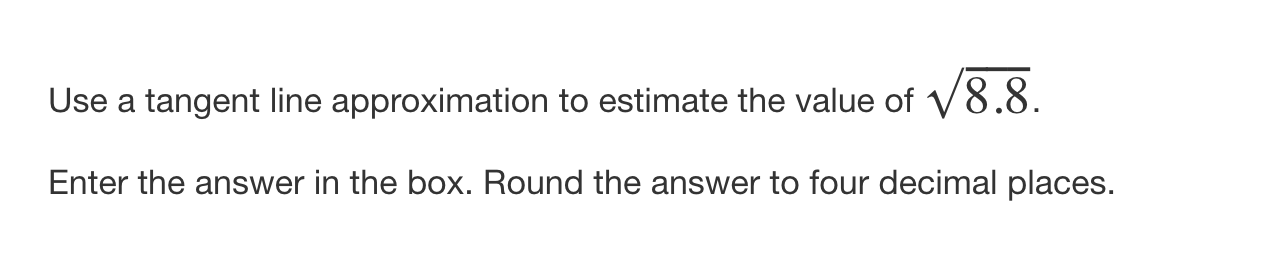
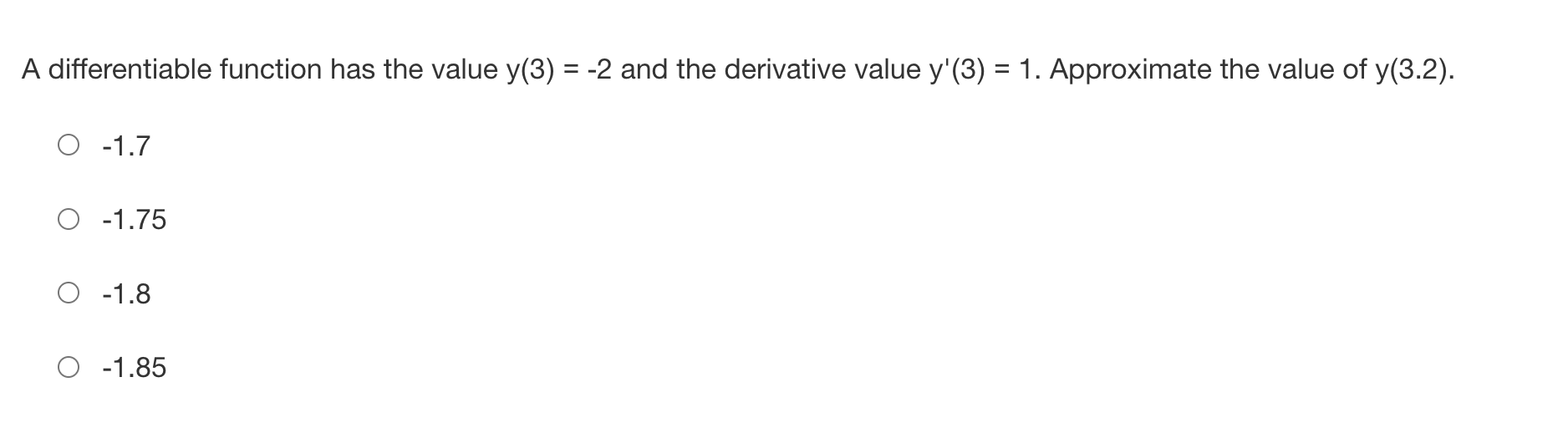
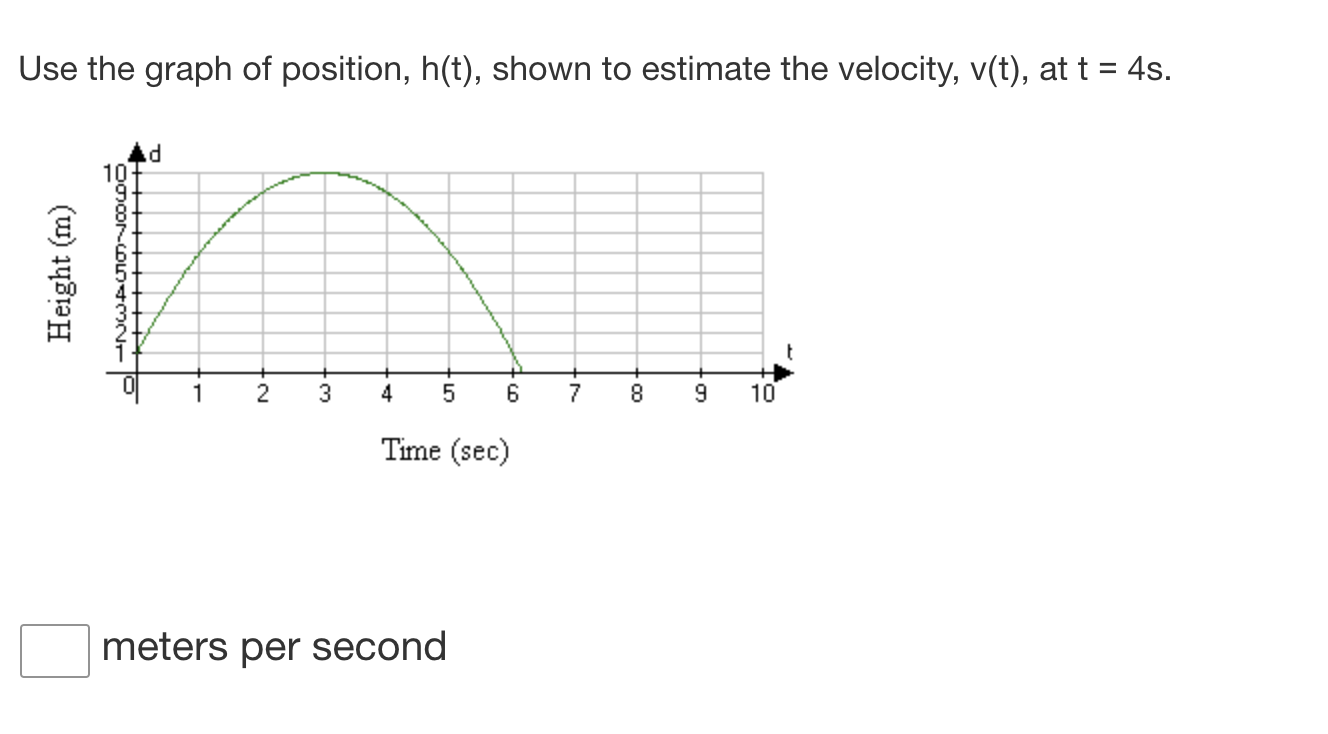
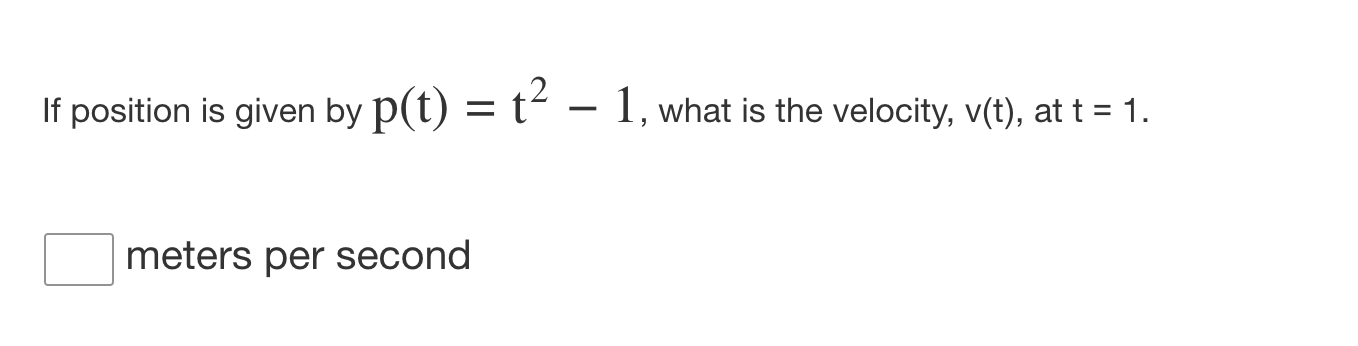
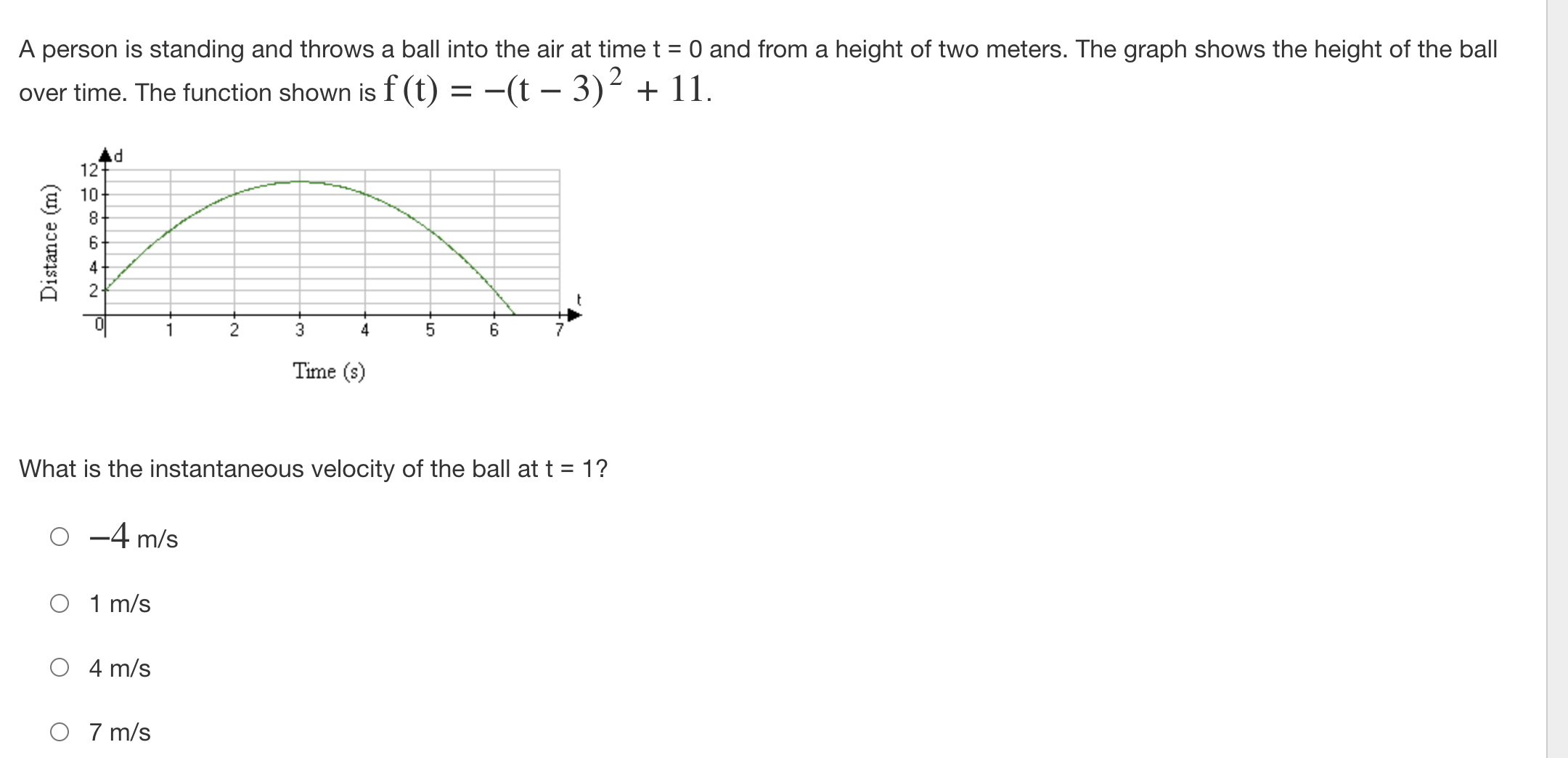
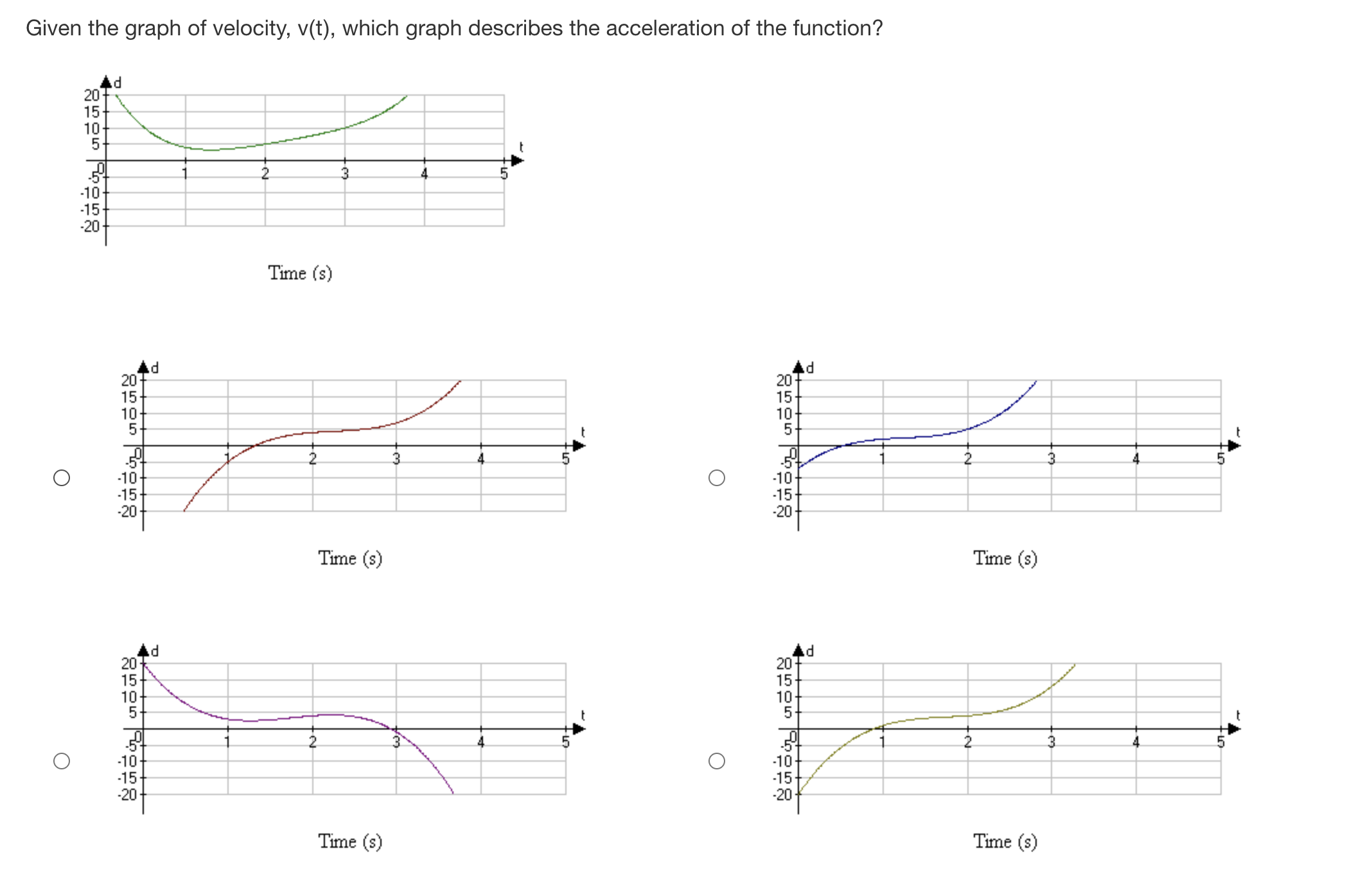
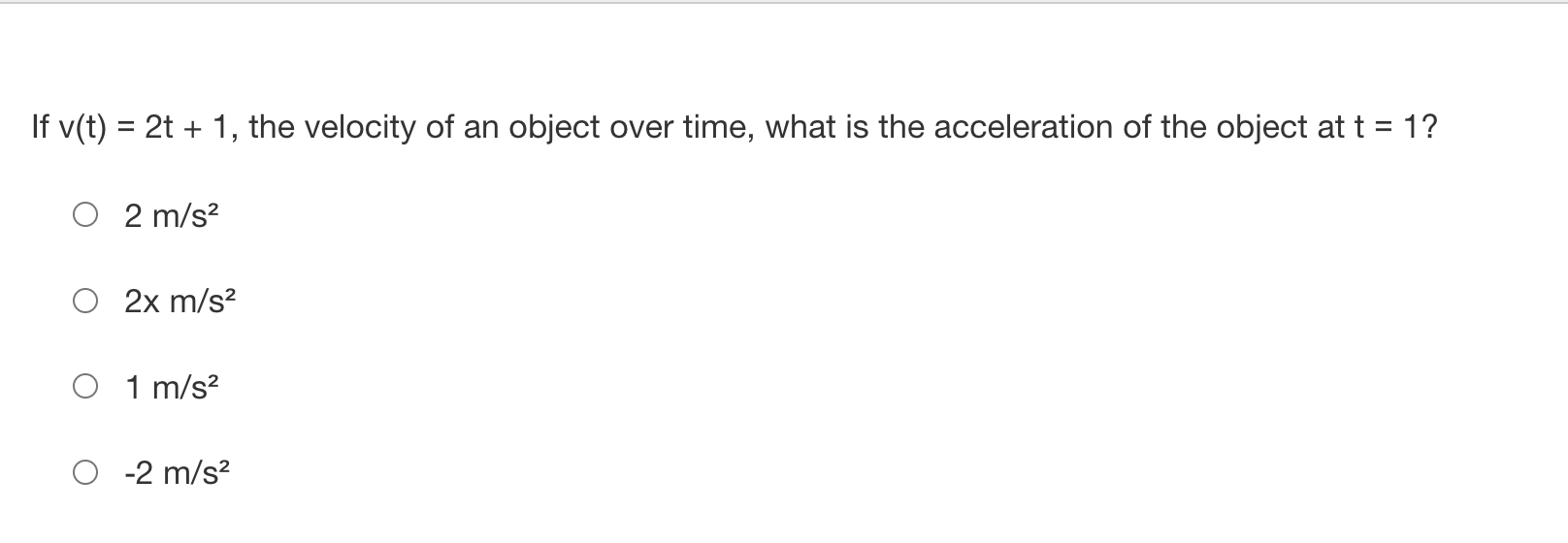
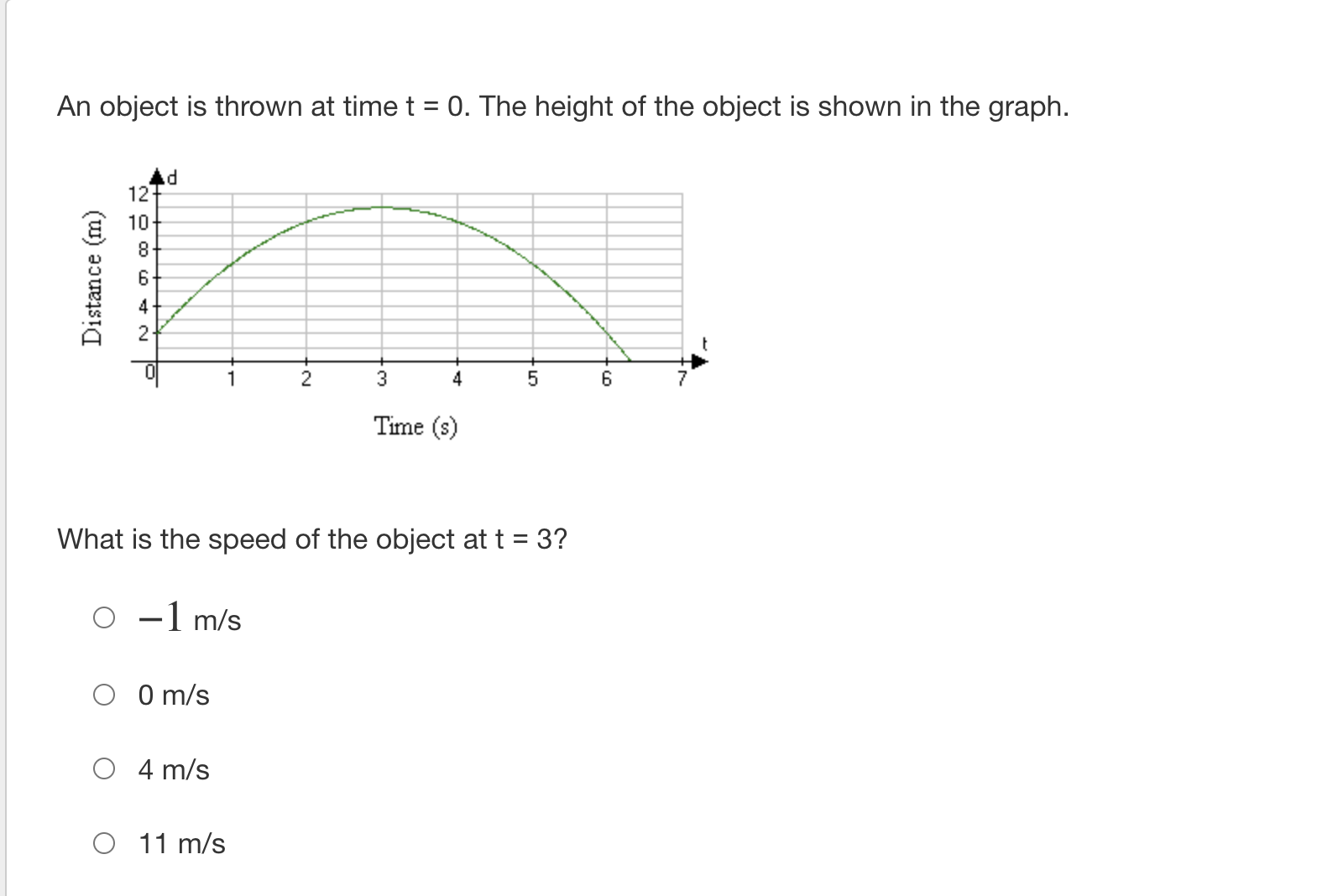
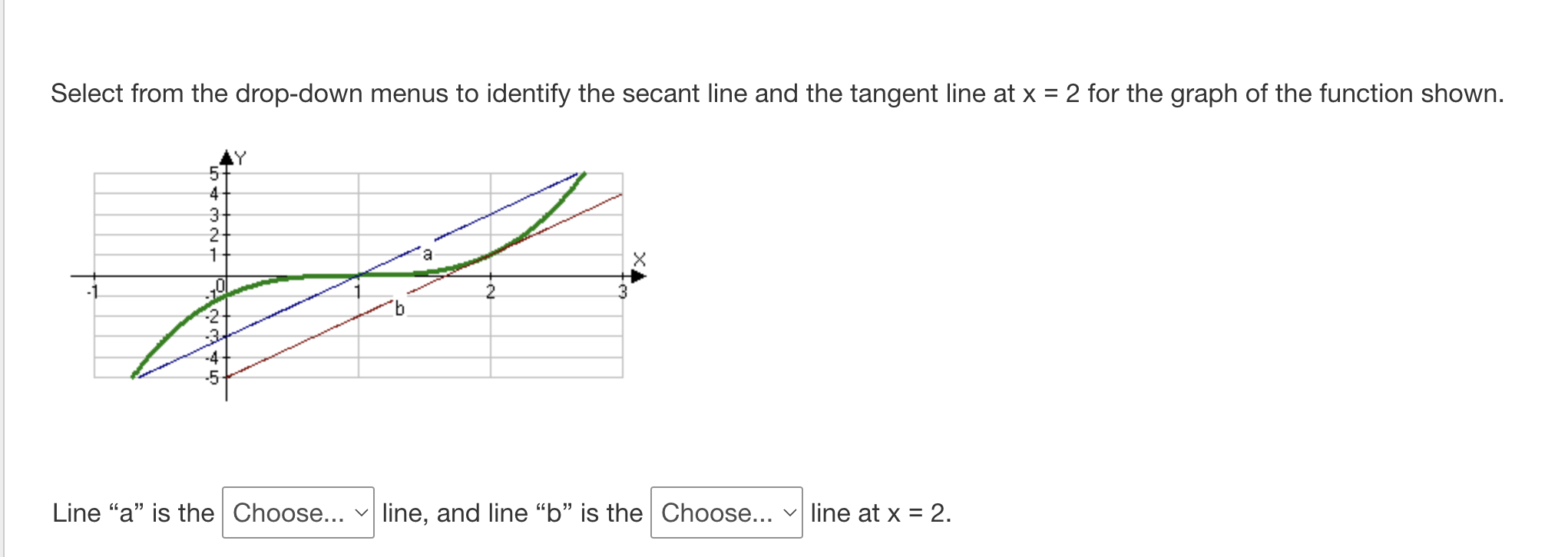
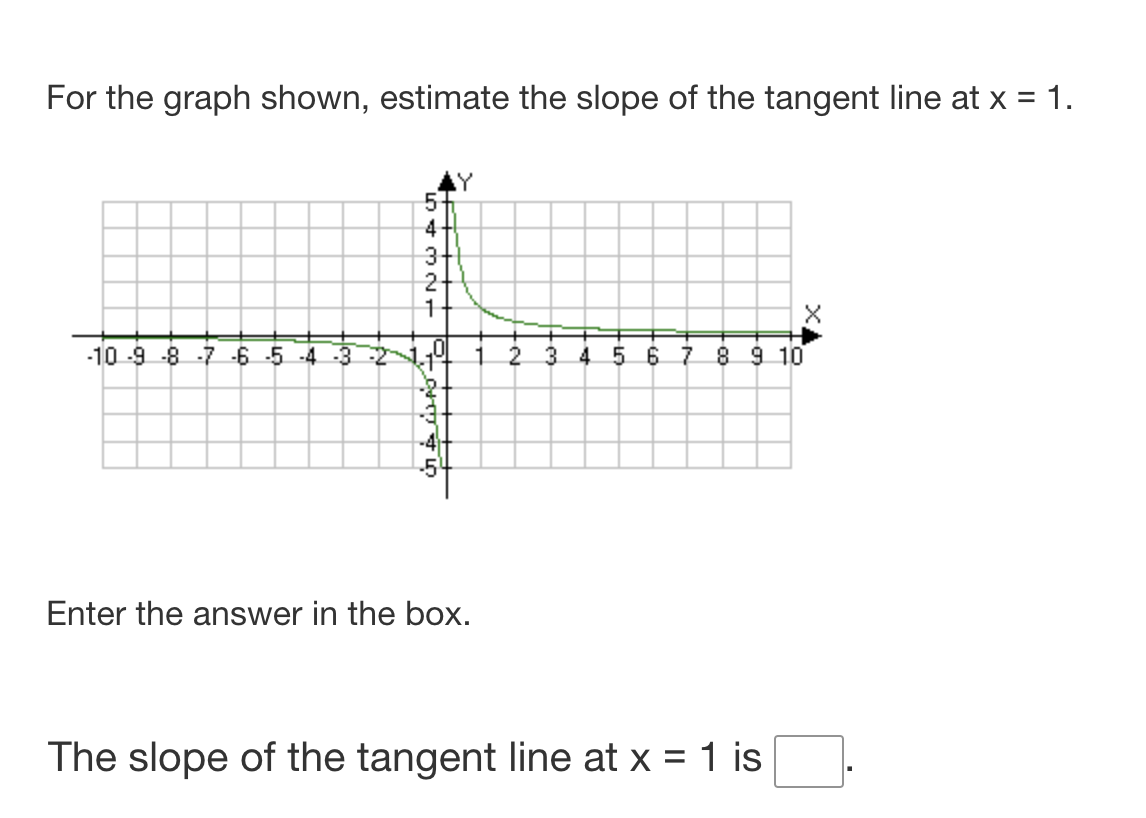
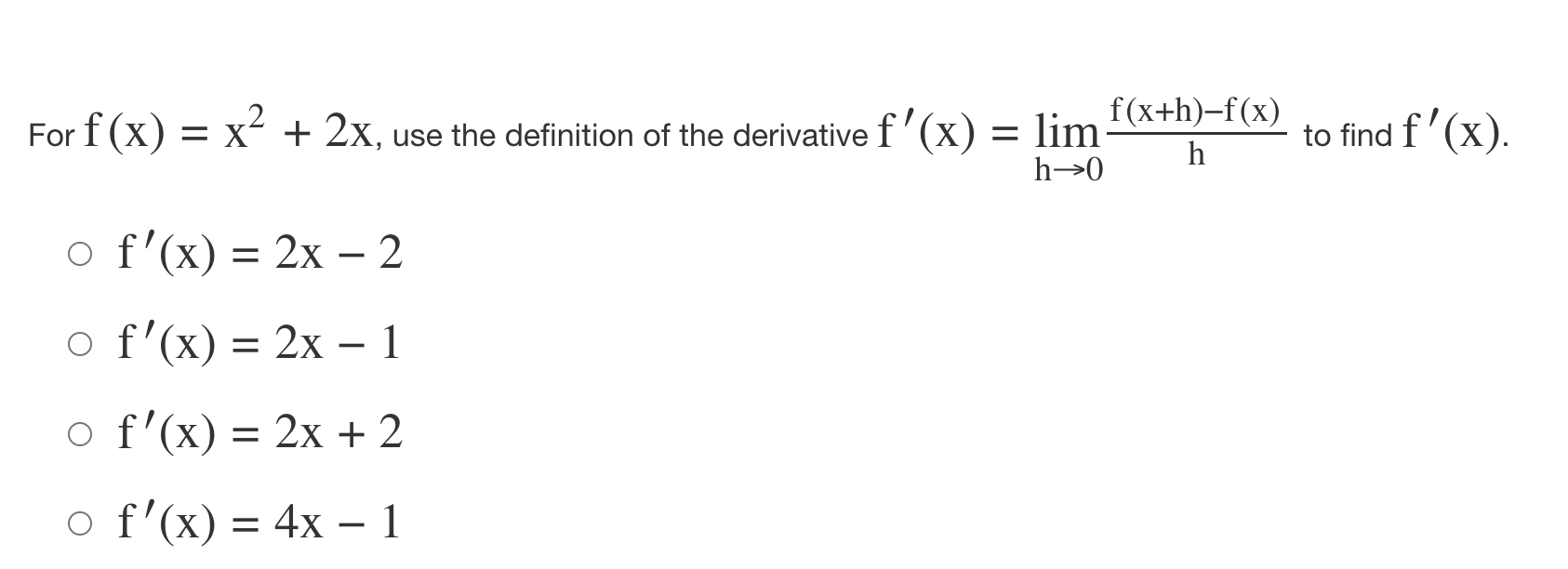
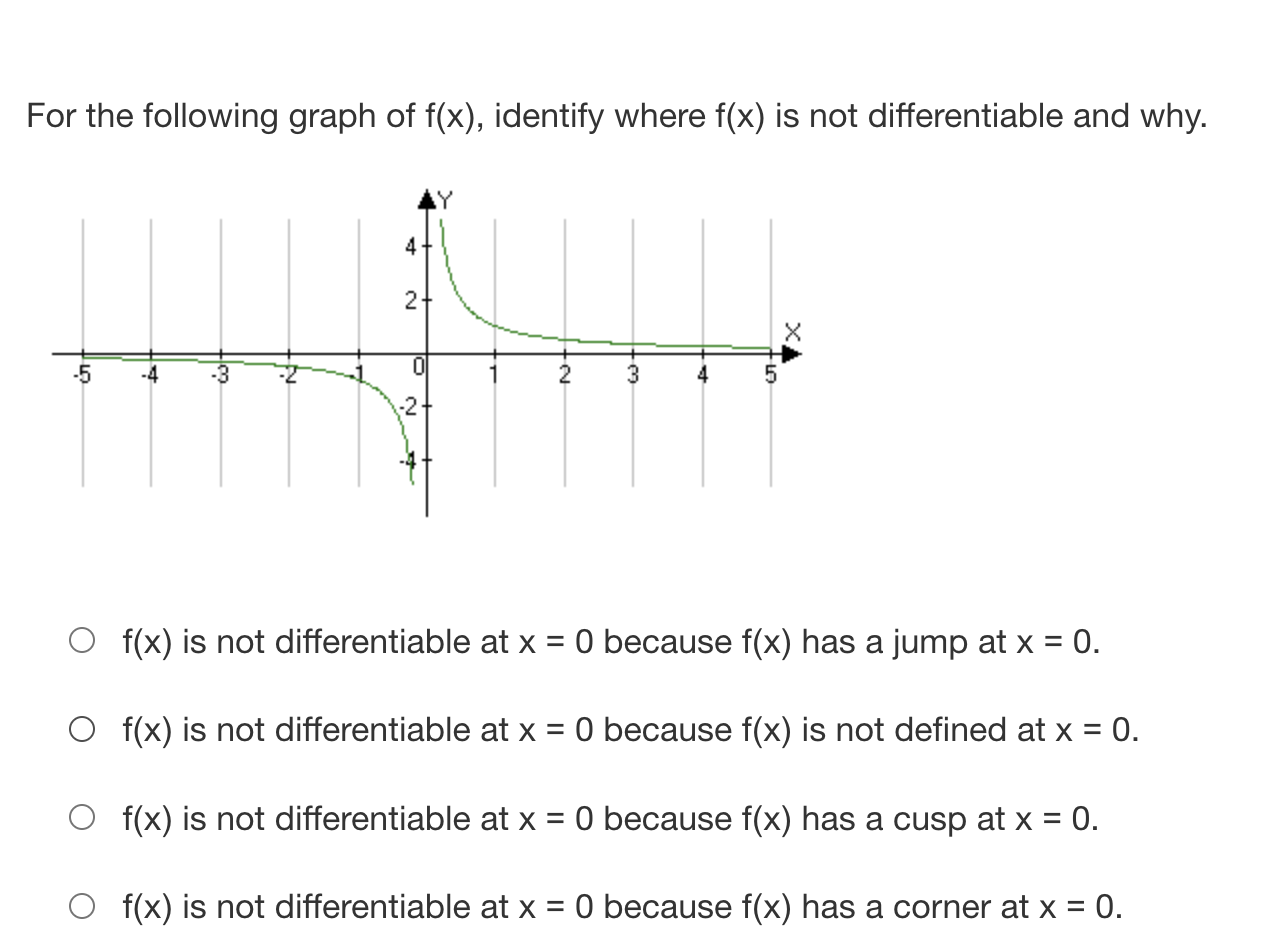
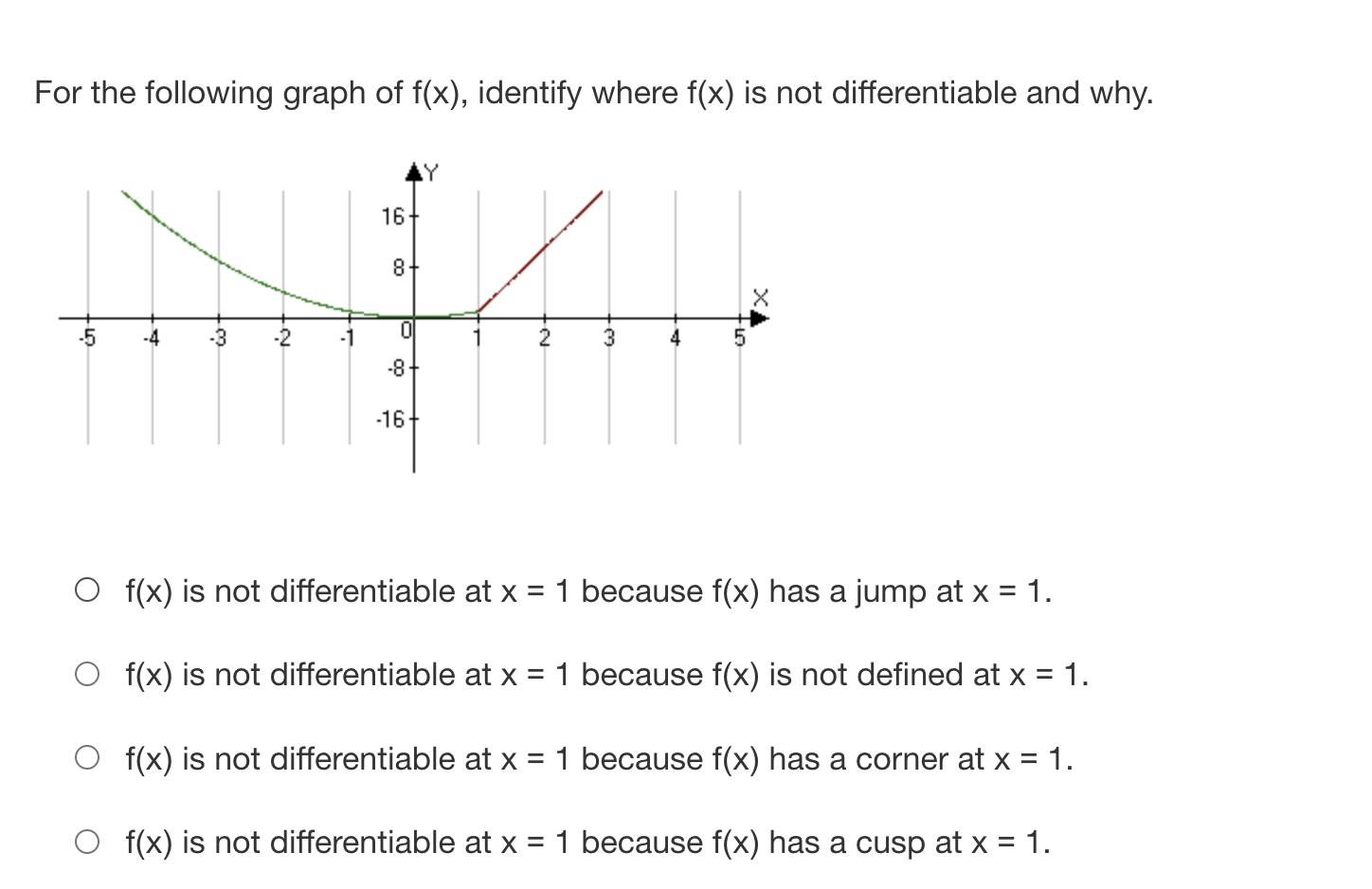
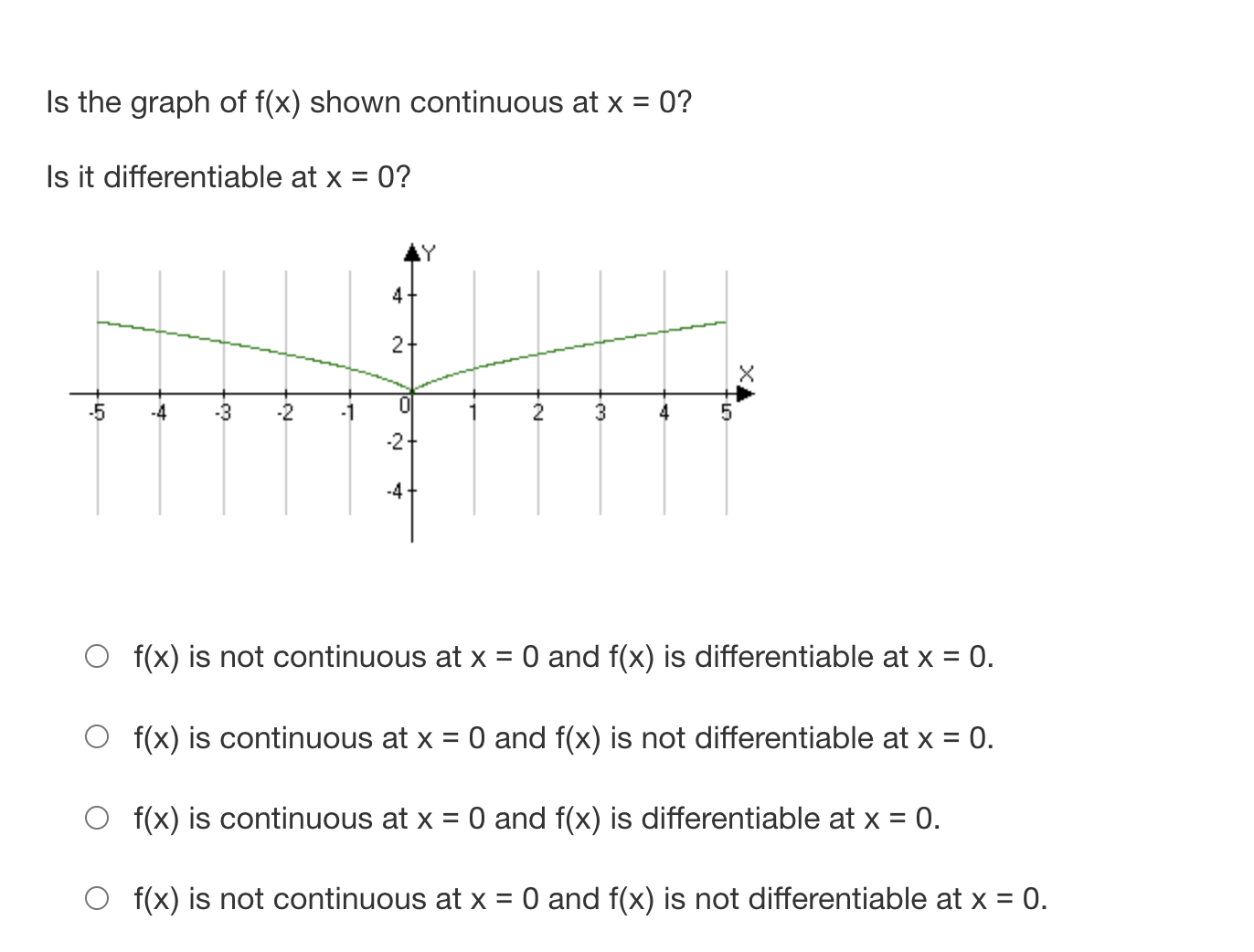
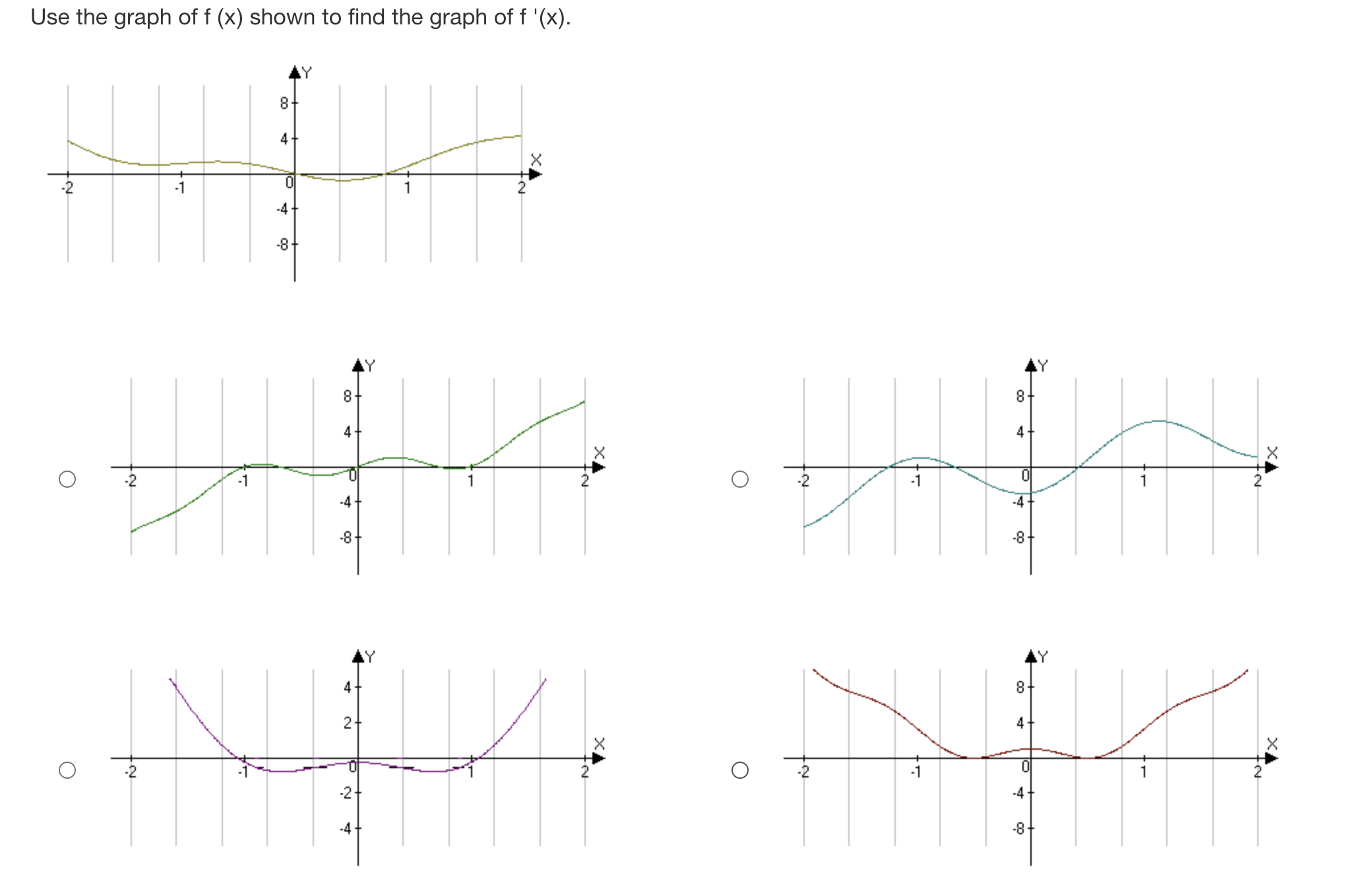
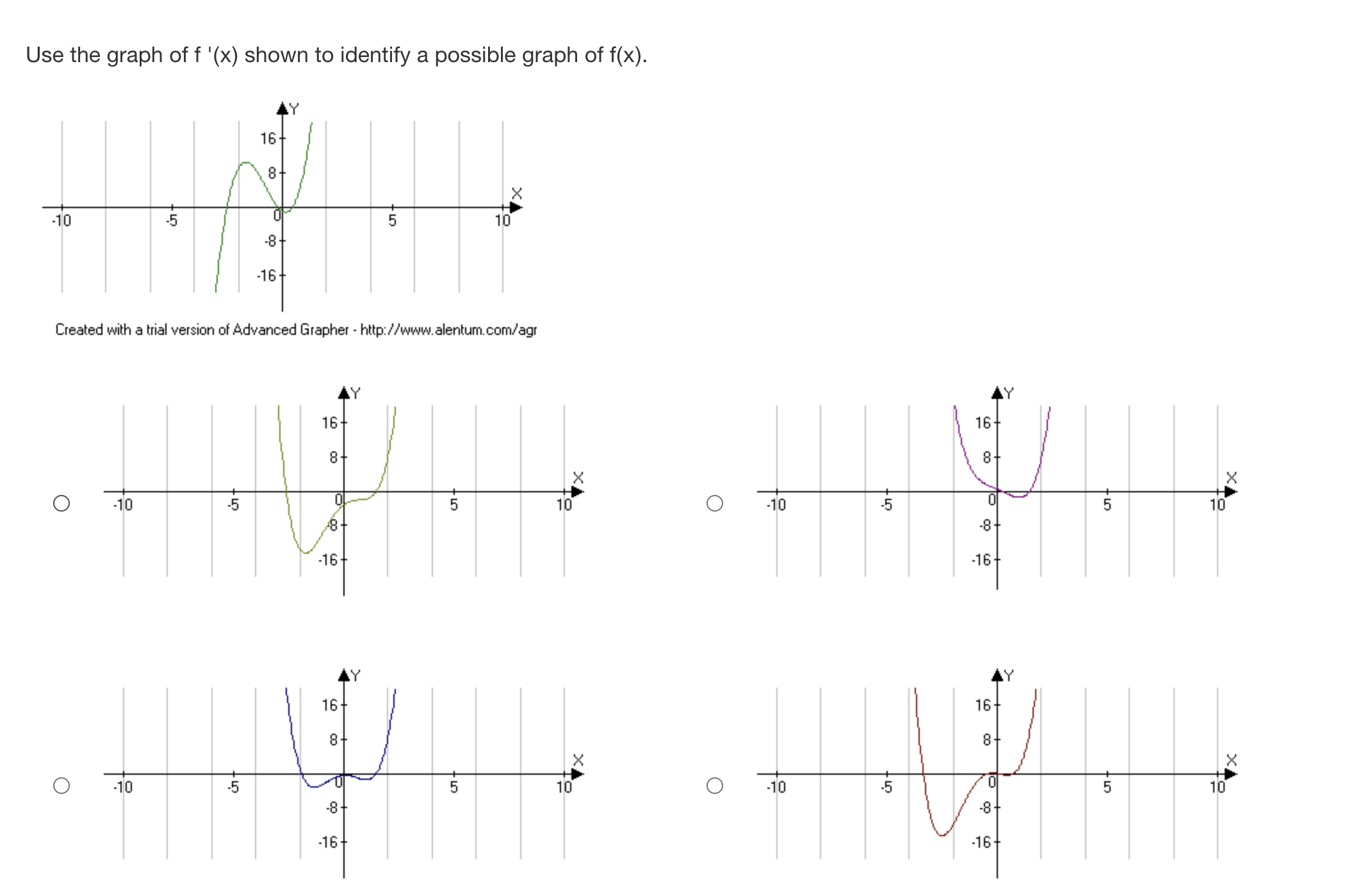
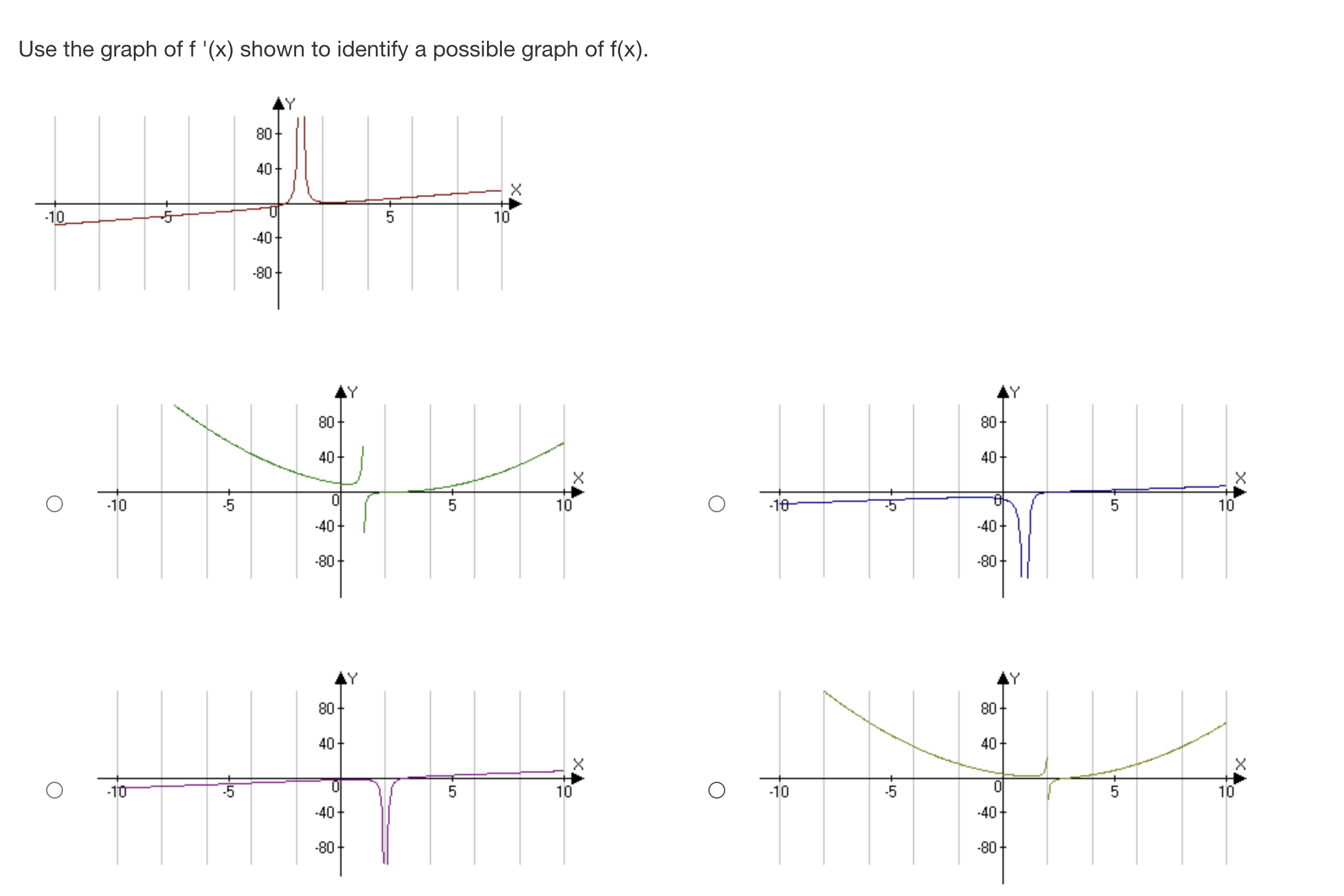
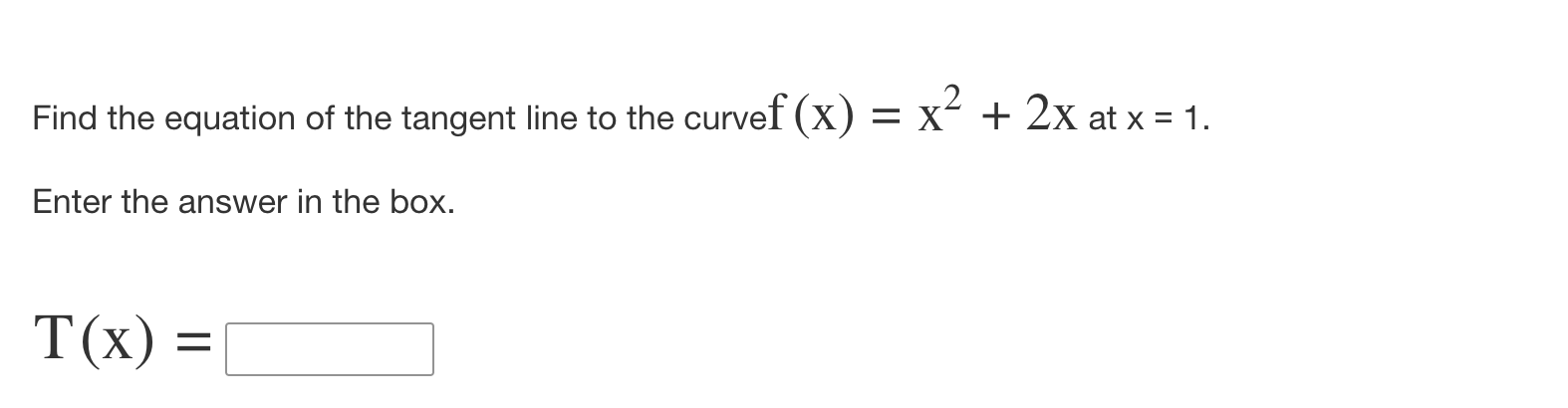
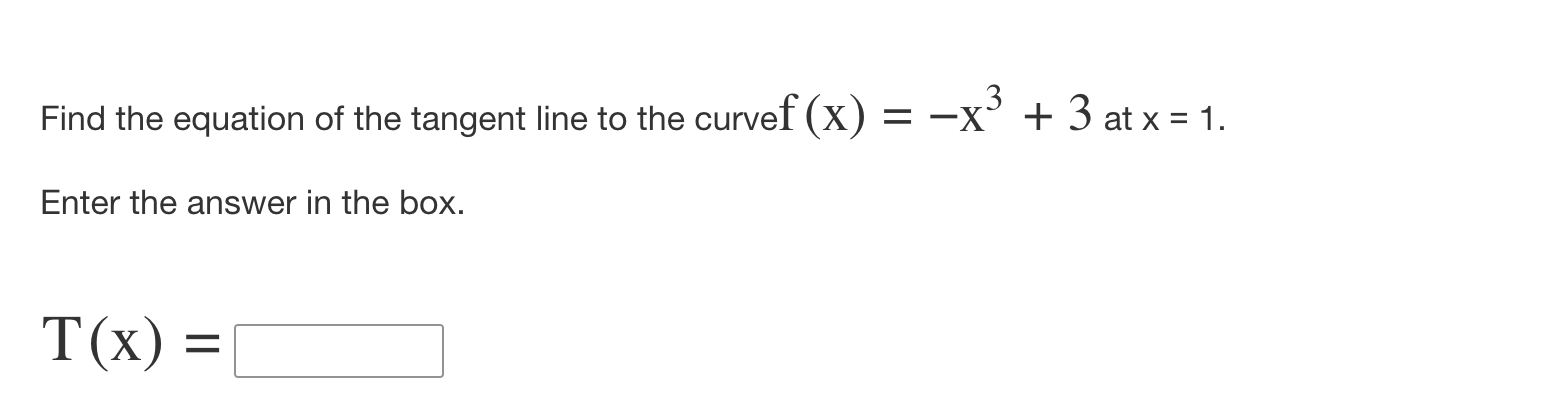
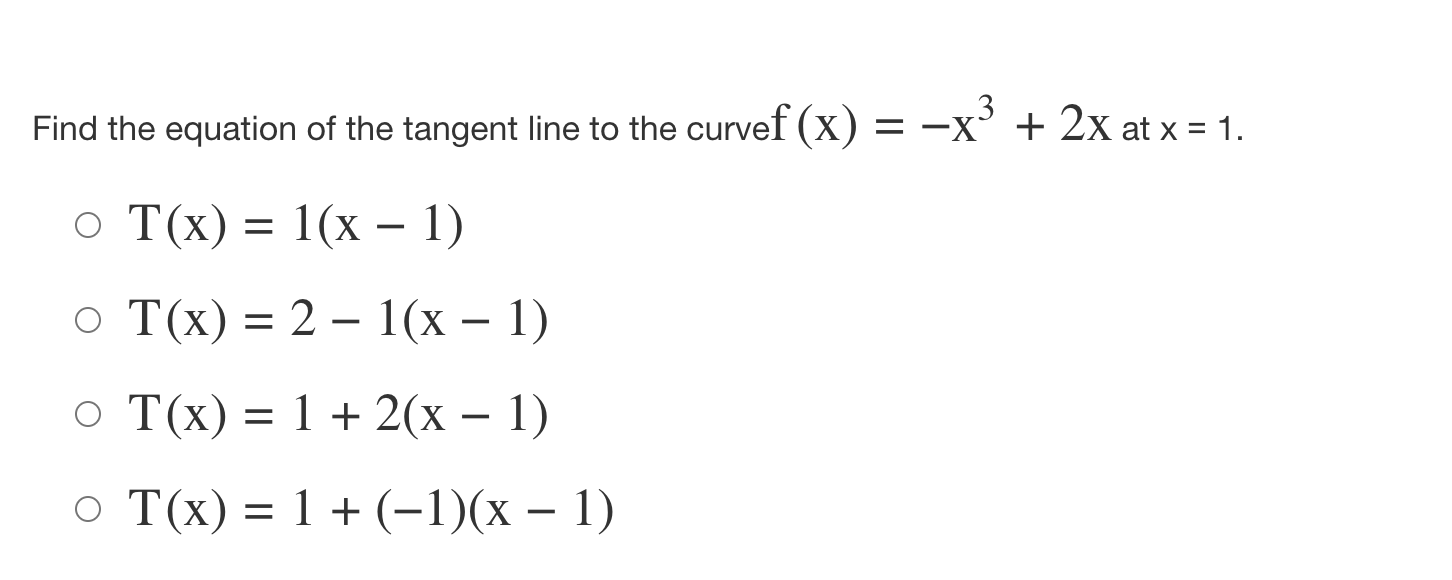
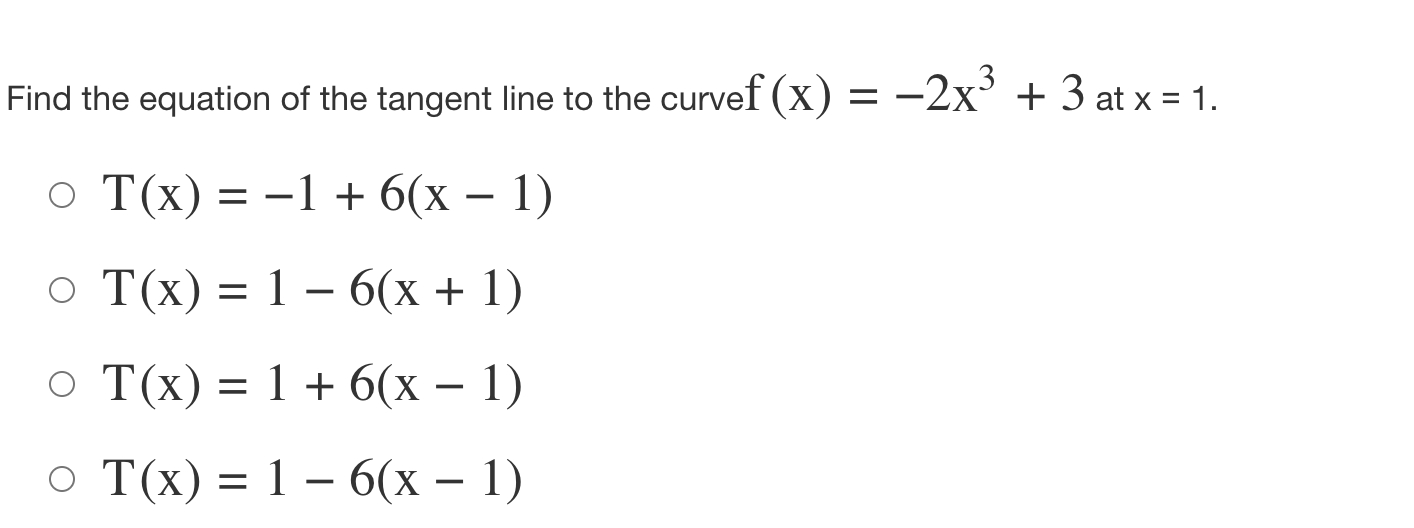
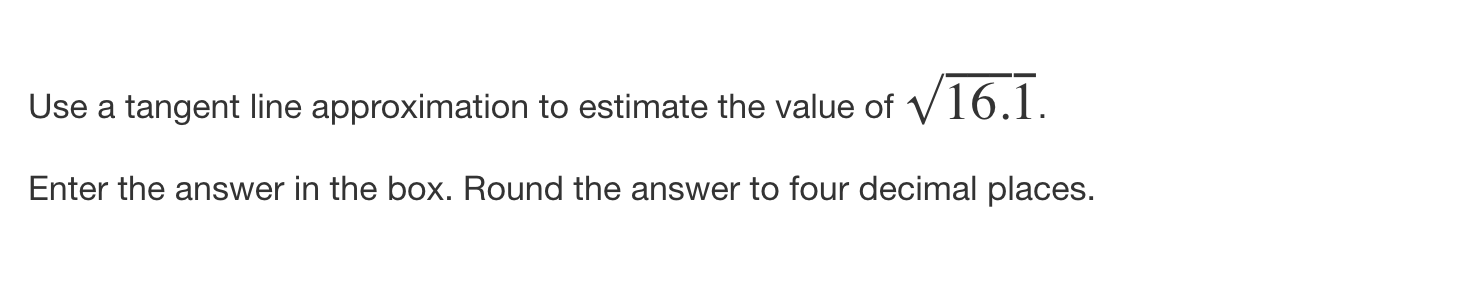
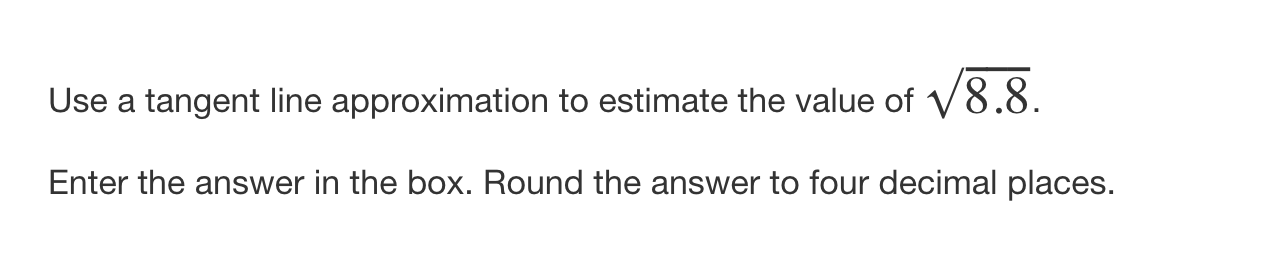
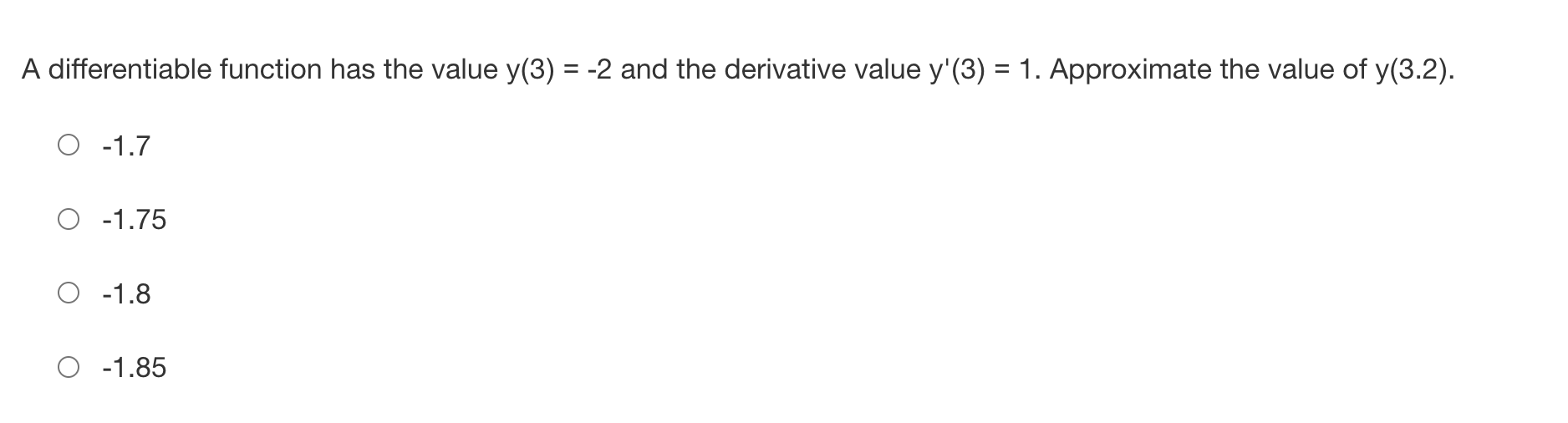
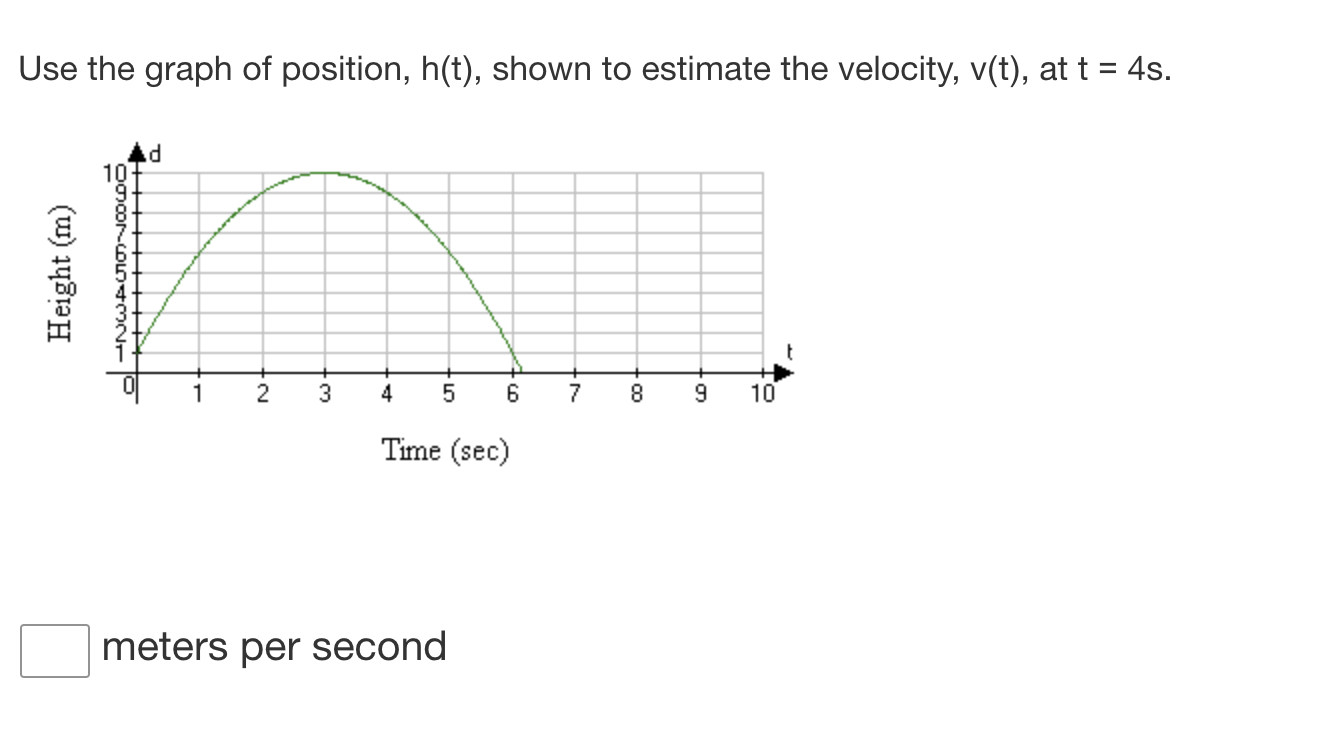
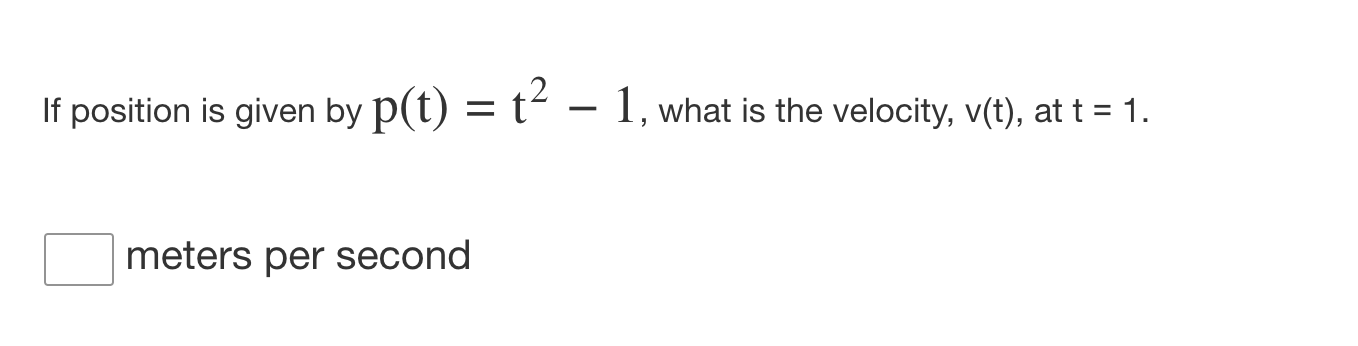
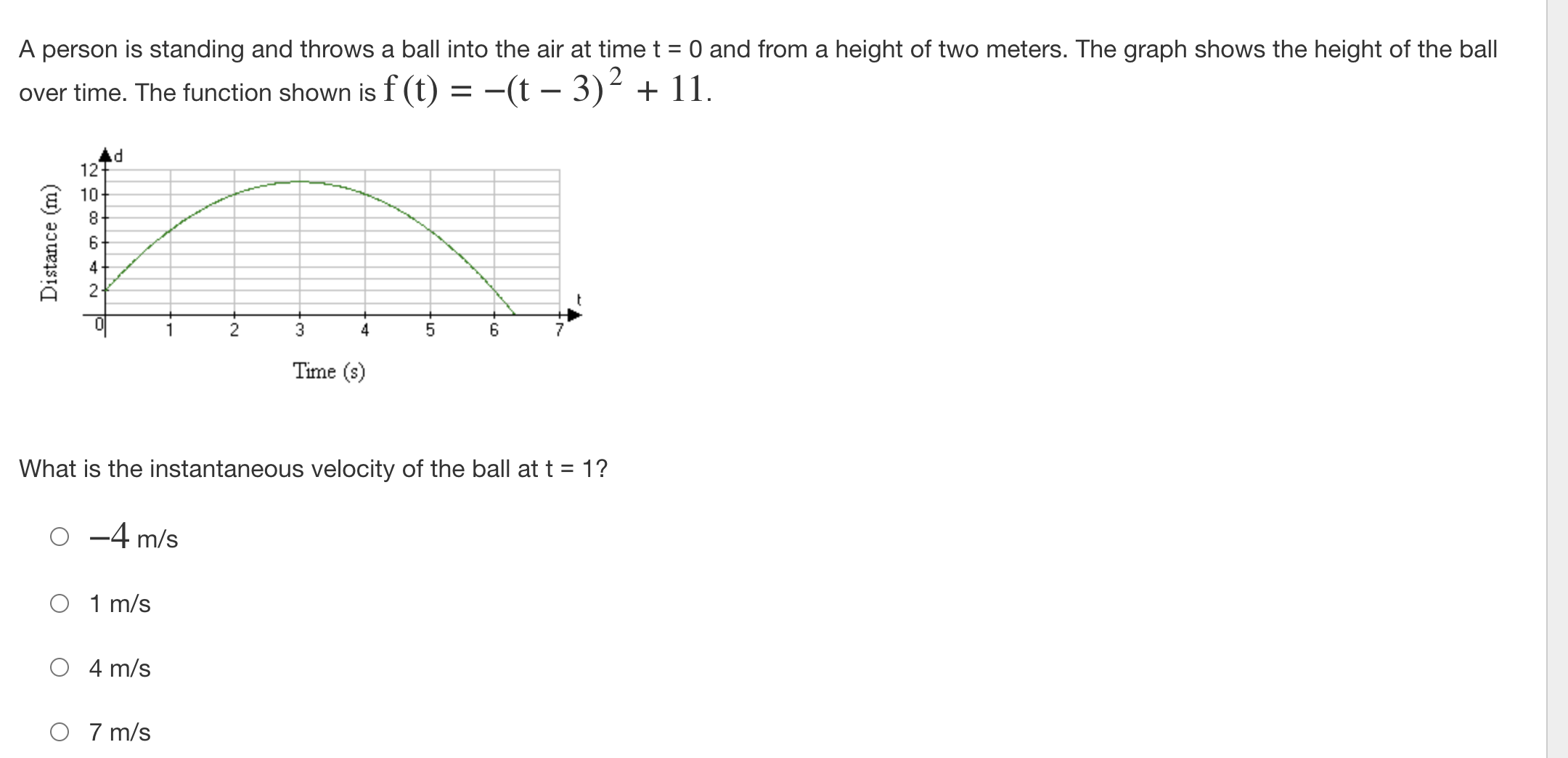
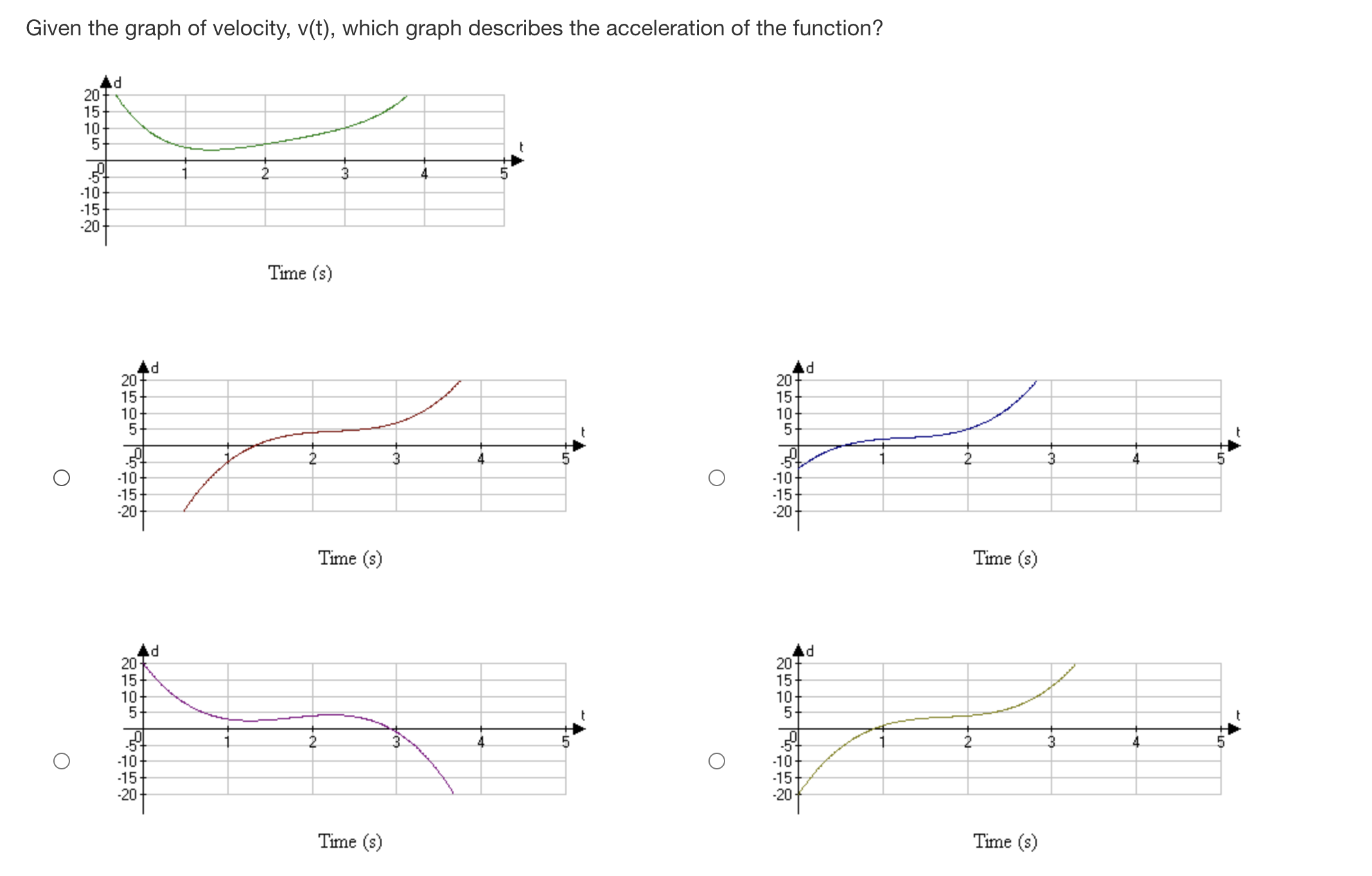
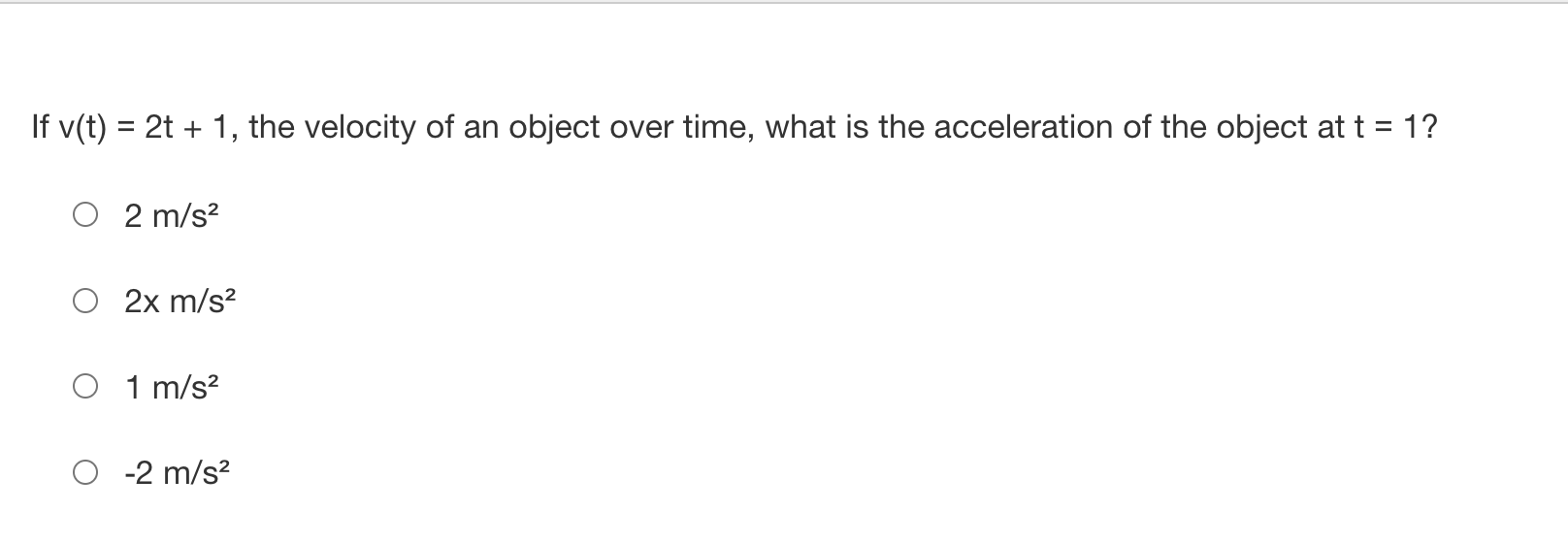
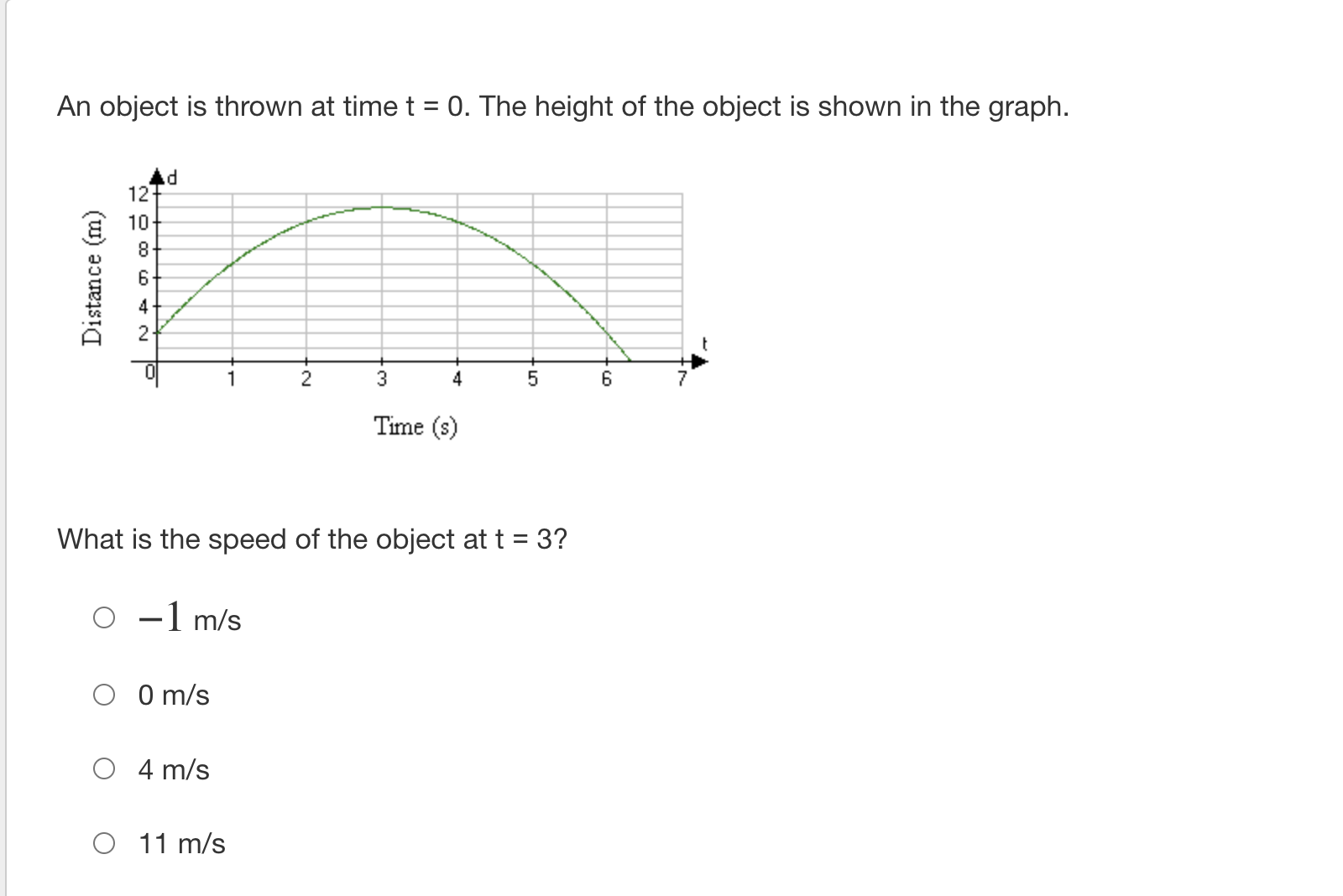
Select from the drop-down menus to identify the secant line and the tangent line at x = 2 for the graph of the function shown. Line \"a" is the line, and line \"b\" is the line at x = 2. For the graph shown, estimate the slope of the tangent line at x = 1. Y X -10-9 -8 7 6 5 -4 3 21 1 2 3 4 5 6 7 8 9 10 Enter the answer in the box. The slope of the tangent line at x = 1 is\fFor the following graph of f(x), identify where f(x) is not differentiable and why. 0 f(x) is not differentiable at x = 0 because f(x) has a jump at x = 0. 0 f(x) is not differentiable at x = 0 because f(x) is not defined at x = 0. O f(x) is not differentiable at x = 0 because f(x) has a cusp at x = 0. O f(x) is not differentiable at x = 0 because f(x) has a corner at x = O. For the following graph of f(x), identify where f(x) is not differentiable and why. 0 f(x) is not differentiable at x = 1 because f(x) has a jump at x = 1. O f(x) is not differentiable at x = 1 because f(x) is not defined at x = 1. 0 f(x) is not differentiable at x = 1 because f(x) has a corner at x = 1. 0 f(x) is not differentiable at x = 1 because f(x) has a cusp at x = 1. Is the graph of f(x) shown continuous at x = 0? Is it differentiable at x = O? O f(x) is not continuous at x = 0 and f(x) is differentiable at x = O. O f(x) is continuous at x = 0 and f(x) is not differentiable at x = O. 0 f(x) is continuous at x = 0 and x) is differentiable at x = 0. O f(x) is not continuous at x = 0 and f(x) is not differentiable at x = 0. \fUse the graph of f '(x) shown to identify a possible graph of f(x). 16+ X -10 -5 5 10 -8 -16+ Created with a trial version of Advanced Grapher - http://www.alentum.com/agr AY 16- 16+ 8. 8+ X O -10 . 5 OL 10 O -10 . 5 5 10 -16- -16+ AY AY 16- 16 8- 8- X X O -10 .5 10 O -10 .5 5 10 -8- -8. -16- -16 +Use the graph of f '(x) shown to identify a possible graph of f(x). 80 40 X -10 5 10 -40 -80 AY AY 80 + 80 + 4U + 40- FX O -10 - 5 10 O -40 - 10- 5 10 -40 -80 -80 LY 80 80 40 O X 40+ -10 5 10 7X O -40 -10 .5 5 10 -40 -80 + -80Find the equation of the tangent line to the curvef (X) = X2 + 2X at x = 1. Enter the answer in the box. T00 =3 Find the equation of the tangent line to the curvef (X) = X3 + 3 at x = 1. Enter the answer in the box. T00 =E Find the equation of the tangent line to the curvef (X) = X3 + 2X at x =1. 0 T(X)=1(X 1) O T(X)=2 1(X 1) O T(X)=1+2(X 1) O T(X) = 1 + (1)(X 1) Find the equation of the tangent line to the curvef (X) = 2X3 + 3 at x =1. 0 T(X) = 1 + 6(X 1) O T(X)= 1 6(X+ 1) O T(X)= 1 +6(X 1) O T(X)= 1 6(X 1) Use a tangent line approximation to estimate the value of 161. Enter the answer in the box. Round the answer to four decimal places. Use a tangent line approximation to estimate the value of \\/ 8 .8. Enter the answer in the box. Round the answer to four decimal places. A differentiable function has the value y(3) = -2 and the derivative value y'(3) = 1. Approximate the value of y(3.2). O -1.7 O -1.75 O -1.8 O -1.85Use the graph of position, h(t), shown to estimate the velocity, v(t), at t = 4s. 1 U 8 8 7" E5 5 4 3 2 1 Height (m) Time (sec) D meters per second If position is given by p(t) = t2 1, what is the velocity, V(t), at t = 1. D meters per second A person is standing and throws a ball into the air at time t = O and from a height of two meters. The graph shows the height of the ball over time. The function shown is f(t) = (t 3) 2 + 11. d Distance (m) E1| 1 2 3 4 5 s 7 Time (5) What is the instantaneous velocity of the ball at t = 1? O 4 m/s 0 1m/s O 4 m/s O 7m/s Given the graph of velocity, v(t), which graph describes the acceleration of the function? d 20 15 \\_// 10 5 t 0" .50 1' 5 i 5 -1 U -1 5 -20 Time (s) O Time (s) Time (s) d d 20 20 15 15 /,I 10 10 /_../ 5 t 5 ____fJ' t o o I 0-} )'T I I I 0-} g1 1 2 3 4 5 50 , ' 1 2 3 4 5 O -10 Q -10 -15 -15 . -20 -20 ' Time (s) Time (s) If v(t) = 2t + 1 , the velocity of an object over time, what is the acceleration of the object at t = 1? 2 m/s2 2x m/s2 1 m/s2 0 O O O -2 m/s2 An object is thrown at time t = 0. The height of the object is shown in the graph. 12+ Distance (m) 6 Time (s) What is the speed of the object at t = 3? 0 -1 m/s 0 0m/s 0 4m/s O 11 m/s
Step by Step Solution
There are 3 Steps involved in it

Get step-by-step solutions from verified subject matter experts
 Study Help