



Question: Shrieves Casting Company is considering adding a new line to its product mic, and the capital budgeting analysis is being conducted by Sidney Johnsn, a
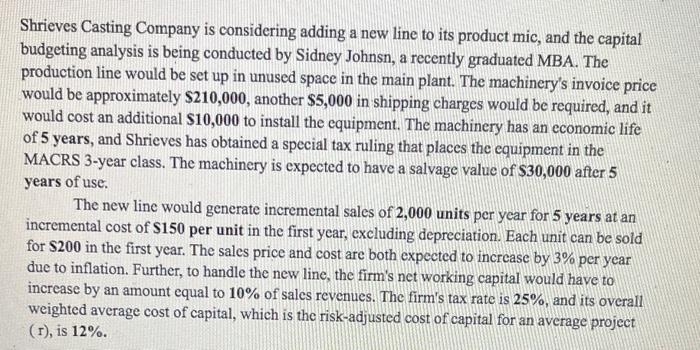
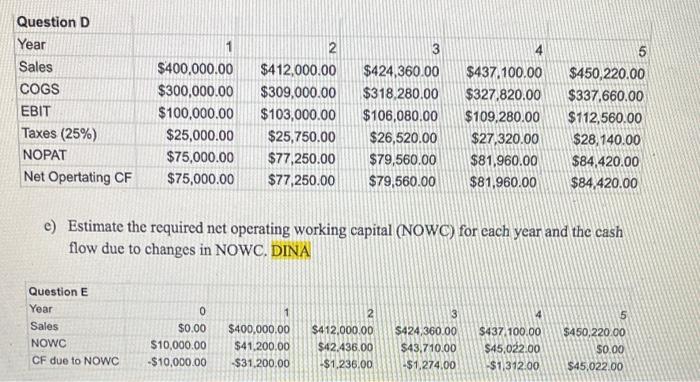
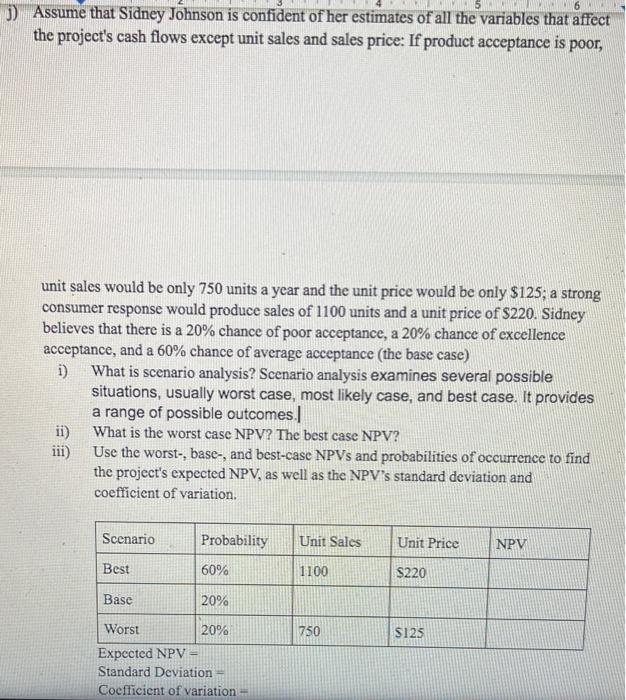
Shrieves Casting Company is considering adding a new line to its product mic, and the capital budgeting analysis is being conducted by Sidney Johnsn, a recently graduated MBA. The production line would be set up in unused space in the main plant. The machinery's invoice price would be approximately $210,000, another $5,000 in shipping charges would be required, and it would cost an additional $10,000 to install the equipment. The machinery has an economic life of 5 years, and Shrieves has obtained a special tax ruling that places the equipment in the MACRS 3-year class. The machinery is expected to have a salvage value of $30,000 after 5 years of use. The new line would generate incremental sales of 2,000 units per year for 5 years at an incremental cost of $150 per unit in the first year, excluding depreciation. Each unit can be sold for S200 in the first year. The sales price and cost are both expected to increase by 3% per year due to inflation. Further, to handle the new line, the firm's net working capital would have to increase by an amount equal to 10% of sales revenues. The firm's tax rate is 25%, and its overall weighted average cost of capital, which is the risk-adjusted cost of capital for an average project (1), is 12%. 3 4 Question D Year Sales COGS EBIT Taxes (25%) NOPAT Net Opertating CF 1 $400,000.00 $300,000.00 $100,000.00 $25,000.00 $75,000.00 $75,000.00 2 $412,000.00 $309,000.00 $103,000.00 $25,750.00 $77,250.00 $77,250.00 $424,360.00 $318,280.00 $106,080.00 $26,520.00 $79,560.00 $79,560.00 $437,100.00 $327,820.00 $109,280.00 $27,320.00 $81,960.00 $81,960.00 5 $450,220.00 $337,660.00 $112,560.00 $28,140.00 $84,420.00 $84,420.00 e) Estimate the required net operating working capital (NOWC) for each year and the cash flow due to changes in NOWC. DINA 4 Question E Year Sales NOWC CF due to NOWC 0 $0.00 $10,000.00 $10,000.00 $400,000.00 $41.200.00 $31,200.00 2 $412,000.00 $42.436.00 -$1,236.00 3 $424,360.00 $43,710.00 -$1.274.00 $437,100.00 $45,022.00 $1,312.00 5 $450,220.00 50.00 $45,022.00 6 1) Assume that Sidney Johnson is confident of her estimates of all the variables that affect the project's cash flows except unit sales and sales price: If product acceptance is poor, unit sales would be only 750 units a year and the unit price would be only $125; a strong consumer response would produce sales of 1100 units and a unit price of $220. Sidney believes that there is a 20% chance of poor acceptance, a 20% chance of excellence acceptance, and a 60% chance of average acceptance (the base case) i) What is scenario analysis? Scenario analysis examines several possible situations, usually worst case, most likely case, and best case. It provides a range of possible outcomes.] ii) What is the worst case NPV? The best case NPV? iii) Use the worst-, base-, and best-case NPVs and probabilities of occurrence to find the project's expected NPV, as well as the NPV's standard deviation and coefficient of variation. Scenario Probability Unit Sales Unit Price NPV Best 60% 1100 $220 Base 20% 750 S125 Worst 20% Expected NPV Standard Deviation Coefficient of variation - Shrieves Casting Company is considering adding a new line to its product mic, and the capital budgeting analysis is being conducted by Sidney Johnsn, a recently graduated MBA. The production line would be set up in unused space in the main plant. The machinery's invoice price would be approximately $210,000, another $5,000 in shipping charges would be required, and it would cost an additional $10,000 to install the equipment. The machinery has an economic life of 5 years, and Shrieves has obtained a special tax ruling that places the equipment in the MACRS 3-year class. The machinery is expected to have a salvage value of $30,000 after 5 years of use. The new line would generate incremental sales of 2,000 units per year for 5 years at an incremental cost of $150 per unit in the first year, excluding depreciation. Each unit can be sold for S200 in the first year. The sales price and cost are both expected to increase by 3% per year due to inflation. Further, to handle the new line, the firm's net working capital would have to increase by an amount equal to 10% of sales revenues. The firm's tax rate is 25%, and its overall weighted average cost of capital, which is the risk-adjusted cost of capital for an average project (1), is 12%. 3 4 Question D Year Sales COGS EBIT Taxes (25%) NOPAT Net Opertating CF 1 $400,000.00 $300,000.00 $100,000.00 $25,000.00 $75,000.00 $75,000.00 2 $412,000.00 $309,000.00 $103,000.00 $25,750.00 $77,250.00 $77,250.00 $424,360.00 $318,280.00 $106,080.00 $26,520.00 $79,560.00 $79,560.00 $437,100.00 $327,820.00 $109,280.00 $27,320.00 $81,960.00 $81,960.00 5 $450,220.00 $337,660.00 $112,560.00 $28,140.00 $84,420.00 $84,420.00 e) Estimate the required net operating working capital (NOWC) for each year and the cash flow due to changes in NOWC. DINA 4 Question E Year Sales NOWC CF due to NOWC 0 $0.00 $10,000.00 $10,000.00 $400,000.00 $41.200.00 $31,200.00 2 $412,000.00 $42.436.00 -$1,236.00 3 $424,360.00 $43,710.00 -$1.274.00 $437,100.00 $45,022.00 $1,312.00 5 $450,220.00 50.00 $45,022.00 6 1) Assume that Sidney Johnson is confident of her estimates of all the variables that affect the project's cash flows except unit sales and sales price: If product acceptance is poor, unit sales would be only 750 units a year and the unit price would be only $125; a strong consumer response would produce sales of 1100 units and a unit price of $220. Sidney believes that there is a 20% chance of poor acceptance, a 20% chance of excellence acceptance, and a 60% chance of average acceptance (the base case) i) What is scenario analysis? Scenario analysis examines several possible situations, usually worst case, most likely case, and best case. It provides a range of possible outcomes.] ii) What is the worst case NPV? The best case NPV? iii) Use the worst-, base-, and best-case NPVs and probabilities of occurrence to find the project's expected NPV, as well as the NPV's standard deviation and coefficient of variation. Scenario Probability Unit Sales Unit Price NPV Best 60% 1100 $220 Base 20% 750 S125 Worst 20% Expected NPV Standard Deviation Coefficient of variation
Step by Step Solution
There are 3 Steps involved in it

Get step-by-step solutions from verified subject matter experts