







Question: Solve all a. (4 points) Give the generic equation for the gravity model of trade (note: do not assume the exponents on the variables are
Solve all
a. (4 points) Give the generic equation for the gravity model of trade (note: do not assume the exponents on the variables are equal to one). State what each variable in the equation means and explain how the independent variables (the variables on the right hand side of the equation) can help explain trade flows.
b. (2 points) Explain how the gravity model of trade can be used to spot anomalies in trade patterns.
c. (4 points) State the econometric specification of the gravity model of trade that McCallum used to estimate the border effect between the United States and Canada. Explain how the??????? variable works.
d. (3 points) Show that McCallum's specification in part c is a log-log specification of the gravity model of trade (with the caveat that McCallum added the??????? variable as an explanatory variable to the more generic gravity model specification given in part a).
e. (2 points) Explain other variables (besides those already in the gravity model of trade) that you believe can help explain trade patterns. How would you include those in a specification similar to McCallum?
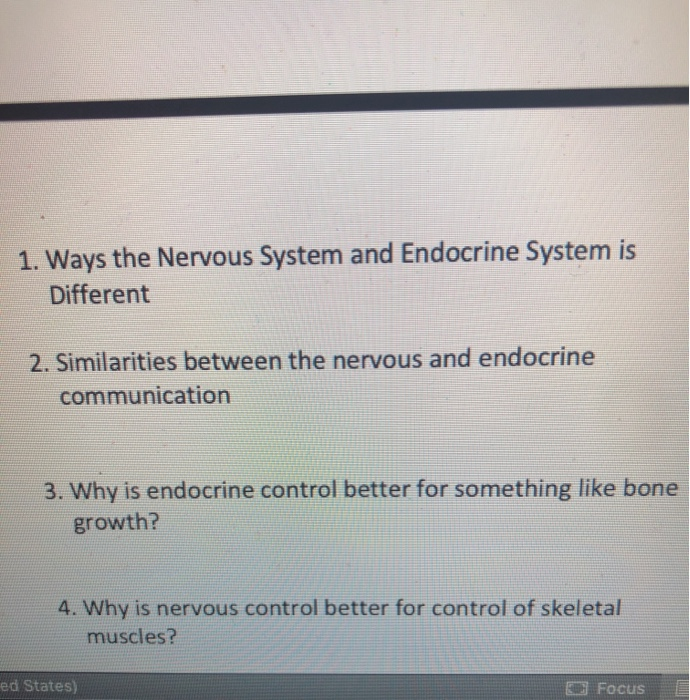
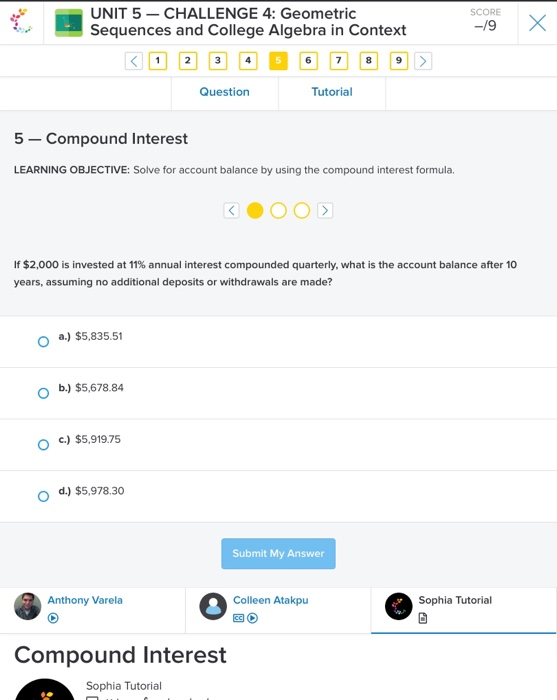
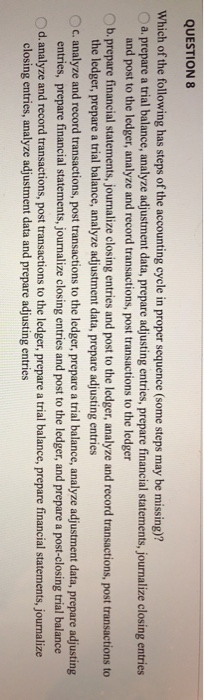
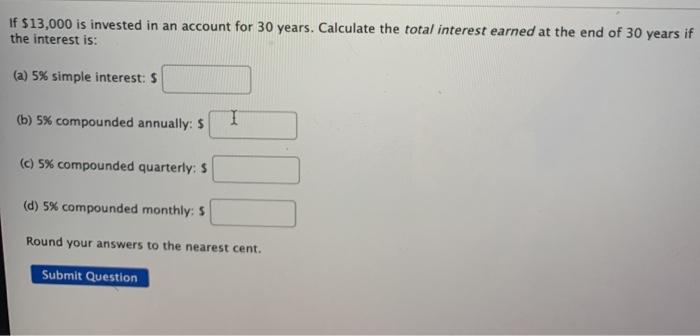
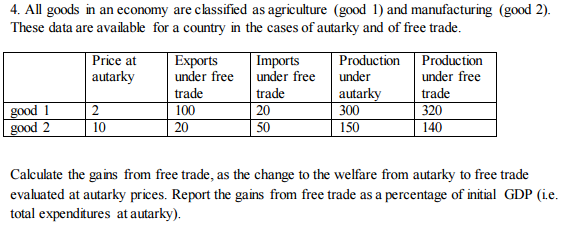
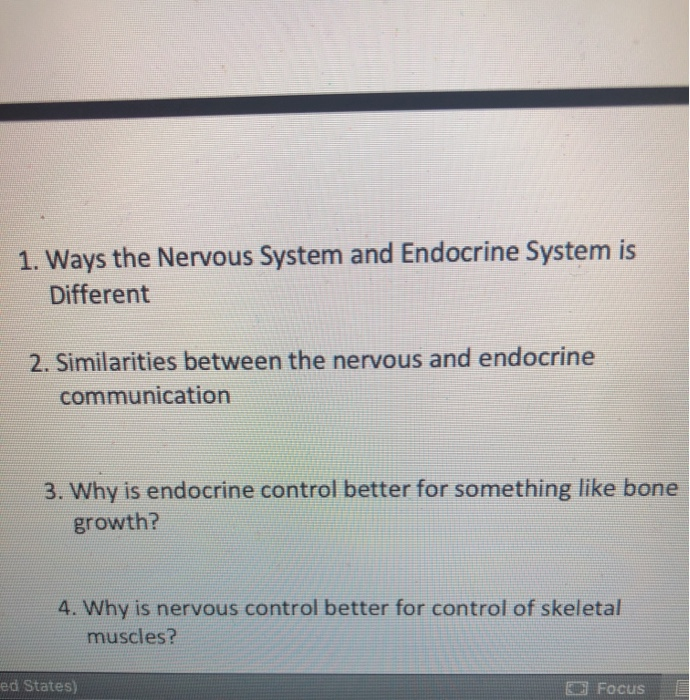
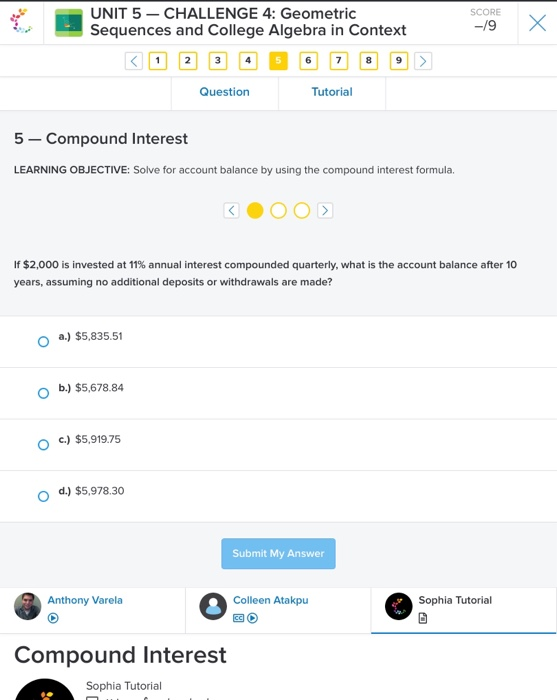
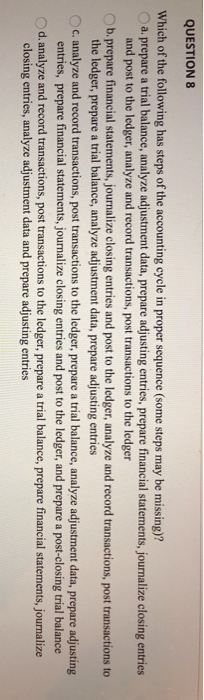
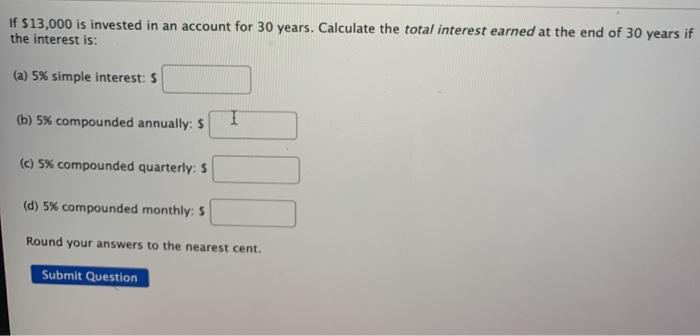
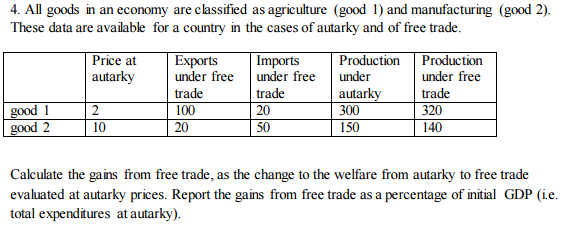
1. Ways the Nervous System and Endocrine System is Different 2. Similarities between the nervous and endocrine communication 3. Why is endocrine control better for something like bone growth? 4. Why is nervous control better for control of skeletal muscles? ed States] FocusUNIT 5 - CHALLENGE 4: Geometric SCORE Sequences and College Algebra in Context -/9 X Question Tutorial 5 - Compound Interest LEARNING OBJECTIVE: Solve for account balance by using the compound interest formula. .OOD If $2,000 is invested at 11% annual interest compounded quarterly, what is the account balance after 10 years, assuming no additional deposits or withdrawals are made? (a.) $5,835.51 ( b.) $5,678.84 ( ) $5,919.75 ( d.) $5,978.30 Submit My Answer Anthony Varela Colleen Atakpu Sophia Tutorial Compound Interest Sophia TutorialQUESTION 8 Which of the following has steps of the accounting cycle in proper sequence (some steps may be missing)? a, prepare a trial balance, analyze adjustment data, prepare adjusting entries, prepare financial statements, journalize closing entries and post to the ledger, analyze and record transactions, post transactions to the ledger Ob. prepare financial statements, journalize closing entries and post to the ledger, analyze and record transactions, post transactions to the ledger, prepare a trial balance, analyze adjustment data, prepare adjusting entries c. analyze and record transactions, post transactions to the ledger, prepare a trial balance, analyze adjustment data, prepare adjusting entries, prepare financial statements, journalize closing entries and post to the ledger, and prepare a post-closing trial balance Od. analyze and record transactions, post transactions to the ledger, prepare a trial balance, prepare financial statements, journalize closing entries, analyze adjustment data and prepare adjusting entriesIf $13,000 is invested in an account for 30 years. Calculate the total interest earned at the end of 30 years if the interest is: (a) 5% simple interest: $ (b) 5% compounded annually: $ (c) 5% compounded quarterly: $ (d) 5% compounded monthly: $ Round your answers to the nearest cent. Submit Question4. All goods in an economy are classified as agriculture (good 1) and manufacturing (good 2). These data are available for a country in the cases of autarky and of free trade. Price at Exports Imports Production Production autarky under free under free under under free trade trade autarky trade good 1 2 100 20 300 320 good 2 10 20 50 150 140 Calculate the gains from free trade, as the change to the welfare from autarky to free trade evaluated at autarky prices. Report the gains from free trade as a percentage of initial GDP (ie. total expenditures at autarky)
Step by Step Solution
There are 3 Steps involved in it

Get step-by-step solutions from verified subject matter experts
 Study Help