







Question: Solve the system using Cramer's Rule. - 21 - 22 - 4x3 = 11 3x1 + 5x2 - 623 = 31 3x1 = 3 Find
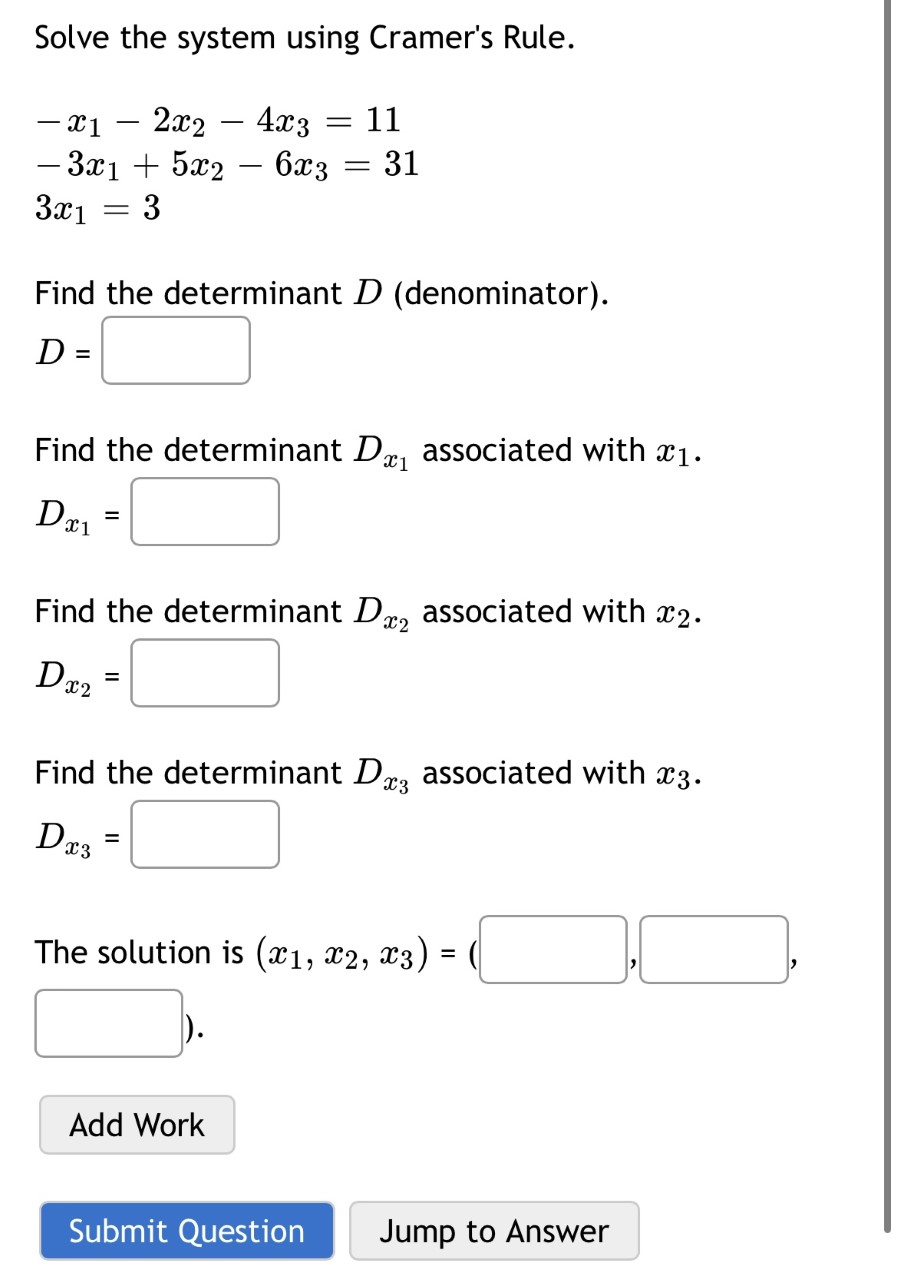
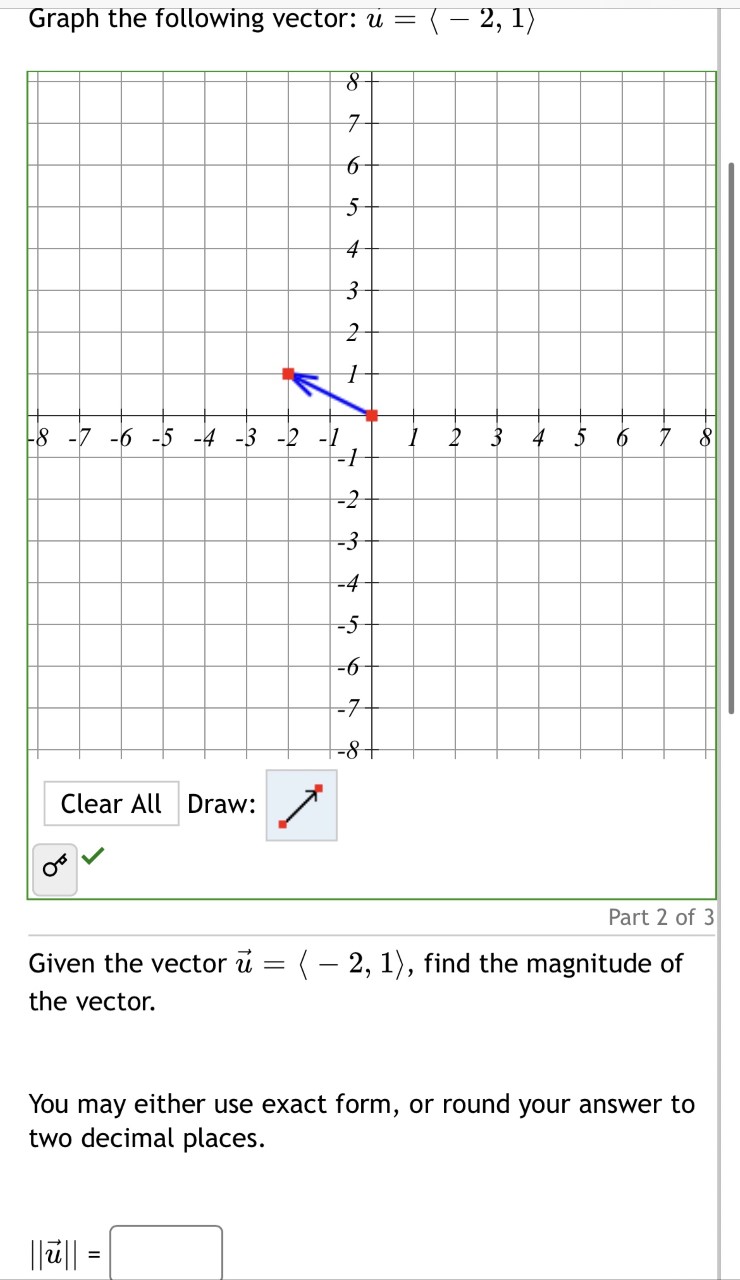
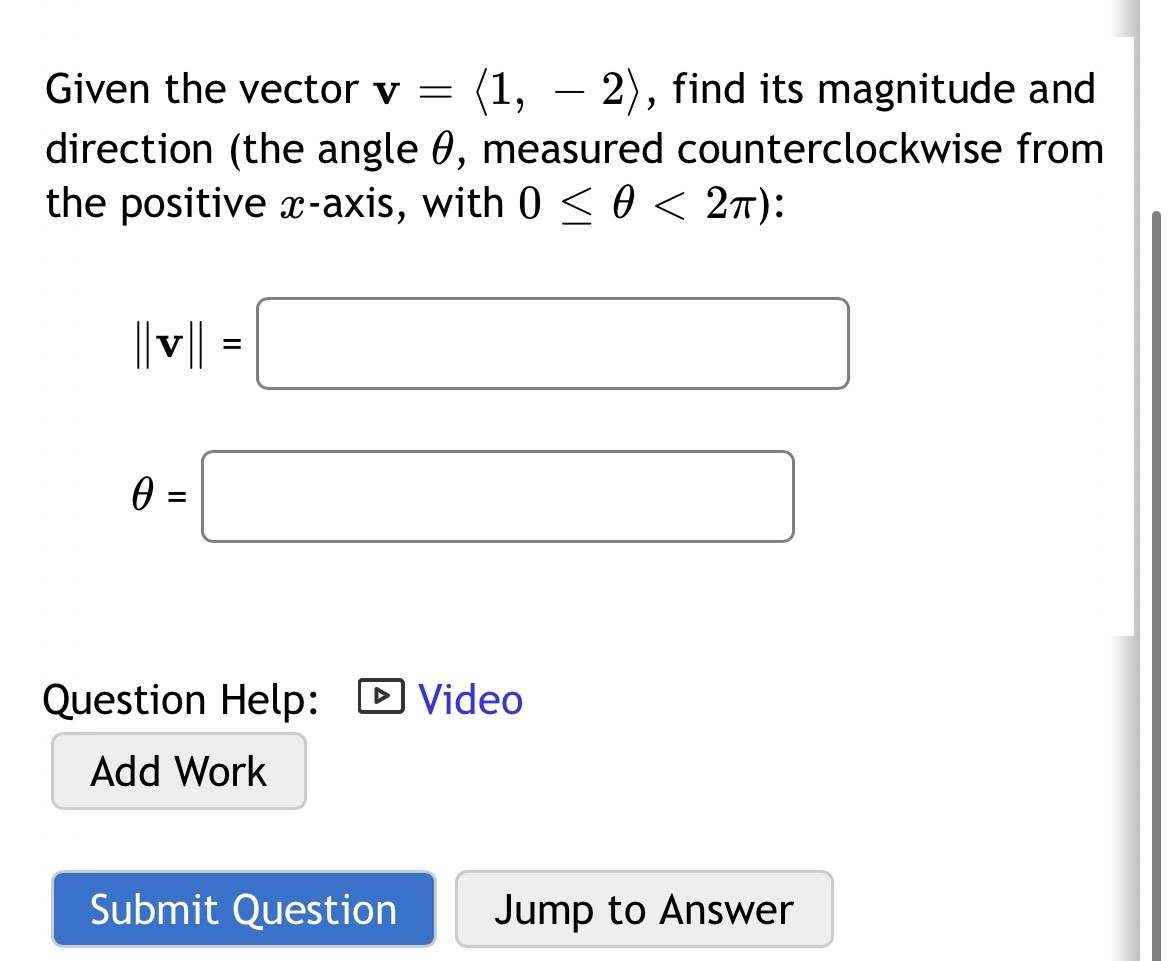
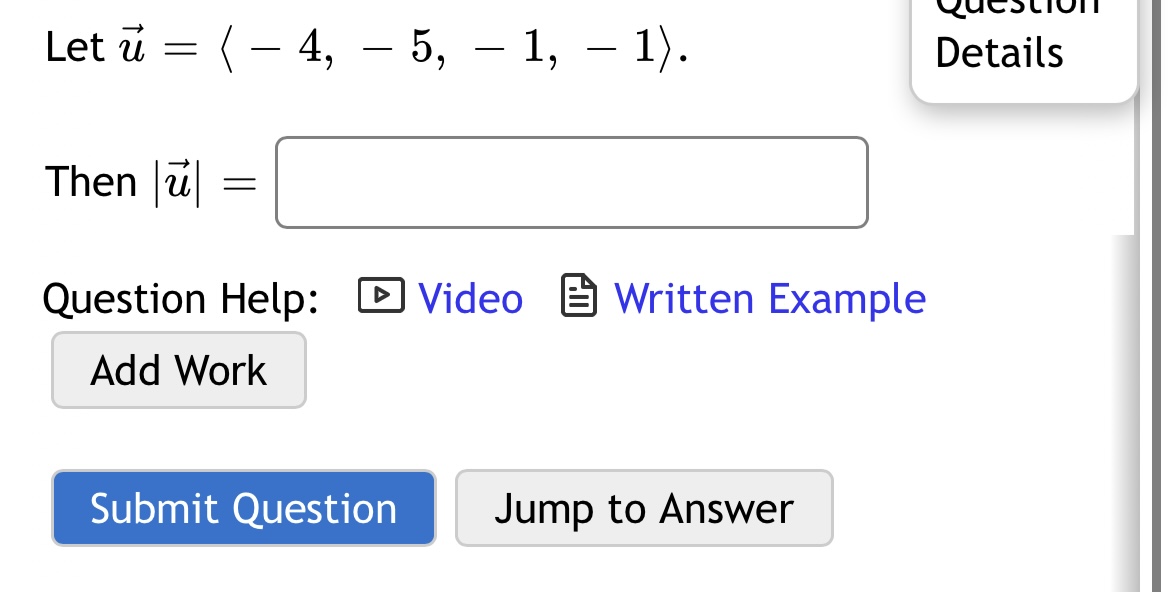
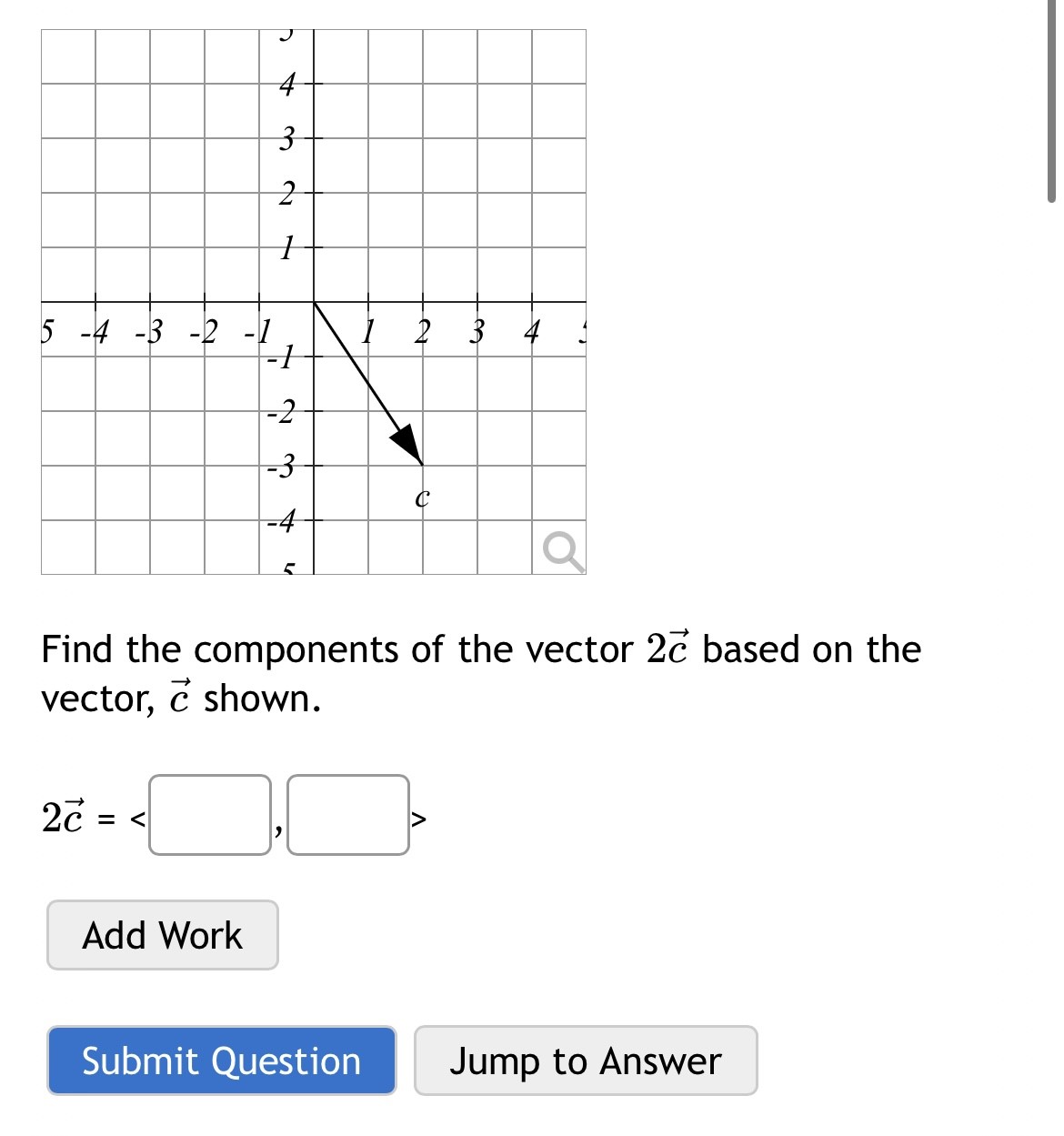
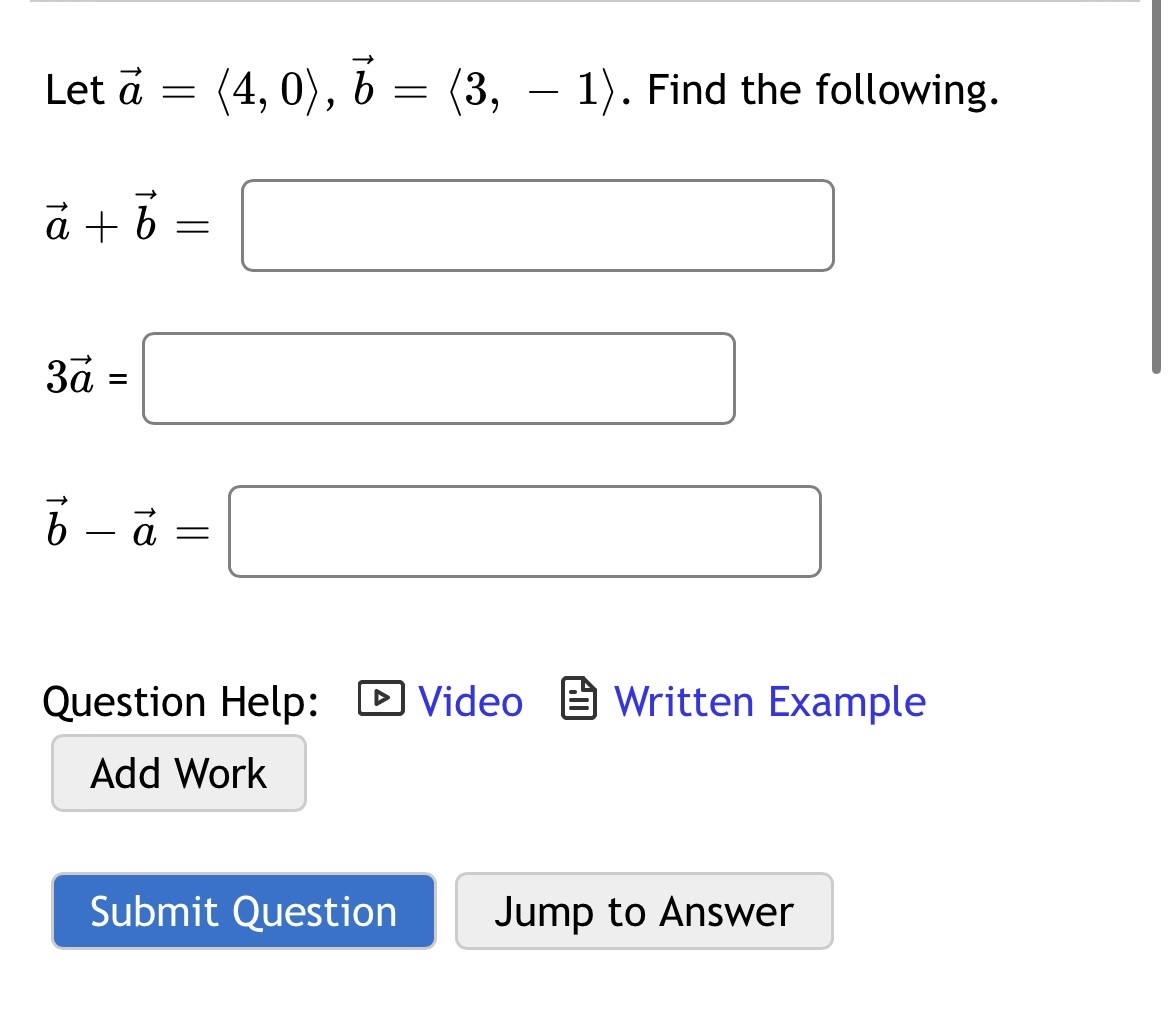
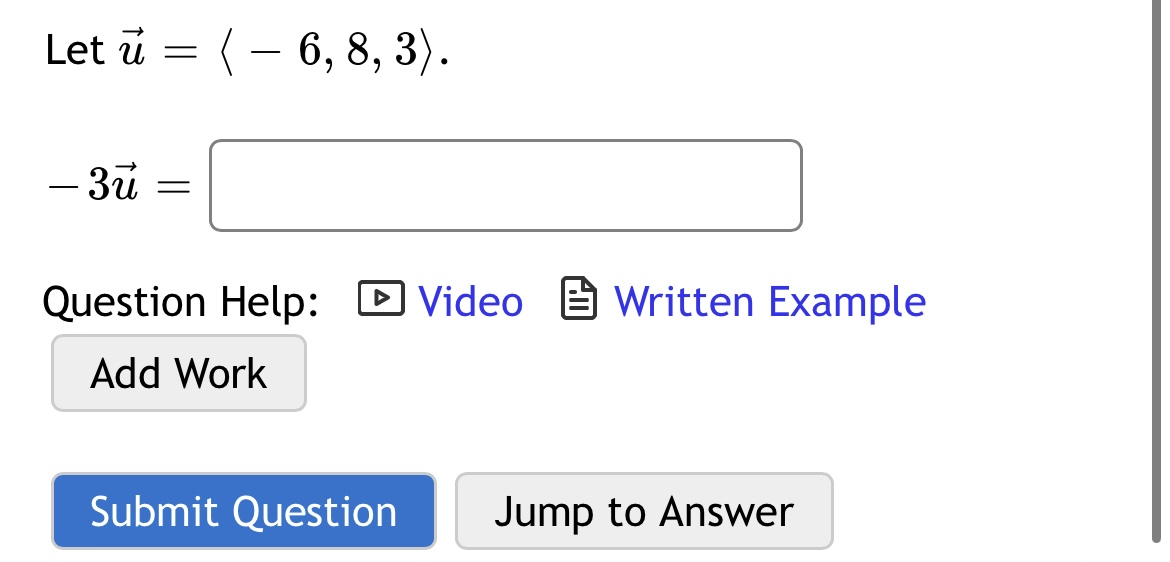
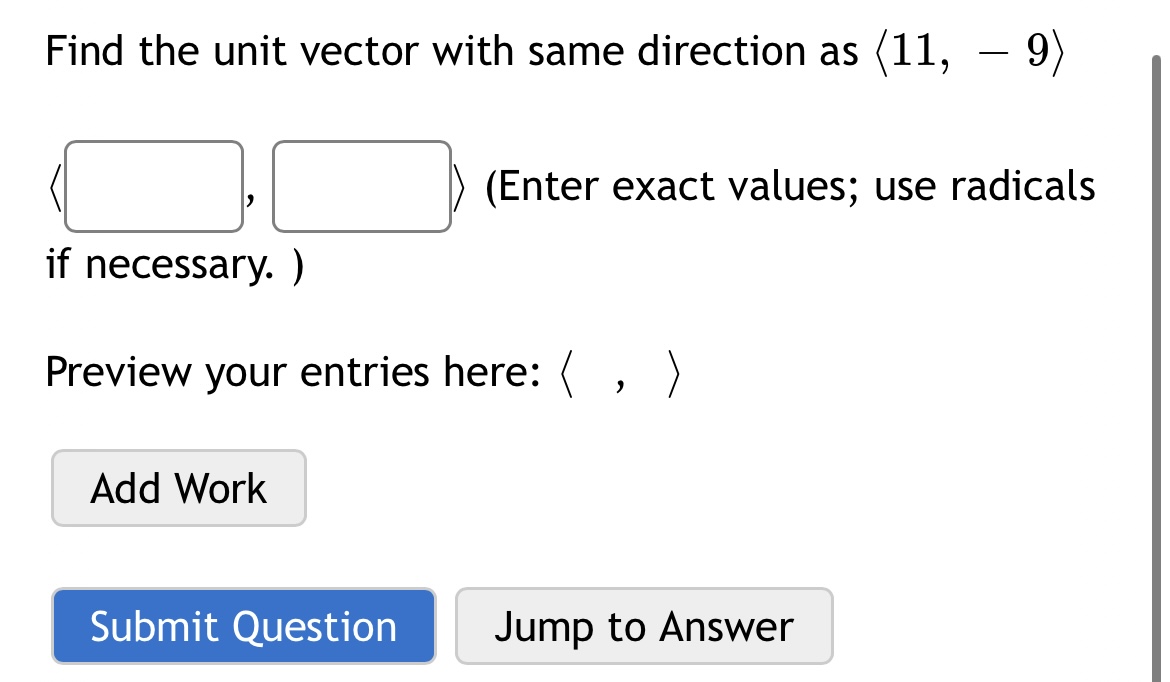
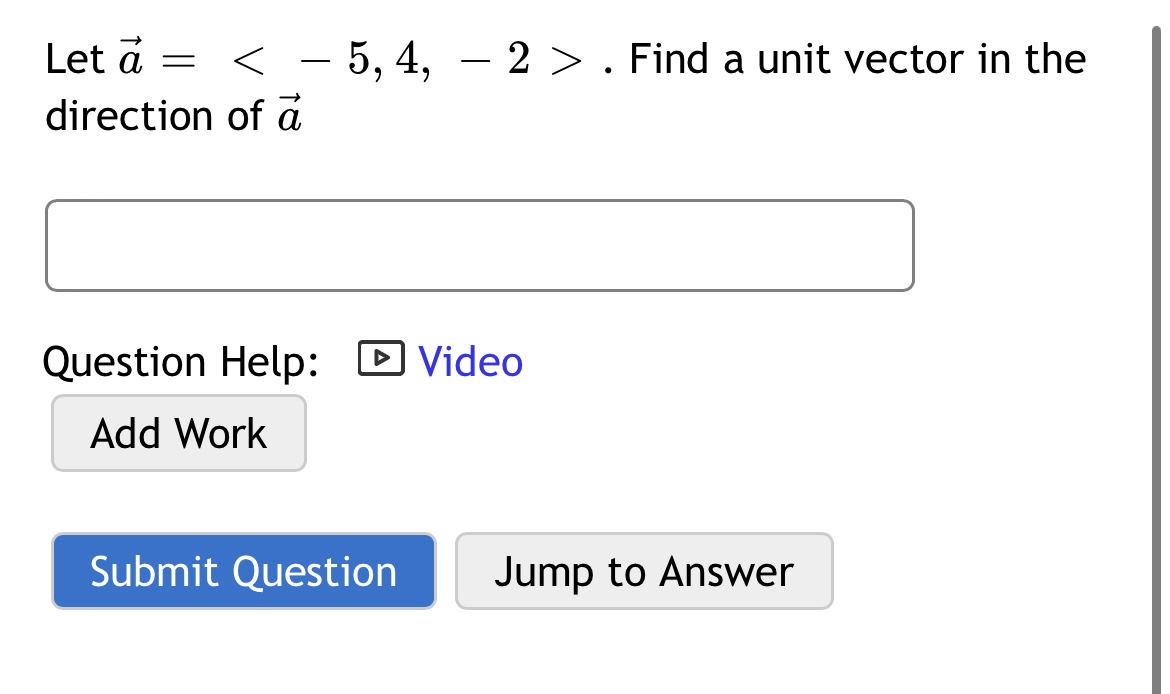
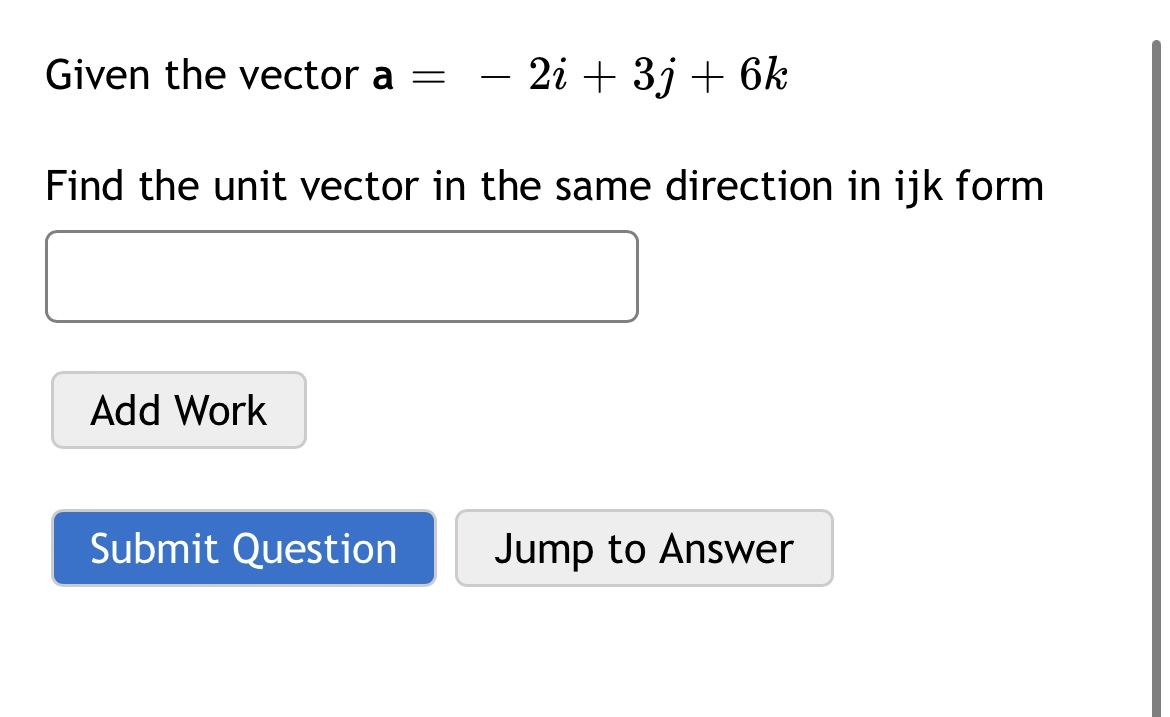
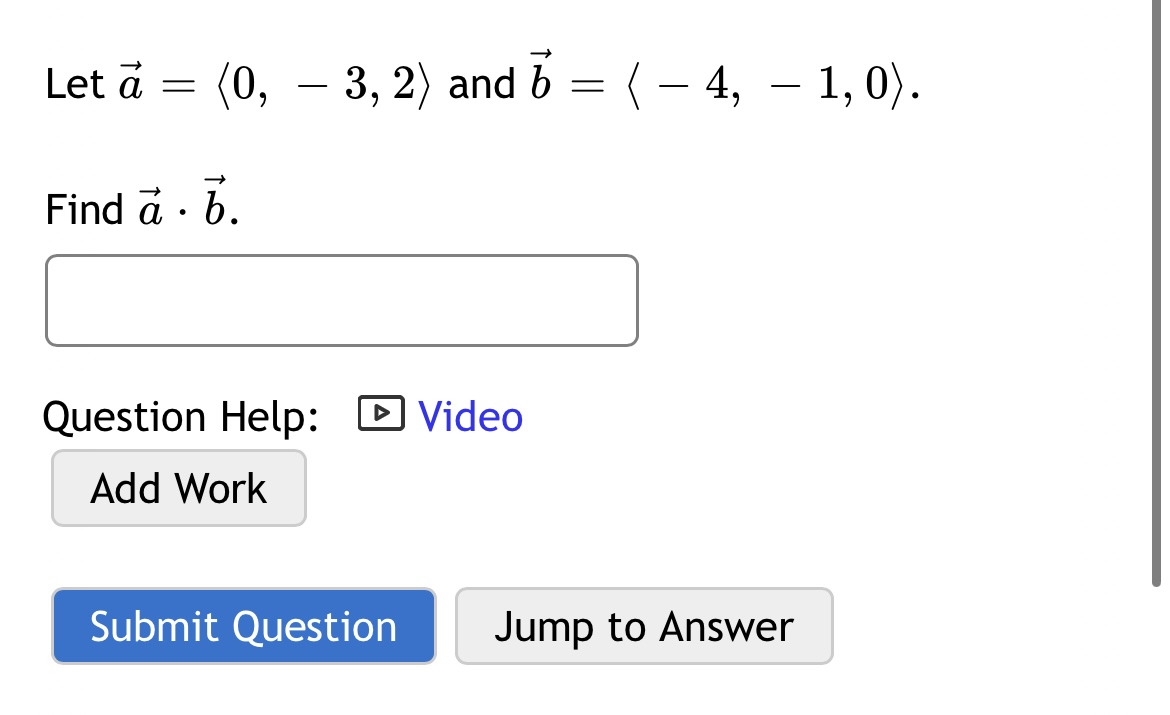
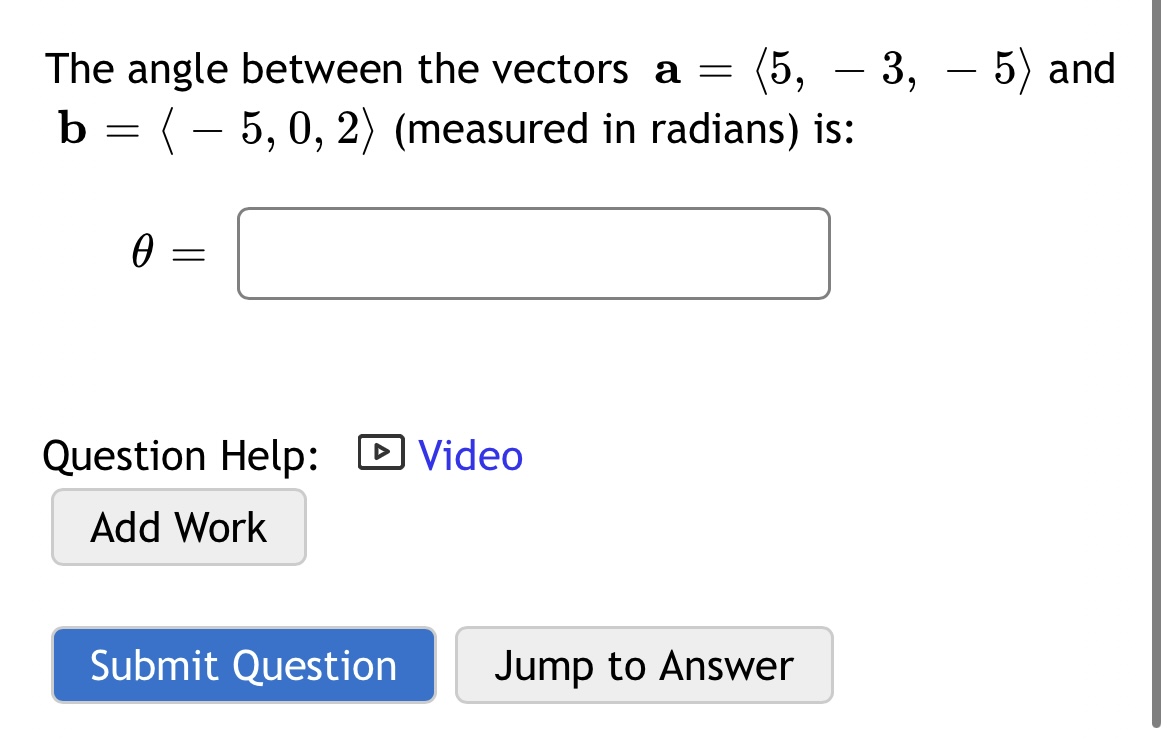
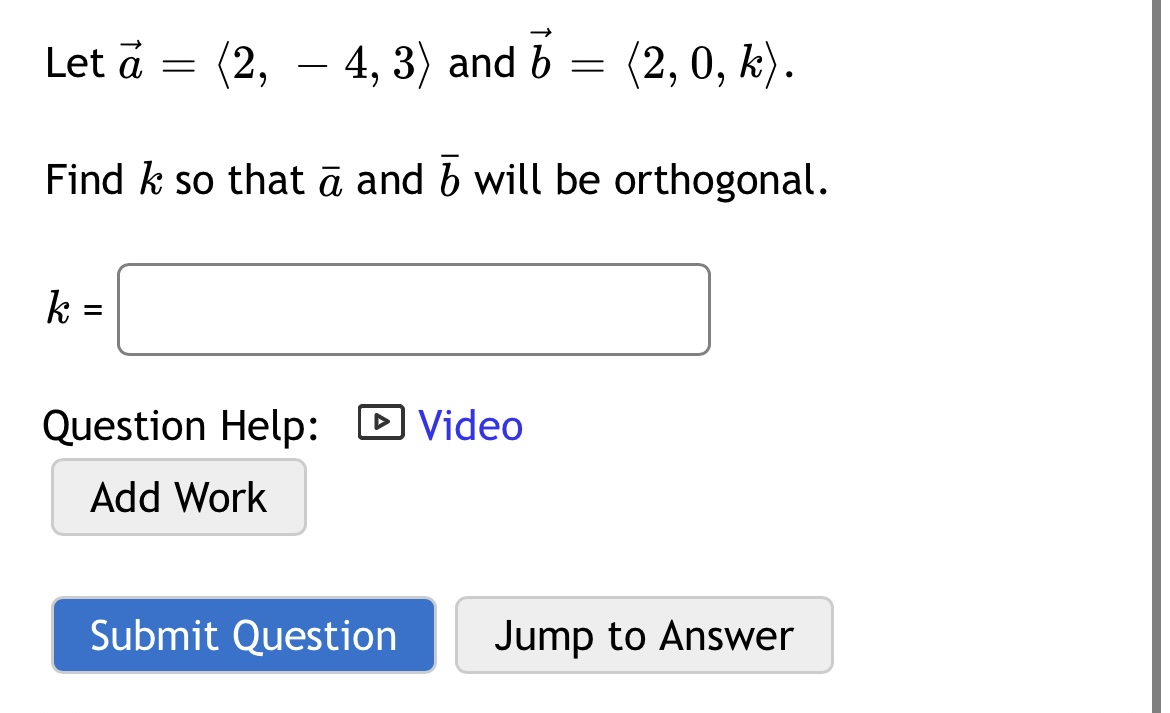
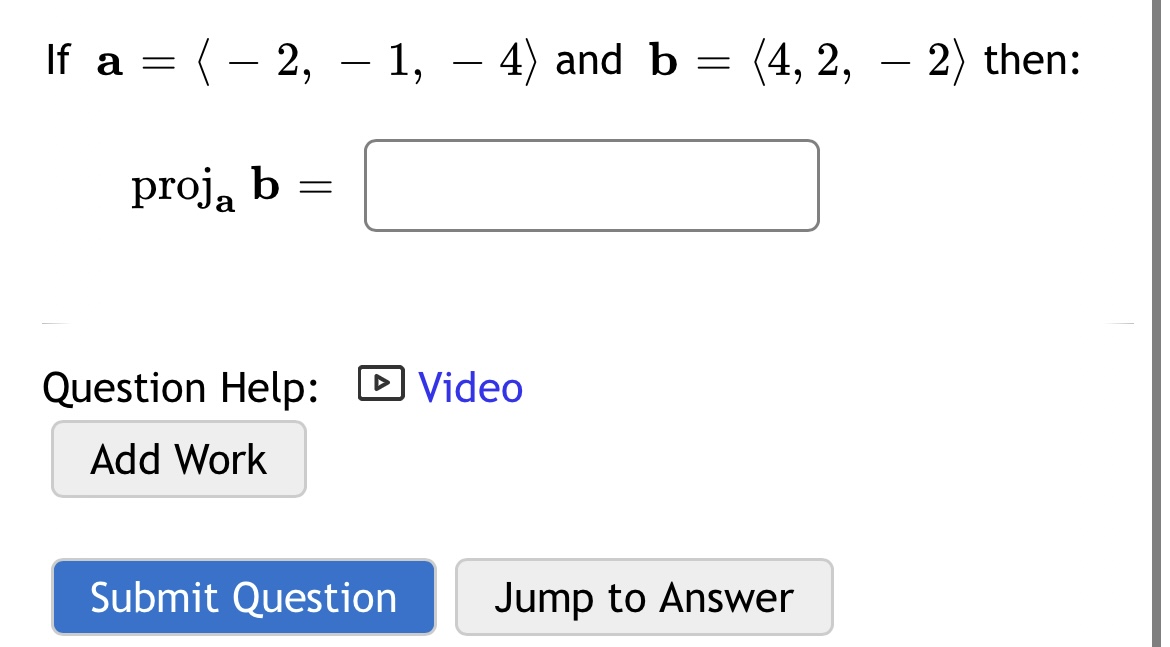
Solve the system using Cramer's Rule. - 21 - 22 - 4x3 = 11 3x1 + 5x2 - 623 = 31 3x1 = 3 Find the determinant D (denominator). D = Find the determinant Dx, associated with x1. Da = Find the determinant Dx, associated with x2. Find the determinant D.; associated with x3. Dx3 = The solution is (21, 202, 203) = ( Add Work Submit Question Jump to AnswerGraph the following vector: u = ( - 2, 1) -8 -7 -6 -5 -4 -3 -2 -1 1 2 3 4 5 6 8 Clear All Draw: Part 2 of 3 Given the vector u = ( - 2, 1), find the magnitude of the vector. You may either use exact form, or round your answer to two decimal places. 1 122/1 =Given the vector v = (1, - 2), find its magnitude and direction (the angle 0, measured counterclockwise from the positive x-axis, with 0 . Find a unit vector in the direction of 5 Question Help: El Video Add Work Submit Question Jump to Answer Given the vector a = 222 + 33' + 61:: Find the unit vector in the same direction in ijk form :] Add Work Submit Question _ Jump to Answer Let a = (0, - 3, 2) and b = ( - 4, - 1, 0). Find a . b. Question Help: D Video Add Work Submit Question Jump to AnswerThe angle between the vectors a = (5, - 3, - 5) and b = ( - 5, 0, 2) (measured in radians) is: A = Question Help: D Video Add Work Submit Question Jump to AnswerLet a = (2, - 4, 3) and b = (2, 0, k) . Find k so that a and b will be orthogonal. k = Question Help: Video Add Work Submit Question Jump to AnswerIf a = ( - 2, - 1, - 4) and b = (4, 2, - 2) then: proja b = Question Help: D Video Add Work Submit Question Jump to
Step by Step Solution
There are 3 Steps involved in it

Get step-by-step solutions from verified subject matter experts
 Study Help