Question: Subject: Logistics and Supply Chain Management Instructions: Draft an explanation of each slide/image below under every topic. Make sure that the explanation or discussion is
Subject: Logistics and Supply Chain Management
Instructions: Draft an explanation of each slide/image below under every topic. Make sure that the explanation or discussion is understandable.
In order to know more about the topic, you may browse this book:
THERE ARE 3 TOPICS BELOW WITH SLIDES/IMAGES UNDER EVERY TOPIC.
NOTE: I need an explanation/discussion for each slide. For instance, you may say "In slide 1, etc,"
TOPIC 1: Delivering Customer Value
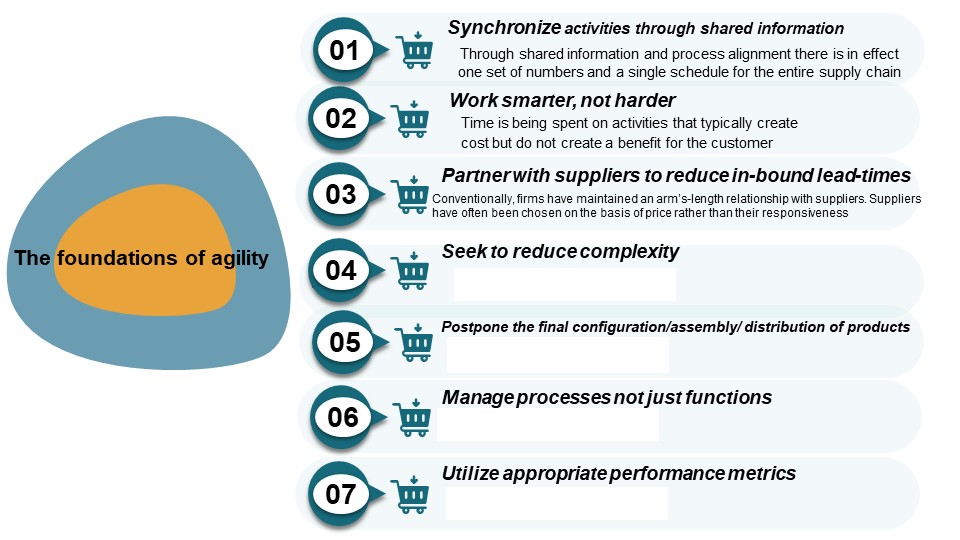
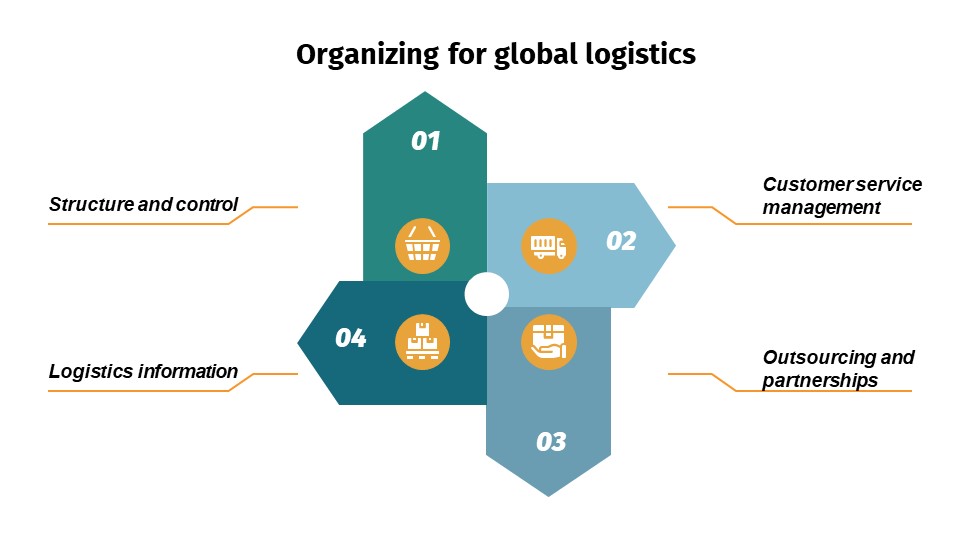
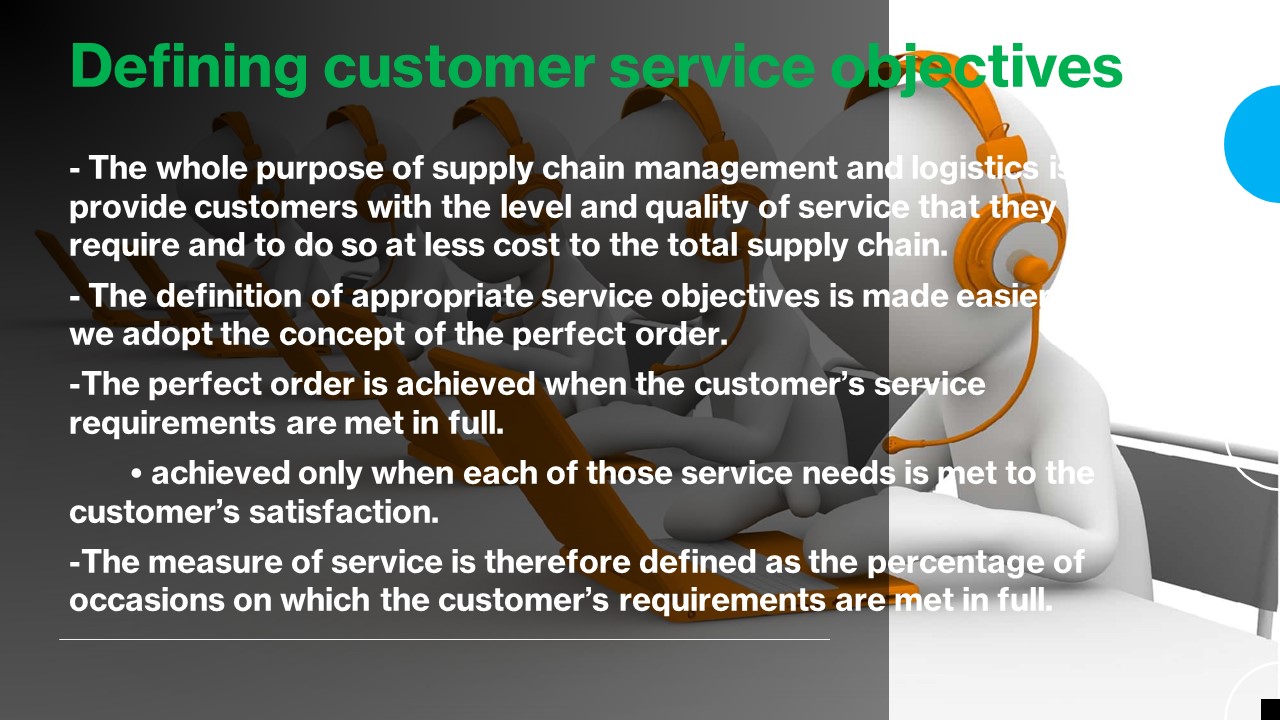
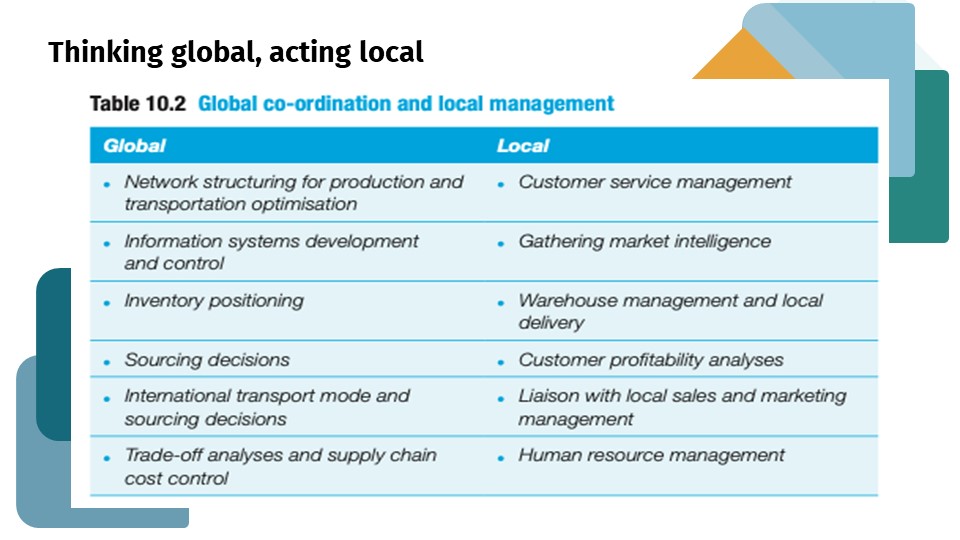
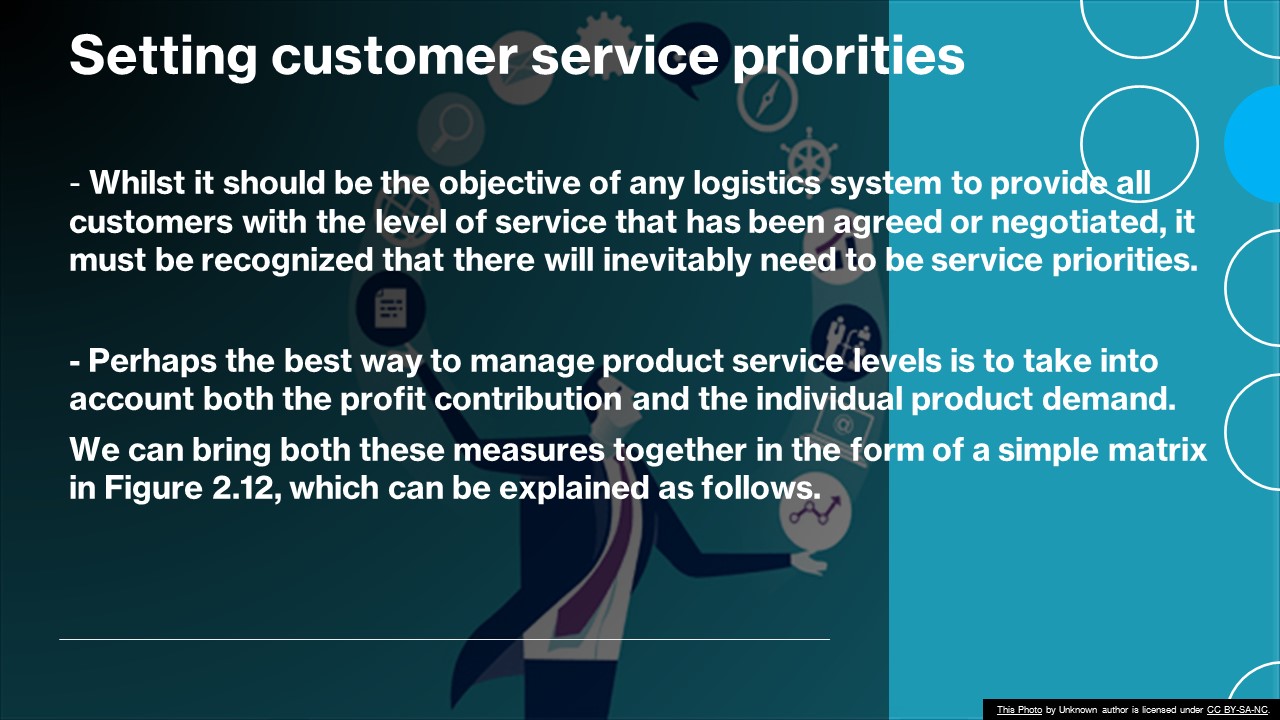
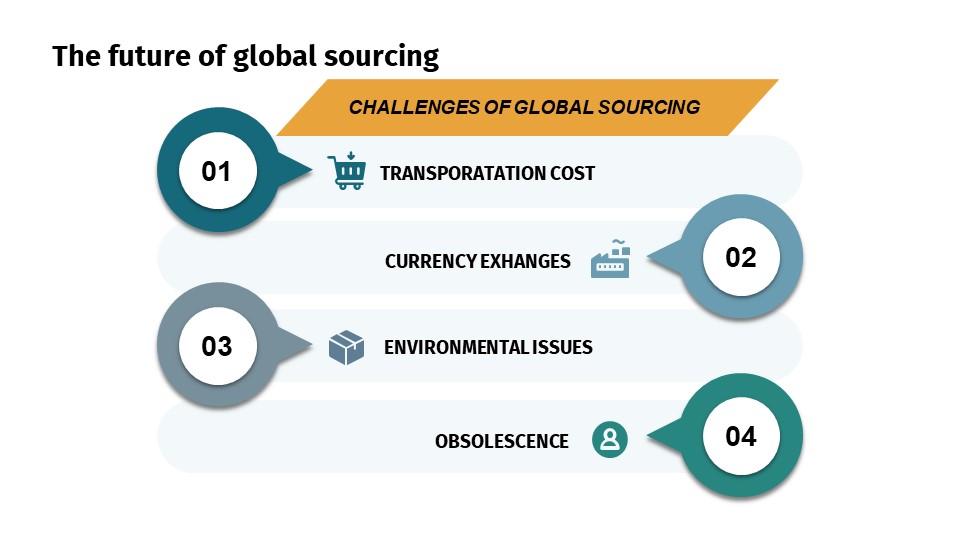
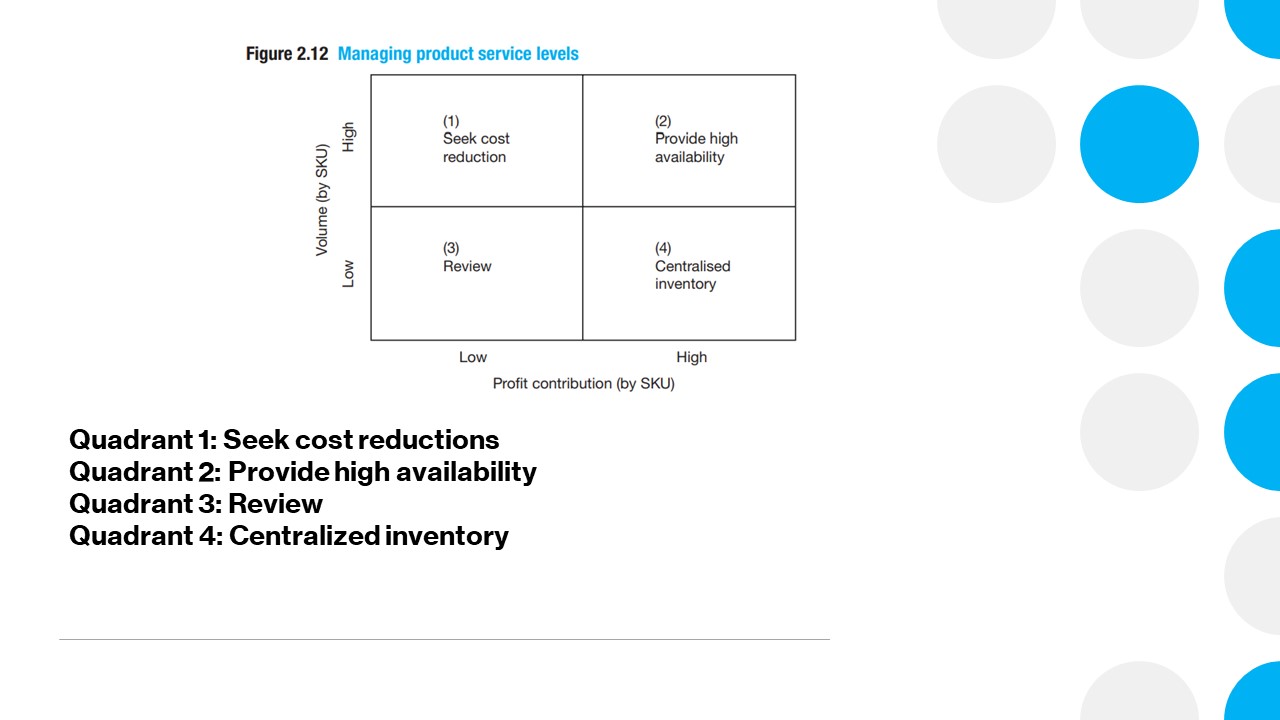
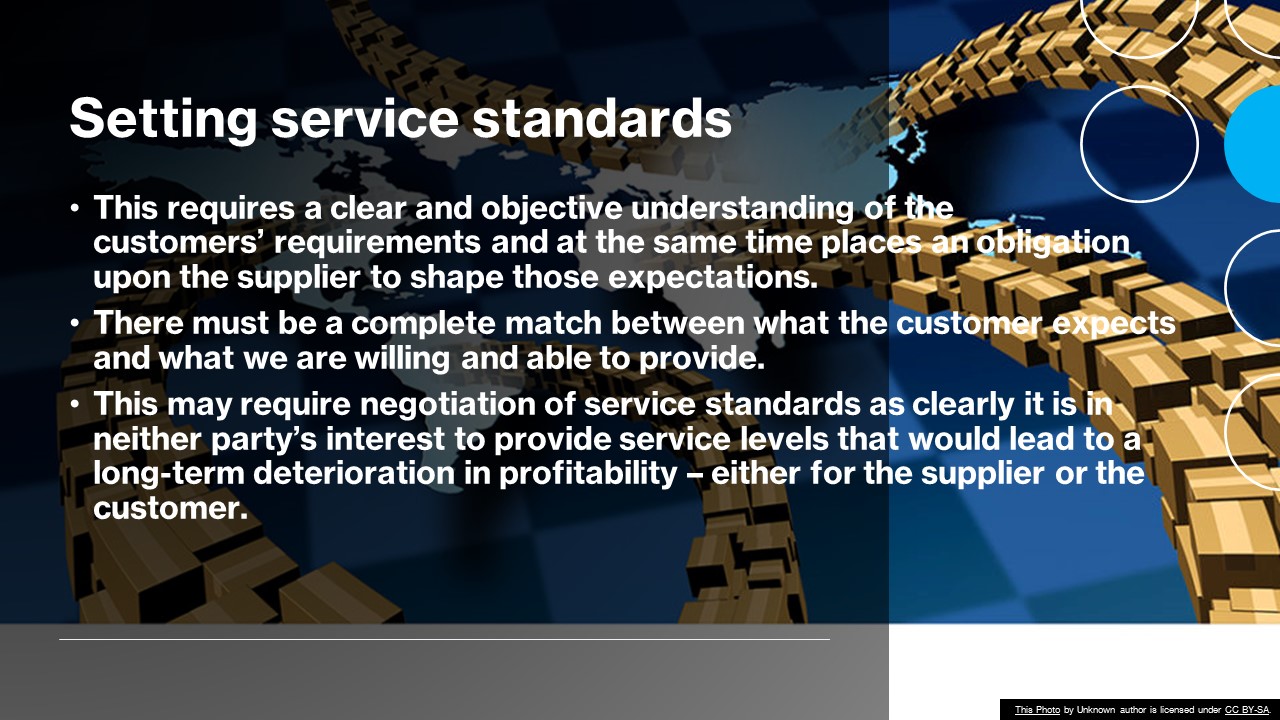
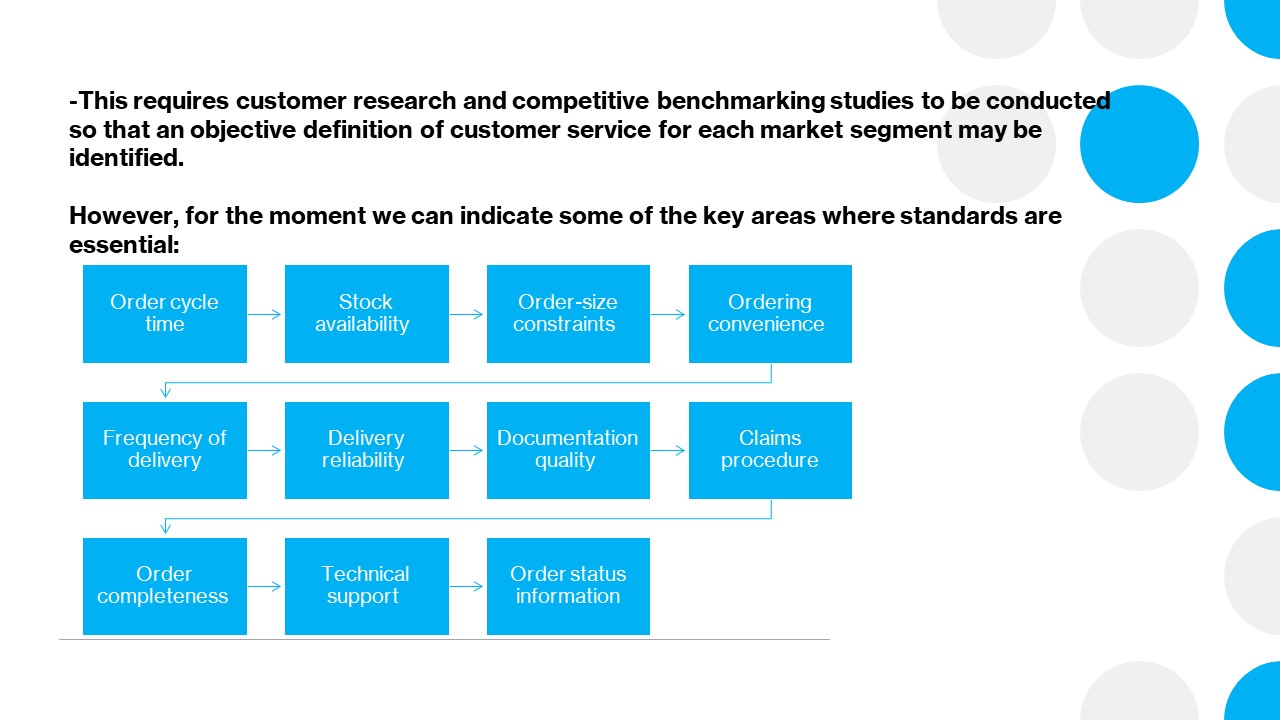
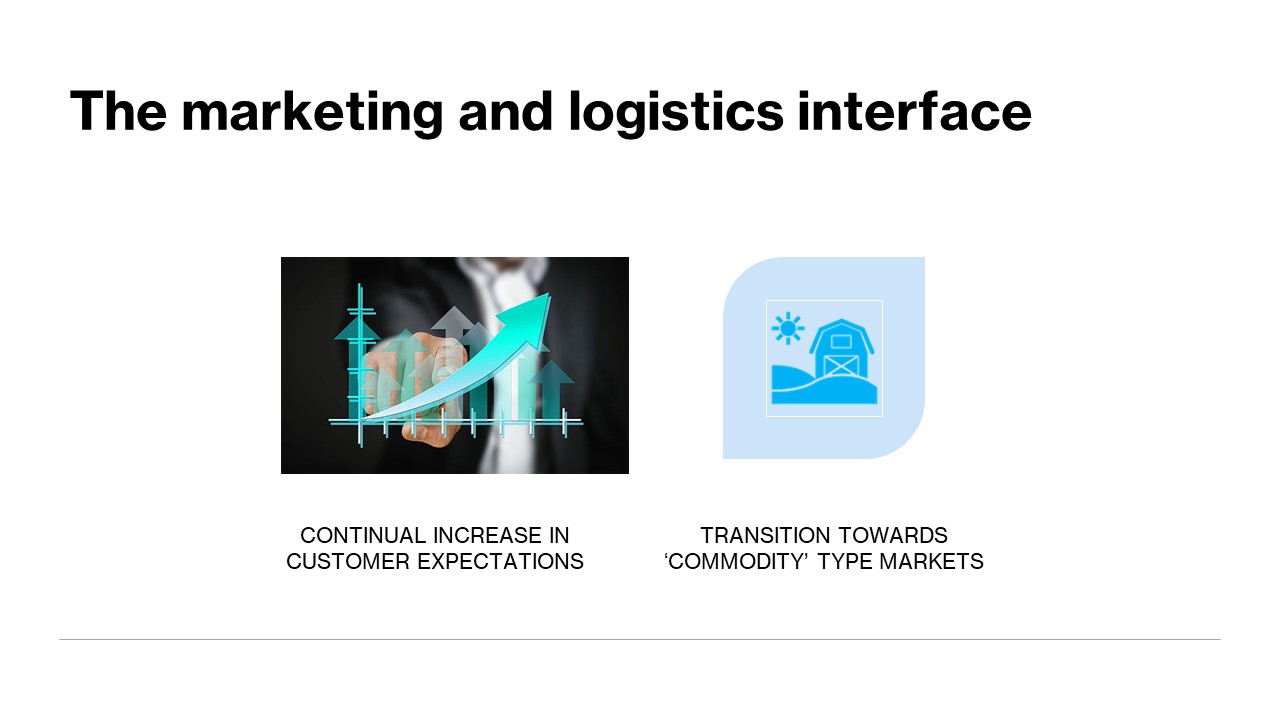
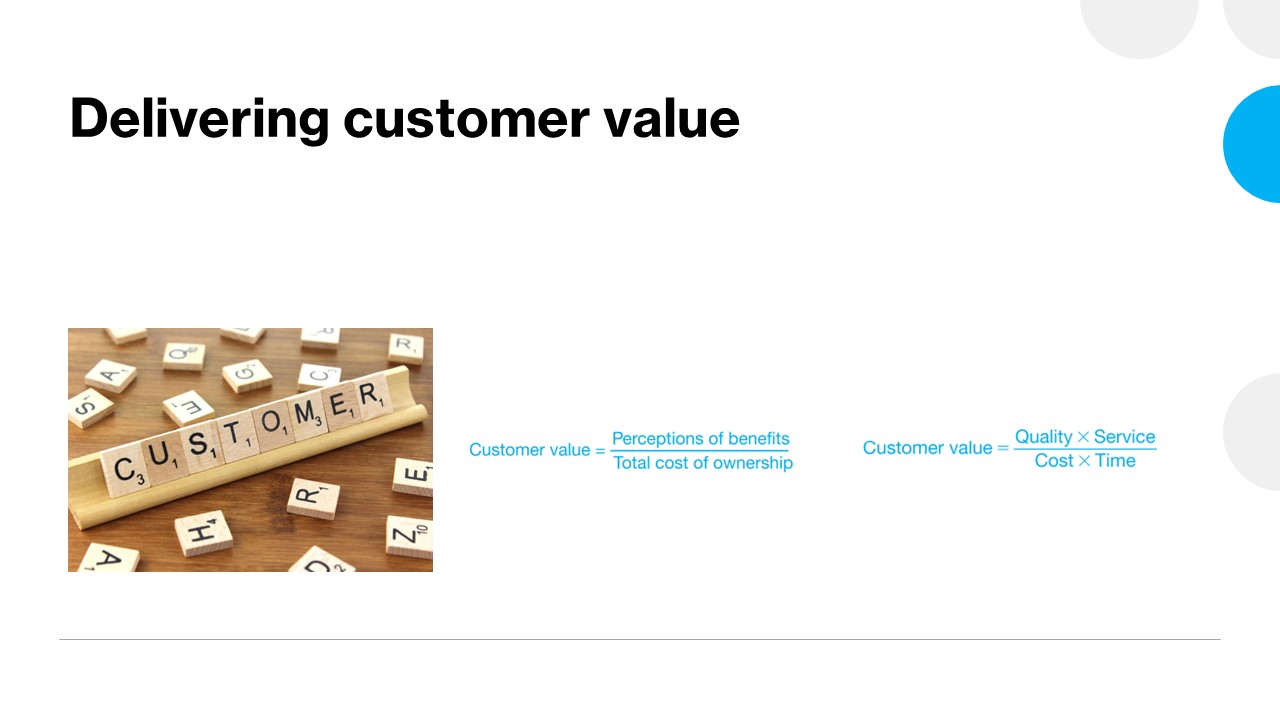
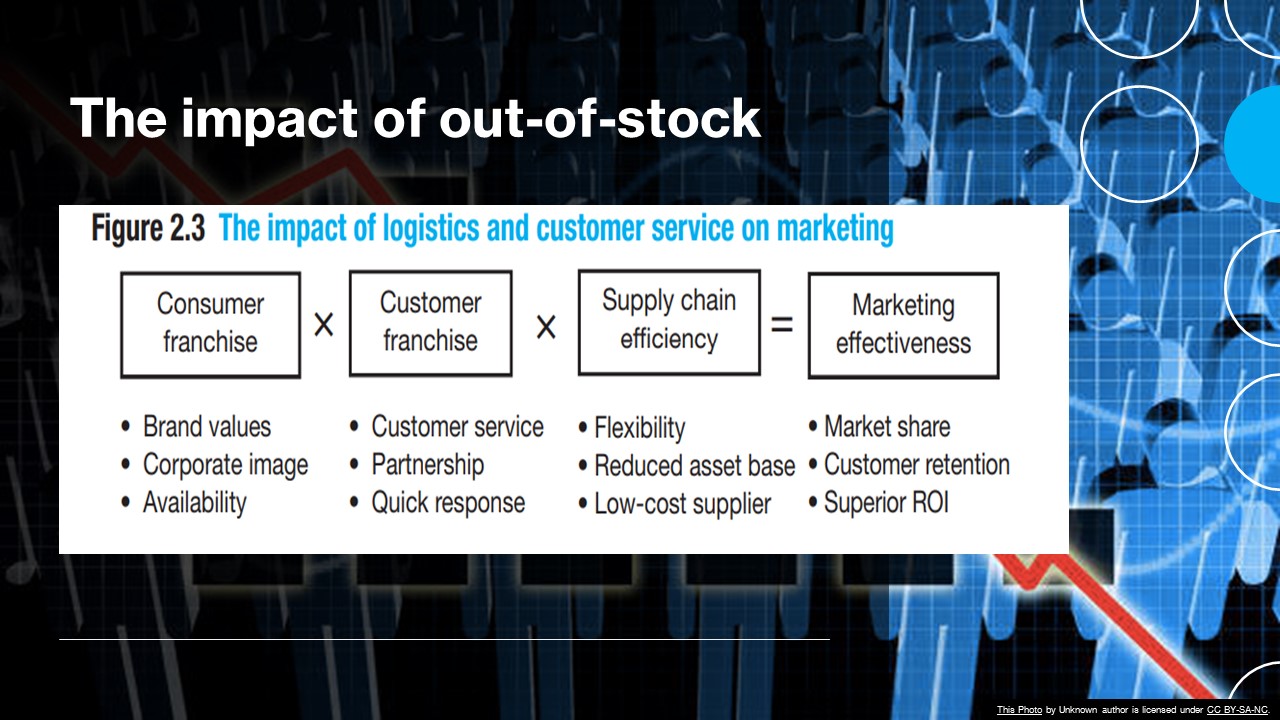
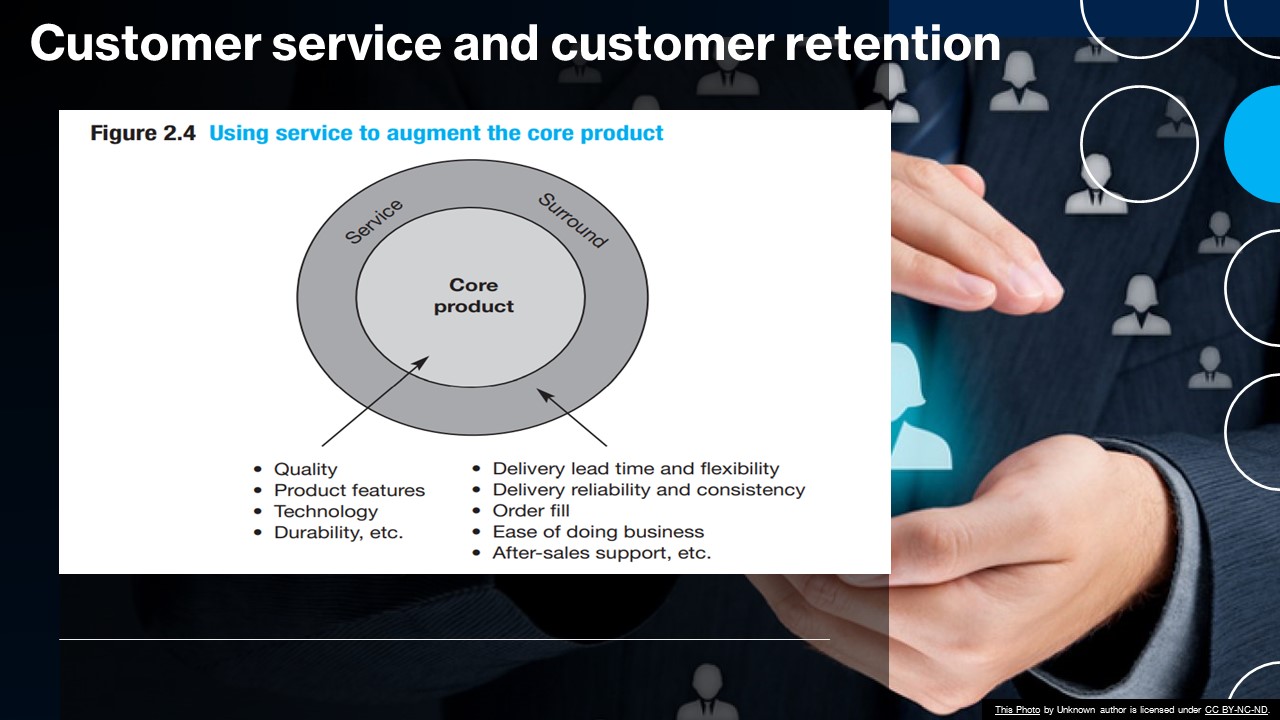
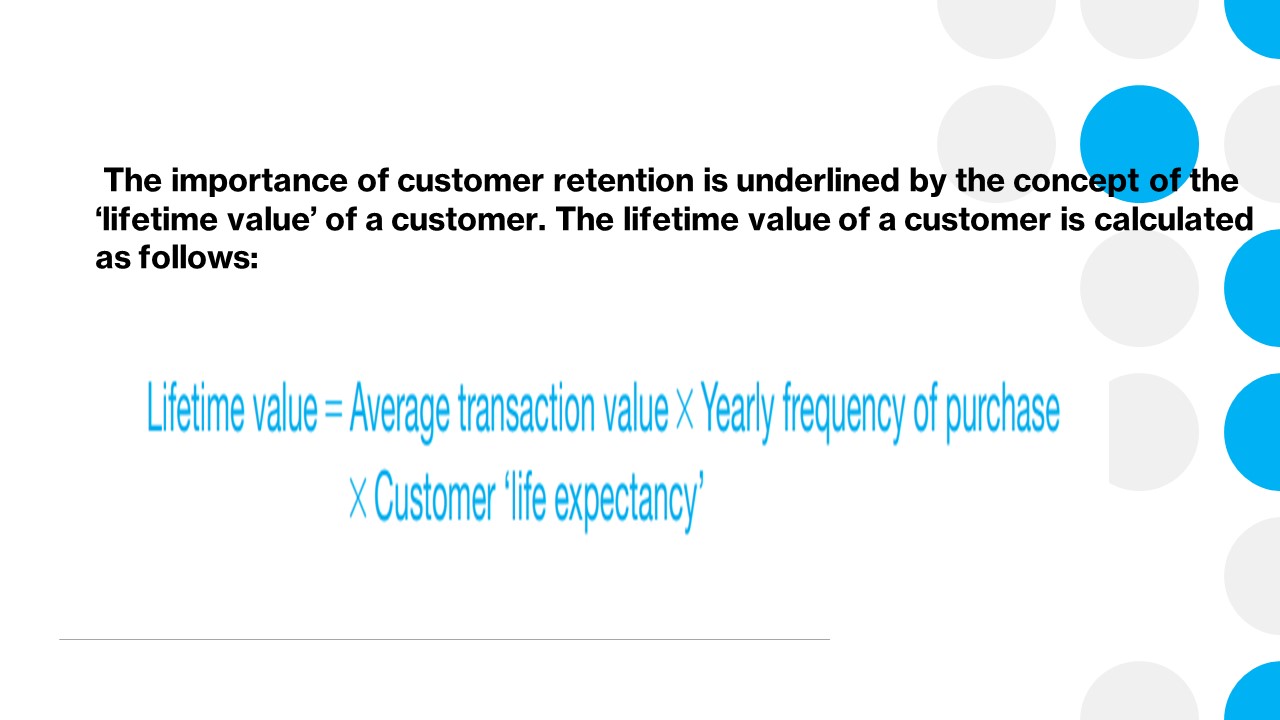
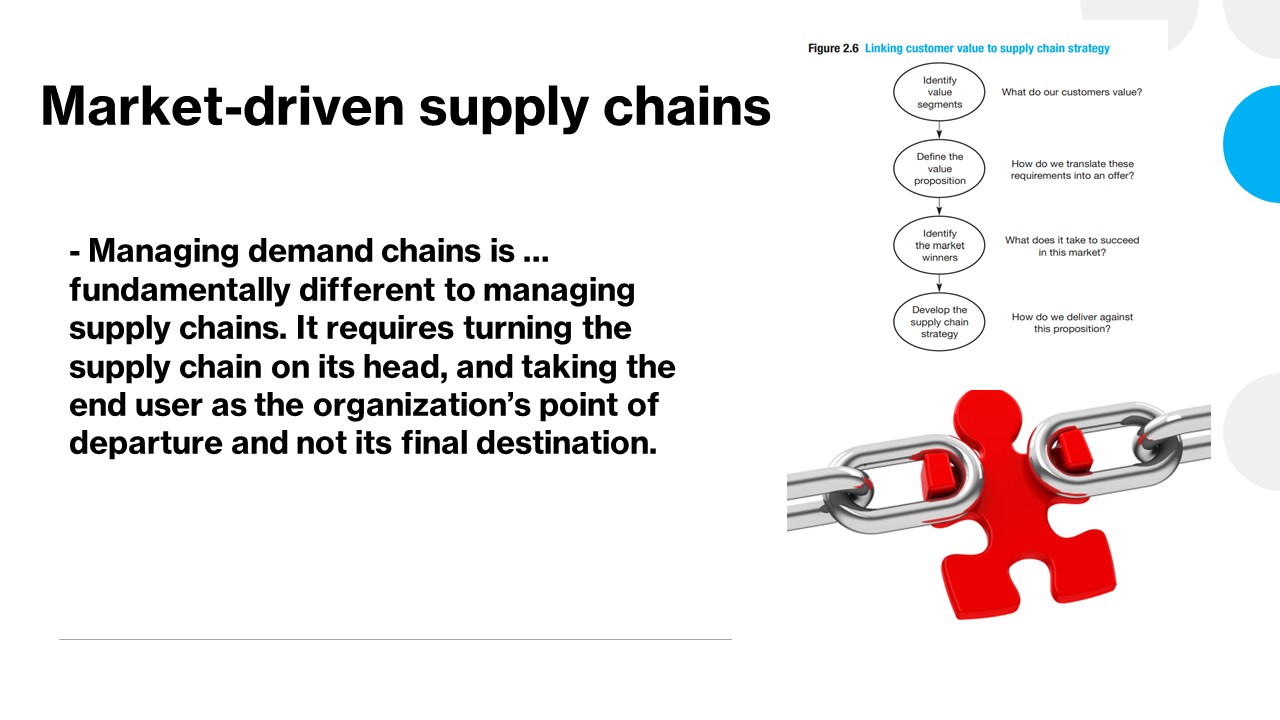
Synchronize activities through shared information 01 Through shared information and process alignment there is in effect one set of numbers and a single schedule for the entire supply chain Work smarter, not harder 02 Time is being spent on activities that typically create cost but do not create a benefit for the customer Partnerwith suppliers to reduce in-bound lead-times 03 Conventionally, firms have maintained an arm's-length relationship with suppliers. Suppliers have often been chosen on the basis of price rather than their responsiveness The foundations of agility Seek to reduce complexity 04 Postpone the final configuration/assembly/ distribution of products 05 Manage processes not just functions 06 Utilize appropriate performance metrics 07\f\fOrganizing for global logistics 01 Customerservice Structure and control management 02 04 Logistics information Outsourcing and partnerships 03- The whole purpose of supply chain management an provide customers with the level and quality of servi require and to do so at less cost to the total supply c . - The definition of appropriate service objectives is made easie we adopt the concept of the perfect order. J -The perfect order is achieved when the customer's service requirements are met in full. / - achieved only when each of those service needs is at to '. customer's satisfaction. -The measure of service is therefore defined as the percentage "i ' occasions on which the customer's requirements are u -. \fSetting customer service priorities ~ Whilst it should be the objective of any logistics system to provi . .- customers with the level of service that has been agreed or negotiated, it must be recognized that there will inevitably need to be service priorities. - Perhaps the best way to manage product service levels is to take into account both the profit contribution and the individual product demand. We can bring both these measures together in the form of a simple matrix in Figure 2.12, which can be explained as follows. The future of global sourcing CHALLENGES OF GLOBAL SOURCING 01 TRANSPORTATION COST CURRENCY EXHANGES 02 03 ENVIRONMENTAL ISSUES OBSOLESCENCE 8 04Figure 2.12 Managing product service levels [2) Provide high availability High Volume [by SKU) {4) Centralised inventory Low Low High Prot contribution (by SKU} Quadrant 1: Seek cost reductions Quadrant 2: Provide high availability Quadrant 3: Review Quadrant 4: Centralized inventory Setting service standards -This requires a clear and objective understanding otfhgr customers requirements and at the same time places-motiligation upon the supplier to shape those expectations. a; a \"K_ \"'5' -There must be a complete match between what the customepects and what we are willing and able to provide. - - This may require negotiation of service standards as clearly it ist'ing\" neither party's interest to provide service levels that would lead to 'a long-term deterioration in profitability either for the supplier or the customer. \fDELIVERING CUSTOMER VALU o The marketing and logistics interface 0 Delivering customer value 0 What is customer service? 0 The impact of out-of-stock I Customer service and customer retention 0 Market-driven supply chains 0 Defining customer service objectives 0 Setting customer service priorities 0 Setting service standards The marketing and logistics interface CONTiNUAL INCREASE 1N TRANSiTION TOWARDS CUSTOMER EXPECTATIONS COMMODITY\" TYPE MARKETS Delivering customer value Perceptions of bemeflts Customer value = Quality X Sewlce Customer value : . Total cost of ownership Cost X Time \fThe impact of out-of-stock gure 2.3 The impact of logistics and customer service on marketing Consumer X Customer Supply chain _ Marketing franchise franchise X efficiency _ effectiveness ' Brand values 0 Customer service I! Flexibility 0 Market share ' Corporate image 0 Partnership - Reduced asset base 0 Customer retention - Availability - Quick response - Low-cost supplier - Superior ROI gure 2.4 Using service to augment the core product Quality Delivery lead time and flexibility Product features Delivery reliability and consistency Technology Order fill Durability, etc. Ease of doing business After-sales support, etc. The importance of customer retention is underlined by the cone.he 'lifetime value' of a customer. The lifetime value of a customer is calculated as follows: ' Lifetime value=Average transaction valueXYearly frequency of purchase ' >
Step by Step Solution
There are 3 Steps involved in it
1 Expert Approved Answer
Step: 1 Unlock
Question Has Been Solved by an Expert!
Get step-by-step solutions from verified subject matter experts
Step: 2 Unlock
Step: 3 Unlock
Students Have Also Explored These Related General Management Questions!