



Question: successfully received approval for operating as a not-for-profit from the Internal Revenue Service and the state of Massachusetts. To keep paperwork manageable for volunteer staff,
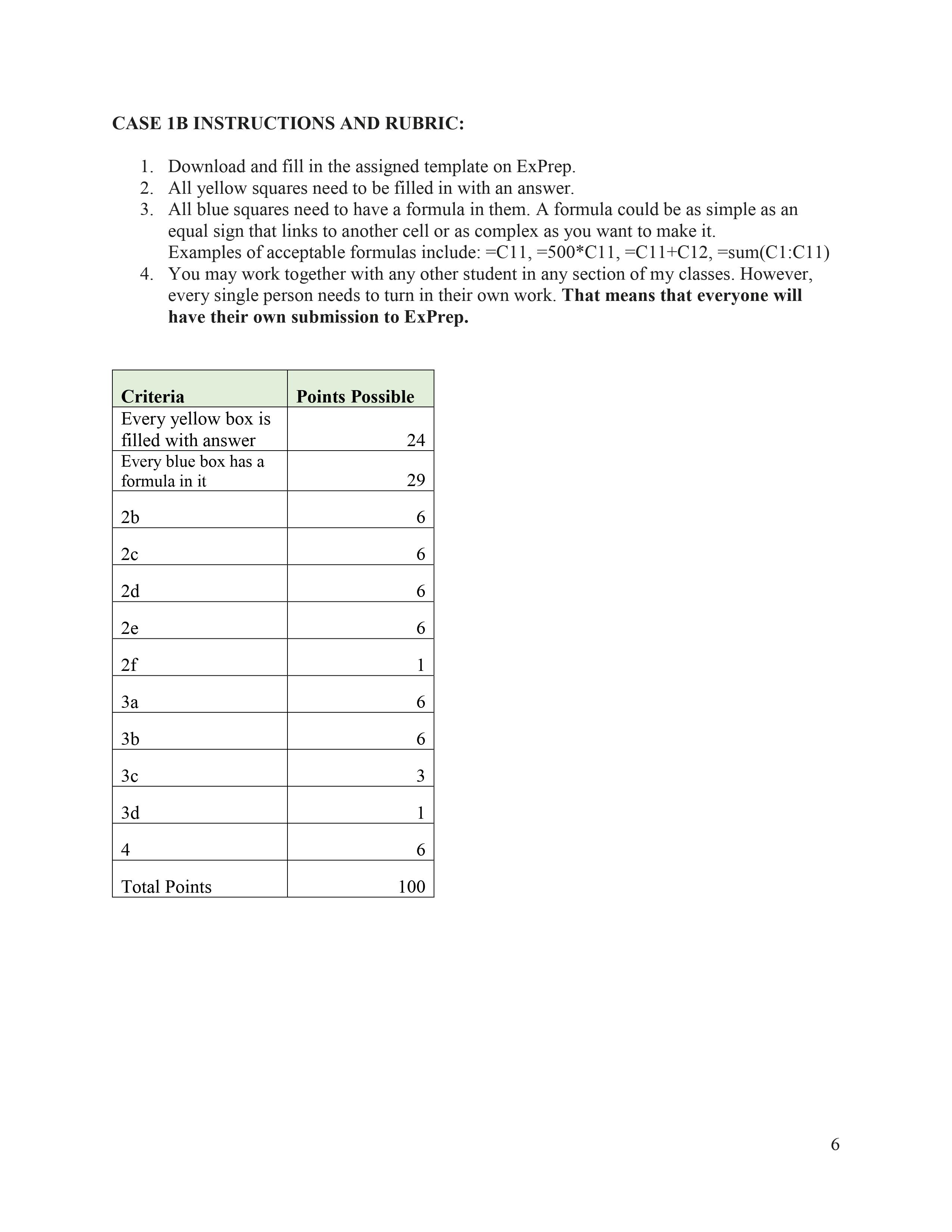
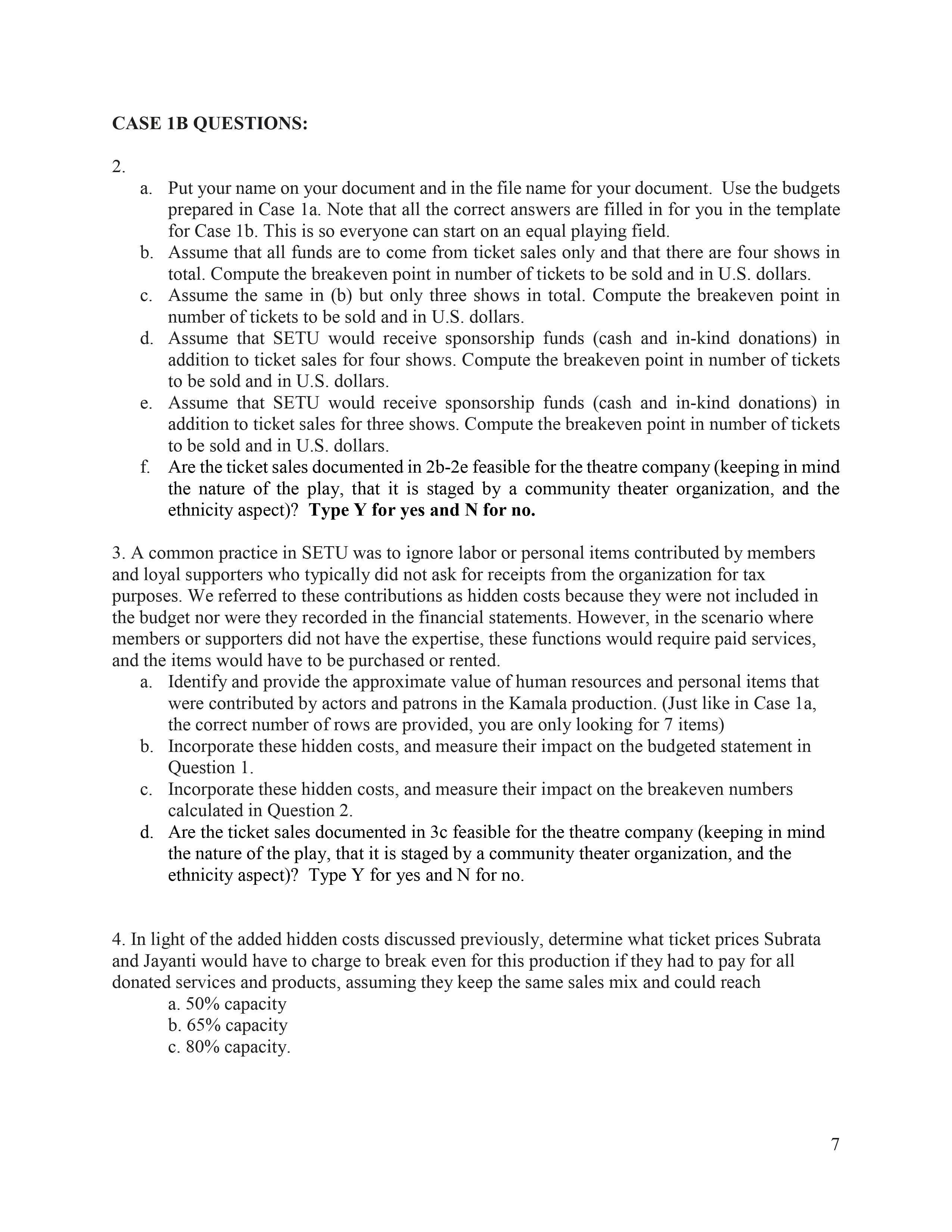
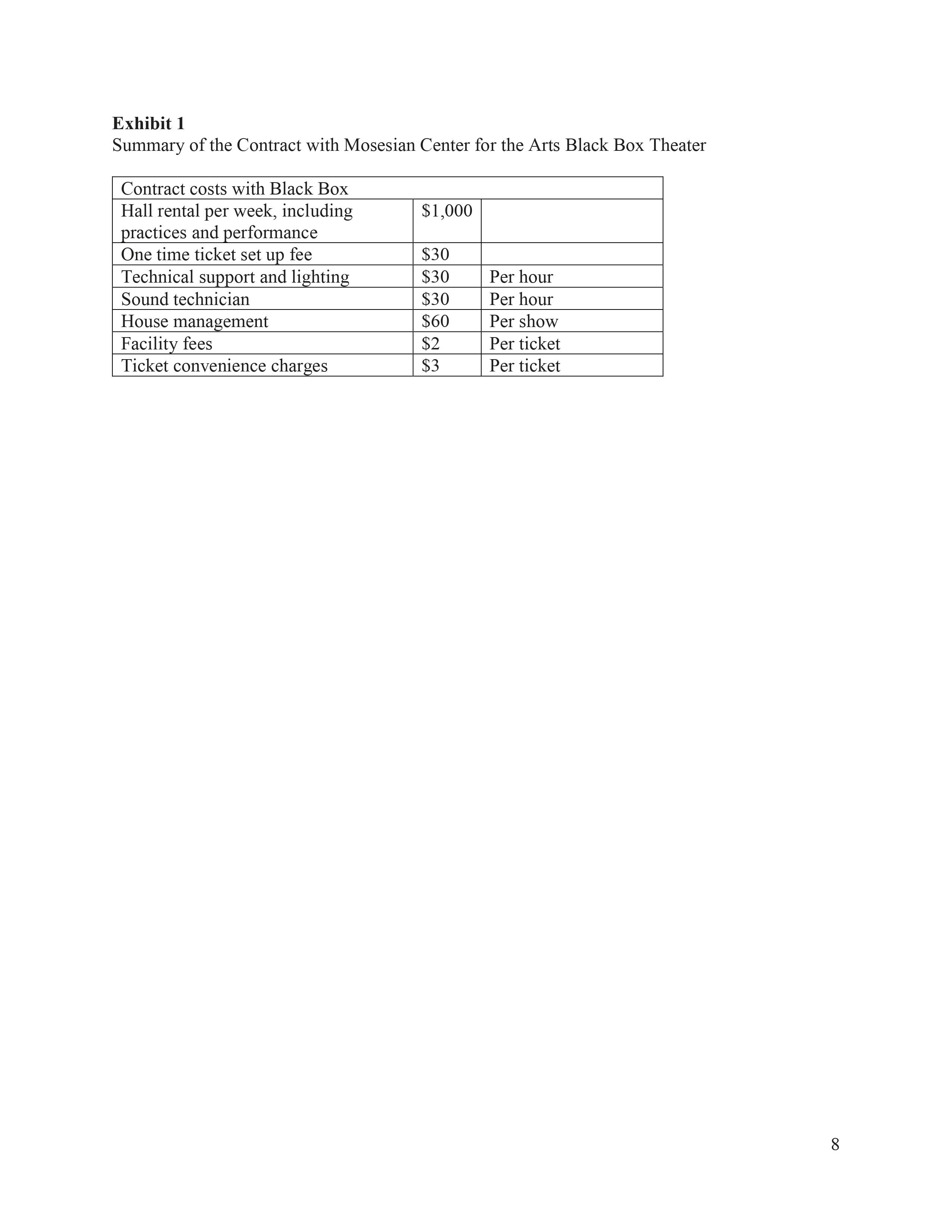
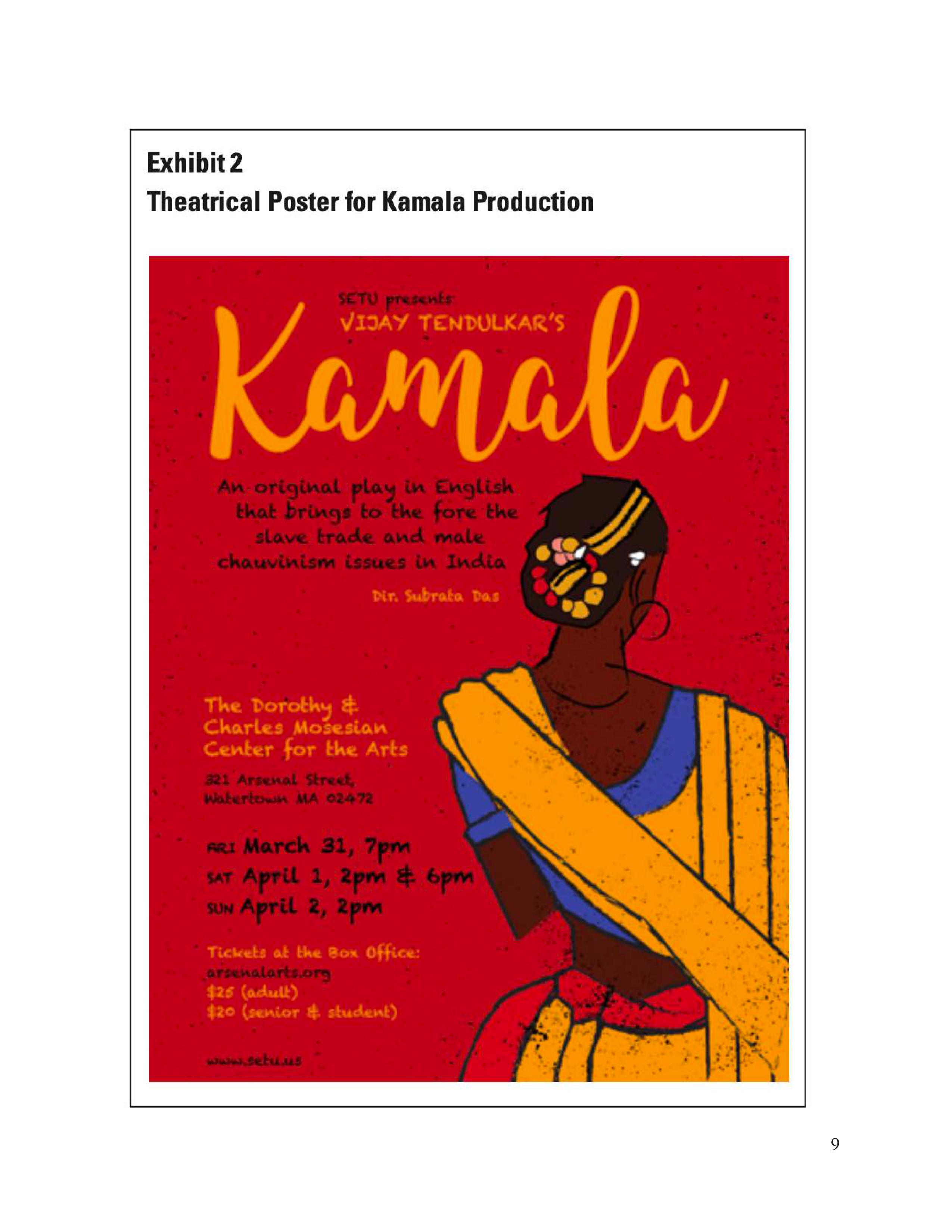
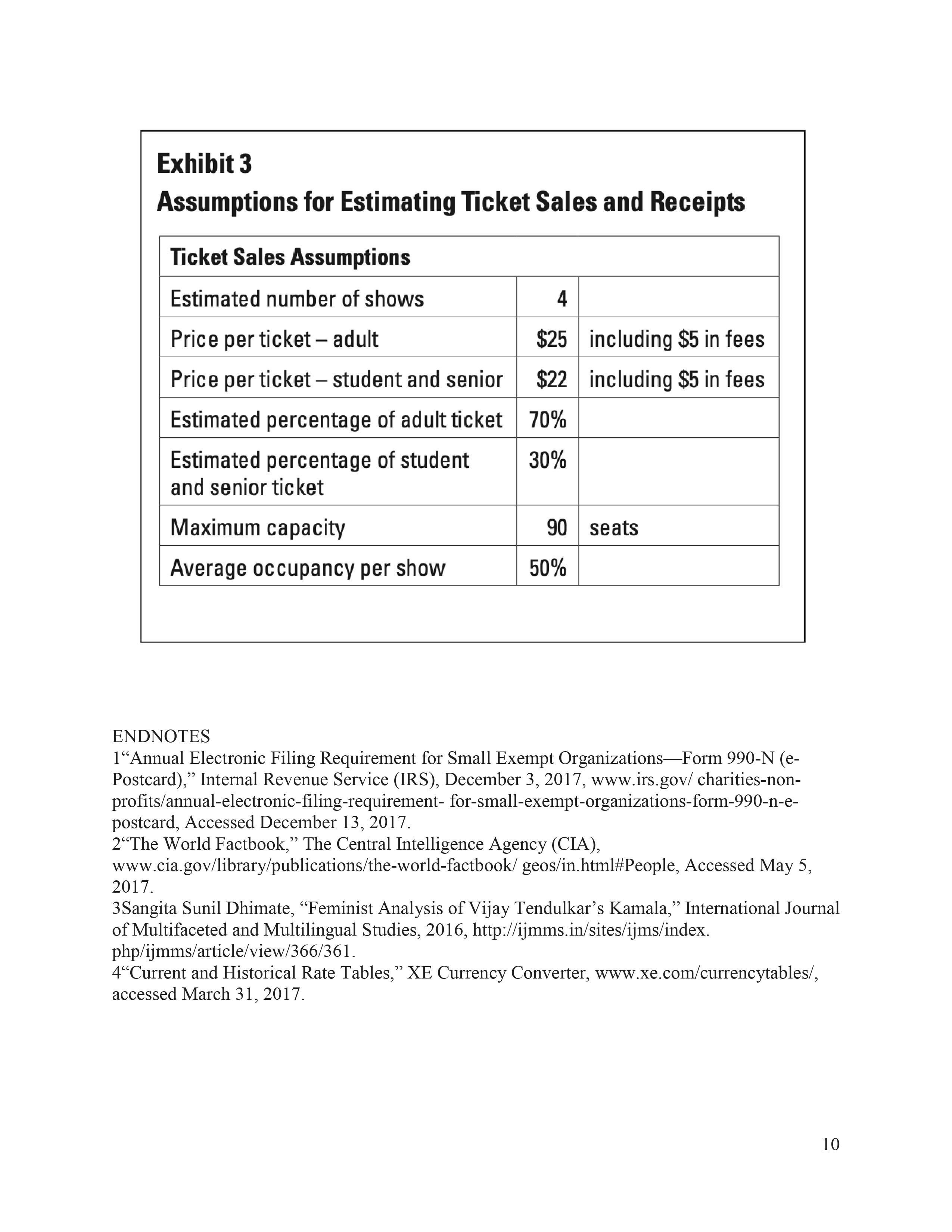
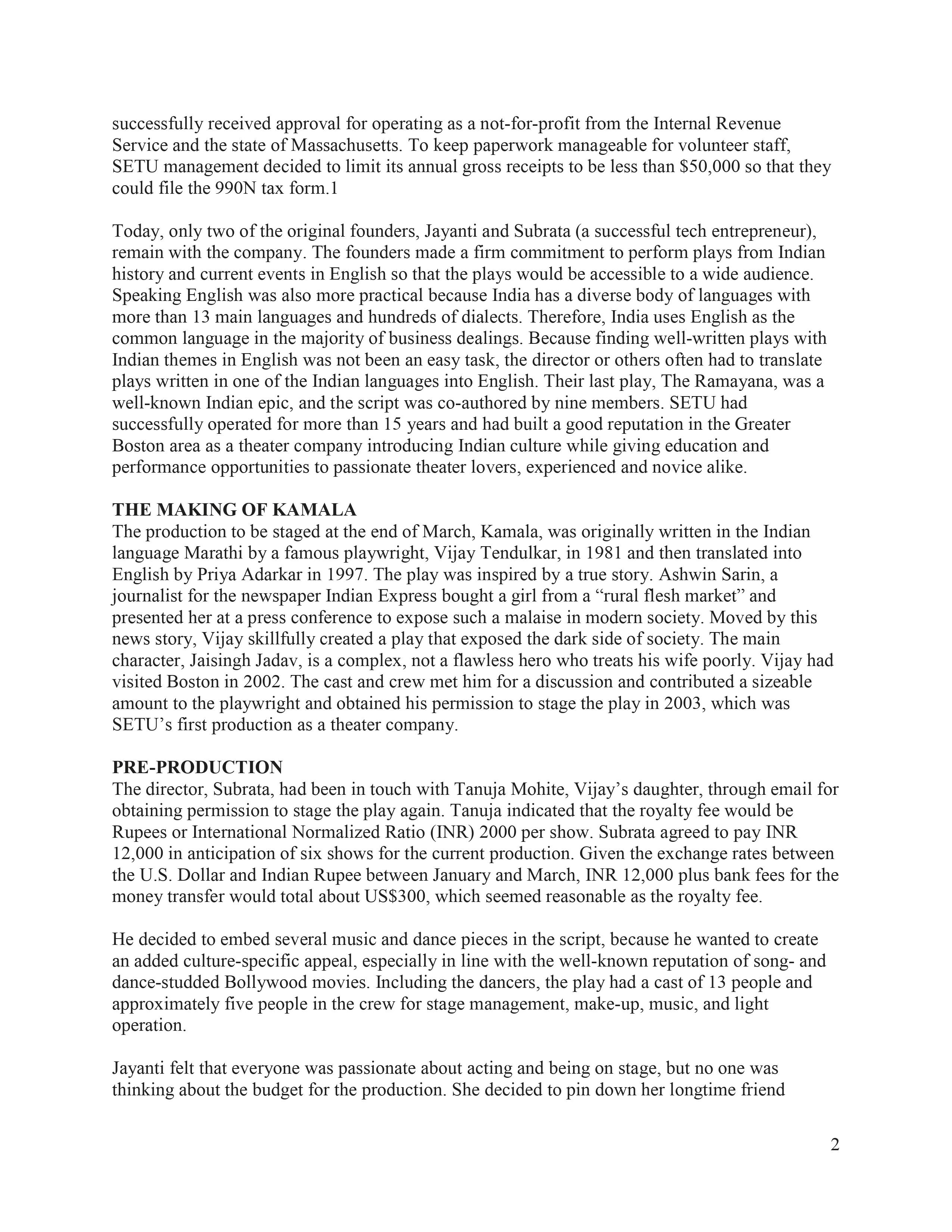
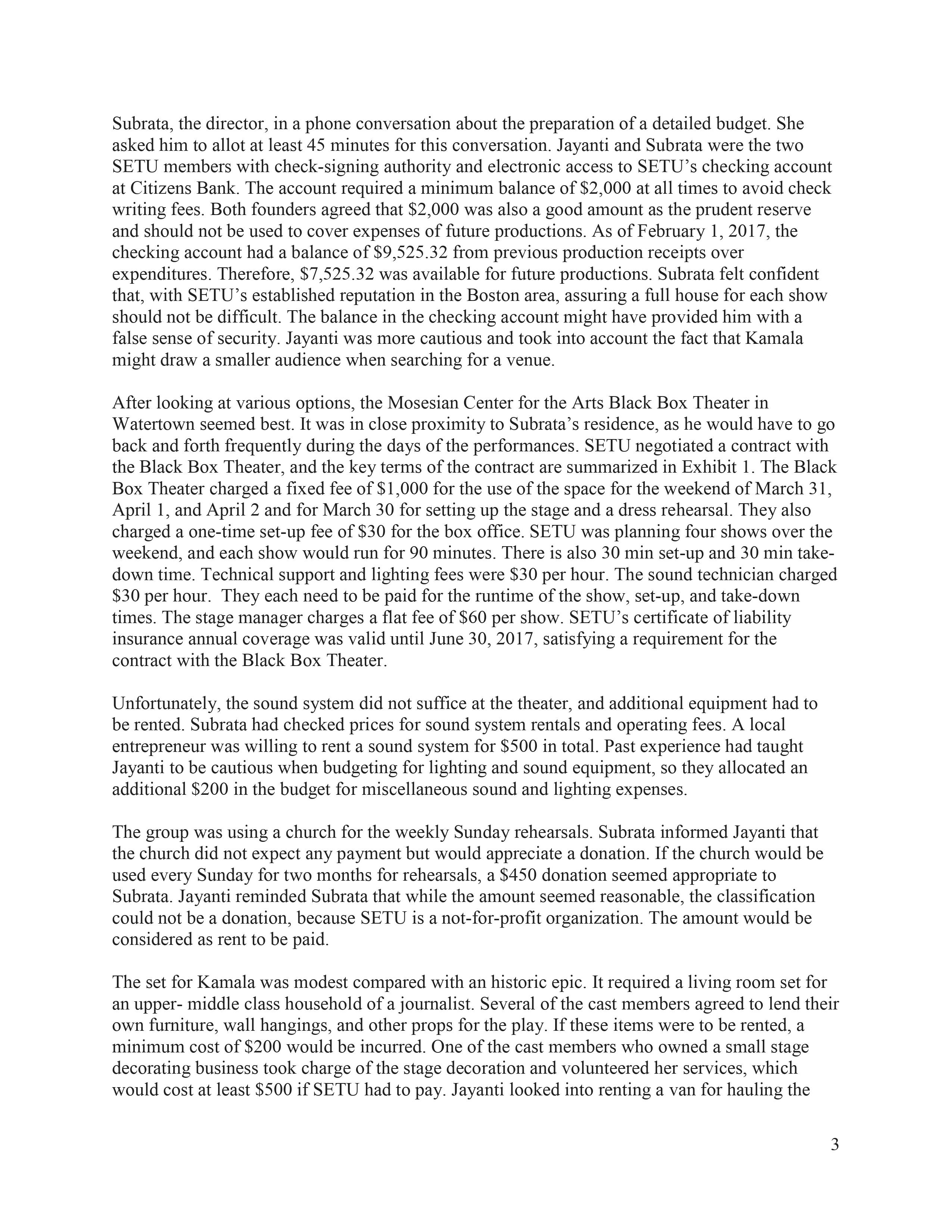
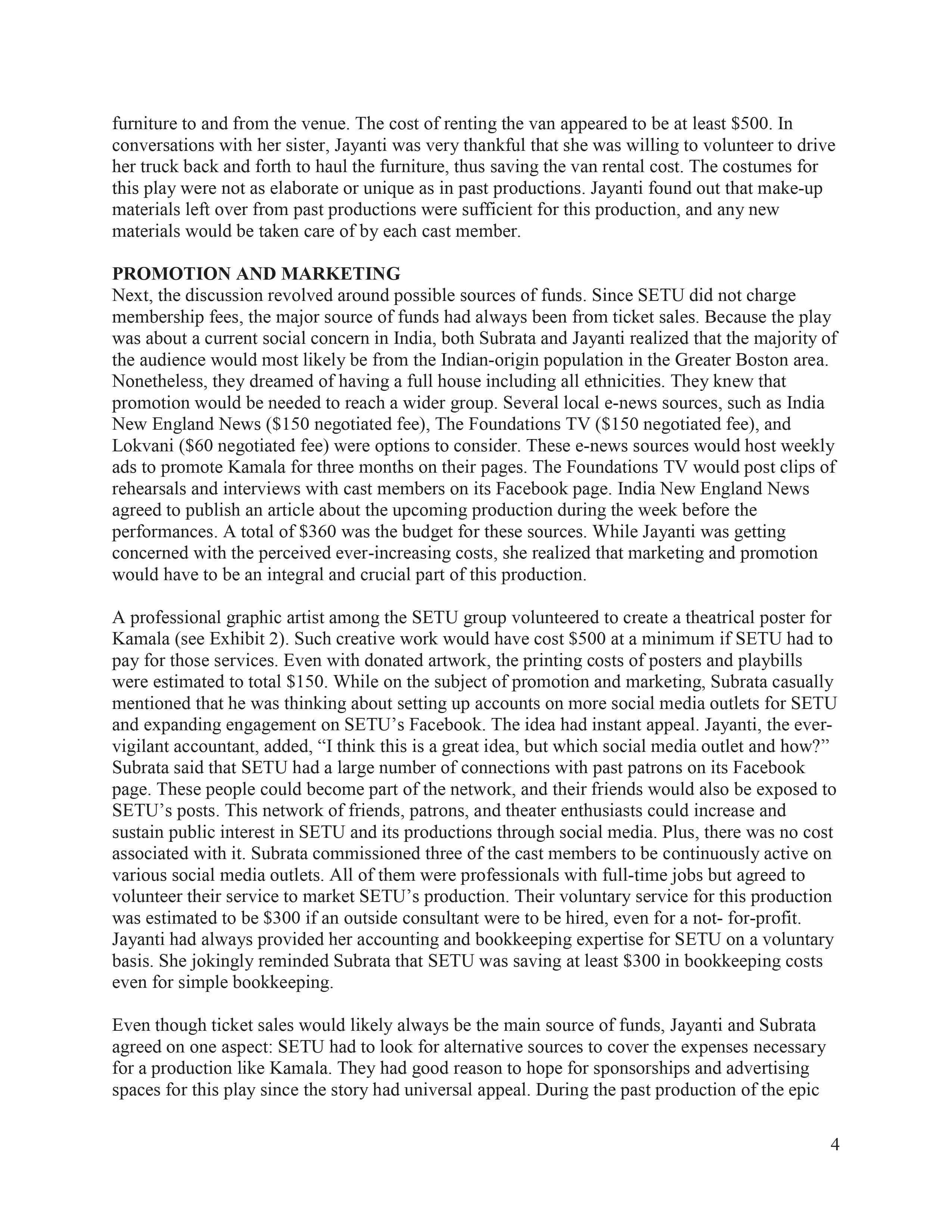
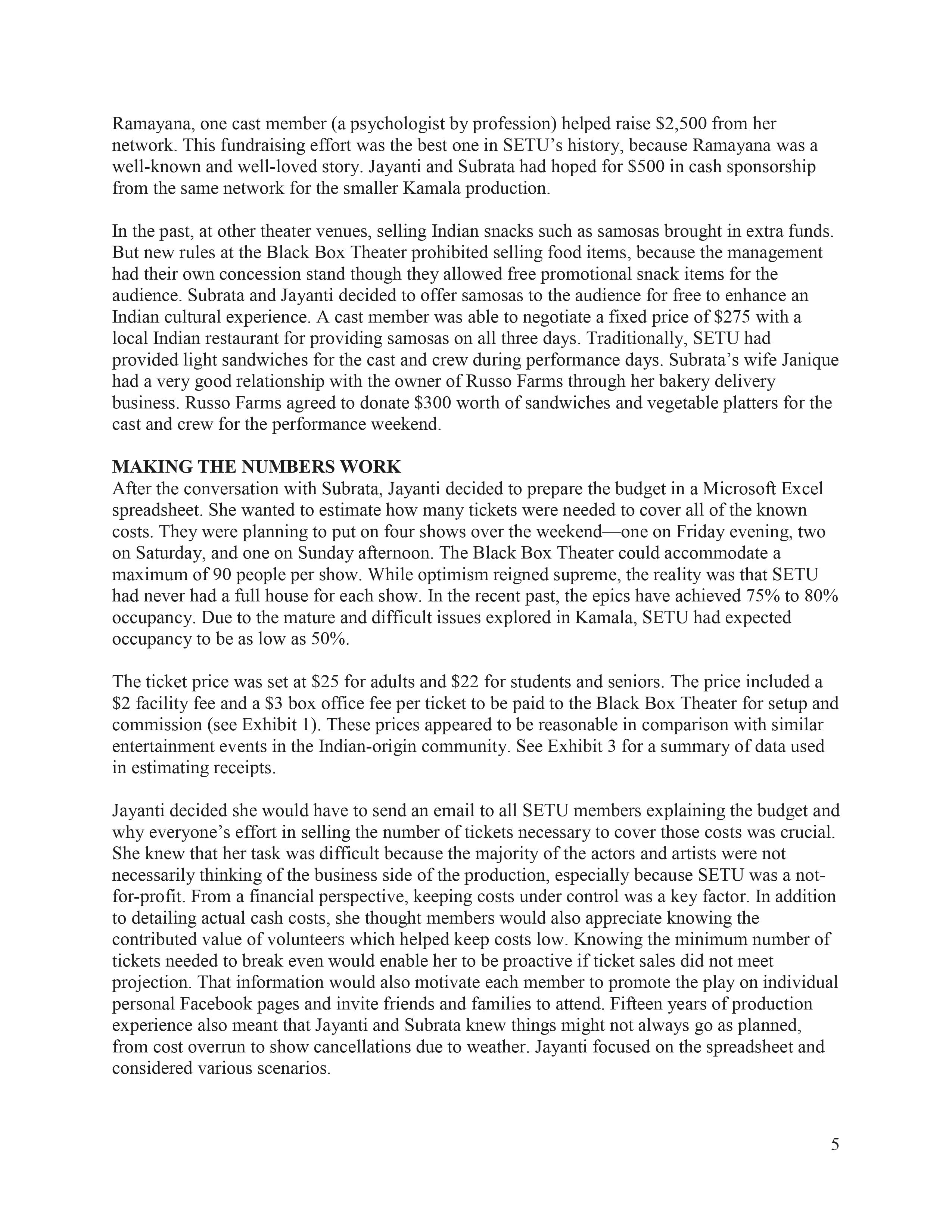
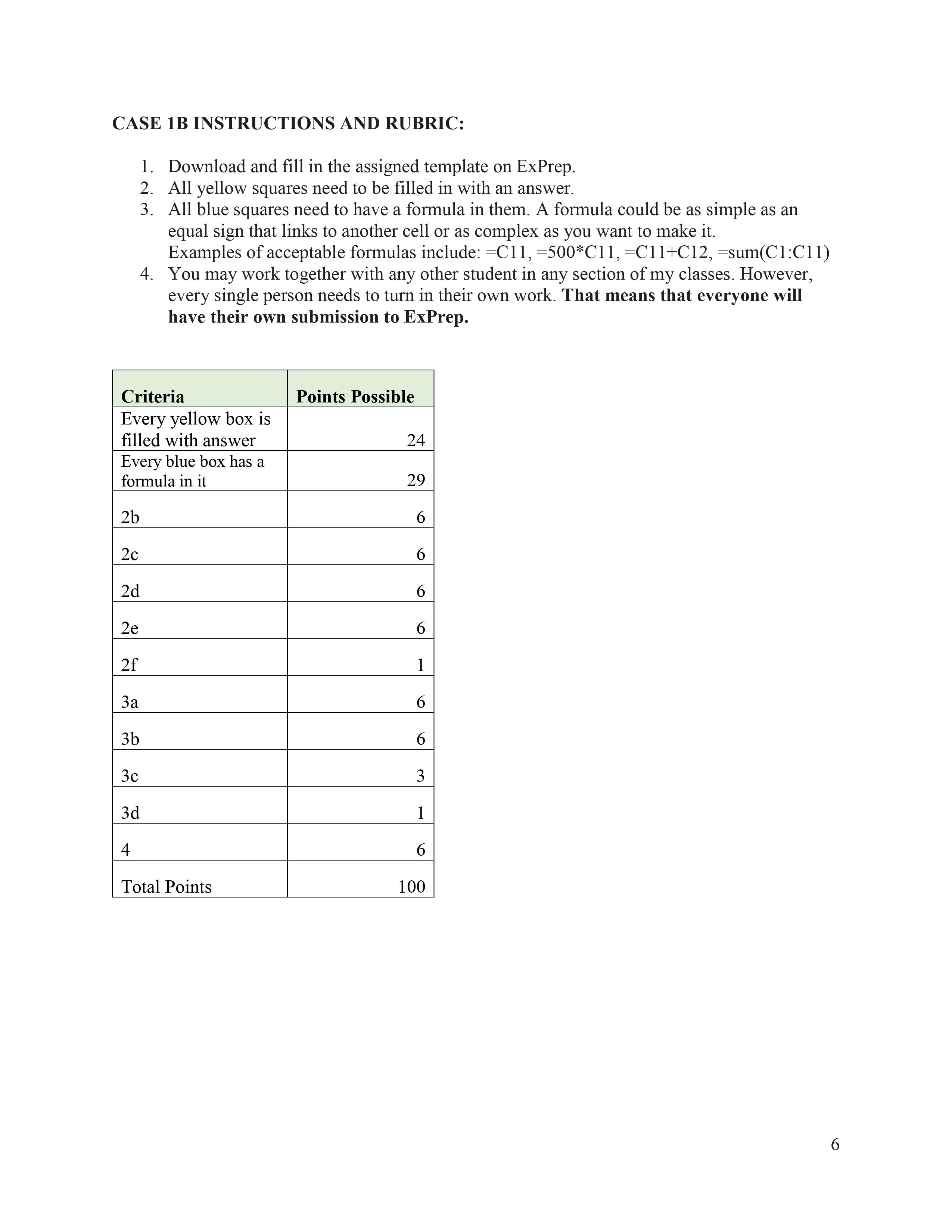
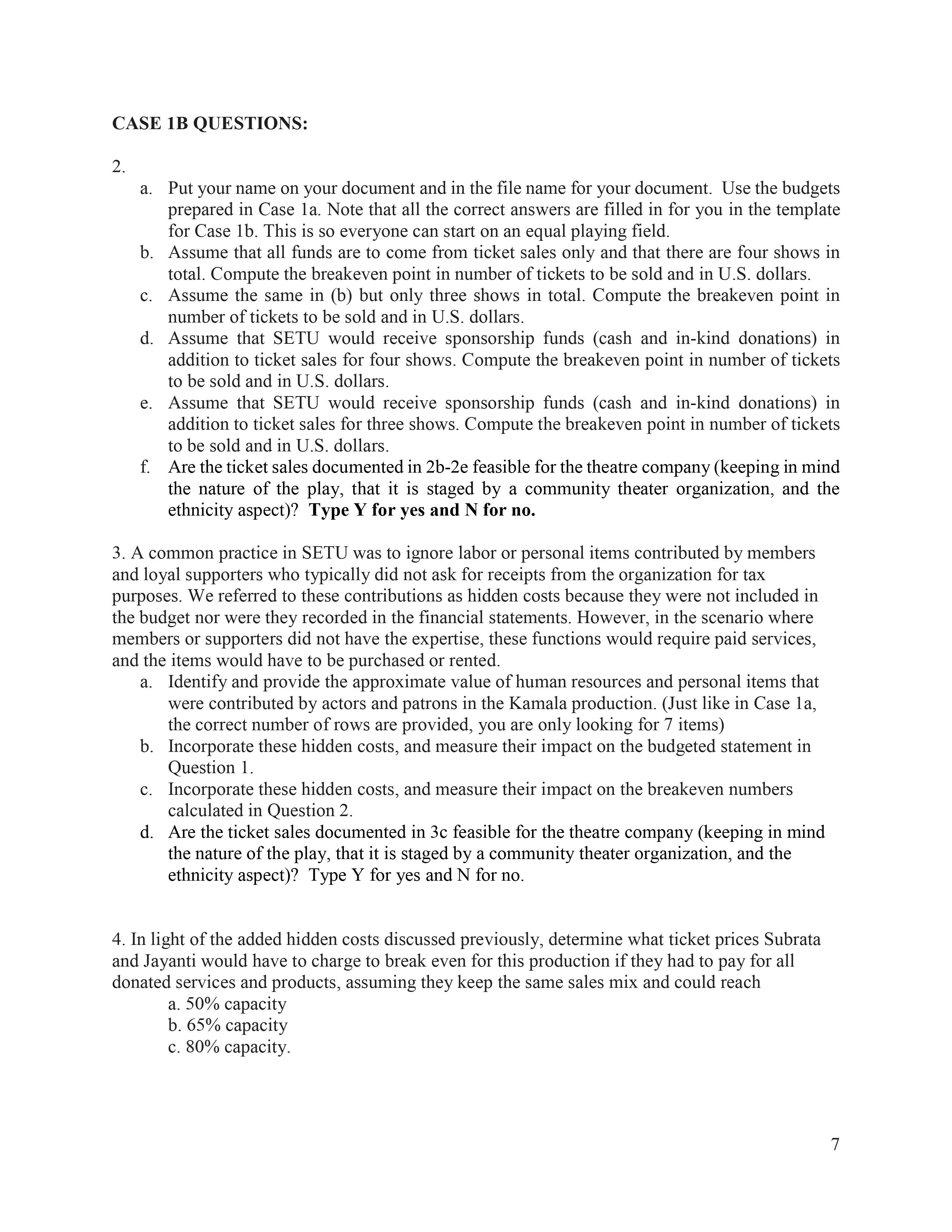
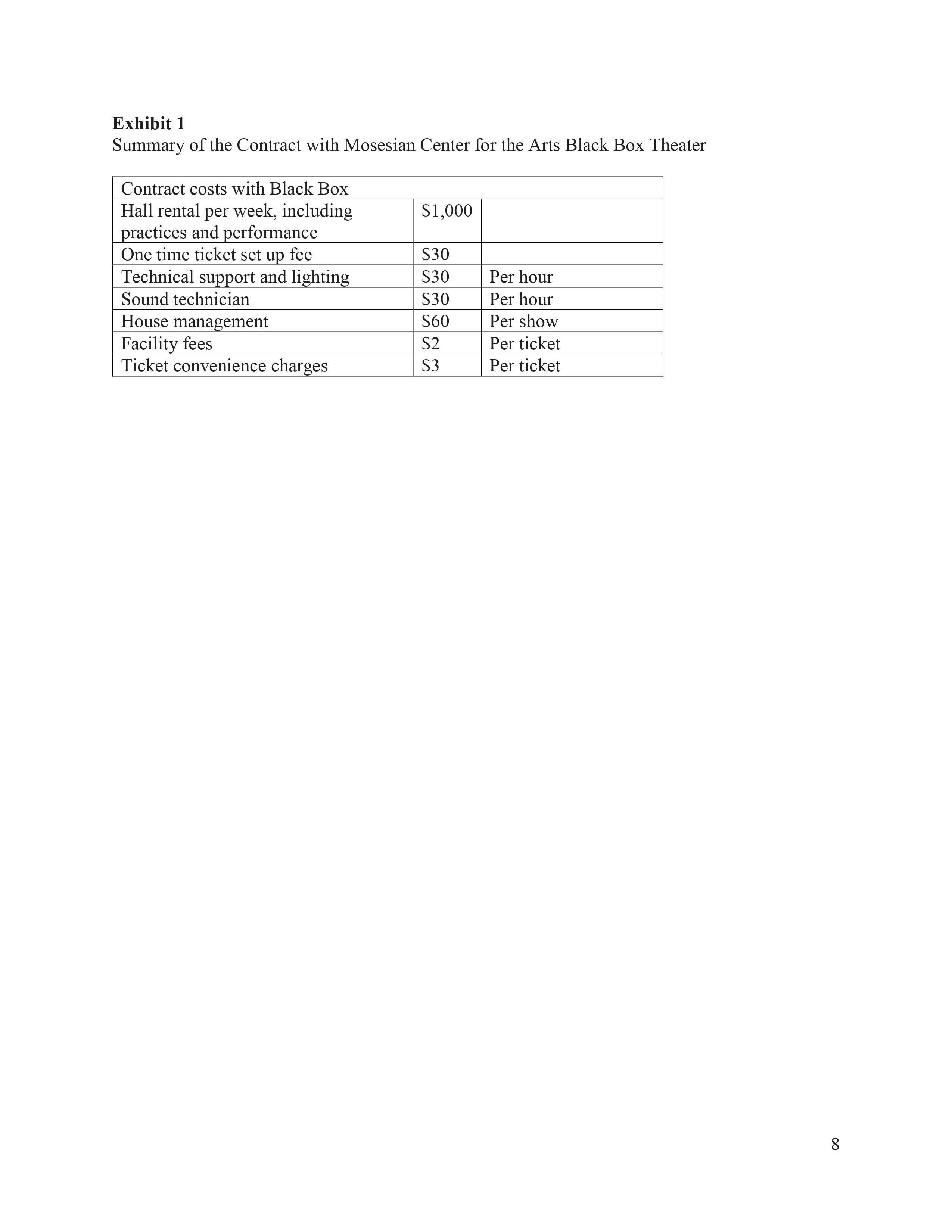
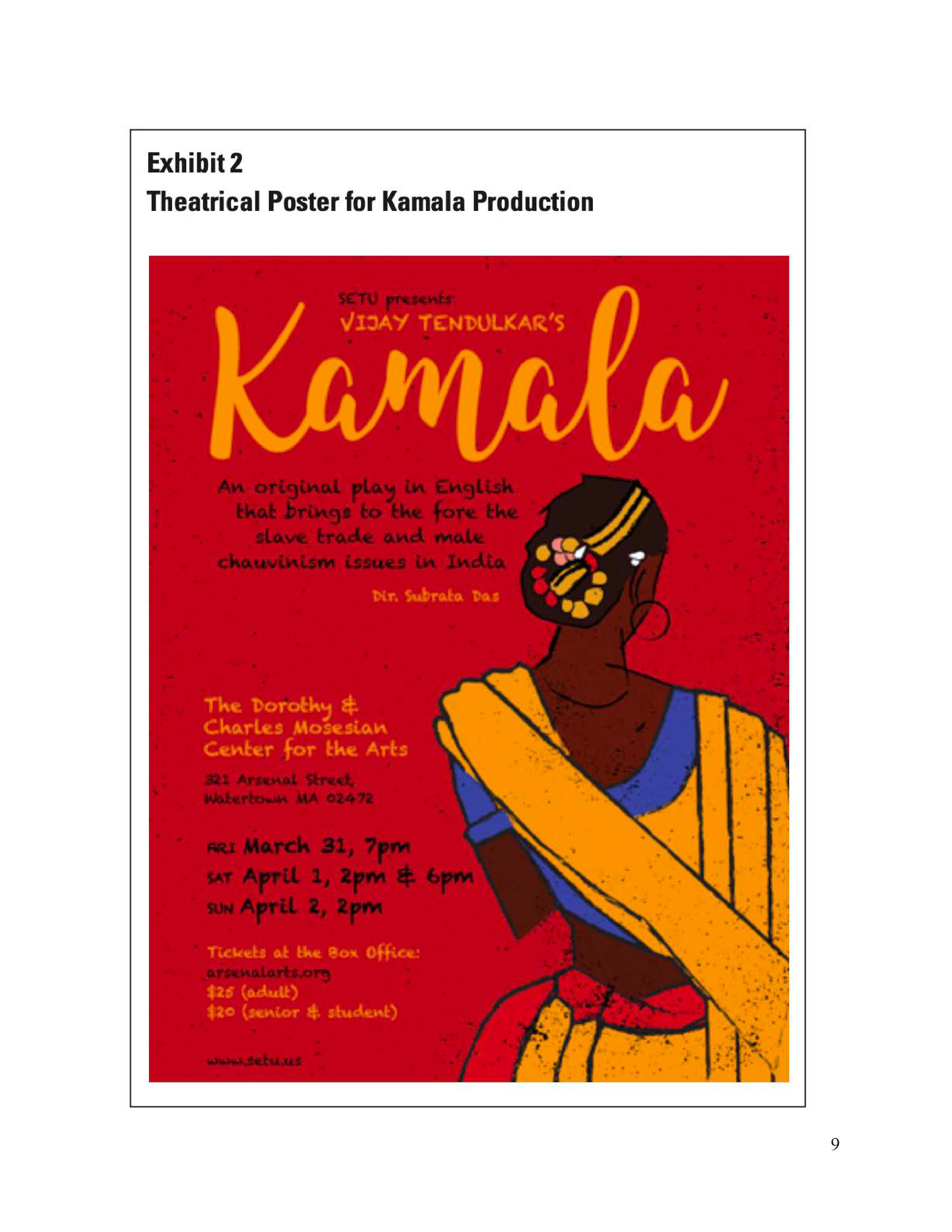
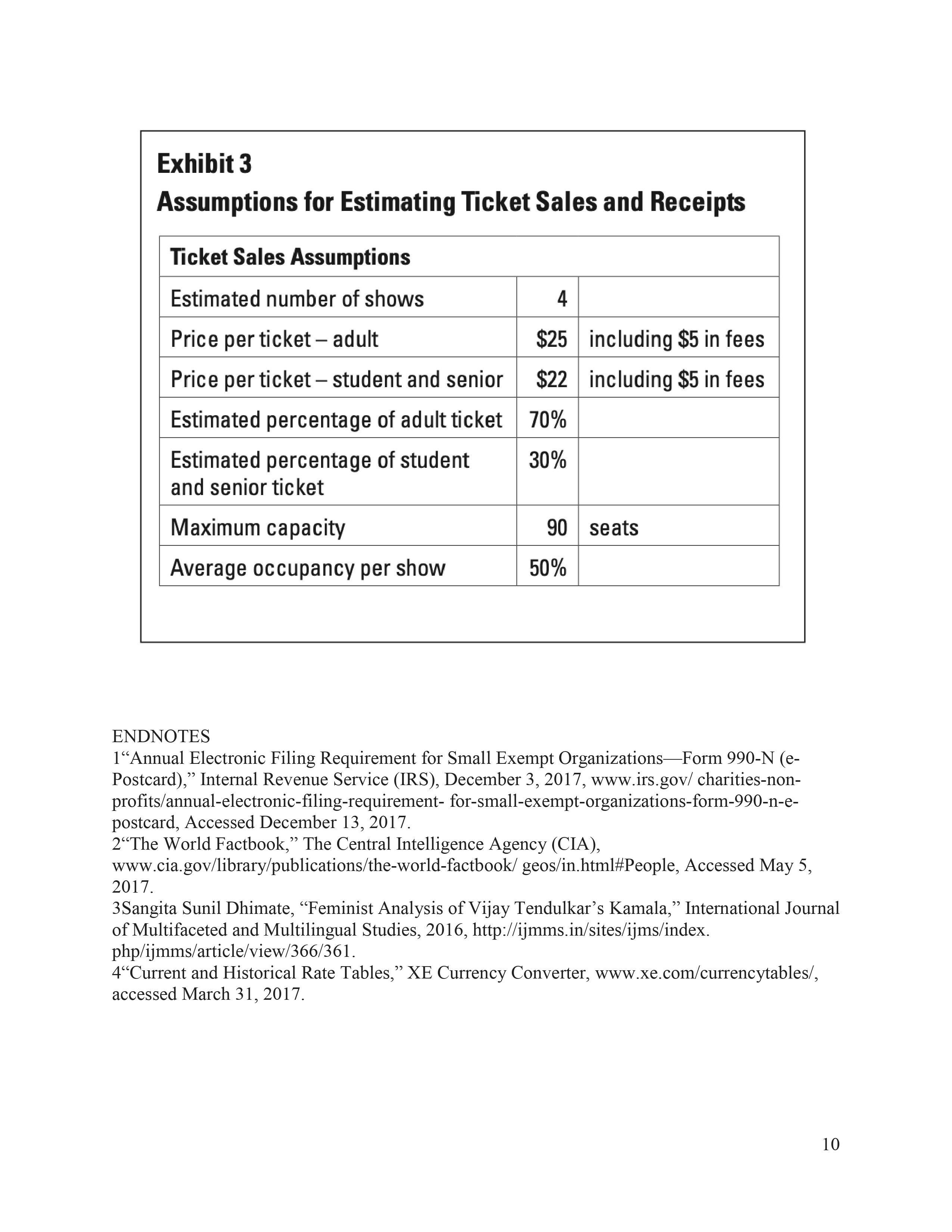
successfully received approval for operating as a not-for-profit from the Internal Revenue Service and the state of Massachusetts. To keep paperwork manageable for volunteer staff, SETU management decided to limit its annual gross receipts to be less than $50,000 so that they could file the 990N tax form. 1 Today, only two of the original founders, Jayanti and Subrata (a successful tech entrepreneur), remain with the company. The founders made a firm commitment to perform plays from Indian history and current events in English so that the plays would be accessible to a wide audience. Speaking English was also more practical because India has a diverse body of languages with more than 13 main languages and hundreds of dialects. Therefore, India uses English as the common language in the majority of business dealings. Because finding well-written plays with Indian themes in English was not been an easy task, the director or others often had to translate plays written in one of the Indian languages into English. Their last play, The Ramayana, was a well-known Indian epic, and the script was co-authored by nine members. SETU had successfully operated for more than 15 years and had built a good reputation in the Greater Boston area as a theater company introducing Indian culture while giving education and performance opportunities to passionate theater lovers, experienced and novice alike. THE MAKING OF KAMALA The production to be staged at the end of March, Kamala, was originally written in the Indian language Marathi by a famous playwright, Vijay Tendulkar, in 1981 and then translated into English by Priya Adarkar in 1997. The play was inspired by a true story. Ashwin Sarin, a journalist for the newspaper Indian Express bought a girl from a "rural flesh market" and presented her at a press conference to expose such a malaise in modern society. Moved by this news story, Vijay skillfully created a play that exposed the dark side of society. The main character, Jaisingh Jadav, is a complex, not a flawless hero who treats his wife poorly. Vijay had visited Boston in 2002. The cast and crew met him for a discussion and contributed a sizeable amount to the playwright and obtained his permission to stage the play in 2003, which was SETU's first production as a theater company. PRE-PRODUCTION The director, Subrata, had been in touch with Tanuja Mohite, Vijay's daughter, through email for obtaining permission to stage the play again. Tanuja indicated that the royalty fee would be Rupees or International Normalized Ratio (INR) 2000 per show. Subrata agreed to pay INR 12,000 in anticipation of six shows for the current production. Given the exchange rates between the U.S. Dollar and Indian Rupee between January and March, INR 12,000 plus bank fees for the money transfer would total about US$300, which seemed reasonable as the royalty fee. He decided to embed several music and dance pieces in the script, because he wanted to create an added culture-specific appeal, especially in line with the well-known reputation of song- and dance-studded Bollywood movies. Including the dancers, the play had a cast of 13 people and approximately five people in the crew for stage management, make-up, music, and light operation. Jayanti felt that everyone was passionate about acting and being on stage, but no one was thinking about the budget for the production. She decided to pin down her longtime friend 2Subrata, the director, in a phone conversation about the preparation of a detailed budget. She asked him to allot at least 45 minutes for this conversation. Jayanti and Subrata were the two SETU members with check-signing authority and electronic access to SETU's checking account at Citizens Bank. The account required a minimum balance of $2,000 at all times to avoid check writing fees. Both founders agreed that $2,000 was also a good amount as the prudent reserve and should not be used to cover expenses of future productions. As of February 1, 2017, the checking account had a balance of $9,525.32 from previous production receipts over expenditures. Therefore, $7,525.32 was available for future productions. Subrata felt condent that, with SETU's established reputation in the Boston area, assuring a full house for each show should not be difcult. The balance in the checking account might have provided him with a false sense of security. J ayanti was more cautious and took into account the fact that Kamala might draw a smaller audience when searching for a venue. After looking at various options, the Mosesian Center for the Arts Black Box Theater in Watertown seemed best. It was in close proximity to Subrata's residence, as he would have to go back and forth frequently during the days of the performances. SETU negotiated a contract with the Black Box Theater, and the key terms of the contract are summarized in Exhibit 1. The Black Box Theater charged a xed fee of $1,000 for the use of the space for the weekend of March 31, April 1, and April 2 and for March 30 for setting up the stage and a dress rehearsal. They also charged a onetime setup fee of $30 for the box ofce. SETU was planning four shows over the weekend, and each show would run for 90 minutes. There is also 30 min set-up and 30 min take- downtime. Technical support and lighting fees were $30 per hour. The sound technician charged $30 per hour. They each need to be paid for the runtime of the show, setup, and takedown times. The stage manager charges a at fee of $60 per show. SETU's certicate of liability insurance annual coverage was valid until June 30, 2017, satisfying a requirement for the contract with the Black Box Theater. Unfortunately, the sound system did not sufce at the theater, and additional equipment had to be rented. Subrata had checked prices for sound system rentals and operating fees. A local entrepreneur was willing to rent a sound system for $500 in total. Past experience had taught J ayanti to be cautious when budgeting for lighting and sound equipment, so they allocated an additional $200 in the budget for miscellaneous sound and lighting expenses. The group was using a church for the weekly Sunday rehearsals. Subrata informed J ayanti that the church did not expect any payment but would appreciate a donation. If the church would be used every Sunday for two months for rehearsals, a $450 donation seemed appropriate to Subrata. Jayanti reminded Subrata that while the amount seemed reasonable, the classication could not be a donation, because SETU is a notforprot organization. The amount would be considered as rent to be paid. The set for Kamala was modest compared with an historic epic. It required a living room set for an upper- middle class household of a journalist. Several of the cast members agreed to lend their own furniture, wall hangings, and other props for the play. If these items were to be rented, a minimum cost of $200 would be incurred. One of the cast members who owned a small stage decorating business took charge of the stage decoration and volunteered her services, which would cost at least $5 00 if SETU had to pay. J ayanti looked into renting a van for hauling the furniture to and from the venue. The cost of renting the van appeared to be at least $5 00. In conversations with her sister, Jayanti was very thankful that she was willing to volunteer to drive her truck back and forth to haul the furniture, thus saving the van rental cost. The costumes for this play were not as elaborate or unique as in past productions. Jayanti found out that make-up materials left over from past productions were sufficient for this production, and any new materials would be taken care of by each cast member. PROMOTION AND MARKETING Next, the discussion revolved around possible sources of funds. Since SETU did not charge membership fees, the major source of funds had always been from ticket sales. Because the play was about a current social concern in India, both Subrata and Jayanti realized that the majority of the audience would most likely be from the Indian-origin population in the Greater Boston area. Nonetheless, they dreamed of having a full house including all ethnicities. They knew that promotion would be needed to reach a wider group. Several local e-news sources, such as India New England News ($150 negotiated fee), The Foundations TV ($150 negotiated fee), and Lokvani ($60 negotiated fee) were options to consider. These e-news sources would host weekly ads to promote Kamala for three months on their pages. The Foundations TV would post clips of rehearsals and interviews with cast members on its Facebook page. India New England News agreed to publish an article about the upcoming production during the week before the performances. A total of $360 was the budget for these sources. While Jayanti was getting concerned with the perceived ever-increasing costs, she realized that marketing and promotion would have to be an integral and crucial part of this production. A professional graphic artist among the SETU group volunteered to create a theatrical poster for Kamala (see Exhibit 2). Such creative work would have cost $500 at a minimum if SETU had to pay for those services. Even with donated artwork, the printing costs of posters and playbills were estimated to total $150. While on the subject of promotion and marketing, Subrata casually mentioned that he was thinking about setting up accounts on more social media outlets for SETU and expanding engagement on SETU's Facebook. The idea had instant appeal. Jayanti, the ever- vigilant accountant, added, \"I think this is a great idea, but which social media outlet and how?\" Subrata said that SETU had a large number of connections with past patrons on its Facebook page. These people could become part of the network, and their friends would also be exposed to SETU's posts. This network of friends, patrons, and theater enthusiasts could increase and sustain public interest in SETU and its productions through social media. Plus, there was no cost associated with it. Subrata commissioned three of the cast members to be continuously active on various social media outlets. All of them were professionals with full-time jobs but agreed to volunteer their service to market SETU's production. Their voluntary service for this production was estimated to be $300 if an outside consultant were to be hired, even for a not for-prot. Jayanti had always provided her accounting and bookkeeping expertise for SETU on a voluntary basis. She jokingly reminded Subrata that SETU was saving at least $300 in bookkeeping costs even for simple bookkeeping. Even though ticket sales would likely always be the main source of funds, Jayanti and Subrata agreed on one aspect: SETU had to look for alternative sources to cover the expenses necessary for a production like Kamala. They had good reason to hope for sponsorships and advertising spaces for this play since the story had universal appeal. During the past production of the epic Ramayana, one cast member (a psychologist by profession) helped raise $2,500 from her network. This fundraising effort was the best one in SETU'S history, because Ramayana was a well-known and well-loved story. Jayanti and Subrata had hoped for $500 in cash sponsorship from the same network for the smaller Kamala production. In the past, at other theater venues, selling Indian snacks such as samosas brought in extra funds. But new rules at the Black Box Theater prohibited selling food items, because the management had their own concession stand though they allowed free promotional snack items for the audience. Subrata and Jayanti decided to offer samosas to the audience for free to enhance an Indian cultural experience. A cast member was able to negotiate a xed price of $275 with a local Indian restaurant for providing samosas on all three days. Traditionally, SETU had provided light sandwiches for the cast and crew during performance days. Subrata's wife Janique had a very good relationship with the owner of Russo Farms through her bakery delivery business. Russo Farms agreed to donate $300 worth of sandwiches and vegetable platters for the cast and crew for the performance weekend. MAKING THE NUMBERS WORK After the conversation with Subrata, Iayanti decided to prepare the budget in a Microsoft Excel spreadsheet. She wanted to estimate how many tickets were needed to cover all of the known costs. They were planning to put on four shows over the weekendone on Friday evening, two on Saturday, and one on Sunday afternoon. The Black Box Theater could accommodate a maximum of 90 people per show. While optimism reigned supreme, the reality was that SETU had never had a full house for each show. In the recent past, the epics have achieved 75% to 80% occupancy. Due to the mature and difcult issues explored in Kamala, SETU had expected occupancy to be as low as 50%. The ticket price was set at $25 for adults and $22 for students and seniors. The price included a $2 facility fee and a $3 box ofce fee per ticket to be paid to the Black Box Theater for setup and commission (see Exhibit 1). These prices appeared to be reasonable in comparison with similar entertainment events in the Indian-origin community. See Exhibit 3 for a summary of data used in estimating receipts. Jayanti decided she would have to send an email to all SETU members explaining the budget and why everyone's effort in selling the number of tickets necessary to cover those costs was crucial. She knew that her task was difcult because the majority of the actors and artists were not necessarily thinking of the business side of the production, especially because SETU was a not- for-prot. From a nancial perspective, keeping costs under control was a key factor. In addition to detailing actual cash costs, she thought members would also appreciate knowing the contributed value of volunteers which helped keep costs low. Knowing the minimum number of tickets needed to break even would enable her to be proactive if ticket sales did not meet projection. That information would also motivate each member to promote the play on individual personal Facebook pages and invite friends and families to attend. Fifteen years of production experience also meant that Jayanti and Subrata knew things might not always go as planned, from cost overrun to show cancellations due to weather. Jayanti focused on the spreadsheet and considered various scenarios. U'I CASE 1B INSTRUCTIONS AND RUBRIC: 1. Download and ll in the assigned template on ExPrep. 2. All yellow squares need to be lled in with an answer. All blue squares need to have a formula in them. A formula could be as simple as an equal sign that links to another cell or as complex as you want to make it. Examples of acceptable formulas include: =C11, =5 00*C1 1, =C11+C12, =sum(C1:C11) 4. You may work together with any other student in any section of my classes. However, every single person needs to turn in their own work. That means that everyone will have their own submission to ExPrep. U.) Criteria Points Possible Every yellow box is filled with answer 24 Every blue box has a formula in it 29 2b 6 2c 6 2d 6 2e 6 3a 6 3b 6 3c 3 3d 1 4 6 Total Points 100 CASE 1B QUESTIONS: 2. Put your name on your document and in the le name for your document. Use the budgets prepared in Case 1a. Note that all the correct answers are lled in for you in the template for Case lb. This is so everyone can start on an equal playing eld. Assume that all funds are to come from ticket sales only and that there are four shows in total. Compute the breakeven point in number oftickets to be sold and in US. dollars. Assume the same in (b) but only three shows in total. Compute the breakeven point in number of tickets to be sold and in US. dollars. Assume that SETU would receive sponsorship funds (cash and inkind donations) in addition to ticket sales for four shows. Compute the breakeven point in number of tickets to be sold and in US. dollars. Assume that SETU would receive sponsorship funds (cash and inkind donations) in addition to ticket sales for three shows. Compute the breakeven point in number of tickets to be sold and in US. dollars. Are the ticket sales documented in 2b2e feasible for the theatre company (keeping in mind the nature of the play, that it is staged by a community theater organization, and the ethnicity aspect)? Type Y for yes and N for no. 3. A common practice in SETU was to ignore labor or personal items contributed by members and loyal supporters who typically did not ask for receipts from the organization for tax purposes. We referred to these contributions as hidden costs because they were not included in the budget nor were they recorded in the nancial statements. However, in the scenario where members or supporters did not have the expertise, these functions would require paid services, and the items would have to be purchased or rented. a. Identify and provide the approximate value of human resources and personal items that were contributed by actors and patrons in the Kamala production. (Just like in Case la, the correct number of rows are provided, you are only looking for 7 items) Incorporate these hidden costs, and measure their impact on the budgeted statement in Question 1. Incorporate these hidden costs, and measure their impact on the breakeven numbers calculated in Question 2. Are the ticket sales documented in 3c feasible for the theatre company (keeping in mind the nature of the play, that it is staged by a community theater organization, and the ethnicity aspect)? Type Y for yes and N for no. 4. In light of the added hidden costs discussed previously, determine what ticket prices Subrata and Jayanti would have to charge to break even for this production if they had to pay for all donated services and products, assuming they keep the same sales mix and could reach a. 50% capacity b. 65% capacity c. 80% capacity. Exhibit 1 Summary of the Contract with Mosesian Center for the Arts Black Box Theater Contract costs with Black Box Hall rental per week, including $1,000 practices and performance One time ticket set up fee $30 Technical support and lighting $30 Per hour Sound technician $30 Per hour House management $60 Per show Facility fees $2 Per ticket Ticket convenience charges $3 Per ticket Exhibit 2 Theatrical Poster for Kamala Production SETU presents Kamala An original play in English that brings to the fore the slave trade and male chauvinism issues in India Dir. Subrata Das The Dorothy Charles Mosesian Center for the Arts 321 Arsenal Street Watertown MA 02472 FRI March 31, 7pm SAT April 1, 2pm # 6pm SUN April 2, 2pm Tickets at the Box Office: arsenalarts.org $25 (adult) $20 (senior + student) www.Setu.us 9Exhibit 3 Assumptions for Estimating Ticket Sales and Receipts Ticket Sales Assumptions Estimated number of shows 4 Price per ticket - adult $25 including $5 in fees Price per ticket - student and senior $22 including $5 in fees Estimated percentage of adult ticket 70% Estimated percentage of student 30% and senior ticket Maximum capacity 90 seats Average occupancy per show 50% ENDNOTES "Annual Electronic Filing Requirement for Small Exempt Organizations-Form 990-N (e- Postcard)," Internal Revenue Service (IRS), December 3, 2017, www.irs.gov/ charities-non- profits/annual-electronic-filing-requirement- for-small-exempt-organizations-form-990-n-e- postcard, Accessed December 13, 2017. 2"The World Factbook," The Central Intelligence Agency (CIA), www.cia.gov/library/publications/the-world-factbook/ geos/in.html#People, Accessed May 5, 2017. 3Sangita Sunil Dhimate, "Feminist Analysis of Vijay Tendulkar's Kamala," International Journal of Multifaceted and Multilingual Studies, 2016, http://ijmms.in/sites/ijms/index. php/ijmms/article/view/366/361. 4"Current and Historical Rate Tables," XE Currency Converter, www.xe.com/currencytables/, accessed March 31, 2017. 10
Step by Step Solution
There are 3 Steps involved in it

Get step-by-step solutions from verified subject matter experts