







Question: Supervisory case study Pls ans and get Case #1 Andy Mathews has worked in the billing department of Concord Cable TV for 10 years. Two
Supervisory case study 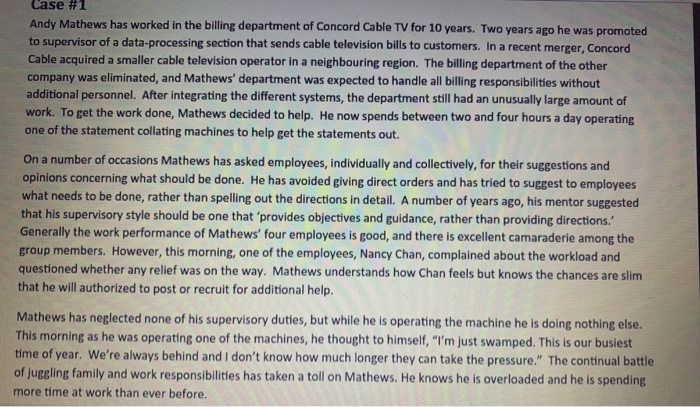
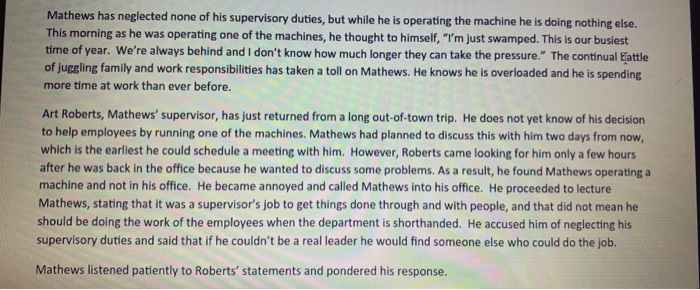
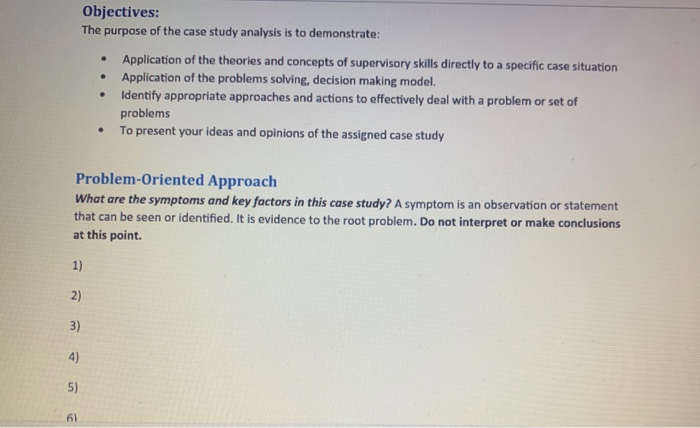
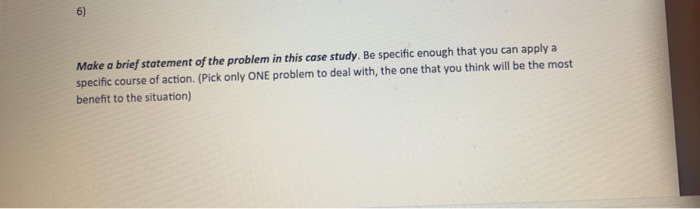
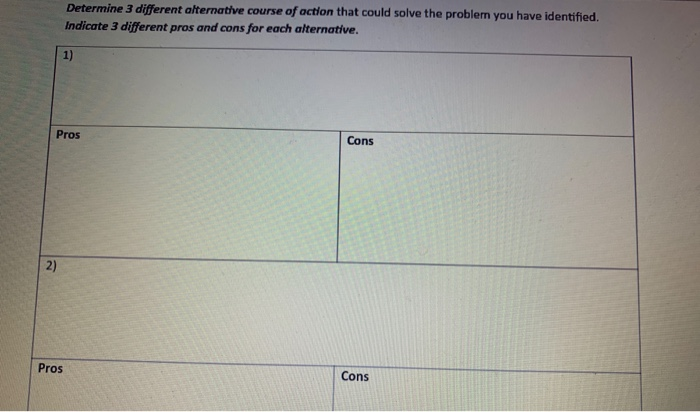
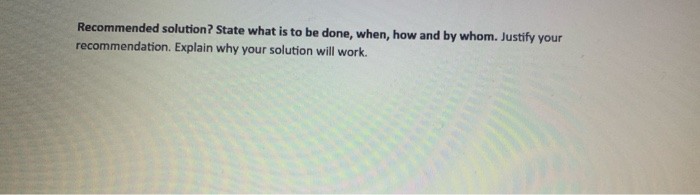
Case #1 Andy Mathews has worked in the billing department of Concord Cable TV for 10 years. Two years ago he was promoted to supervisor of a data-processing section that sends cable television bills to customers. In a recent merger, Concord Cable acquired a smaller cable television operator in a neighbouring region. The billing department of the other company was eliminated, and Mathews' department was expected to handle all billing responsibilities without additional personnel. After integrating the different systems, the department still had an unusually large amount of work. To get the work done, Mathews decided to help. He now spends between two and four hours a day operating one of the statement collating machines to help get the statements out. On a number of occasions Mathews has asked employees, individually and collectively, for their suggestions and opinions concerning what should be done. He has avoided giving direct orders and has tried to suggest to employees what needs to be done, rather than spelling out the directions in detail. A number of years ago, his mentor suggested that his supervisory style should be one that provides objectives and guidance, rather than providing directions. Generally the work performance of Mathews' four employees is good, and there is excellent camaraderie among the group members. However, this morning, one of the employees, Nancy Chan, complained about the workload and questioned whether any relief was on the way. Mathews understands how Chan feels but knows the chances are slim that he will authorized to post or recruit for additional help. Mathews has neglected none of his supervisory duties, but while he is operating the machine he is doing nothing else. This morning as he was operating one of the machines, he thought to himself, "I'm just swamped. This is our busiest time of year. We're always behind and I don't know how much longer they can take the pressure." The continual battle of Juegling family and work responsibilities has taken a toll on Mathews. He knows he is overloaded and he is spending more time at work than ever before. Mathews has neglected none of his supervisory duties, but while he is operating the machine he is doing nothing else. This morning as he was operating one of the machines, he thought to himself, "I'm just swamped. This is our busiest time of year. We're always behind and I don't know how much longer they can take the pressure." The continual battle of juegling family and work responsibilities has taken a toll on Mathews. He knows he is overloaded and he is spending more time at work than ever before. Art Roberts, Mathews' supervisor, has just returned from a long out-of-town trip. He does not yet know of his decision to help employees by running one of the machines. Mathews had planned to discuss this with him two days from now, which is the earliest he could schedule a meeting with him. However, Roberts came looking for him only a few hours after he was back in the office because he wanted to discuss some problems. As a result, he found Mathews operating a machine and not in his office. He became annoyed and called Mathews into his office. He proceeded to lecture Mathews, stating that it was a supervisor's job to get things done through and with people, and that did not mean he should be doing the work of the employees when the department is shorthanded. He accused him of neglecting his supervisory duties and said that if he couldn't be a real leader he would find someone else who could do the job. Mathews listened patiently to Roberts' statements and pondered his response. Objectives: The purpose of the case study analysis is to demonstrate: Application of the theories and concepts of supervisory skills directly to a specific case situation Application of the problems solving, decision making model. Identify appropriate approaches and actions to effectively deal with a problem or set of problems To present your ideas and opinions of the assigned case study . Problem-Oriented Approach What are the symptoms and key factors in this case study? A symptom is an observation or statement that can be seen or identified. It is evidence to the root problem. Do not interpret or make conclusions at this point. 1) 2) 3) 4) 5) 61 6) Make a brief statement of the problem in this case study. Be specific enough that you can apply a specific course of action. (Pick only ONE problem to deal with, the one that you think will be the most benefit to the situation) Determine 3 different alternative course of action that could solve the problem you have identified. Indicate 3 different pros and cons for each alternative. 1) Pros Cons 2) Pros Cons Recommended solution? State what is to be done, when, how and by whom. Justify your recommendation. Explain why your solution will work
Pls ans and get
Step by Step Solution
There are 3 Steps involved in it
1 Expert Approved Answer
Step: 1 Unlock

Question Has Been Solved by an Expert!
Get step-by-step solutions from verified subject matter experts
Step: 2 Unlock
Step: 3 Unlock
 Study Help