







Question: Suppose that you have designed a database for Morgan Importing that has the following tables EMPLOYEE (EmployeelD, LastName, FirstName, Department, Phone, Fax EmailAddress) STORE (StoreName,
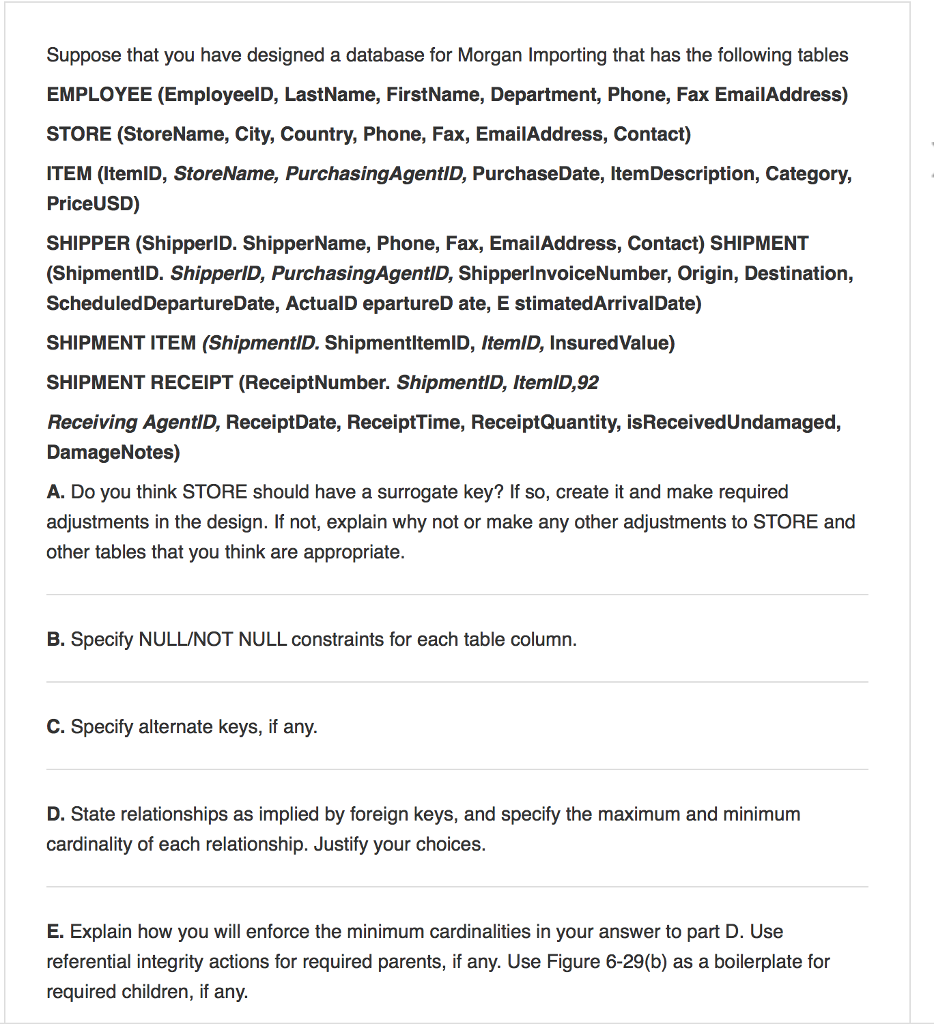
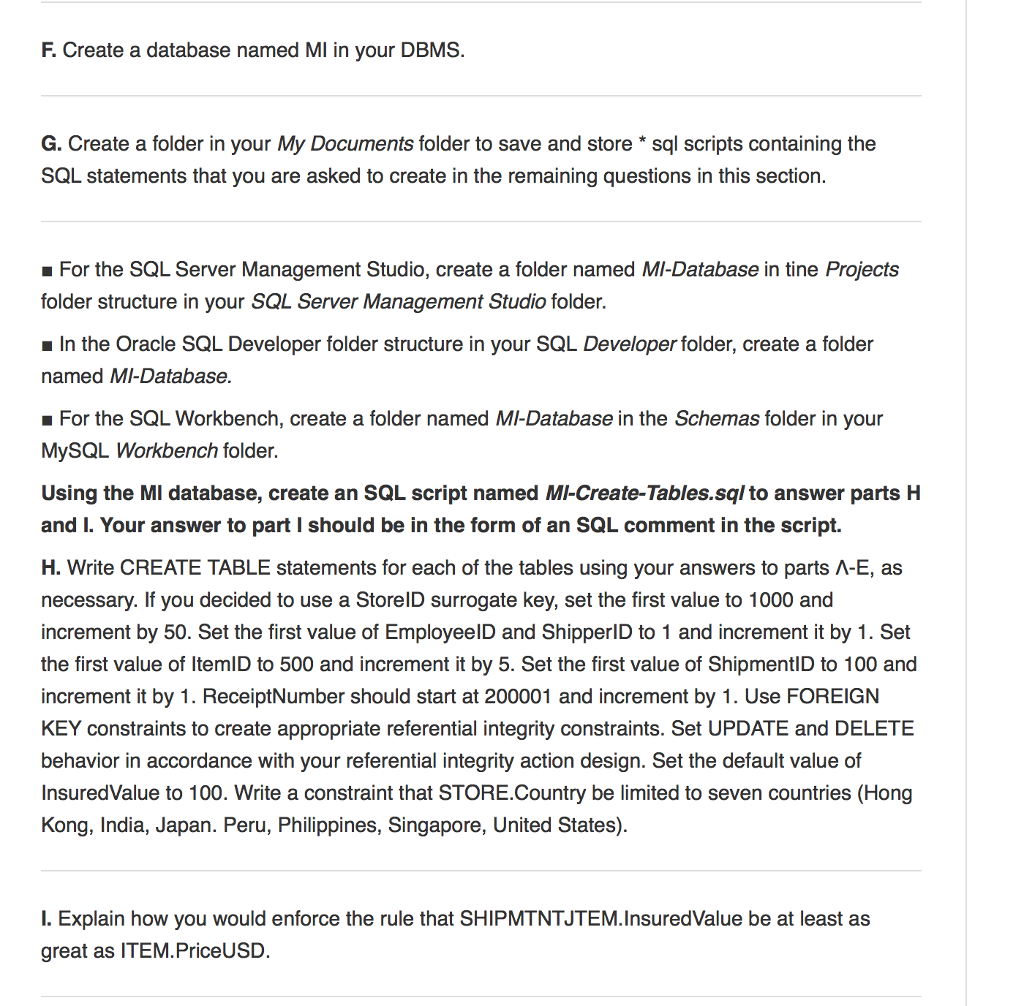
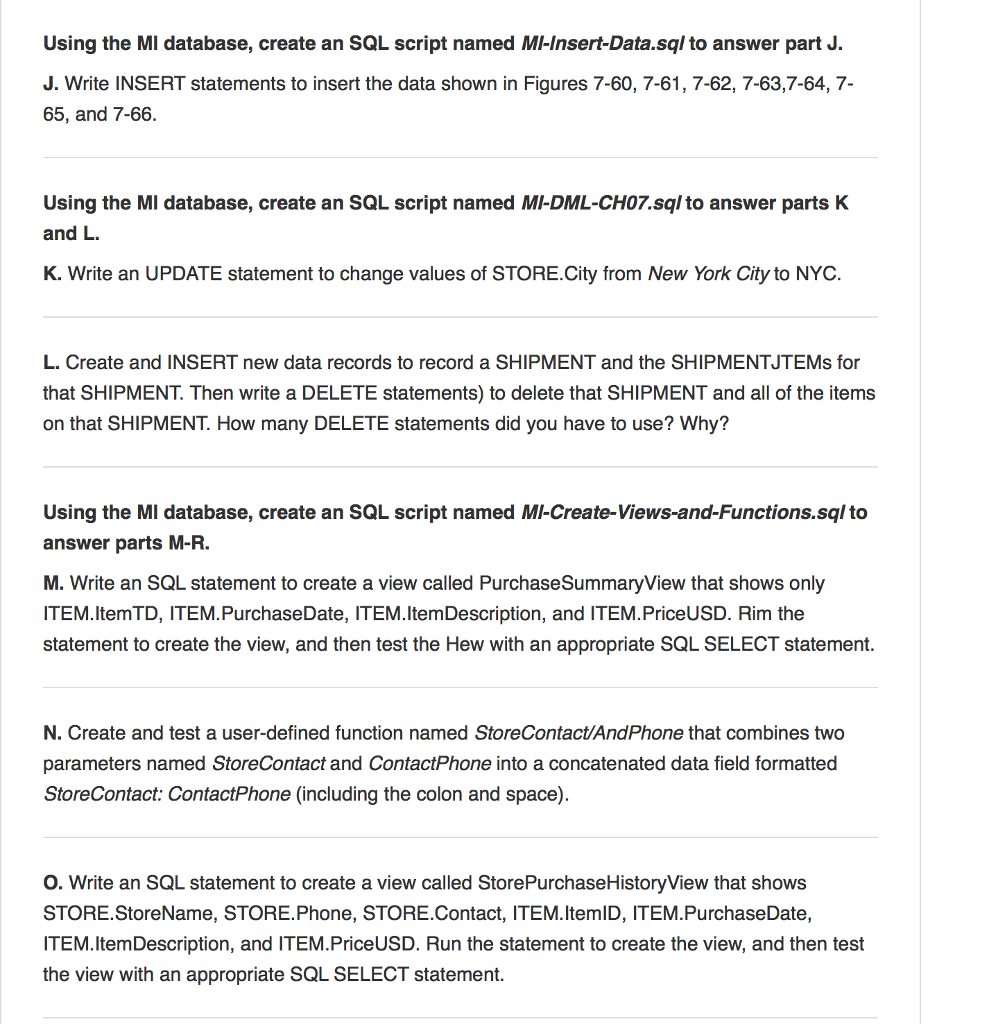
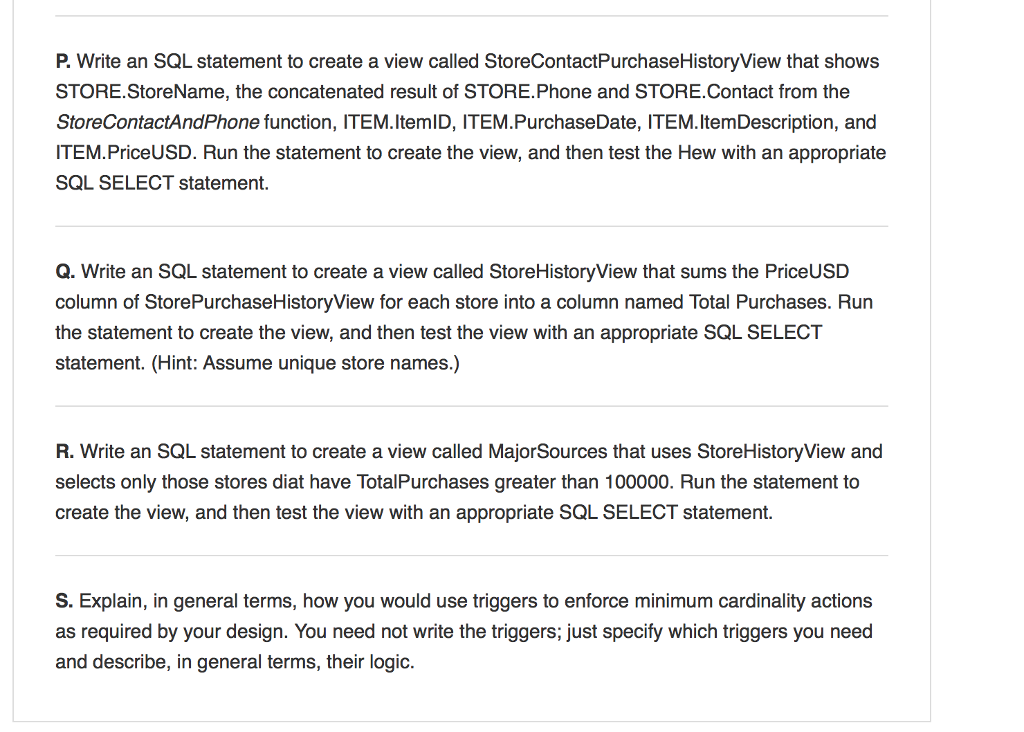
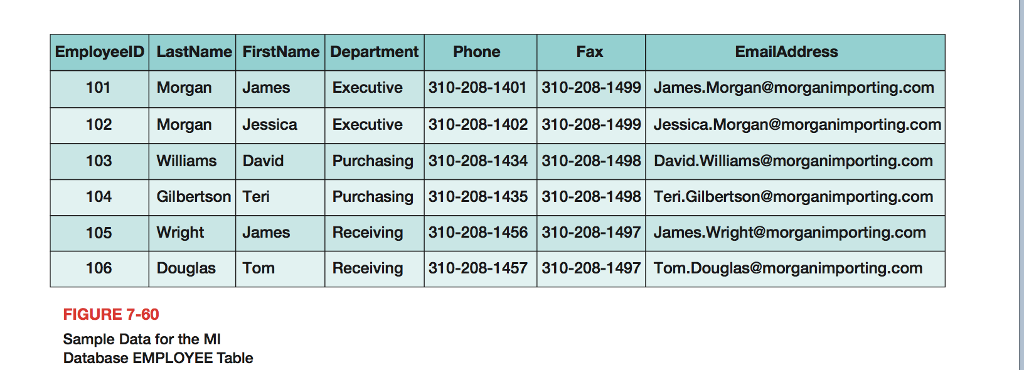
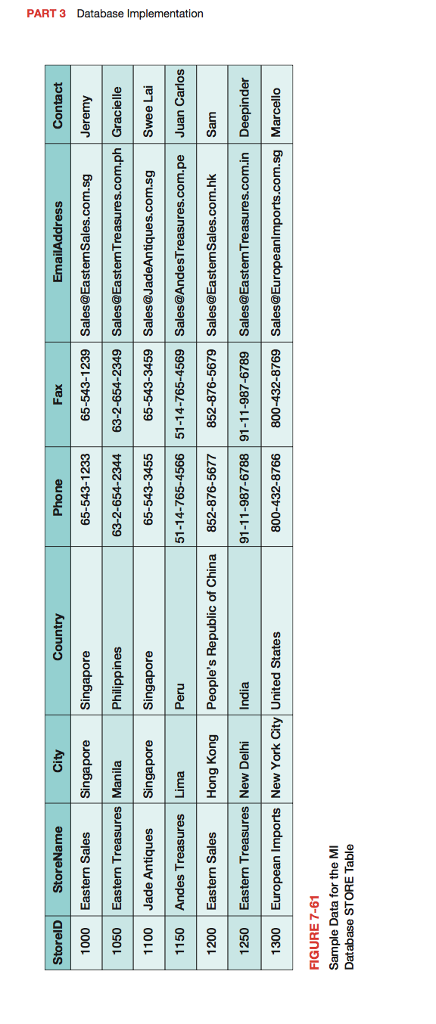
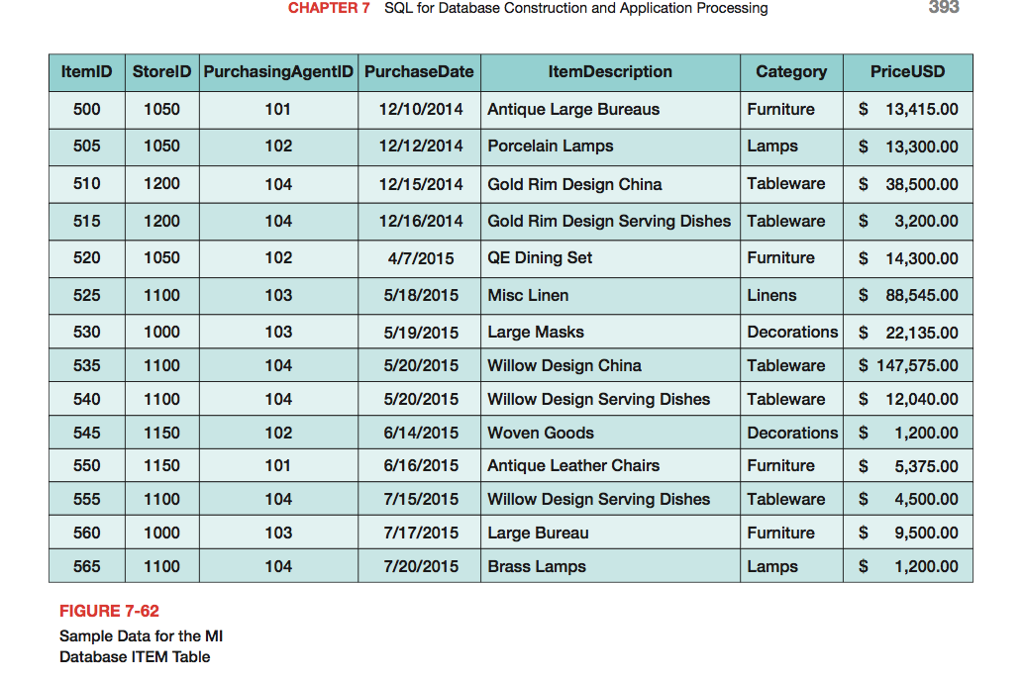
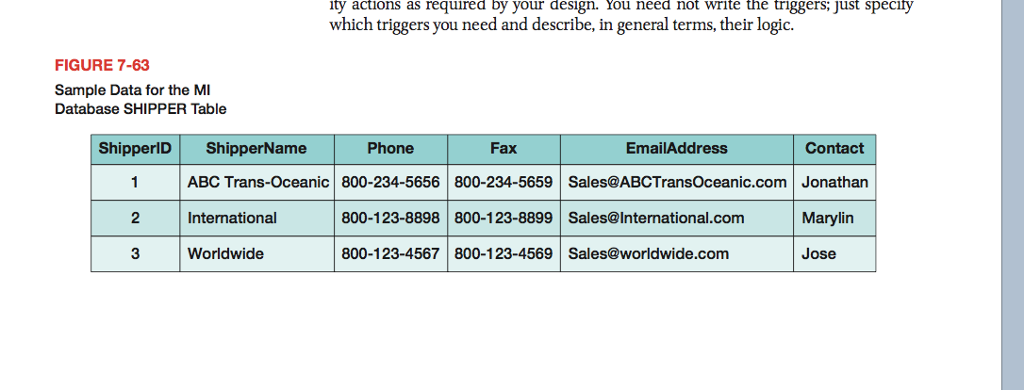
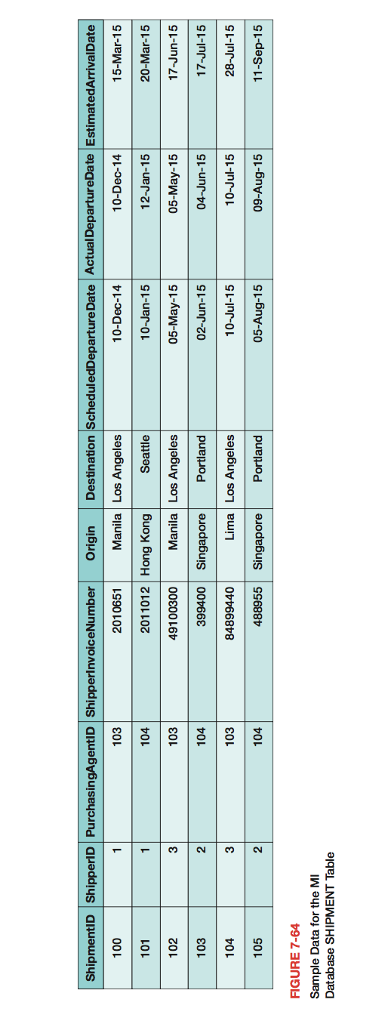
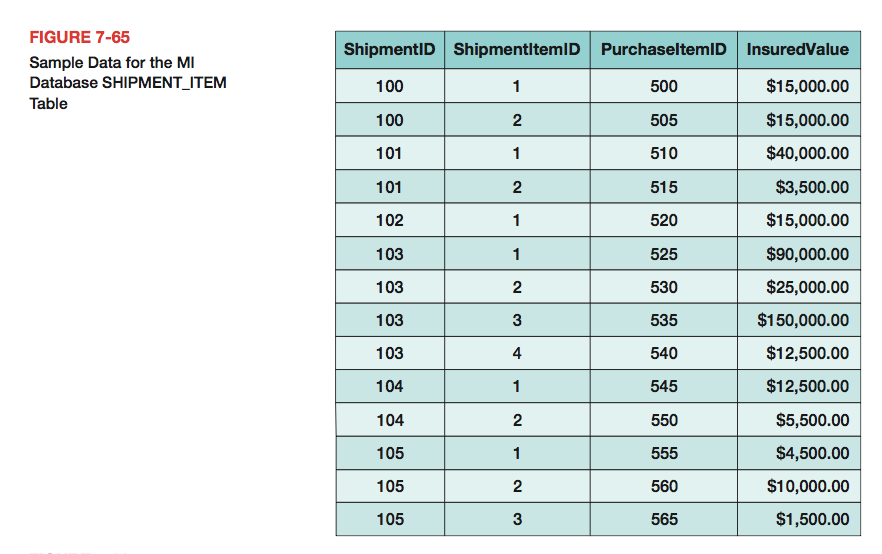
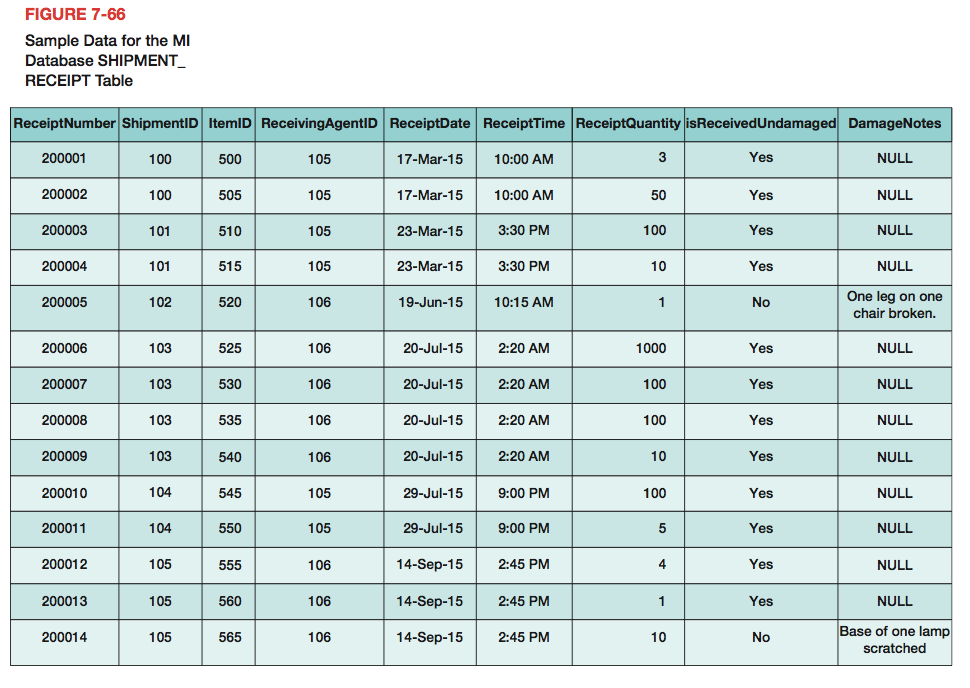
Suppose that you have designed a database for Morgan Importing that has the following tables EMPLOYEE (EmployeelD, LastName, FirstName, Department, Phone, Fax EmailAddress) STORE (StoreName, City, Country, Phone, Fax, EmailAddress, Contact) ITEM (ltemID, StoreName, PurchasingAgentlD, PurchaseDate, ltemDescription, Category PriceUSD) SHIPPER (ShipperID. ShipperName, Phone, Fax, EmailAddress, Contact) SHIPMENT (ShipmentlD. ShipperlD, PurchasingAgentID, ShipperlnvoiceNumber, Origin, Destination, Scheduled DepartureDate, ActualD epartureD ate, E stimatedArrivalDate) SHIPMENT ITEM (ShipmentlD. ShipmentltemID, ItemID, InsuredValue) SHIPMENT RECEIPT (ReceiptNumber. ShipmentiD, ItemID,92 Receiving AgentiD, ReceiptDate, ReceiptTime, ReceiptQuantity, isReceivedUndamaged, DamageNotes) A. Do you think STORE should have a surrogate key? If so, create it and make required adjustments in the design. If not, explain why not or make any other adjustments to STORE and other tables that you think are appropriate. B. Specify NULL/NOT NULL constraints for each table column. C. Specify alternate keys, if any. D. State relationships as implied by foreign keys, and specify the maximum and minimum cardinality of each relationship. Justify your choices. E. Explain how you will enforce the minimum cardinalities in your answer to part D. Use referential integrity actions for required parents, if any. Use Figure 6-29(b) as a boilerplate for required children, if any
Step by Step Solution
There are 3 Steps involved in it

Get step-by-step solutions from verified subject matter experts
 Study Help