







Question: Task: Understanding the user Assessment type: Written assignment Description: Submit an essay on user profile for a problem of their choice, using one of the
Task: Understanding the user
Assessment type: Written assignment
Description: Submit an essay on user profile for a problem of their choice, using one of the design thinking (DT) user understanding tools
Your task is to select a problem of your choice, select a tool or tools for emphasizing with the user affected by your chosen problem and use this tool to collect insights that will help you generate ideas to solve the problem. Your essay should contain the following elements:
1. A brief problem description / definition
2. A brief introduction of the tool and a brief explanation why you choose this tool
3. User insights generated from this tool
4. A brief reflection on your learning through this exercise
Other details:
Font size 12
Number of words: 1000-1200
All referencing and citations require Harvard referencing style. Rubric is attached
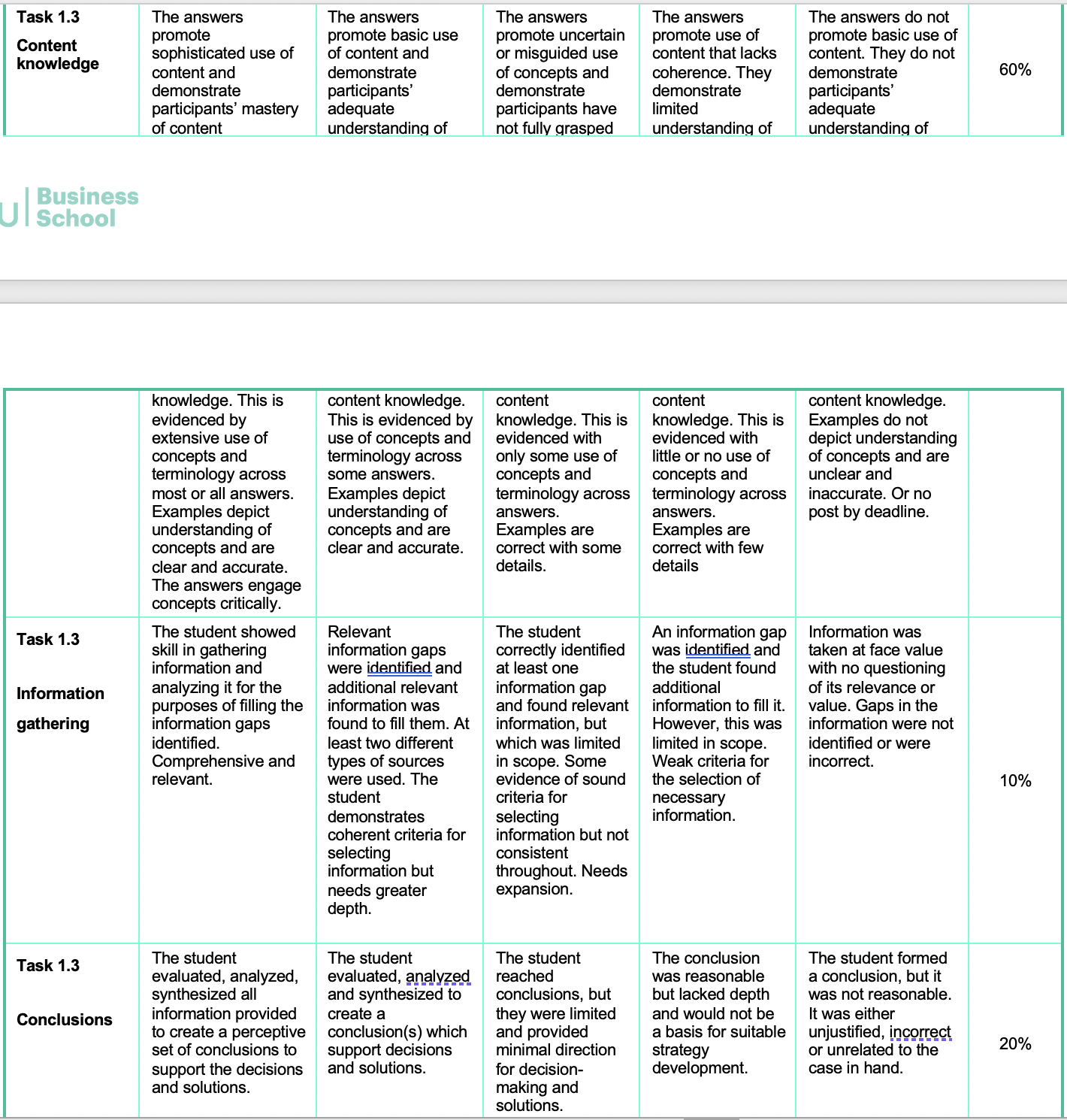
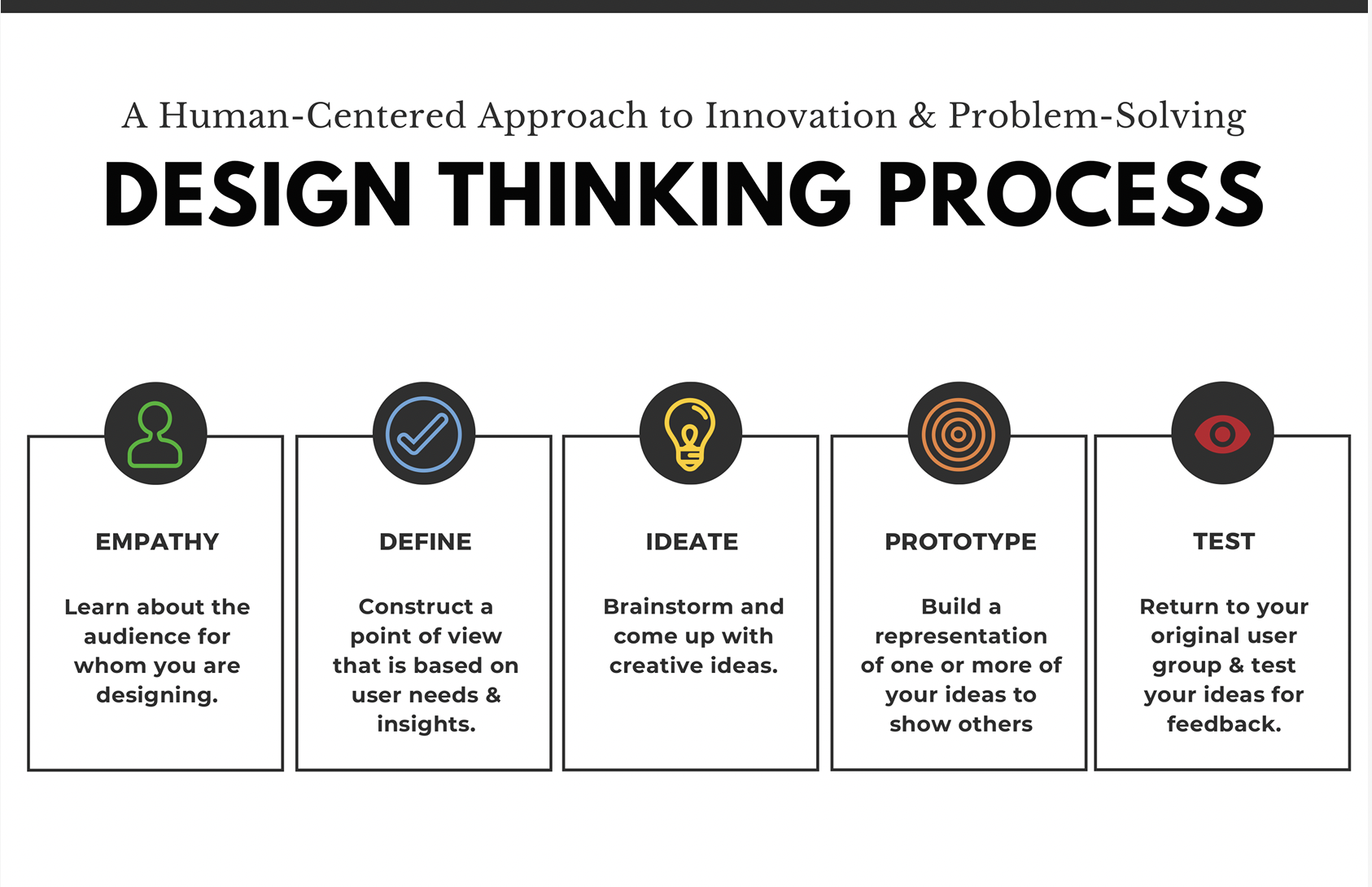
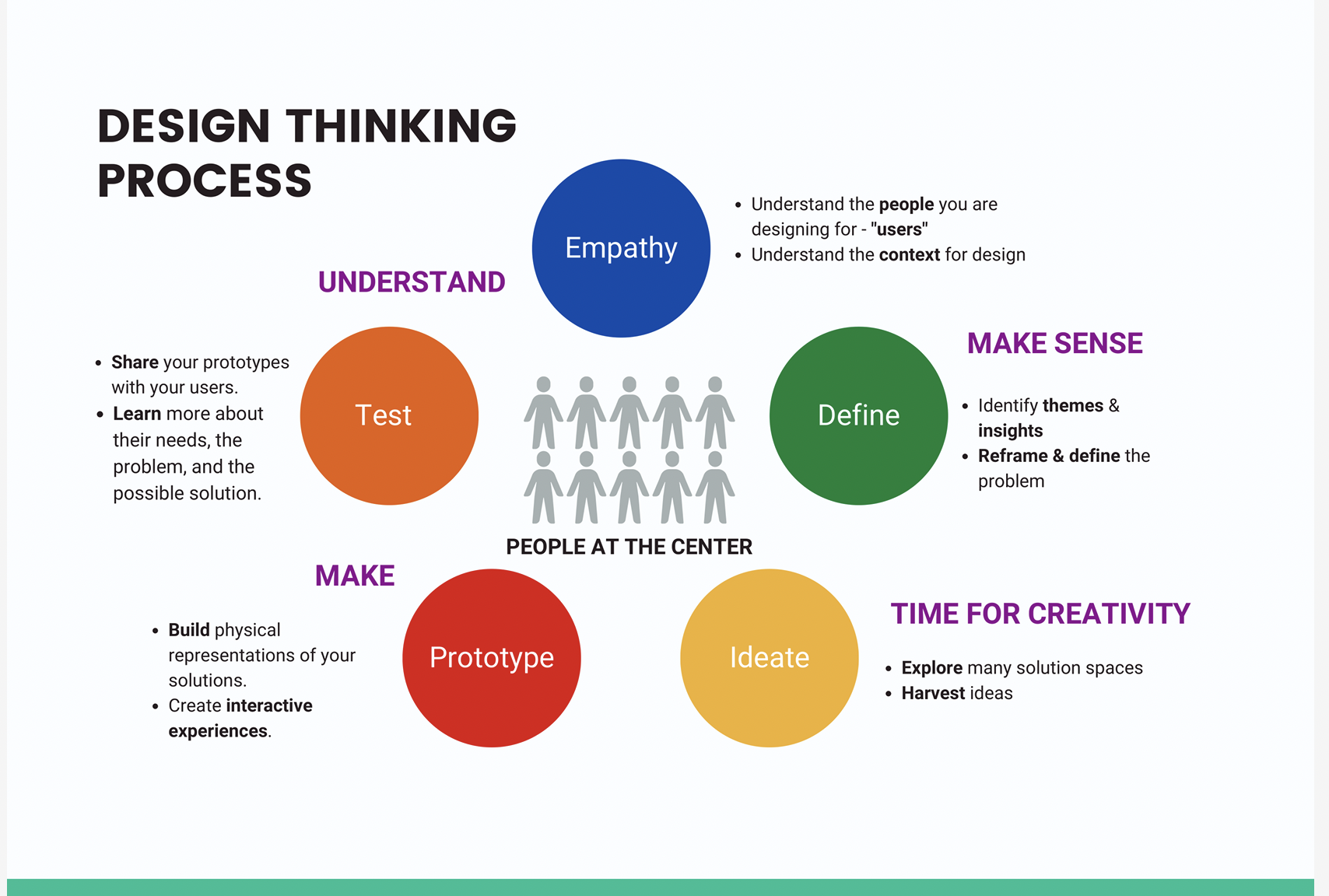
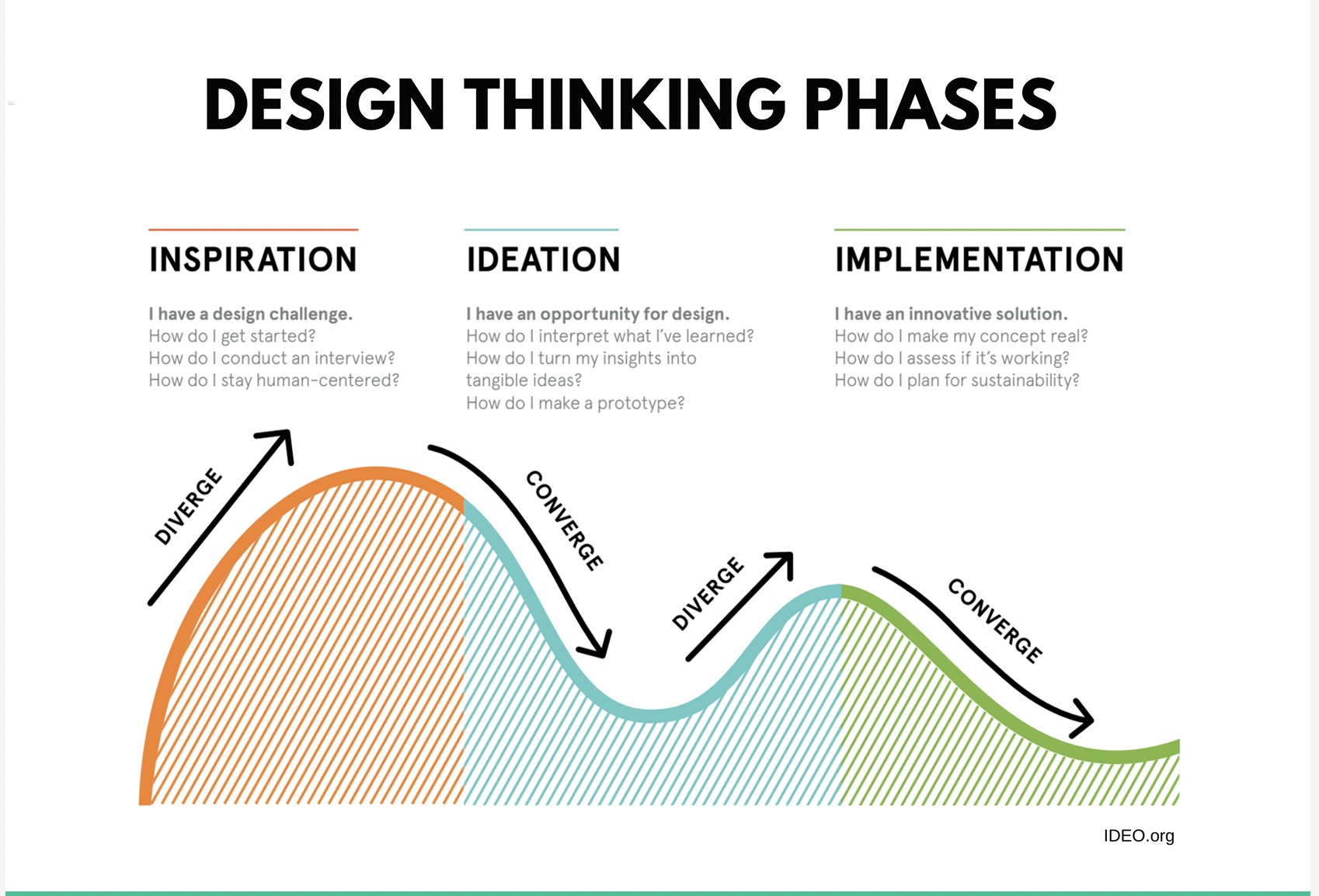
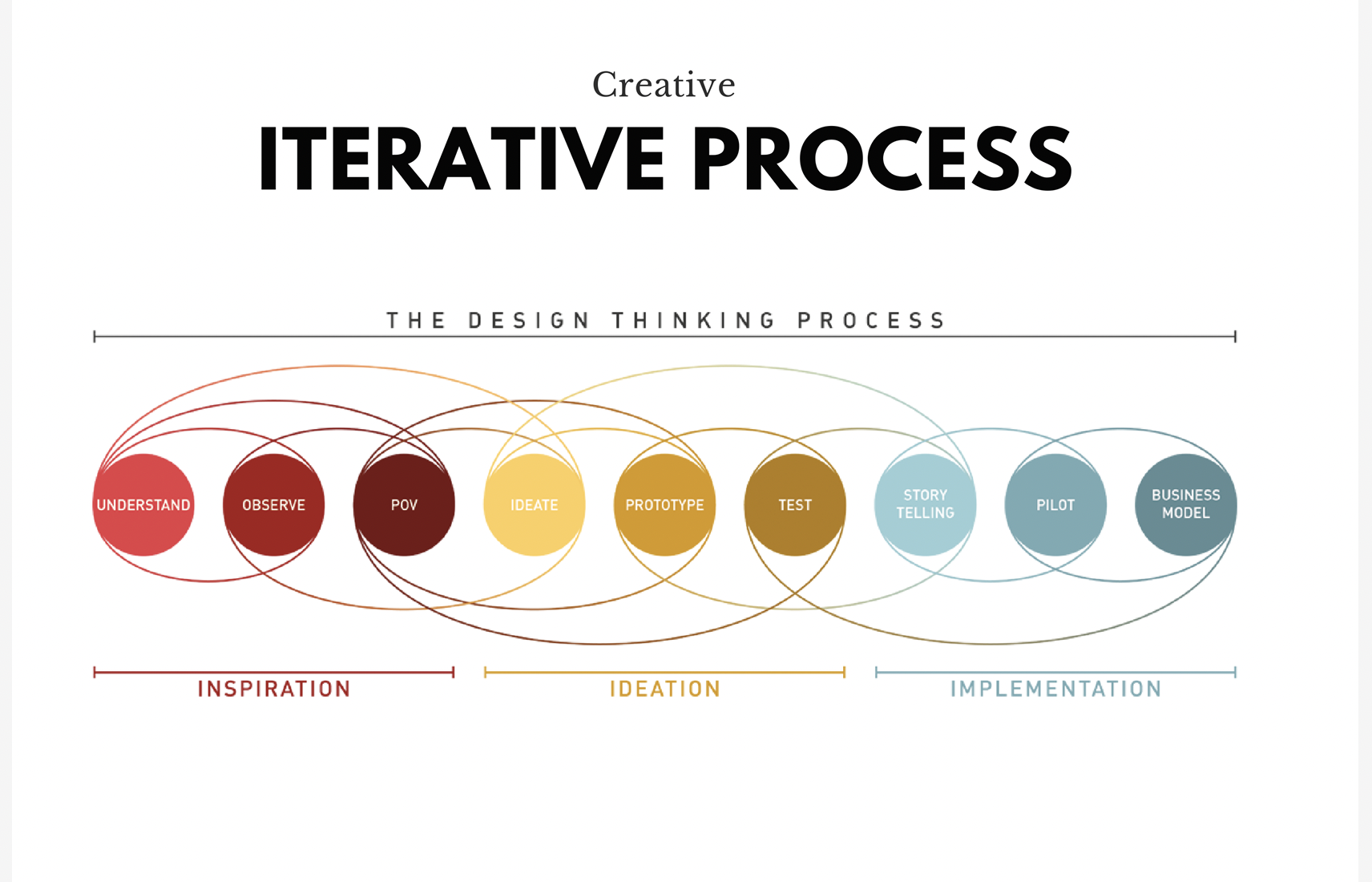
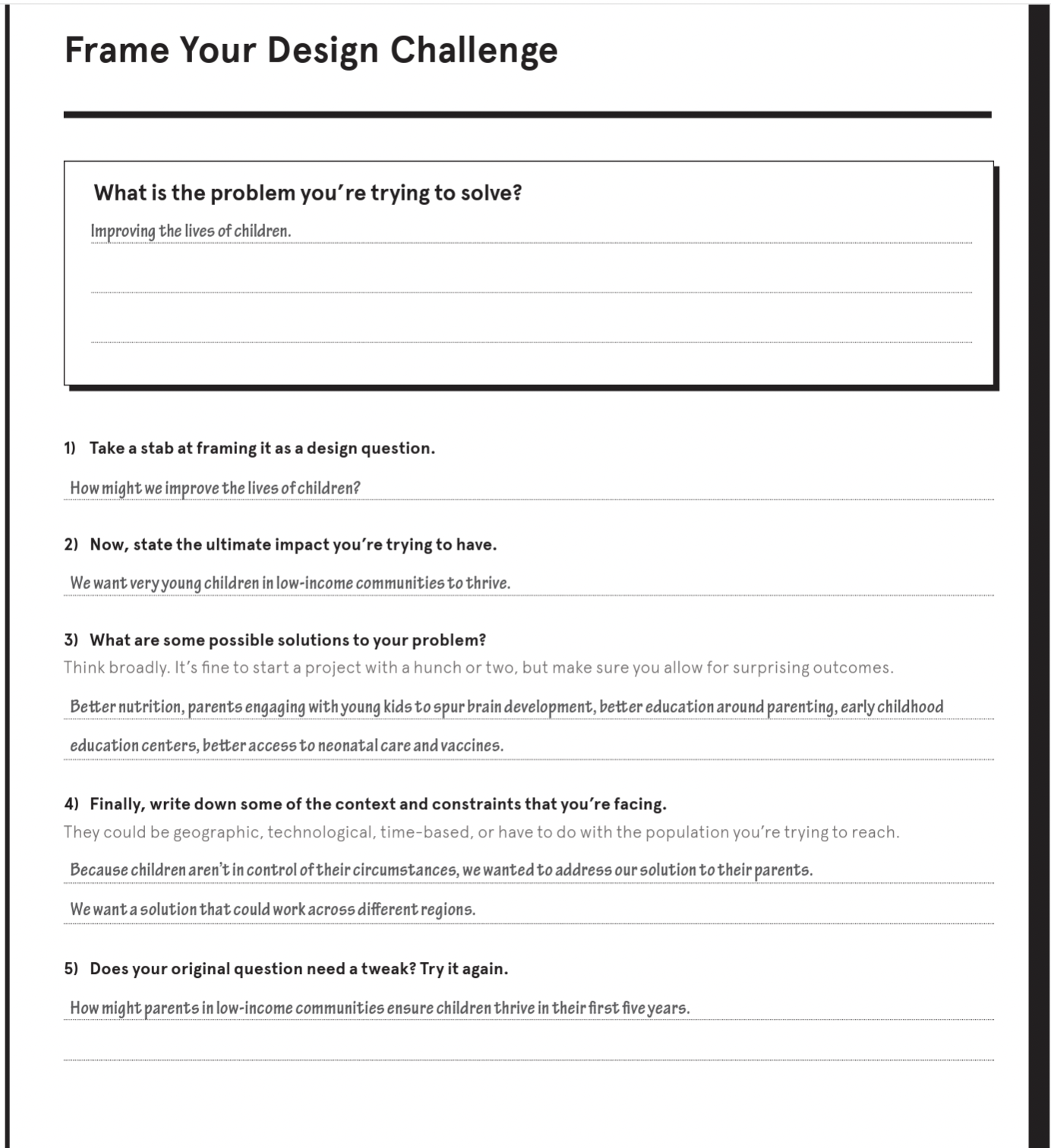
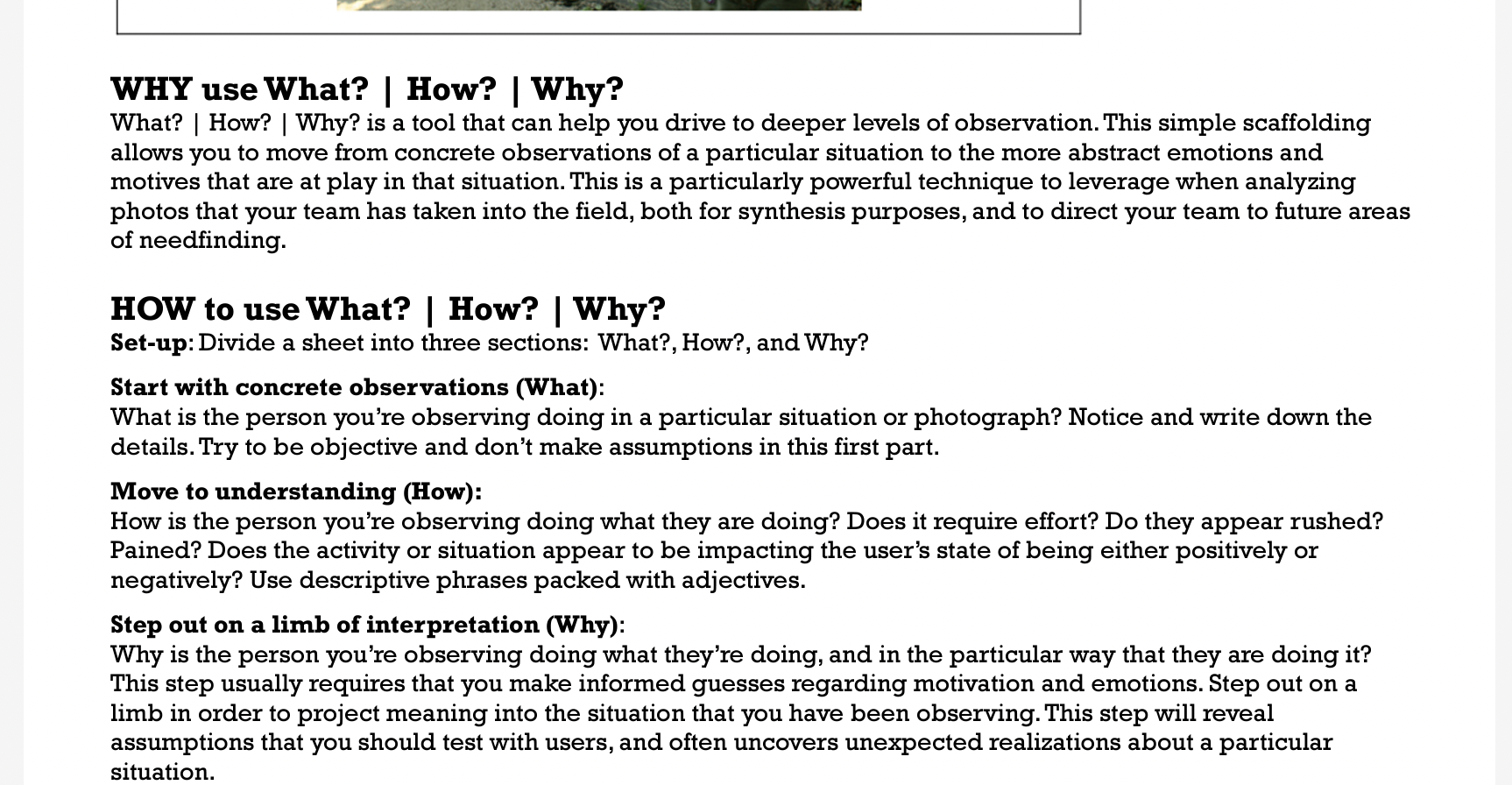
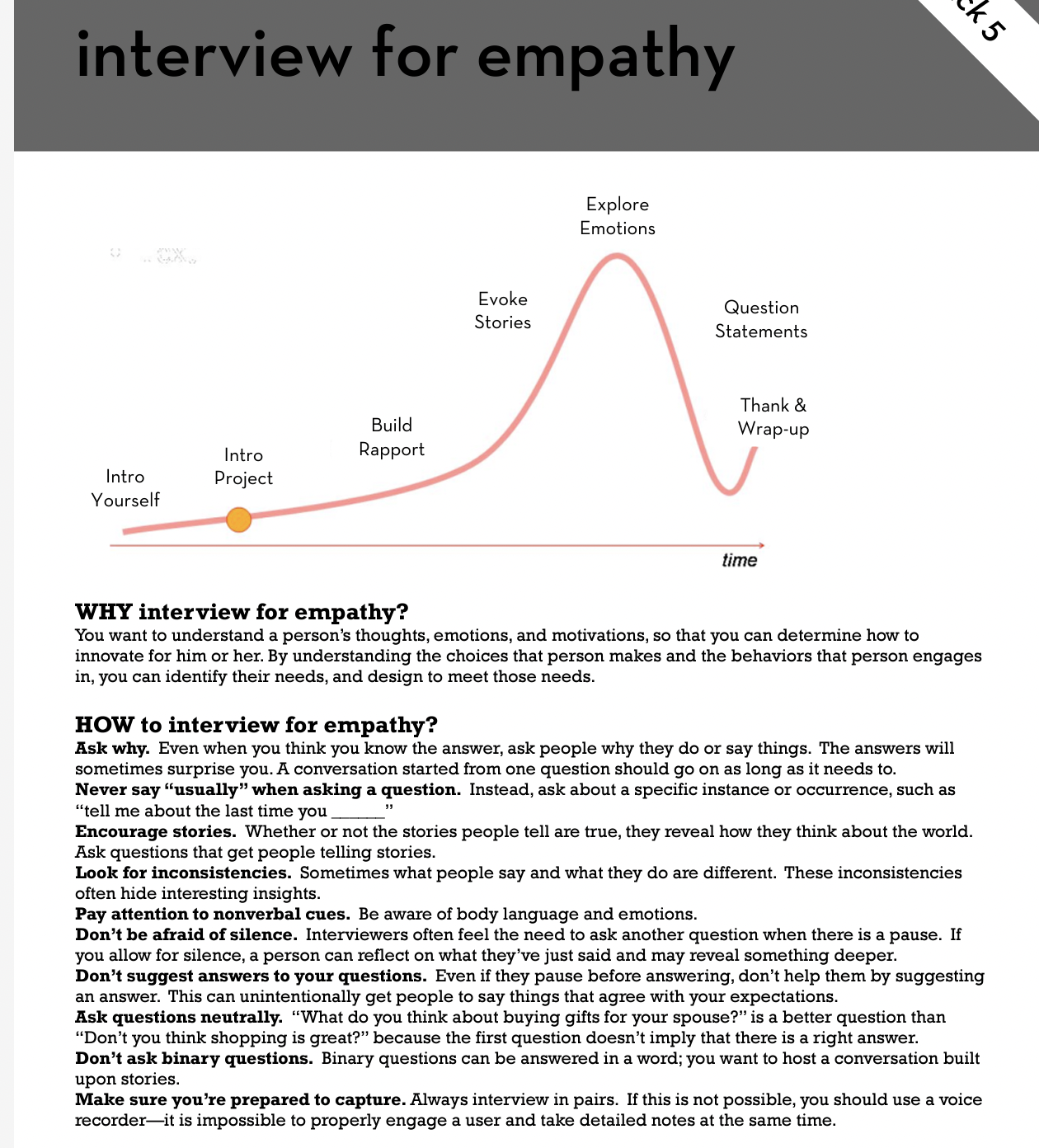
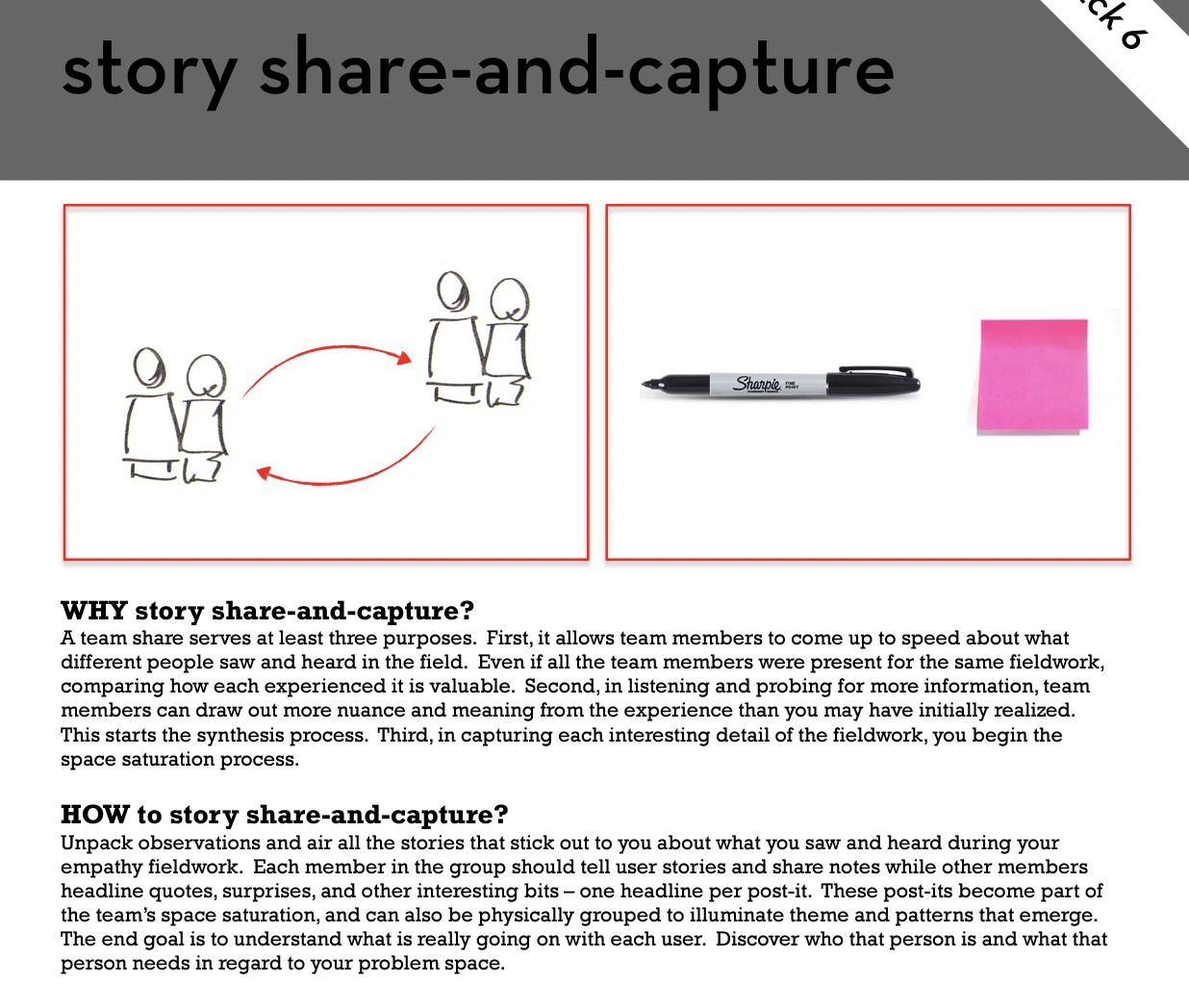
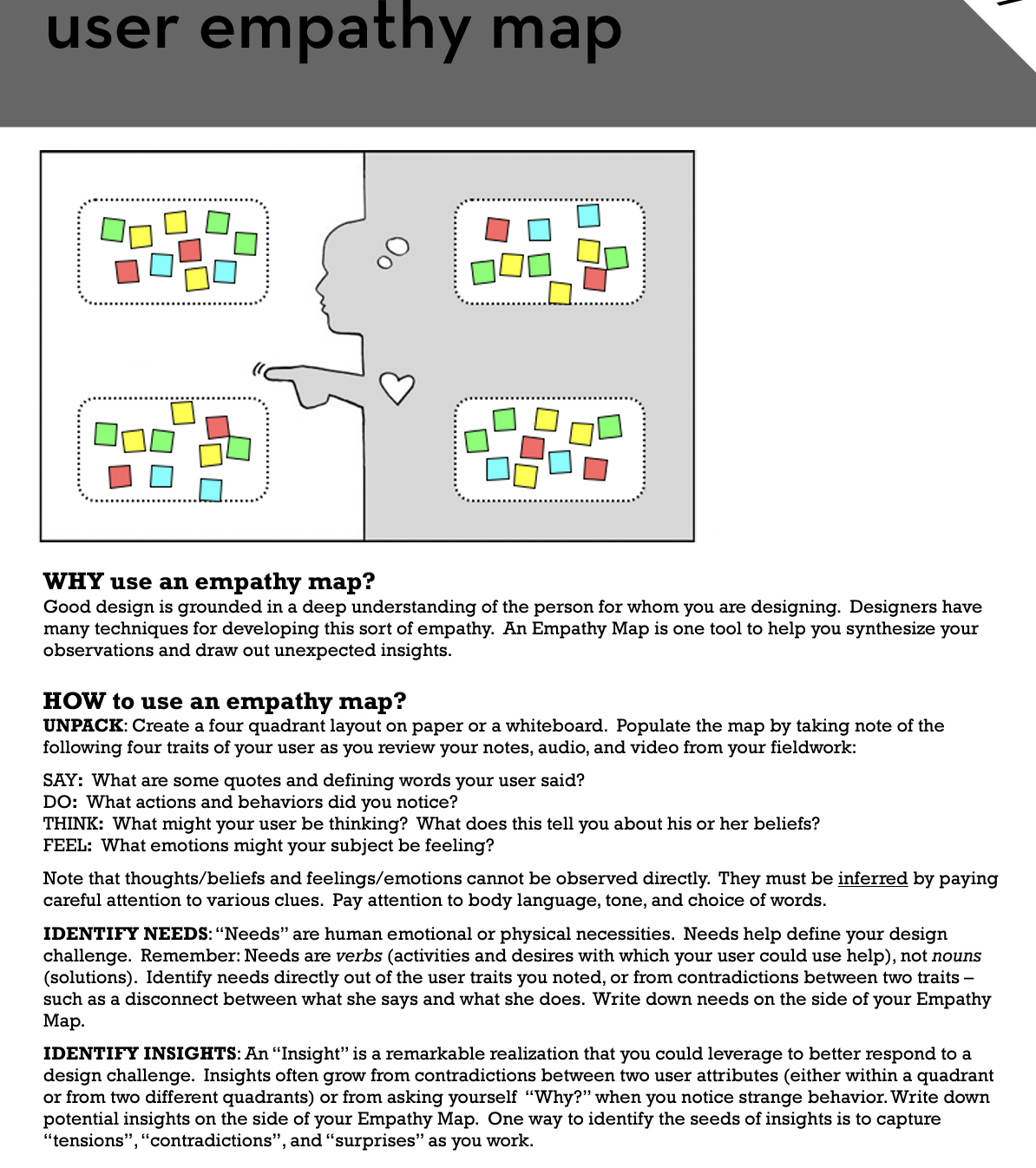
Task 1.3 Content knowledge Task 1.3 lnforrnation gathering Task 1.3 Conclusions The answers promote sophisticated use of content and demonstrate participants' mastery of content knowledge. This is evidenced by extensive use of concepts and terminology across most or all answers. Examples depict understanding of concepts and are clear and accurate. The answers engage concepts critically. The student showed skill in gathering information and analyzing it for the purposes of lling the information gaps identied. Comprehensive and relevant. The student evaluated, analyzed, synthesized all information provided to create a perceptive set of conclusions to support the decisions and solutions. The answers promote basic use of content and demonstrate participants' adequate understanding of content knowledge. This is evidenced by use of concepts and terminology across some answers. Examples depict understanding of concepts and are clear and accurate. Relevant information gaps were identied and additional relevant information was found to ll them. At least two different types of sources were used. The student demonstrates coherent criteria for selecting information but needs greater depth. The student evaluated, analyzed and synthesized to create a conclusion(s) which support decisions and solutions. The answers promote uncertain or misguided use of concepts and demonstrate participants have not fully grasped content knowledge. This is evidenced with only some use of concepts and terminology across answers. Examples are correct with some details. The student correctly identied at least one information gap and found relevant information. but which was limited in scope. Some evidence of sound criteria for selecting information but not consistent throughout. Needs expansion. The student reached conclusions, but they were limited and provided minimal direction for decision- making and solutions. The answers promote use of content that lacks coherence. They demonstrate limited understanding of content knowledge. This is evidenced with little or no use of concepts and terminology across answers. Examples are correct with few details An information gap was identied and the student found additional information to ll it. However, this was limited in scope. Weak criteria for the selection of necessary information. The conclusion was reasonable but lacked depth and would not be a basis for suitable strategy development. The answers do not promote basic use of content. They do not demonstrate participants' adequate understanding of 60% content knowledge. Examples do not depict understanding of concepts and are unclear and inaccurate. Or no post by deadline. Information was taken at face value with no questioning of its relevance or value. Gaps in the information were not identied or were incorrect. 10% The student formed a conclusion, but it was not reasonable. It was either unjustied, lVJQE'UQt. or unrelated to the case in hand. 20% A Human-Centered Approach to Innovation & Problem-Solving DESIGN THINKING PROCESS EMPATHY Learn about the audience for whom you are designing. DEFINE Construct a point of View that is based on user needs 8: insights. IDEATE Brainstorm and come up with creative ideas. PROTOTYPE Build a representation of one or more of your ideas to show others TEST Return to your original user group 8: test your ideas for feedback. DESIGN THINKING PROCESS - Understand the people you are designing for - "users" . Understand the context for design UNDERSTAND MAKE SENSE - Share your prototypes with your users. . Learn more about their needs, the problem, and the possible solution. - Identify themes & insights - Reframe 8: define the problem PEOPLE AT THE CENTER MAKE TIME FOR CREATIVITY . Build physical representations of your Prototype l solutions. ' . Create interactive experiences. . Explore many solution spaces - Harvest ideas DESIGN THINKING PHASES INSPIRATION l have a design challenge. How do | get started? How do I conduct an interview? How do | stay human-centered? IDEATION I have an opportunity for design. How do i interpret what I've learned? How do i turn my insights into tangible ideas? How do i make a prototype? IMPLEMENTATION l have an innovative solution. How do | make my concept real? How do | assess if it's working? How do I plan for sustainability? / /////////////// |DEO.org Creative ITERATIVE PROCESS THE DESIGN THINKING PROCESS BUSINESS MODEL INSPIRATION I IDEATION IMPLEMENTATION \fWHY useWhat? | How? |Why? What? | Ham? | Why? is a tool that can help you drive to deeper levels of observation. This simple scaffolding allows you to move from concrete observations of a particular situation to the more abstract emotions and motives that are at play in that situation. This is a particularly powerful technique to leverage when analyzing photos that your team has taken into the field, both for synthesis purposes, and to direct your team to future areas of needfinding. HOW to use What? | ow? | Why? Set-up: Divide a sheet into three sections: What?, How?, and Why? Start with concrete observations (What): What is the person you're observing doing in a particular situation or photograph? Notice and write down the details. Try to be objective and don't make assumptions in this first part. Move to understanding (How): How is the person you're observing doing what they are doing? Does it require effort? Do they appear rushed? Pained? Does the activity or situation appear to be impacting the user's state of being either positively or negatively? Use descriptive phrases packed with adjectives. Step out on a limb of interpretation (Why): Why is the person you're observing doing what they're doing, and in the particular way that they are doing it? This step usually requires that you make informed guesses regarding motivation and emotions. Step out on a limb in order to project meaning into the situation that you have been observing. This step will reveal assumptions that you should test with users, and often uncovers unexpected realizations about a particular situation. Explore Emotions Evoke Question Storles Statements Thank 8t Build ' Wrap-\"P Intro Rapport Intro Project Yourseht um; WHY interview for empathy? You want to understand a person's thoughts, emotions, and motivations, so that you can determine how to innovate for him or her. By understanding the choices that person makes and the behaviors that person engages in, you can identify their needs, and design to meet those needs. HOW to interview for empathy? Ask wlry. Even when you think you know the answer, ask people why they do or say things. The answers will sometimes surprise you. A conversation started from one question should go on as long as it needs to. Never say \"usually\" when asking a question. Instead, ask about a specific instance or occurrence, such as "tell me about the last time you \" Encourage stories. Whether or not the stories people tell are true, they reveal how they think about the world. Ask questions that get people telling stories. Look for inconsistencies. Sometimes what people say and what they do are different. These inconsistencies often hide interesting insights. Pay attention to nonverbal cues. Be aware of body language and emotions. Don't be afraid of silence. Interviewers often feel the need to ask another question when there is a pause. If you allow for silence, a person can reect on what they've just said and may reveal something deeper. Don't suggest answers to your questions. Even if they pause before answering, don't help them by suggesting an answer. This can unintentionally get people to say things that agree with your expectations. Ask questions neutrale. "What do you think about buying gifts for your spouse?\" is a better question than \"Don't you think shopping is great?" because the first question doesn't imply that there is a right answer. Don't ask binary questions. Binary questions can be answered in a word; you want to host a conversation built upon stories. Make sure you're prepared to capture. Always interview in pairs. If this is not possible, you should use a voice recorderit is impossible to properly engage a user and take detailed notes at the same time. WHY story share-and-capture? A team share serves at least three purposes. First, it allows team members to come up to speed about what different people saw and heard in the field. Even if all the team members were present for the same fieldwork, comparing how each experienced it is valuable. Second, in listening and probing for more information, team members can draw out more nuance and meaning from the experience than you may have initially realized. This starts the synthesis process. Third, in capturing each interesting detail of the fieldwork, you begin the space saturation process. HOW to story share-and-capture? Unpack observations and air all the stories that stick out to you about what you saw and heard during your empathy fieldwork. Each member in the group should tell user stories and share notes while other members headline quotes. surprises, and other interesting bits one headline per post-it. These post-its become part of the team's space saturation, and can also be physically grouped to illuminate theme and patterns that emerge. The end goal is to understand what is really going on with each user. Discover who that person is and what that person needs in regard to your problem space. WHY use an empathy map? Good design is grounded in a deep understanding of the person for whom you are designing. Designers have many techniques for developing this sort of empathy. An Empathy Map is one tool to help you synthesize your observations and draw out unexpected insights. HOW to use an empathy map? 'lJ'NPCK: Create a four quadrant layout on paper or a whiteboard. Populate the map by taking note of the following four traits of your user as you review your notes, audio, and video from your fieldwork: SAY: What are some quotes and defining words your user said? DO: What actions and behaviors did you notice? THINK: What might your user be thinking? What does this tell you about his or her beliefs? FEEL: What emotions might your subject be feeling? Note that thoughts/beliefs and feelings/emotions cannot be observed directly. They must be inferred by paying careful attention to various clues. Pay attention to body language, tone, and choice of words. IDENTIFY NEEDS: \"Needs\" are human emotional or physical necessities. Needs help define your design challenge. Remember: Needs are verbs (activities and desires with which your user could use help), not nouns (solutions). Identify needs directly out of the user traits you noted, or from contradictions between two traits such as a disconnect between what she says and what she does. Write down needs on the side of your Empathy Map. IDENTIFY INSIGHTS: An \"Insight\" is a remarkable realization that you could leverage to better respond to a design challenge. Insights often grow from contradictions between two user attributes (either within a quadrant or from two different quadrants) or from asking yourself \"Why?" when you notice strange behavior. Write down potential insights on the side of your Empathy Map. One way to identify the seeds of insights is to capture \"tensions , contradictions\
Step by Step Solution
There are 3 Steps involved in it

Get step-by-step solutions from verified subject matter experts
 Study Help