Question: Technology is changing how we live, but it needs to change how we work By: Ezra Klein o= KR KX What do you think of
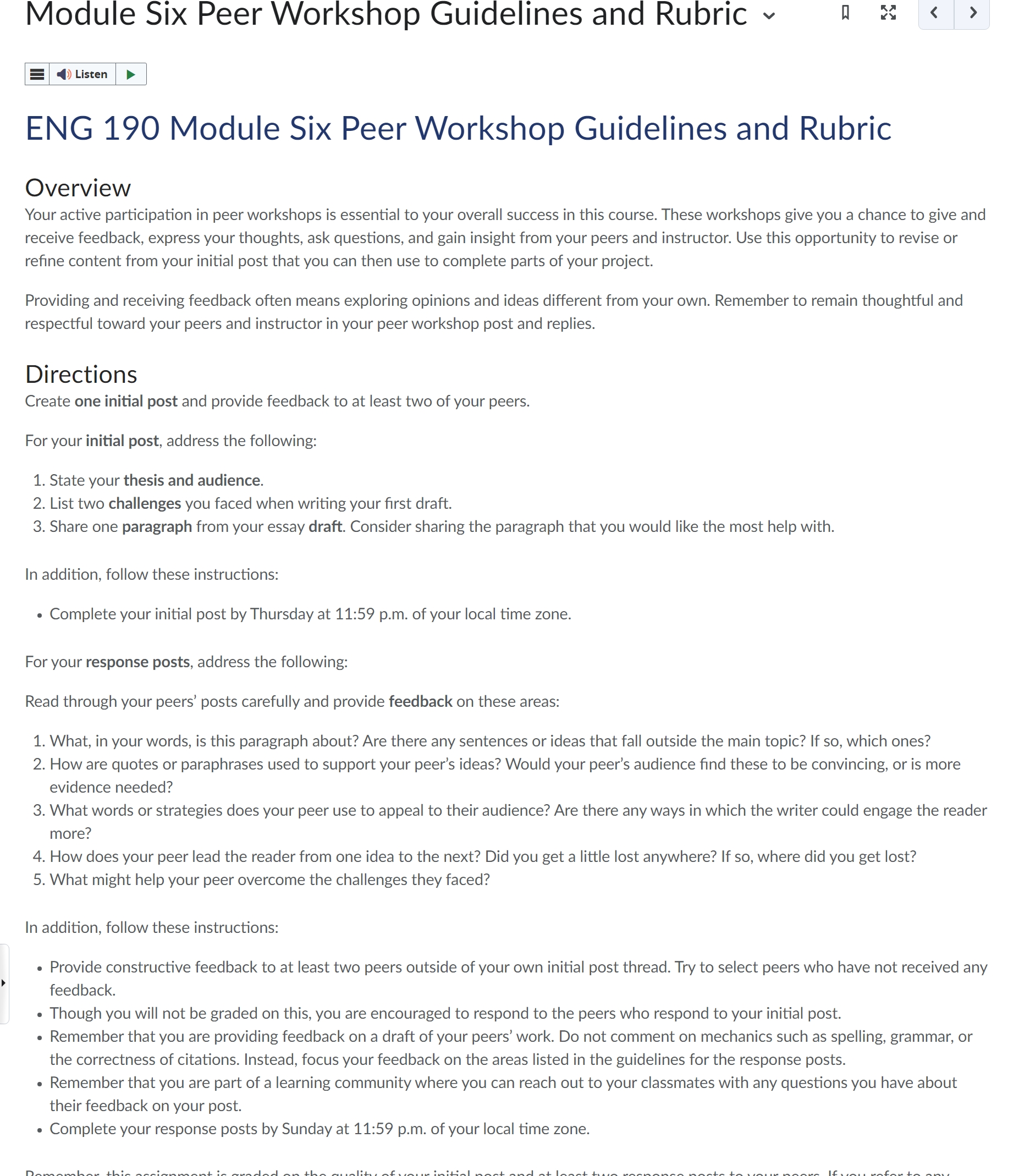
Technology is changing how we live, but it needs to change how we work By: Ezra Klein o= KR KX What do you think of when you hear the word "technology"? Do you think of jet planes and laboratory equipment and underwater farming? Or do you think of smartphones and machine- learning algorithms? Venture capitalist Peter Thiel guesses it's the latter. When a grave-faced announcer on CNBC says "technology stocks are down today," we all know he means Facebook and Apple, not Boeing and Pfizer. To Thiel, this signals a deeper problem in the American economy, a shrinkage in our belief of what's possible, a pessimism about what is really likely to get better. Our definition of what technology is has narrowed, and he thinks that narrowing is no accident. It's a coping mechanism in an age of technological disappointment. " "Technology gets defined as 'that which is changing fast." he says. "If the other things are not defined as 'technology.' we filter them out and we don't even look at them." Thiel isn't dismissing the importance of iPhones and laptops and social networks. He founded PayPal and Palantir, was one of the earliest investors in Facebook, and now sits atop a fortune estimated in the billions. We spoke in his sleek, floor-to-ceiling-windowed apartment overlooking Manhattan a palace built atop the riches of the IT revolution. But it's obvious to him that we're living through an extended technological stagnation. "We were promised flying cars; we got 140 characters," he likes to say. The numbers back him up. The closest the economics profession has to a measure of technological progress is an indicator called total factor productivity, or TFP. It's a bit of an odd concept: It measures the productivity gains left over after accounting for the growth of the workforce and capital investments. When TFP is rising, it means the same number of people, working with the same amount of land and machinery, are able to make more than they were before. It's our best attempt to measure the hard-to-define bundle of innovations and improvements that keep living standards rising. It means we're figuring out how to, in Steve Jobs's famous formulation, work smarter. If TFP goes flat, then so do living standards. Module Six Peer Workshop Guidelines and Rubric ~ ) Listen ENG 190 Module Six Peer Workshop Guidelines and Rubric Overview Your active participation in peer workshops is essential to your overall success in this course. These workshops give you a chance to give and receive feedback, express your thoughts, ask questions, and gain insight from your peers and instructor. Use this opportunity to revise or refine content from your initial post that you can then use to complete parts of your project. Providing and receiving feedback often means exploring opinions and ideas different from your own. Remember to remain thoughtful and respectful toward your peers and instructor in your peer workshop post and replies. Directions Create one initial post and provide feedback to at least two of your peers. For your initial post, address the following: 1. State your thesis and audience. 2. List two challenges you faced when writing your first draft. 3. Share one paragraph from your essay draft. Consider sharing the paragraph that you would like the most help with. In addition, follow these instructions: . Complete your initial post by Thursday at 11:59 p.m. of your local time zone. For your response posts, address the following: Read through your peers' posts carefully and provide feedback on these areas: 1. What, in your words, is this paragraph about? Are there any sentences or ideas that fall outside the main topic? If so, which ones? 2. How are quotes or paraphrases used to support your peer's ideas? Would your peer's audience find these to be convincing, or is more evidence needed? 3. What words or strategies does your peer use to appeal to their audience? Are there any ways in which the writer could engage the reader more? 4. How does your peer lead the reader from one idea to the next? Did you get a little lost anywhere? If so, where did you get lost? 5. What might help your peer overcome the challenges they faced? In addition, follow these instructions: . Provide constructive feedback to at least two peers outside of your own initial post thread. Try to select peers who have not received any feedback . Though you will not be graded on this, you are encouraged to respond to the peers who respond to your initial post. Remember that you are providing feedback on a draft of your peers' work. Do not comment on mechanics such as spelling, grammar, or the correctness of citations. Instead, focus your feedback on the areas listed in the guidelines for the response posts. . Remember that you are part of a learning community where you can reach out to your classmates with any questions you have about their feedback on your post. . Complete your response posts by Sunday at 11:59 p.m. of your local time zone
Step by Step Solution
There are 3 Steps involved in it
1 Expert Approved Answer
Step: 1 Unlock
Question Has Been Solved by an Expert!
Get step-by-step solutions from verified subject matter experts
Step: 2 Unlock
Step: 3 Unlock
Students Have Also Explored These Related Business Writing Questions!










 Study Help