







Question: Thank you for the help arise Problem solving models are used to address the many challenges workplace. While many people regularly solve problems, there are
Thank you for the help 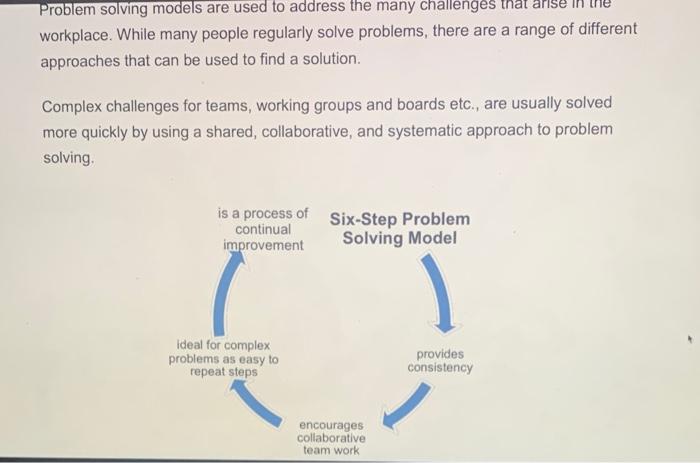
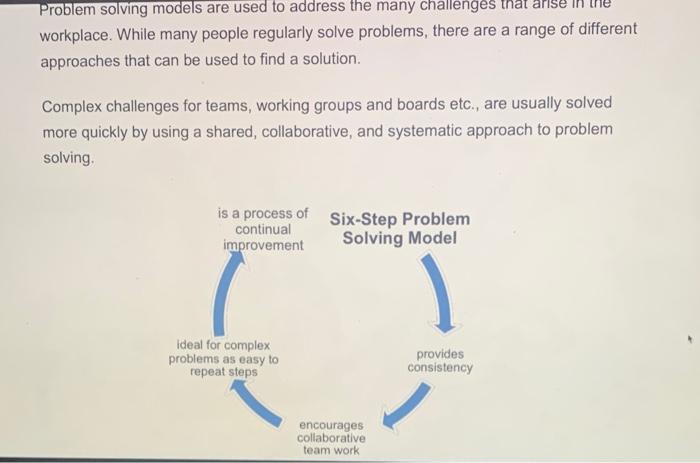
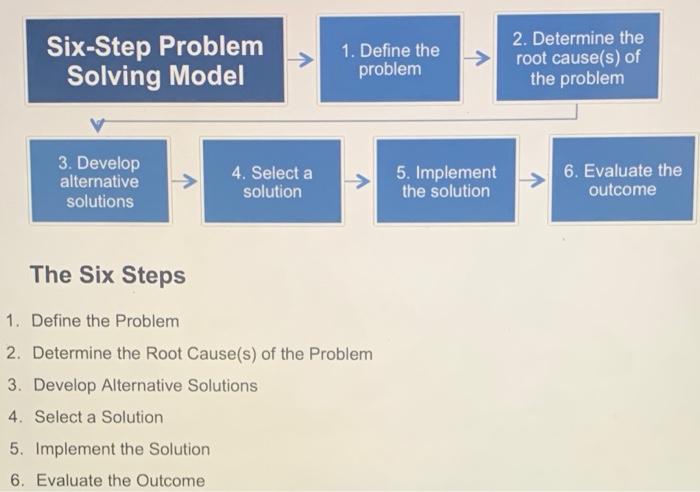
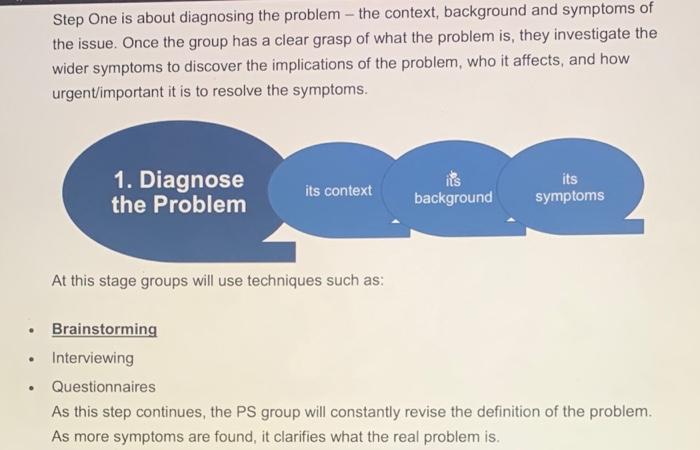
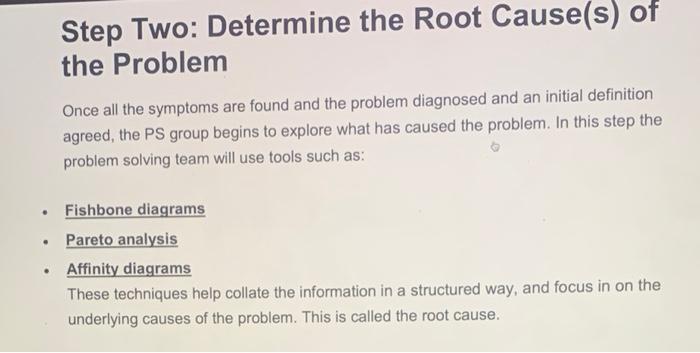
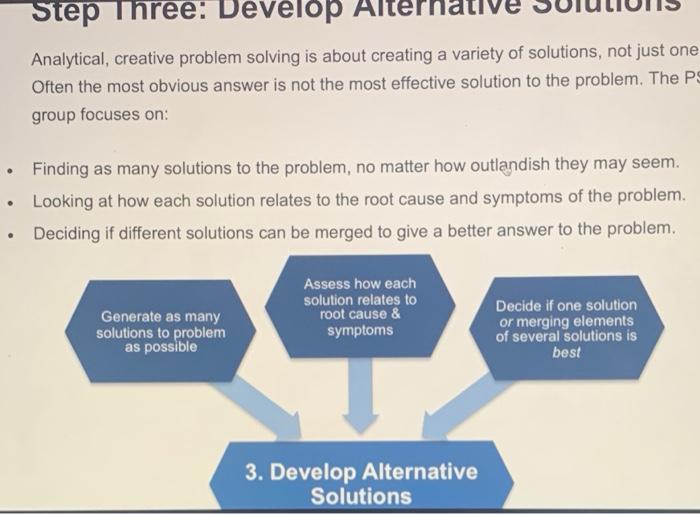
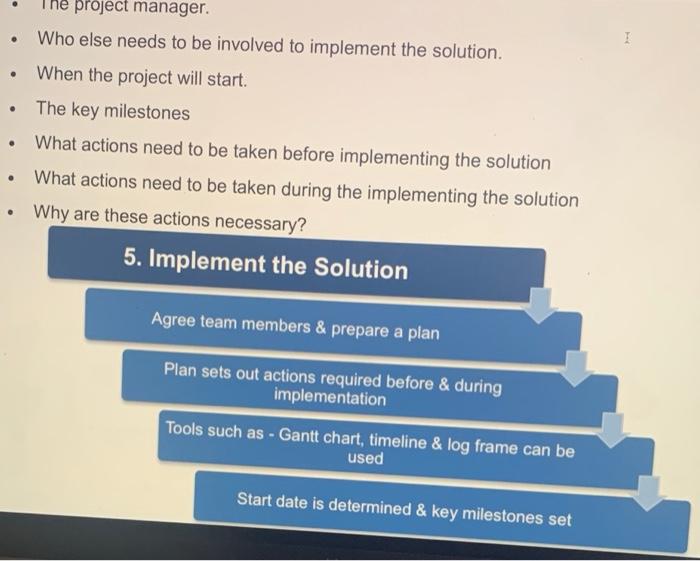
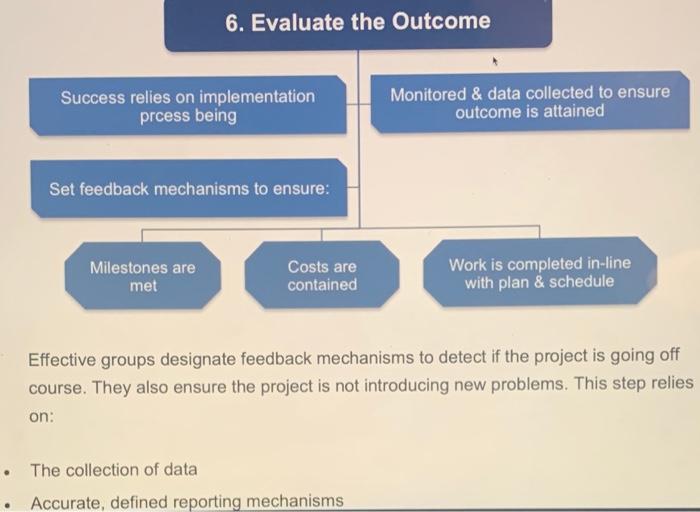
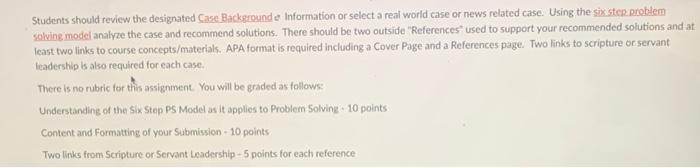
arise Problem solving models are used to address the many challenges workplace. While many people regularly solve problems, there are a range of different approaches that can be used to find a solution. Complex challenges for teams, working groups and boards etc., are usually solved more quickly by using a shared, collaborative, and systematic approach to problem solving is a process of continual improvement Six-Step Problem Solving Model ideal for complex problems as easy to repeat steps provides consistency encourages collaborative team work arise Problem solving models are used to address the many challenges workplace. While many people regularly solve problems, there are a range of different approaches that can be used to find a solution. Complex challenges for teams, working groups and boards etc., are usually solved more quickly by using a shared, collaborative, and systematic approach to problem solving is a process of continual improvement Six-Step Problem Solving Model ideal for complex problems as easy to repeat steps provides consistency encourages collaborative team work Six-Step Problem Solving Model 1. Define the problem 2. Determine the root cause(s) of the problem 3. Develop alternative solutions 4. Select a solution 5. Implement the solution 6. Evaluate the outcome The Six Steps 1. Define the Problem 2. Determine the Root Cause(s) of the Problem 3. Develop Alternative Solutions 4. Select a Solution 5. Implement the Solution 6. Evaluate the Outcome Step One is about diagnosing the problem - the context, background and symptoms of the issue. Once the group has a clear grasp of what the problem is, they investigate the wider symptoms to discover the implications of the problem, who it affects, and how urgent/important it is to resolve the symptoms. 1. Diagnose the Problem its context ies background its symptoms At this stage groups will use techniques such as: Brainstorming Interviewing Questionnaires As this step continues, the PS group will constantly revise the definition of the problem. As more symptoms are found, it clarifies what the real problem is. Step Two: Determine the Root Cause(s) of the Problem Once all the symptoms are found and the problem diagnosed and an initial definition agreed, the PS group begins to explore what has caused the problem. In this step the problem solving team will use tools such as: . . Fishbone diagrams Pareto analysis Affinity diagrams These techniques help collate the information in a structured way, and focus in on the underlying causes of the problem. This is called the root cause. Step Three: Develop Alter Analytical, creative problem solving is about creating a variety of solutions, not just one Often the most obvious answer is not the most effective solution to the problem. The PS group focuses on: . Finding as many solutions to the problem, no matter how outlandish they may seem. Looking at how each solution relates to the root cause and symptoms of the problem. Deciding if different solutions can be merged to give a better answer to the problem. Generate as many solutions to problem as possible Assess how each solution relates to root cause & symptoms Decide if one solution or merging elements of several solutions is best 3. Develop Alternative Solutions I . project manager. Who else needs to be involved to implement the solution. When the project will start. The key milestones What actions need to be taken before implementing the solution What actions need to be taken during the implementing the solution Why are these actions necessary? 5. Implement the Solution . Agree team members & prepare a plan Plan sets out actions required before & during implementation Tools such as - Gantt chart, timeline & log frame can be used Start date is determined & key milestones set 6. Evaluate the Outcome Success relies on implementation prcess being Monitored & data collected to ensure outcome is attained Set feedback mechanisms to ensure: Milestones are met Costs are contained Work is completed in-line with plan & schedule Effective groups designate feedback mechanisms to detect if the project is going off course. They also ensure the project is not introducing new problems. This step relies on: The collection of data Accurate, defined reporting mechanisms Students should review the designated Case Background e Information or select a real world case or news related case. Using the six stor. problem solving model analyze the case and recommend solutions. There should be two outside "References used to support your recommended solutions and at least two links to course concepts/materials. APA format is required including a Cover Page and a References page. Two links to scripture or servant leadership is also required for each case. There is no rubric for this assignment. You will be graded as follows: Understanding of the Six Step PS Model as it applies to Problem Solving 10 points Content and Formatting of your Submission - 10 points Two links from Scripture or Servant Leadership - 5 points for each reference
Step by Step Solution
There are 3 Steps involved in it
1 Expert Approved Answer
Step: 1 Unlock

Question Has Been Solved by an Expert!
Get step-by-step solutions from verified subject matter experts
Step: 2 Unlock
Step: 3 Unlock
 Study Help