







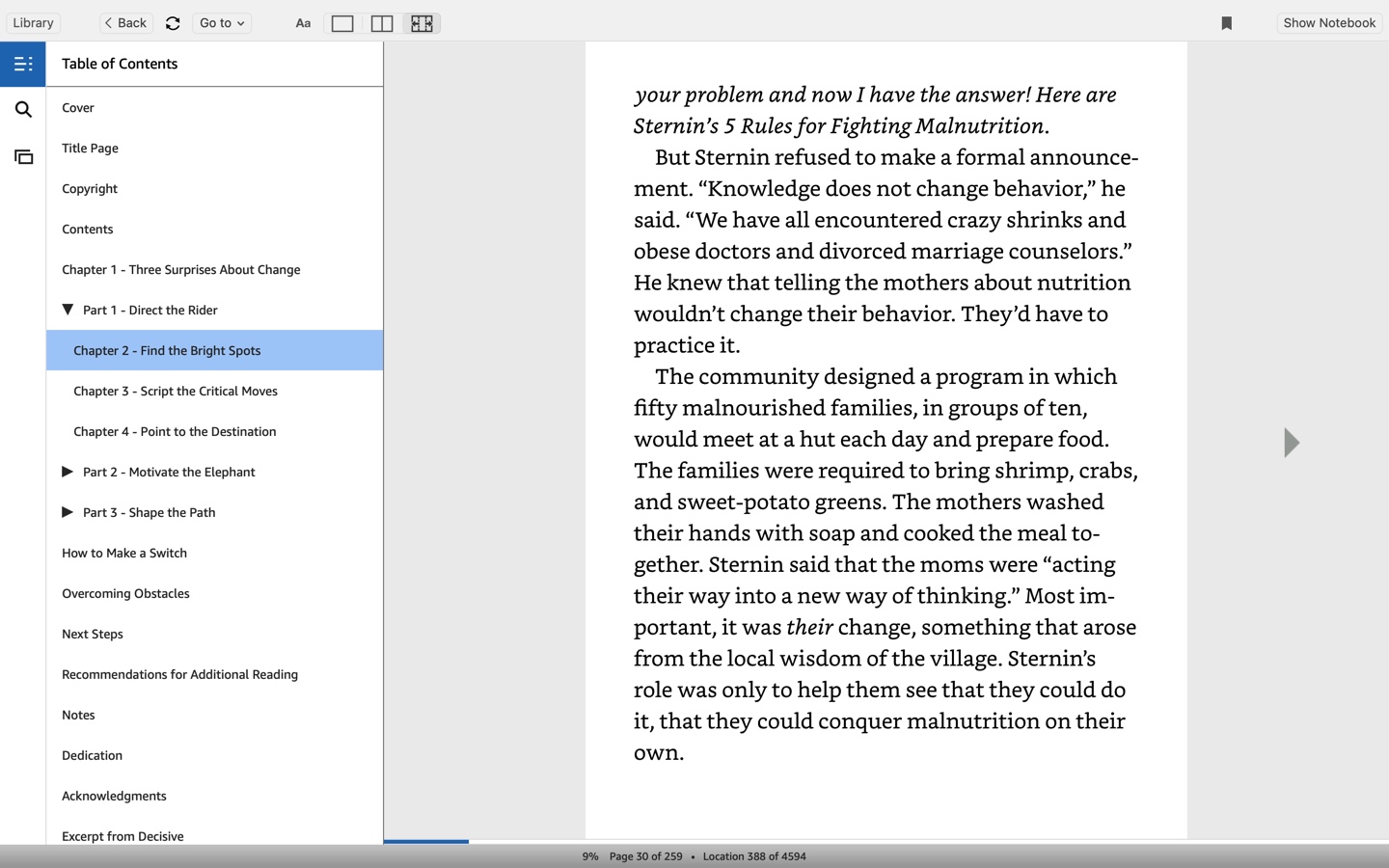
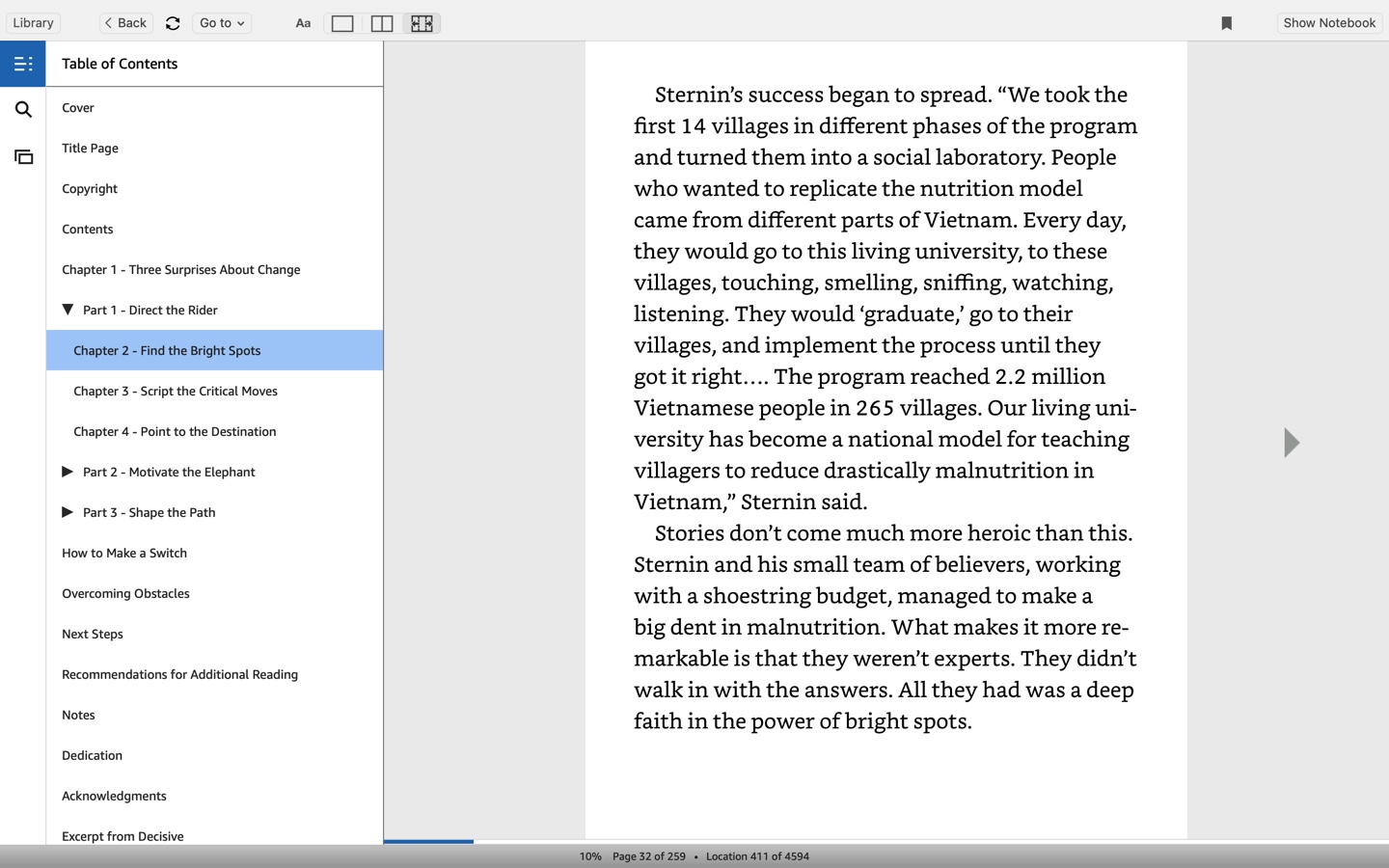
Question: The assignment from the SWITCH book this week is to do an short analysis of the three chapters that comprise the part about Direct The
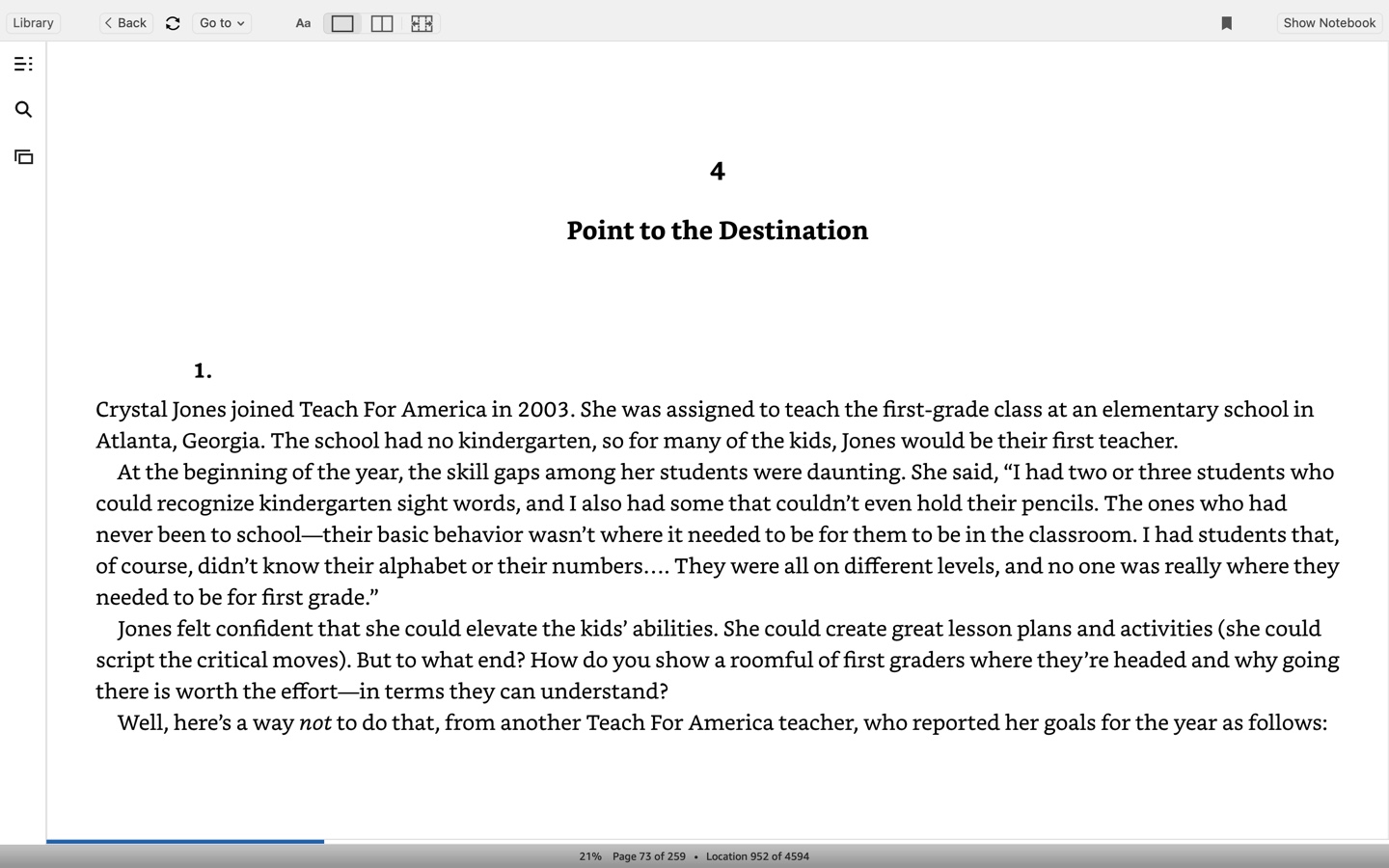
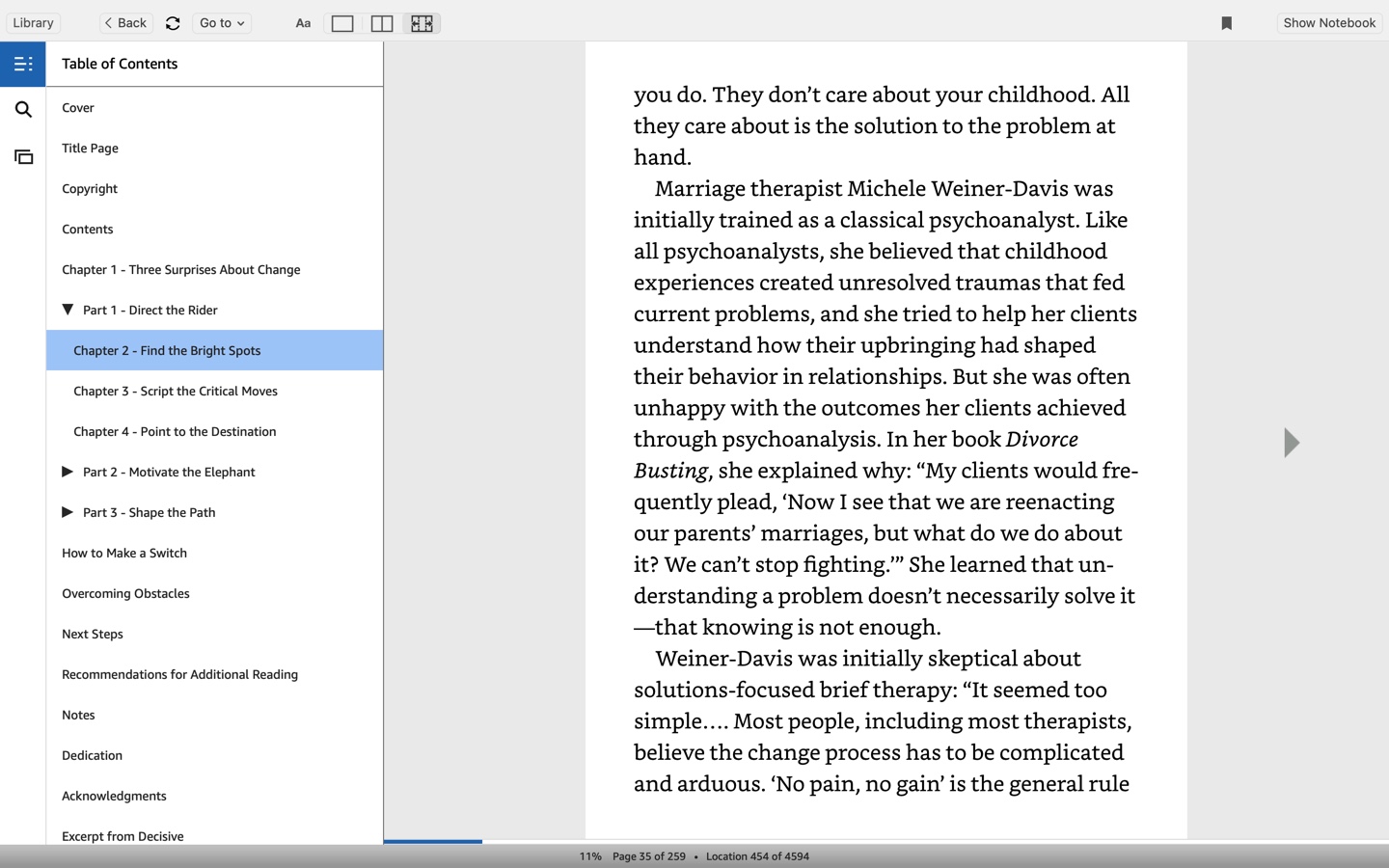
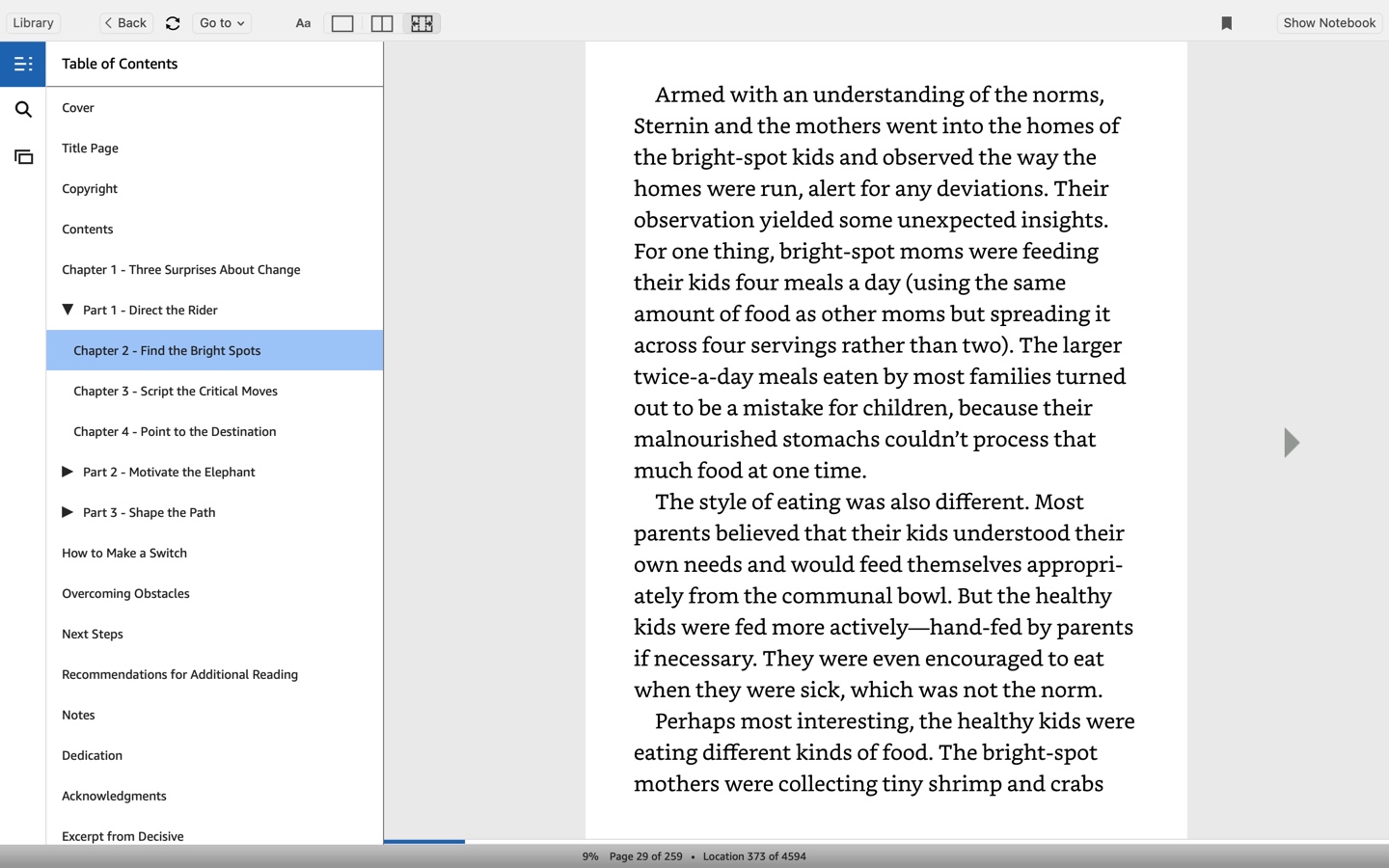
The assignment from the SWITCH book this week is to do an short analysis of the three chapters that comprise the part about Direct The Rider. don't have to read the entire book. This assignment is just to show that you understand what each chapter is about.
Choose and describe one of the strategies in each chapter by doing these things:
1) Write a condensed explanation of the chosen strategy in two paragraphs
2) Write another paragraph with your reaction to that strategy, and about how you think it could work or not work.
Repeat these two steps for each of the three chapters. That will complete your book analysis assignment for the three chapters in DIRECT THE RIDER.
![I: [I] H I Show Notebook tirement! And because many companies match](https://dsd5zvtm8ll6.cloudfront.net/si.experts.images/questions/2024/10/671208c96dc70_145671208c940022.jpg)
![15% af! - magmas: Library (Back 3 Golov As I: [I] E](https://dsd5zvtm8ll6.cloudfront.net/si.experts.images/questions/2024/10/671208db8dde7_163671208db5dff6.jpg)
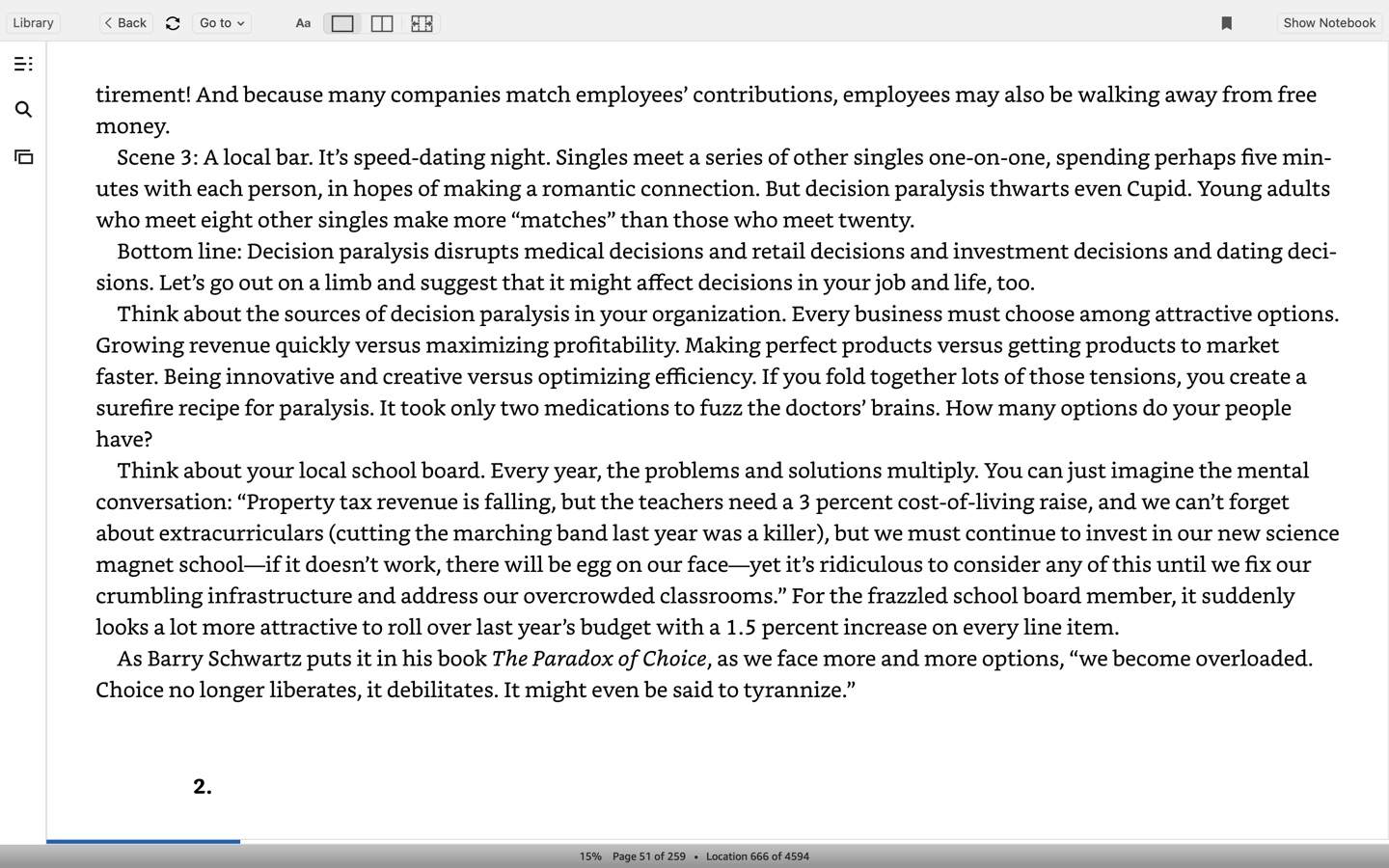
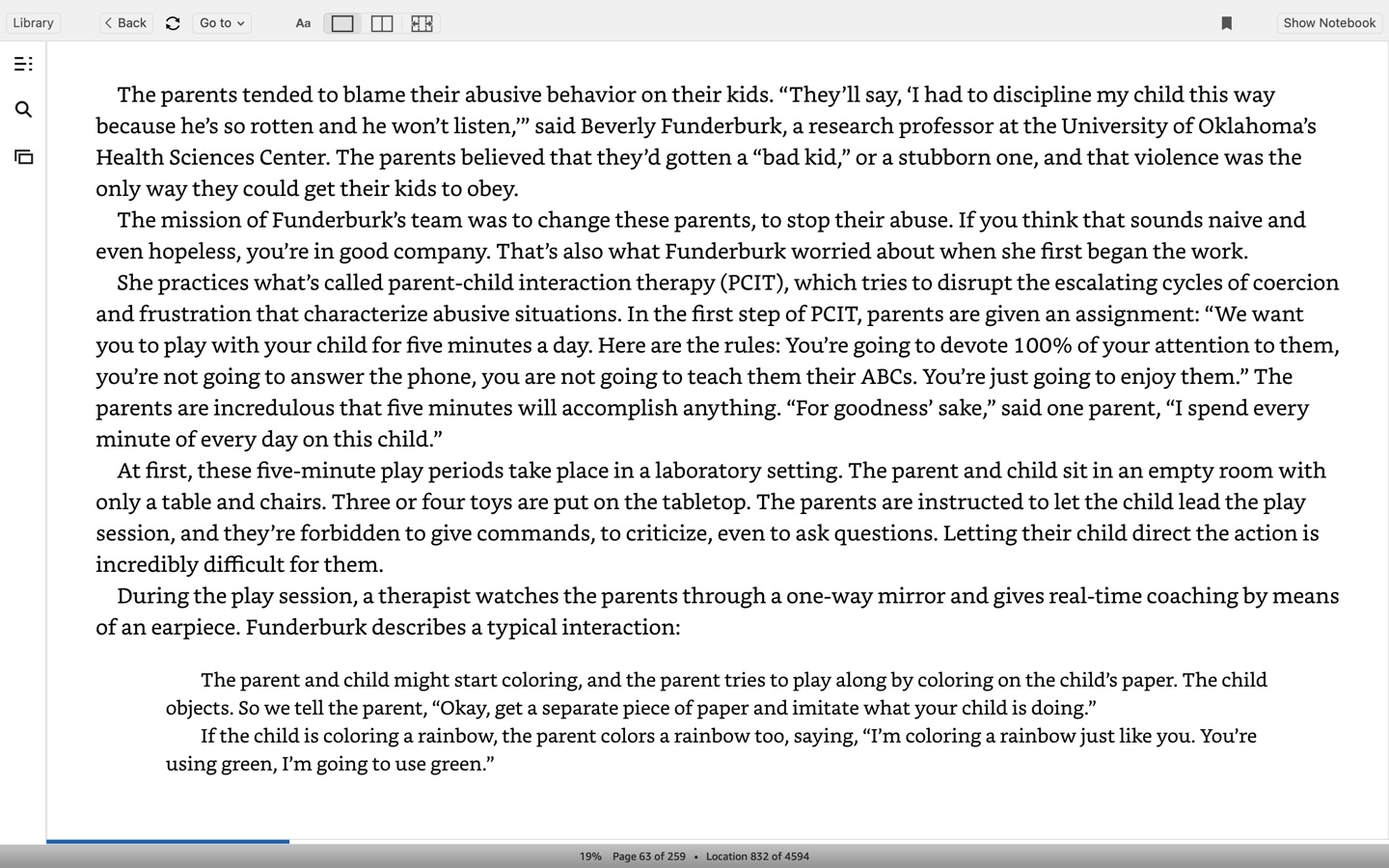
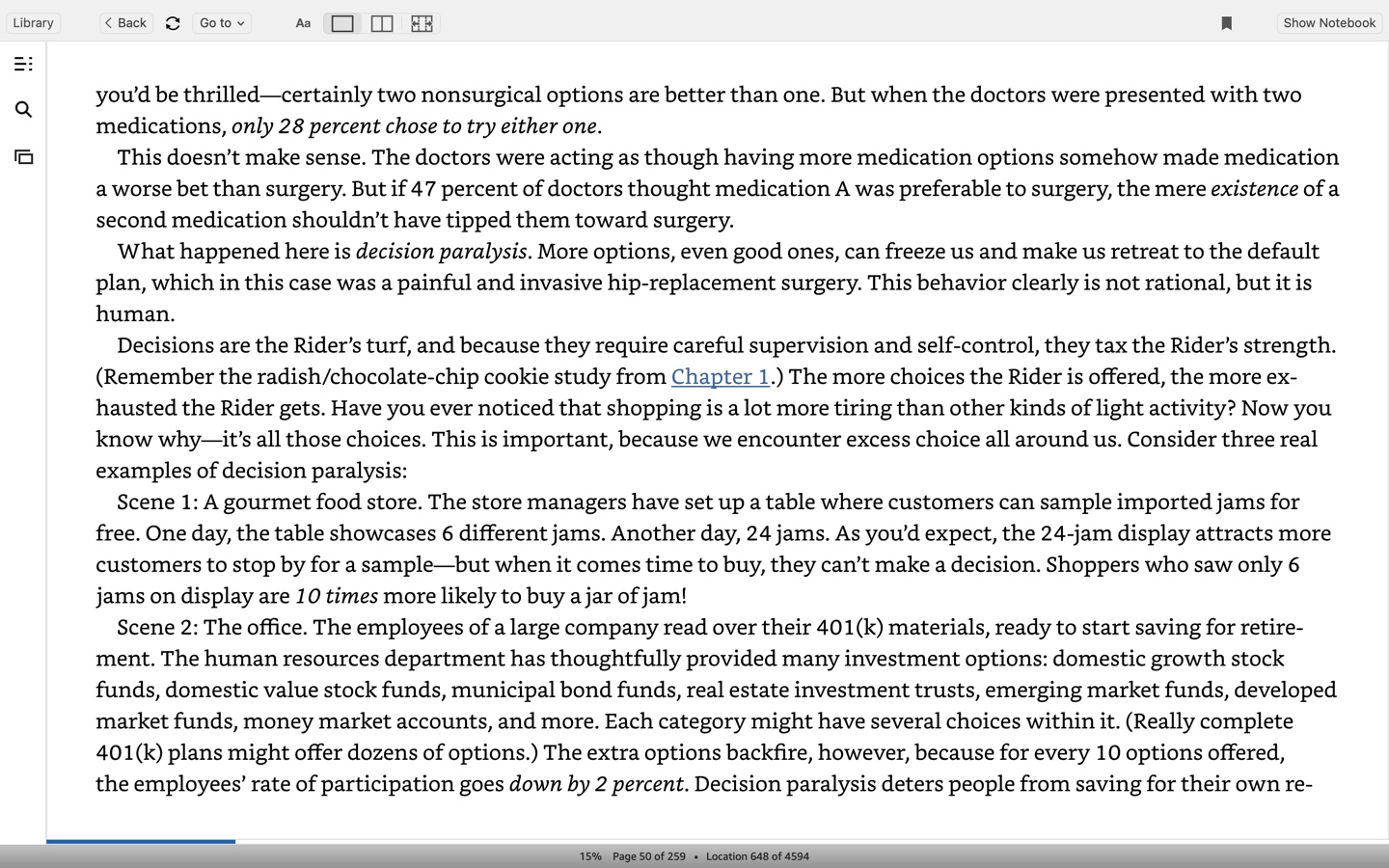
Library (Back 3 Golov As I: [I] H I Show Notebook tirement! And because many companies match employees' contributions, employees may also be walking away from free money. Scene 3: A local bar. It's speed-dating night. Singles meet a series of other singles one-on-one, spending perhaps ve min- utes with each person, in hopes of making a romantic connection. But decision paralysis thwarts even Cupid. Young adults who meet eight other singles make more \"matches\" than those who meet twenty. Bottom line: Decision paralysis disrupts medical decisions and retail decisions and investment decisions and dating deci- sions. Let's go out on a limb and suggest that it might affect decisions in your job and life, too. Think about the sources of decision paralysis in your organization. Every business must choose among attractive options. Growing revenue quickly versus maximizing protability. Making perfect products versus getting products to market faster. Being innovative and creative versus optimizing efciency. If you fold together lots of those tensions, you create a surere recipe for paralysis. It took only two medications to fuzz the doctors' brains. How many options do your people have? Think about your local school board. Every year, the problems and solutions multiply. You can just imagine the mental conversation: \"Property tax revenue is falling, but the teachers need a 3 percent cost-of-living raise, and we can't forget about extracurriculars (cutting the marching band last year was a killer), but we must continue to invest in our new science magnet schoolif it doesn't work, there will be egg on our faceyet it's ridiculous to consider any of this until we x our crumbling infrastructure and address our overcrowded classrooms." For the frazzled school board member, it suddenly looks a lot more attractive to roll over last year's budget with a 1.5 percent increase on every line item. As Barry Schwartz puts it in his book The Paradox of Choice, as we face more and more options, \"we become overloaded. Choice no longer liberates, it debilitates. It might even be said to tyrannize." l ,0 15% af! - magmas: Library (Back 3 Golov As I: [I] E I Show Notebook The parents tended to blame their abusive behavior on their kids. \"They'll say, 'I had to discipline my child this way because he's so rotten and he won't listen,\" said Beverly Funderburk, a research professor at the University of Oklahoma's Health Sciences Center. The parents believed that they'd gotten a "bad kid,\" or a stubborn one, and that violence was the only way they could get their kids to obey. The mission of Punderburk's team was to change these parents, to stop their abuse. If you think that sounds naive and 5' ,0 even hopeless, you're in good company. That's also what Funderburk worried about when she rst began the work. She practices what's called parent-child interaction therapy (PCIT), which tries to disrupt the escalating cycles of coercion and frustration that characterize abusive situations. In the rst step of PCIT, parents are given an assignment: \"We want you to play with your child for ve minutes a day. Here are the rules: You're going to devote 100% of your attention to them, you're not going to answer the phone, you are not going to teach them their ABCs. You're just going to enjoy them.\" The parents are incredulous that ve minutes will accomplish anything. \"For goodness' sake,\" said one parent, \"I spend every minute of every day on this child.\" At rst, these ve-minute play periods take place in a laboratory setting. The parent and child sit in an empty room with only a table and chairs. Three or four toys are put on the tabletop. The parents are instructed to let the child lead the play session, and they're forbidden to give commands, to criticize, even to ask questions. Letting their child direct the action is incredibly difcult for them. During the play session, a therapist watches the parents through a one-way mirror and gives real-time coaching by means of an earpiece. Funderburk describes a typical interaction: The parent and child might start coloring, and the parent tries to play along by coloring on the child's paper. The child objects. So we tell the parent, "Okay, get a separate piece of paper and imitate what your child is doing.\" If the child is coloring a rainbow, the parent colors a rainbow too, saying, \"I'm coloring a rainbow just like you. You're using green, I'm going to use green.\" 19% wli - mumananssn Library
Step by Step Solution
There are 3 Steps involved in it

Get step-by-step solutions from verified subject matter experts
 Study Help