Question: the formula: U cach quest jon, Show the appropriate the value diagram. 1. A debt of RM600 is due in three years and RM800 due

the formula:
the formula: U cach quest jon, Show thethe formula: U cach quest jon, Show thethe formula: U cach quest jon, Show thethe formula: U cach quest jon, Show the
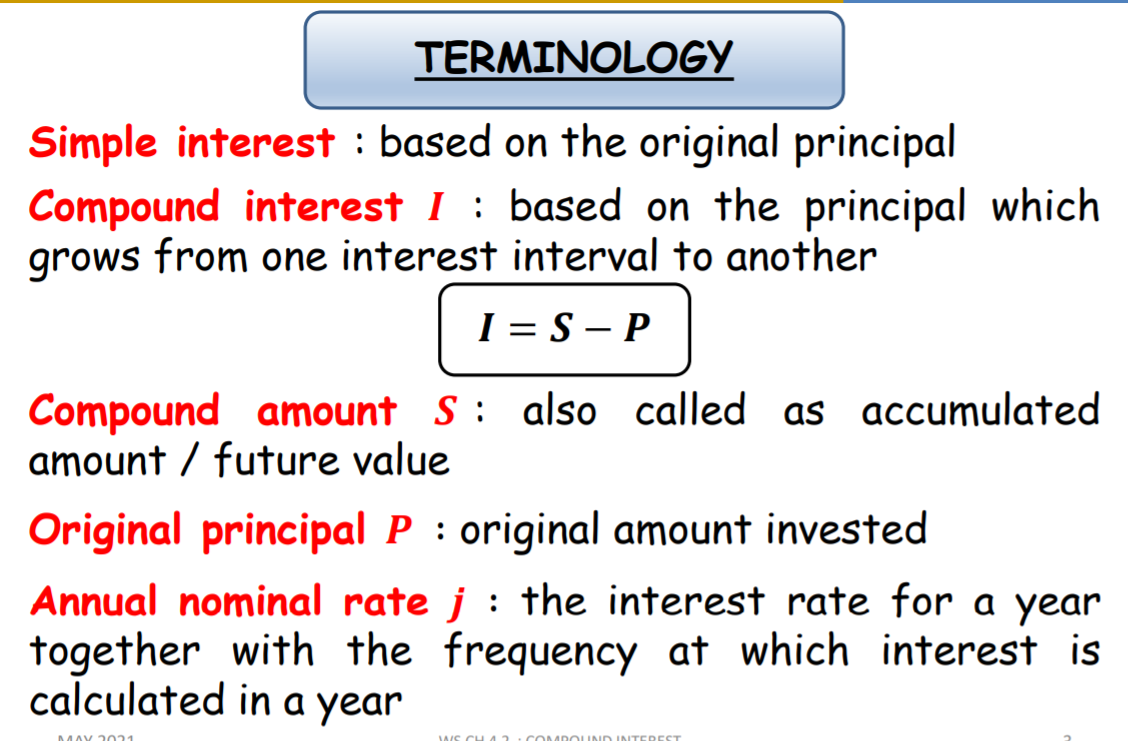
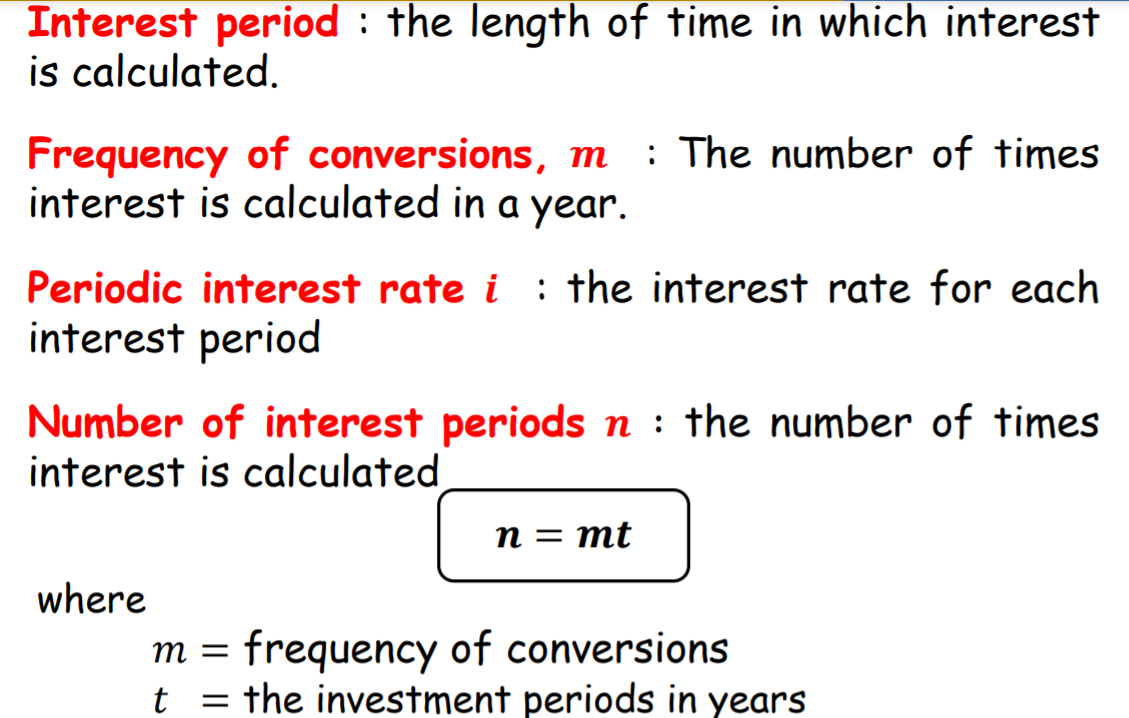
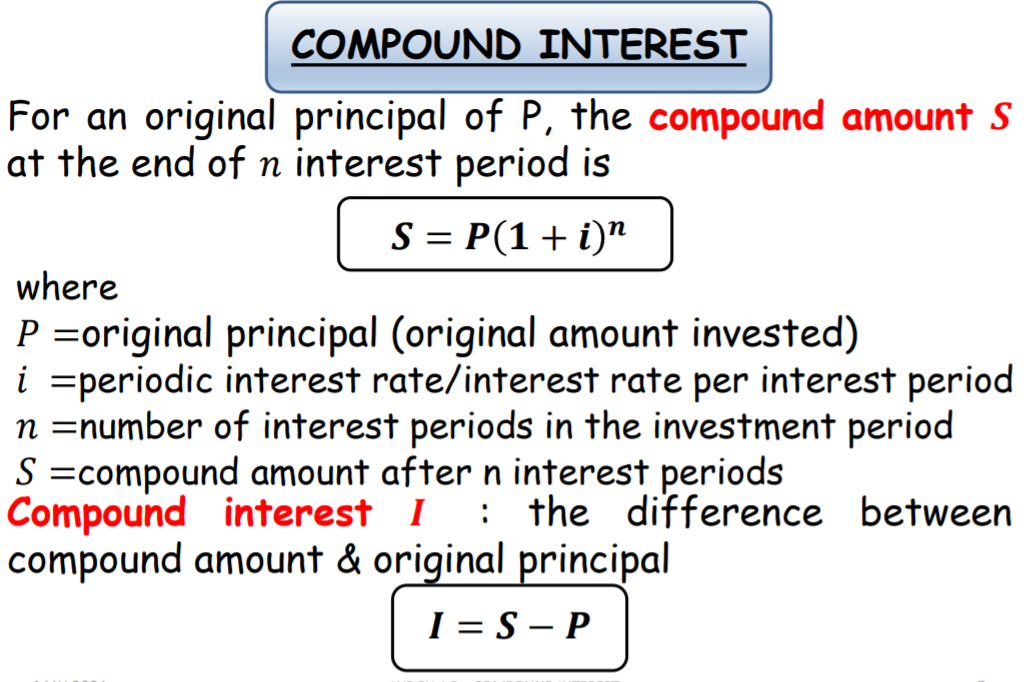
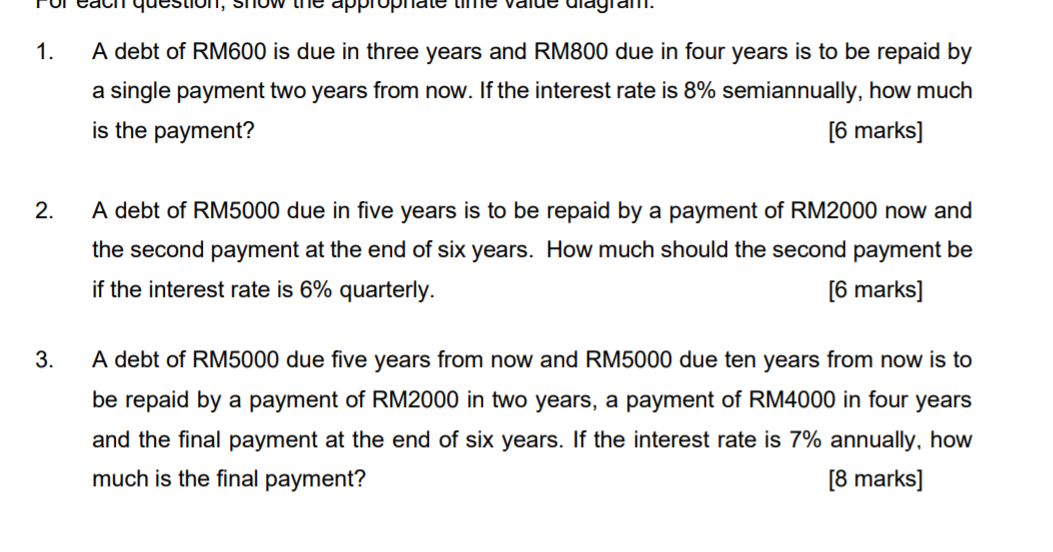
U cach quest jon, Show the appropriate the value diagram. 1. A debt of RM600 is due in three years and RM800 due in four years is to be repaid by a single payment two years from now. If the interest rate is 8% semiannually, how much is the payment? [6 marks] 2. A debt of RM5000 due in five years is to be repaid by a payment of RM2000 now and the second payment at the end of six years. How much should the second payment be if the interest rate is 6% quarterly. [6 marks] 3. A debt of RM5000 due five years from now and RM5000 due ten years from now is to be repaid by a payment of RM2000 in two years, a payment of RM4000 in four years and the final payment at the end of six years. If the interest rate is 7% annually, how much is the final payment? [8 marks]Simple interest : based on the original principal Compound interest I : based on the principal which grows from one interest interval to another Compound amount 5: also called as accumulated amount / future value Original principal P :original amount invested Annual nominal rate j : the interest rate for a year together with the frequency at which interest is calculated in a year Interest period : the length of time in which interest is calculated. Frequency of conversions, m : The number of times interest is calculated in a year. Periodic interest rate i : the interest rate for each interest period Number of interest periods n : the number of times interest is calculated where m = frequency of conversions t = the investment periods in years COMPOUND INTEREST For an original principal of P, the compound amount S at the end of n interest period is S = P(1+in where P =original principal (original amount invested) i =periodic interest rate/interest rate per interest period n =number of interest periods in the investment period S =compound amount after n interest periods Compound interest I : the difference between compound amount & original principal I =S-P

Step by Step Solution

There are 3 Steps involved in it

1 Expert Approved Answer
Step: 1 Unlock blur-text-image

Question Has Been Solved by an Expert!

Get step-by-step solutions from verified subject matter experts

Step: 2 Unlock
Step: 3 Unlock

Students Have Also Explored These Related Mathematics Questions!