







Question: this is all the information please answer 2 and 3 (the is all information) Consider the following video that describes how this test is administered
this is all the information please answer 2 and 3 (the is all information)
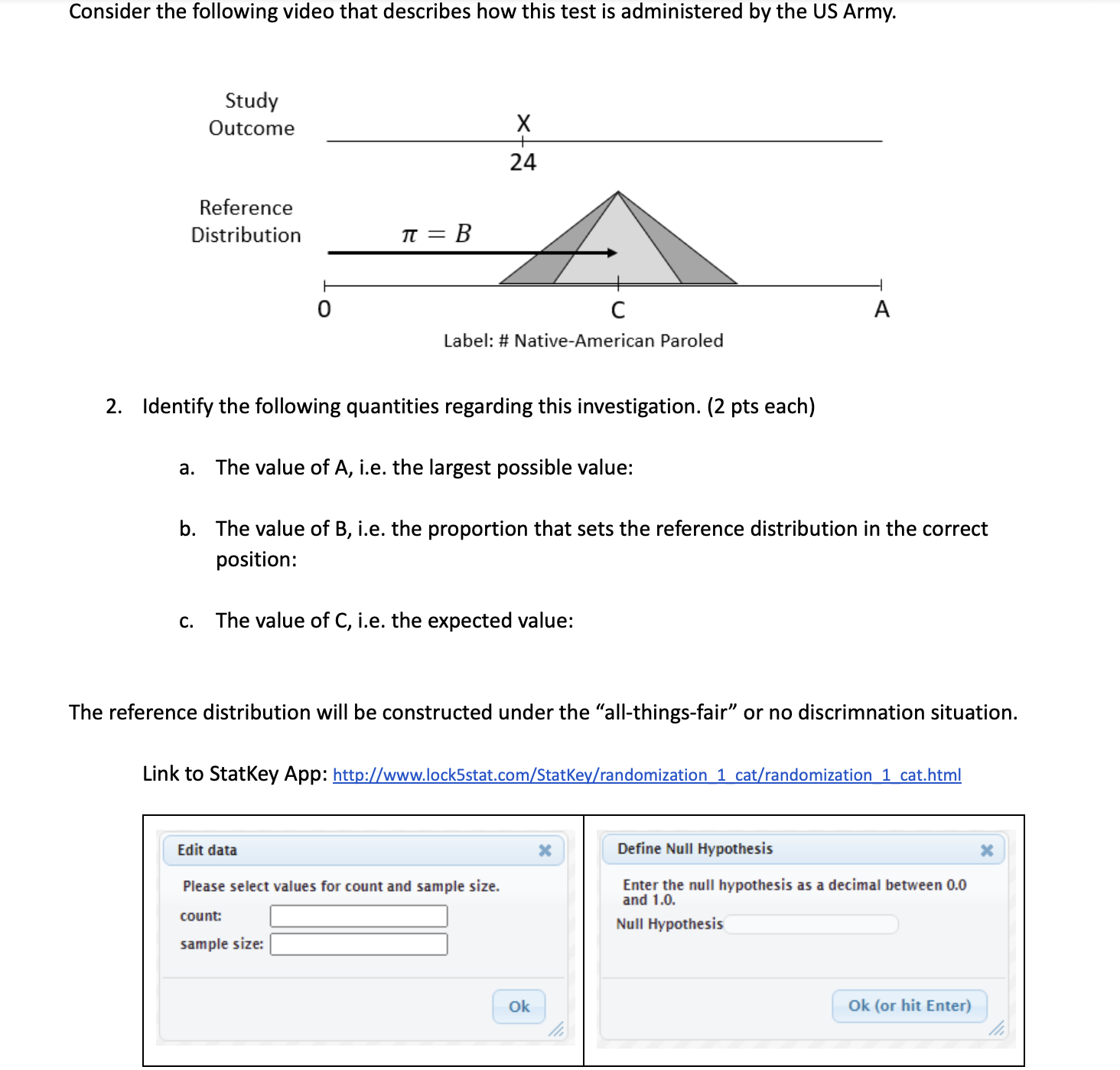
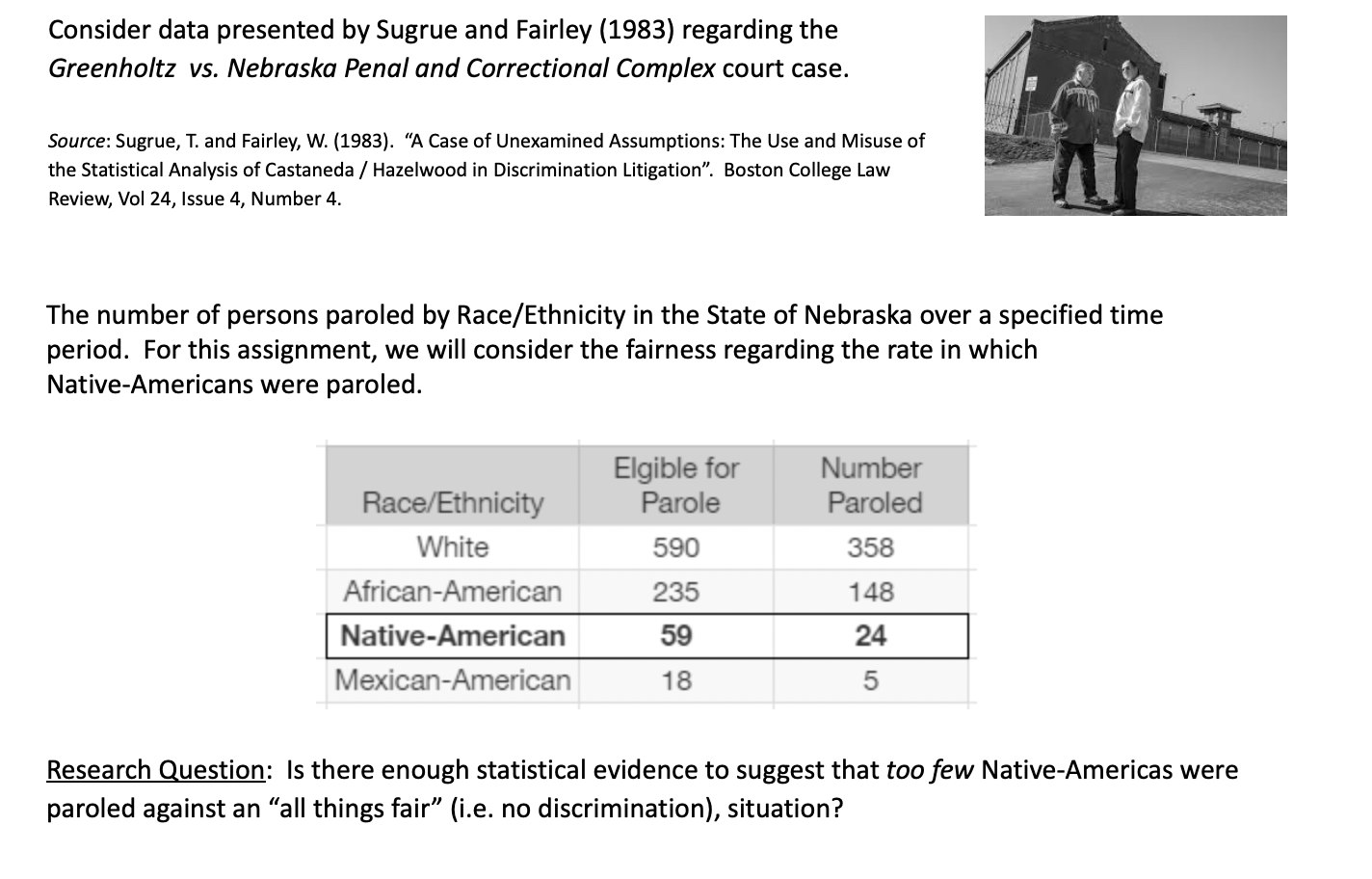
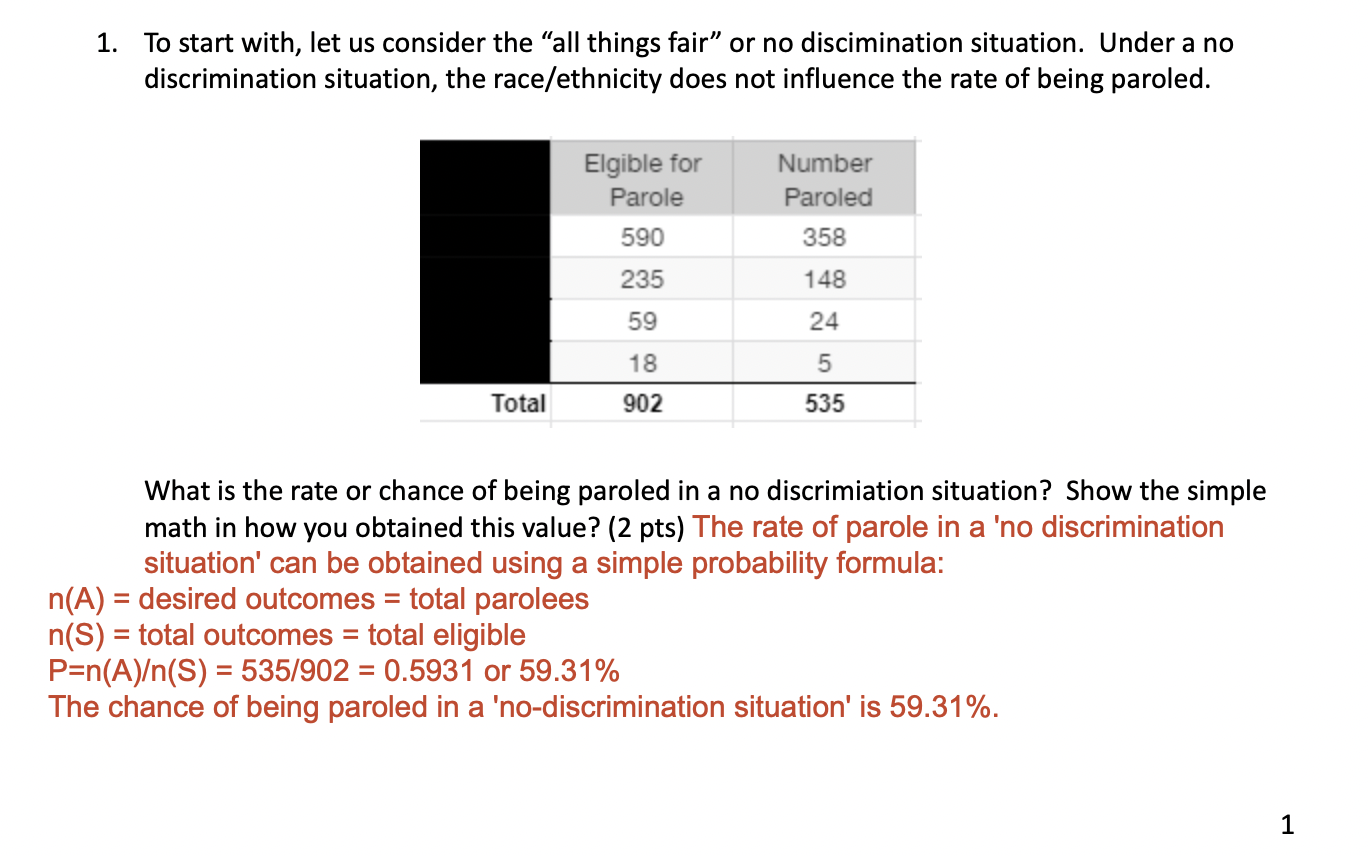
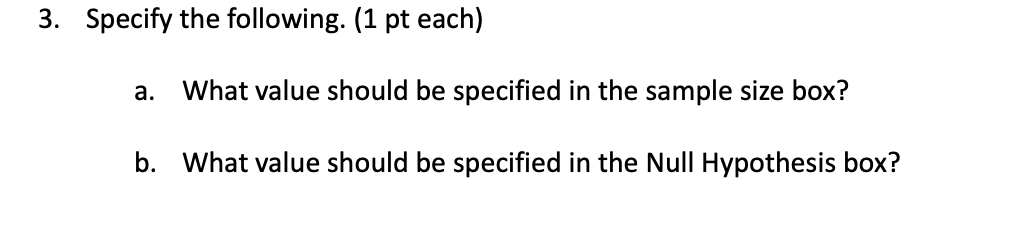
Consider the following video that describes how this test is administered by the US Army. Study Outcome X 24 Reference Distribution IT = B C A Label: # Native-American Paroled 2. Identify the following quantities regarding this investigation. (2 pts each) a. The value of A, i.e. the largest possible value: b. The value of B, i.e. the proportion that sets the reference distribution in the correct position: c. The value of C, i.e. the expected value: The reference distribution will be constructed under the "all-things-fair" or no discrimmation situation. Link to StatKey App: http://www.lock5stat.com/StatKey/randomization 1 cat/randomization 1 cat.html Edit data X Define Null Hypothesis Please select values for count and sample size. Enter the null hypothesis as a decimal between 0.0 and 1.0. count: Null Hypothesis sample size: OK Ok (or hit Enter)Consider data presented by Sugrue and Fairley (1983) regarding the Greenholtz vs. Nebraska Penal and Correctional Complex court case. Source: Sugrue, T. and Fairley, W. (1983). "A Case of Unexamined Assumptions: The Use and Misuse of the Statistical Analysis of Castaneda / Hazelwood in Discrimination Litigation". Boston College Law Review, Vol 24, Issue 4, Number 4. The number of persons paroled by Race/Ethnicity in the State of Nebraska over a specified time period. For this assignment, we will consider the fairness regarding the rate in which Native-Americans were paroled. Elgible for Number Race/Ethnicity Parole Paroled White 590 358 African-American 235 148 Native-American 59 24 Mexican-American 18 5 Research Question: Is there enough statistical evidence to suggest that too few Native-Americas were paroled against an "all things fair" (i.e. no discrimination), situation?1. To start with, let us consider the "all things fair\" or no discimination situation. Under a no discrimination situation, the race/ethnicity does not influence the rate of being paroled. mm'm' Parole W 590 358 235 148 59 24 18 5 Total 902 535 What is the rate or chance of being paroled in a no discrimiation situation? Show the simple math in how you obtained this value? (2 pts) The rate of parole in a 'no discrimination situation' can be obtained using a simple probability formula: n(A) = desired outcomes = total parolees n(S) = total outcomes = total eligible P=n(A)(S) = 5351902 = 0.5931 or 59.31% The chance of being paroled in a 'no-discrimination situation' is 59.31%. 3. Specify the following. (1 pt each) a. What value should be specified in the sample size box? b. What value should be specified in the Null Hypothesis box
Step by Step Solution
There are 3 Steps involved in it

Get step-by-step solutions from verified subject matter experts
 Study Help