







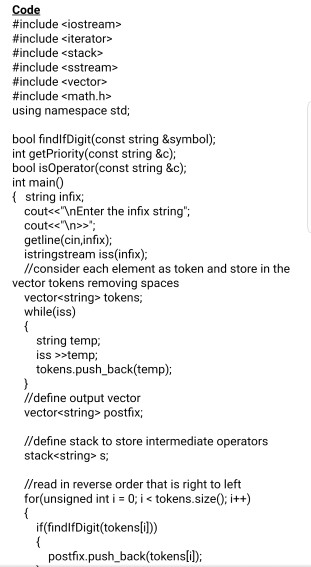
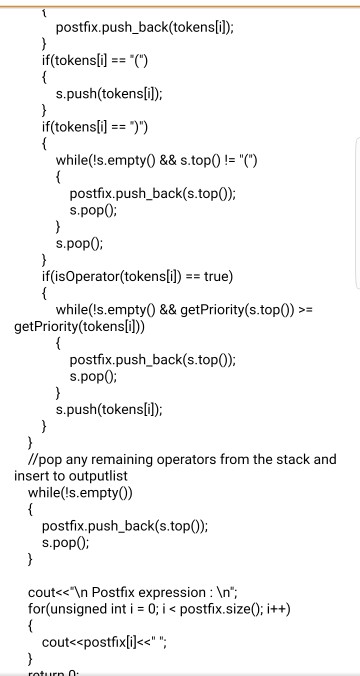
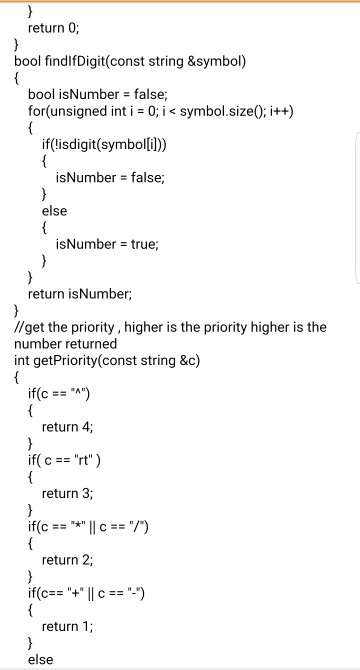
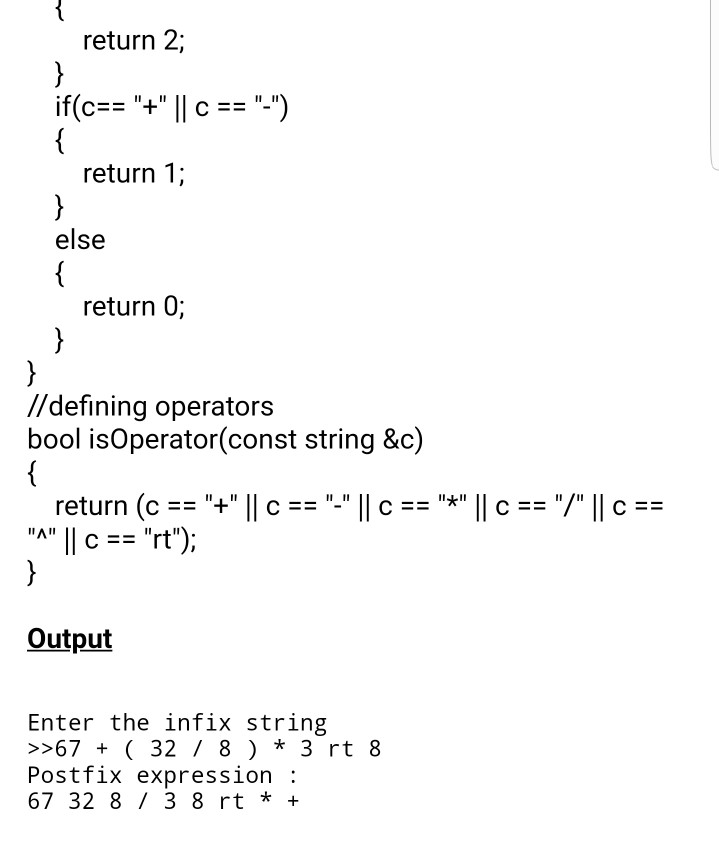
Question: This is for c++ calculator using shunting-yard algorithm. -code example for shunting-yard algorithm, but it's not perfect. '^' should be replaced with 'rt' and testing
This is for c++ calculator using shunting-yard algorithm.
-code example for shunting-yard algorithm, but it's not perfect. '^' should be replaced with 'rt' and testing Wikipedia examples shows issues with 'rt' :
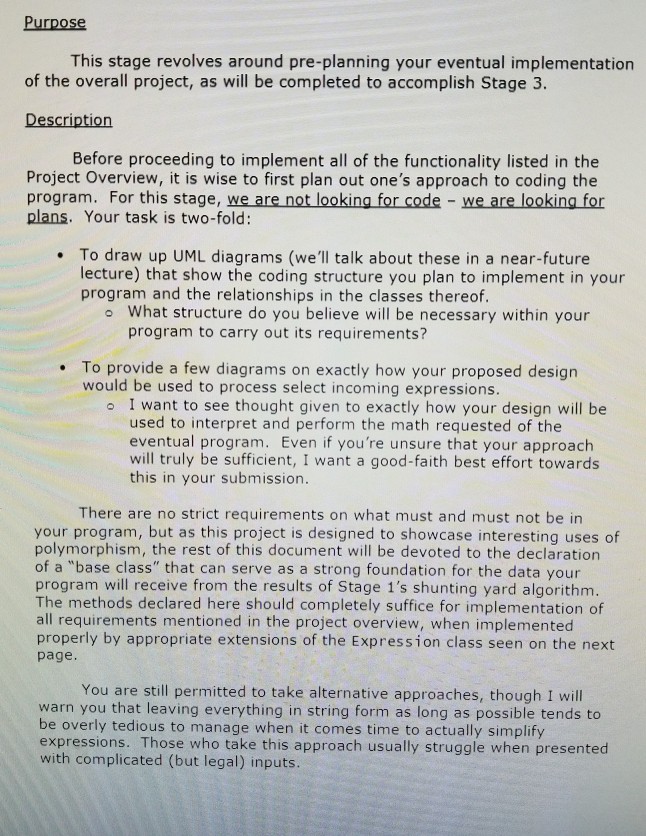
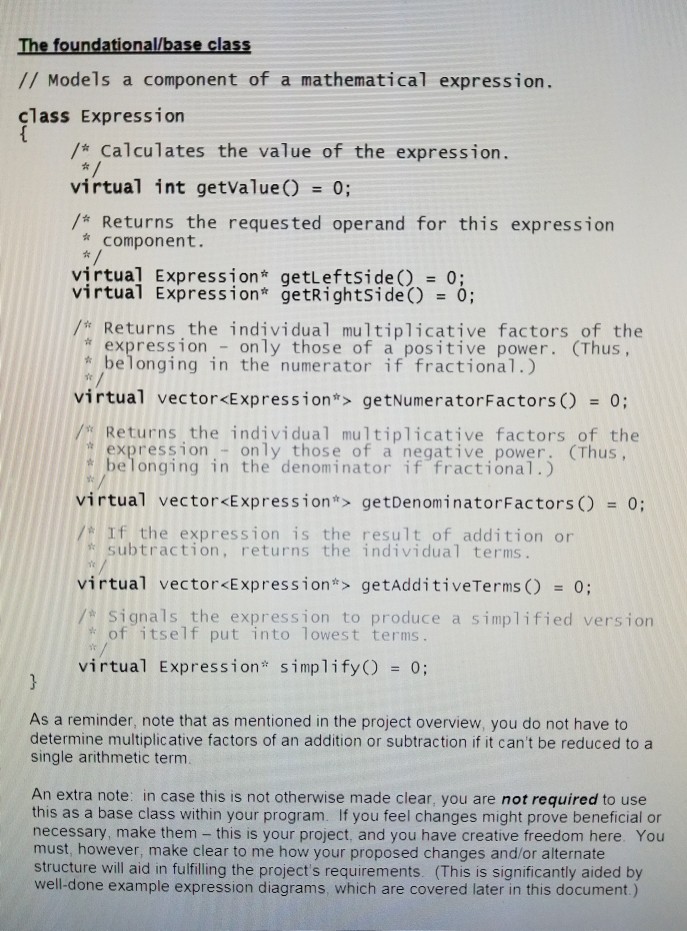
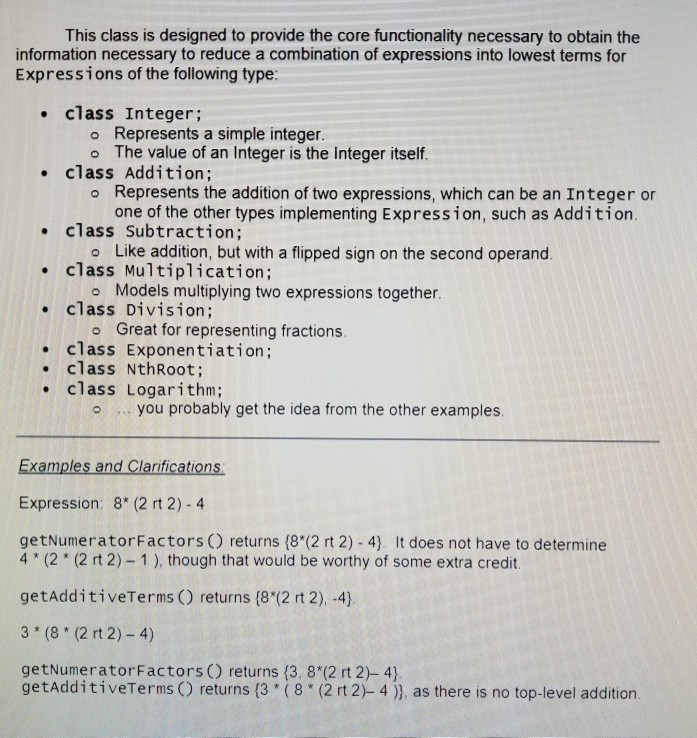
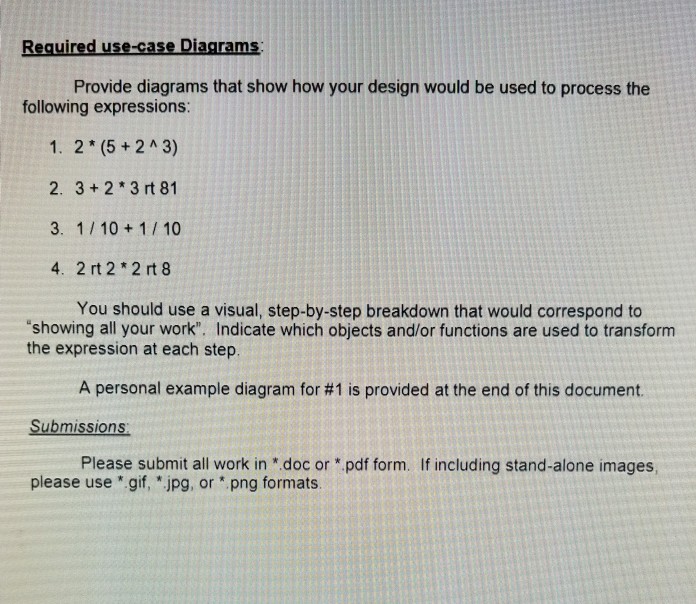
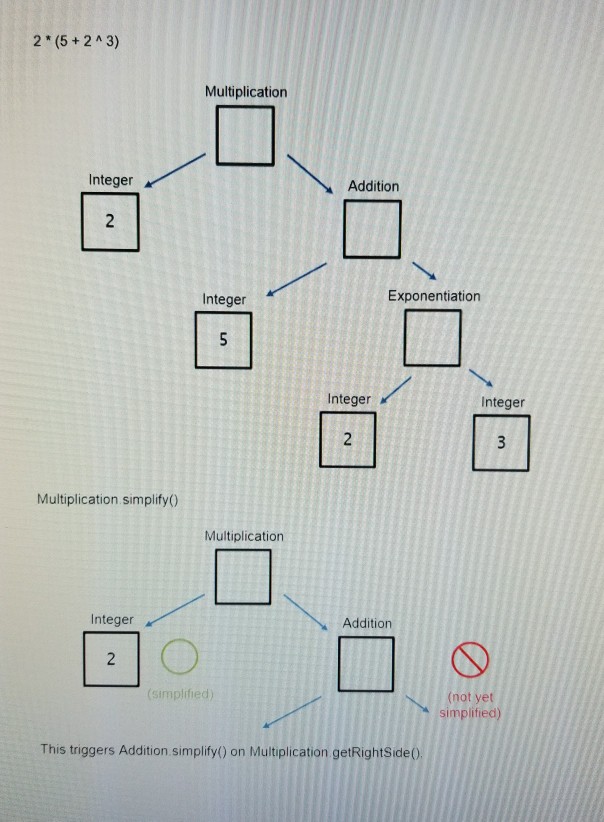
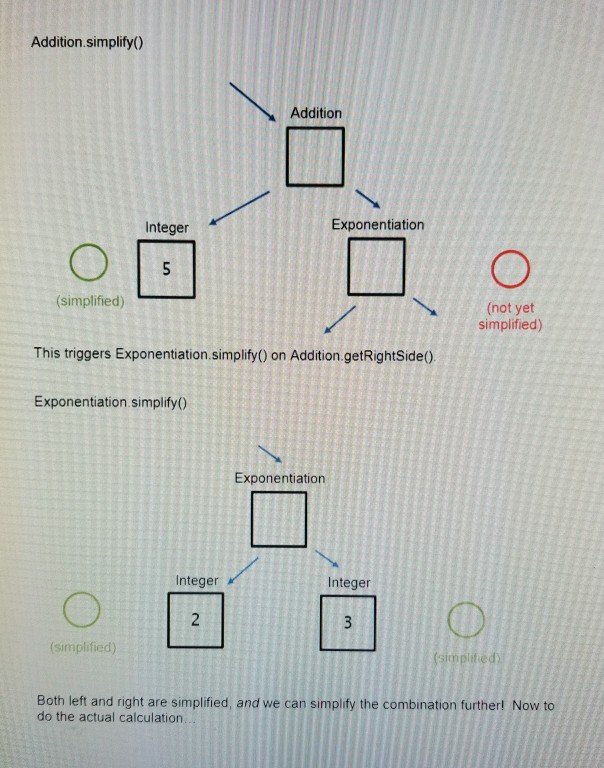
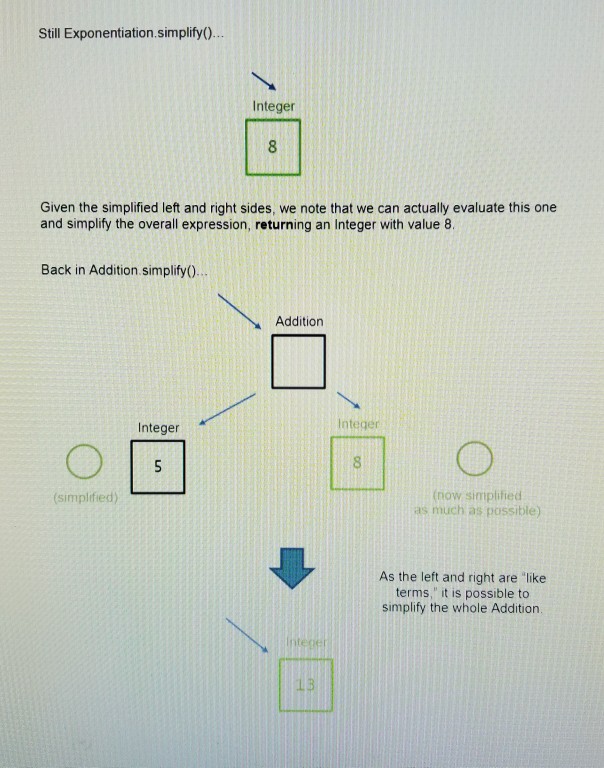
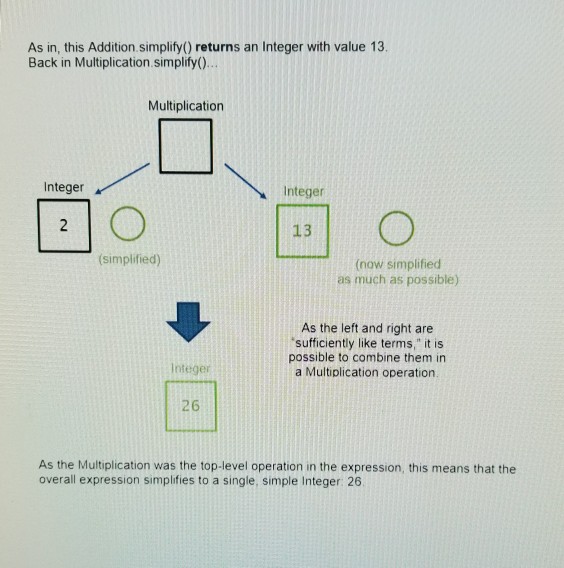
Purpose This stage revolves around pre-planning your eventual implementation of the overall project, as will be completed to accomplish Stage 3 Before proceeding to implement all of the functionality listed in the Project Overview, it is wise to first plan out one's approach to coding the program. For this stage, we are not looking for code we are looking for plans. Your task is two-fold: To draw up UML diagrams (we'll talk about these in a near-future lecture) that show the coding structure you plan to implement in your program and the relationships in the classes thereof. what structure do you believe will be necessary within your program to carry out its requirements? . To provide a few diagrams on exactly how your proposed design would be used to process select incoming expressions ?1 want to see thought given to exactly how your design will be used to interpret and perform the math requested of the eventual program. Even if you're unsure that your approach will truly be sufficient, I want a good-faith best effort towards this in your submission There are no strict requirements on what must and must not be in your program, but as this project is designed to showcase interesting uses of polymorphism, the rest of this document will be devoted to the declaration of a "base class" that can serve as a strong foundation for the data your program will receive from the results of Stage 1's shunting yard algorithm The methods declared here should completely suffice for implementation of all requirements mentioned in the project overview, when implemented properly by appropriate extensions of the Expression class seen on the next page You are still permitted to take alternative approaches, though I will warn you that leaving everything in string form as long as possible tends to overly tedious to manage when it comes time to actually simplify expressions. Those who take this approach usually struggle when presented with complicated (but legal) inputs Purpose This stage revolves around pre-planning your eventual implementation of the overall project, as will be completed to accomplish Stage 3 Before proceeding to implement all of the functionality listed in the Project Overview, it is wise to first plan out one's approach to coding the program. For this stage, we are not looking for code we are looking for plans. Your task is two-fold: To draw up UML diagrams (we'll talk about these in a near-future lecture) that show the coding structure you plan to implement in your program and the relationships in the classes thereof. what structure do you believe will be necessary within your program to carry out its requirements? . To provide a few diagrams on exactly how your proposed design would be used to process select incoming expressions ?1 want to see thought given to exactly how your design will be used to interpret and perform the math requested of the eventual program. Even if you're unsure that your approach will truly be sufficient, I want a good-faith best effort towards this in your submission There are no strict requirements on what must and must not be in your program, but as this project is designed to showcase interesting uses of polymorphism, the rest of this document will be devoted to the declaration of a "base class" that can serve as a strong foundation for the data your program will receive from the results of Stage 1's shunting yard algorithm The methods declared here should completely suffice for implementation of all requirements mentioned in the project overview, when implemented properly by appropriate extensions of the Expression class seen on the next page You are still permitted to take alternative approaches, though I will warn you that leaving everything in string form as long as possible tends to overly tedious to manage when it comes time to actually simplify expressions. Those who take this approach usually struggle when presented with complicated (but legal) inputs
Step by Step Solution
There are 3 Steps involved in it

Get step-by-step solutions from verified subject matter experts
 Study Help