







Question: This test: 20 point(s) possible This question: 1 Submit test point(s) possible A data set includes weights of garbage discarded in one week from 62
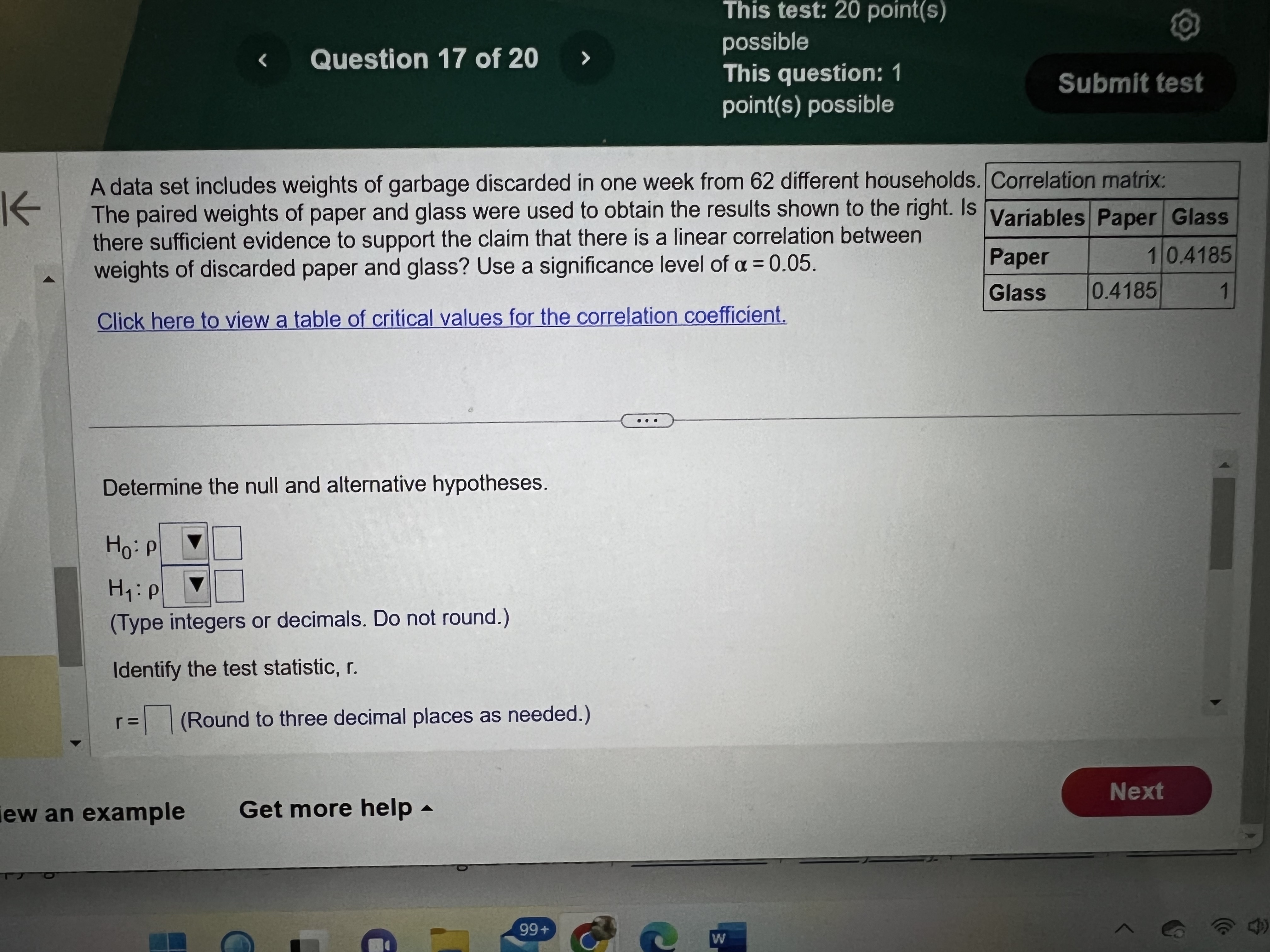
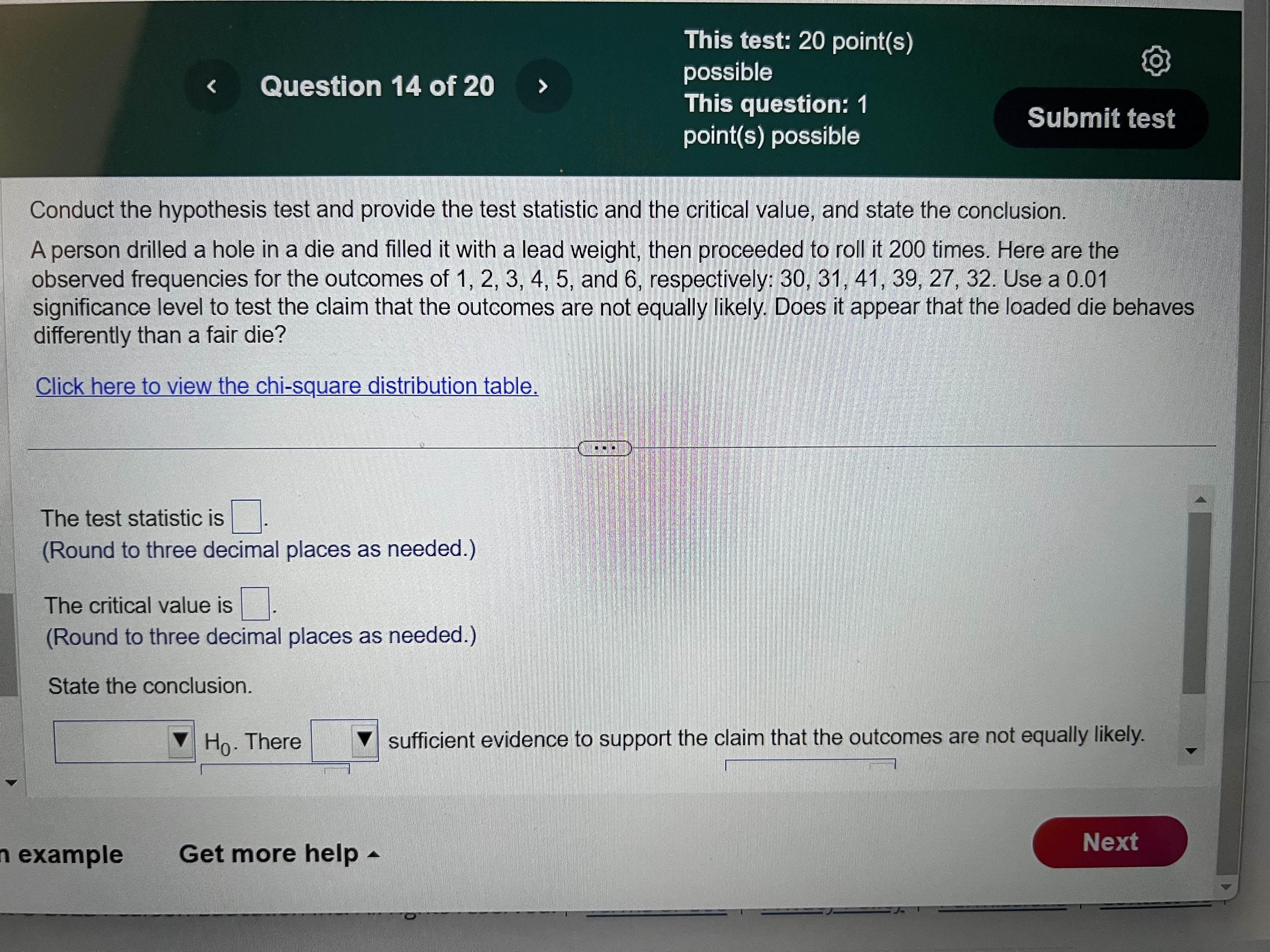
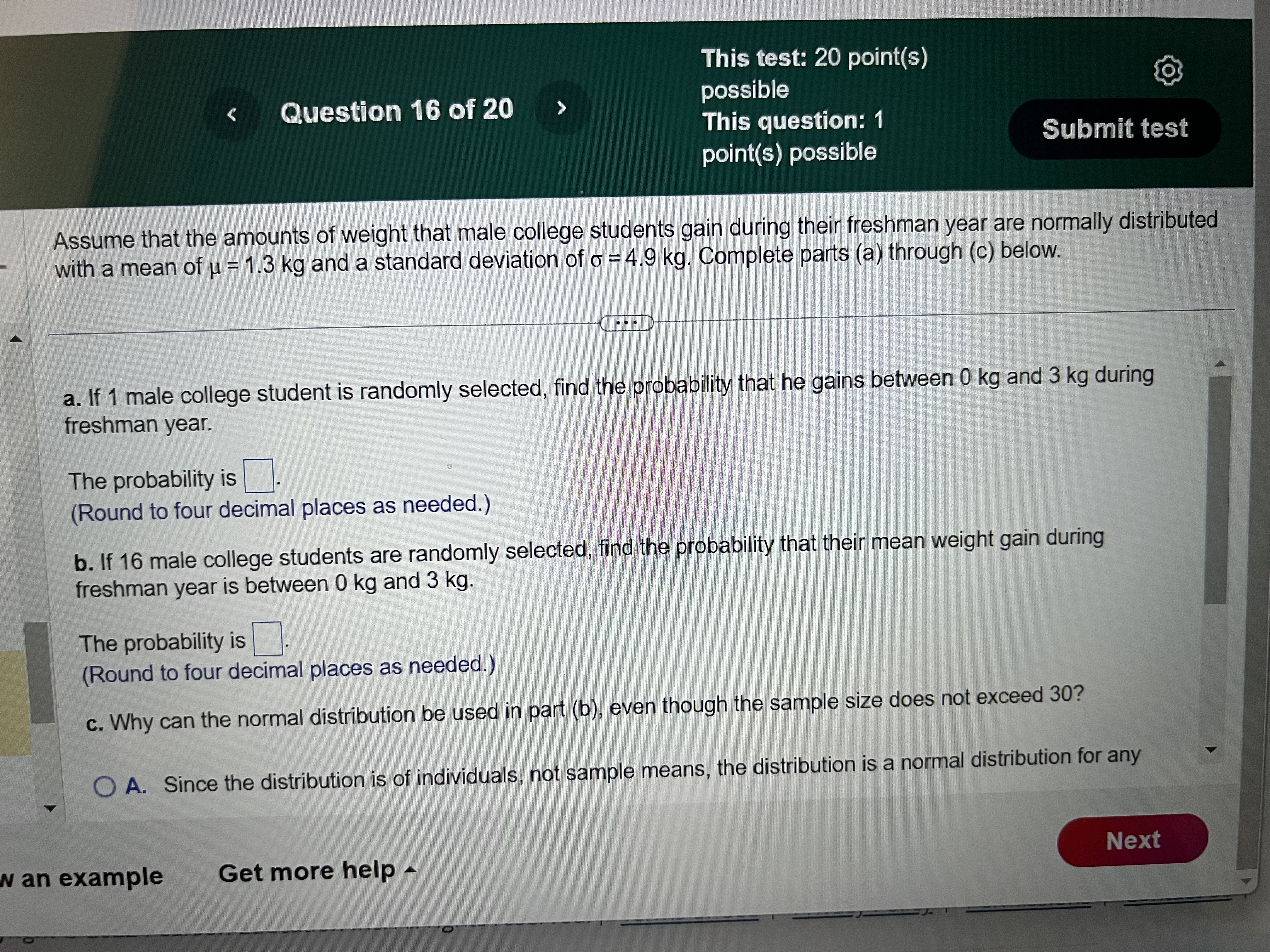
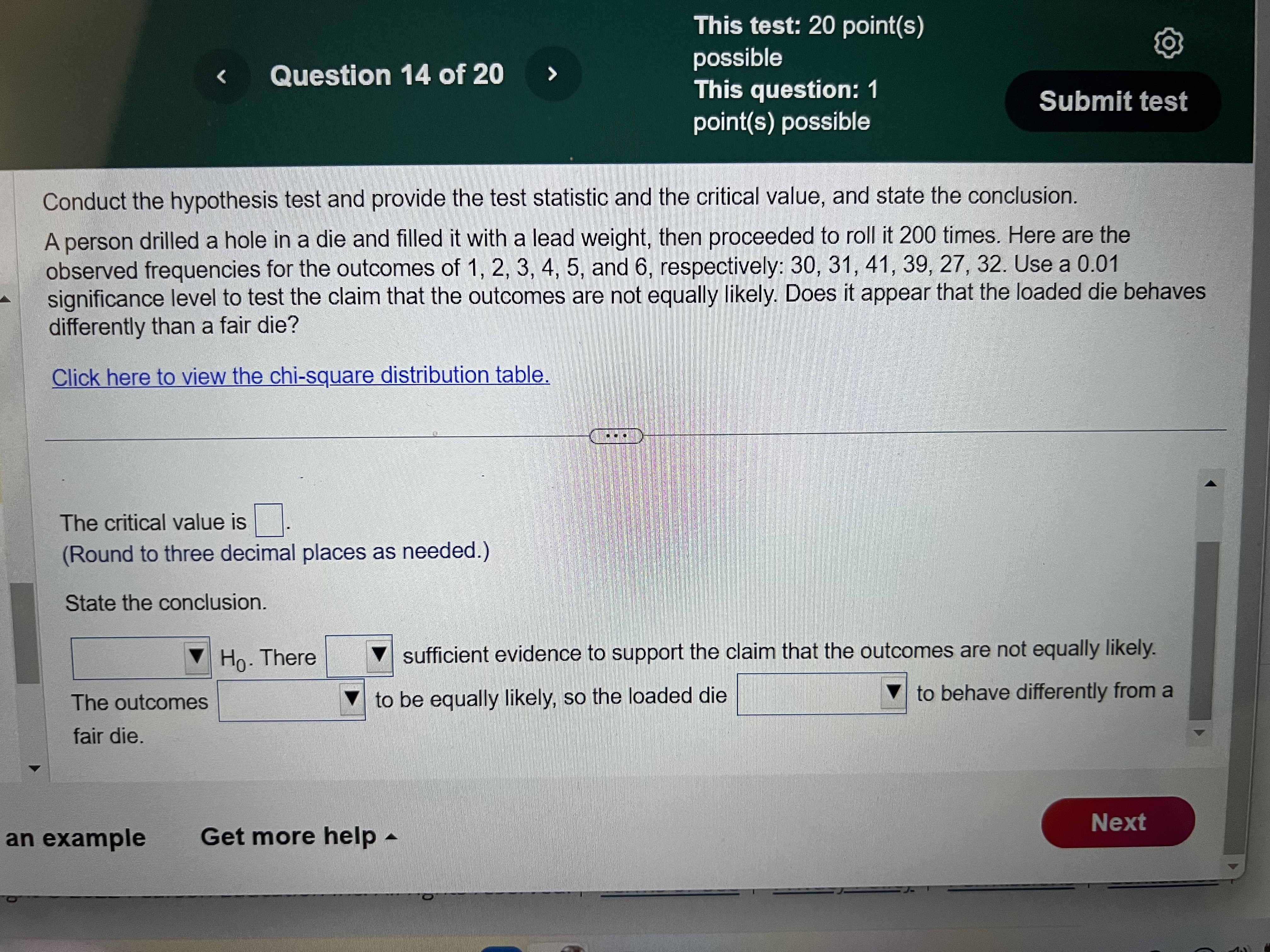
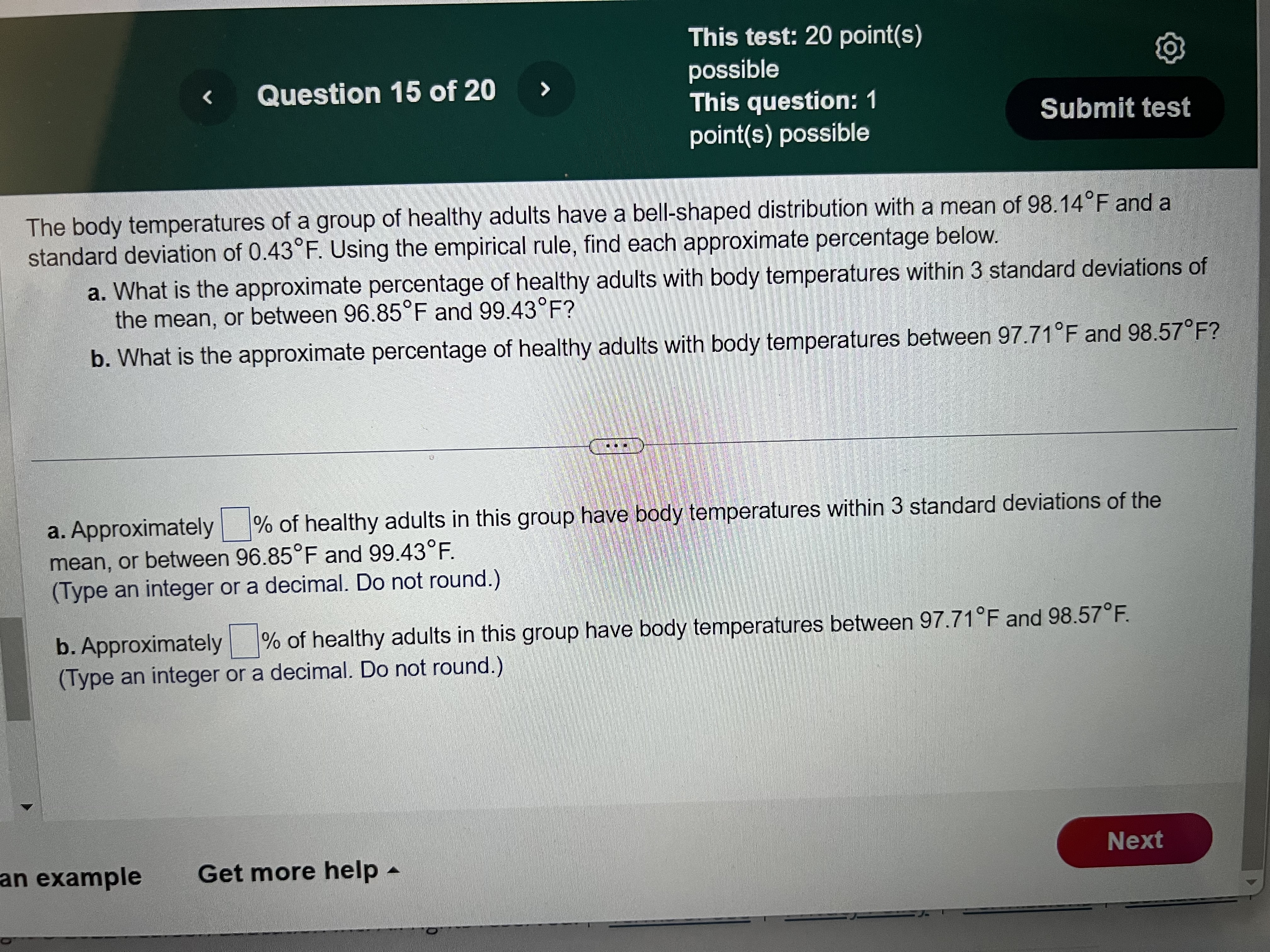
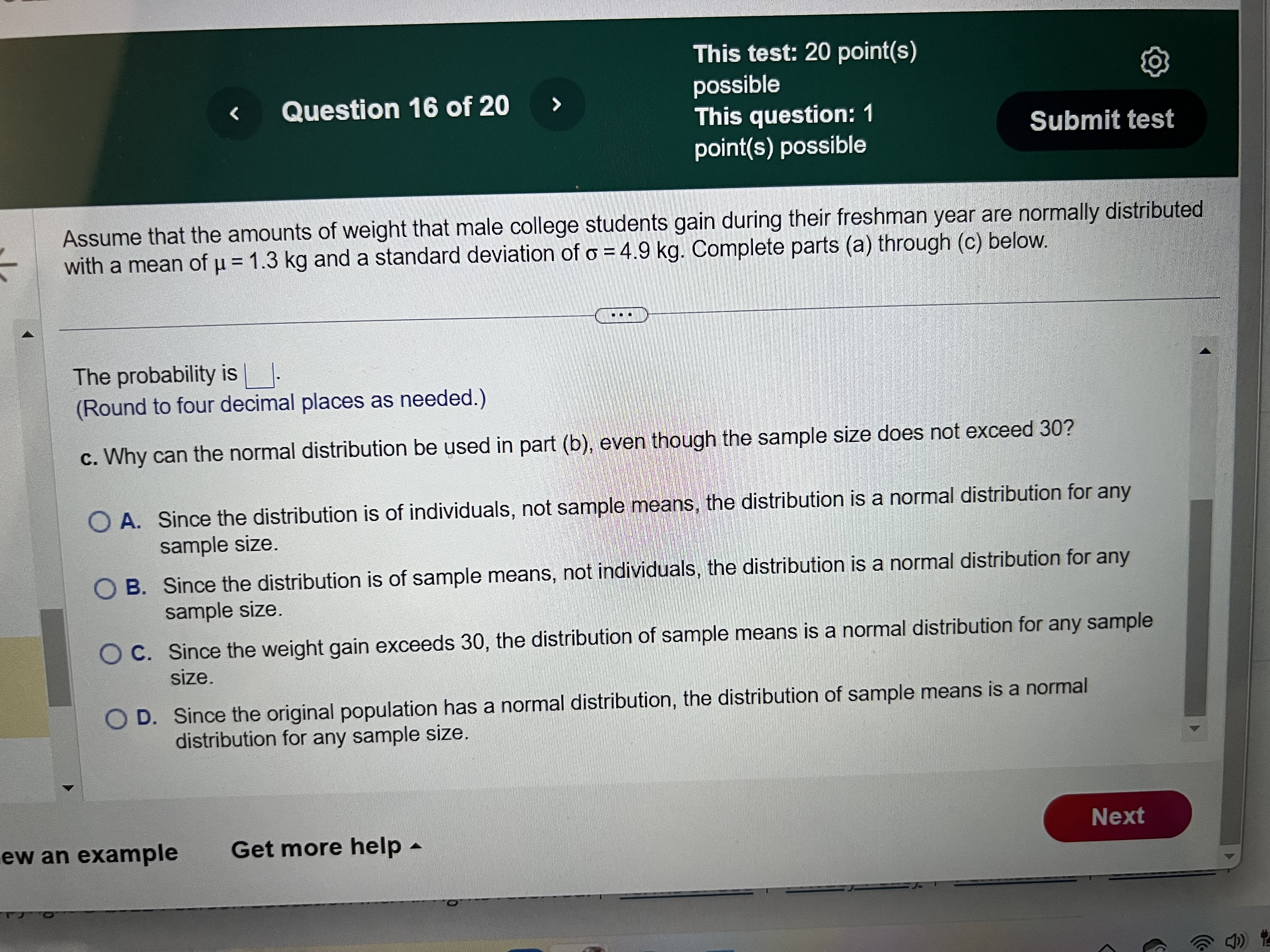
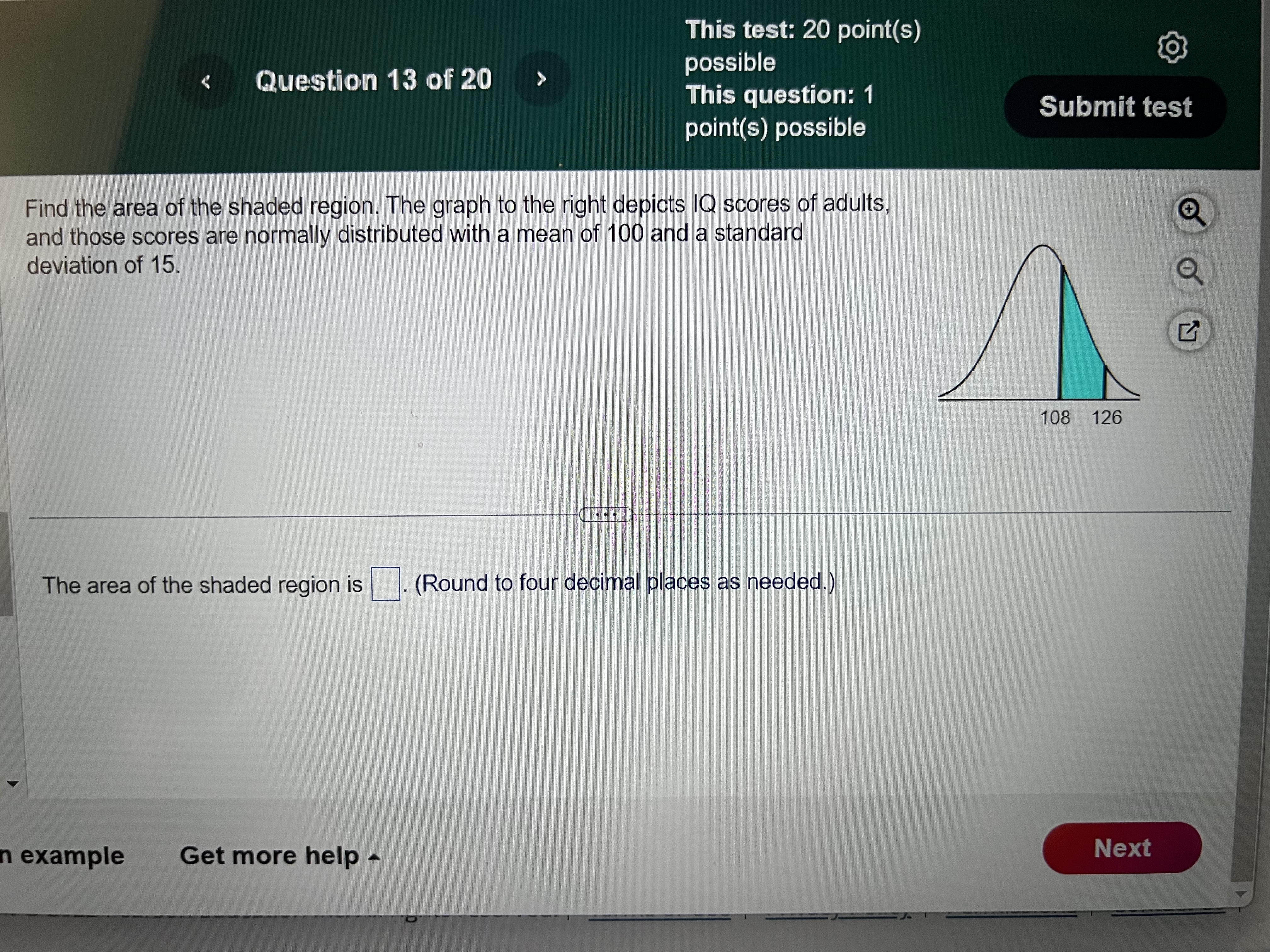
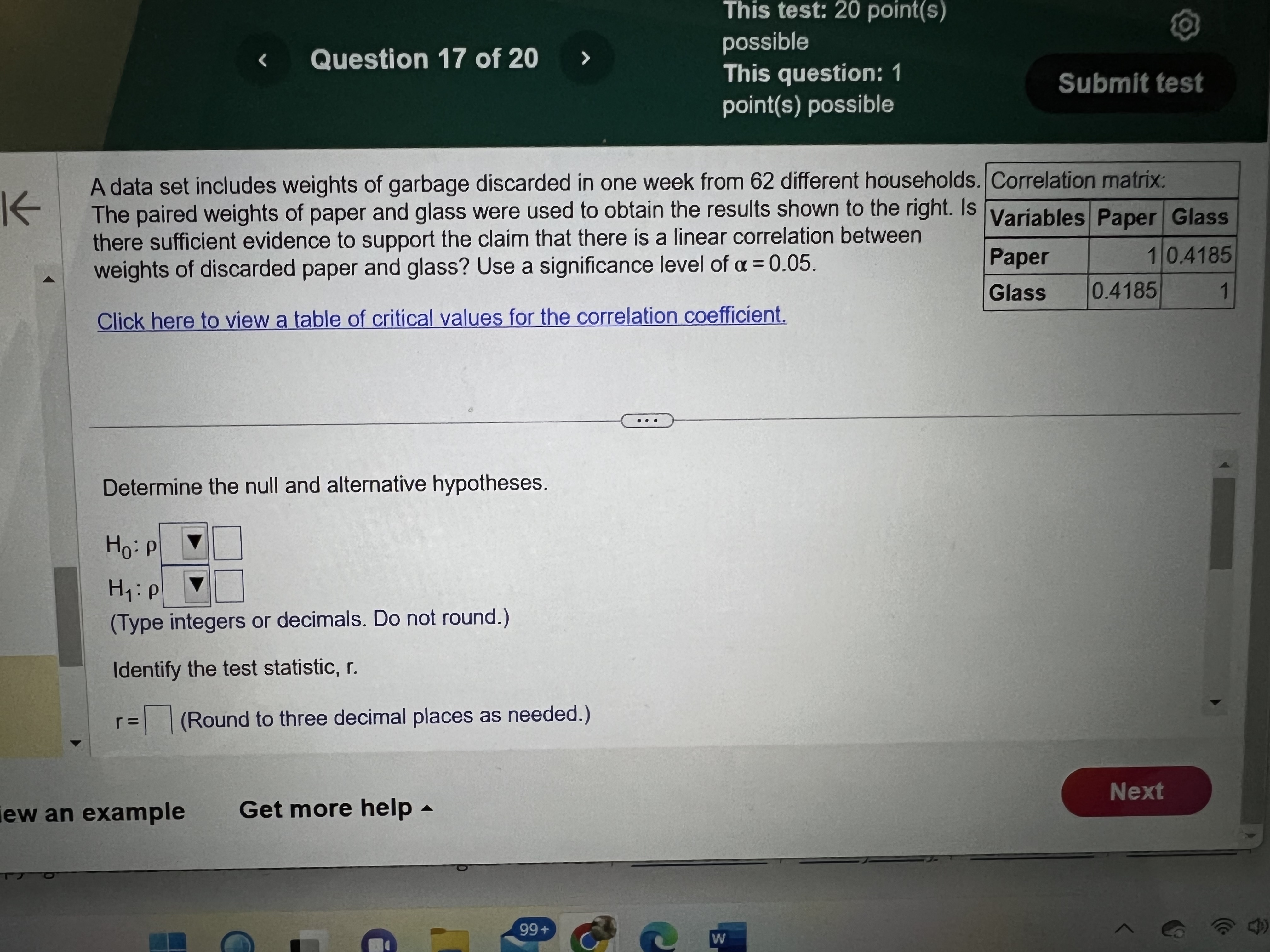
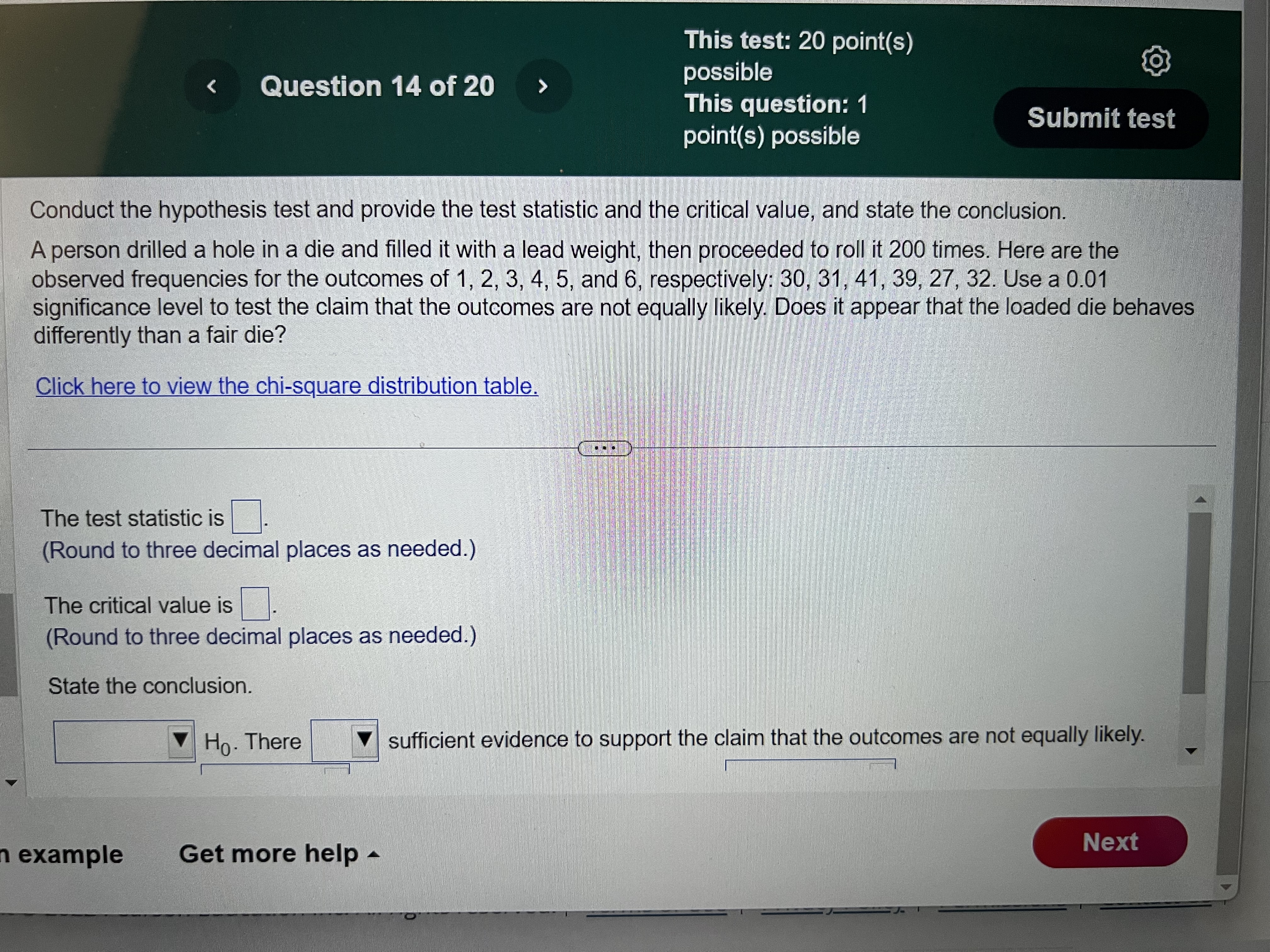
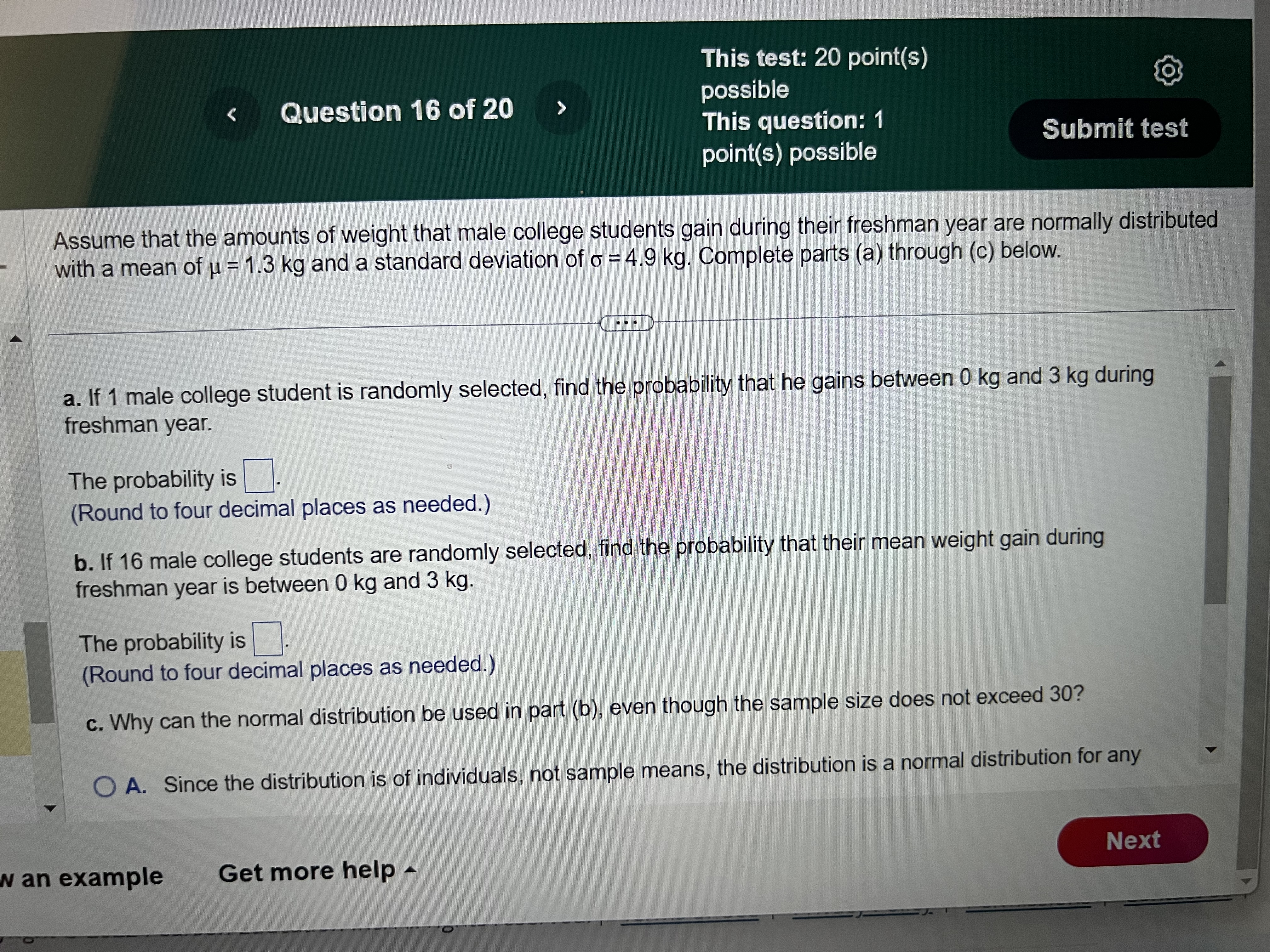
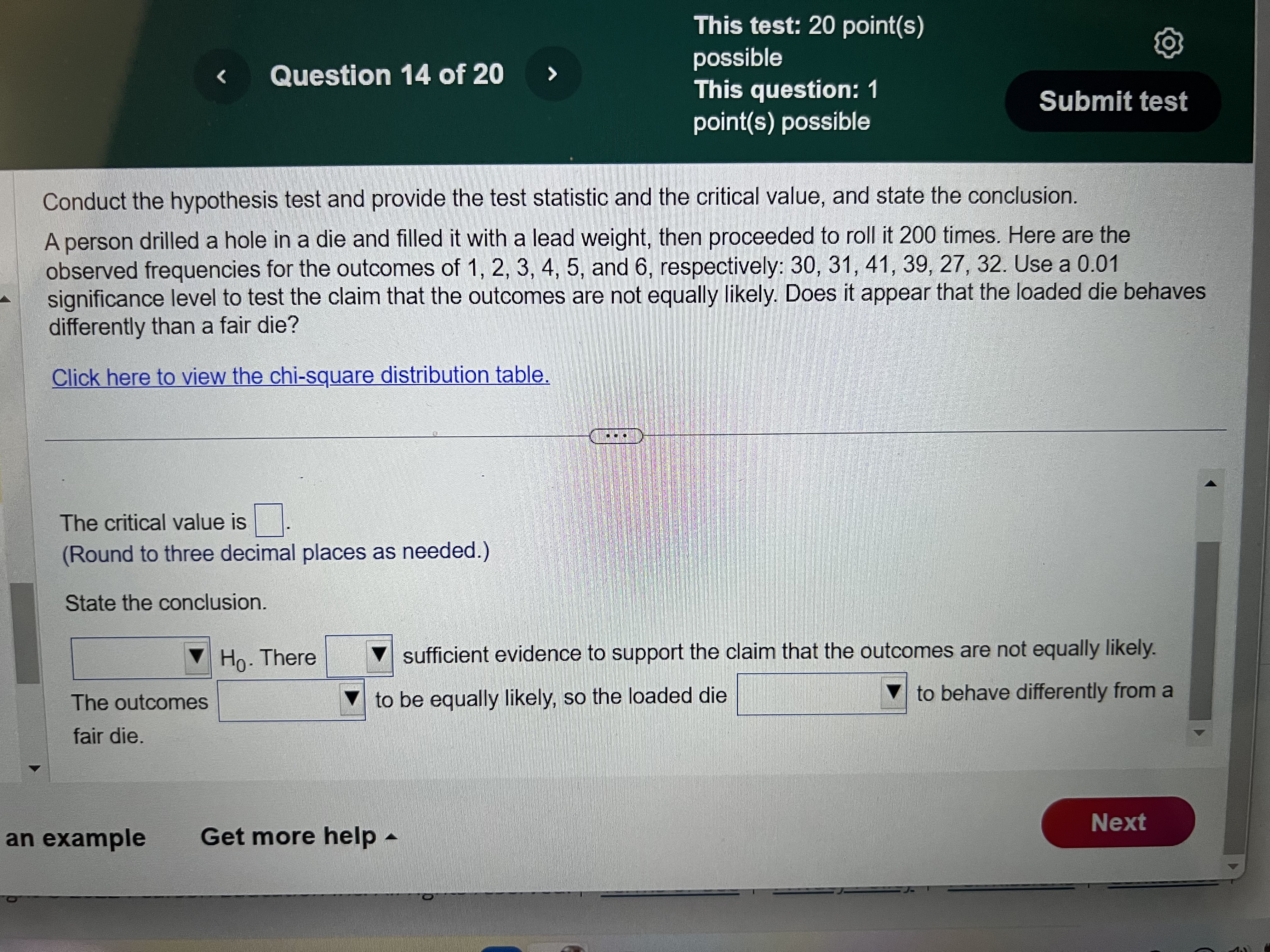
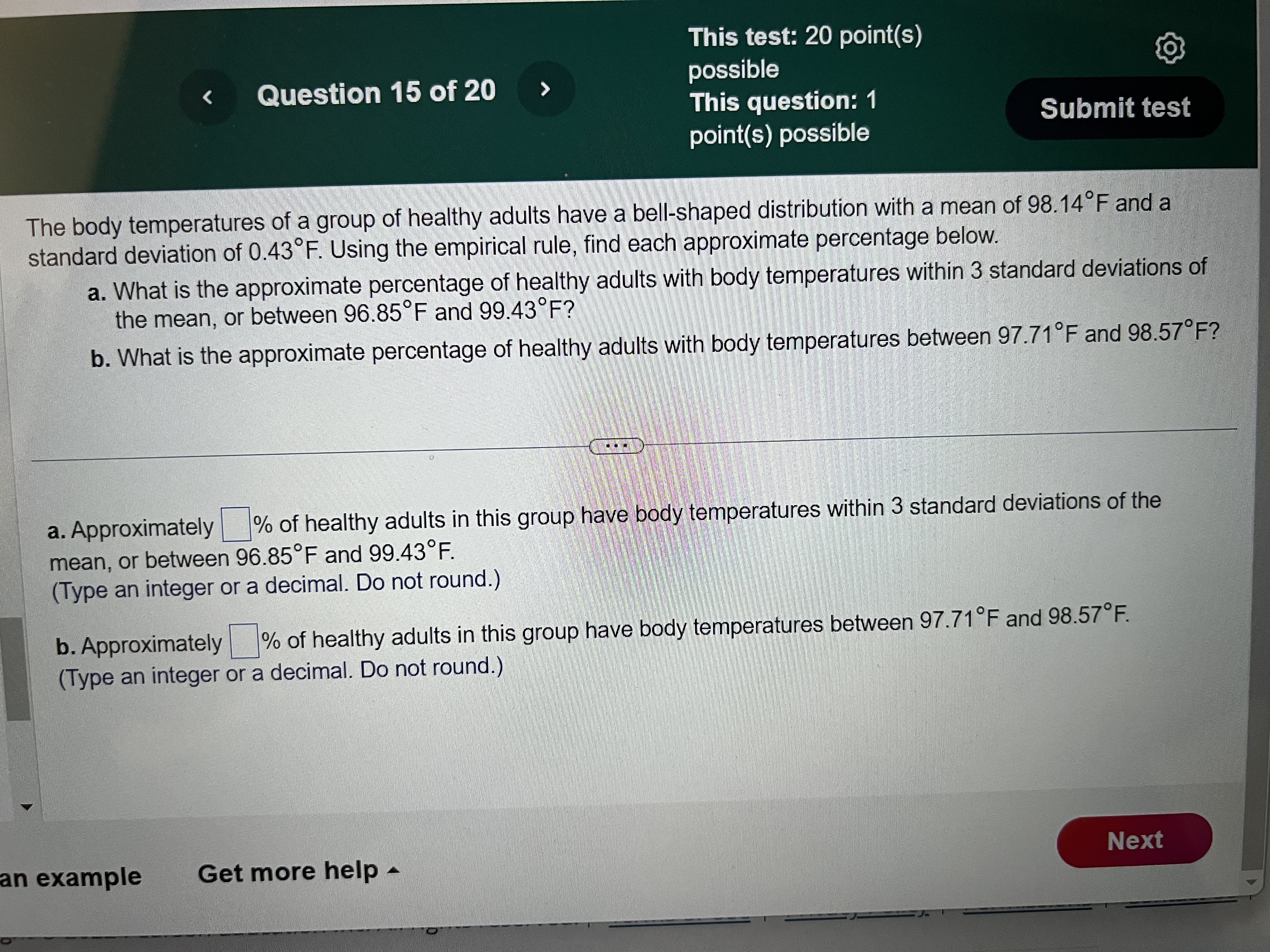
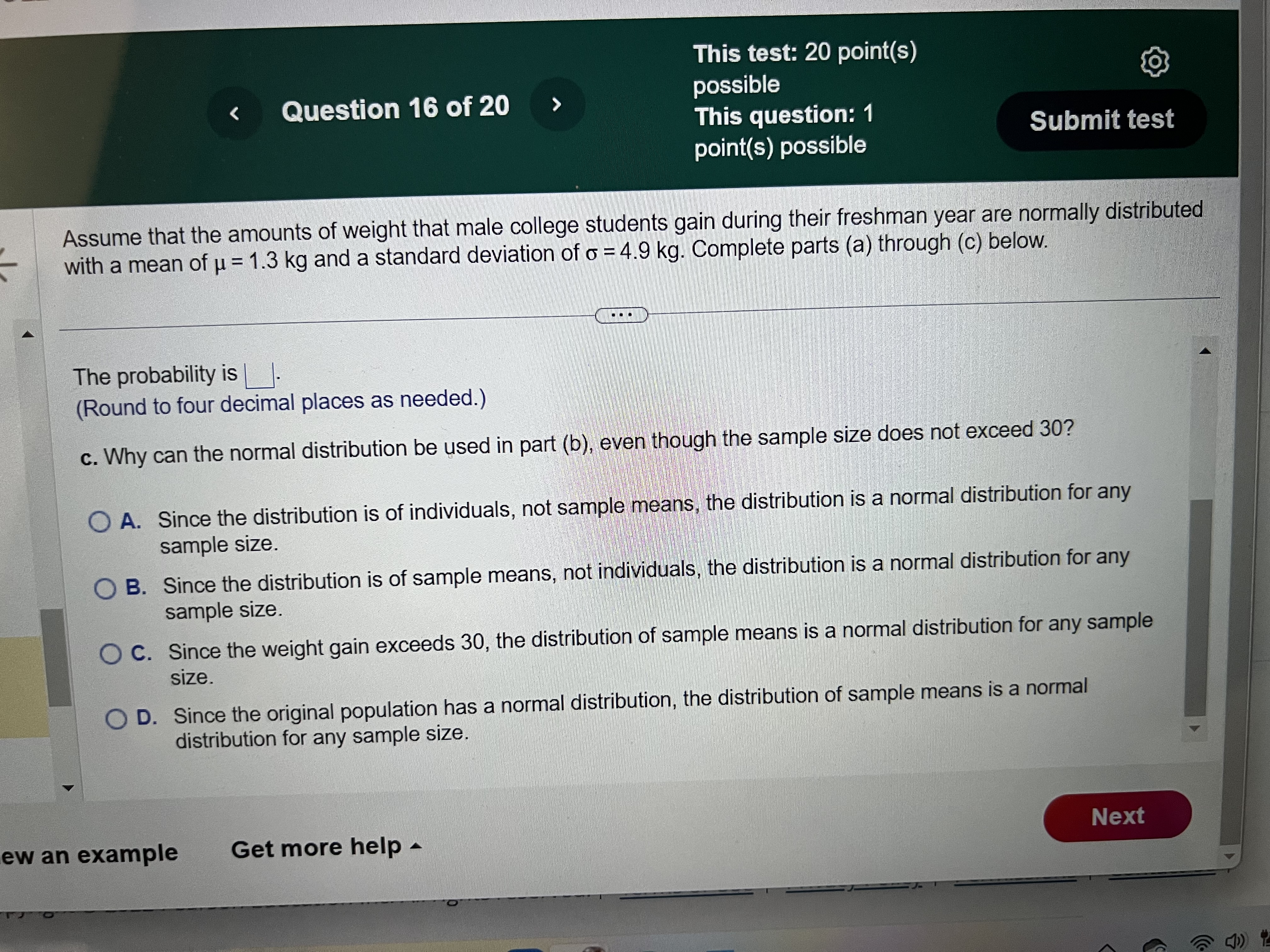
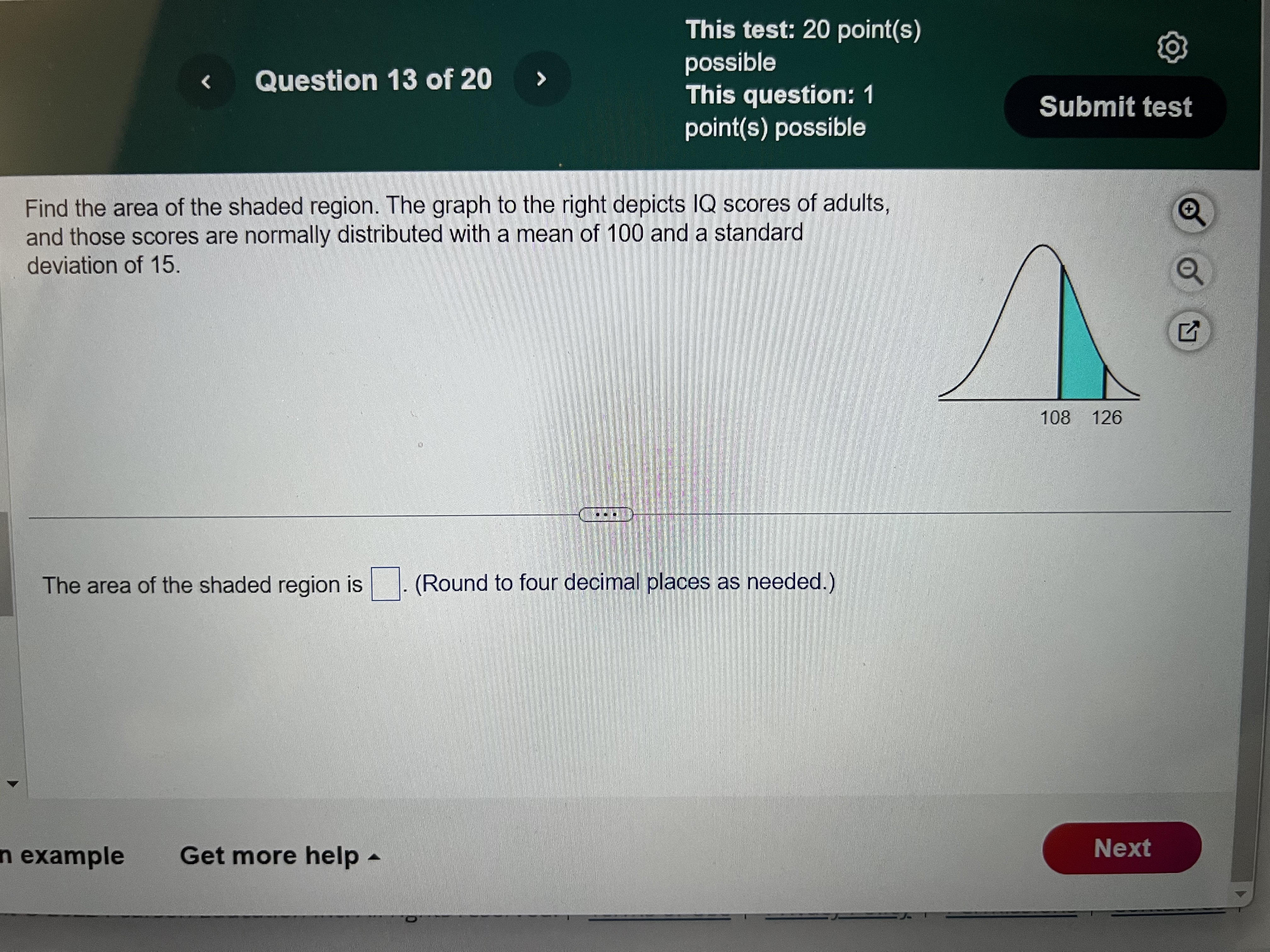
This test: 20 point(s) possible This question: 1 Submit test point(s) possible A data set includes weights of garbage discarded in one week from 62 different households. | Correlation matrix: The paired weights of paper and glass were used to obtain the results shown to the right. Is Variables Paper Glass there sufficient evidence to support the claim that there is a linear correlation between weights of discarded paper and glass? Use a significance level of a = 0.05. Paper 1 0.4185 Glass 0.4185 Click here to view a table of critical values for the correlation coefficient. . . . Determine the null and alternative hypotheses. Ho : P H1 : P (Type integers or decimals. Do not round.) Identify the test statistic, r. r=(Round to three decimal places as needed.) ew an example Get more help - Next 99+ wThis test: 20 point(s) Question 14 of 20 possible This question: 1 Submit test point(s) possible Conduct the hypothesis test and provide the test statistic and the critical value, and state the conclusion. A person drilled a hole in a die and filled it with a lead weight, then proceeded to roll it 200 times. Here are the observed frequencies for the outcomes of 1, 2, 3, 4, 5, and 6, respectively: 30, 31, 41, 39, 27, 32. Use a 0.01 significance level to test the claim that the outcomes are not equally likely. Does it appear that the loaded die behaves differently than a fair die? Click here to view the chi-square distribution table. The test statistic is (Round to three decimal places as needed.) The critical value is (Round to three decimal places as needed.) State the conclusion. Ho. There sufficient evidence to support the claim that the outcomes are not equally likely. n example Get more help - NextThis test: 20 point(s) Question 16 of 20 possible This question: 1 Submit test point(s) possible Assume that the amounts of weight that male college students gain during their freshman year are normally distributed with a mean of u = 1.3 kg and a standard deviation of o = 4.9 kg. Complete parts (a) through (c) below. a. If 1 male college student is randomly selected, find the probability that he gains between 0 kg and 3 kg during freshman year. The probability is (Round to four decimal places as needed.) b. If 16 male college students are randomly selected, find the probability that their mean weight gain during freshman year is between 0 kg and 3 kg. The probability is. (Round to four decimal places as needed.) c. Why can the normal distribution be used in part (b), even though the sample size does not exceed 30? O A. Since the distribution is of individuals, not sample means, the distribution is a normal distribution for any Get more help - Next w an exampleThis test: 20 point(s)
Step by Step Solution
There are 3 Steps involved in it

Get step-by-step solutions from verified subject matter experts
 Study Help