Question: This week, we will begin a four-part project based on a SHRM case study about a fictitious college with major HR related problems. The name
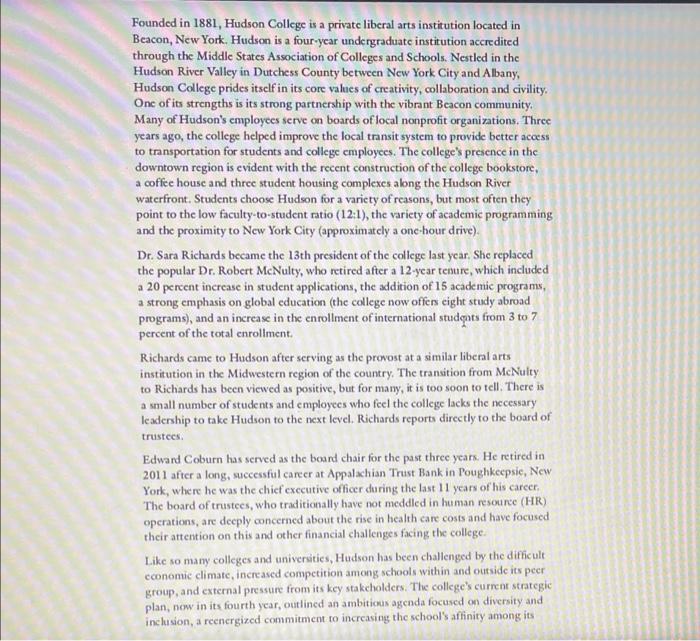
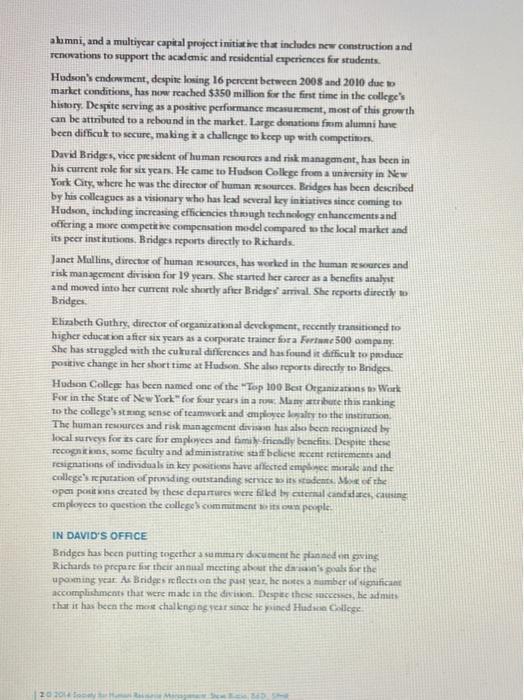
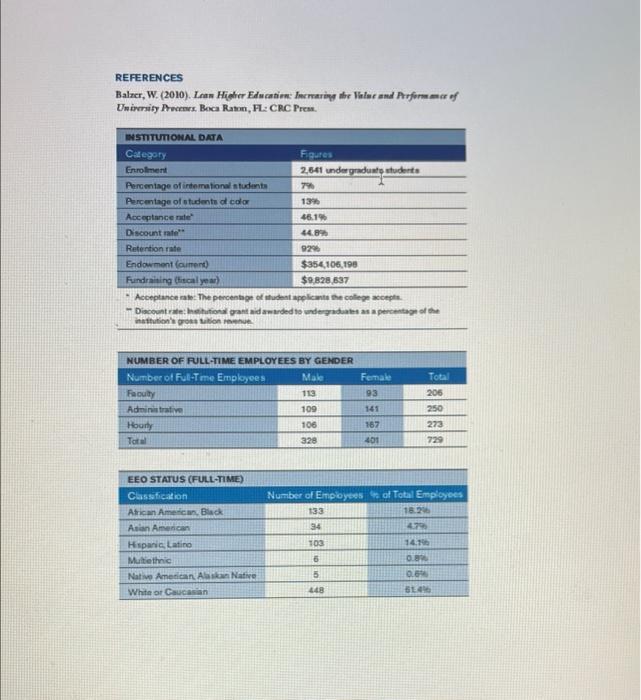
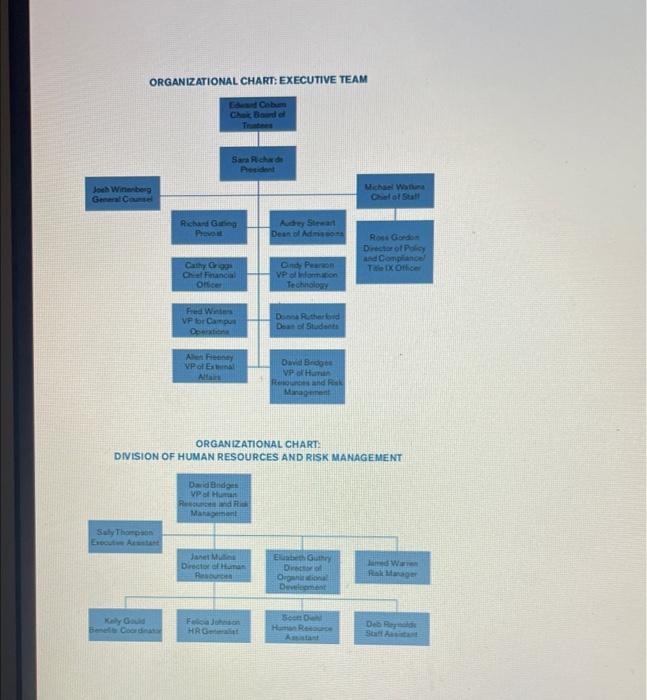
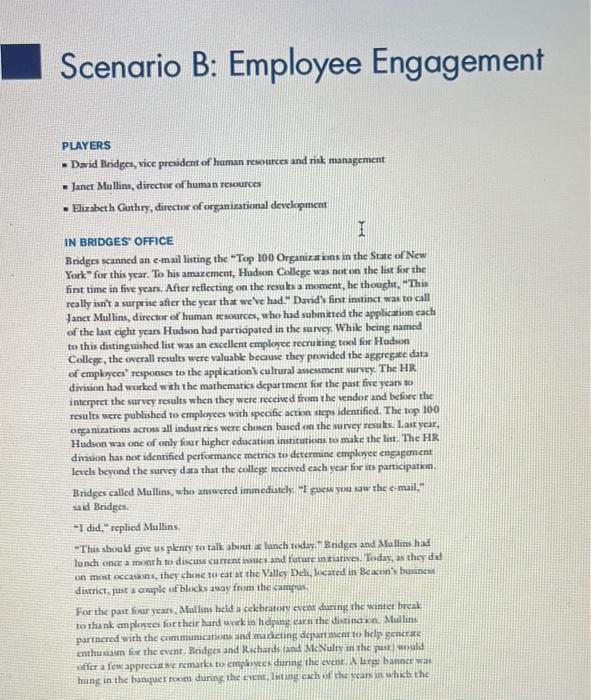
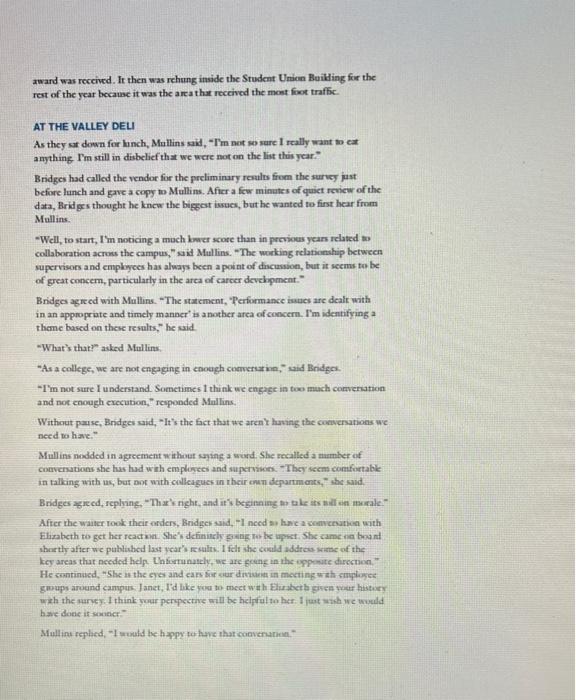
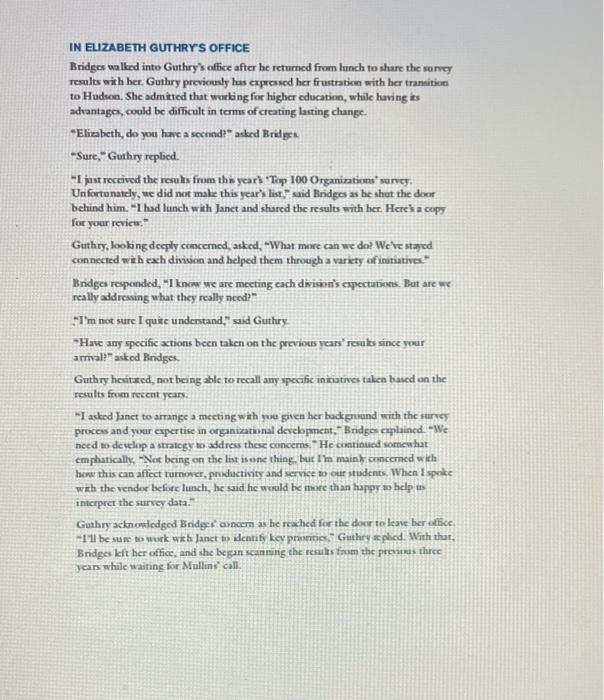
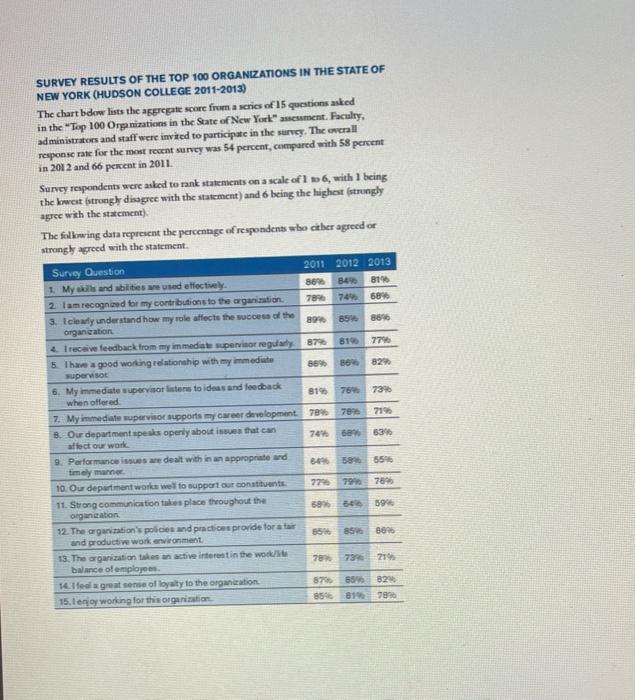
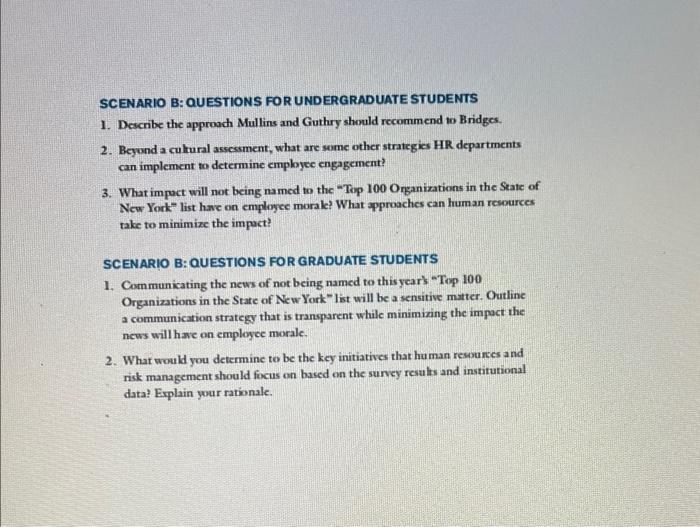
This week, we will begin a four-part project based on a SHRM case study about a fictitious college with major HR related problems. The name of this college is Hudson College. You will read three different cases in different areas of HR at this college and answer questions regarding what you have read. You are playing a role for this project. You are an HR consultant that has been brought in to evaluate some of the problems occurring at Hudson College, Your first steps are to evaluate and observe what is going on. You are going to use these case studies and identify the major issues in the different areas of HR. The first of three cases are posted below: Case Study \#1 \& Read the case and write a paper examining the issues that are occurring at Hudson College. Analyze the case study and consider is happening and factors that may have contributed to the current situation. Incorporate concepts from your text when possible as they relate to issues in the case. The paper should be at least 2 pages long and formatted in APA format. This does not include the title and reference page. Here is a sample paper from apa.org: APA EXAMPLE Founded in 1881, Hudson College is a private liberal arts institution located in Beacon, New York. Hudson is a four-year undergraduatc institution accredited through the Middle States Association of Colleges and Schools. Nestled in the Hudson River Valley in Dutchess County between New York City and Albany, Hudson College prides itself in its core values of creativity, collaboration and civility. One of its strengths is its strong partnership with the vibrant Beacon community. Many of Hudson's employees serve on boards of local nonprofit organizations. Three years ago, the college helped improve the local transit system to provide better access to transportation for students and college employees. The college's presence in the downtown region is evident with the recent construction of the college bookstore, a coffee house and three student housing complexes along the Hudson River waterfront. Students choose Hudson for a variety of reasons, but most often they point to the low faculty-to-student ratio (12:1), the variety of academic programming and the proximity to New York City (approximately a onc-hour drive). Dr. Sara Richards became the 13 th president of the college last year. She replaced the popular Dr. Robert MeNulty, who retired after a 12 -year tenure, which included a 20 percent increase in student applications, the addition of 15 academic programs, a strong emphasis on global education (the college now offers cight study abroad programs), and an increase in the enrollment of international studquts from 3 to 7 percent of the total enrollment. Richards came to Hudson after serving as the prowost at a similar liberal arts institution in the Midwestern region of the country. The transition from McNulty to Richards has been viewed as positive, but for many, it is too soon to tell. There is a small number of students and employees who feel the college lacks the necessary leadership to take Hudson to the next level. Richards reports directly to the board of trustecs. Edwand Coburn has served as the boand chair for the past three years. He retired in 2011 after a long, successful carecr at Appalachian Trust Bank in Poughkeepsic, New York, where he was the chicf executive officer during the last 11 years of his career. The board of trustees, who traditionally have not meddled in human resource (HR) operations, are decply concerned about the rise in health care costs and have focused their attention on this and other financial challenges facing the college. Like so many colleges and universities, Hudson has been challenged by the difficult coonomic climate, increased competition among schools within and outside its peer group, and external pressure from its key stakeholders. The college's current strategic plan, now in its fourth year, outlined an ambitious agenda focused on diversity and inclusion, a reenergized commitment to increasing the school's affinity among its alamni, and a multiycar capital project initiat ine that includes new construction and renewations to support the acad amic and rovidential experiences fire students. Hudwon's endewrent, despite lowing 16 percent between 2008 and 2010 duc to market conditions, has now reached $350 million for the firs time in the college's history. Despite serving as a positive performance measurement, most of this growth can be attributed to a rebound in the market. Large donutions finam alumni huse been difficul to secure, maling i a challenge to keep up with comperiturn. David Bridess, vice president of human resourcs and rik managan ent, has been in his current role for six yean. He came to Hudvon Colkge from a unsernity in New York City, where he was the directar of human rwources. Bridges has been described by his colleagues as a visionary who has lead scveral ley intiatives since coming to Hodon, inchading increaking efficiencies through techuslogy enhancements and offering a more ampetitive compenution model compared to the local market and its peer inst iutions, Bridges reports directly to Richurds Janet Mullint, directur of human rewource, has werked in the human sesources and risk management dirisina for 19 yean, She stanted her carcer as a benefits analyt and moved into her current role shortly after Brides's amival. She repoets directiy to Bridges: Eliabeth Guthry, director of ofganixatwnal devekpenent, recently tranuitioned to higher education a ficr wix years at a corporate traincr for F Fertune 500 oompuny-1. She has struggled with the cukural differences and has found it difficult to pondace. positive changc in her short time at Hudvon. She alvo reports directir to Bnd 6 a. Hudwnn Colleg has been named onc of the "Top 100 Bet Oreanizatnas as Wark For in the State of New York" for fisur ycars in a row. Mum atribure this ranking to the college'tstriag sense of teamwick and anployce kralty to the mstirunion. The human rewurces and ruk management dirione hax aho been recugnioed by local surveys for is care for amplined and tamih-frimuly bencfits. Dopite these recogn itions, some faculty and administrative staff belke reent retiremeatr and resignations of individuals in key posives have affested emplinec morals and the college' reputation of pruxiding outstanding sernice so its rtadeats, Msec of the employees to quetrion the colleges comnitment sy its oun pople: IN DAVID'S OFFICE Bridges has been putting together a su marury dixument he panted vin giving Richards to prepure fis thair annual mecting abver the dariwn's puals sic the accompliahments that were mate in the drvixa. Despecthos wecono, be admith thit it has been the mas chalknging y ar sind he pined Hadwa Colicge. REFERENCES University Procmex. Boca Raton, FL CRC Pran. - Diacount rate: hieititionar gast aid aminded to urdergaduates as a percentage of the inttution't gose tibon revenue. ORGANIZATIONAL CHART: EXECUTIVE TEAM Scenario B: Employee Engagement PLAYERS - David Bridges, vice preaident of human resources and risk management - Janct Mullins, dircctor of human resuurces - Elizabeth Guthry, director of organizational development IN BRIDGES' OFFICE Bridges scanned an e-mail listing the "Top 100 Organizations in the Stare of New York" for this year. To his amazement, Hudson College was not on the list for the fint time in five years. After reflecting on the realks a moment, he thought, "This really isn't a surprise affer the year that we've had." Danid's fint instinct was to call Tanct Mullins, directre of human resources, who had suburarted the application cach of the last cight years Hudson had partiopated in the sarves. Whik heing named to this disting uished list was an excellent emplepec recruiting toal for Hudwon Colleg, the overall reuults were valuable beause they pronided the ageregte data of employces' reponses to the application' cultural asteument survey. The HR division had worked with the mathematics department for the past five years to interpret the survcy revults when they were received from the vendor and before the : resulss were published to employees with peccife action steps identificd. The top 100 organizations across all industres were chosen based oa the sarvey routs. 1. ast year, Hudson was coe of only four higher education institutions to make the list. The HR divivion has not idenrified perfarmance metrics to determine cmplonee engaganent: levels beyond the survey data that the colleg received each year fire its participation. Bnidges called Mullins, who answered immedistely, "I goess you aw the e-mail," wid Bridger: -I did, "replied Mullins. -This should give usplenty to talk about a lanch tindyy. Bndges and Mallins had lunch onee a mount to diccus current wisues and furure in rutives. Today, as ther dad on most occasns, ther chose to cat at the Valler Deh, hocated in Beacon's basinces district, Just a aruple of blicks asay from the campuse. For the patt finur yeats. Afallans held a celchtaterv ceent during the winter break: to thank anplowee fortheir hand ueckin hidpune carnthe dicrincini. Mullim purtncred with the communicativas and manicting depart ment to help generate carthusasm foe the event. Bridges and Richards and McNulty it the past would hung in the hanquet room dunns the crent, Titing cxh of the vears in which the awand was reccived. It then was rchung inside the Srudent Urrion Beilling for the rest of the year because it was the area that reccived the most fiost traffic. AT THE VALLEY DELI As they sat down for lanch, Mullins said, "Fin not so sure 1 really want to cat anything. Fm still in disbelief that we were not on the list this year." Bridges had called the vendor for the preliminary results from the surve just: before lunch and gave a copy mo Mullins. Aficr a few minutes of quict review of the data, Brid ges thought he knew the biggcat isues, but he wanted to first hear from Miullins. -Well, to start, I'm noticing a much hwer scote than in previous years related to collaboration across the campus," said Mullins. "The working relaticansip between supervisors and empliyees has always been a point of dincussion, but it secms to be of great concem, particularly in the area of carcer develipment." Bridges agreed with Mullins. - The statement, "Performance auucs are deals with in an appropeiate and timely manner' is a nother area of concern. F'm identifying a theme based on these results," he said. "What's that?" asked Mtullins, "As a college, we are not engaging in cnough cocrvertarinn, said Bndges. - I'm not sure I understand. Sometimes I think we engage in too mach converiation and not cnough execution," responded Mallins, Without parse, Bridges aid, -It's the fict that we aren't hating the conversations we necd wo have." Mullins modded in agreement without suytng a word. She recalled a marmber of coevcrutions she has hud with emplonees and supervison. They secm comfurtable: in talking with us, ber not with colleagues in rhcir enen departmants, " she sand. Bridges agreed, rephing, "Thar's right, and at" begitning at ale its tid en marale." After the walter rook their orders, Bridgek suid, -1 need as has a wenverution with Elirabeth to get her reacriat. She's definiteh Fieng tor be uptet. She came na bount ahnetly after we publtubed last year's resulte. I felt whe could addrea serme of the gmups around campus. Janct, I'd bke youd to mect wa h Elirabcth given wout histuey weh the uarvey. Ithink your perepective will be helgral to her. 1 jast with we would h we doele it -moter: Mullinu rephed, - I wushd be happy re heve that codveranen ." IN EUZABETH GUTHRYS OFFICE Bridges walked into Guthry's office after he retumed from lunch to share the rurvey rerults with hec. Guthry previously has expresed her frustration with her transition to Hudion. She admitted that worling for higher cducation, while having is advantages, could be difficult in terms of creating lasting change. "Elizabcth, do you have a secund?" acked Bridge. "Sure," Guthry replicd. -I just reccived the results frum thin year's 'Top 100 Organizations' survey. Unfortunatcly, we did not male this year's list," said Bridges as he shut the door behind him. 1 had lunch with Janet and shared the results with her. Herel a copy for your revicw:" Guthry, looking decply concemed, asked, "What mure can we do? We ve staped connected wieh each division and helped them through a variety of initiative." Bndges responded, "I know we are mecting cach division's capectations. But are we really addrcasing what they really nced?" "I'm not sure I quite undentand," said Guthry. -Have any specific actions been taken on the previous years' rouls since your arrival?" asked Bindges. Guthry hesitated, not being able to recall any specific iniriatives taken based on the results from reccnt years. "I acked Janct to arrange a mecting with you given her hadk guand with the survey process and your expertise in organizational development, "Bridger cyplained. -We need w develop a stratcgy to addres these concerns. " He continued sorncutat cmphatically, Not being on the list is one thing. but 1m mainh concemed with how this can afficet rumover, pouductivity and sernec to our students. When I spoike whi the vendor before lunch, he said he wiuld be mece than happy 20 help m interpret the survey data:" Guthry acknowiedged Bridge' asncern as he reahed for the doci to leave her wice. Bridges ket her office, and she began scanning the reaults frum the previtus three years while waiting for Mrullins' call. SURVEY RESULTS OF THE TOP 100 ORGANIZATIONS IN THE STATE OF NEW YORK (HUDSON COLLEGE 2011-2013) The chart bdow lists the aggregate score frum a scries of 15 quctions asked in the "Top 100 Organizations in the Sate of New York" ascument. Faculty, administrators and staff were invited to participate in the survey. The overall response rate for the most recent survey was 54 percent, compared with 58 perent in 2012 and 66 pecent in 2011 . Survey respondents were asked to rank statements on a scale of 1 to 6 , with 1 being the bweit (utrongh disogree with the statement) and 6 being the highot (strungly agree with the statement). The folkwing data represent the percentage of respondenss who cither agreed of stroneh abreed with the statement. SCENARIO B: QUESTIONS FOR UNDERGRADUATE STUDENTS 1. Describe the approadh Mullins and Guthry should recommend to Bridges. 2. Beyond a cultural assesment, what are sime other strategics HR departments can implement to determine employec engagenent? 3. What impoct will not being named to the "Top 100 Organizations in the Seate of New York- list have on employee morak? What approaches can human resources take to minimize the impuct? SCENARIO B: QUESTIONS FOR GRADUATE STUDENTS 1. Communicating the news of not being named to this years "Top 100 Organizations in the State of New York" list will be a sensitive matter. Outline a communication strategy that is transparent while minimizing the impact the news will have on employee morale. 2. What would you determine to be the key initiatives that human resoures and risk management should focus on based on the survey recults and institutional data? Explain your rationale









 Study Help