







Question: Tutors read this first Answering a math problem can sometimes feel overwhelming, especially if it's a complex question or if you're not confident in your
Tutors read this first
Answering a math problem can sometimes feel overwhelming, especially if it's a complex question or if you're not confident in your math skills. However, there are some strategies you can use to make the process easier and more effective.
First, it's important to carefully read the problem and understand what it's asking. Make sure you know what type of problem it is (e.g. algebraic, geometric, trigonometric) and what the unknown variables are. You may need to underline or highlight key information to help you stay focused on the important details.
Next, you should try to visualize the problem and draw a diagram or graph if necessary. This can help you to better understand the problem and to see relationships between different variables. It can also help you to spot patterns or shortcuts that will make the problem easier to solve.
Once you understand the problem and have visualized it, you can start working through the calculations. It's important to show your work and explain each step clearly, so that you can check your work and catch any mistakes. You should also use a calculator or other tools as necessary to help you solve the problem accurately and efficiently.
Finally, once you have arrived at an answer, you should double-check your work and make sure it makes sense in the context of the problem. If the problem is part of a larger set of problems, you should also check that your answer is consistent with the other answers you have found. By following these steps and staying focused and organized, you can effectively answer math problems and build your math skills over time.
When you're faced with a math problem, the first step is to carefully read the problem and try to understand what it's asking. This may involve breaking the problem down into smaller parts or identifying key information that will help you solve it. Once you've done this, you can start to formulate a plan for solving the problem. Depending on the type of problem, you may need to use a specific formula, equation, or theorem. It's important to choose the appropriate method for the problem and to clearly explain your reasoning and calculations.
As you work through the problem, it's important to show your work and check your answers at each step. This will help you catch any mistakes early on and avoid making errors that could lead to the wrong answer. If you're using a calculator or other tool, make sure you know how to use it properly and check your inputs and outputs carefully.
If you get stuck on a particular step or find the problem too challenging, don't be afraid to ask for help. This could mean working with a tutor or teacher, consulting a textbook or online resource, or collaborating with classmates. By seeking out help when you need it, you can build your understanding of the problem and improve your problem-solving skills.
Finally, once you've arrived at an answer, it's important to check that it makes sense in the context of the problem. You may want to double-check your calculations or review the problem to make sure you've answered the question that was asked. If you're working on a larger set of problems, you should also check that your answer is consistent with the other answers you've found. By following these steps and staying focused on the problem, you can successfully answer math problems and build your confidence and skills over time.
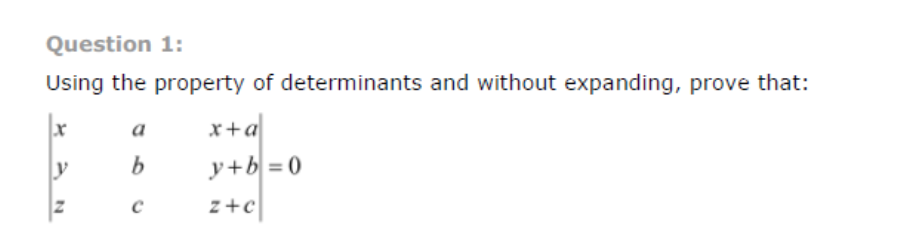
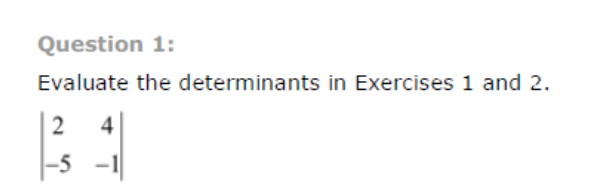
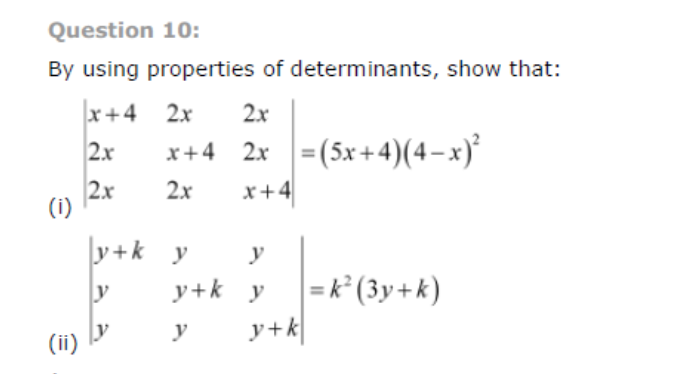
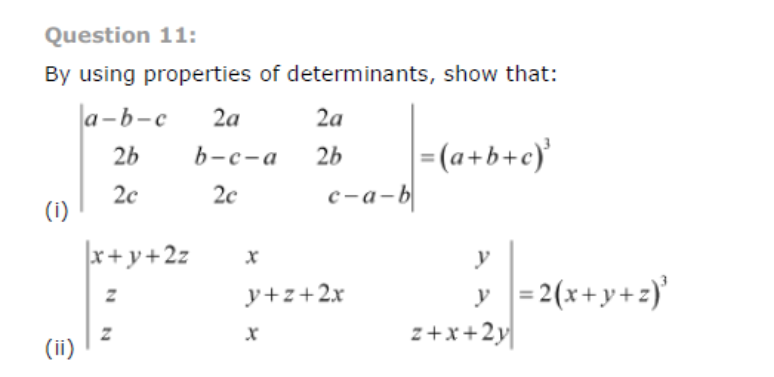
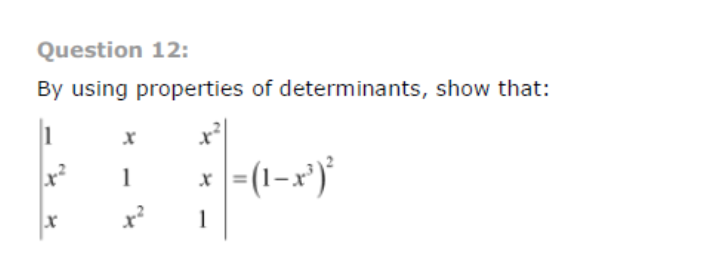
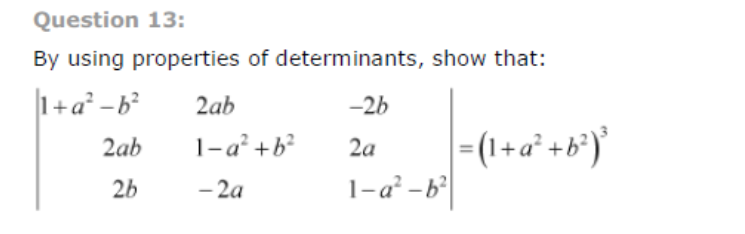
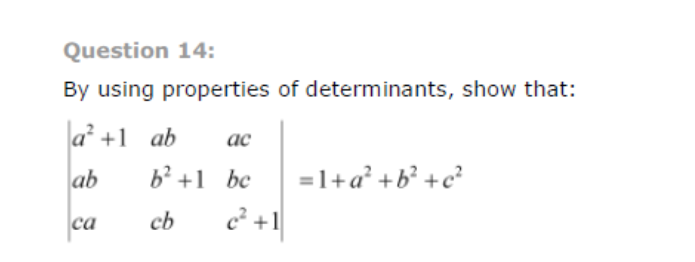
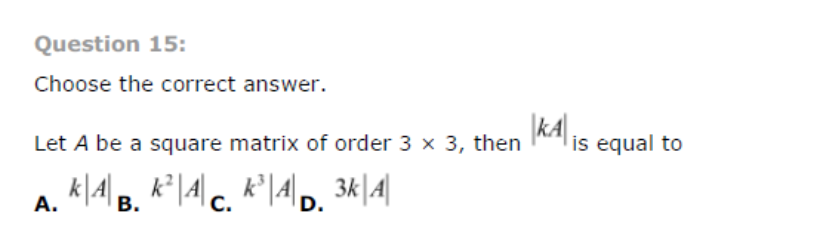
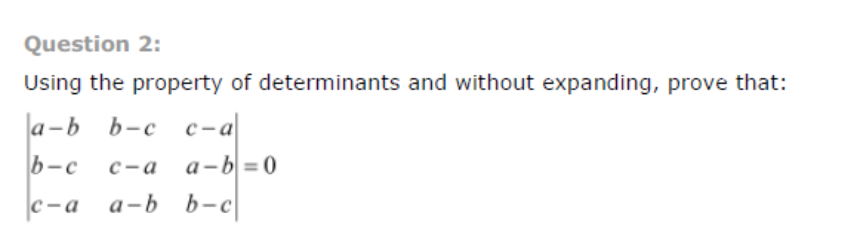
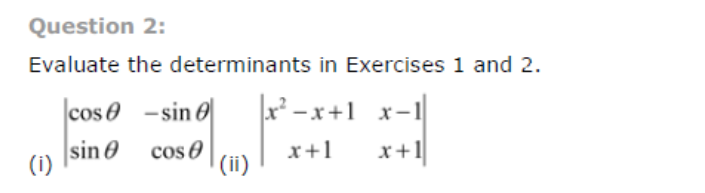
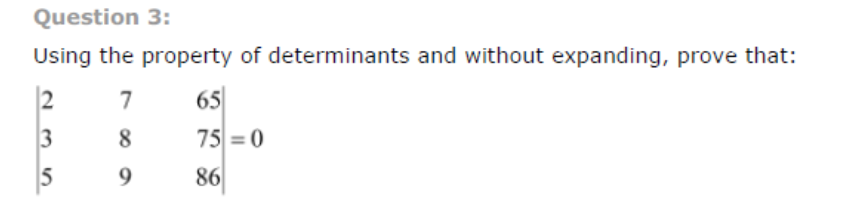
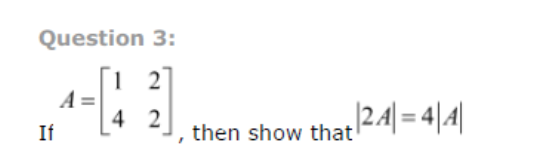
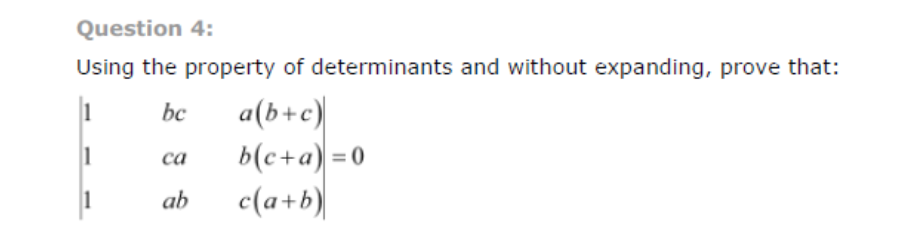
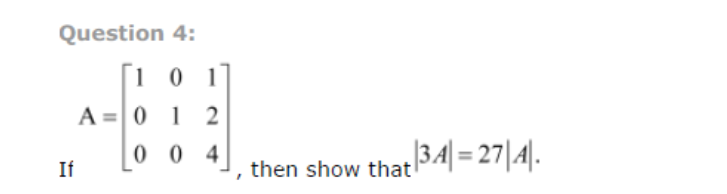
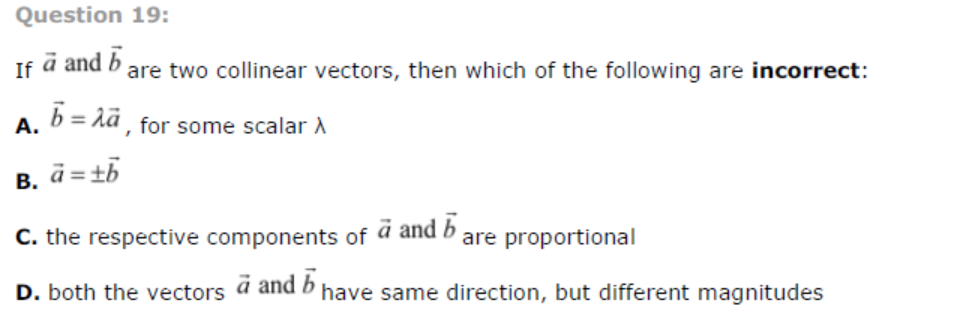
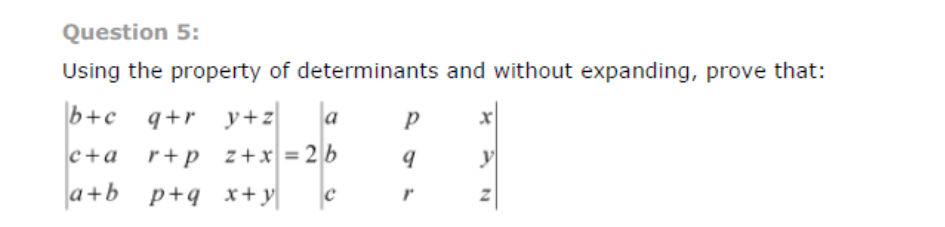
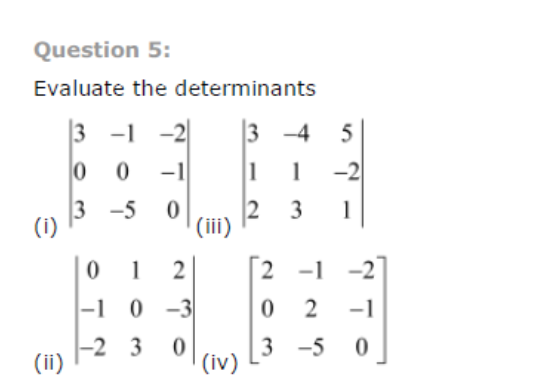
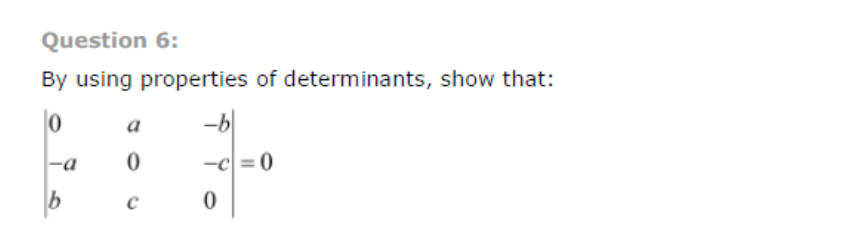
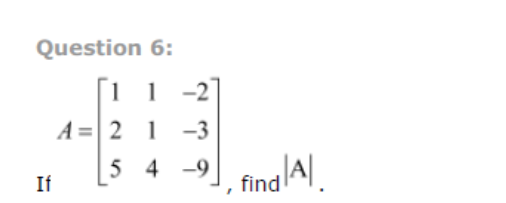
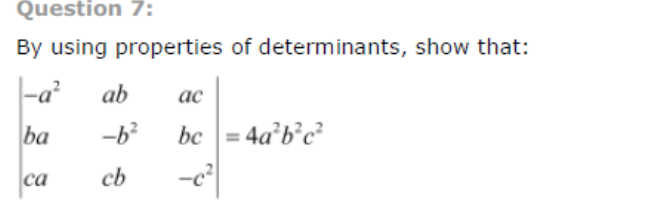
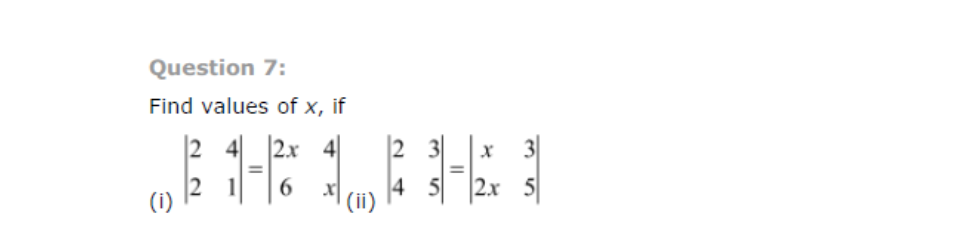
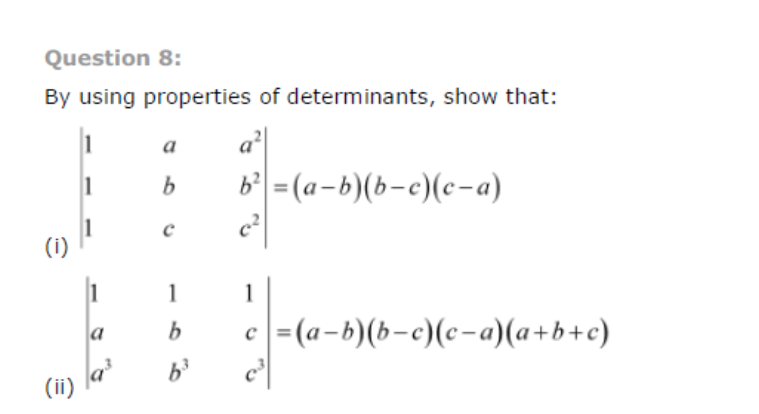
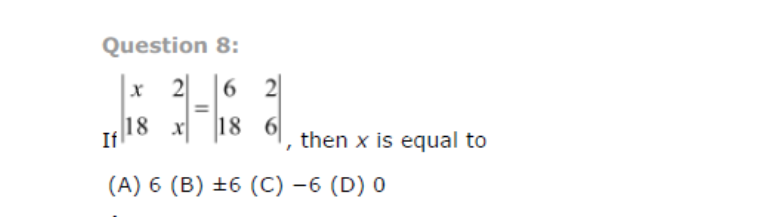
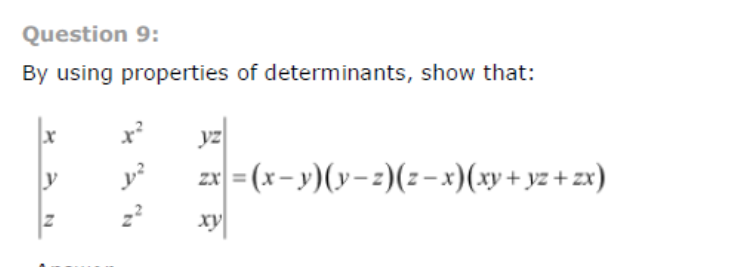
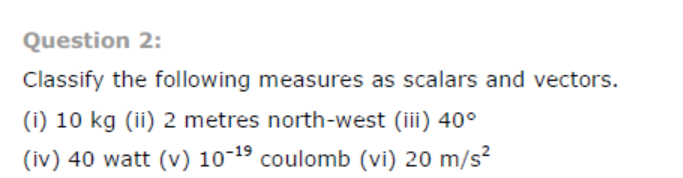
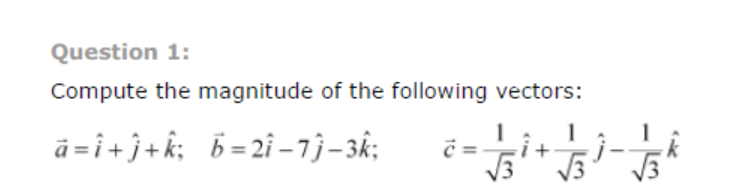
Step by Step Solution
There are 3 Steps involved in it

Get step-by-step solutions from verified subject matter experts
 Study Help