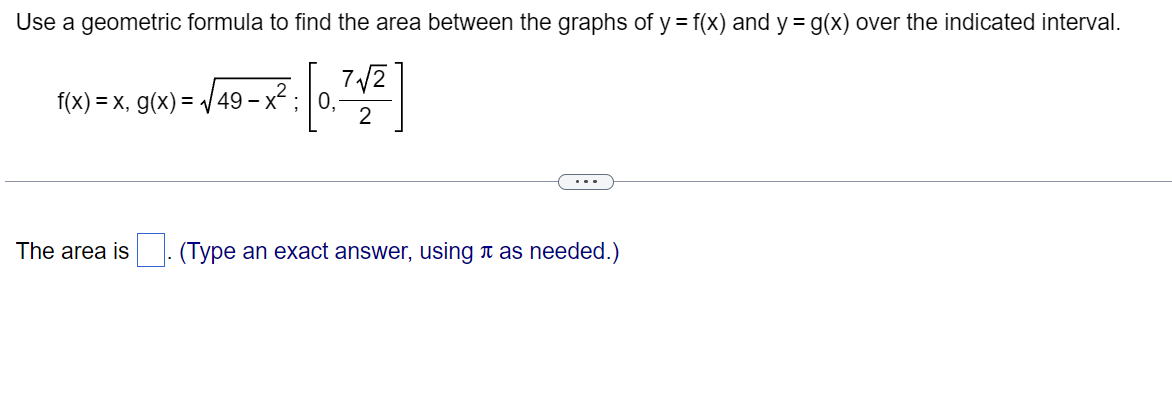
Question: Use a geometric formula to find the area between the graphs of y = f(x) and y = g(x) over the indicated interval. 7 2
Use a geometric formula to find the area betweenUse a geometric formula to find the area betweenUse a geometric formula to find the area betweenUse a geometric formula to find the area betweenUse a geometric formula to find the area betweenUse a geometric formula to find the area betweenUse a geometric formula to find the area betweenUse a geometric formula to find the area betweenUse a geometric formula to find the area betweenUse a geometric formula to find the area betweenUse a geometric formula to find the area betweenUse a geometric formula to find the area betweenUse a geometric formula to find the area betweenUse a geometric formula to find the area between
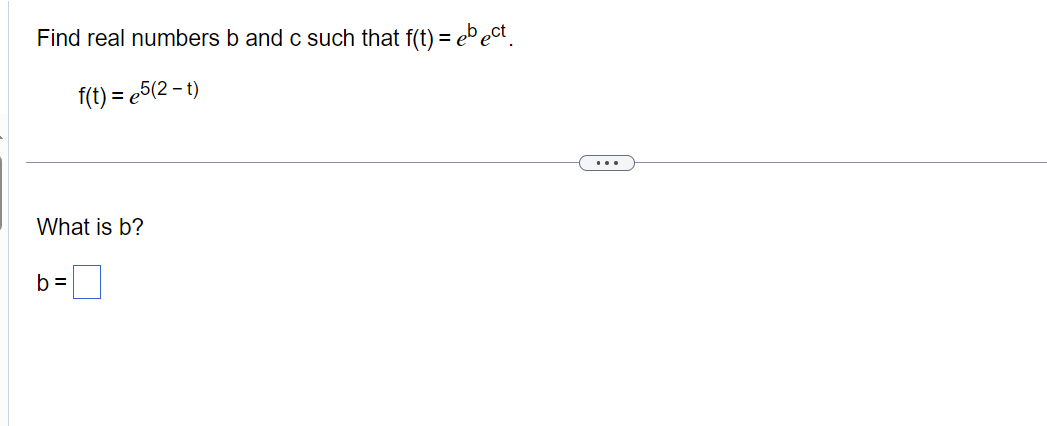
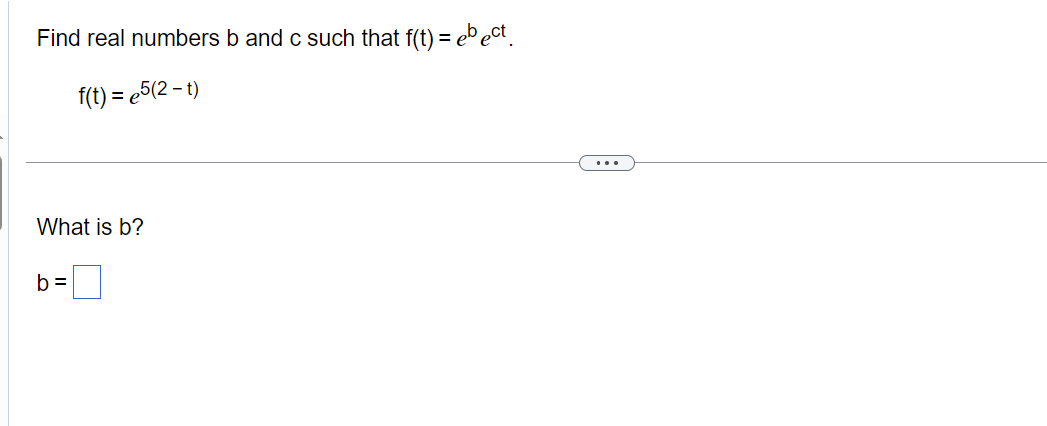
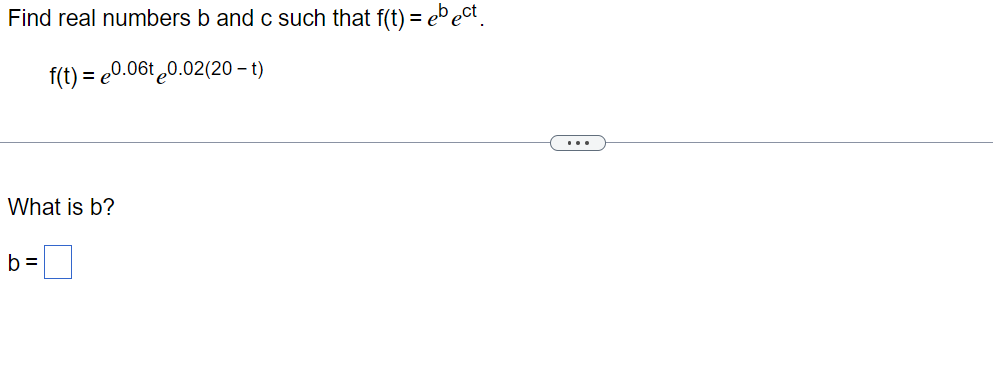
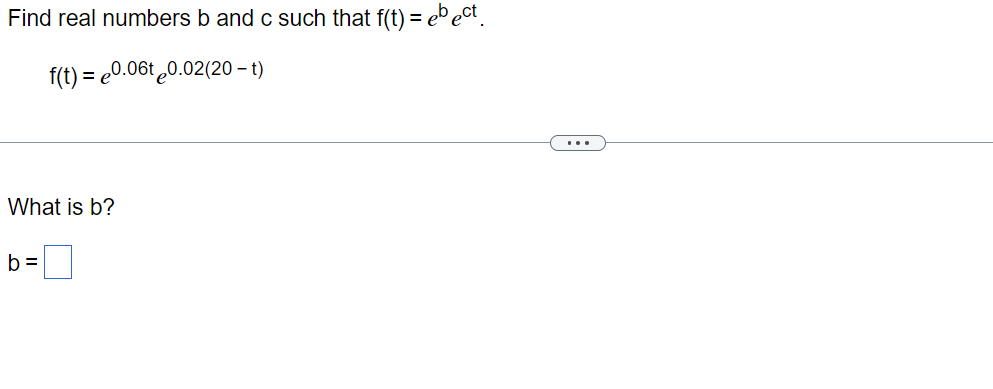
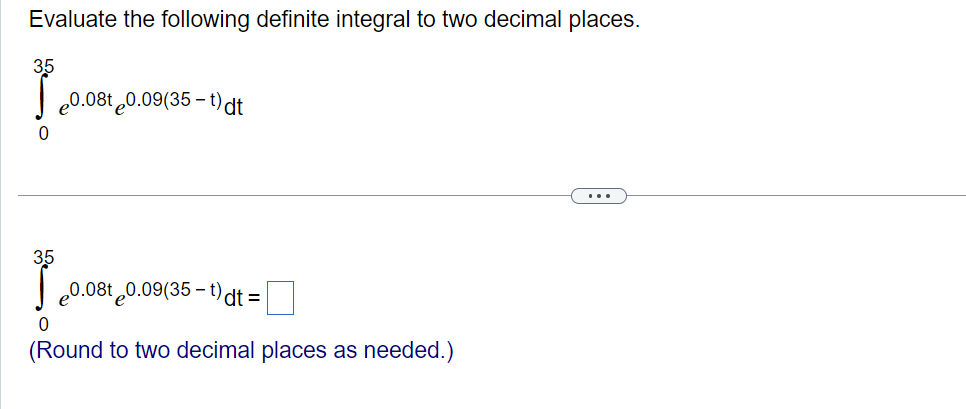
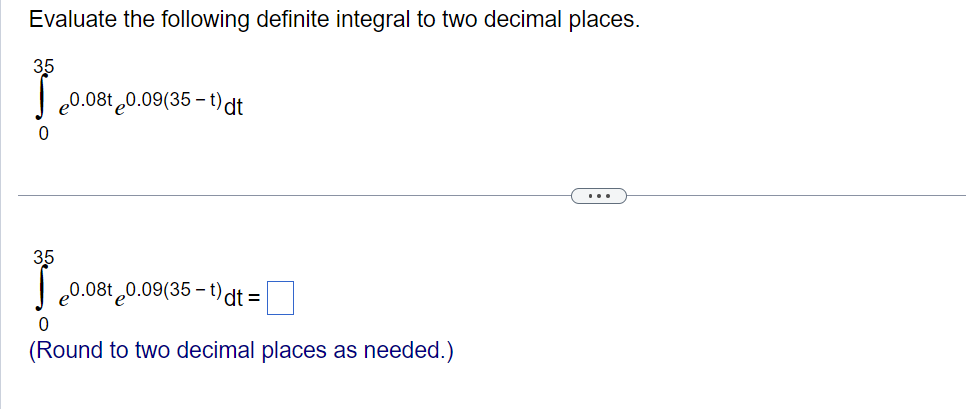
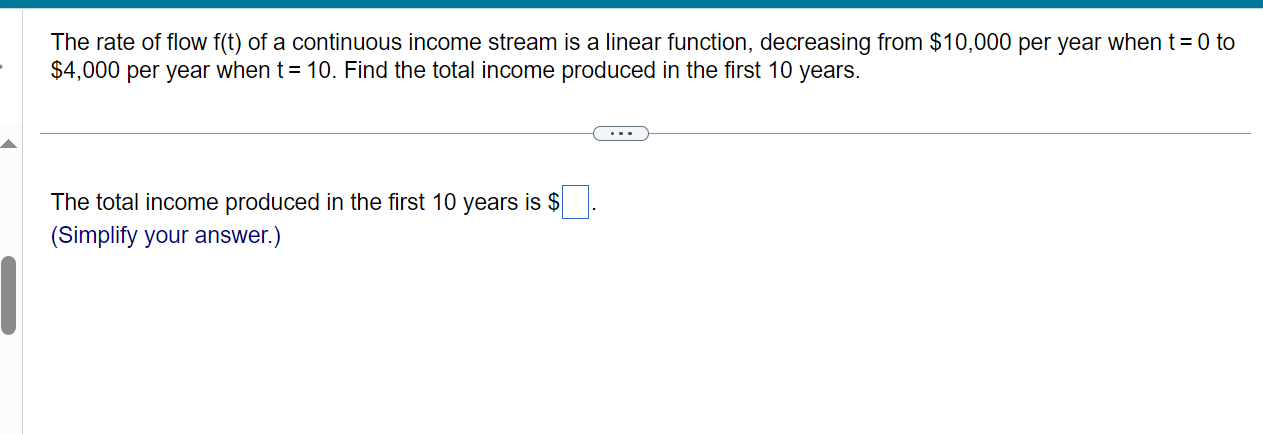
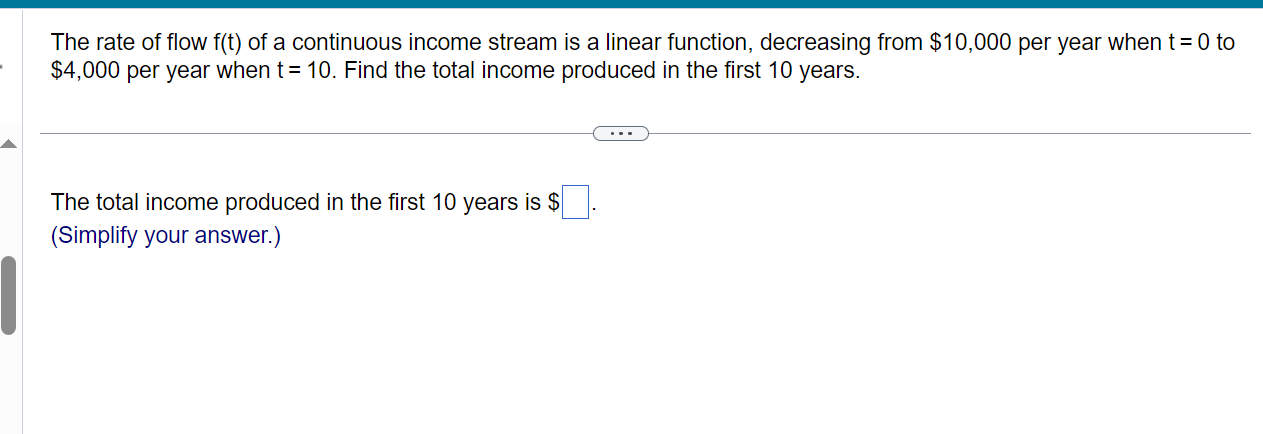
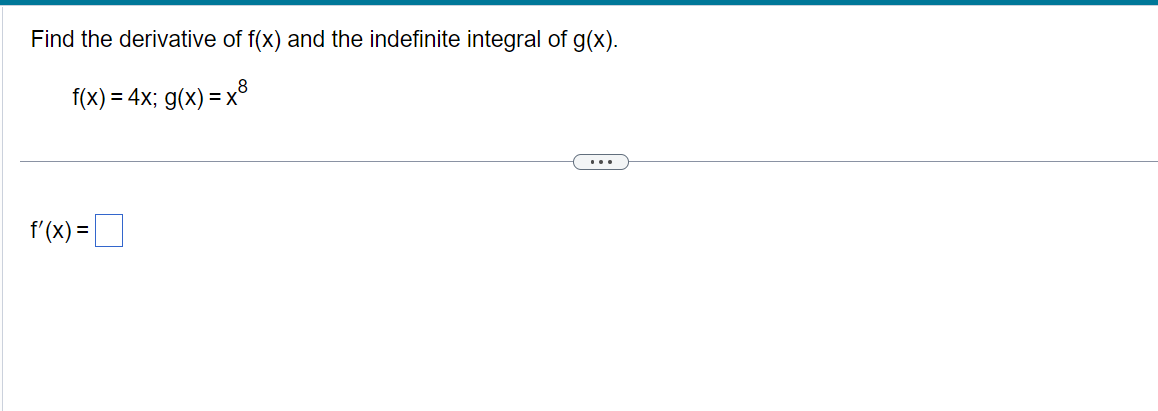
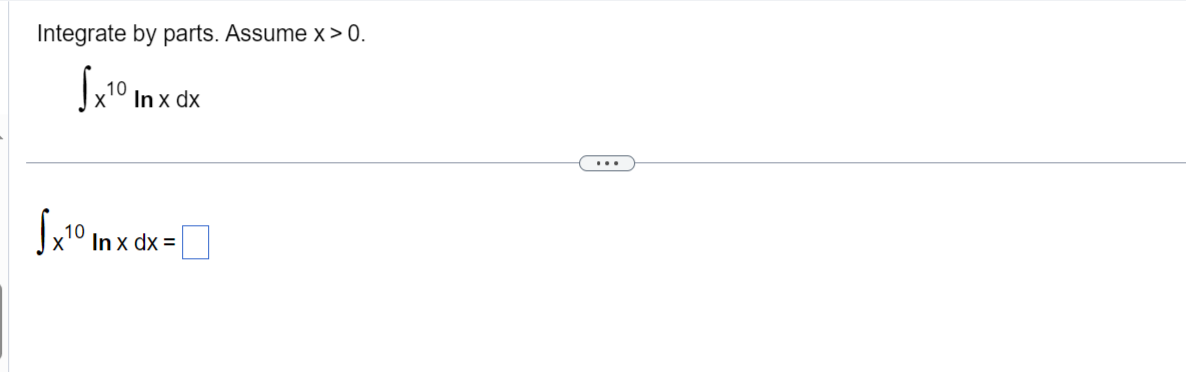
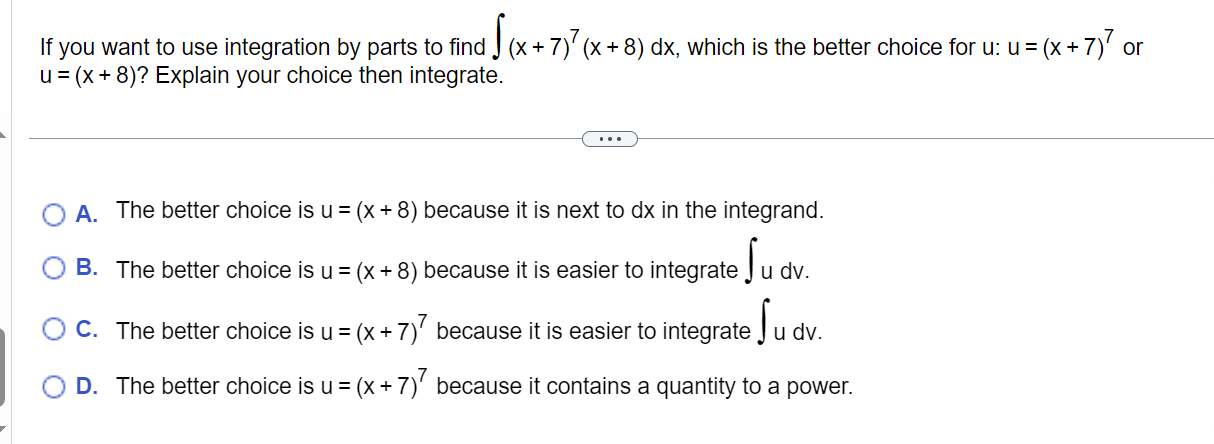
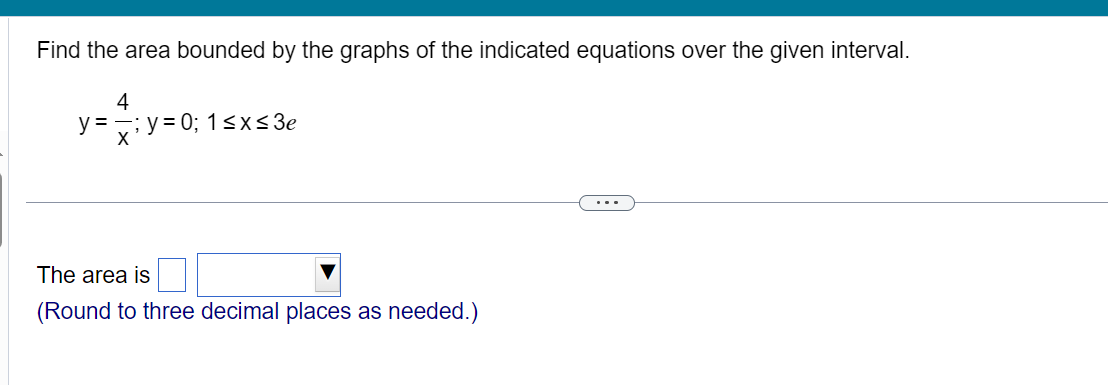
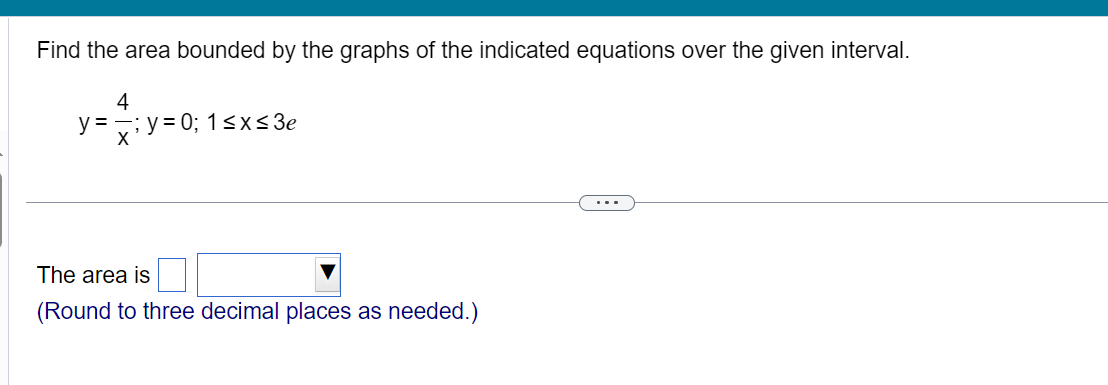
Use a geometric formula to find the area between the graphs of y = f(x) and y = g(x) over the indicated interval. 7 2 f(x)=x, g(x) = i49 x2; [07$] The area is . {Type an exact answer, using TI: as needed.) Find the area bounded by the graphs of the indicated equations over the given interval. ;y=0;1SXS3 _4 y_x The area is D V (Round to three decimal places as needed.) Find the area bounded by the graphs of the indicated equations over the given interval. ;y=0;1SXS3 _4 y_x The area is D V (Round to three decimal places as needed.) Find real numbers b and c such that f(t) = ebect. f(t) = e5(2 -t) What is b? b =Find real numbers b and c such that f(t) = ebect. f(t) = e5(2 -t) What is b? b =Find real numbers b and c such that f(t) = ebect. f(t) = 0.06t 0.02(20 - t) What is b? b =Find real numbers b and c such that f(t) = ebect. f(t) = 0.06t 0.02(20 - t) What is b? b =Evaluate the following definite integral to two decimal places. 35 20.08t 0.09(35 - t) dt 0 35 0.08t 0.09(35 - t) dt = (Round to two decimal places as needed.)Evaluate the following definite integral to two decimal places. 35 20.08t 0.09(35 - t) dt 0 35 0.08t 0.09(35 - t) dt = (Round to two decimal places as needed.)The rate of flow f(t) of a continuous income stream is a linear function, decreasing from $10,000 per year when t = 0 to $4,000 per year when t= 10. Find the total income produced in the first 10 years. . . . The total income produced in the first 10 years is $ (Simplify your answer.)The rate of flow f(t) of a continuous income stream is a linear function, decreasing from $10,000 per year when t = 0 to $4,000 per year when t= 10. Find the total income produced in the first 10 years. . . . The total income produced in the first 10 years is $ (Simplify your answer.)\fIntegrate by parts. Assume x > 0. J x 10 In x dx . . . J x 10 In x dx =If you want to use integration by parts to find . (x + 7)'(x + 8) dx, which is the better choice for u: u = (x + 7)' or U = (x+ 8)? Explain your choice then integrate. . . . O A. The better choice is u = (x + 8) because it is next to dx in the integrand. O B. The better choice is u = (x + 8) because it is easier to integrate J u dv. O C. The better choice is u = (x + 7)' because it is easier to integrate J u dv. O D. The better choice is u = (x + 7)' because it contains a quantity to a power
Step by Step Solution

There are 3 Steps involved in it

1 Expert Approved Answer
Step: 1 Unlock blur-text-image

Question Has Been Solved by an Expert!

Get step-by-step solutions from verified subject matter experts

Step: 2 Unlock
Step: 3 Unlock

Students Have Also Explored These Related Mathematics Questions!