







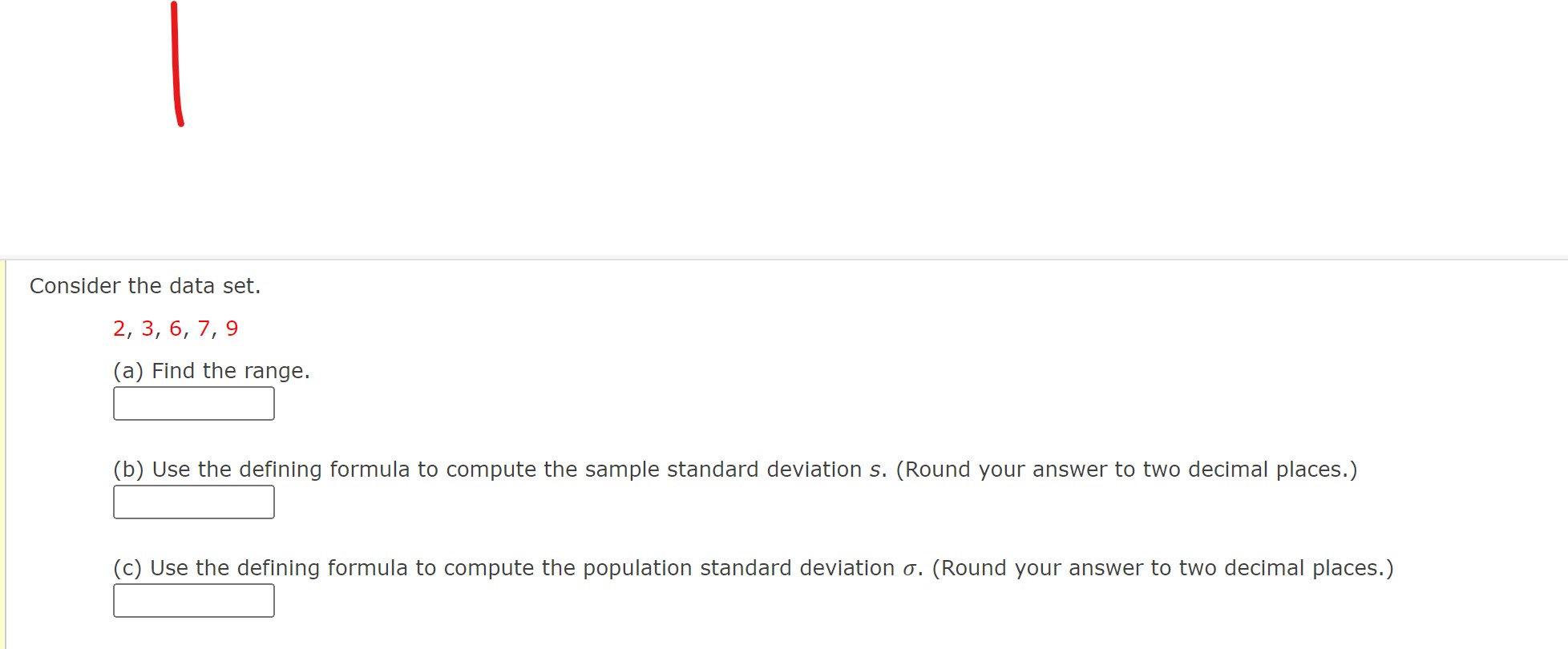
Question: use this for question 2. https://www.webassign.net/csalt/CSALT.html?B166302727015883#/toolset/dataset Consider the data set. 2, 3, 6, 7, 9 (a) Find the range. :l (b) Use the defining formula
use this for question 2. https://www.webassign.net/csalt/CSALT.html?B166302727015883#/toolset/dataset
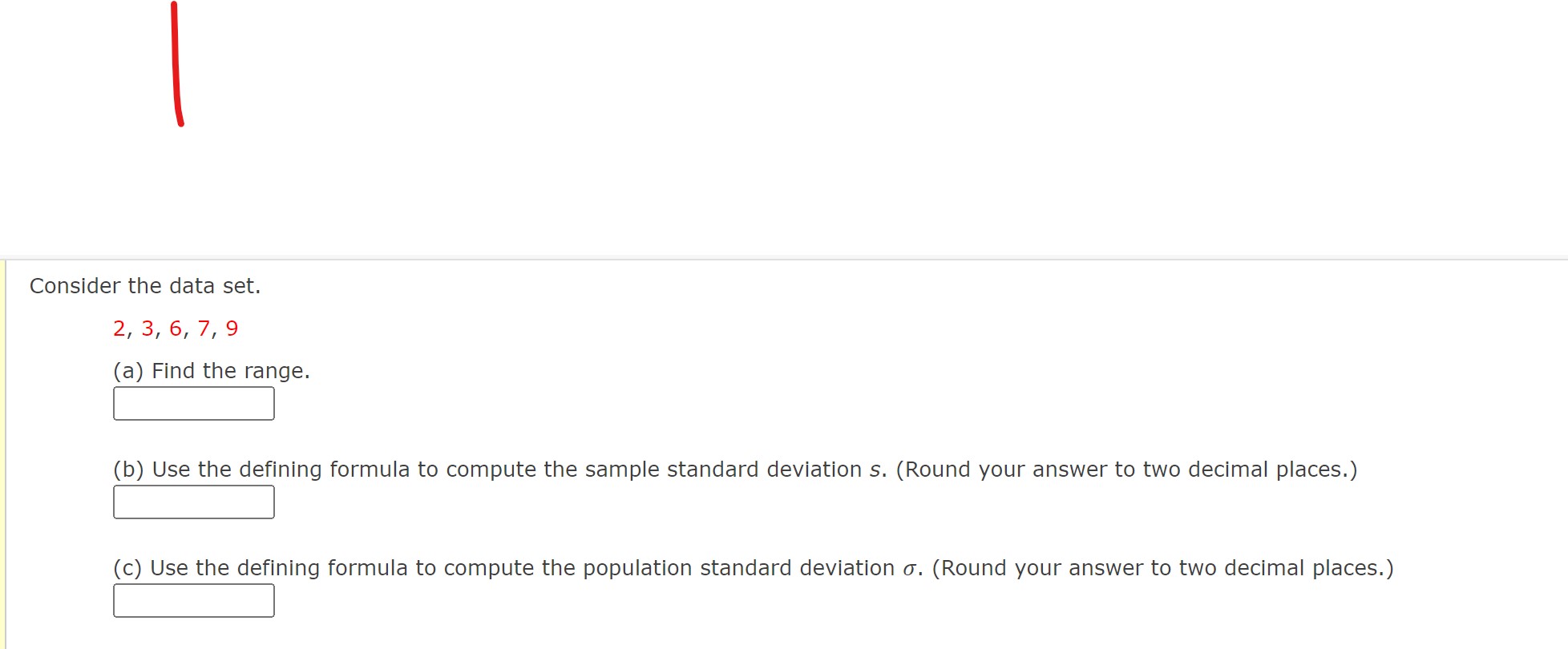
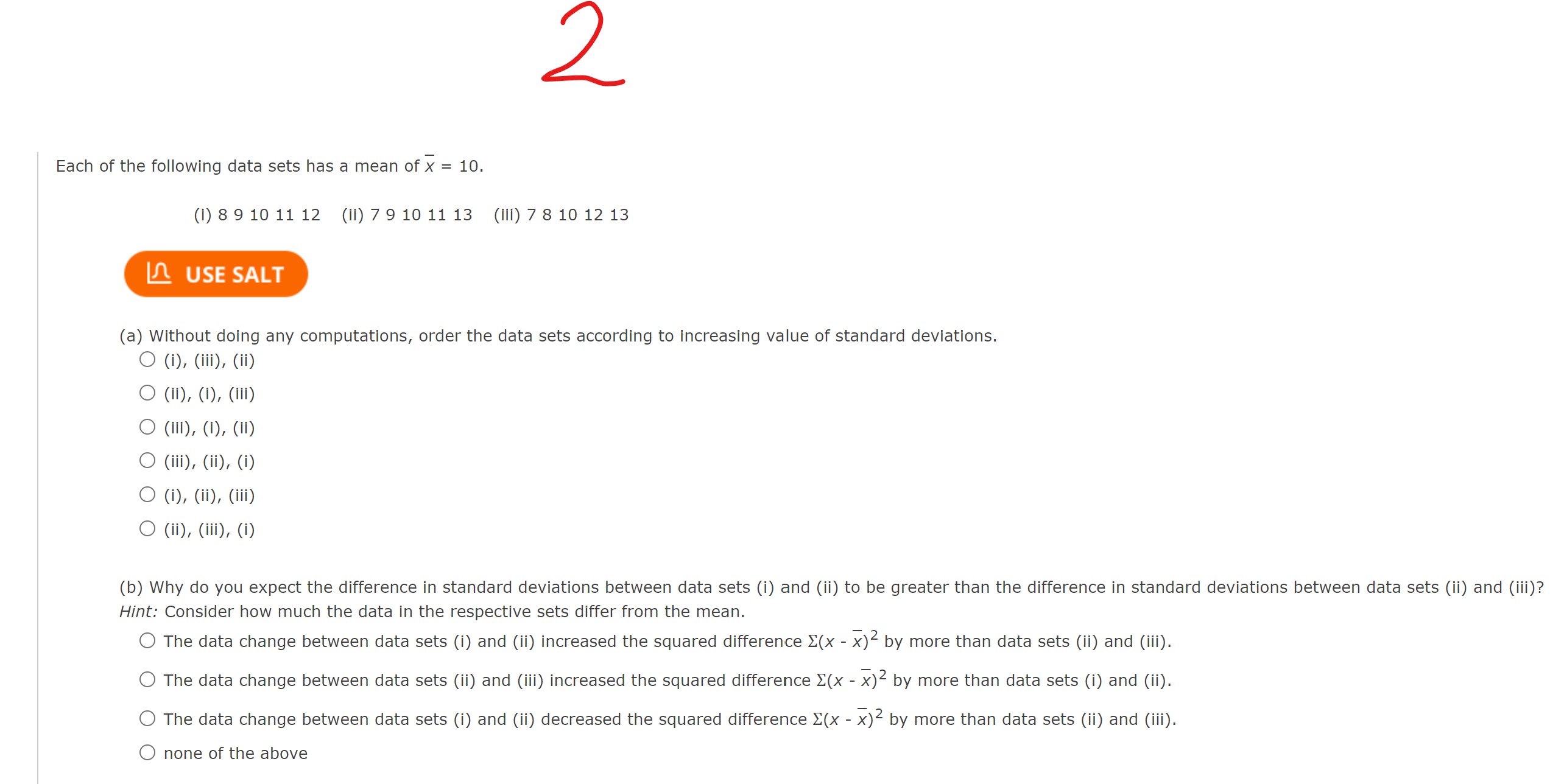
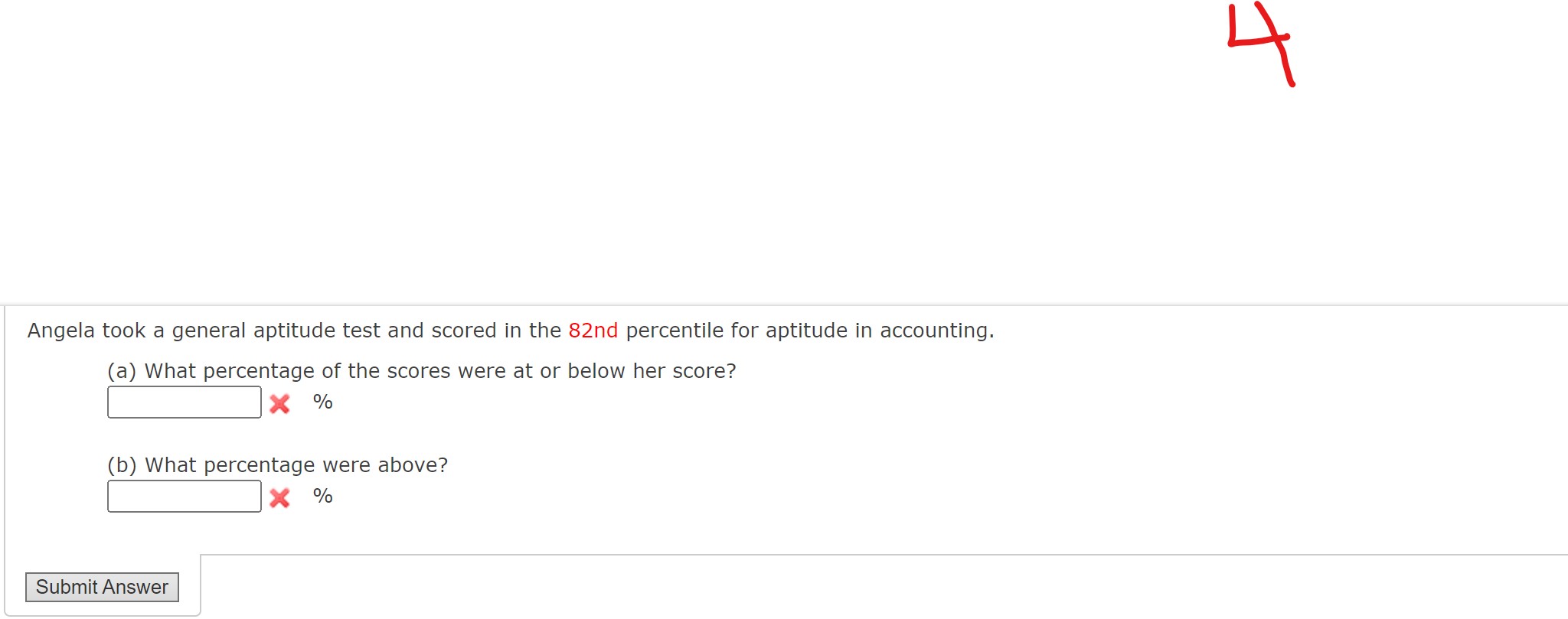
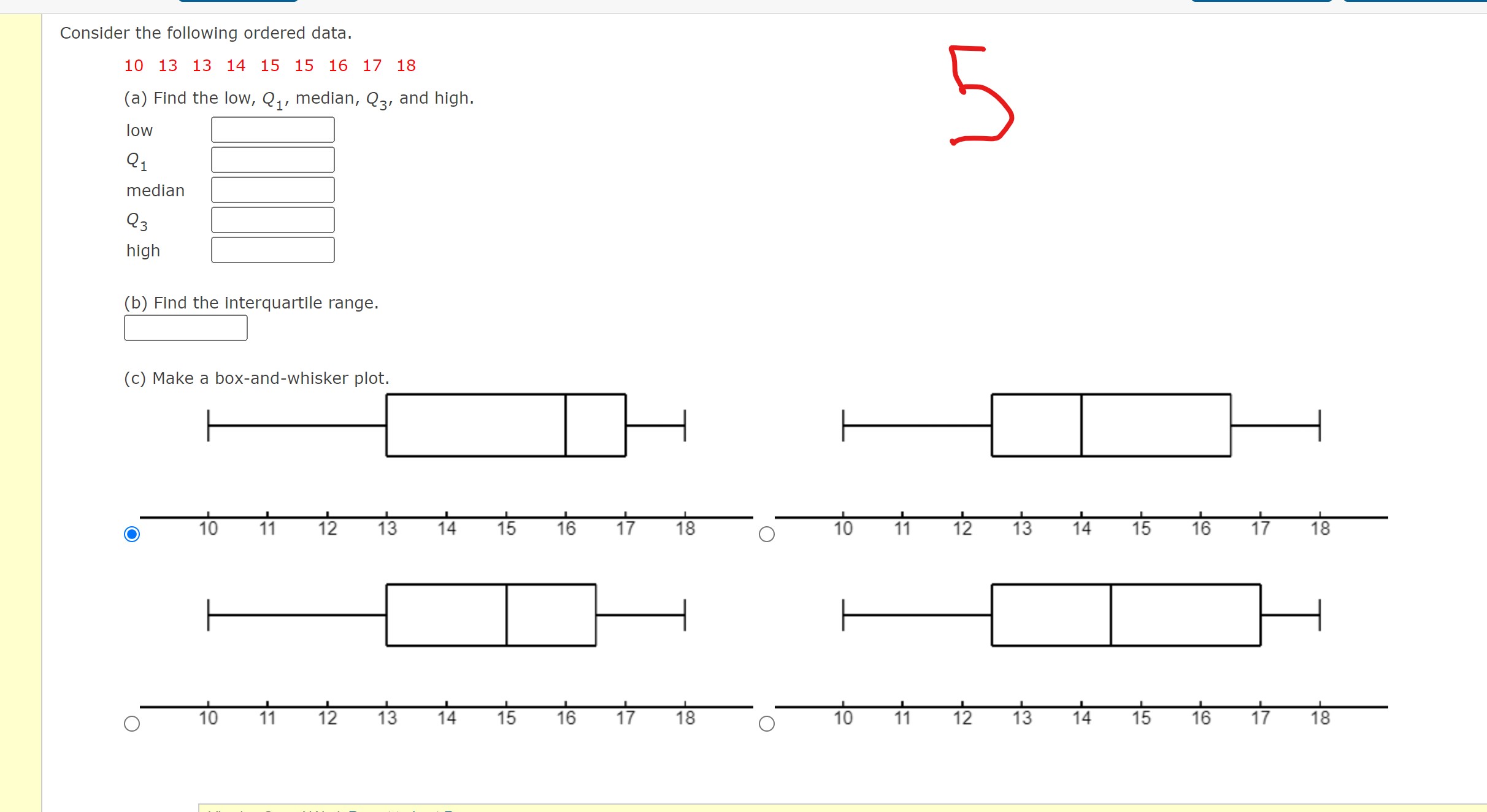
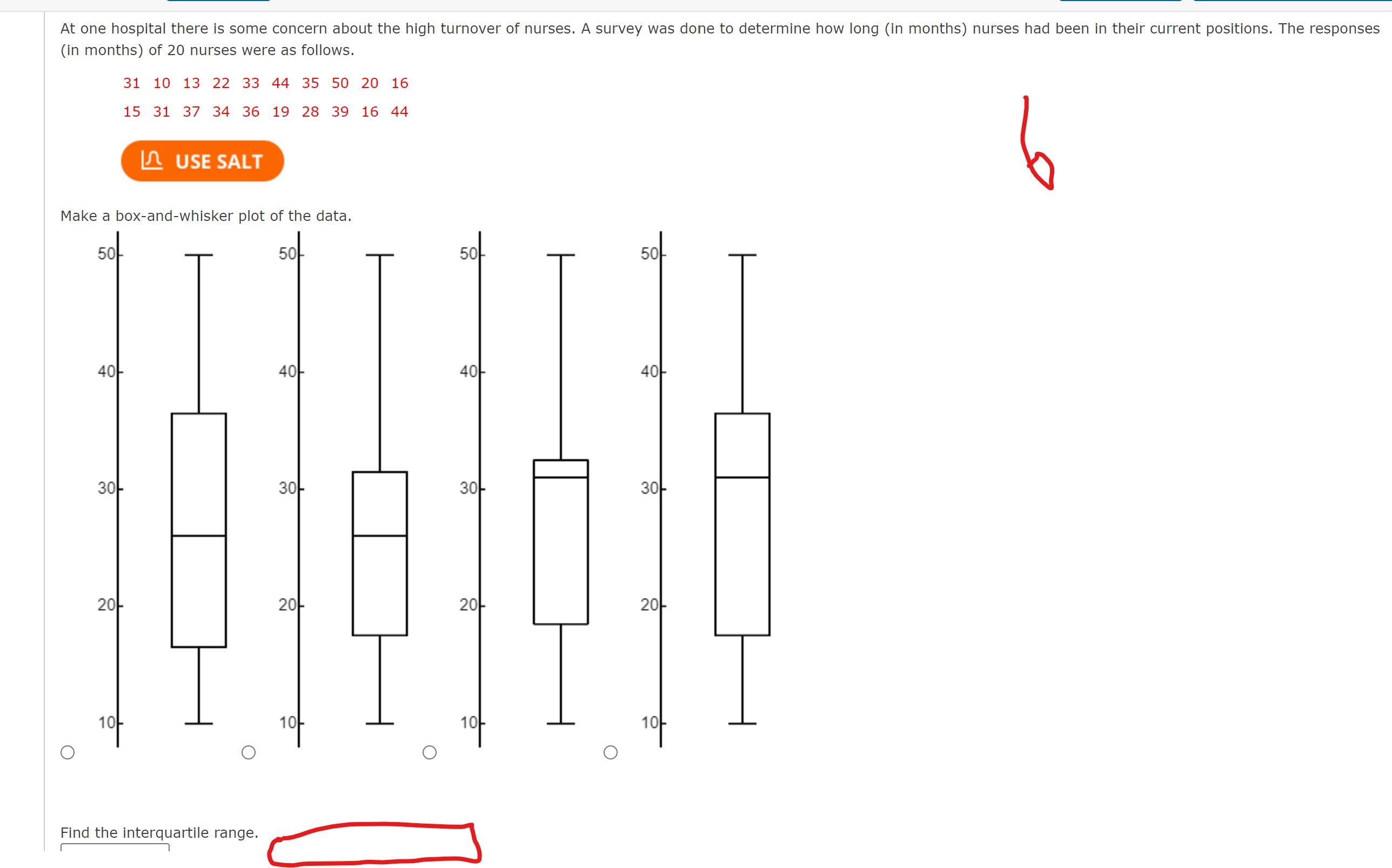
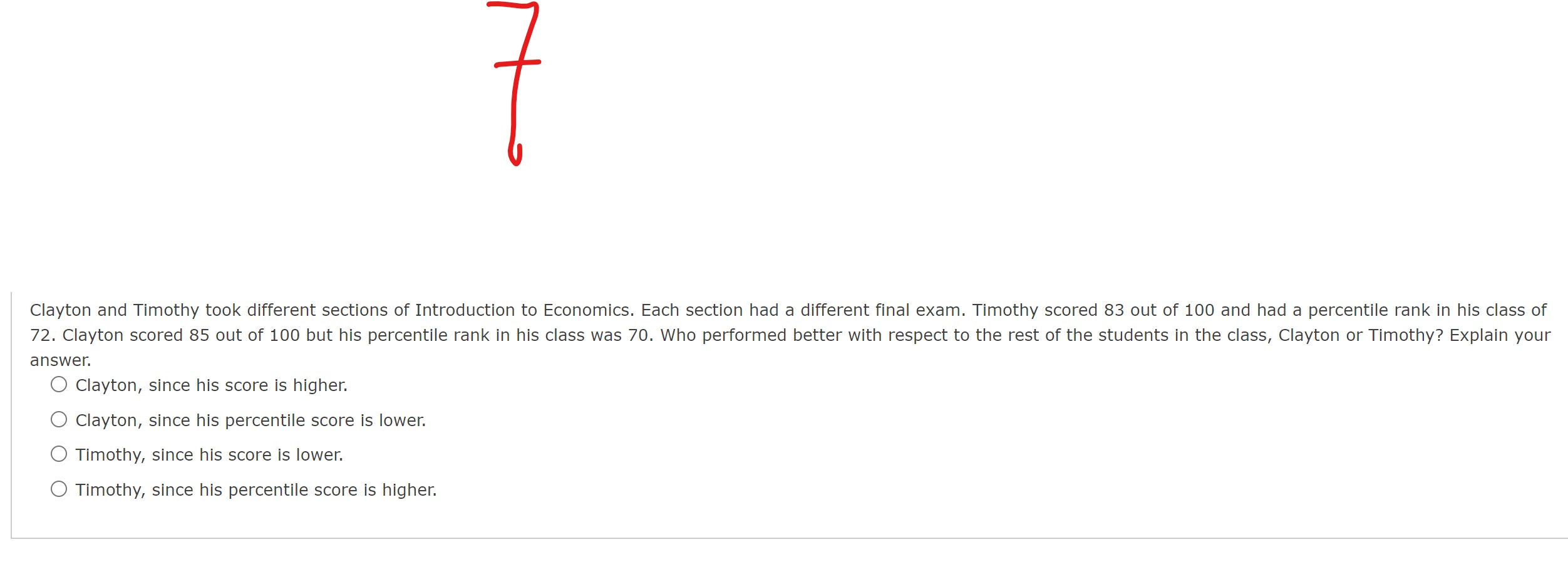
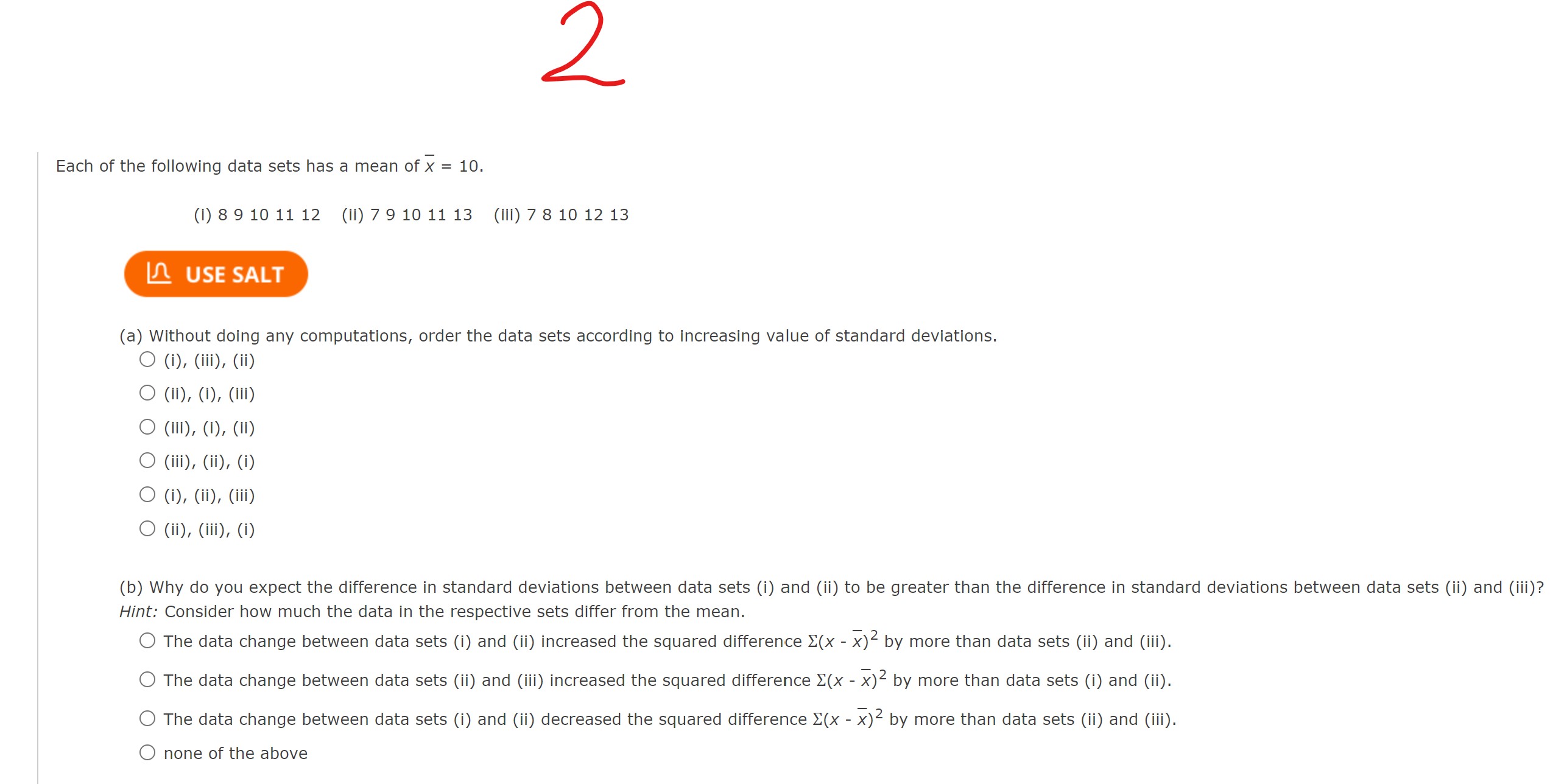
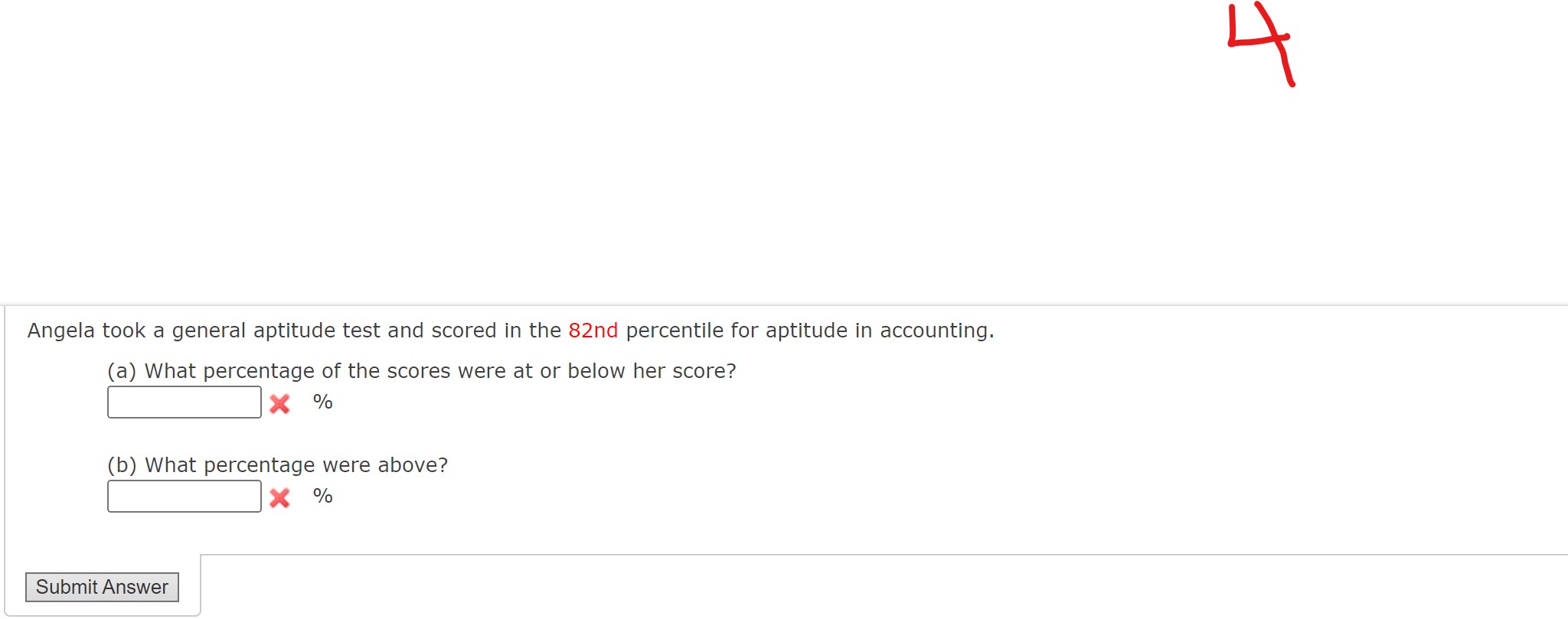
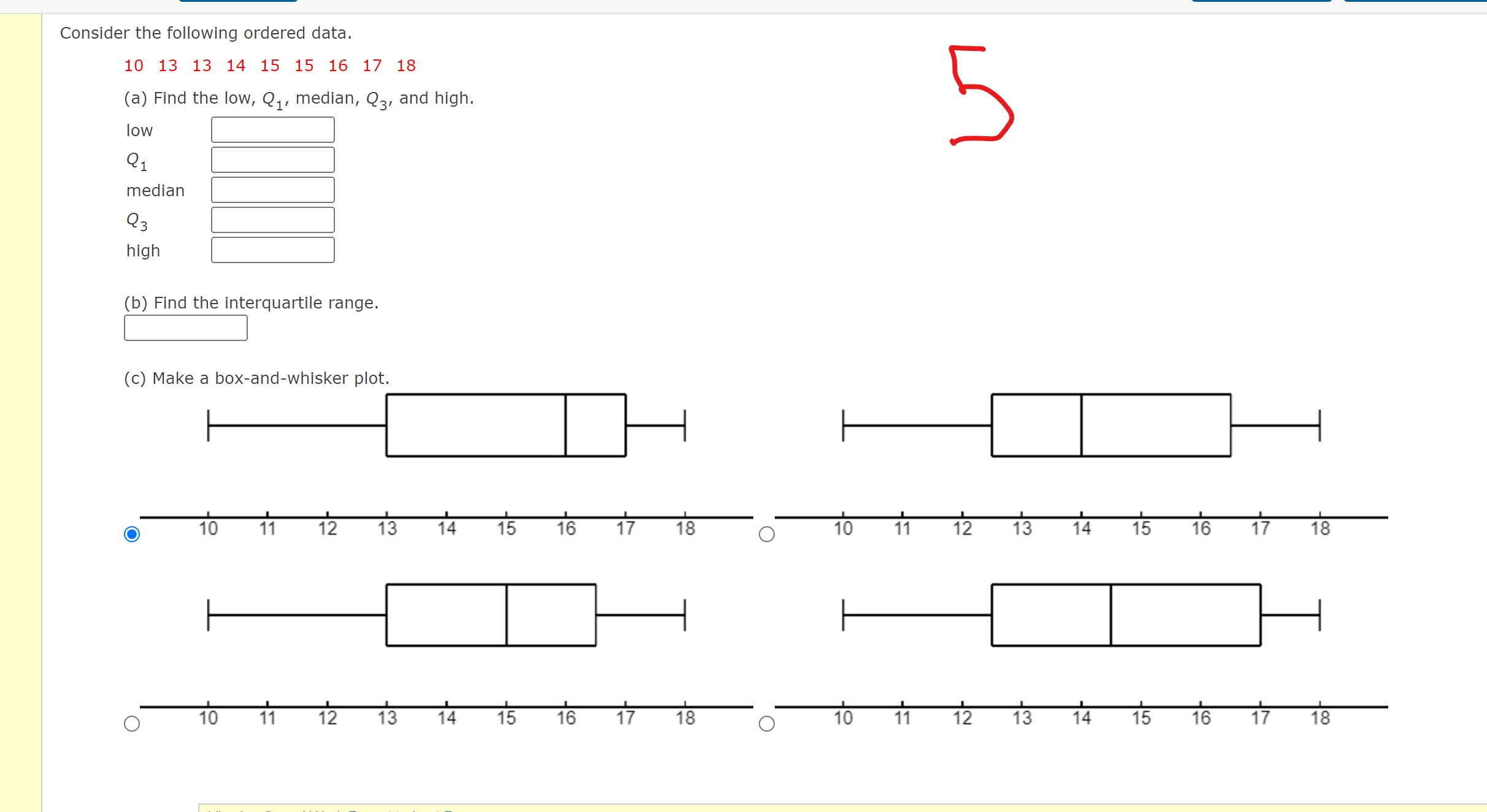
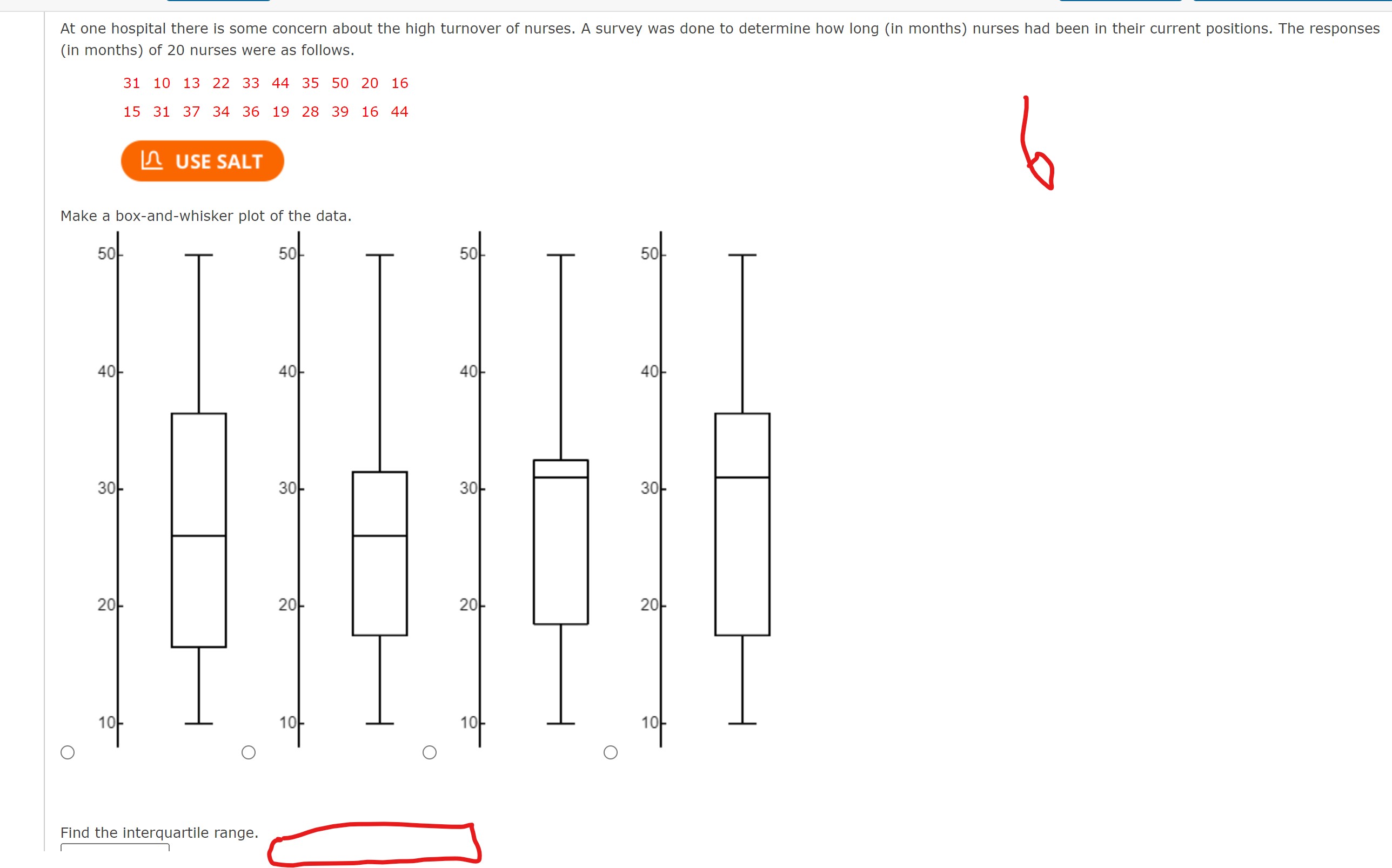
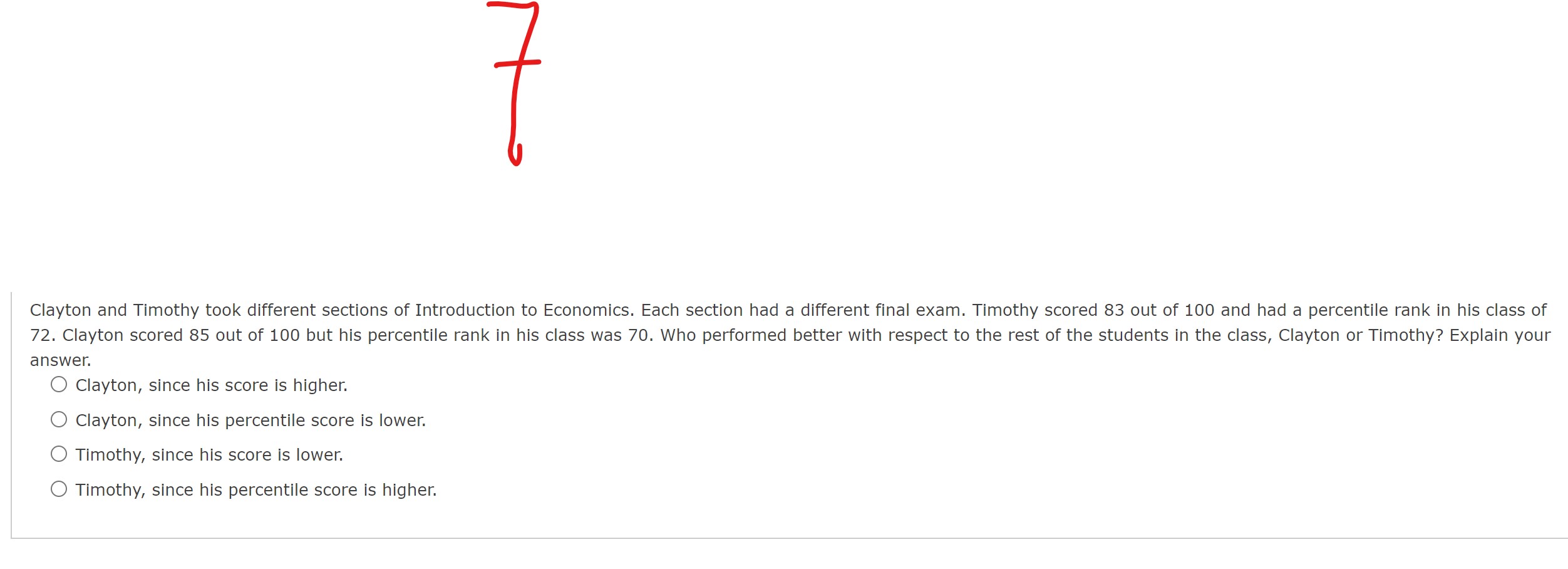
Consider the data set. 2, 3, 6, 7, 9 (a) Find the range. :l (b) Use the defining formula to compute the sample standard deviation 5. (Round your answer to two decimal places.) : (c) Use the defining formula to compute the population standard deviation 0. (Round your answer to two decimal places.) :1 Each of the following data sets has a mean of)? = 10. (089101112 0079101113 (\"078101213 Ia USES T (a) Without doing any computations, order the data sets according to Increasing value of standard deviations. O (i), (iii), (ii) 0 (ii), (i), (iii) 0 (iii), (i), (ii) 0 (iii), (ii), (i) O (i), (ii), (iii) 0 (ii), (iii), (i) (b) Why do you expect the difference in standard deviations between data sets (i) and (ii) to be greater than the difference in standard deviations between data sets (ii) and (iii)? Hint: Consider how much the data in the respective sets differ from the mean. 0 The data change between data sets (i) and (ii) increased the squared difference 2(X - :02 by more than data sets (ii) and (iii). 0 The data change between data sets (II) and (Ill) increased the squared difference 2(X - DZ by more than data sets (I) and (Ii). 0 The data change between data sets (i) and (ii) decreased the squared difference 21(x )2 by more than data sets (ii) and (iii). 0 none of the above Angela took a general aptitude test and scored in the 82nd percentile for aptitude in accounting. (a) What percentage of the scores were at or below her score? 3: % (b) What percentage were above? x % Submit Answer Consider the following ordered data. 10 13 13 14 15 15 16 17 18 (a) Find the low, Q1, median, Q3, and high. low Q1 median Q3 high (b) Find the interquartile range. :1 (c) Make a boxandwhisker plot. @@ |lI|llIlI 10 11 12 13 14 15 16 17 18 O 10 11 12 13 14 15 16 17 18 % At one hospital there is some concern about the high turnover of nurses. A survey was done to determine how long (in months) nurses had been in their current positions. The responses (In months) of 20 nurses were as follows. 31 10 13 22 33 44 35 50 20 16 15 31 37 34 36 19 28 39 16 44 lg usss Make a boxeandewhisker plot of the data. 50 50 50 50 4O 40 40 40 30 30 30 30 20 20 20 20 1O 10 10 10 O O O 0 Find the interquartile range. Q i% Clayton and Timothy took different sections of Introduction to Economics. Each section had a different final exam. Timothy scored 83 out of 100 and had a percentile rank in his class of 72. Clayton scored 85 out of 100 but his percentile rank in his class was 70. Who performed better with respect to the rest of the students in the class, Clayton or Timothy? Explain your answer. 0 Clayton, since his score is higher. 0 Clayton, since his percentile score is lower. 0 Timothy, since his score Is lower. 0 Timothy, since his percentile score is higher
Step by Step Solution
There are 3 Steps involved in it

Get step-by-step solutions from verified subject matter experts
 Study Help