Question: Using the guidelines for gaining power, develop a plan for increasing your power in an organizational setting. Describe the setting, including the factors you feel
Using the guidelines for gaining power, develop a plan for increasing your power in an organizational setting. Describe the setting, including the factors you feel account for your feelings of powerlessness. Formulate a detailed strategy for increasing your positional and personal power. Report on your results and describe the benefits of becoming more empowered.
I dont want the same answer from other people. you can just give me the plan and i can finish the rest if you feel too hard.
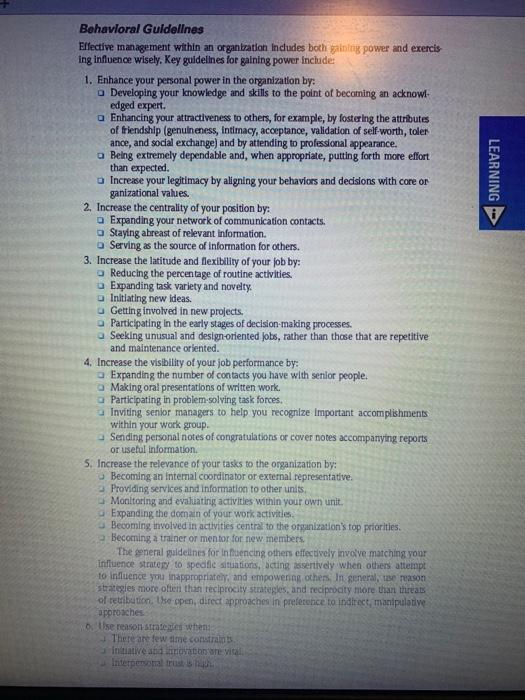
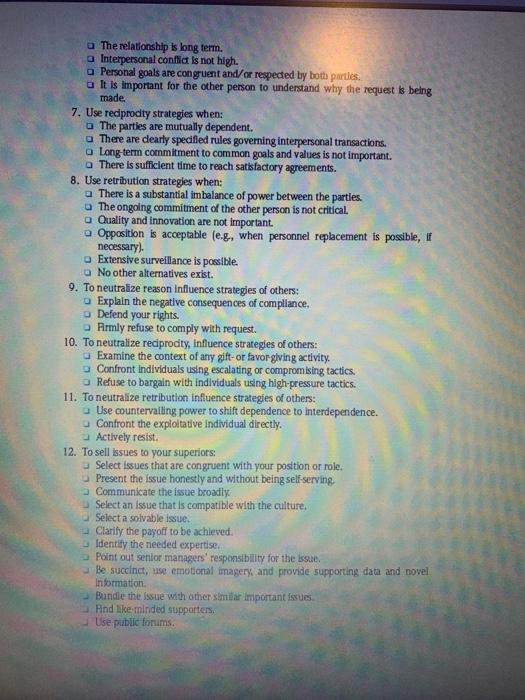
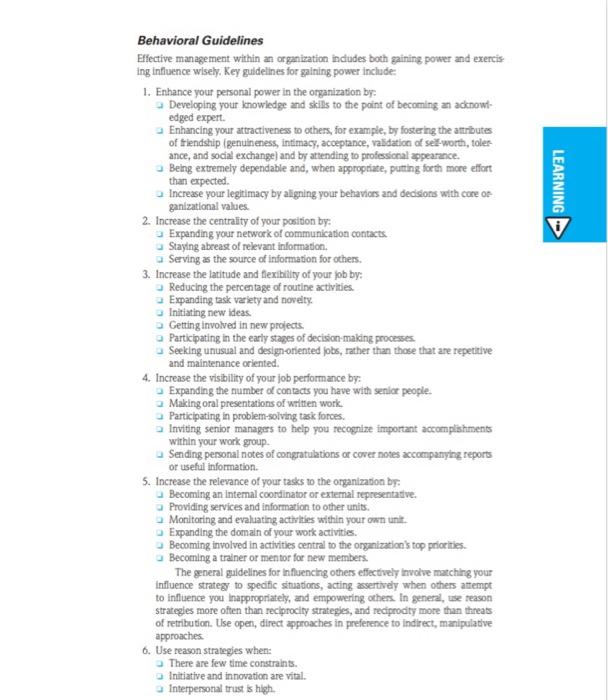
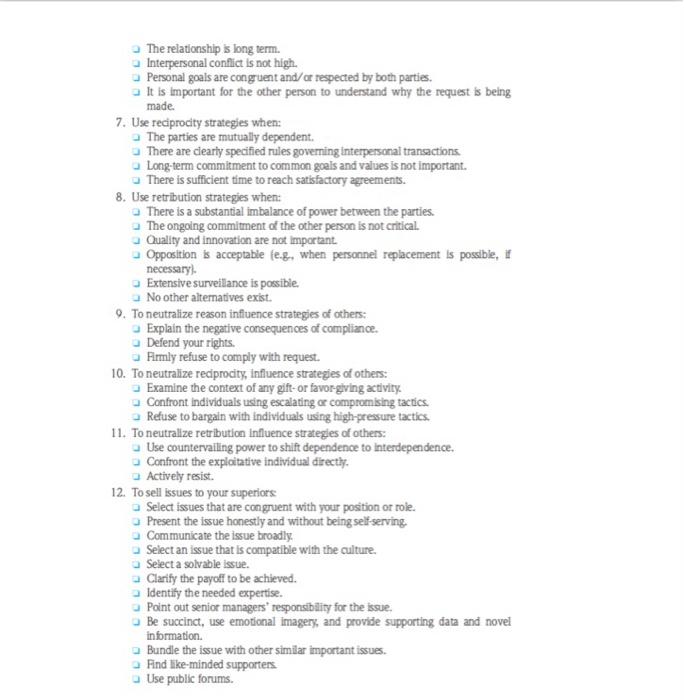
LEARNING Behavioral Guidelines Effective management within an organization includes both gaining power and exercis ing influence wisely. Key guidelines for gaining power include: 1. Enhance your personal power in the organization by: Developing your knowledge and skills to the point of becoming an acknowl- edged expert a Enhancing your attractiveness to others, for example, by fostering the attributes of friendship (genuineness, intimacy, acceptance, validation of self-worth, toler ance, and social exchange) and by attending to professional appearance. a Being extremely dependable and, when appropriate, putting forth more effort than expected. Increase your legitimacy by aligning your behaviors and decisions with core or ganizational values. 2. Increase the centrality of your position by: Expanding your network of communication contacts. Staying abreast of relevant information a Serving as the source of information for others. 3. Increase the latitude and flexibility of your job by: Reducing the percentage of routine activities. a Expanding task variety and novelty. Initiating new ideas. Getting involved in new projects. Participating in the early stages of decision-making processes. . Seeking unusual and design-oriented Jobs, rather than those that are repetitive and maintenance oriented. 4. Increase the visibility of your job performance by: Expanding the number of contacts you have with senior people, Making oral presentations of written work. o Participating in problem-solving task forces. Inviting senior managers to help you recognize Important accomplishments within your work group. Sending personal notes of congratulations or cover notes accompanying reports or useful information 5. Increase the relevance of your tasks to the organization by: Becoming an internal coordinator or external representative. Providing services and information to other units Monitoring and evaluating activities within your own unit. Expanding the domain of your work activities Becoming involved in activities central to the organization's top priorities Becoming a trainer or mentor for new members. The general guidelines for influencing others effectively involve matching your influence straty to specific situations, acting assertively when others attempt to influence you inappropriately and empowering others. In general, te reason strategies more often than reciprocity strategies, and reciprocity more than threats of retribution, the open, direct approaches in preference to indirect manipulative approaches Use reason Strees when 1 There are few time constraints initiative and nation are vil The relationship is long term. a Interpersonal confild is not high. a Personal goals are congruent and/or respected by both parties a It is important for the other person to understand why the request is being made 7. Use reciprocity strategies when: The parties are mutually dependent. There are dearly specified rules governing interpersonal transactions. a Long-term commitment to common goals and values is not important. There is sufficient time to reach satisfactory agreements. 8. Use retribution strategies when: There is a substantial imbalance of power between the parties. The ongoing commitment of the other person is not critical a Quality and innovation are not important. a Opposition is acceptable (eg, when personnel replacement is possible, If necessary). Extensive surveillance is possible No other alternatives exist. 9. To neutralize reason influence strategies of others: Explain the negative consequences of compliance. Defend your rights. Firmly refuse to comply with request. 10. To neutralize reciprocity, influence strategies of others: Examine the context of any gift-or favor giving activity Confront individuals using escalating or compromising tactics. Refuse to bargain with individuals using high-pressure tactics. 11. To neutralize retribution influence strategies of others: Use countervailing power to shift dependence to interdependence. Confront the exploitative individual directly. Actively resist. 12. To sell issues to your superiors: Select issues that are congruent with your position or role. Present the issue honestly and without being self-serving Communicate the issue broadly. Select an issue that is compatible with the culture. Select a solvable issue. Clarify the payoff to be achieved. Identify the needed expertise. Point out senior managers' responsibility for the issue. a Be succinct, use emotional imagery, and provide supporting data and novel Information Bundle the issue with other similar important issues Find like-minded supporters Use public forums LEARNING Behavioral Guidelines Effective management within an organization indudes both gaining power and exercis ing influence wisely. Key guidelines for gaining power include: 1. Enhance your personal power in the organization by: Developing your knowledge and skills to the point of becoming an adknow- edged expert Enhancing your attractiveness to others, for example, by fostering the attributes of friendship (genuineness, intimacy, acceptance, validation of sex-worth, toler ance, and social exchange) and by attending to professional appearance. Being extremely dependable and, when appropriate, putting forth more effort than expected. Increase your legitimacy by aligning your behaviors and decisions with core of ganizational values. 2. Increase the centrality of your position by: Expending your network of communication contacts Staying abreast of relevant information Serving as the source of information for others. 3. Increase the latitude and flexibility of your job by: Reducing the percentage of routine activities. Expanding task variety and novelty. Initiating new ideas Getting involved in new projects, a Participating in the early stages of decision-making processes Seeking unusual and design oriented jobs, rather than those that are repetitive and maintenance oriented. 4. Increase the visibility of your job performance by: Expanding the number of contacts you have with senior people. Making oral presentations of written work Participating in problem-solving task forces. Inviting senior managers to help you recognize important accomplishments within your work group Sending personal notes of congratulations or cover notes accompanying reports or useful information 5. Increase the relevance of your tasks to the organization by: Becoming an interal coordinator or extemal representative Providing services and Information to other units. Monitoring and evaluating activities within your own unit. Expanding the domain of your work activities. Becoming involved in activities central to the organization's top priorities Becoming a trainer or mentor for new members. The general guidelines for influencing others effectively involve matching your Influence strategy to specific situations, acting assertively when others attempt to influence you inappropriately, and empowering others in general, se reason strategies more often than reciprocity strategies, and reciprocity more than threats of retribution. Use operi, direct approaches in preference to indirect, manipulative approaches 6. Use reason strategies when: There are few time constraints. Initiative and innovation are vital. Interpersonal trust is high The relationship is long term. Interpersonal conflict is not high. Personal goals are congruent and/or respected by both parties. It is important for the other person to understand why the request is being made. 7. Use reciprocity strategies when: The parties are mutually dependent There are clearly specified rules governing interpersonal transactions Long-term commitment to common goals and values is not important. There is sufficient time to reach satisfactory agreements. 8. Use retribution strategies when: a There is a substantial imbalance of power between the parties. The ongoing commitment of the other person is not critical Quality and innovation are not important Opposition is acceptable (e.g., when personnel replacement is possible, 1 necessary). Extensive surveillance is possible. No other alternatives exist. 2. To neutralize reason influence strategies of others: Explain the negative consequences of compliance. Defend your rights. Firmly refuse to comply with request. 10. To neutralize reciprocity, Influence strategies of others: Examine the context of any gift-or favor-giving activity. Confront individuals using escalating or compromising tactics a Refuse to bargain with individuals using high-pressure tactics. 11. To neutralize retribution Influence strategies of others: Use countervailing power to shift dependence to interdependence. Confront the exploitative individual directly. Actively resist. 12. To sell issues to your superiors Select issues that are congruent with your position or role. Present the issue honestly and without being self-serving Communicate the issue broadly, Select an issue that is compatible with the culture. Select a solvable issue. Clarify the payoff to be achieved. 2 Identify the needed expertise. Point out senior managers' responsibility for the issue. Be succinct, use emotional imagery, and provide supporting data and novel information. Bundle the issue with other similar important issues. Find like-minded supporters Use public forums









 Study Help