







Question: using weighted average cost method Weighted Average Cost Method with Perpetual Inventory The beginning inventory for Dunne Co. and data on purchases and sales for
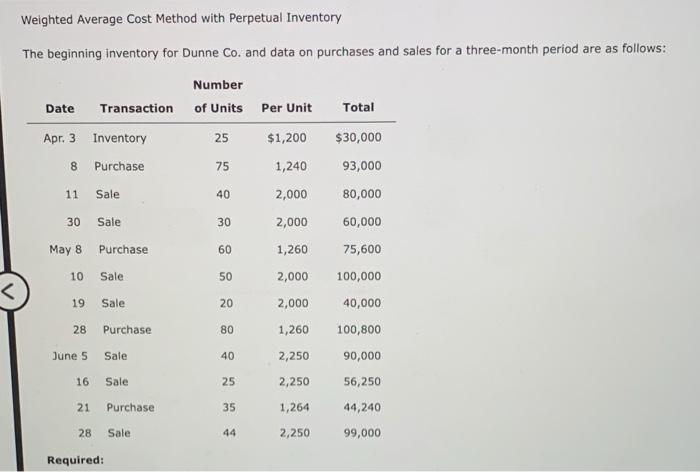
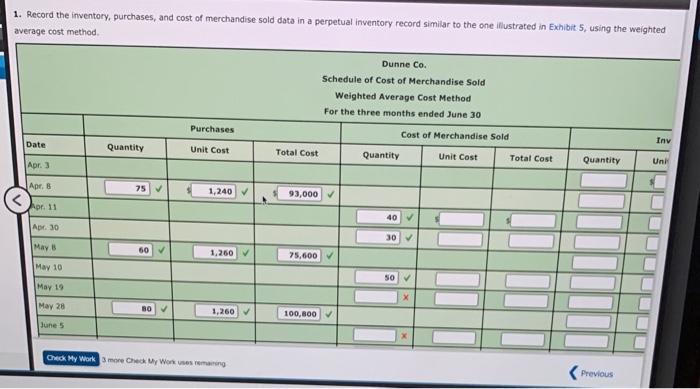
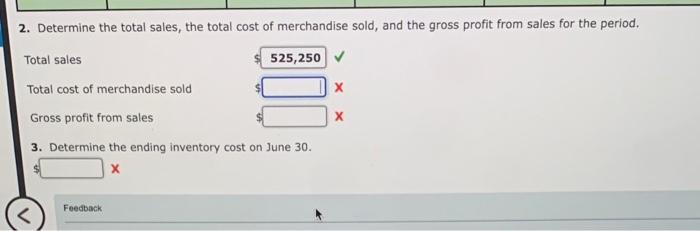
Weighted Average Cost Method with Perpetual Inventory The beginning inventory for Dunne Co. and data on purchases and sales for a three-month period are as follows: Date Transaction Apr. 3 Inventory 8 Purchase 11 30 May 8 10 19 28 June 5 16 21 28 Sale Sale Purchase Sale Sale Purchase Sale Sale Required: Purchase Sale Number of Units 25 75 40 30 60 50 20 80 40 25 35 44 Per Unit Total $1,200 $30,000 1,240 93,000 2,000 80,000 2,000 60,000 1,260 75,600 2,000 100,000 2,000 40,000 1,260 100,800 2,250 90,000 2,250 56,250 1,264 44,240 2,250 99,000 1. Record the inventory, purchases, and cost of merchandise sold data in a perpetual inventory record similar to the one illustrated in Exhibit 5, using the weighted average cost method. Date Apr. 3 Apr. 8 Apr. 11 Apr. 30 May B May 10 May 19 May 28 June 5 Quantity 75 60 80 Purchases Unit Cost 1,240 1,260 1,260 Check My Work 3 more Check My Work uses remaining Total Cost Dunne Co. Schedule of Cost of Merchandise Sold Weighted Average Cost Method For the three months ended June 30 93,000 75,600 V 100,800 Quantity 40 30 50 Cost of Merchandise Sold Unit Cost Total Cost Quantity Previous Inv Uni 2. Determine the total sales, the total cost of merchandise sold, and the gross profit from sales for the period. Total sales Total cost of merchandise sold Gross profit from sales 3. Determine the ending inventory cost on June 30. X 525,250 Feedback X
Step by Step Solution
There are 3 Steps involved in it

Get step-by-step solutions from verified subject matter experts
 Study Help