







Question: What are the major variables in this study including conceptual and operational definitions of the variables. International Journal of Caring Sciences January - April 2020
What are the major variables in this study including conceptual and operational definitions of the variables.
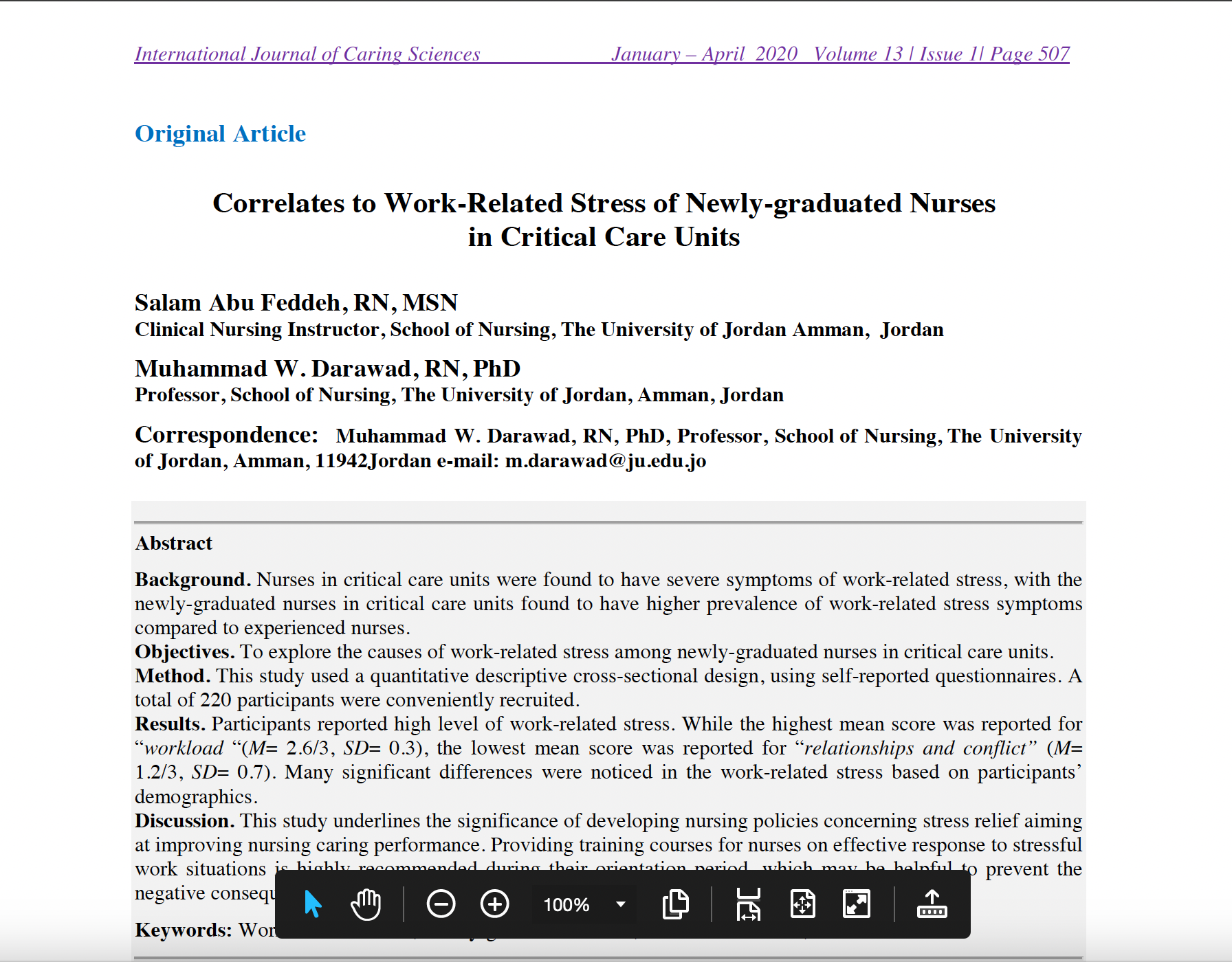
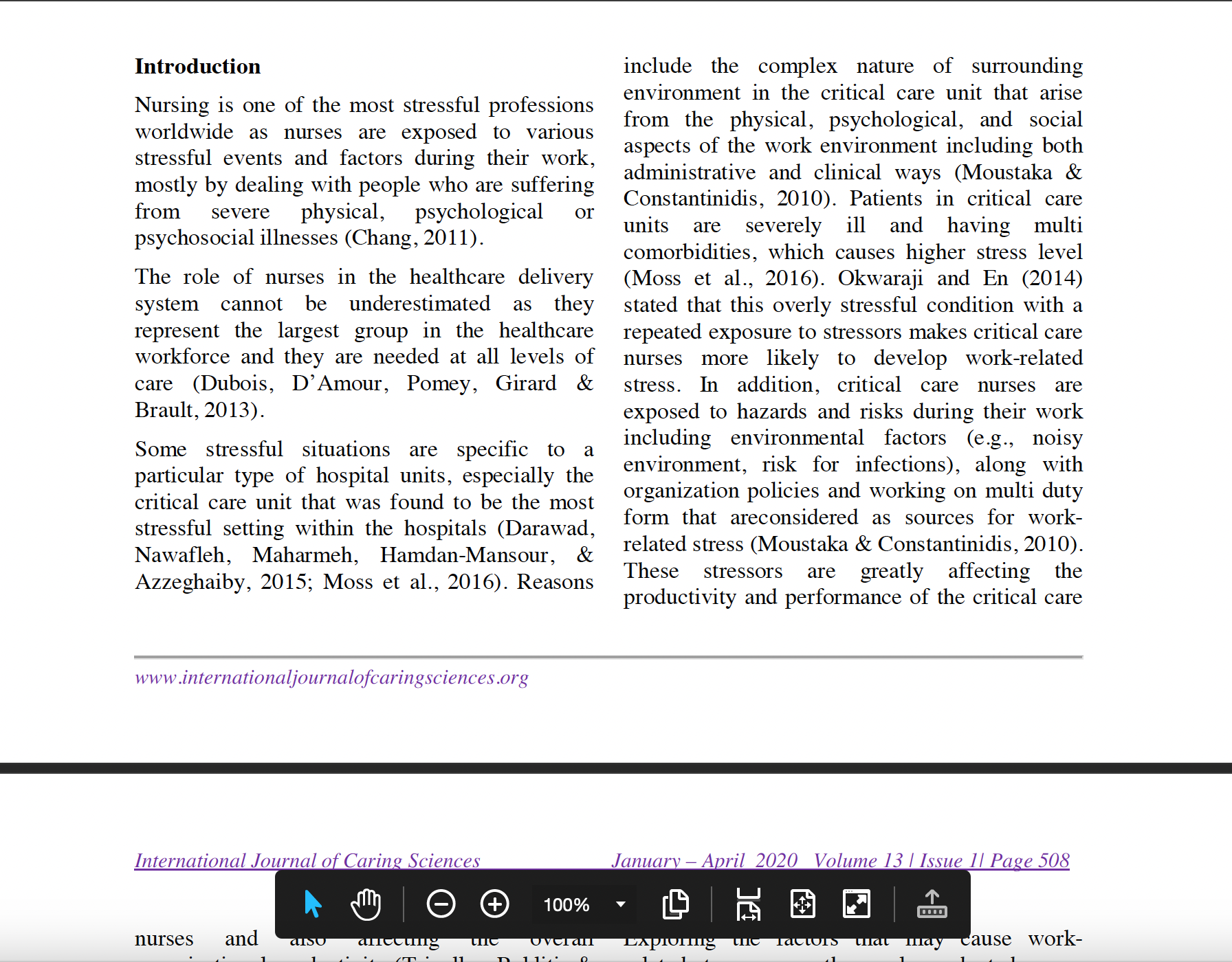
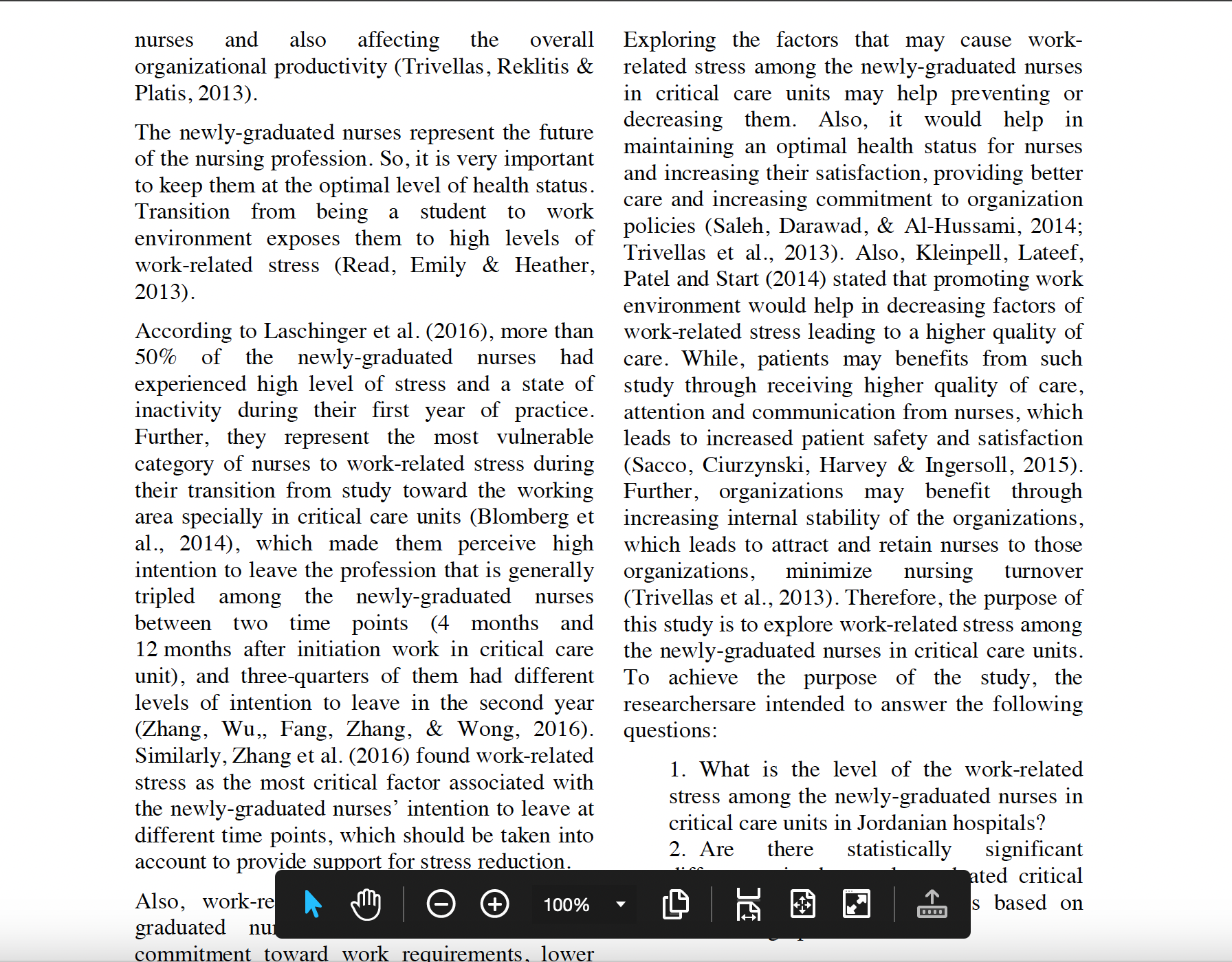
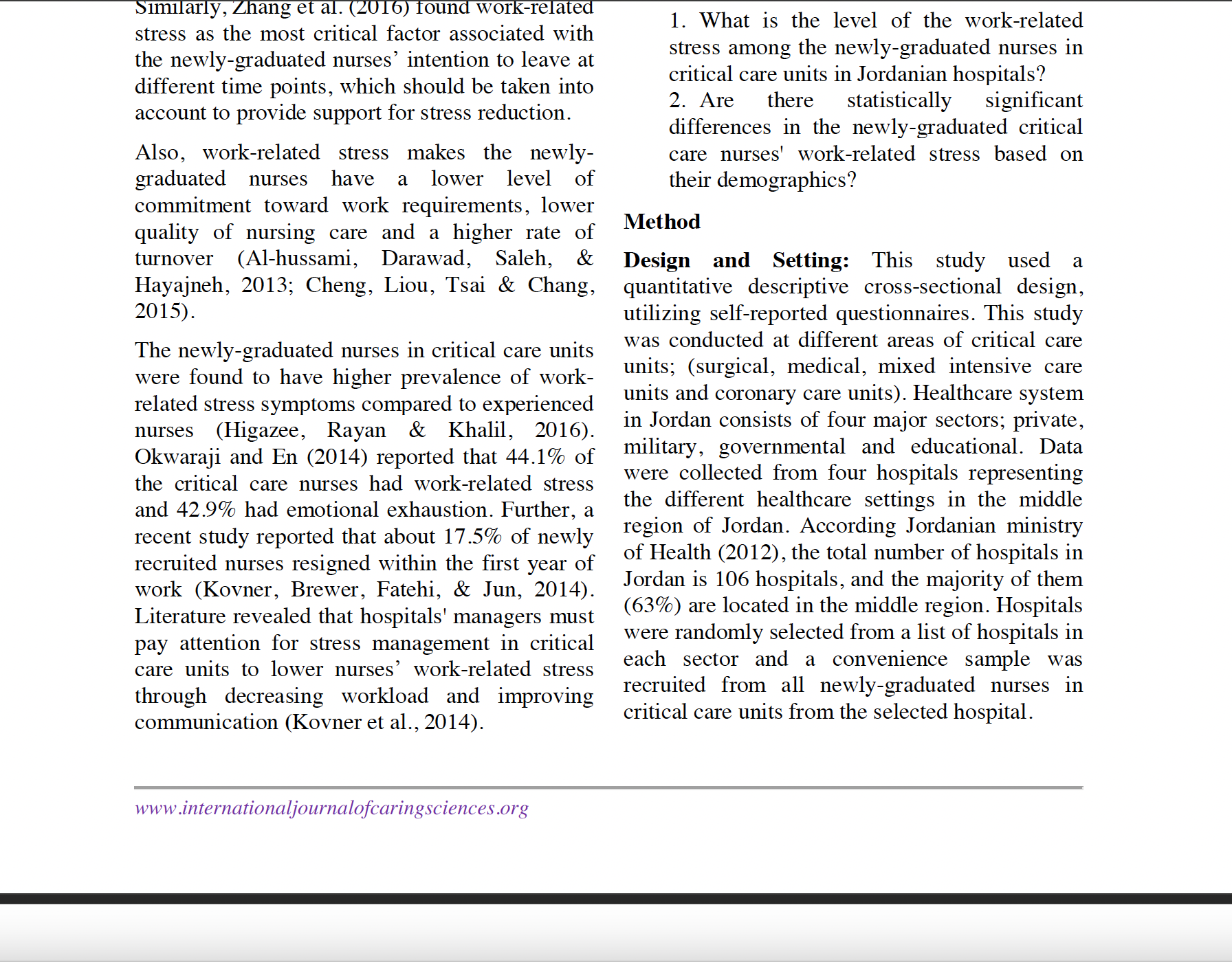
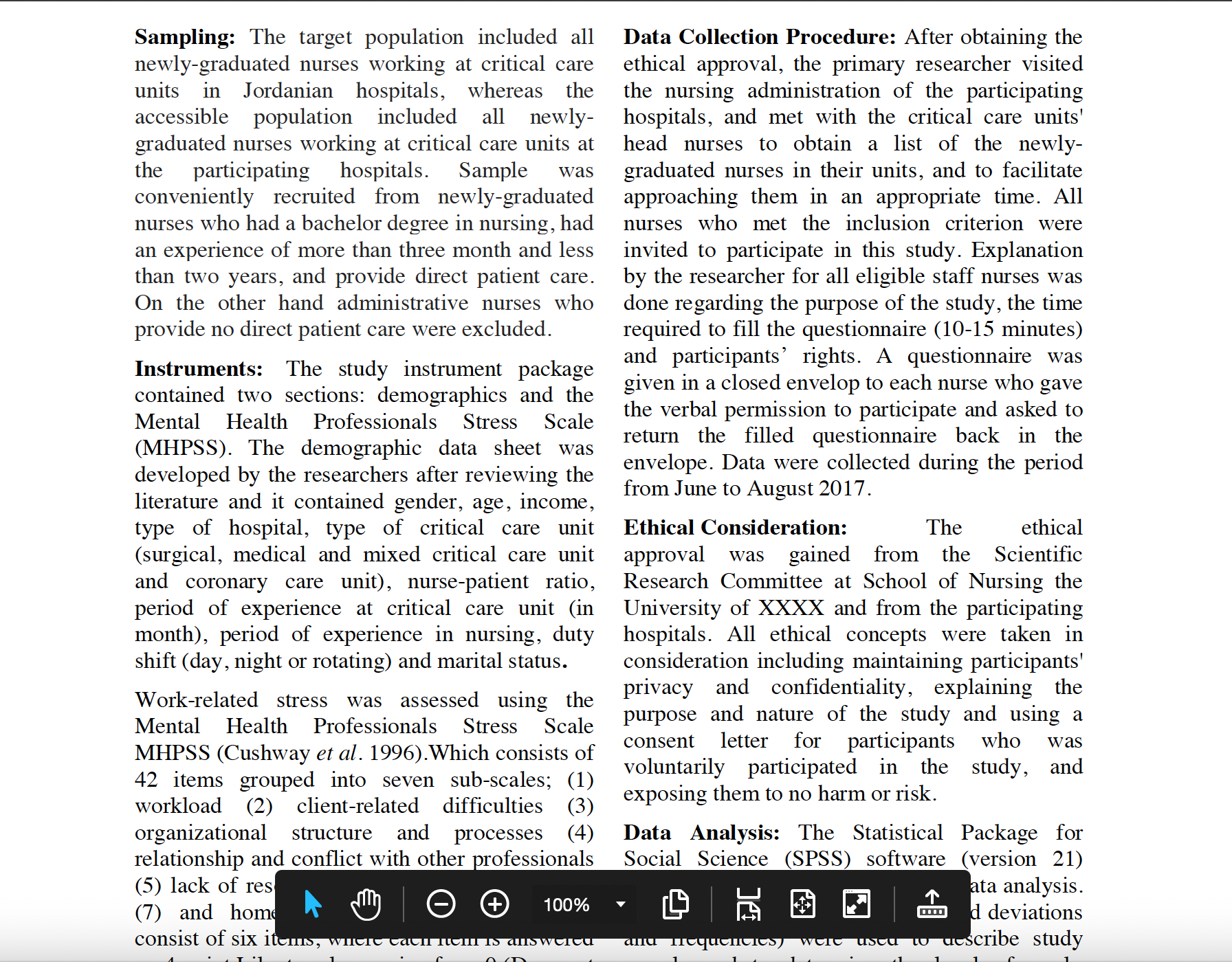
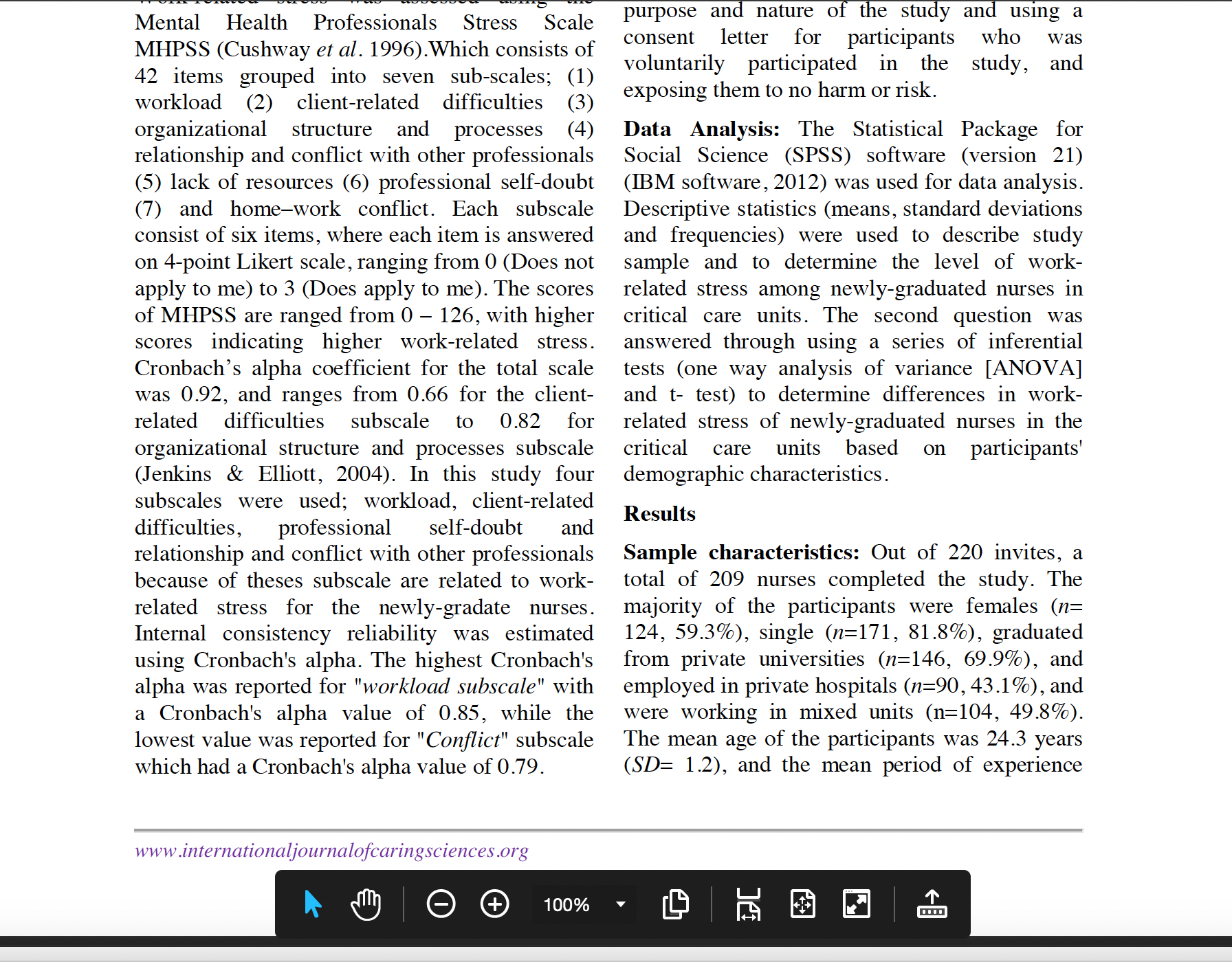
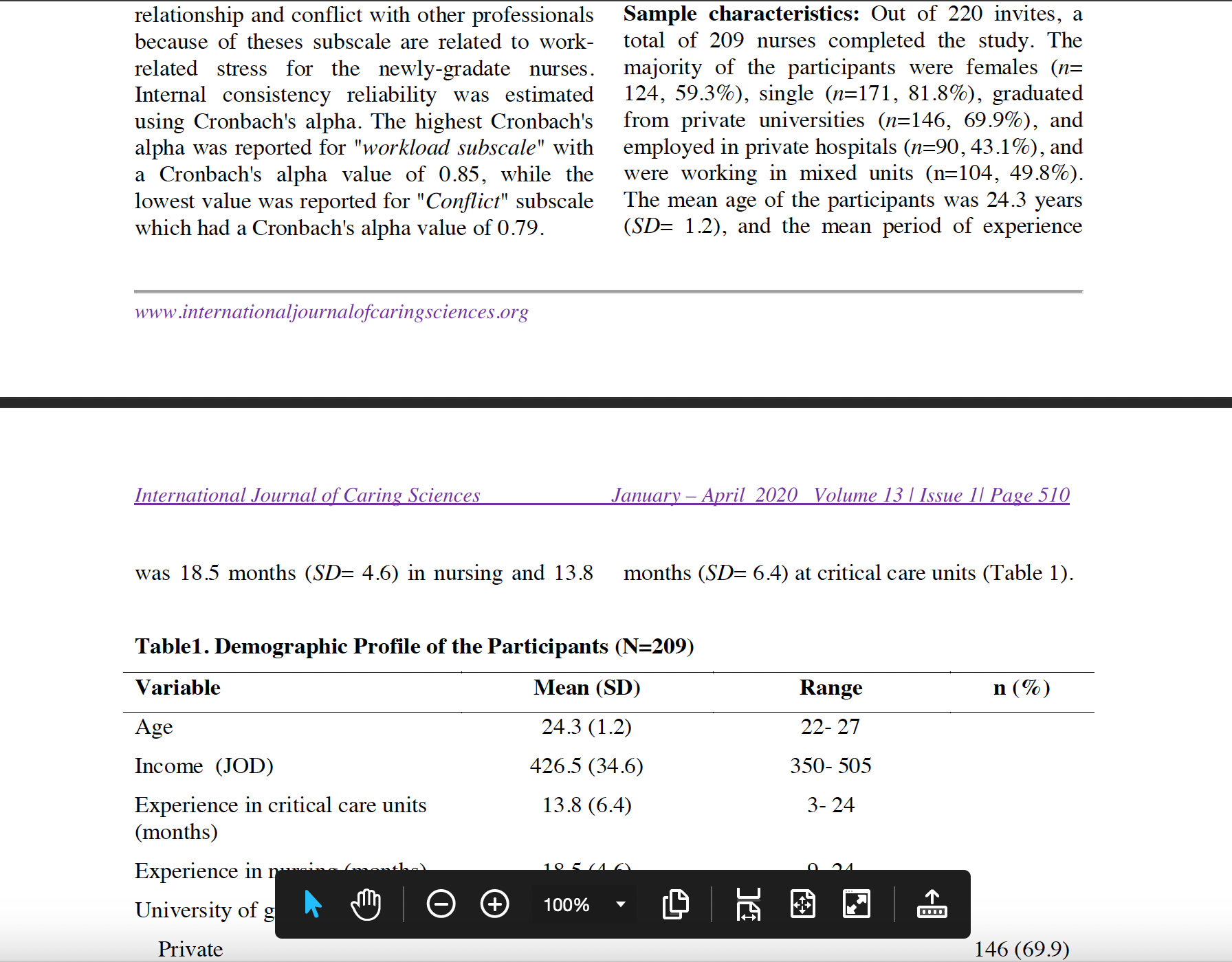
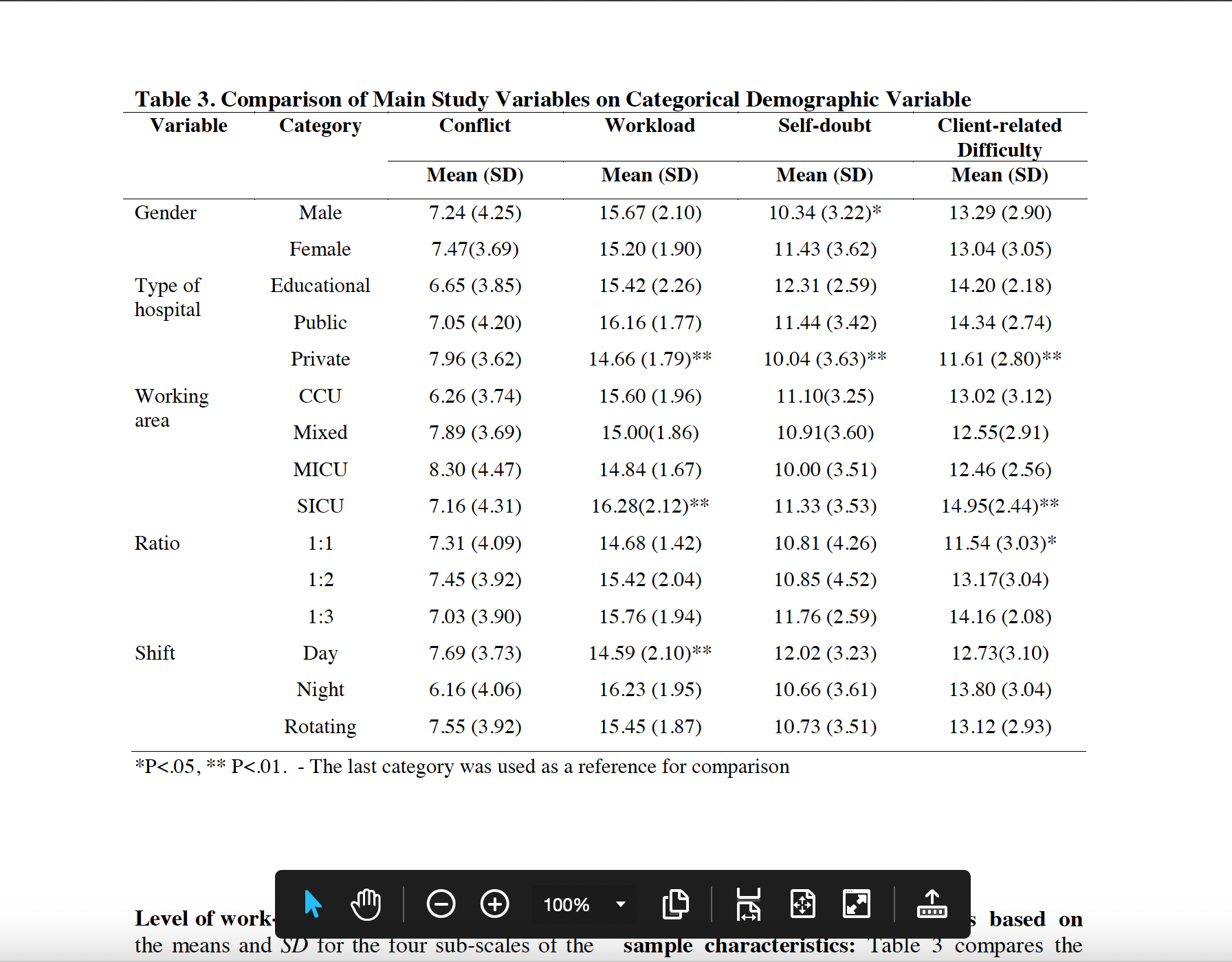
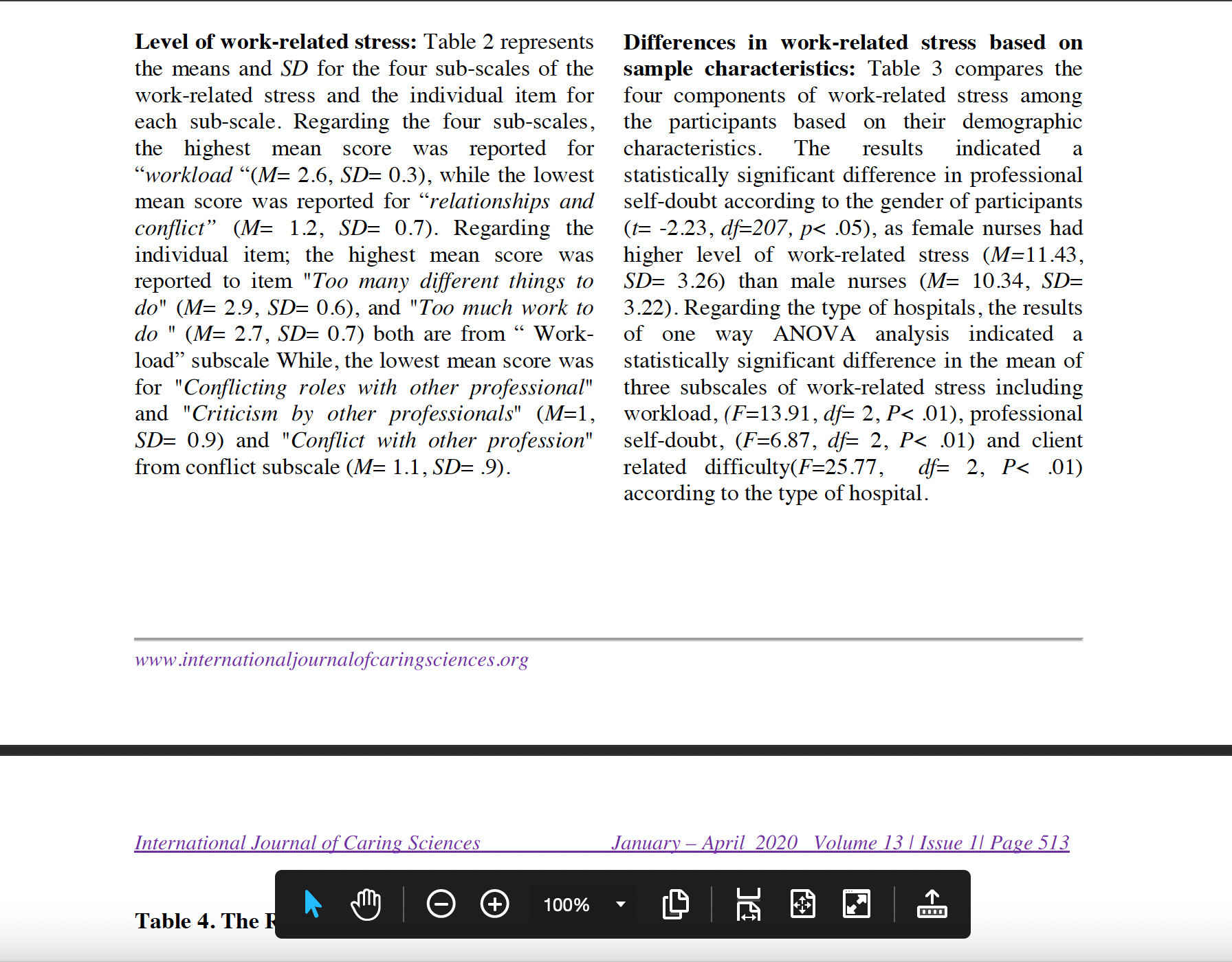
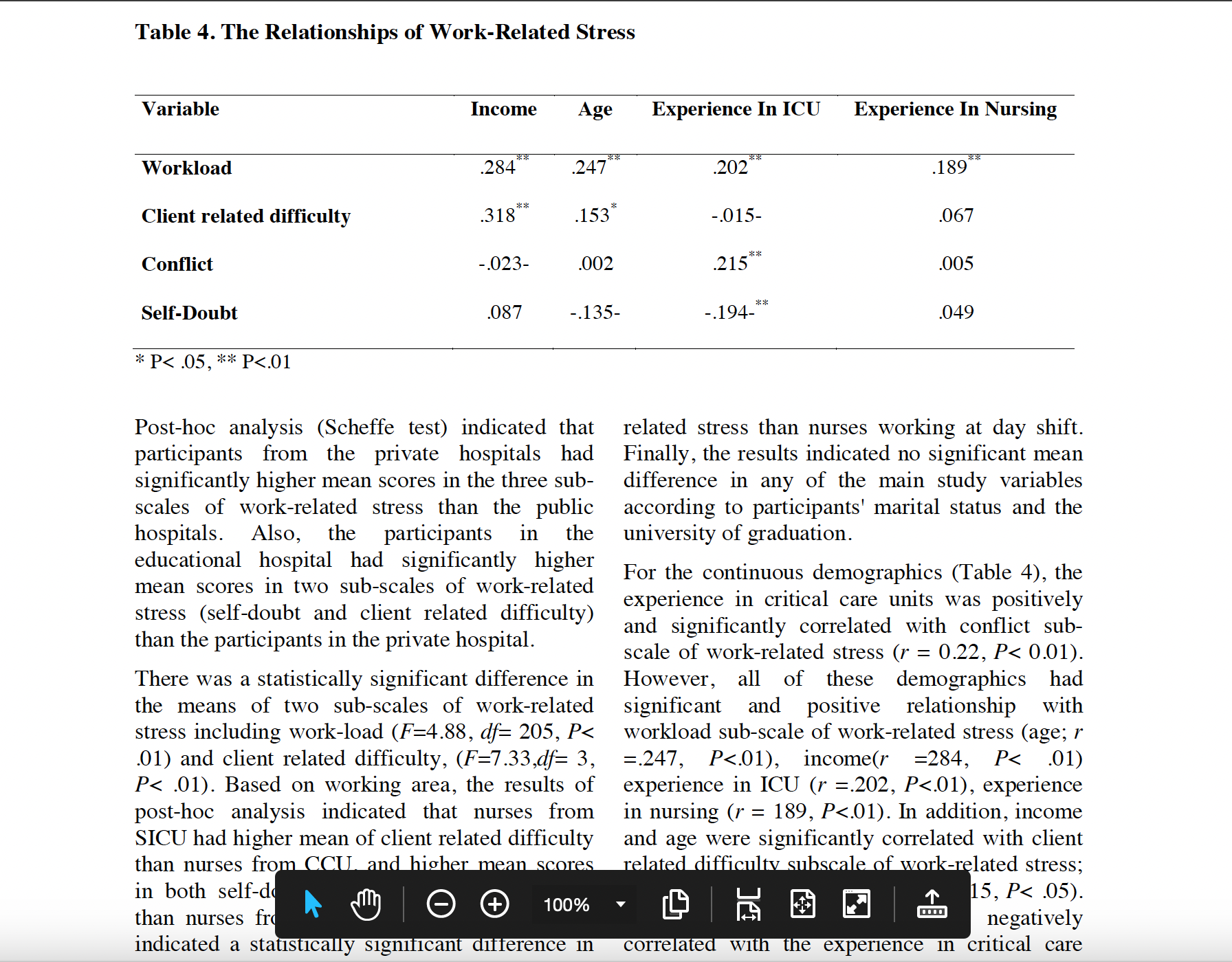
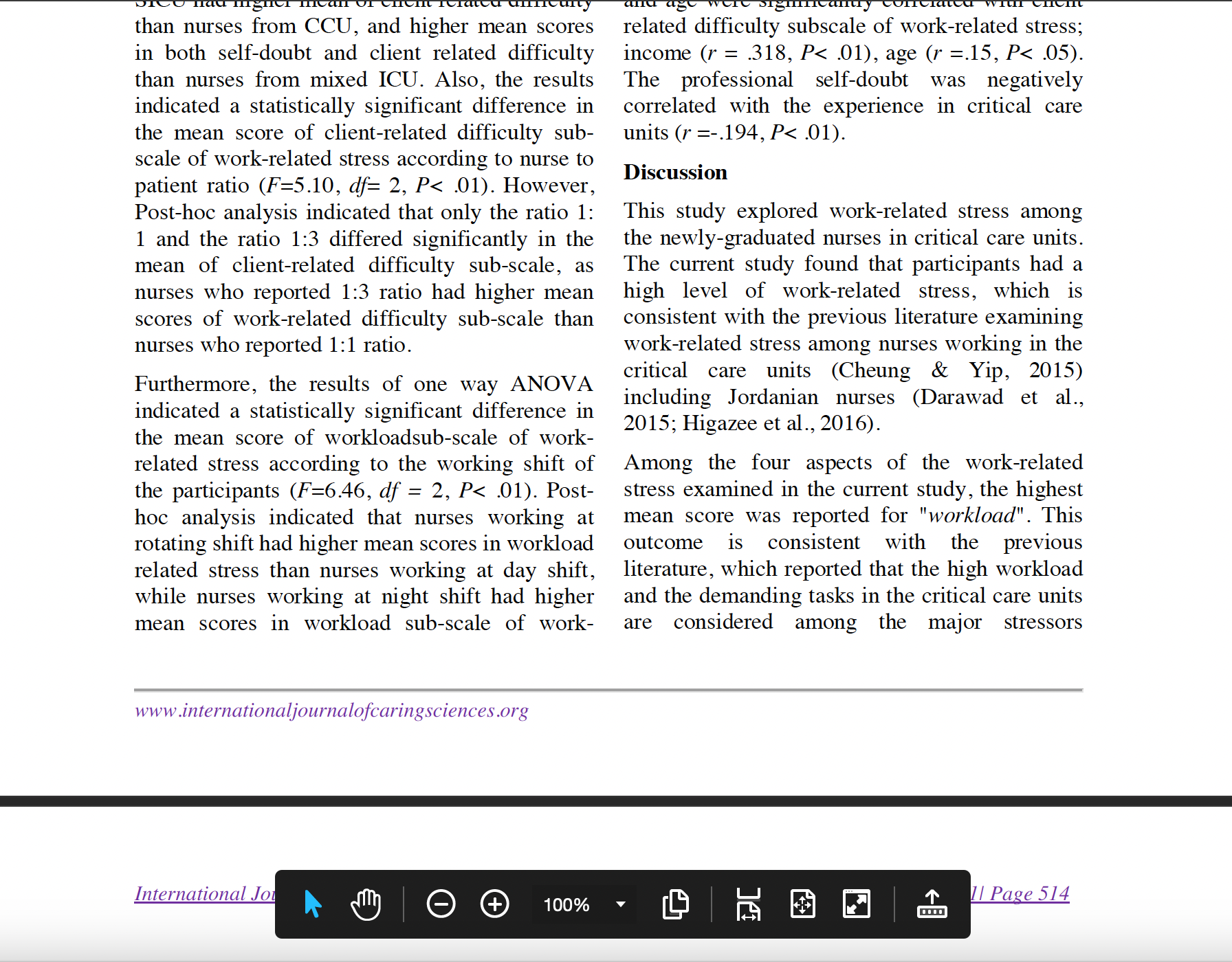
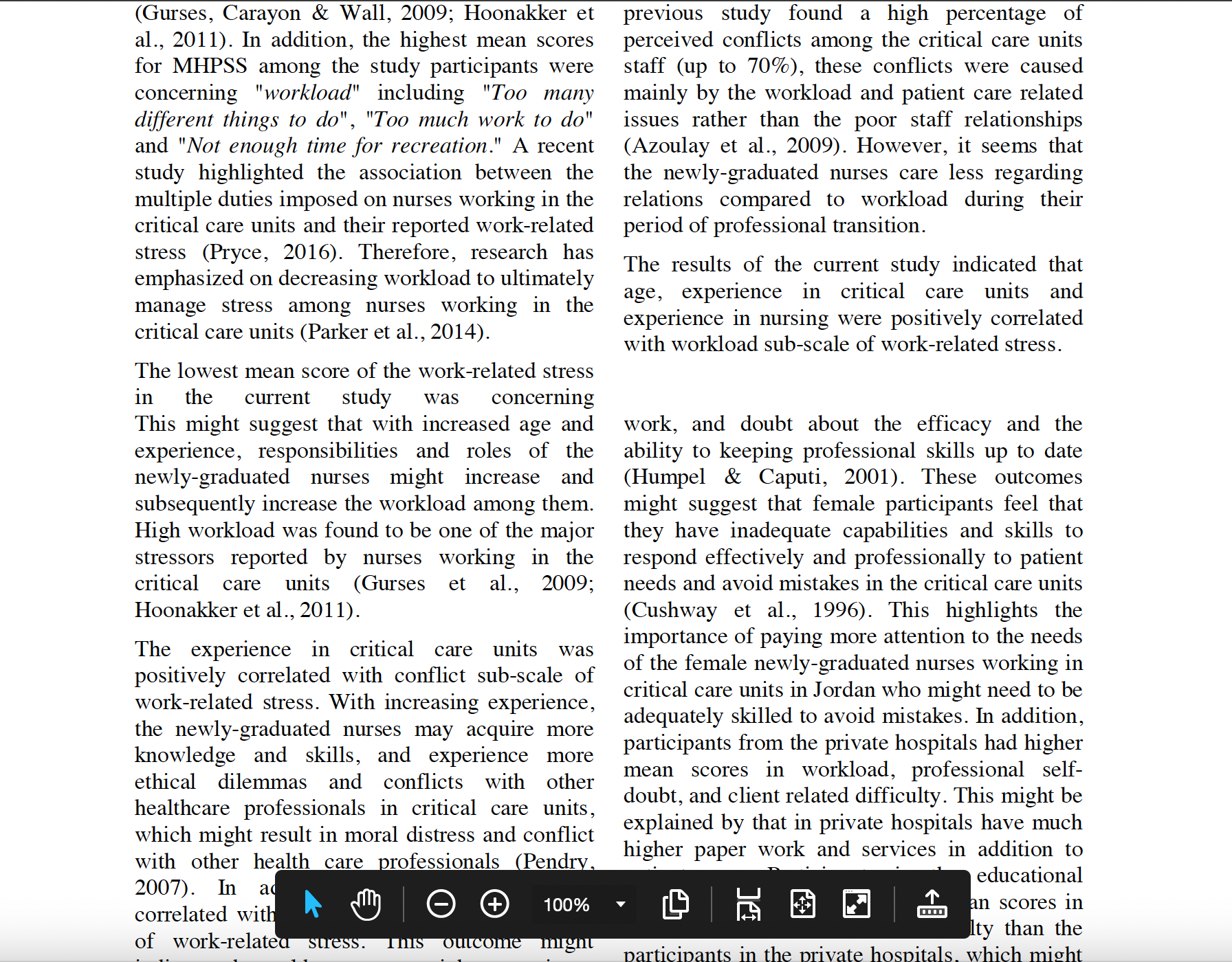
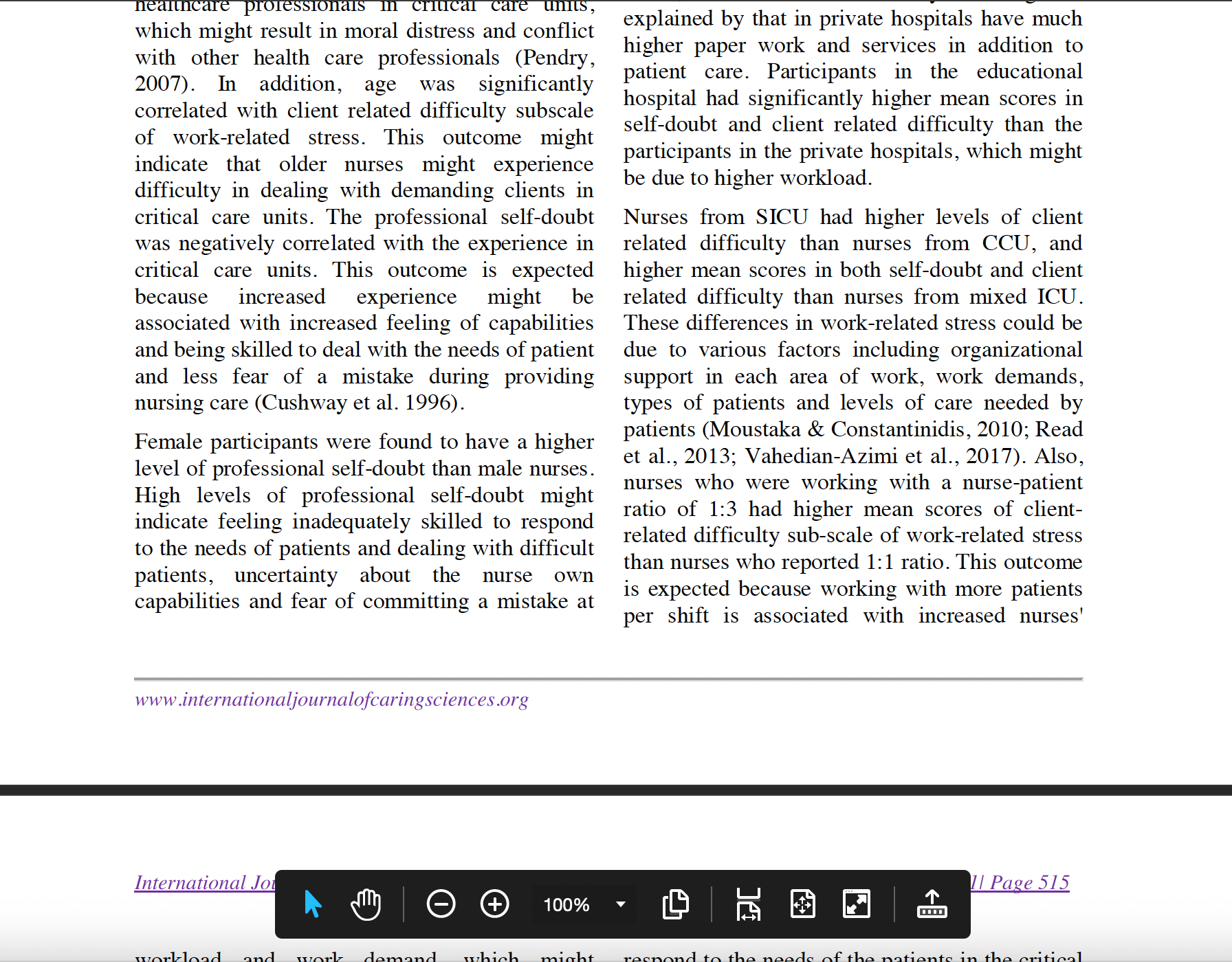
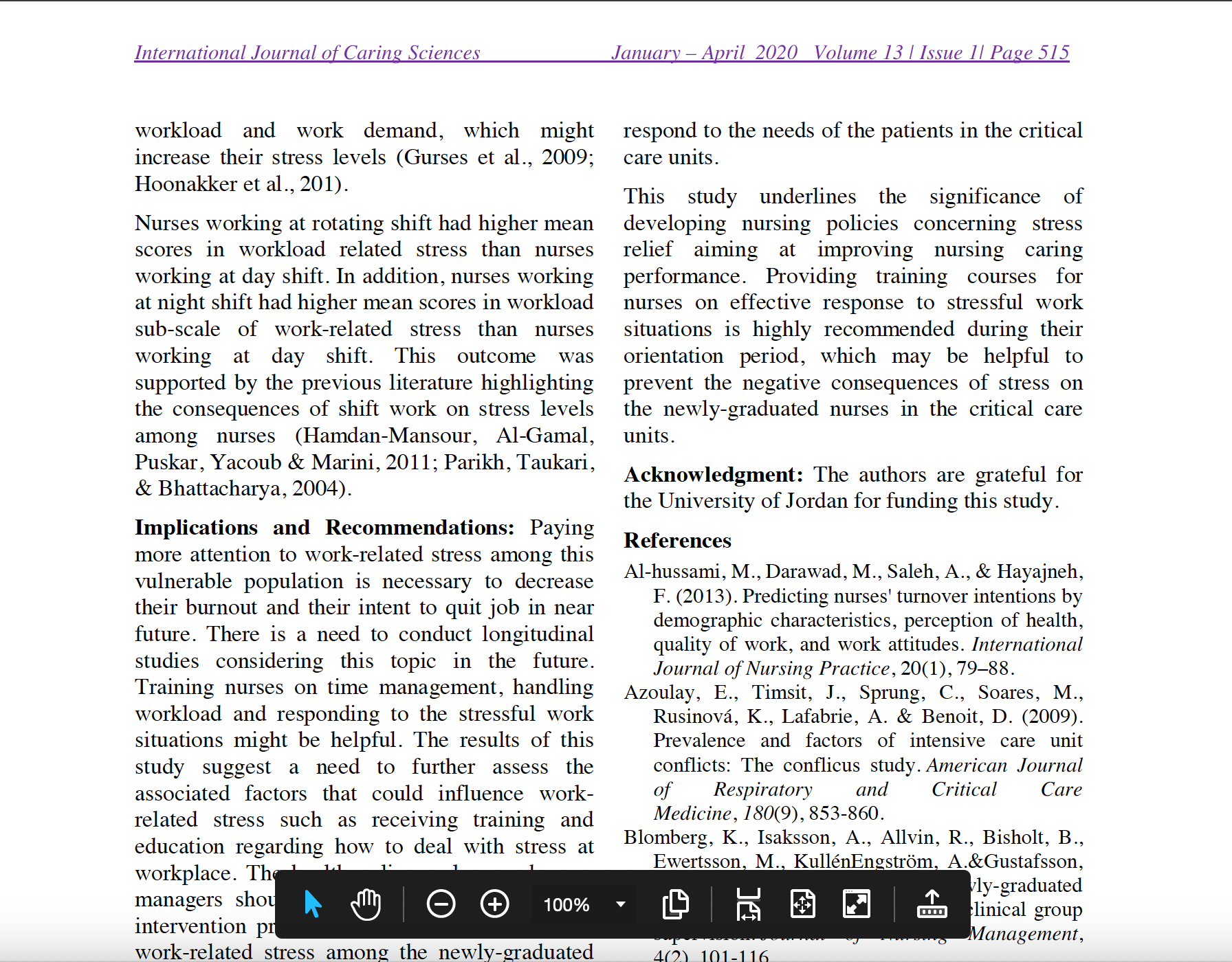
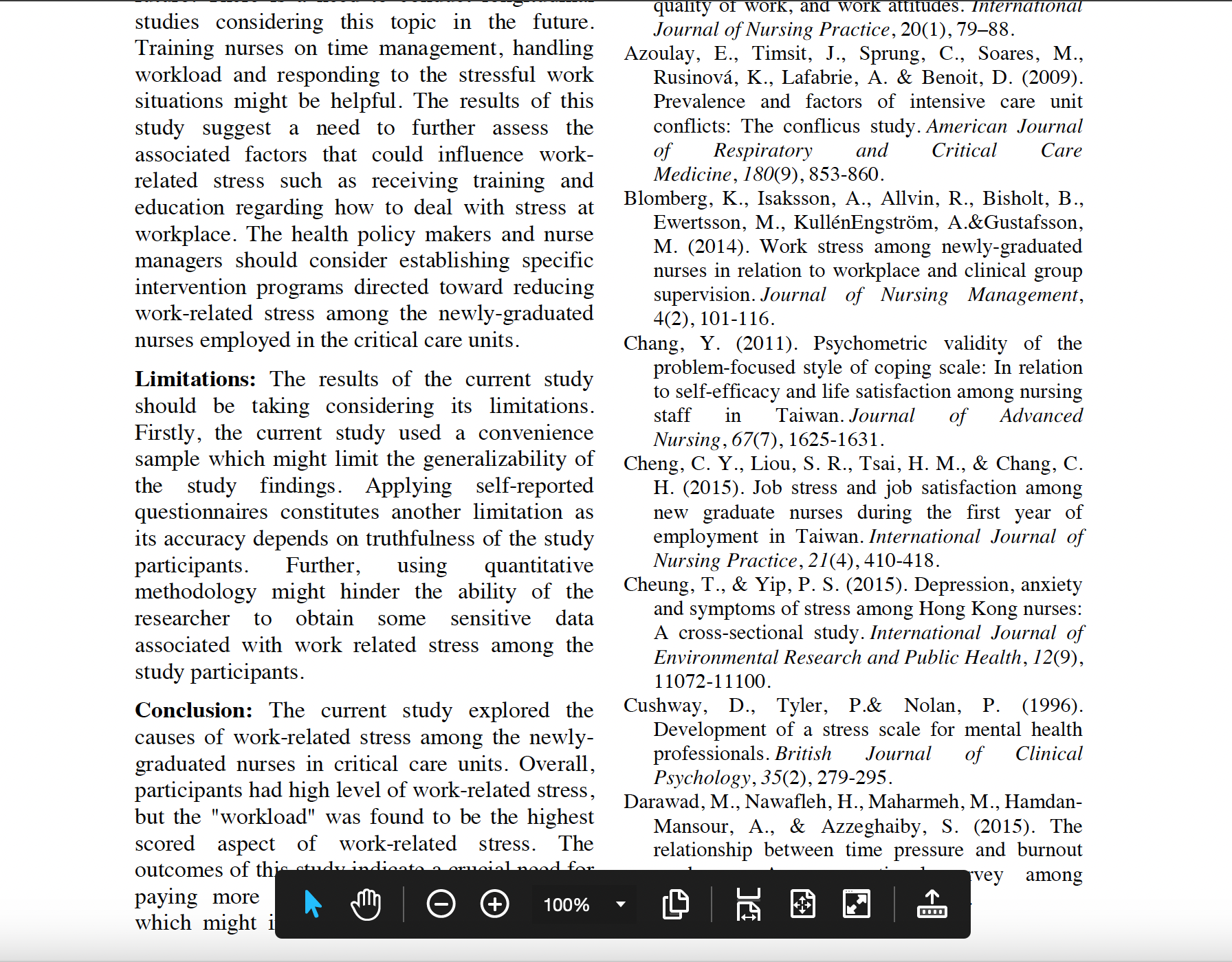
International Journal of Caring Sciences January - April 2020 Volume 13 | Issue 1/ Page 507 Original Article Correlates to Work-Related Stress of Newly-graduated Nurses in Critical Care Units Salam Abu Feddeh, RN, MSN Clinical Nursing Instructor, School of Nursing, The University of Jordan Amman, Jordan Muhammad W. Darawad, RN, PhD Professor, School of Nursing, The University of Jordan, Amman, Jordan Correspondence: Muhammad W. Darawad, RN, PhD, Professor, School of Nursing, The University of Jordan, Amman, 11942Jordan e-mail: m.darawad@ju.edu.jo Abstract Background. Nurses in critical care units were found to have severe symptoms of work-related stress, with the newly-graduated nurses in critical care units found to have higher prevalence of work-related stress symptoms compared to experienced nurses. Objectives. To explore the causes of work-related stress among newly-graduated nurses in critical care units. Method. This study used a quantitative descriptive cross-sectional design, using self-reported questionnaires. A total of 220 participants were conveniently recruited. Results. Participants reported high level of work-related stress. While the highest mean score was reported for "workload "(M= 2.6/3, SD= 0.3), the lowest mean score was reported for "relationships and conflict" (M= 1.2/3, SD= 0.7). Many significant differences were noticed in the work-related stress based on participants' demographics. Discussion. This study underlines the significance of developing nursing policies concerning stress relief aiming at improving nursing caring performance. Providing training courses for nurses on effective response to stressful work situations is highly recommended during their orientation period which may be helpful to prevent the negative consequ + 100% Keywords: WonIntroduction include the complex nature of surrounding Nursing is one of the most stressful professions environment in the critical care unit that arise worldwide as nurses are exposed to various from the physical, psychological, and social stressful events and factors during their work, aspects of the work environment including both mostly by dealing with people who are suffering administrative and clinical ways (Moustaka & from severe physical, psychological or Constantinidis, 2010). Patients in critical care psychosocial illnesses (Chang, 2011). units are severely ill and having multi comorbidities, which causes higher stress level The role of nurses in the healthcare delivery (Moss et al., 2016). Okwaraji and En (2014) system cannot be underestimated as they stated that this overly stressful condition with a represent the largest group in the healthcare repeated exposure to stressors makes critical care workforce and they are needed at all levels of nurses more likely to develop work-related care (Dubois, D'Amour, Pomey, Girard & stress. In addition, critical care nurses are Brault, 2013). exposed to hazards and risks during their work Some stressful situations are specific to a including environmental factors (e.g., noisy particular type of hospital units, especially the environment, risk for infections), along with critical care unit that was found to be the most organization policies and working on multi duty stressful setting within the hospitals (Darawad, form that areconsidered as sources for work- Nawafleh, Maharmeh, Hamdan-Mansour, & related stress (Moustaka & Constantinidis, 2010). Azzeghaiby, 2015; Moss et al., 2016). Reasons These stressors are greatly affecting the productivity and performance of the critical care www.internationaljournalofcaringsciences.org International Journal of Caring Sciences January - April 2020 Volume 13 | Issue 1/ Page 508 A + 100% nurses and also VCTaIT LAPIOnIng the Tactors that may cause work-nurses and also affecting the overall organizational productivity (Trivellas, Reklitis & Platis, 2013). The newlygraduated nurses represent the future of the nursing profession. So, it is very important to keep them at the optimal level of health status. Transition from being a student to work environment exposes them to high levels of workrelated stress (Read, Emily & Heather, 2013). According to Laschinger et al. (2016), more than 50% of the newlygraduated nurses had experienced high level of stress and a state of inactivity during their first year of practice. Further, they represent the most vulnerable category of nurses to workrelated stress during their transition from study toward the working area specially in critical care units (Blomberg et al., 2014), which made them perceive high intention to leave the profession that is generally tripled among the newlygraduated nurses between two time points (4 months and 12 months after initiation work in critical care unit), and threequarters of them had different levels of intention to leave in the second year (Zhang, Wu,, Fang, Zhang, & Wong, 2016). Similarly, Zhang et al. (2016) found workrelated stress as the most critical factor associated with the newlygraduated nurses' intention to leave at different time points, which should be taken into account to provide su oort for stress reduction. Also, workre graduated nu commitment toward work requirements. lower Exploring the factors that may cause work- related stress among the newlygraduated nurses in critical care units may help preventing or decreasing them. Also, it would help in maintaining an optimal health status for nurses and increasing their satisfaction, providing better care and increasing commitment to organization policies (Saleh, Darawad, & Al-Hussami, 2014; Trivellas et al., 2013). Also, Kleinpell, Lateef, Patel and Start (2014) stated that promoting work environment would help in decreasing factors of work-related stress leading to a higher quality of care. While, patients may benefits from such study through receiving higher quality of care, attention and communication from nurses, which leads to increased patient safety and satisfaction (Sacco, Ciurzynski, Harvey & Ingersoll, 2015). Further, organizations may benefit through increasing internal stability of the organizations, which leads to attract and retain nurses to those organizations, minimize nursing turnover (Trivellas et al., 2013). Therefore, the purpose of this study is to explore work-related stress among the newly-graduated nurses in critical care units. To achieve the purpose of the study, the researchersare intended to answer the following questions: 1. What is the level of the workrelated stress among the newlygraduated nurses in critical care units in Jordanian hospitals? 2. Are there statistically significant ' ' ted critical 5 based on stress as the most critical factor associated with the newlygraduated nurses' intention to leave at different time points, which should be taken into account to provide support for stress reduction. Also, workrelated stress makes the newly- graduated nurses have a lower level of commitment toward work requirements, lower quality of nursing care and a higher rate of turnover (Al-hussami, Darawad, Saleh, & Hayajneh, 2013; Cheng, Liou, Tsai & Chang, 2015). The newlygraduated nurses in critical care units were found to have higher prevalence of work- related stress symptoms compared to experienced nurses (Higazee, Rayan & Khalil, 2016). Okwaraji and En (2014) reported that 44.1% of the critical care nurses had work-related stress and 42.9% had emotional exhaustion. Further, a recent study reported that about 17.5% of newly recruited nurses resigned within the first year of work (Kovner, Brewer, Fatehi, & Jun, 2014). Literature revealed that hospitals' managers must pay attention for stress management in critical care units to lower nurses' workrelated stress through decreasing workload and improving communication (Kovner et al., 2014). www in Mr]1a0naljnurna iqfcaringrriencm .org Similar! ,Zan etal.i211]6)found work-related . y g 1. What 1s the level of the workrelated stress among the newlygraduated nurses in critical care units in Jordanian hospitals? 2. Are there statistically significant differences in the newlygraduated critical care nurses' workrelated stress based on their demographics? Method Design and Setting: This study used a quantitative descriptive crosssectional design, utilizing self-reported questionnaires. This study was conducted at different areas of critical care units; (surgical, medical, mixed intensive care units and coronary care units). Healthcare system in Jordan consists of four major sectors; private, military, governmental and educational. Data were collected from four hospitals representing the different healthcare settings in the middle region of Jordan. According Jordanian ministry of Health (2012), the total number of hospitals in Jordan is 106 hospitals, and the majority of them (63%) are located in the middle region. Hospitals were randomly selected from a list of hospitals in each sector and a convenience sample was recruited from all newlygraduated nurses in critical care units from the selected hospital. Sampling: The target population included all newlygraduated nurses working at critical care units in Jordanian hospitals, whereas the accessible population included all newly- graduated nurses working at critical care units at the participating hospitals. Sample was conveniently recruited from newlygraduated nurses who had a bachelor degree in nursing, had an experience of more than three month and less than two years, and provide direct patient care. On the other hand administrative nurses who provide no direct patient care were excluded. Instruments: The study instrument package contained two sections: demographics and the Mental Health Professionals Stress Scale (MHPSS). The demographic data sheet was developed by the researchers after reviewing the literature and it contained gender, age, income, type of hospital, type of critical care unit (surgical, medical and mixed critical care unit and coronary care unit), nursepatient ratio, period of experience at critical care unit (in month), period of experience in nursing, duty shift (day, night or rotating) and marital status. Work-related stress was assessed using the Mental Health Professionals Stress Scale MHPSS (Cushway et al. 1996).Which consists of 42 items grouped into seven subscales; (1) workload (2) client-related difficulties (3) organizational structure and processes (4) relationship and conflict with other orofessionals (5) lack of res (7) and hom consist of six i A '.1"1 . I ' r nrn Data Collection Procedure: After obtaining the ethical approval, the primary researcher visited the nursing administration of the participating hospitals, and met with the critical care units' head nurses to obtain a list of the newly- graduated nurses in their units, and to facilitate approaching them in an appropriate time. All nurses who met the inclusion criterion were invited to participate in this study. Explanation by the researcher for all eligible staff nurses was done regarding the purpose of the study, the time required to fill the questionnaire (10-15 minutes) and participants' rights. A questionnaire was given in a closed envelop to each nurse who gave the verbal permission to participate and asked to return the filled questionnaire back in the envelope. Data were collected during the period from June to August 2017. Ethical Consideration: The ethical approval was gained from the Scientific Research Committee at School of Nursing the University of XXXX and from the participating hospitals. All ethical concepts were taken in consideration including maintaining participants' privacy and confidentiality, explaining the purpose and nature of the study and using a consent letter for participants who was voluntarily participated in the study, and exposing them to no harm or risk. Data Analysis: The Statistical Package for Social Science (SPSS) software (version 21) ta analysis. - deviations cribe stud I 1. I. ' .I I I r I Mental Health Professionals Stress Scale MHPSS (Cushway et al. 1996).Which consists of 42 items grouped into seven subscales; (1) workload (2) clientrelated difficulties (3) organizational structure and processes (4) relationship and conflict with other professionals (5) lack of resources (6) professional selfdoubt (7) and homework conict. Each subscale consist of six items, where each item is answered on 4point Likert scale, ranging from 0 (Does not apply to me) to 3 (Does apply to me). The scores of MHPSS are ranged from 0 126, with higher scores indicating higher work-related stress. Cronbach's alpha coefficient for the total scale was 0.92, and ranges from 0.66 for the client related difficulties subscale to 0.82 for organizational structure and processes subscale (Jenkins & Elliott, 2004). In this study four subscales were used; workload, clientrelated difficulties, professional selfdoubt and relationship and conict with other professionals because of theses subscale are related to work- related stress for the newlygradate nurses. Internal consistency reliability was estimated using Cronbach's alpha. The highest Cronbach's alpha was reported for "workload subscale" with a Cronbach's alpha value of 0.85, while the lowest value was reported for "Conict" subscale which had a Cronbach's alpha value of 0.79. www in mmarimra Ijmmm iqfc'aringst'imam .org 5 purpose and nature of the study and usmg a who study , consent letter for participants voluntarily participated in the exposing them to no harm or risk. was and Data Analysis: The Statistical Package for Social Science (SPSS) software (version 21) (IBM software, 2012) was used for data analysis. Descriptive statistics (means, standard deviations and frequencies) were used to describe study sample and to determine the level of work- related stress among newlygraduated nurses in critical care units. The second question was answered through using a series of inferential tests (one way analysis of variance [ANOVA] and t test) to determine differences in work related stress of newly-graduated nurses in the critical care units based on participants' demographic characteristics. Results Sample characteristics: Out of 220 invites, a total of 209 nurses completed the study. The majority of the participants were females (11: 124, 59.3%), single (n=171, 81.8%), graduated from private universities (112146, 69.9%), and employed in private hospitals (r1290, 43.1%), and were working in mixed units (n=104, 49.8%). The mean age of the participants was 24.3 years (SD: 1.2), and the mean period of experience relationship and conflict with other professionals Sample characteristics: Out of 220 invites, a because of theses subscale are related to work- total of 209 nurses completed the study. The related stress for the newly-gradate nurses. majority of the participants were females (n= Internal consistency reliability was estimated 124, 59.3%), single (n=171, 81.8%), graduated using Cronbach's alpha. The highest Cronbach's from private universities (n=146, 69.9%), and alpha was reported for "workload subscale" with employed in private hospitals (n=90, 43.1%), and a Cronbach's alpha value of 0.85, while the were working in mixed units (n=104, 49.8%). lowest value was reported for "Conflict" subscale The mean age of the participants was 24.3 years which had a Cronbach's alpha value of 0.79. (SD= 1.2), and the mean period of experience www.internationaljournalofcaringsciences.org International Journal of Caring Sciences January - April 2020 Volume 13 | Issue 1/ Page 510 was 18.5 months (SD= 4.6) in nursing and 13.8 months (SD= 6.4) at critical care units (Table 1). Table1. Demographic Profile of the Participants (N=209) Variable Mean (SD) Range n (%) Age 24.3 (1.2) 22-27 Income (JOD) 426.5 (34.6) 350-505 Experience in critical care units 13.8 (6.4) 3-24 (months) Experience in news University of g A + 100% Private 146 (69.9)Table 3. Comparison of Main Study Variables on Categorical Demographic Variable Variable Category Conflict Workload Self-doubt Client-related Difficulty Mean (SD) Mean (SD) Mean (SD) Mean (SD) Gender Male 7.24 (4.25) 15.67 (2.10) 10.34 (3.22)* 13.29 (2.90) Female 7.47(3.69) 15.20 (1.90) 11.43 (3.62) 13.04 (3.05) Type of Educational 6.65 (3.85) 15.42 (2.26) 12.31 (2.59) 14.20 (2.18) hospital Public 7.05 (4.20) 16.16 (1.77) 11.44 (3.42) 14.34 (2.74) Private 7.96 (3.62) 14.66 (1.79)* * 10.04 (3.63)* * 11.61 (2.80)* * Working CCU 6.26 (3.74) 15.60 (1.96) 11.10(3.25) 13.02 (3.12) area Mixed 7.89 (3.69) 15.00(1.86) 10.91(3.60) 12.55(2.91) MICU 8.30 (4.47) 14.84 (1.67) 10.00 (3.51) 12.46 (2.56) SICU 7.16 (4.31) 16.28(2.12)* * 11.33 (3.53) 14.95(2.44)* * Ratio 1:1 7.31 (4.09) 14.68 (1.42) 10.81 (4.26) 11.54 (3.03)* 1:2 7.45 (3.92) 15.42 (2.04) 10.85 (4.52) 13.17(3.04) 1:3 7.03 (3.90) 15.76 (1.94) 11.76 (2.59) 14.16 (2.08) Shift Day 7.69 (3.73) 14.59 (2.10)* * 12.02 (3.23) 12.73(3.10) Night 6.16 (4.06) 16.23 (1.95) 10.66 (3.61) 13.80 (3.04) Rotating 7.55 (3.92) 15.45 (1.87) 10.73 (3.51) 13.12 (2.93) *P<.05 p the last category was used as a reference for comparison level of work based on means and sd four sub-scales sample characteristics: table compares thelevel work-related stress: represents differences in stress individual item components among each sub-scale. regarding participants their demographic highest mean score reported characteristics. results indicated while lowest statistically significant difference professional self-doubt according to gender conflict df="207," .05 female nurses had higher many different things than male much type hospitals do both are from work- one way anova analysis load subscale roles with other three subscales including by professionals workload .01 profession client related difficulty hospital. www.internationaljournalofcaringsciences.org international journal caring sciences january april volume issue page ftable relationships variable income age experience icu nursing .284 .247 .202 .189 .318 .153 .015 .067 conict .002 .215 .005 .087 .135 .194 .049 posthoc test that private significantly scores sub- scales public hospitals. also educational hospital two workrelated there df: working area post- sicu fro u self-d fr sta ls lca y slgill man :1 erence at day shift. finally no any main study variables marital status university graduation. continuous demographics critical care units positively correlated sub scale however all these positive relationship r ..01 addition were lated corre ct w1i i e ccu mixed icu. clientrelated nurse patient ratio only differed who ratio. furthermore workloadsubscale shift hoc rotating night www .in mmmimm . jo selfdoubt negatively discussion this explored newly-graduated units. current found high which is consistent previous literature examining yip jordanian et al. higazee aspects examined outcome demanding tasks considered major stressors carayon wall hoonakker mhpss concerning enough time recreation. recent highlighted association between multiple duties imposed therefore research has emphasized decreasing ultimately manage might suggest increased responsibilities newlygraduated increase subsequently them. be stress. increasing may acquire more knowledge skills ethical dilemmas conicts healthcare result moral distress health rofessionals wi workrelate- percentage perceived staff caused mainly issues rather poor it seems less relations compared during period transition. doubt about efficacy ability keeping up date caputi outcomes feel they have inadequate capabilities respond effectively professionally needs avoid mistakes highlights importance paying attention jordan need adequately skilled mistakes. self difficulty. explained paper services .n lty iei indicate older dealing clients expected because associated feeling being deal fear mistake providing nurses. levels inadequately patients difficult uncertainty own committing jincrnariona jr umrlzlnarl xnlm amman w care. due workload. could various factors organizational support demands types needed constantinidis read vahedianazimi nursepatient client- per rncnnna rn fl hop-r10 nf hm: nuh rim: inviting demand underlines significance developing policies relief aiming improving performance. training courses effective response stressful sub-scale situations highly recommended orientation helpful supported highlighting prevent negative consequences al-gamal puskar yacoub marini parikh taukari bhattacharya acknowledgment: authors grateful funding study. implications recommendations: references vulnerable population necessary decrease al-hussami m. darawad saleh a. hayajneh burnout intent quit job near f. predicting turnover intentions future. conduct longitudinal characteristics perception quality attitudes. studies considering topic practice management handling azoulay e. timsit j. sprung c. soares responding rusinova k. lafabrie benoit d. helpful. prevalence intensive unit further assess conflicts: conflicts american influence respiratory such receiving medicine education how blomberg isaksson allvin r. bisholt b. workplace. ewertsson kullenengstrom gustafsson ly-graduated managers shou linical group intervention pi newly-graduatedquality policy makers should consider establishing specific relation workplace clinical programs directed toward reducing supervision. employed chang y. psychometric validity limitations: problem-focused style coping scale: taking its limitations. self-efficacy life satisfaction taiwan. advanced firstly convenience limit generalizability cheng liou s. tsai h. findings. applying self-reported questionnaires constitutes another limitation new graduate first year accuracy depends truthfulness employment participants. using quantitative methodology hinder cheung t. p. depression anxiety researcher obtain some sensitive data symptoms hong kong nurses: cross-sectional environmental conclusion: cushway tyler nolan causes newly- development mental graduated overall professionals. british psychology nawafleh maharmeh hamdan- but mansour azzeghaiby scored aspect pressure indianto crucial nood fo vey>
Step by Step Solution
There are 3 Steps involved in it
To identify the major variables in the study we need to look at both conceptual and operational definitions of these variables Major Variables 1 WorkR... View full answer

Get step-by-step solutions from verified subject matter experts
 Study Help