







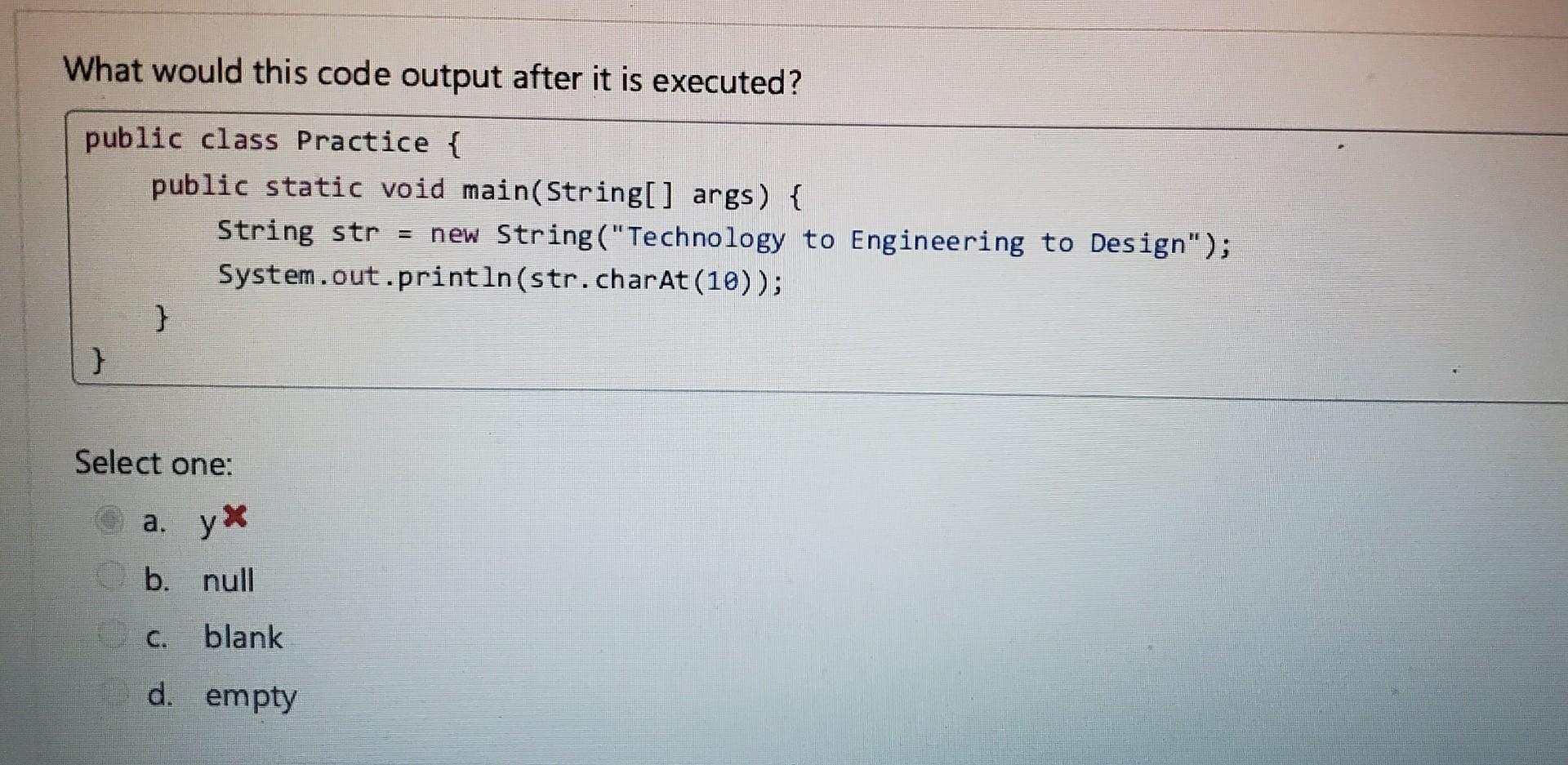
Question: What would this code output after it is executed? public class Practice { public static void main(String[] args) { String str = new String(Technology to
![Practice \{ public static void main(String[] args) \{ String str = new](https://dsd5zvtm8ll6.cloudfront.net/si.experts.images/questions/2024/09/66f507d930793_36066f507d8969f9.jpg)
![is executed? public class Try \{ public static void main(String [] args)](https://dsd5zvtm8ll6.cloudfront.net/si.experts.images/questions/2024/09/66f507dc011ad_36366f507db665db.jpg)
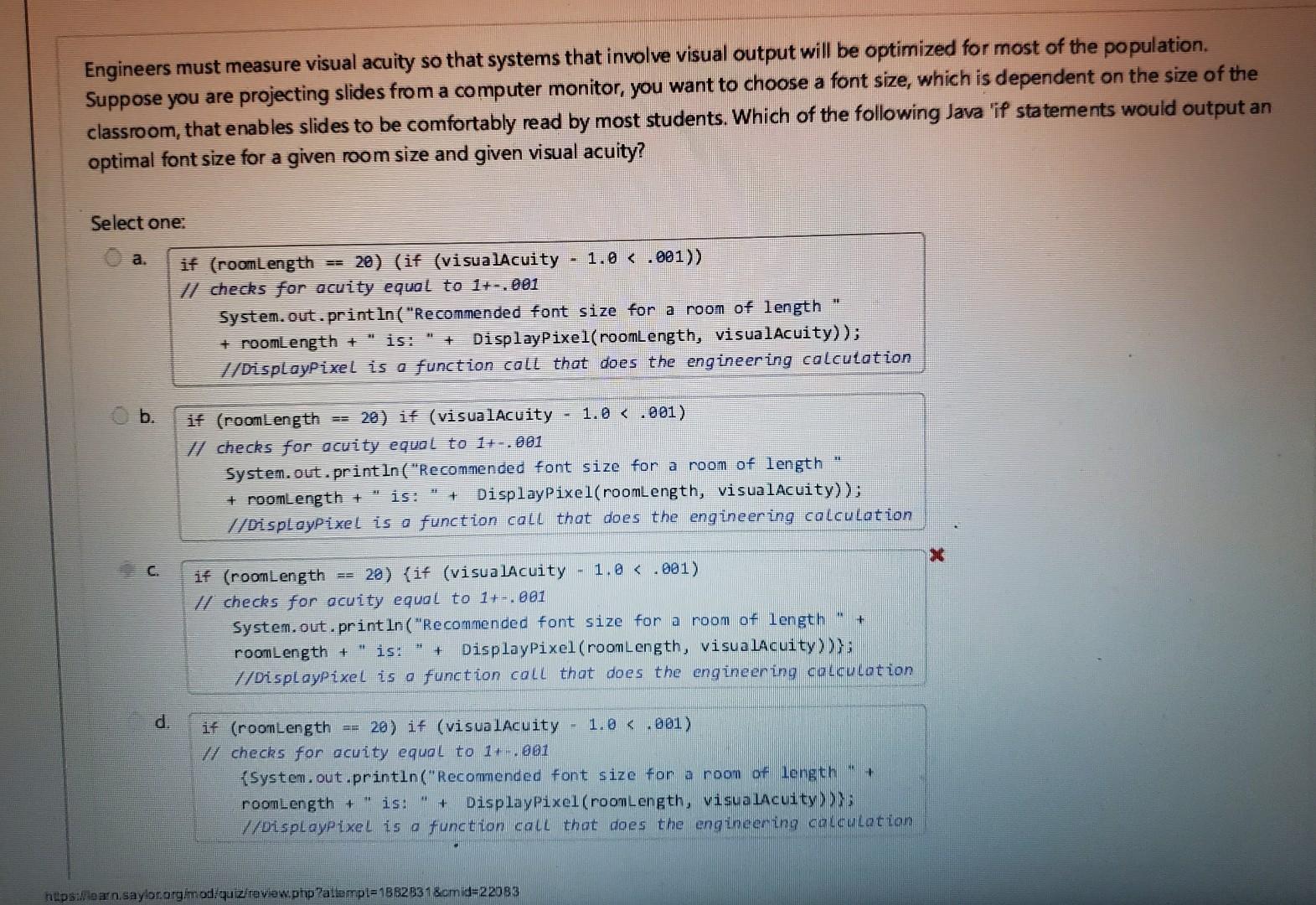
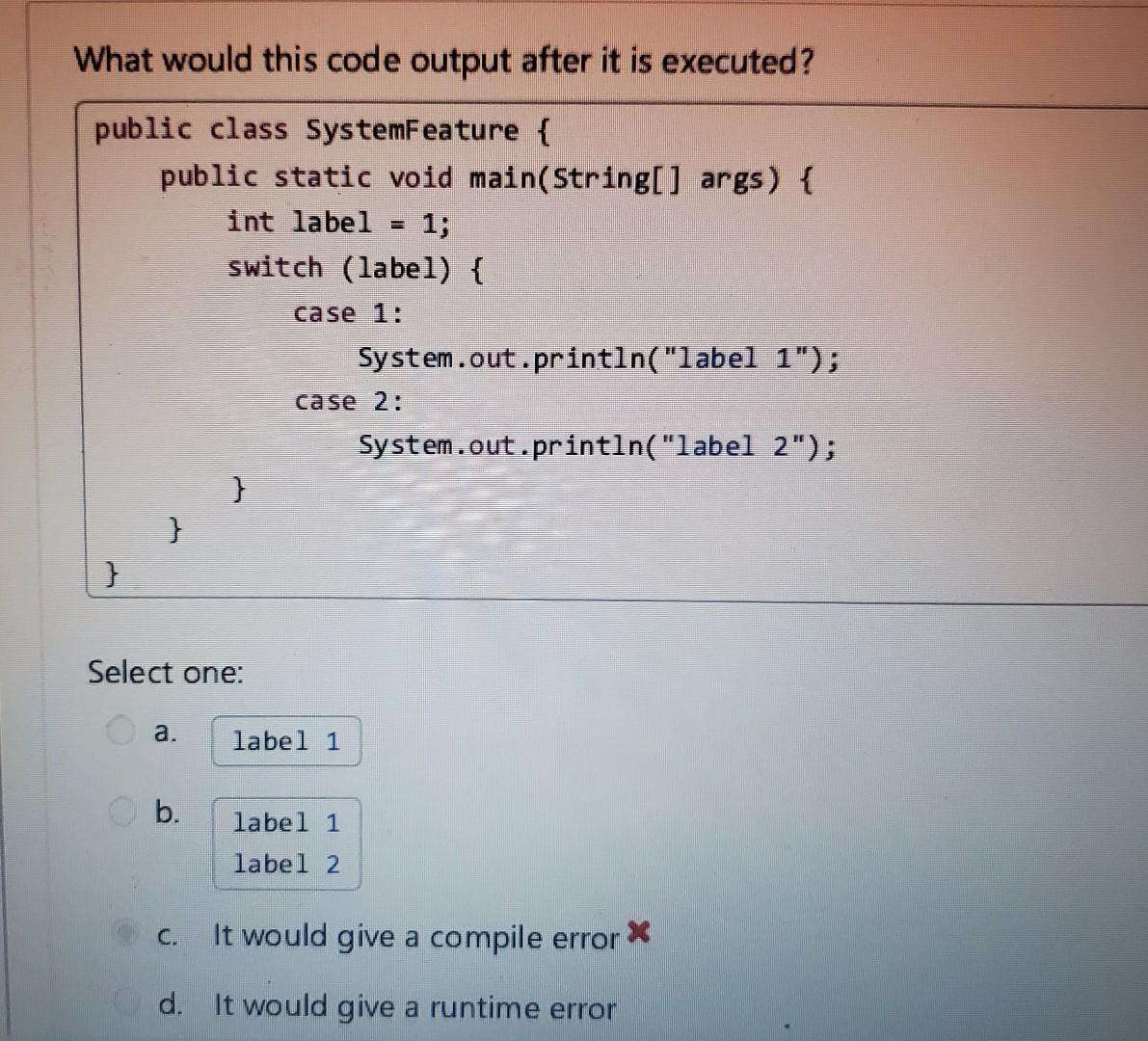
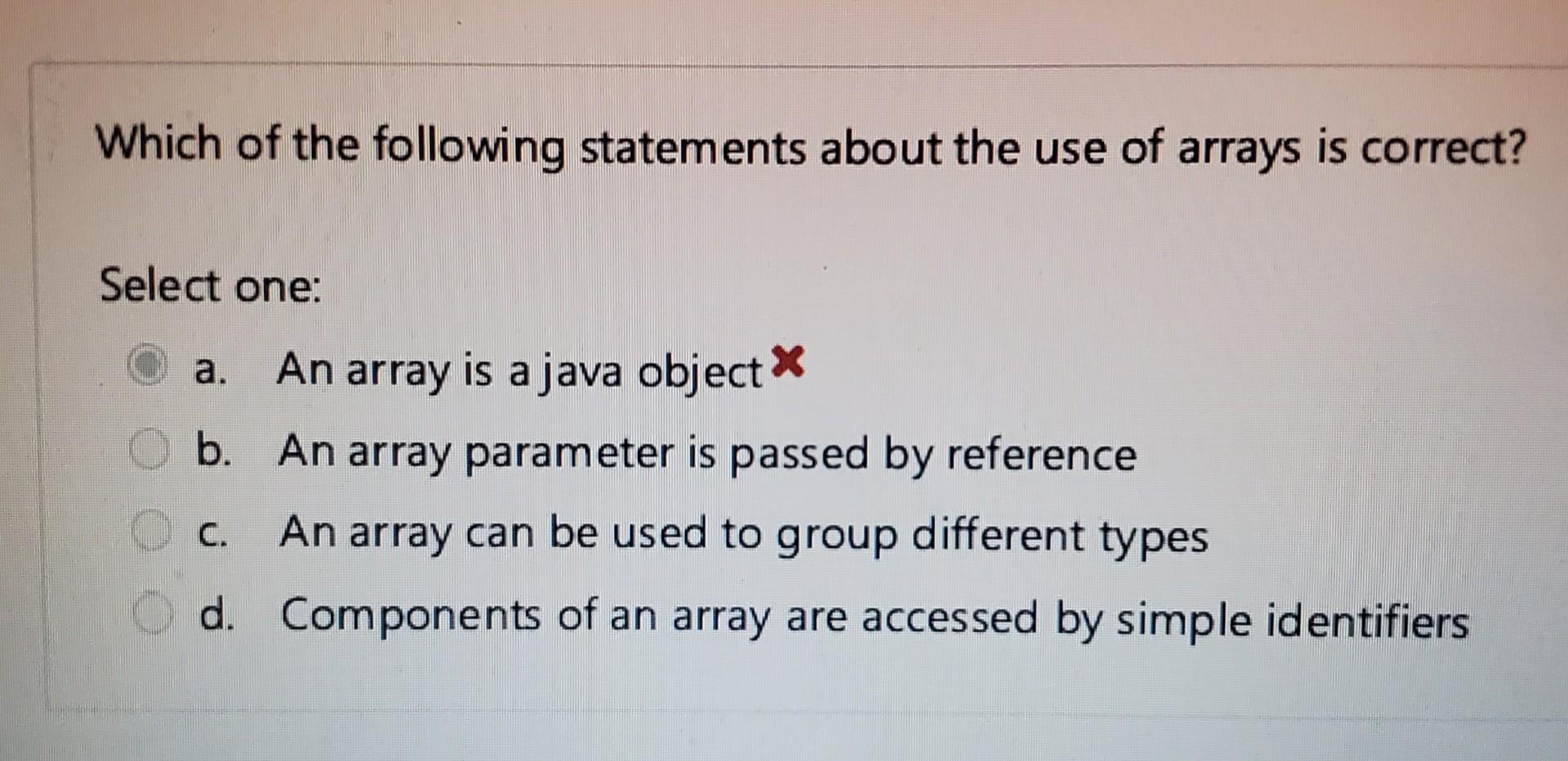
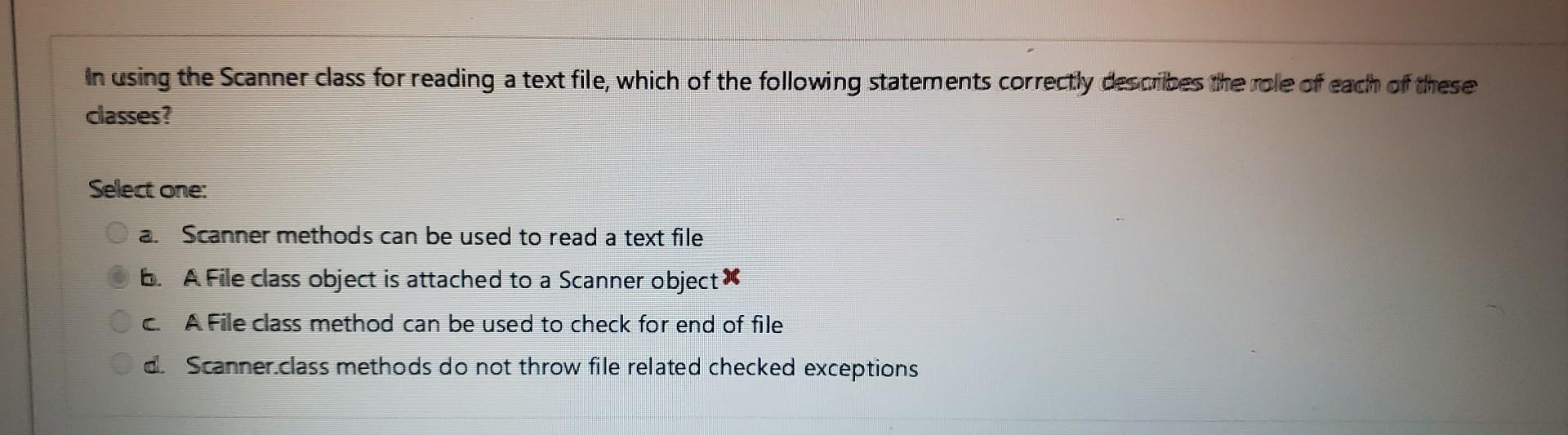
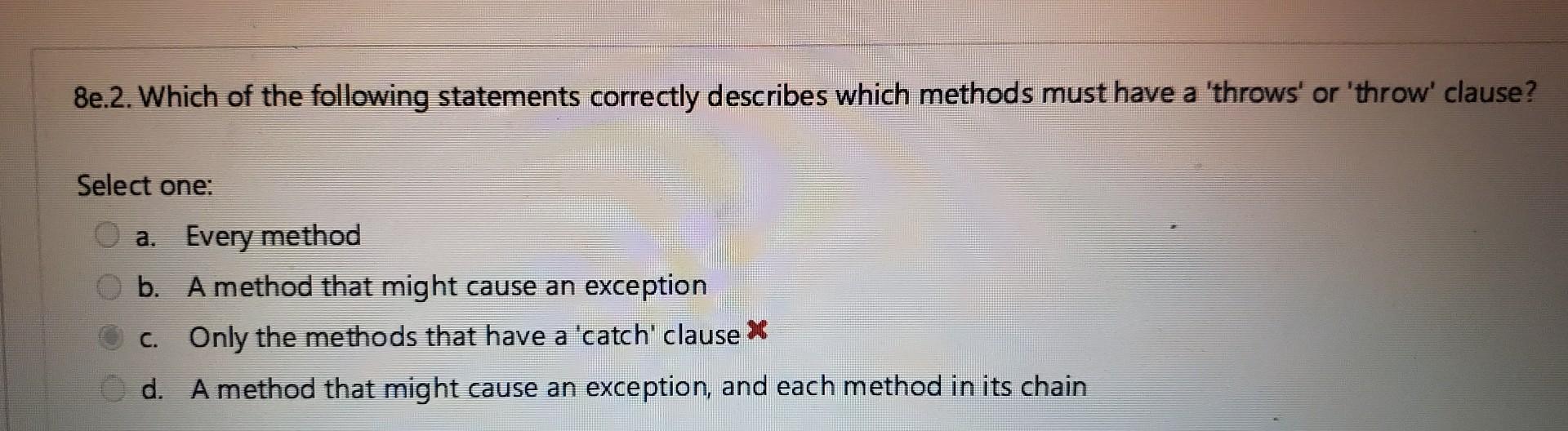
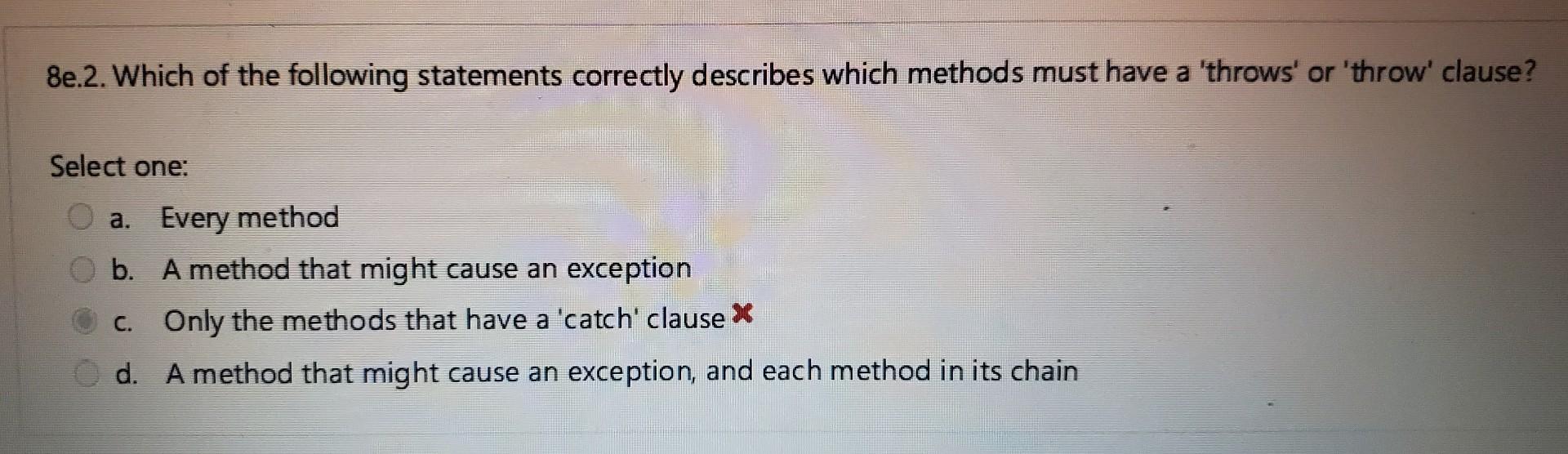
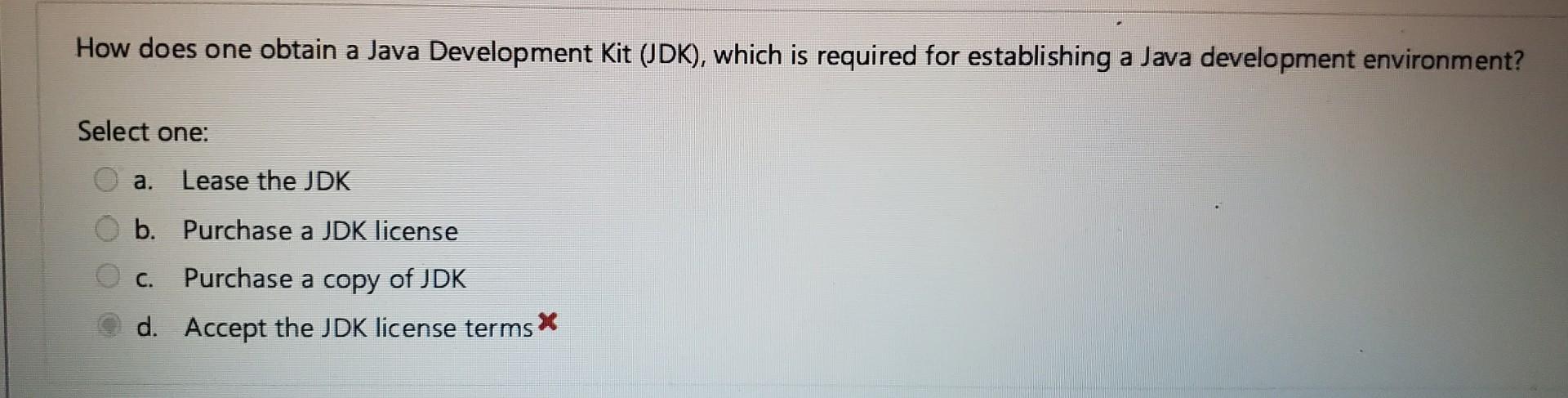
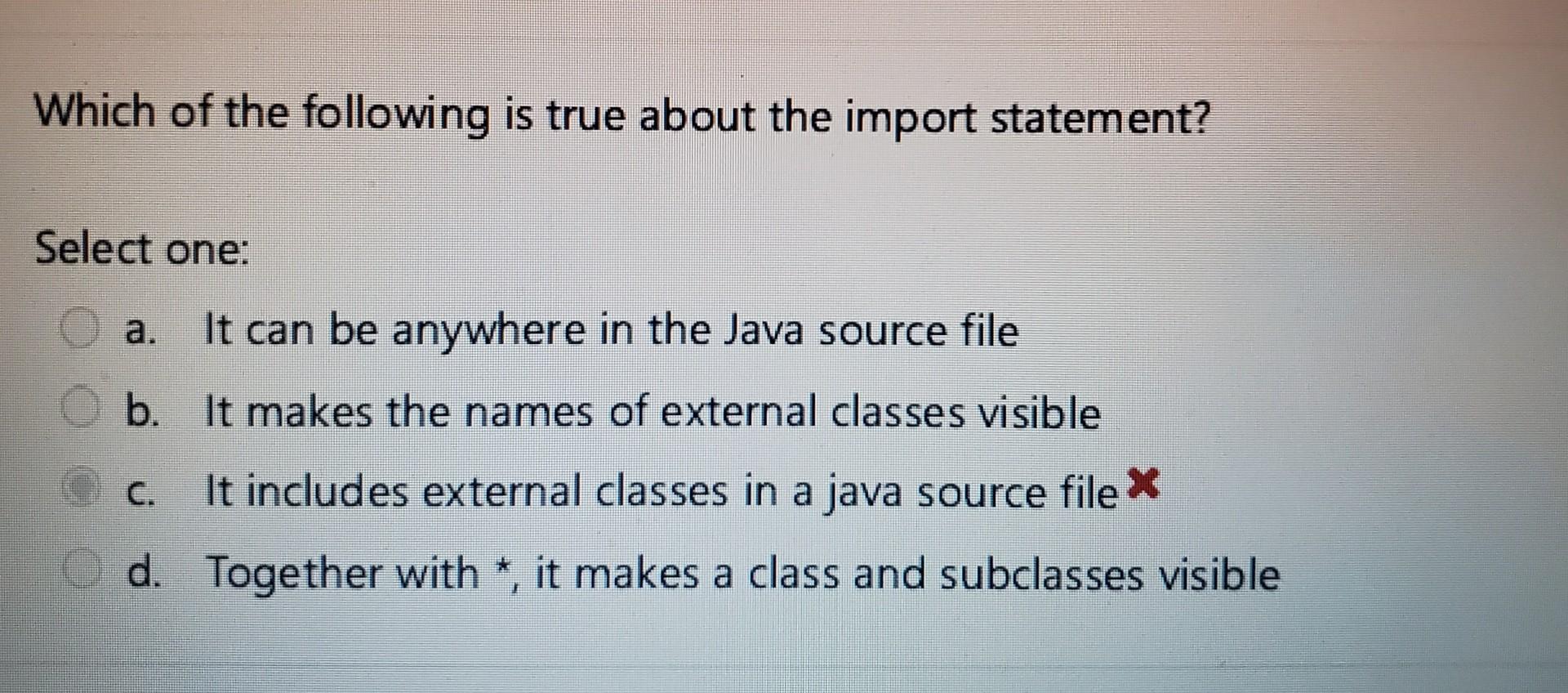
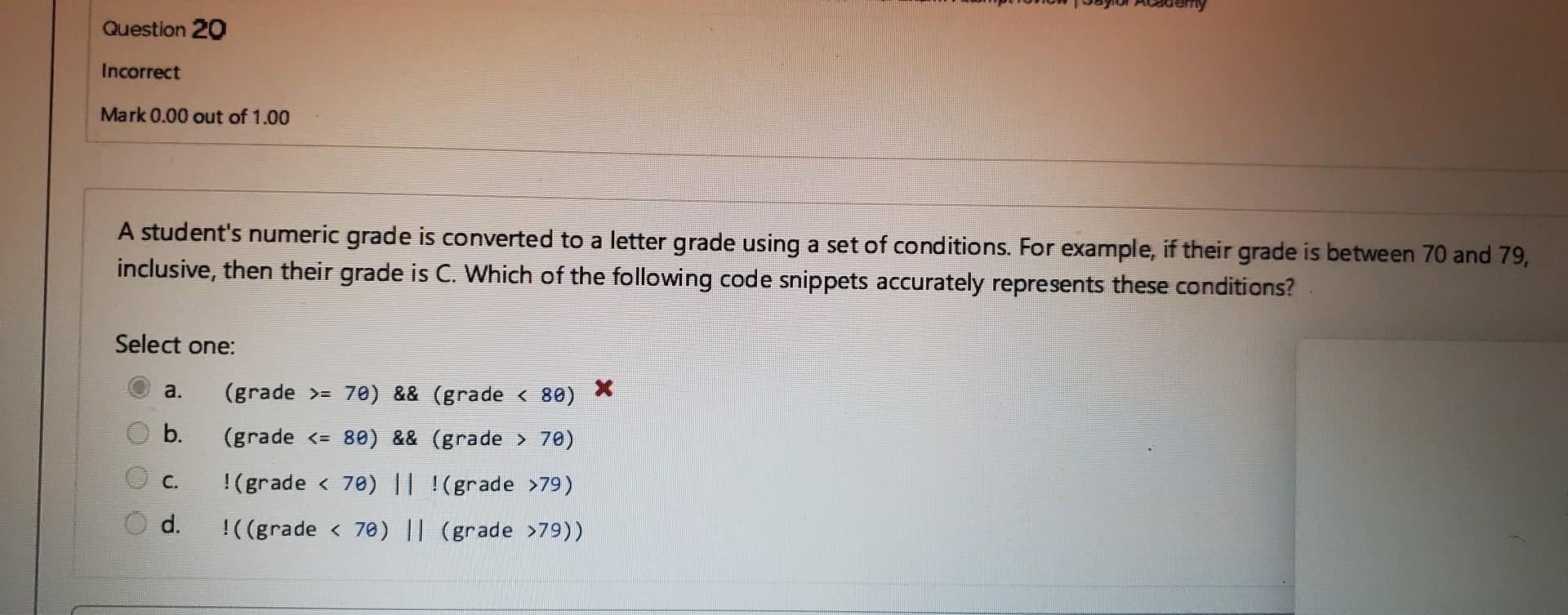
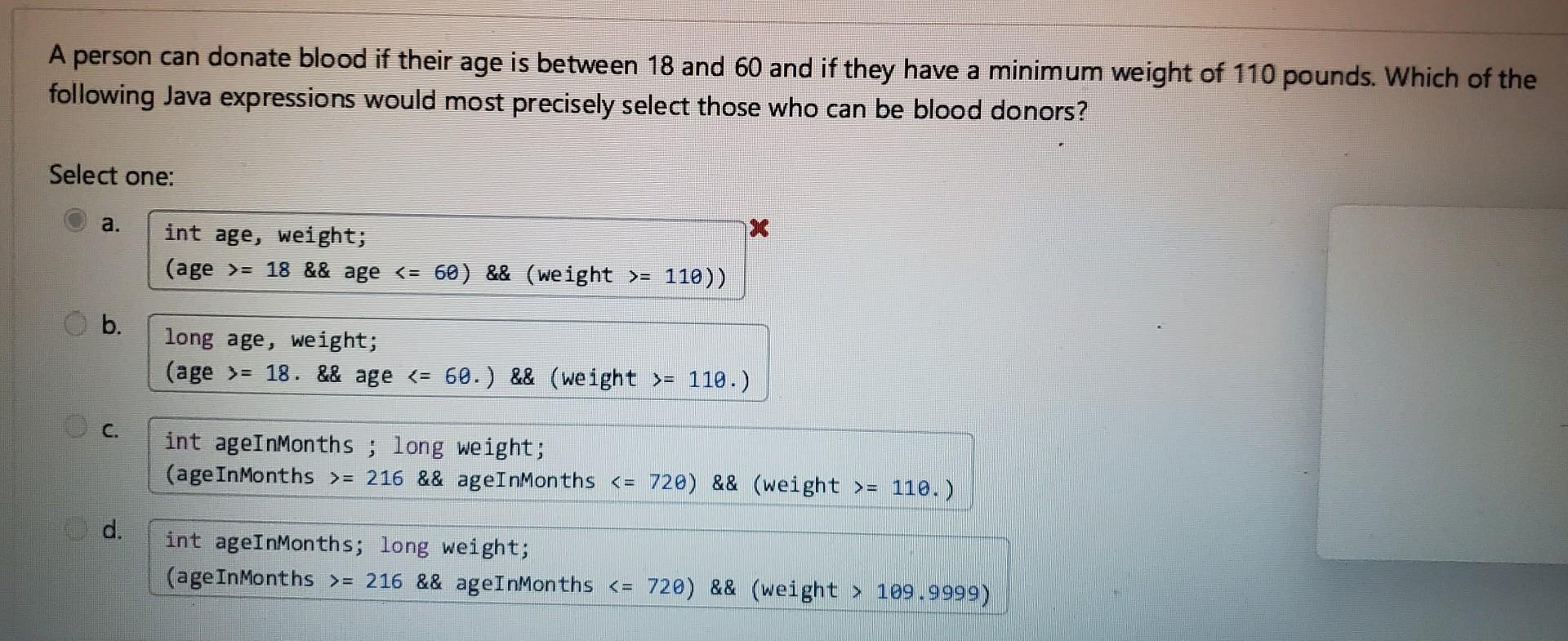
What would this code output after it is executed? public class Practice \{ public static void main(String[] args) \{ String str = new String("Technology to Engineering to Design"); System.out.println(str.charAt(10)); \} Select one: a. yx b. null c. blank d. empty What would this code output after it is executed? public class Try \{ public static void main(String [] args) \{ boolean x= false, y= false; if (x=y) System.out.println(true); else System.out.println(false); \} Select one: a. true b. false c. It would give a syntax error x d. It would give a runtime error A student's numeric grade is converted to a letter grade using a set of conditions. For example, if their grade is between 70 and 79 , inclusive, then their grade is C. Which of the following code snippets accurately represents these conditions? Select one: a. (grade >=70) \& ( grade 70) c. I(grade 79) d. !(( grade 79)) A person can donate blood if their age is between 18 and 60 and if they have a minimum weight of 110 pounds. Which of the following Java expressions would most precisely select those who can be blood donors? Select one: a. intage,weight;(age>=18&&age=110)) b. long age, weight; (age =18. \& age =60.)&(weight=110. ) c. int ageInMonths ; long weight; (ageInMonths =216&& ageInMonths =720 ) \&\& (weight =110. ) d. int ageInMonths; long weight; (ageInMonths >=216&& ageInMonths =720 ) \&\& (weight >109.9999 ) Which of the following statements acts as a control structure? Select one: a. int x; b. x=1;x c. if then d. puts Engineers must measure visual acuity so that systems that involve visual output will be optimized for most of the population. Suppose you are projecting slides from a computer monitor, you want to choose a font size, which is dependent on the size of the classroom, that enables slides to be comfortably read by most students. Which of the following Java if statements would output an optimal font size for a given room size and given visual acuity? Select one: a. if (roomLength =20 ) (if (visualAcuity 1.<.001 il checks for acuity equal to system. out. println font size a room of length roomlength is: displaypixel visualacuity is function call that does the engineering calcutation b. if ii out.println calculation c. system.out.print ln l d. i roon roonlength public class systemfeature static void main args int label="1;" switch case system.out.println select one: a. it would give compile error runtime which following statements about use arrays correct an array java object parameter passed by reference can be used group different types components are accessed simple identifiers in using scanner reading text file correctly descrilbes role off each these classes methods read attached x method check end scanner.class do not throw related checked exceptions describes must have or clause every might cause exception only and its chain how one obtain development kit required establishing environment lease jdk purchase license copy accept terms true import statement anywhere source makes names external visible includes together with subclasses>
Step by Step Solution
There are 3 Steps involved in it

Get step-by-step solutions from verified subject matter experts
 Study Help